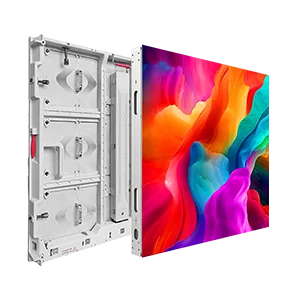
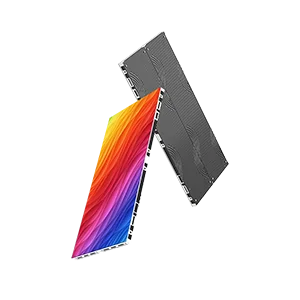
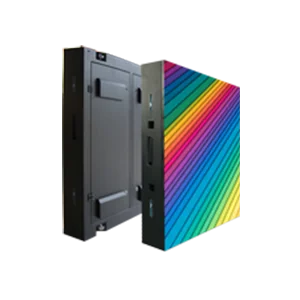
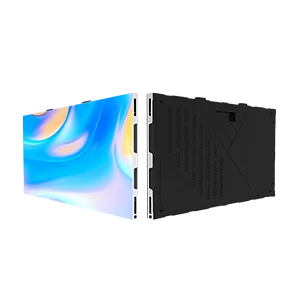
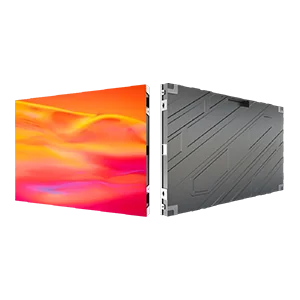
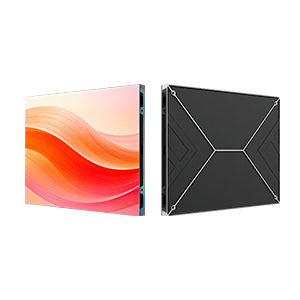
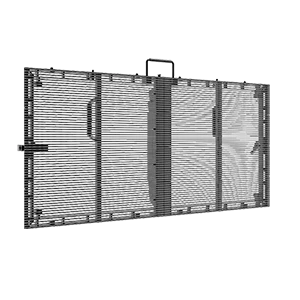
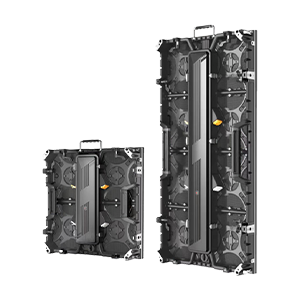
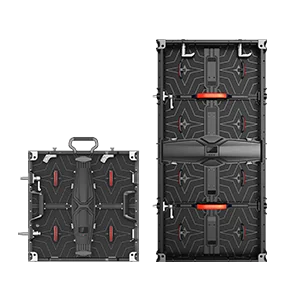
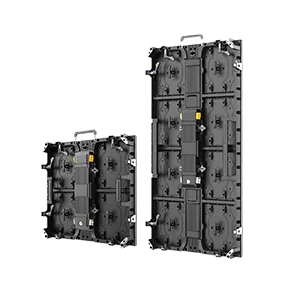
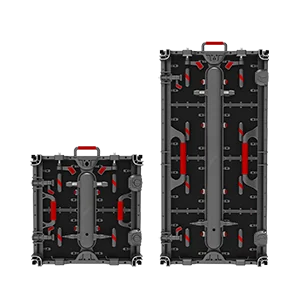
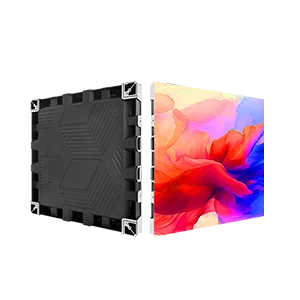




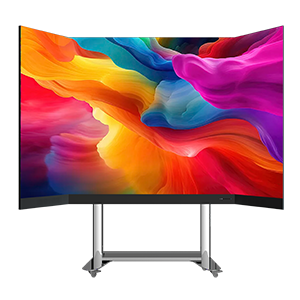
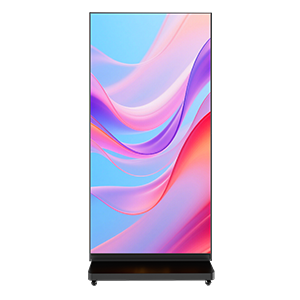
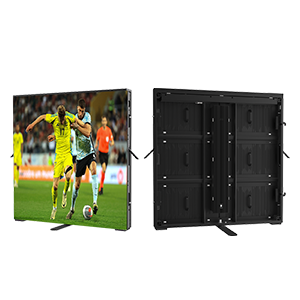
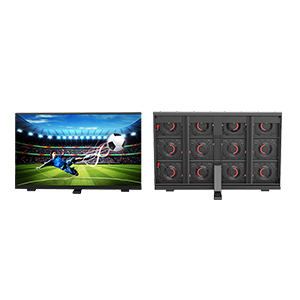
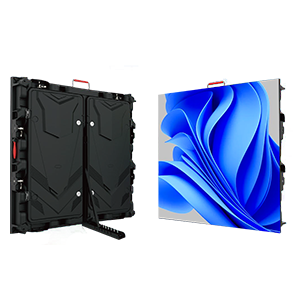
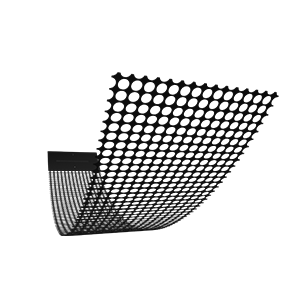
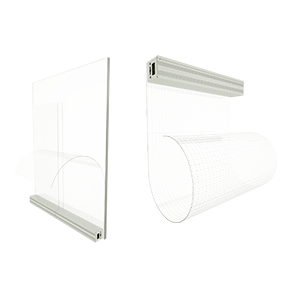
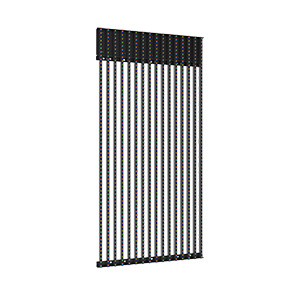
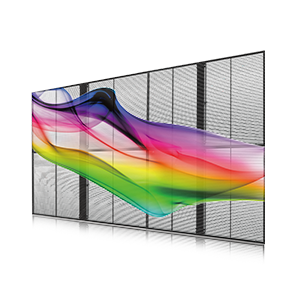
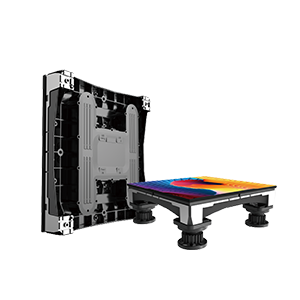
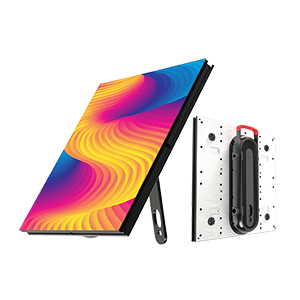
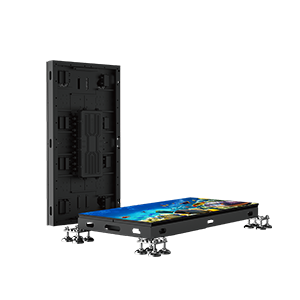
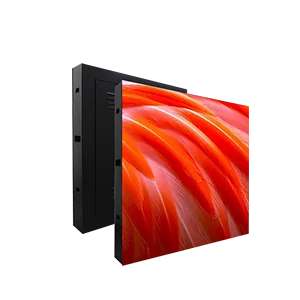
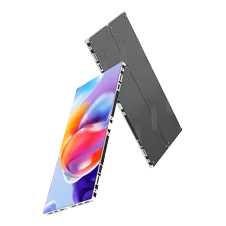
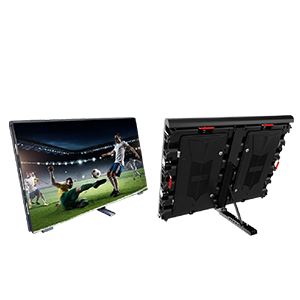
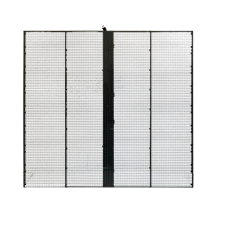
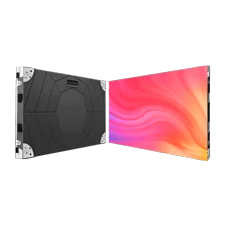
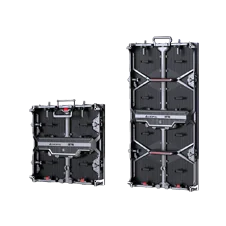
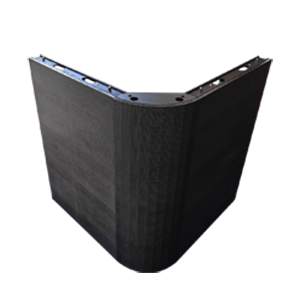
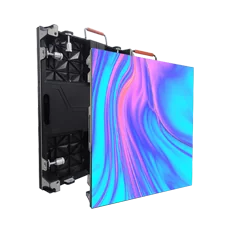







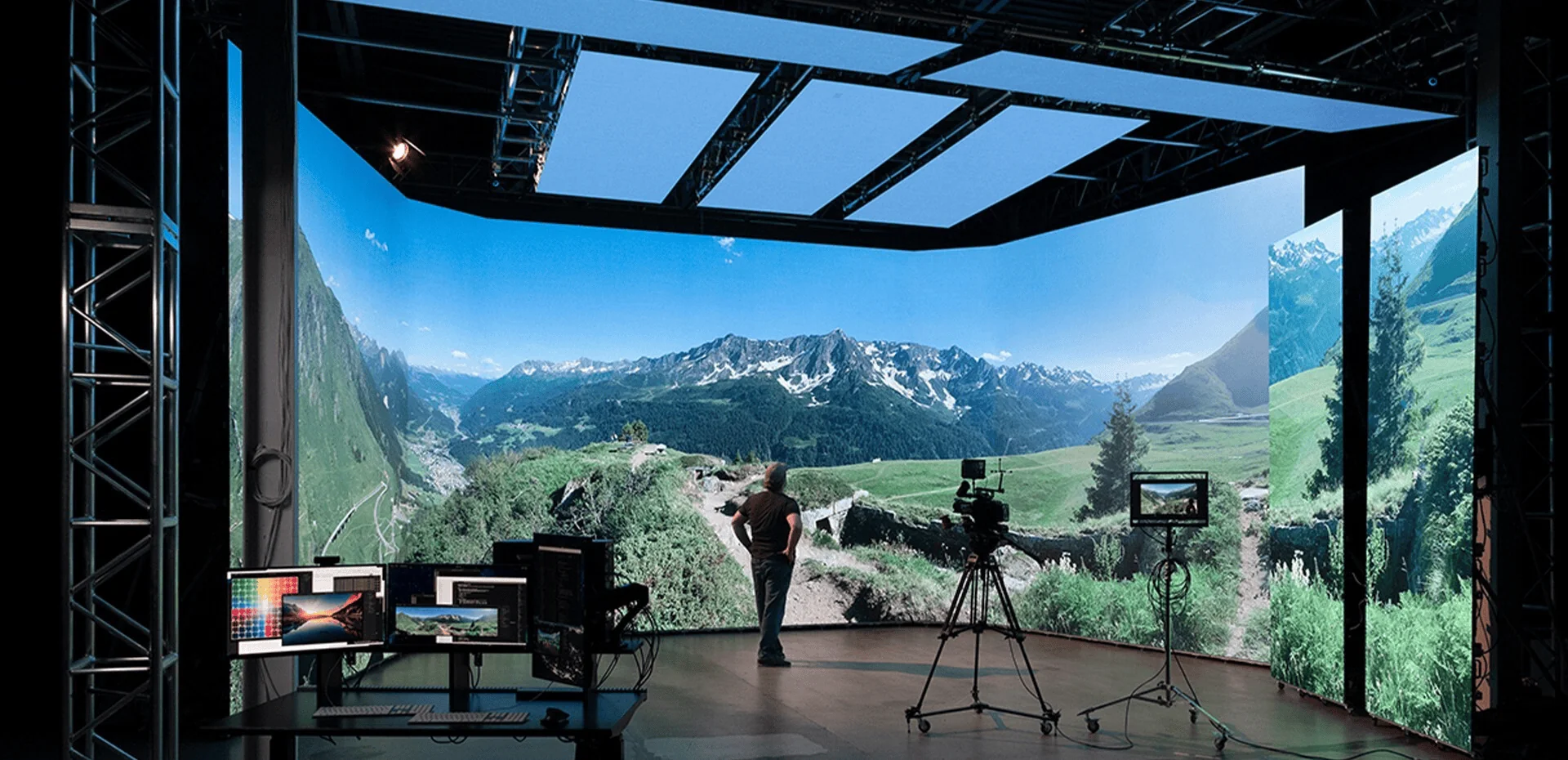
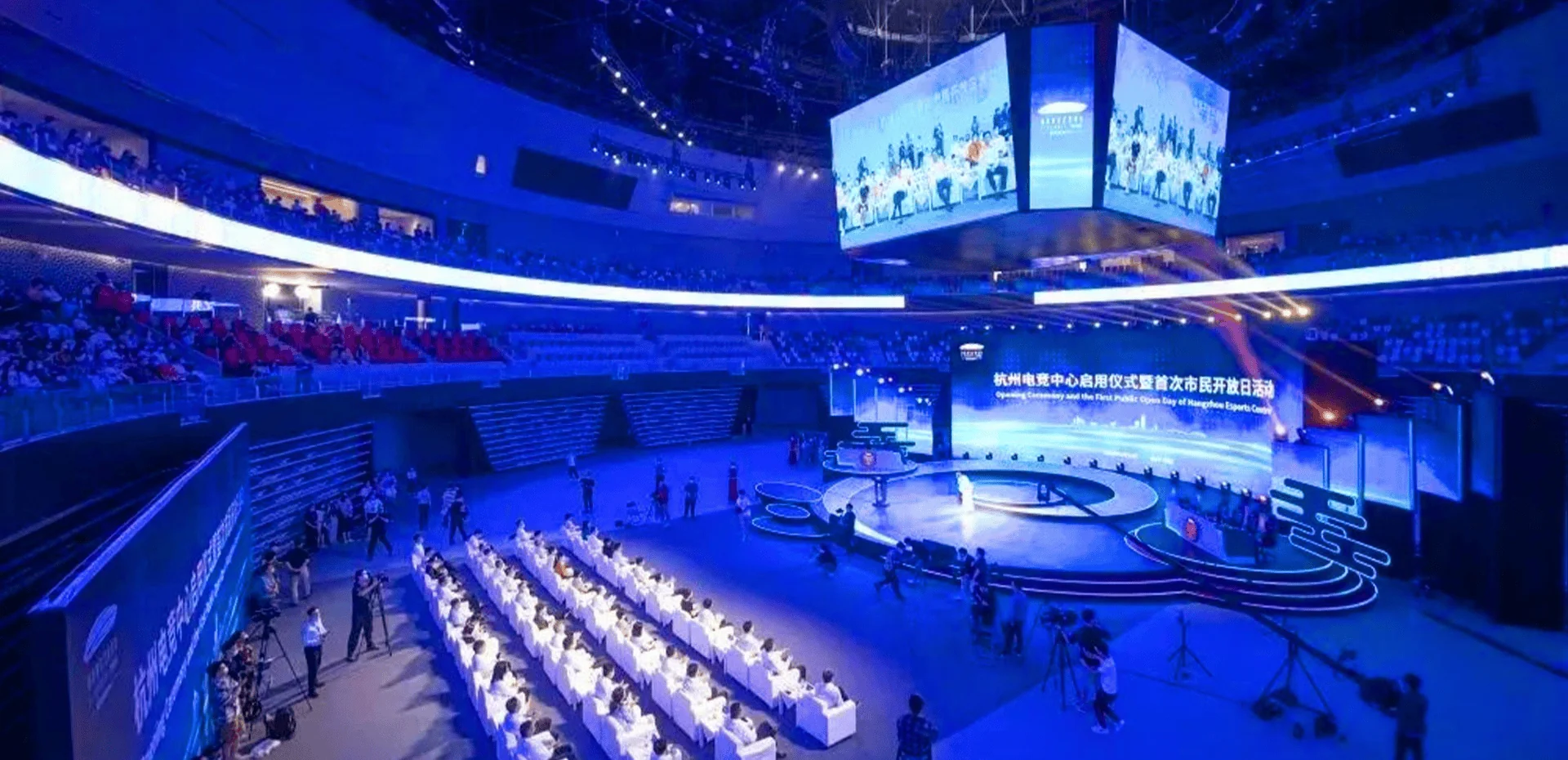
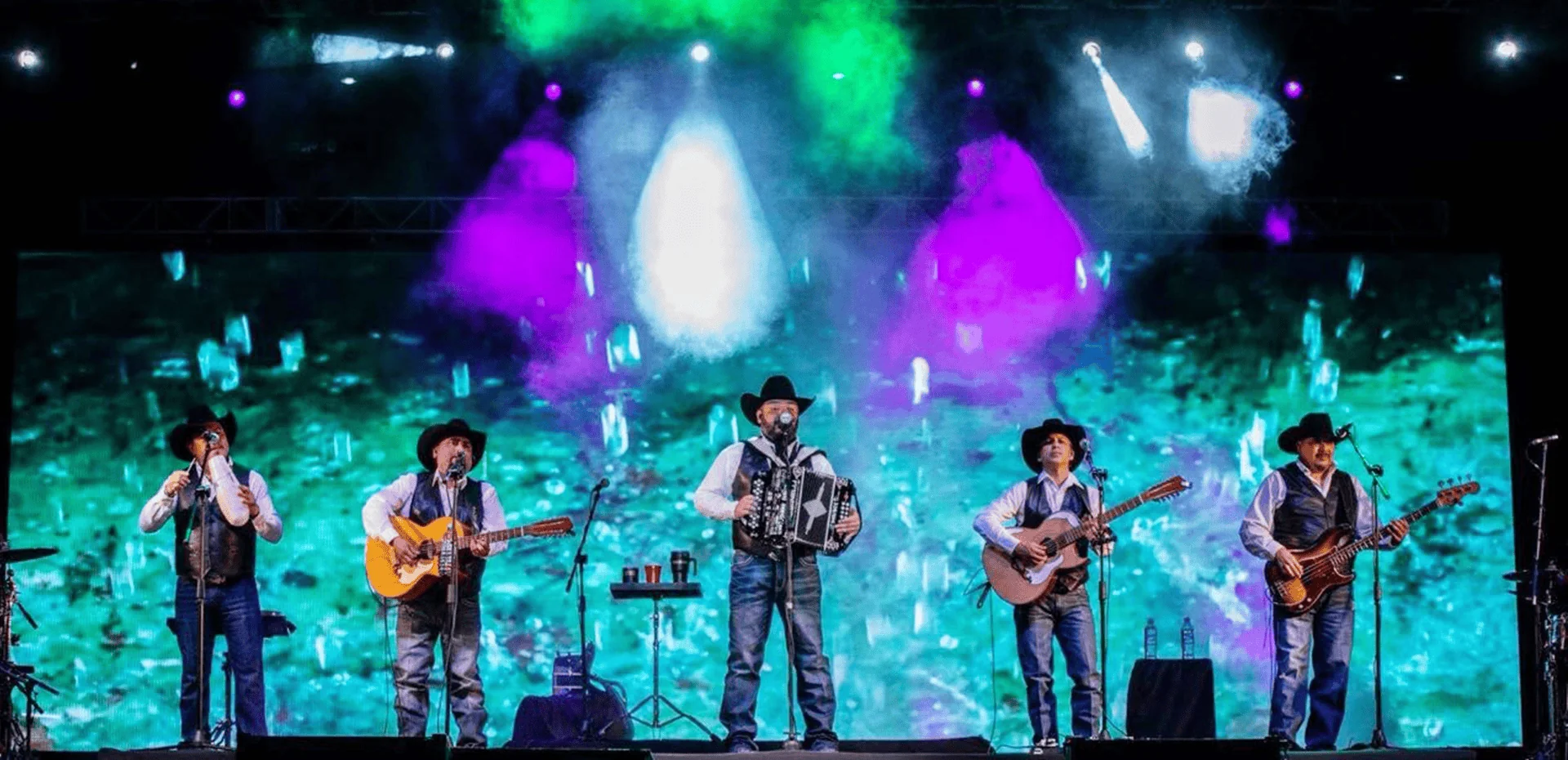
Urban landmarks increasingly rely on visual elements that interact with architecture instead of simply sitting beside it. Shape, proportion, viewing direction, and spatial rhythm can all influence how digital content becomes part of a public environment. At LEDFUL, we approach these projects from both the display and architectural perspectives, considering how a custom LED display can support the identity of a site while remaining practical for installation, content delivery, and long-term operation.
Rethinking Shape As Part Of Architecture
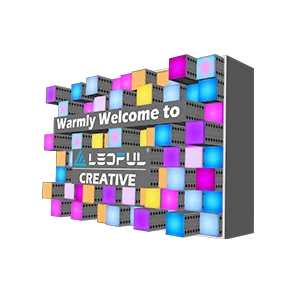
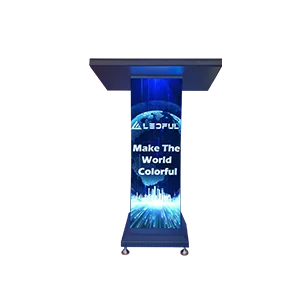
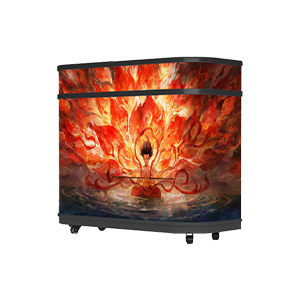
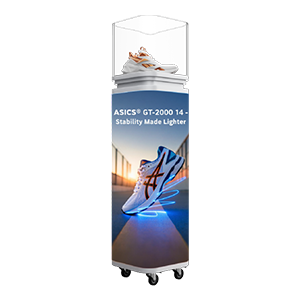
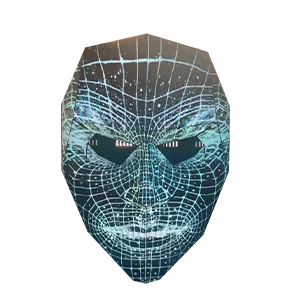
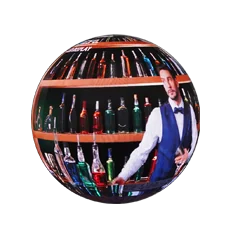
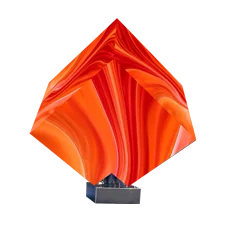
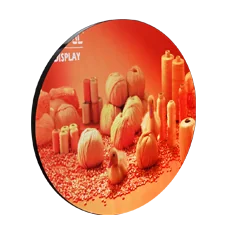
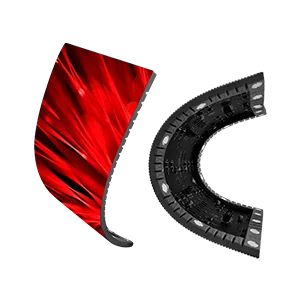
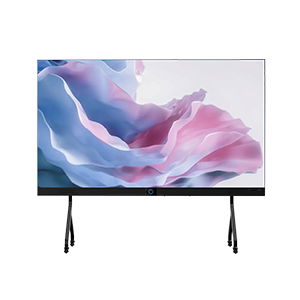
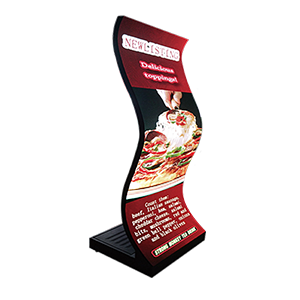
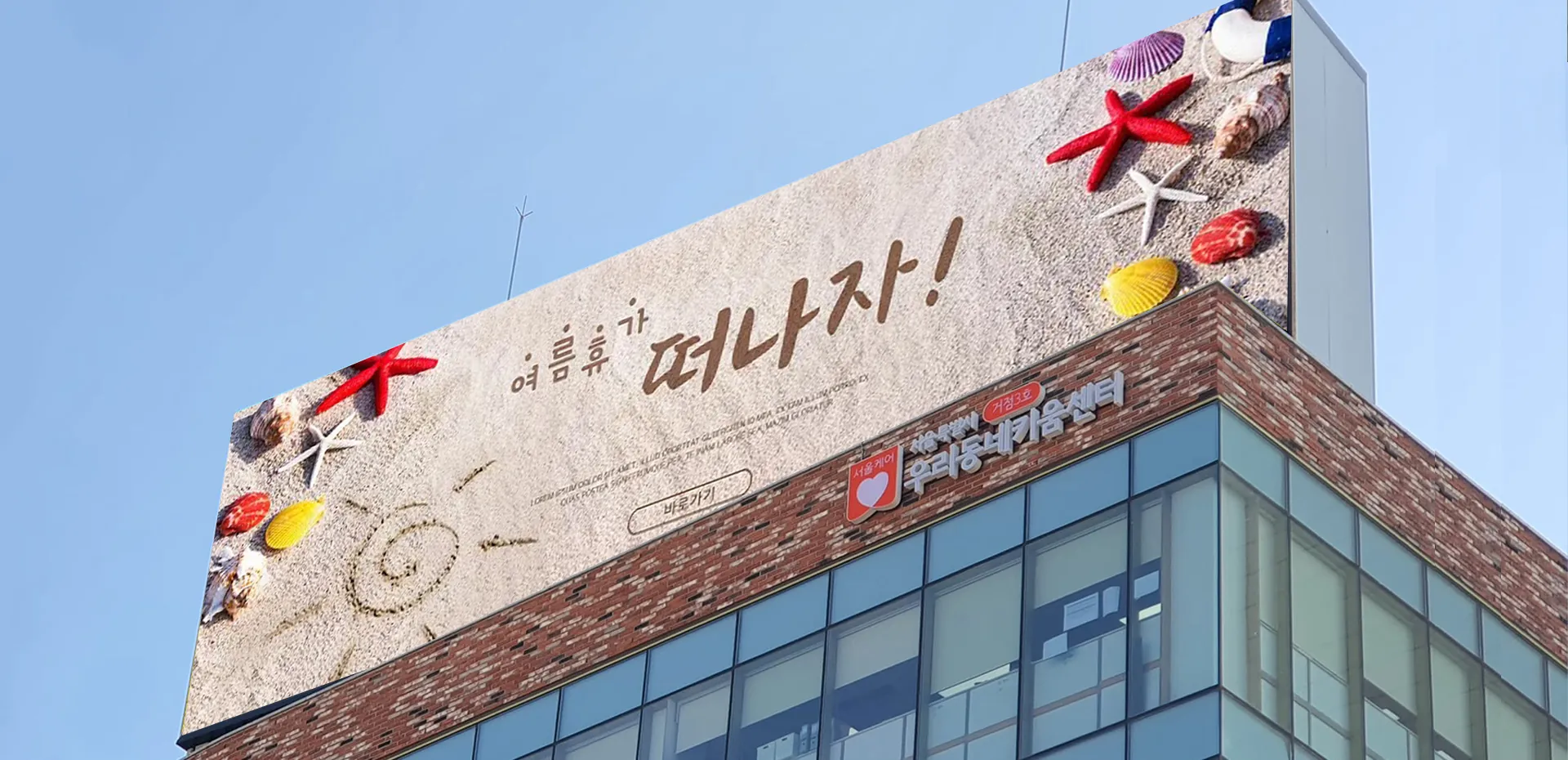
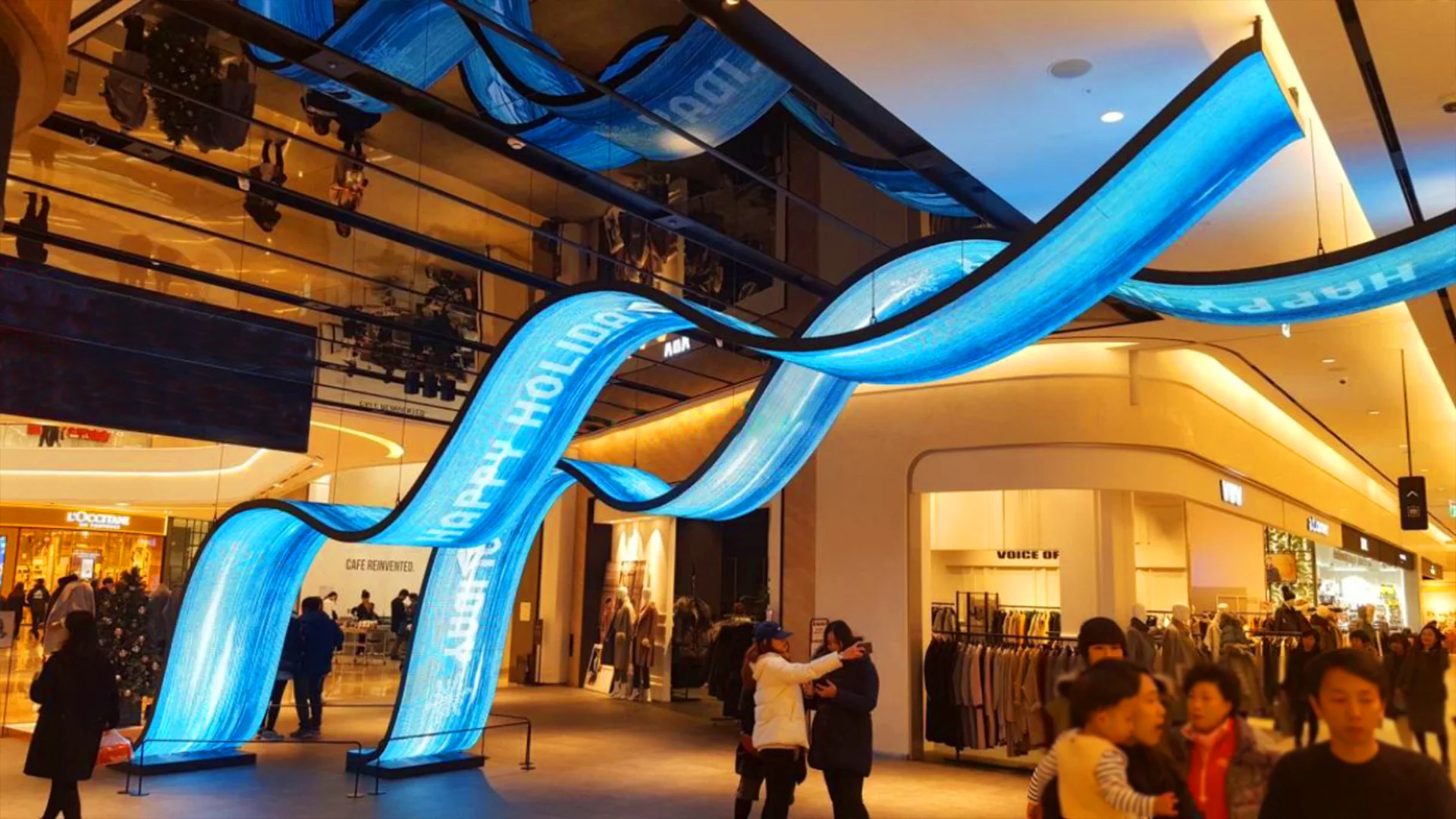
Rectangular screens work well for many communication tasks, yet distinctive landmarks often contain curves, corners, columns, arches, or sculptural structures that do not naturally fit a flat panel. A creative screen can respond to those conditions by following the geometry of the site rather than forcing the architecture into a conventional display format.
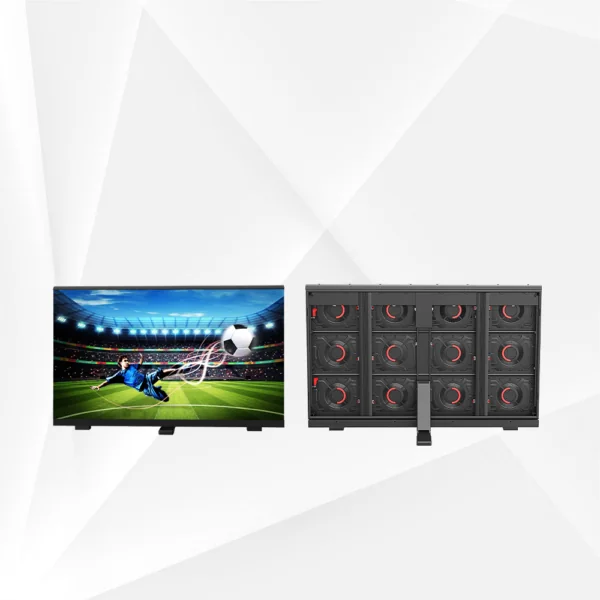
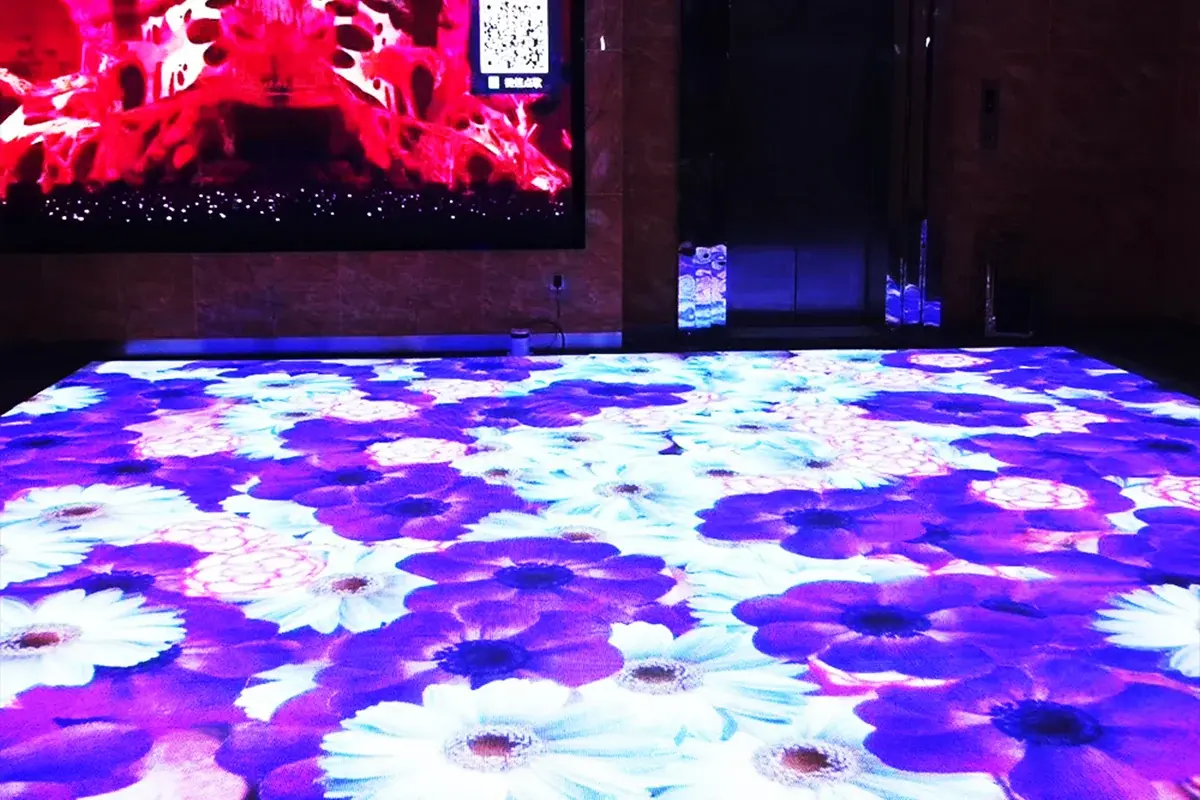
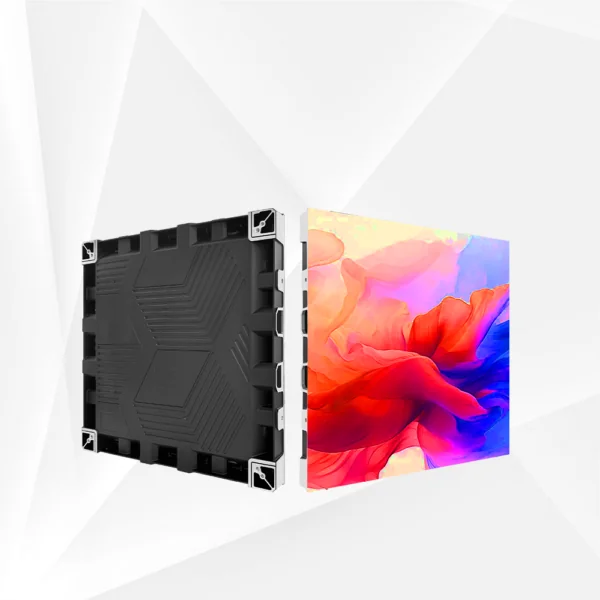
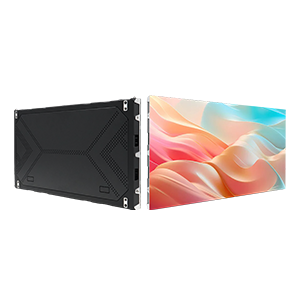
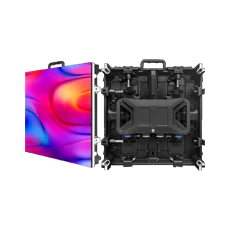
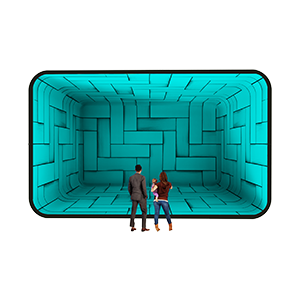
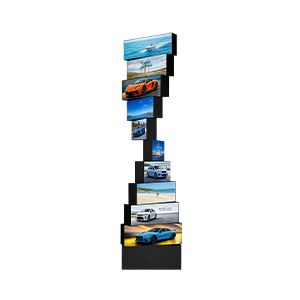
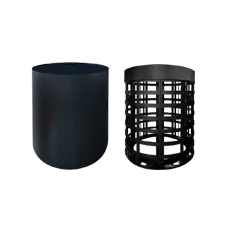
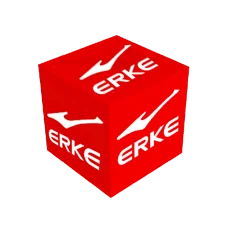
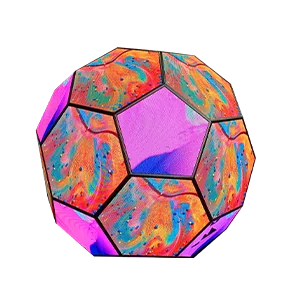
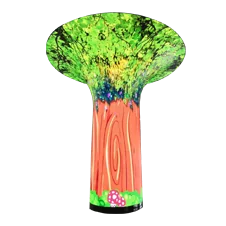
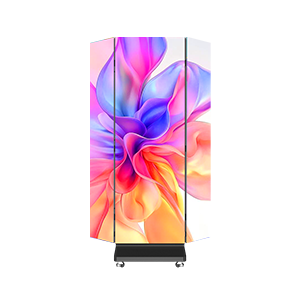
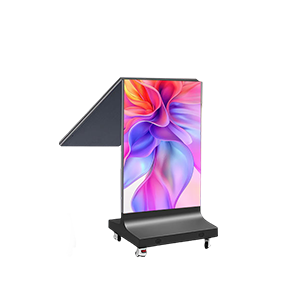
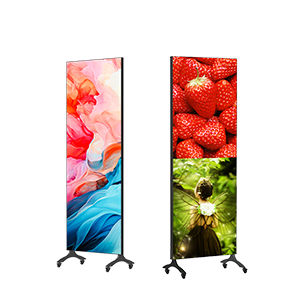
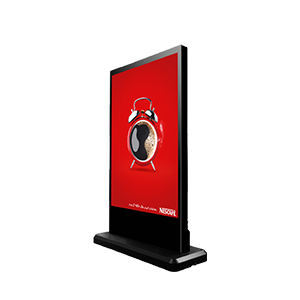
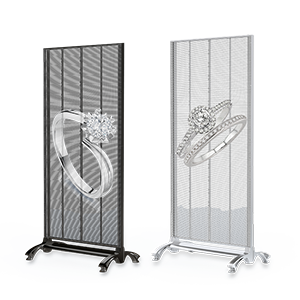
Shape also affects how people perceive information. A curved surface can guide attention along a building edge, while a cylindrical or multi-sided structure can provide different visual experiences from separate pedestrian paths. The value of a LED display in this setting is not limited to resolution; its physical relationship with the surrounding structure can influence visibility, movement, and visual continuity. Explore more creative LED display types.
Urban projects should also consider whether the screen becomes a permanent architectural feature or a replaceable communication layer. This distinction affects structural design, service access, module selection, and content planning. Treating the display as part of the building concept from the beginning can reduce conflicts between visual design and engineering requirements later.
Designing Geometry Around Real Viewing Conditions
Before selecting a shape, project teams need to map how people will actually encounter the installation. A landmark viewed from a nearby pedestrian plaza has different requirements from one seen primarily by drivers or passengers at a distance. Viewing height, horizontal sightlines, surrounding buildings, and expected audience movement all influence the usable display surface.
Pixel pitch deserves attention as well. A finer pitch can support detailed imagery at shorter distances, while larger installations viewed from farther away may have different resolution priorities. The right specification depends on the relationship between screen dimensions, content detail, viewing distance, and the visual role of the structure rather than on pixel pitch alone.
Content production must follow the physical geometry. Standard rectangular video cannot always be transferred directly onto irregular surfaces without distortion or awkward cropping. Designers should establish the display coordinate system early, divide content into logical visual zones, and test key graphics against the actual screen shape before public deployment. Such preparation becomes particularly important for logos, architectural lines, text, and symmetrical imagery.
Balancing Creative Form And Engineering Practicality
Creative geometry introduces structural questions that do not appear on ordinary flat installations. Weight distribution, mounting points, cabinet connections, cable routing, ventilation, drainage, and access for service personnel all need to work together. A visually striking concept still has to accommodate the realities of the building and its maintenance environment.
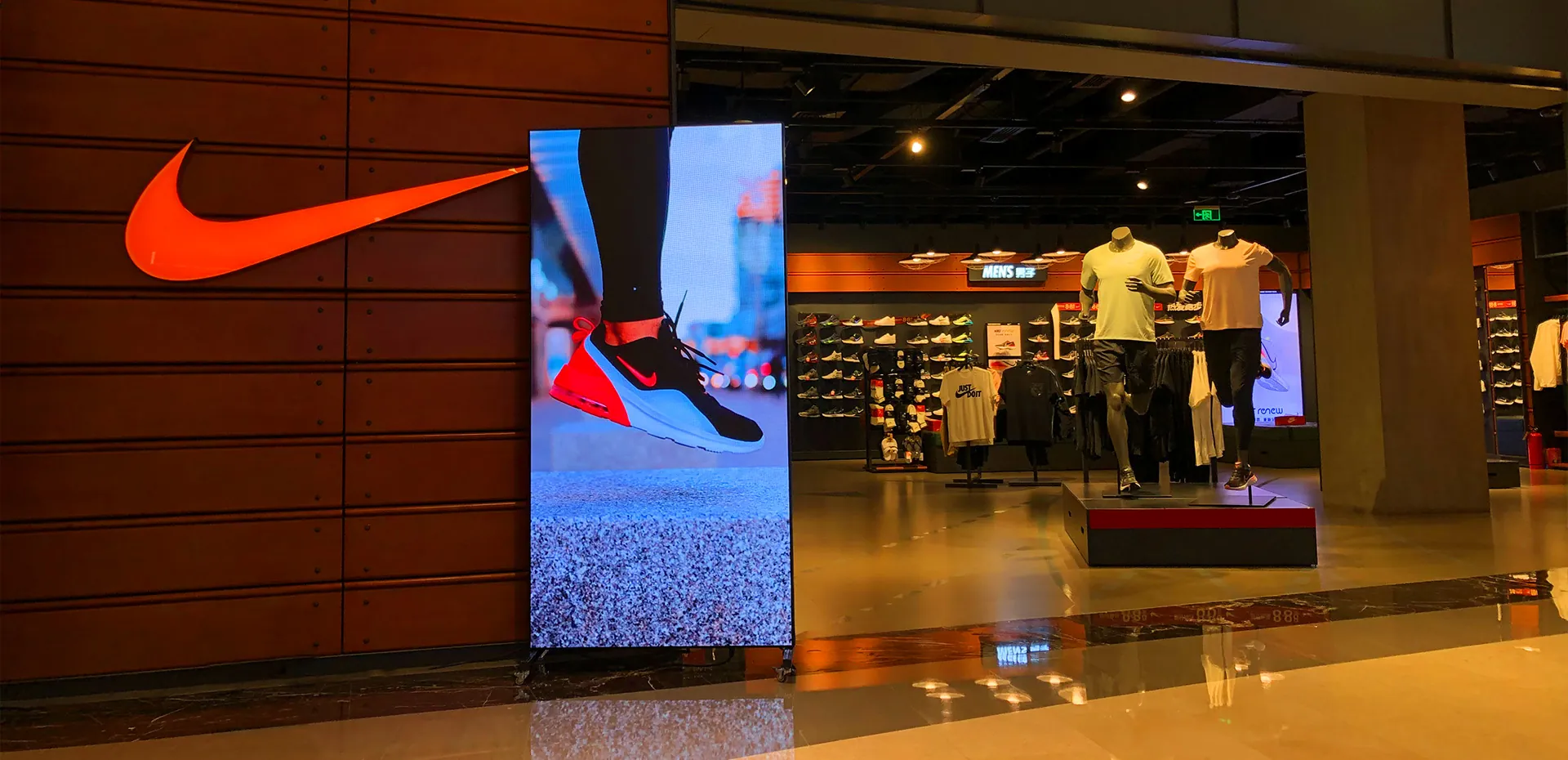
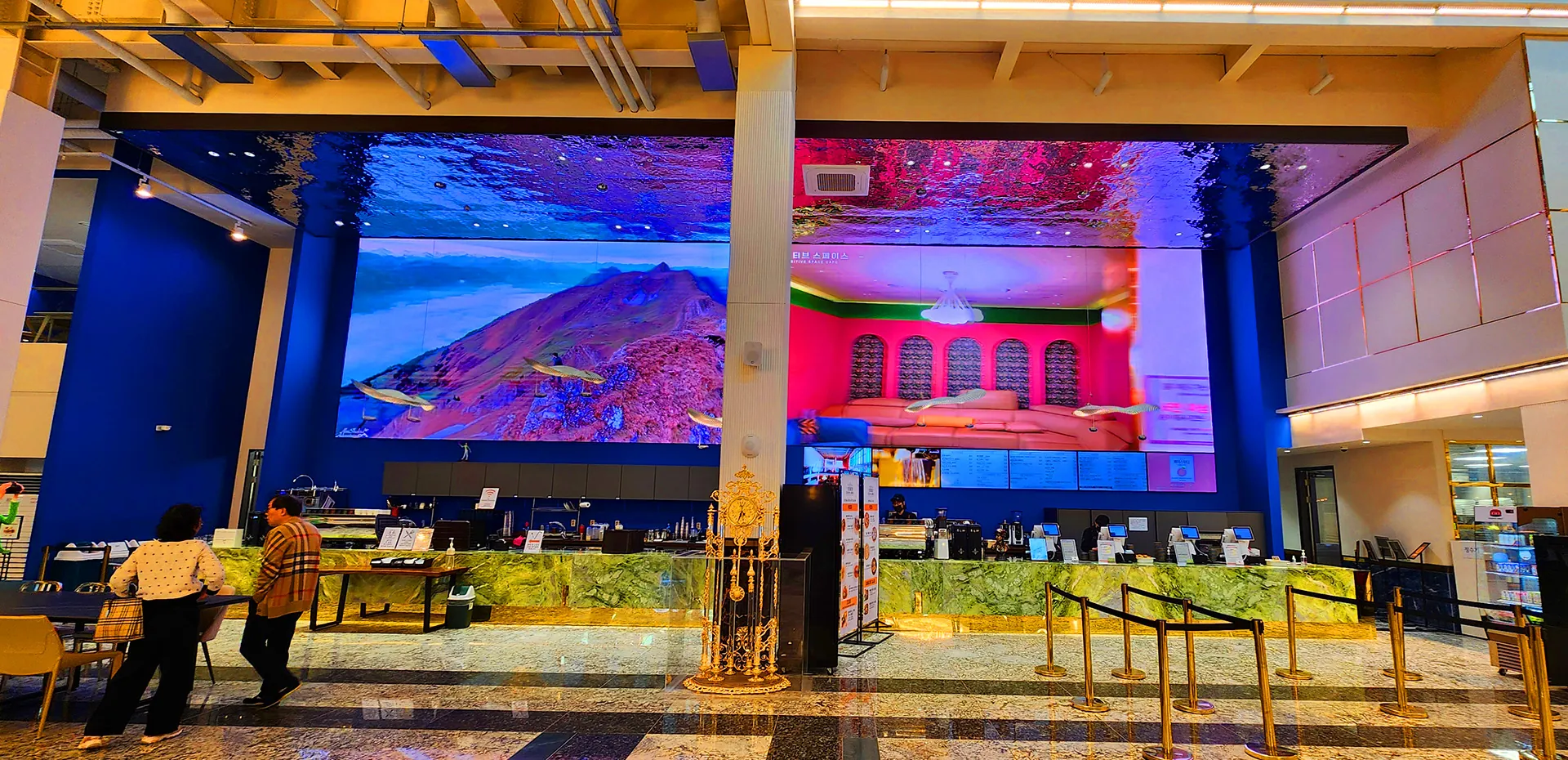
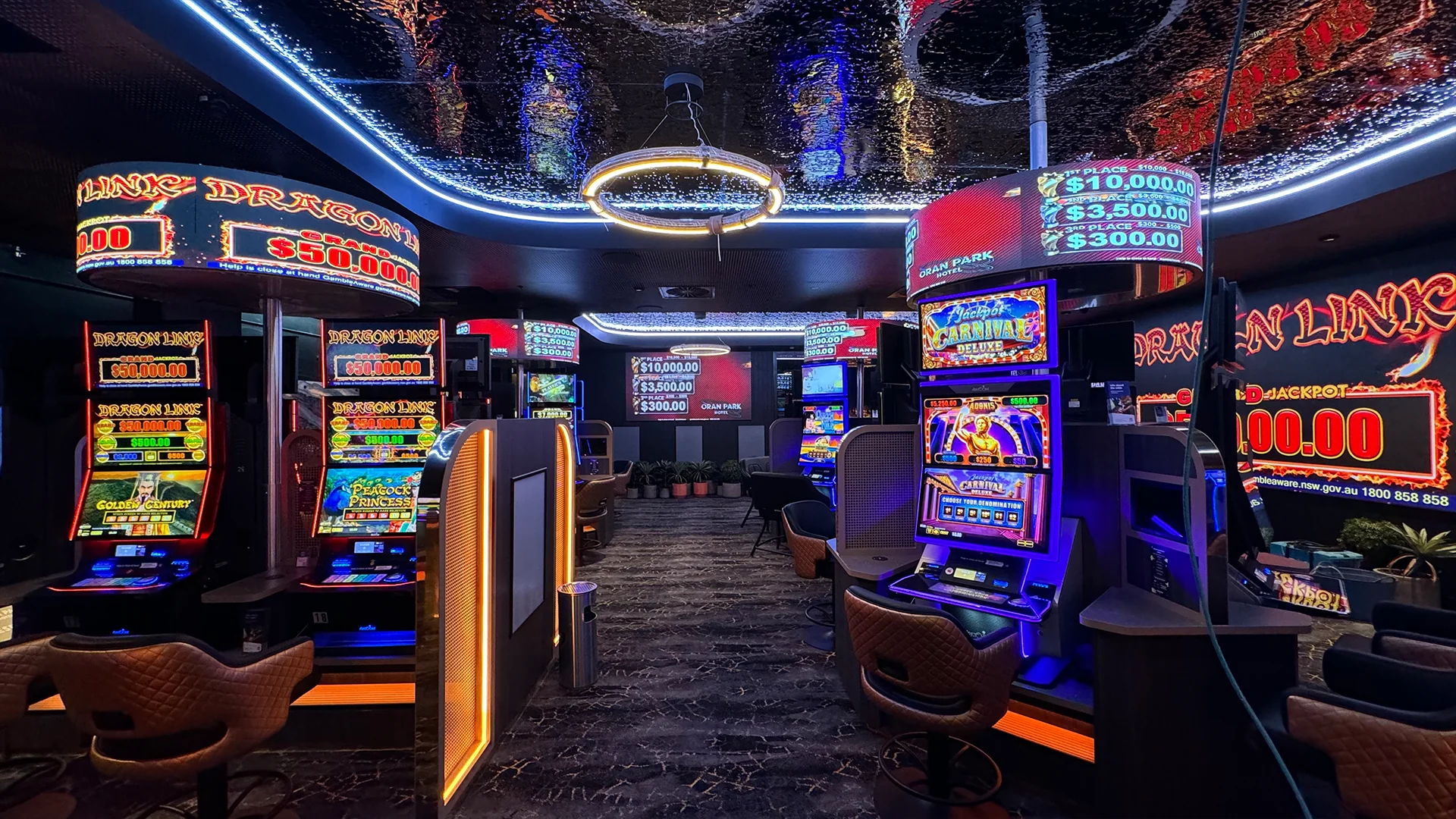
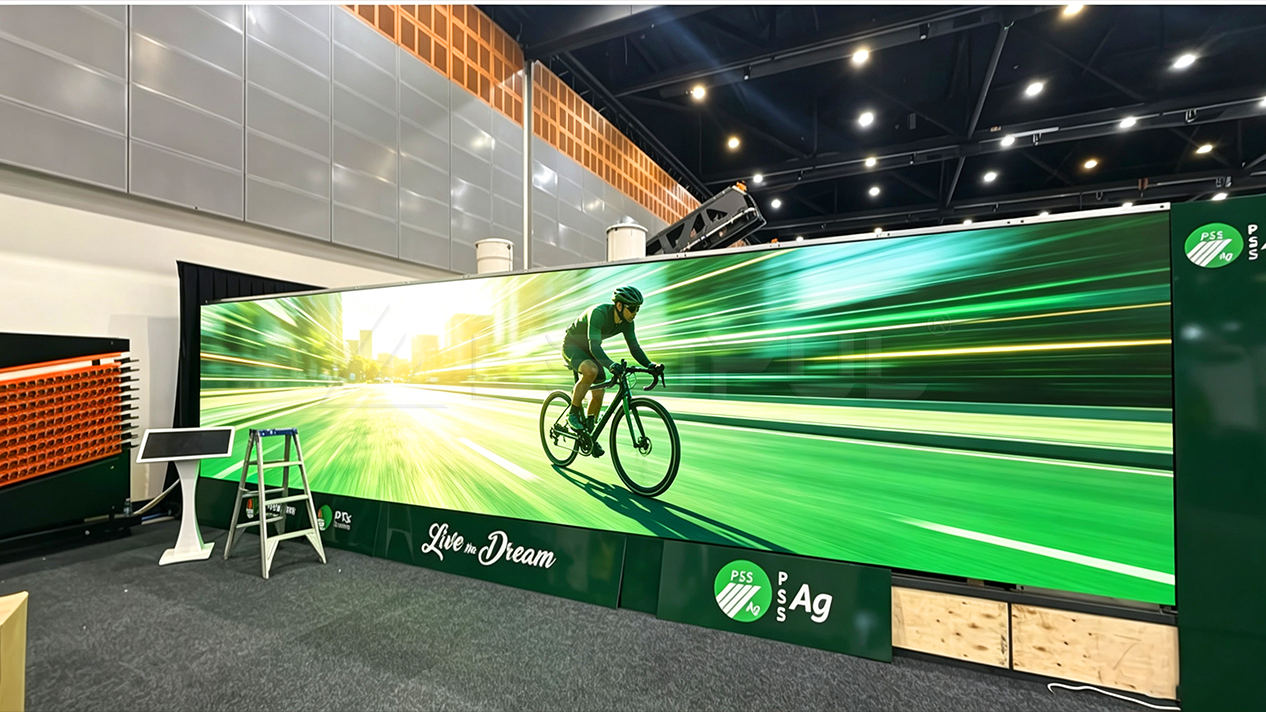
Indoor commercial projects illustrate how unusual proportions can serve architectural goals without requiring an exaggerated physical shape. In Australia, the BM2.5 indoor LED display was installed in a high-end commercial space with a customized 8.32 m × 1.92 m ultra-wide format. The case shows how screen dimensions can be adapted to a particular interior rather than relying on a standard rectangular wall proportion.
For outdoor landmarks, environmental conditions add another layer of planning. Designers may need to evaluate wind exposure, moisture, temperature changes, sunlight, drainage, and the accessibility of service areas. An appropriate custom LED display concept should account for these engineering constraints before the visual form is finalized, allowing creativity and practical construction requirements to develop together.
Making Digital Landmarks Visually Coherent
Visual coherence becomes especially important when a screen forms part of an iconic building or public installation. Color, brightness, motion speed, contrast, and content density should relate to the surrounding environment instead of competing with it. Excessive brightness or rapid animation can alter the character of a space, particularly during evening operation.
The physical shape can also influence storytelling. Multi-sided structures may support different content zones, while curved surfaces can create continuous movement across an architectural feature. With a carefully planned LED display, content designers can use transitions, perspective, and spatial repetition to make the geometry itself part of the visual narrative.
Consistency across multiple viewing positions is another consideration. People rarely stand at exactly the same point when encountering an urban landmark, so designers should inspect the installation from representative angles. Important text and branding elements should remain readable where required, while decorative imagery can take advantage of less conventional viewing directions.
Conclusion
Successful landmark displays begin with the relationship between place, people, structure, and digital communication rather than with screen hardware alone. Shape should respond to architecture, technical specifications should reflect actual viewing conditions, and content should be developed around the geometry instead of being adapted at the last stage. These principles allow a custom LED display to function as an integrated part of an urban environment rather than as an isolated electronic surface.
Our team at LEDFUL treats each project as a combination of visual design and practical engineering. We consider the site, intended audience, structural conditions, content requirements, and operational needs before developing the display concept. That approach gives architects, integrators, and project owners a clearer framework for turning unconventional spaces into meaningful digital landmarks, with the LED display serving both the communication purpose and the character of the place.