























Rain, dust, heat, sunlight, and repeated temperature changes can gradually affect outdoor digital signage even when the display continues to operate normally. Long service life depends on more than weather resistance; cleaning routines, electrical inspections, brightness management, ventilation, and timely component checks all matter. Our team at LEDFUL considers these operational details from the start, particularly when an outdoor waterproof LED screen becomes part of a long-term commercial or public installation.

Understanding Environmental Exposure
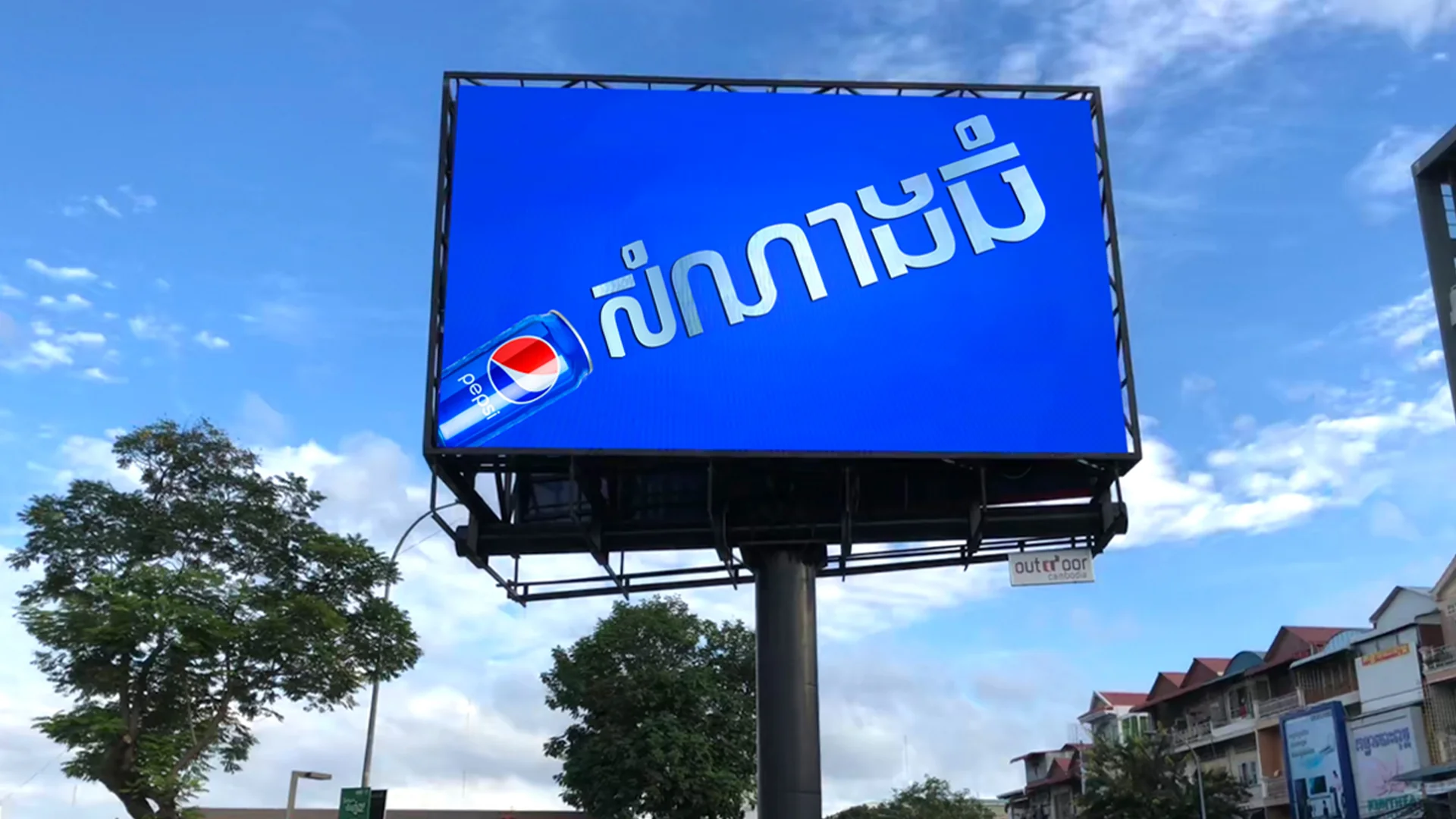
Water is only one part of the outdoor environment. Dust can accumulate around ventilation areas and connectors, while humidity may contribute to corrosion or condensation. Direct sunlight also raises surface temperature, creating conditions that differ considerably from those found in indoor display environments.
Temperature variation deserves its own inspection routine. Materials expand and contract as temperatures change, and repeated cycles can place stress on mechanical connections, cables, and protective interfaces. Locations exposed to strong sunlight during the day and much lower temperatures overnight may experience particularly noticeable thermal variation.
Environmental monitoring becomes more useful when it is tied to actual site conditions. Maintenance teams can record periods of heavy rain, unusual heat, dust exposure, or prolonged inactivity and compare those events with later display behavior. Such records provide useful context when an outdoor LED display screen develops intermittent faults.
Establishing A Regular Cleaning Routine
Surface cleaning should follow the manufacturer’s maintenance guidance and the actual environmental conditions of the installation. Loose dust can usually be removed carefully before more thorough cleaning, while abrasive materials should be avoided because they may damage protective surfaces or optical components.
Cleaning frequency does not need to be identical throughout the year. A display near a busy road may collect more particulate matter than one installed in a relatively clean commercial district. Coastal or humid environments can introduce additional residue that deserves closer observation.
Maintenance personnel should also inspect areas surrounding the display rather than concentrating only on the visible surface. Blocked drainage paths, accumulated debris, damaged seals, or objects pressing against cabinet interfaces can create problems over time. Keeping the surroundings clear supports the normal operation of an outdoor waterproof LED screen.
Managing Heat, Brightness, And Power
Heat management has a direct relationship with electronic component conditions. High ambient temperatures combined with extended operating hours can increase thermal stress, especially when a display operates at high brightness throughout the day. Appropriate ventilation and unobstructed airflow should remain part of routine inspections.
Brightness does not need to remain at the same level under every lighting condition. Daytime operation may require substantially more luminance than evening use, while automated or scheduled adjustment can reduce unnecessary output during darker periods. Power distribution should also be inspected periodically for loose connections, abnormal heating, or visible signs of wear.
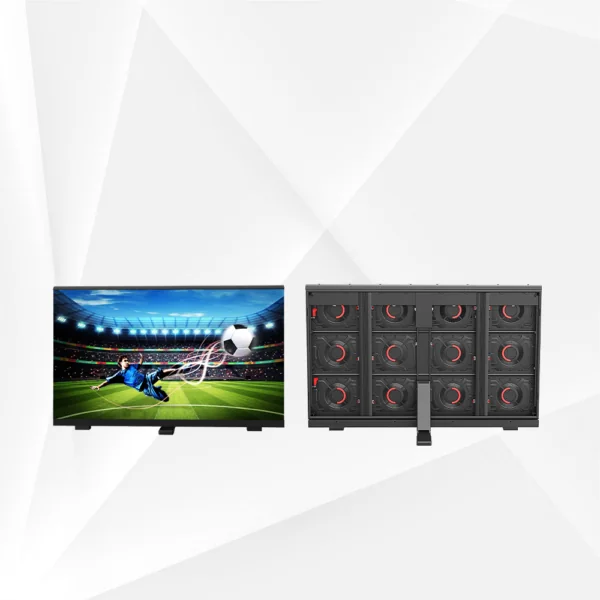
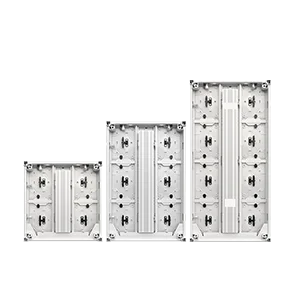
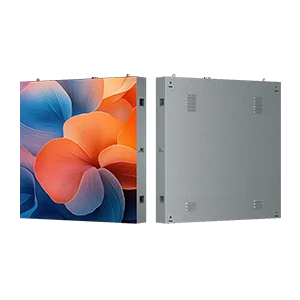
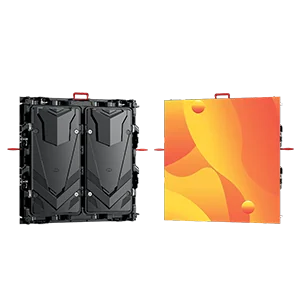
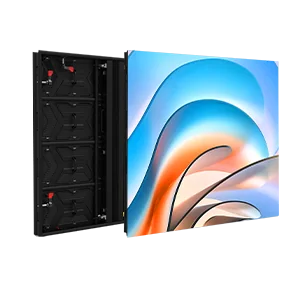
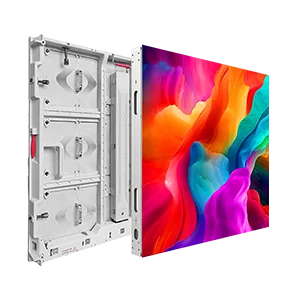
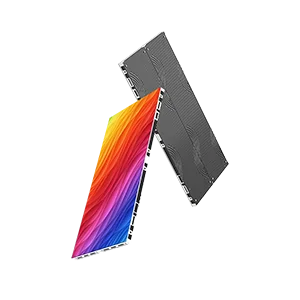
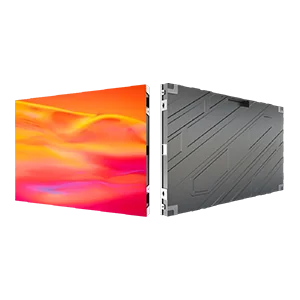
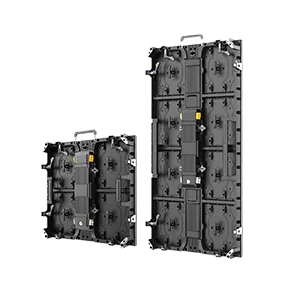
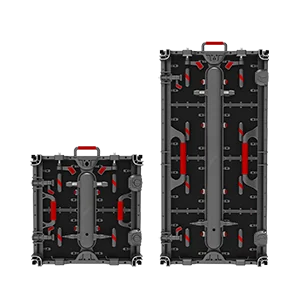
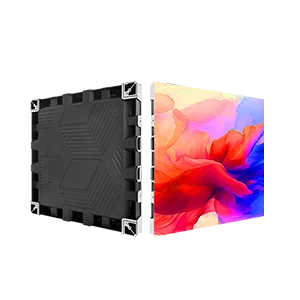
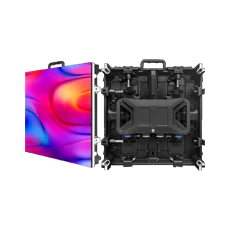
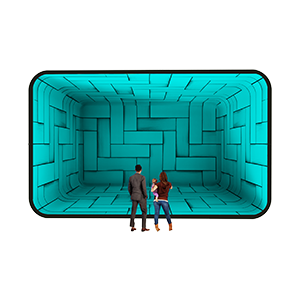
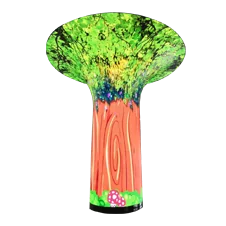
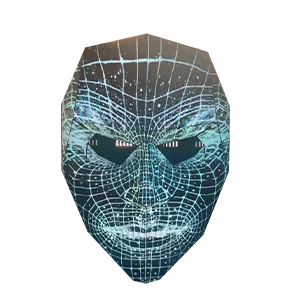
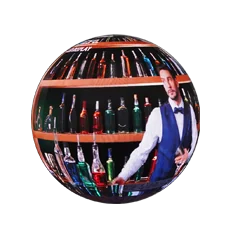
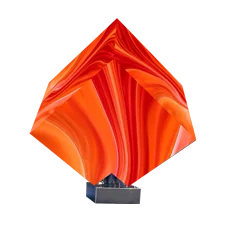
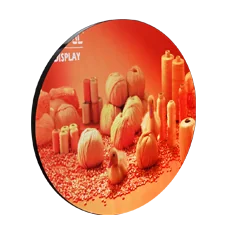
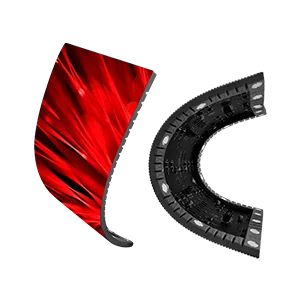
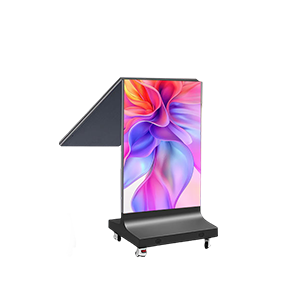
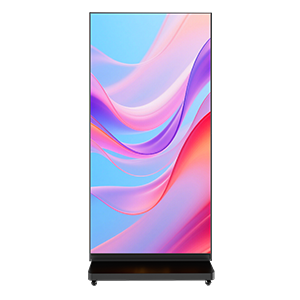
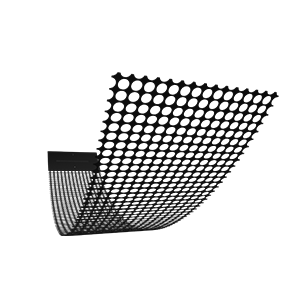
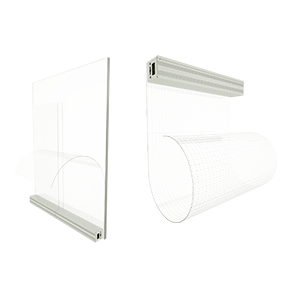
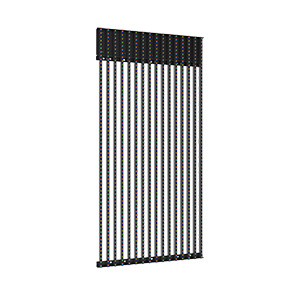
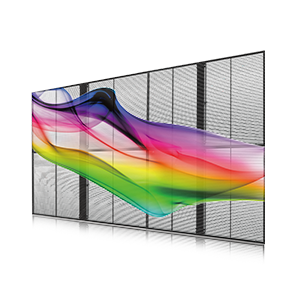
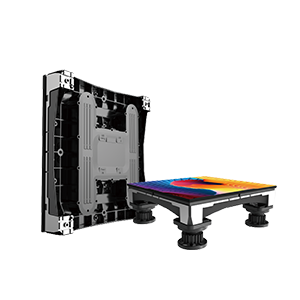
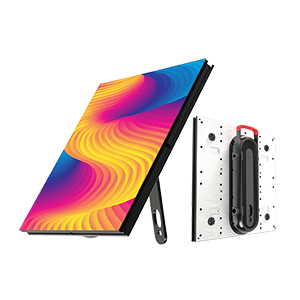
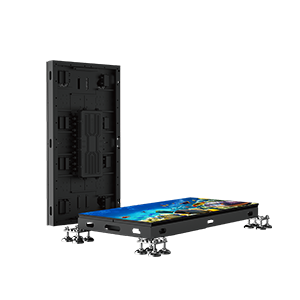
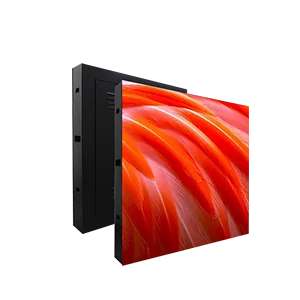
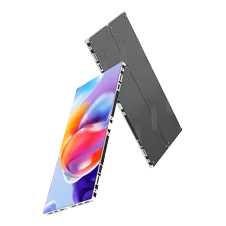
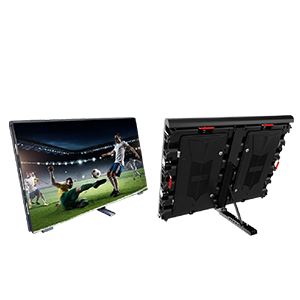
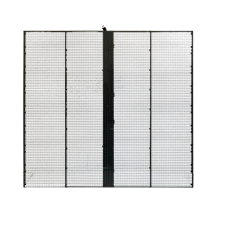
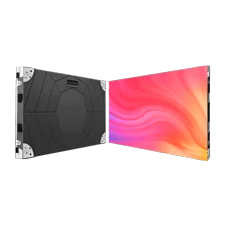
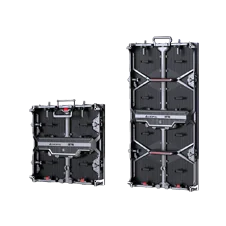
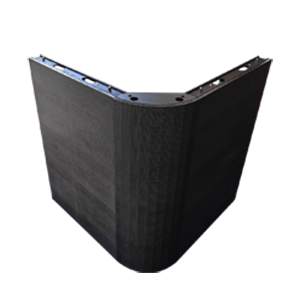
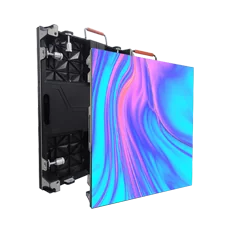
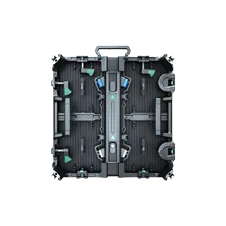
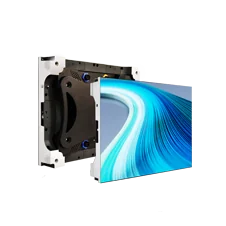
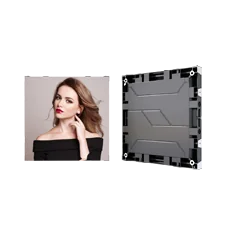
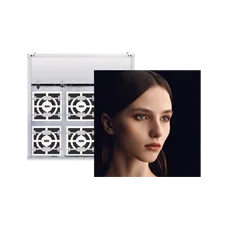
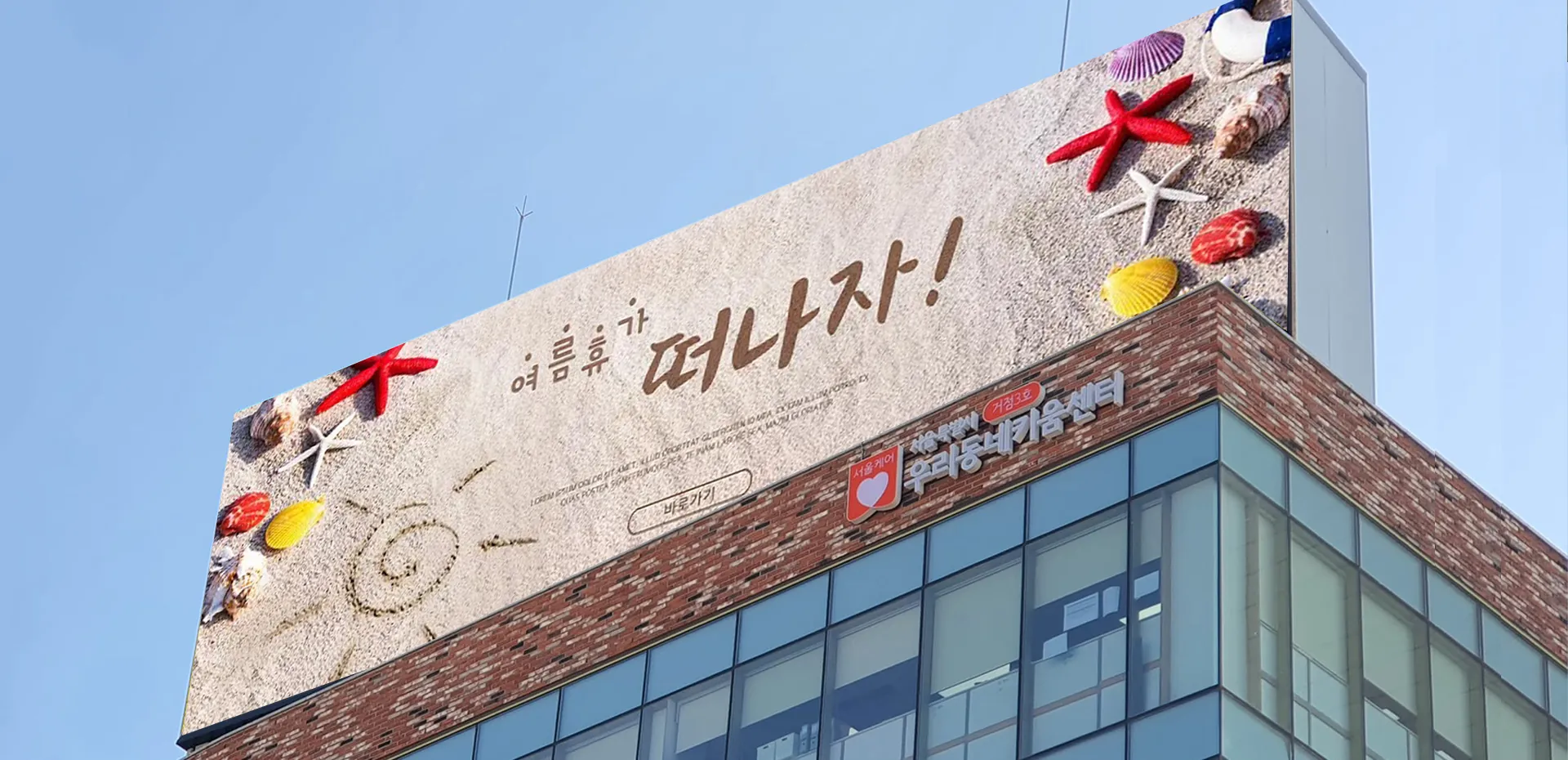
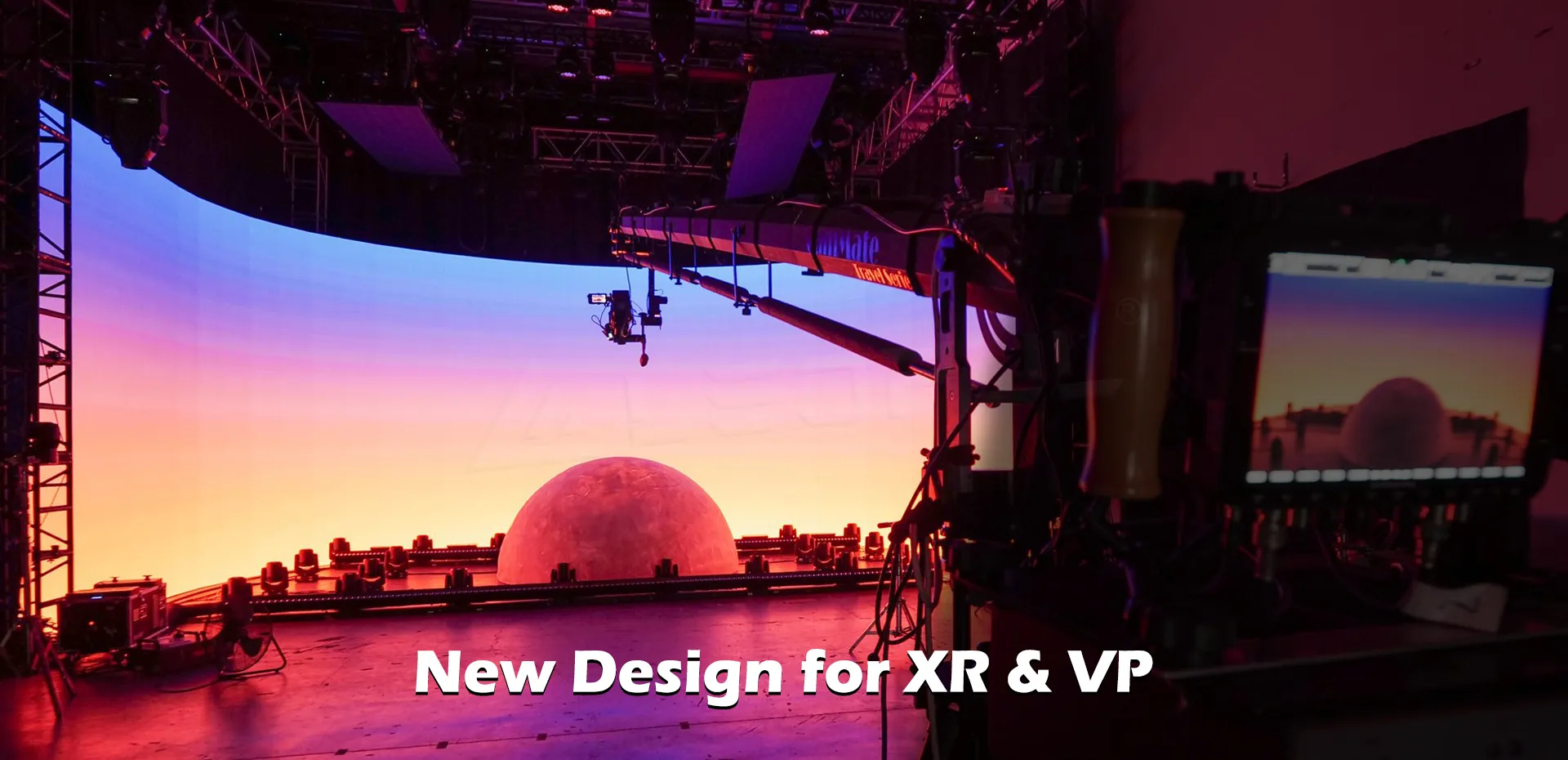
The FS PRO Series Cathode Full Color Aluminum Screen provides a useful example of an outdoor display architecture designed around these considerations. Its cathode full-color aluminum construction combines a lightweight, thin structure with brightness of up to 10,000 nits, 3D LED display capability, and an energy-saving design. These specifications illustrate how physical construction and electrical performance can influence ongoing management.
Inspecting Modules And Connections
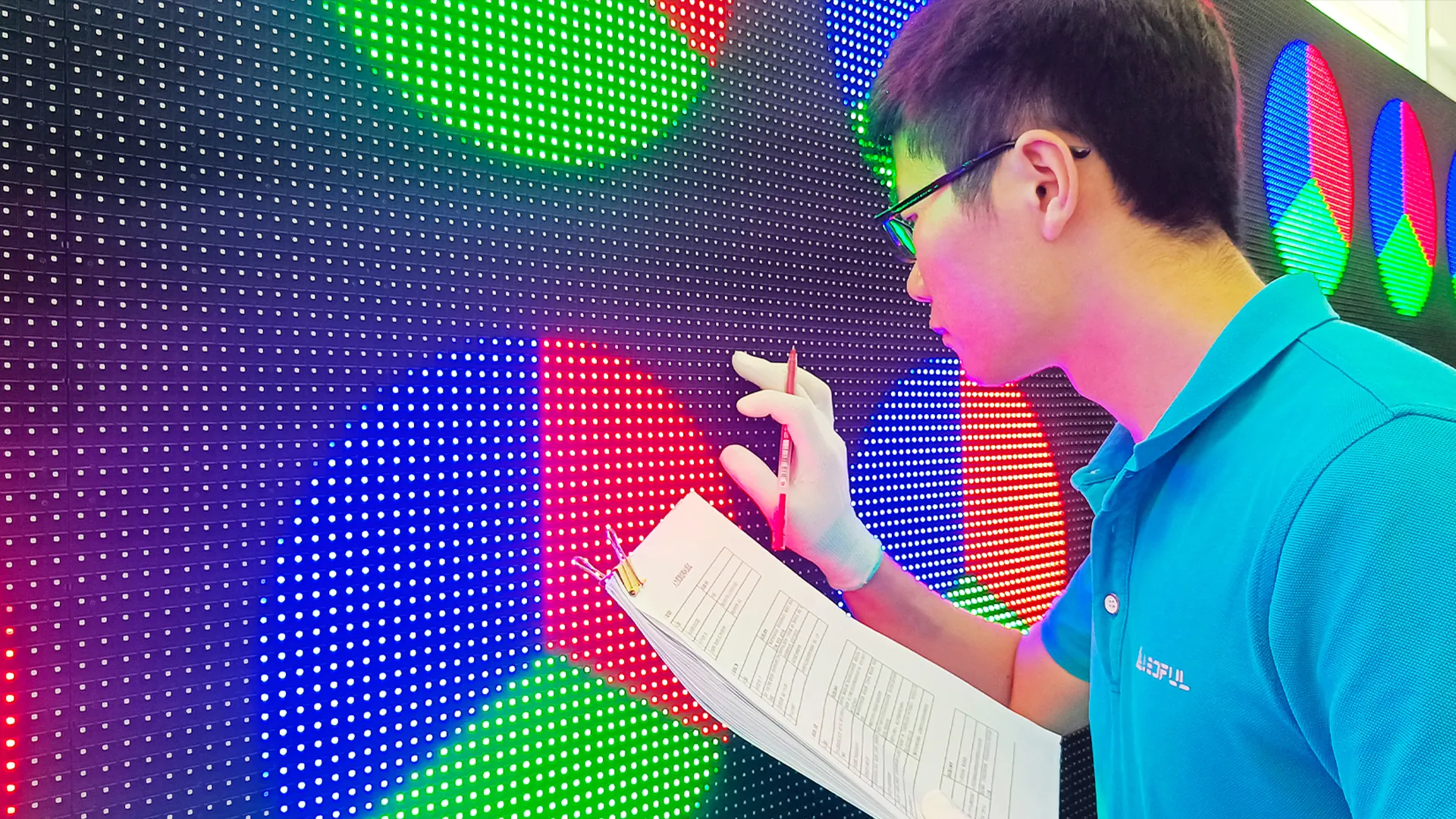
Routine inspection should include cabinet interfaces, power cables, data connections, receiving components, and individual modules. A small visual abnormality may provide an early indication of a loose connection or component issue, particularly if the affected area changes during operation.
Technicians can compare an abnormal section with neighboring cabinets to narrow down the source. If the same symptom follows a module after testing, the module itself becomes a stronger suspect; if the issue remains at the original position, the surrounding power or data path deserves closer examination.
Service records are equally valuable. Dates of module replacement, observed symptoms, environmental conditions, and maintenance actions can reveal recurring patterns that are difficult to identify from memory. For a large outdoor LED display screen, organized records can also help different technicians understand previous work without repeating unnecessary diagnostic steps.
Planning Preventive Maintenance
Preventive maintenance works best when tasks are assigned different inspection intervals. Daily or weekly checks can focus on image abnormalities, unusual sounds, visible damage, and unexpected brightness changes, while monthly or quarterly inspections can address connections, cabinet conditions, power distribution, and environmental protection.
Software and control systems should not be overlooked. Configuration files, controller settings, playback schedules, and communication equipment can affect display behavior even when the physical hardware remains intact. Keeping configuration records available makes troubleshooting more straightforward after maintenance or component replacement.
We at LEDFUL view maintenance planning as an ongoing operational process rather than an occasional repair response. Site-specific conditions should determine inspection frequency, while documented observations can be used to adjust the maintenance schedule over time. For operators managing an outdoor waterproof LED screen, this approach creates a practical connection between environmental exposure, equipment condition, and service planning.
Conclusion
Long-term display management is built through many small routines rather than one maintenance action. Environmental inspection protects against issues that develop gradually, cleaning preserves visual conditions, thermal management limits unnecessary stress, and organized service records make recurring faults easier to understand. Together, these practices give outdoor installations a more structured maintenance framework.
At LEDFUL, we combine equipment knowledge with site-specific operating considerations when discussing maintenance strategies. Weather exposure, usage hours, brightness levels, installation conditions, and service access all influence the appropriate routine. Treating an outdoor LED display screen as an actively managed system gives operators a clearer way to monitor its condition and plan maintenance before minor irregularities become larger operational concerns.