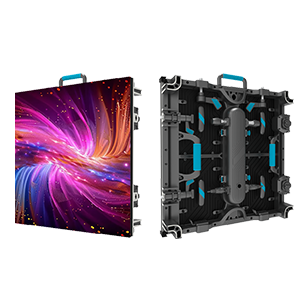
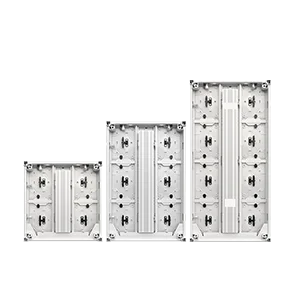
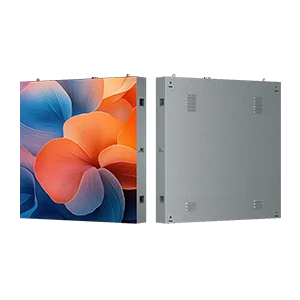
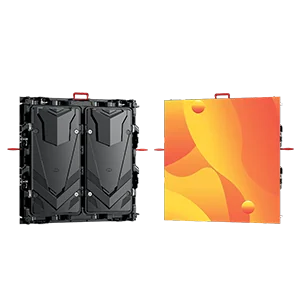
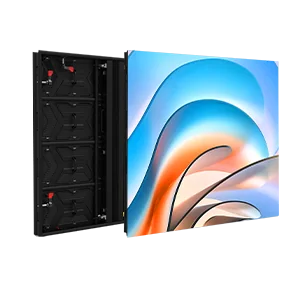
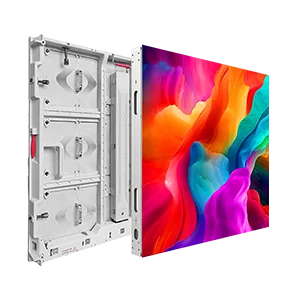
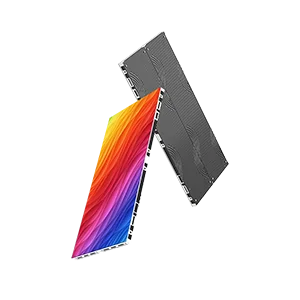
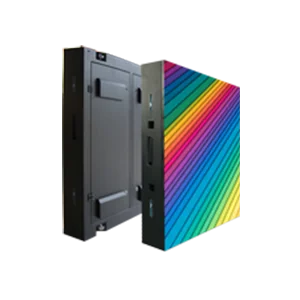
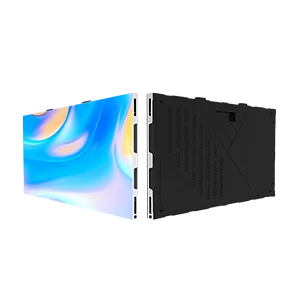
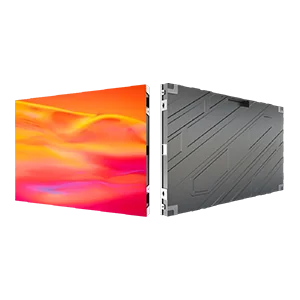
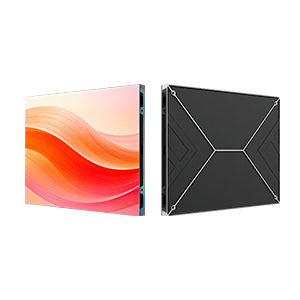
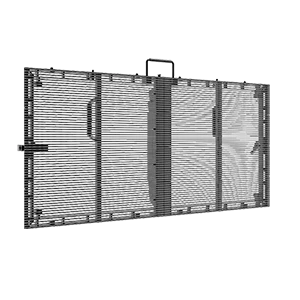

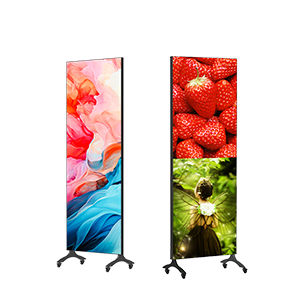
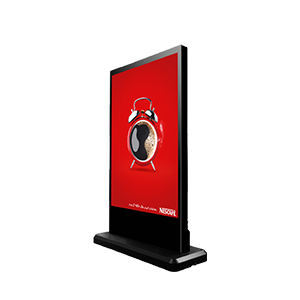
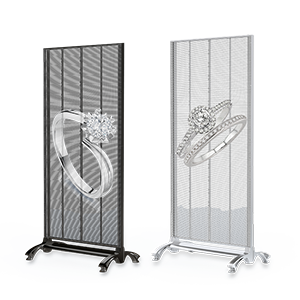
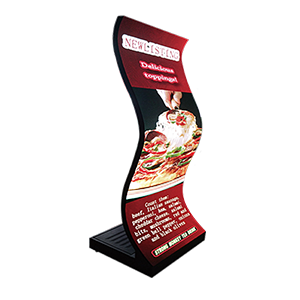
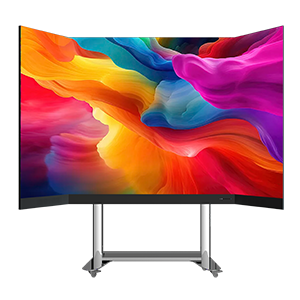
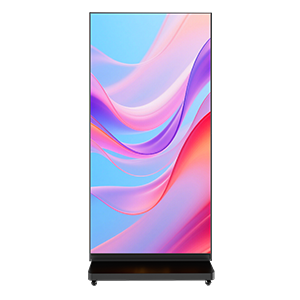
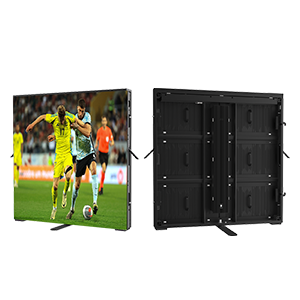
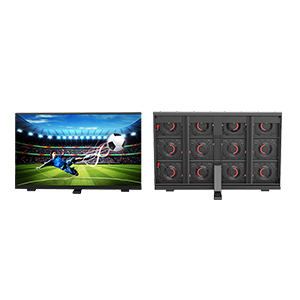
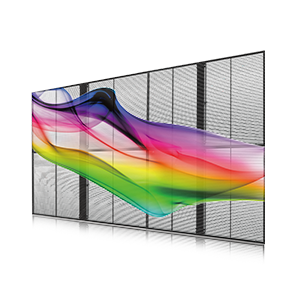
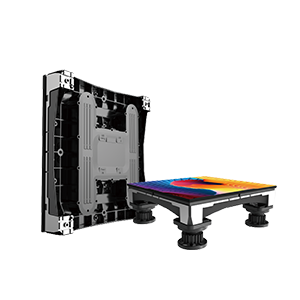
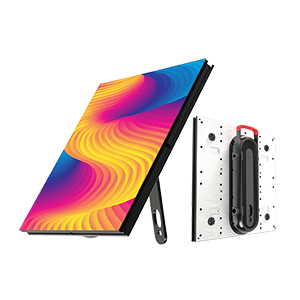
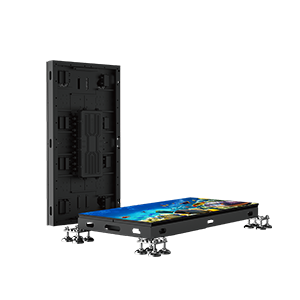
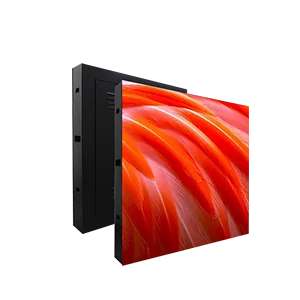
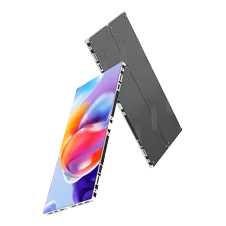
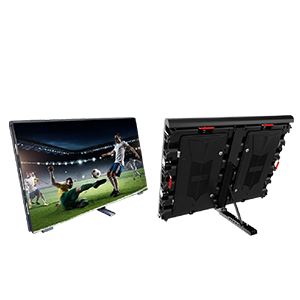
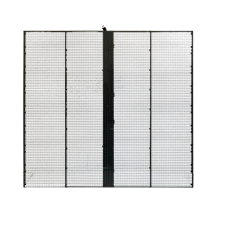
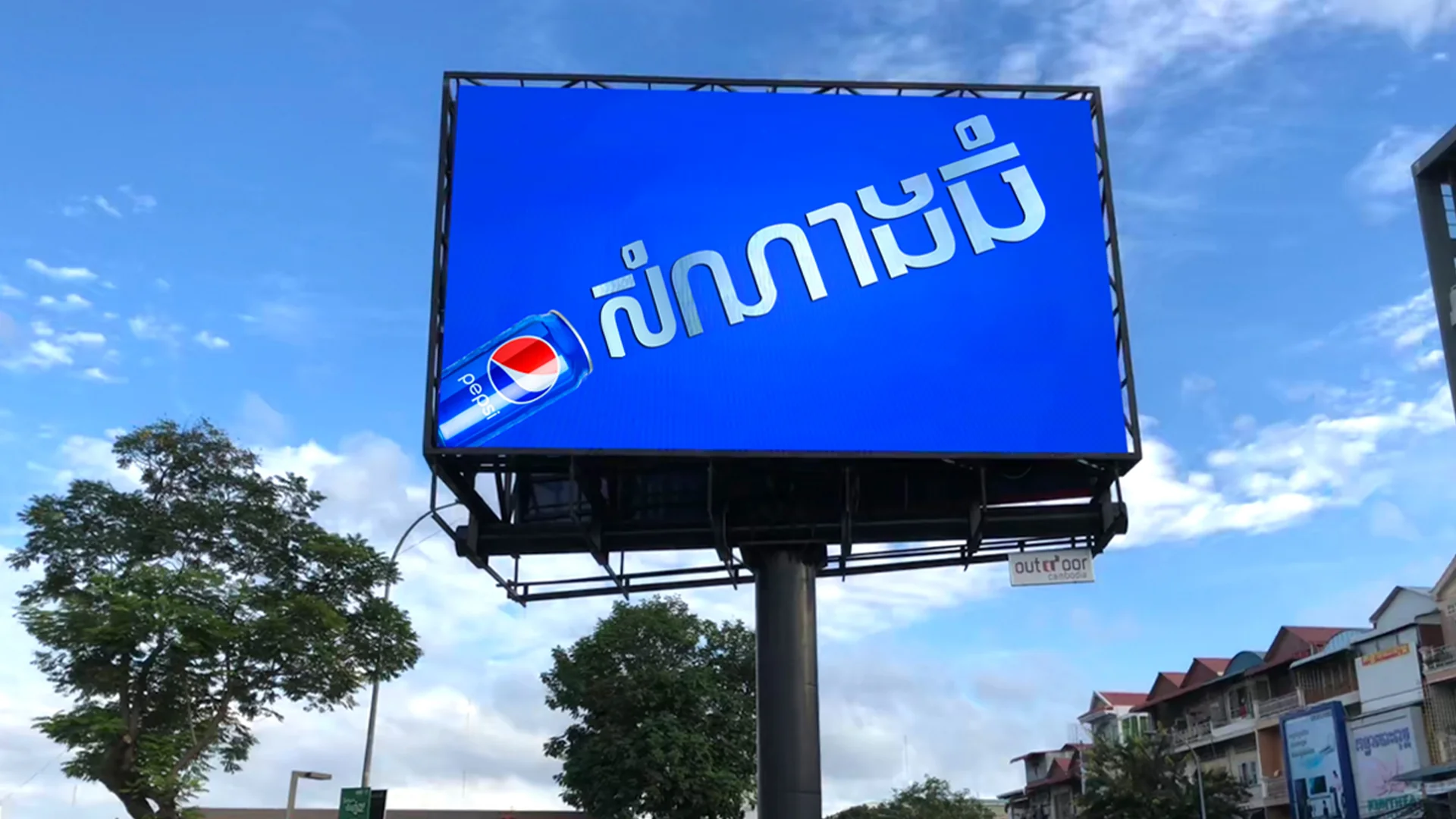
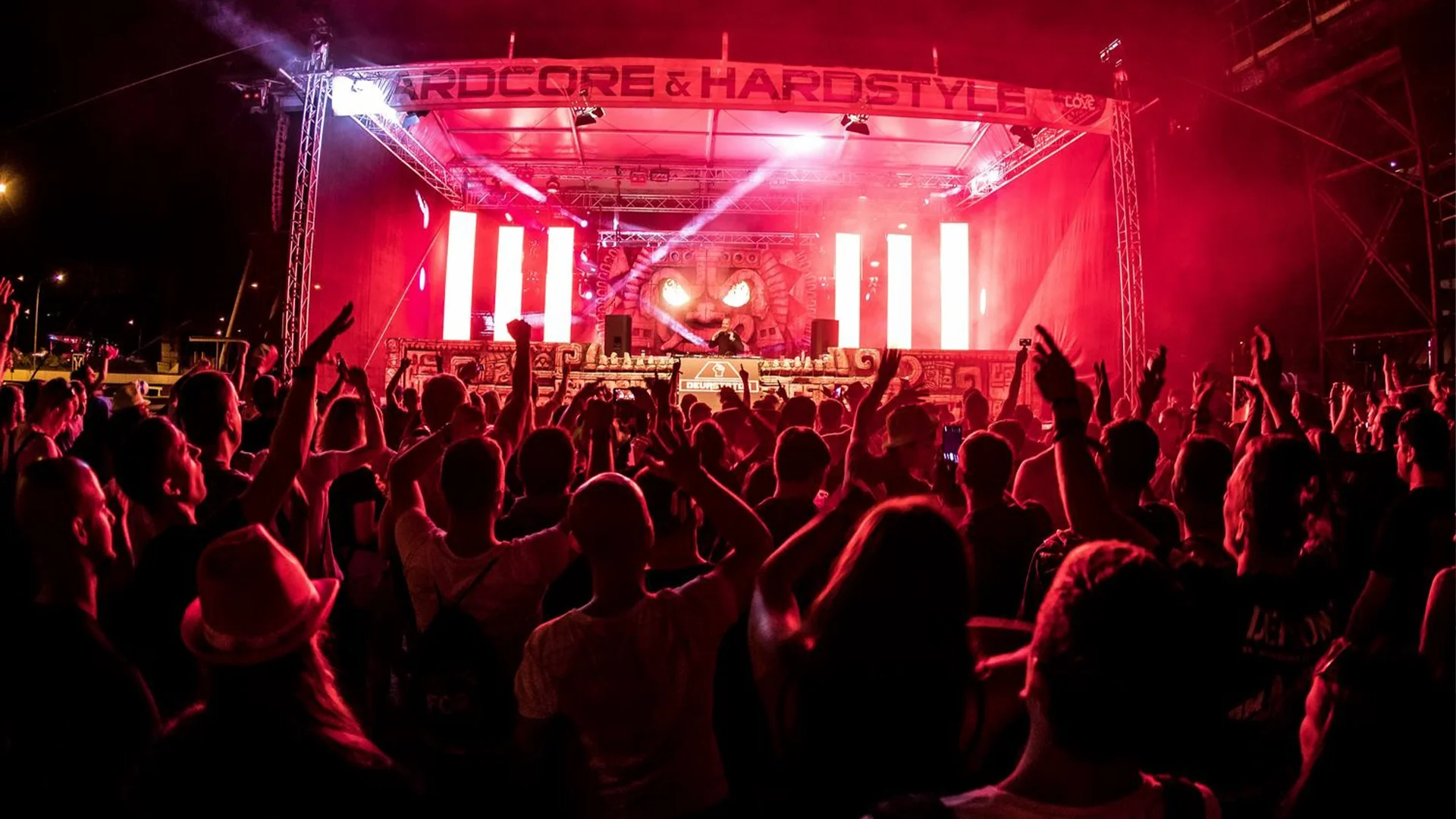
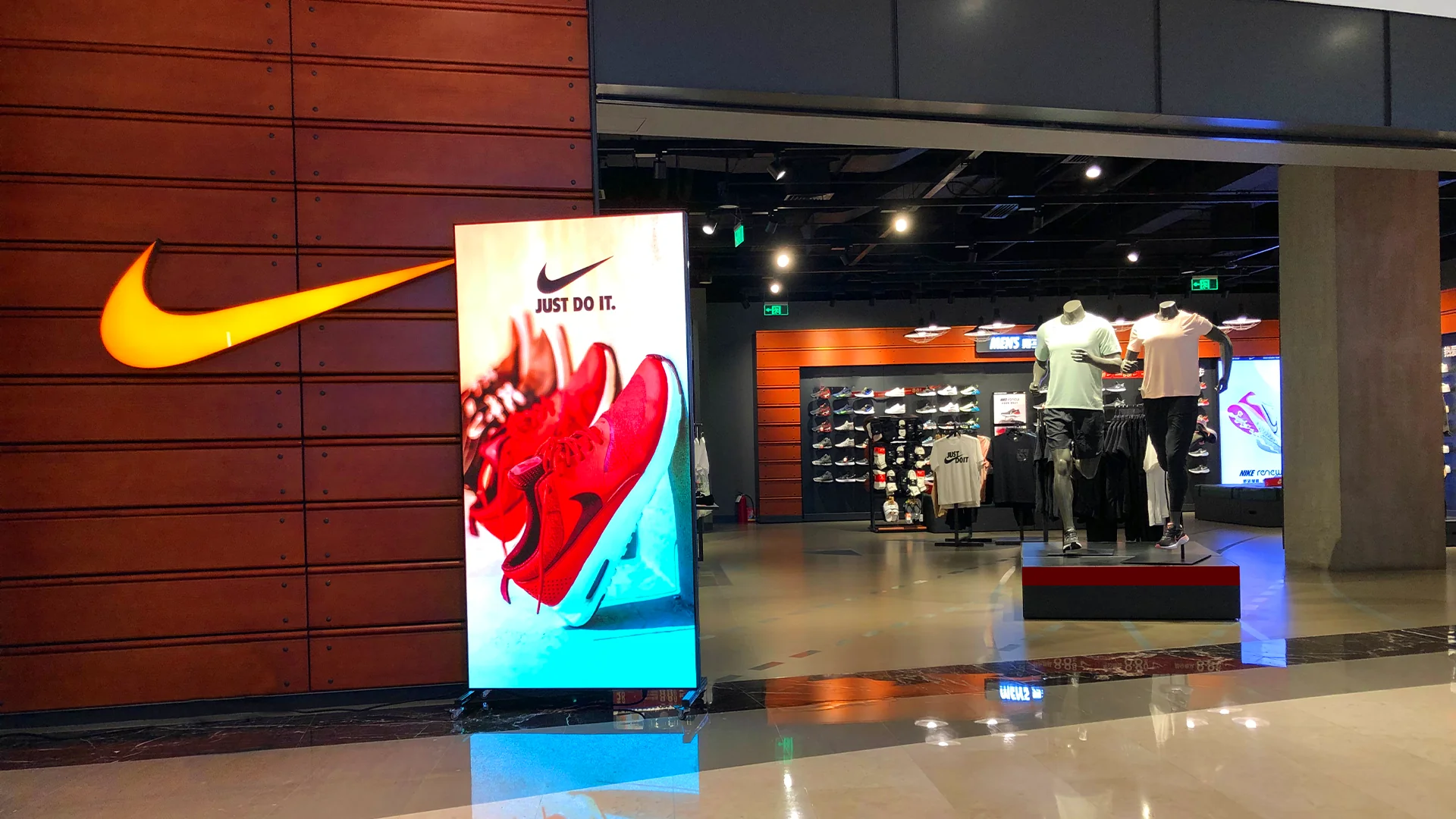
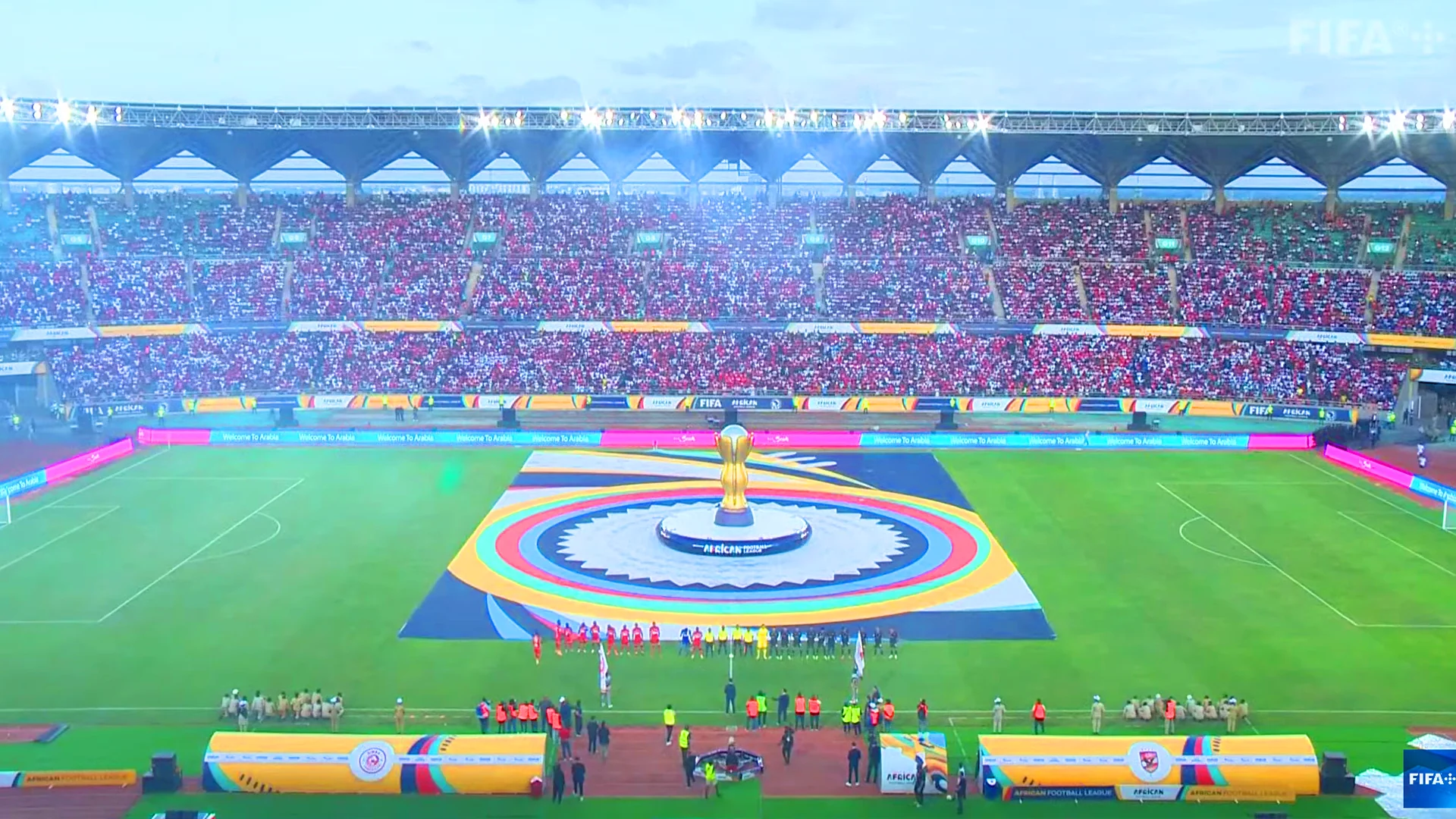






Explore the 5 key LED display trends from Integrate Expo 2026, including fine-pitch LED, COB displays, LED video walls, pixel pitch and project ROI.
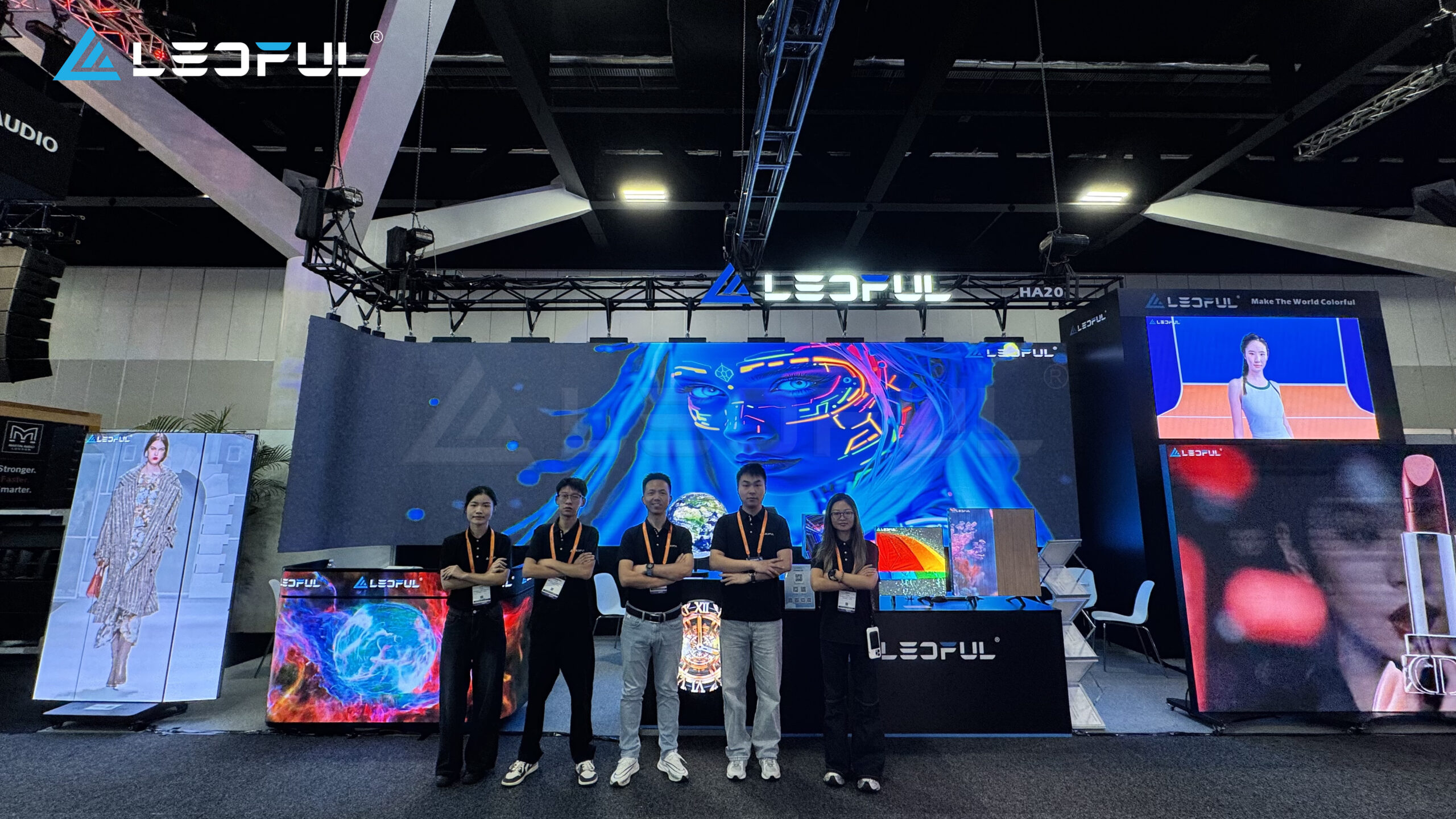
LED Display Trends 2026: What Integrate Expo Revealed About LED Projects
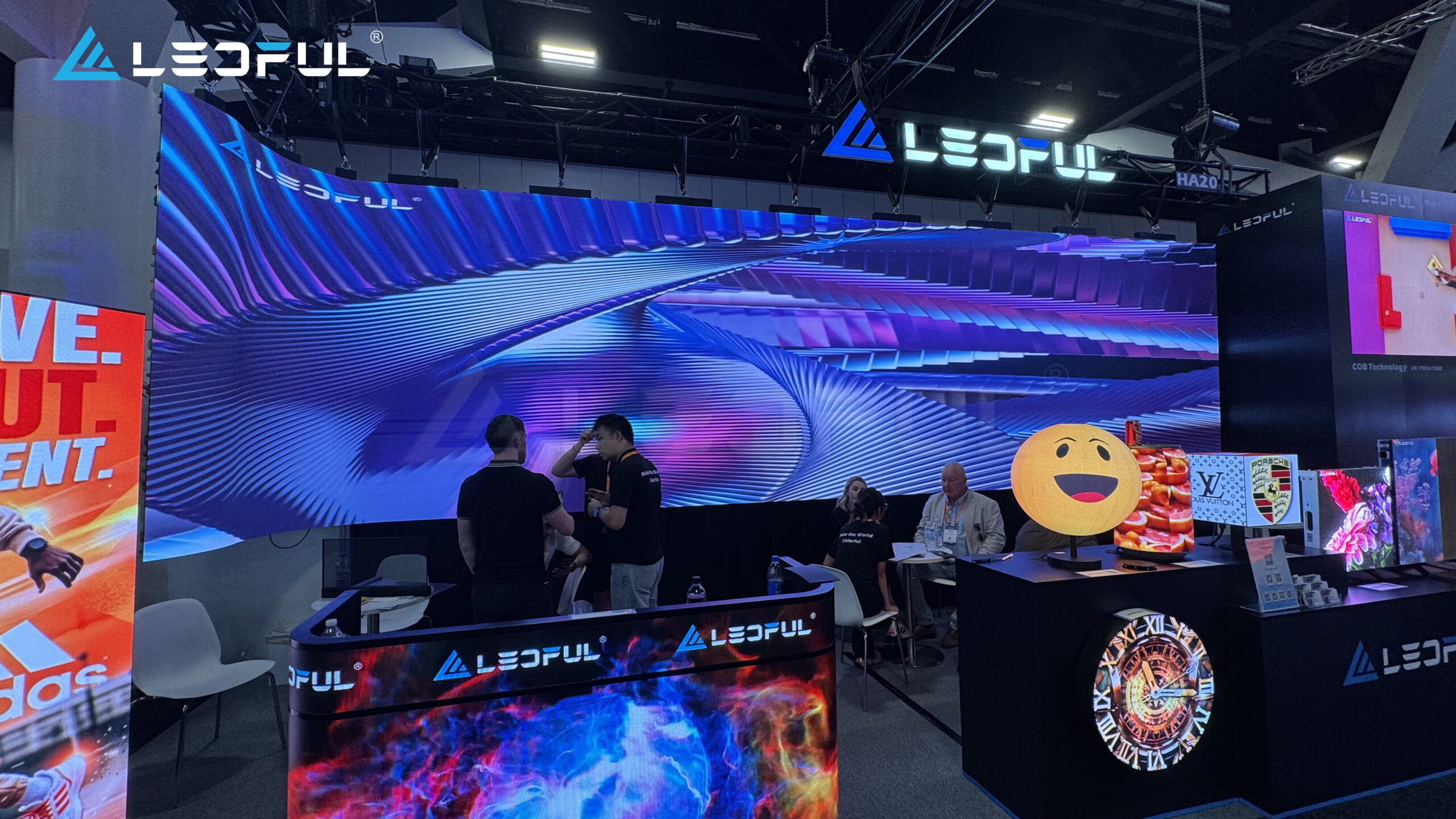
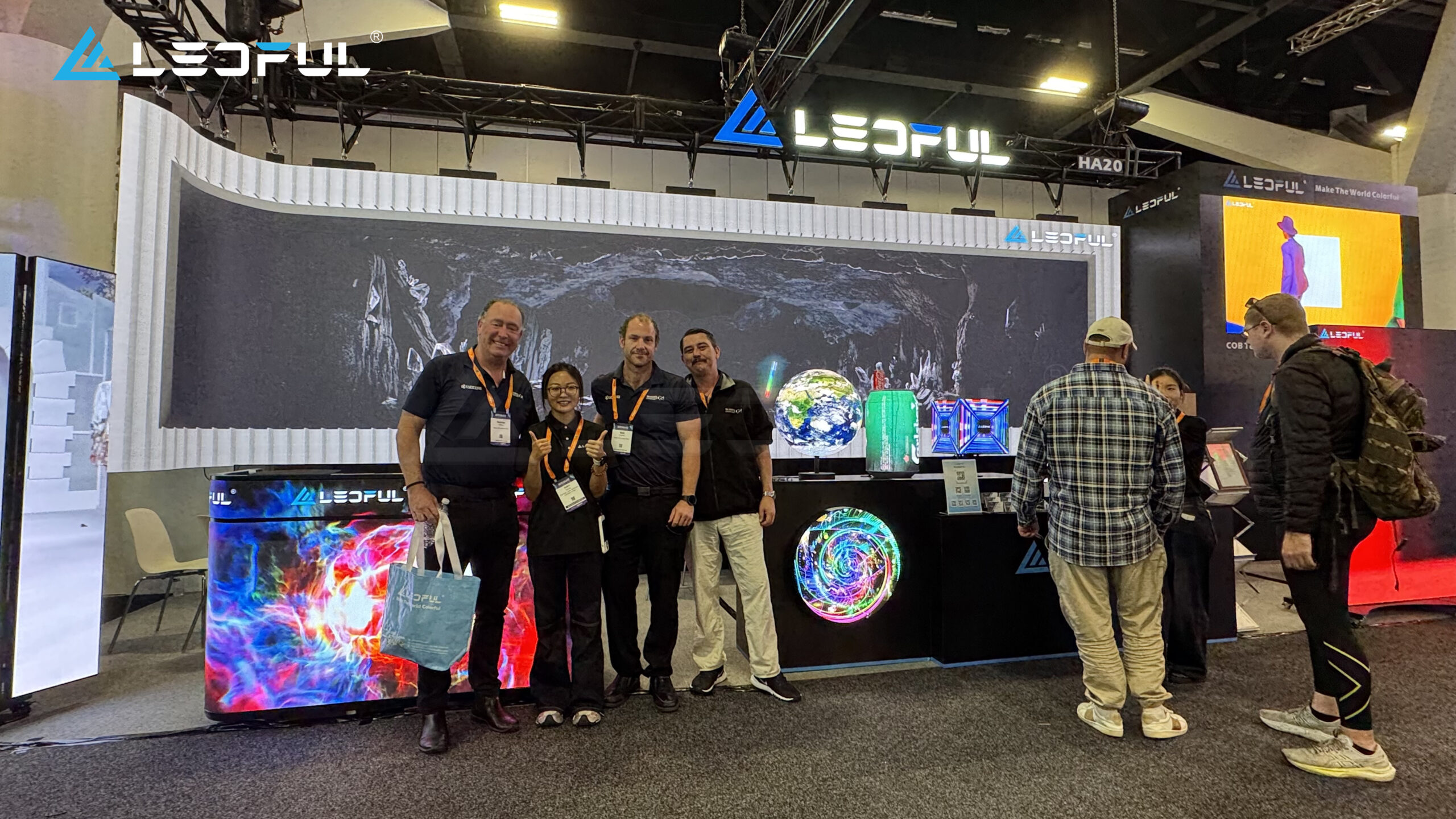
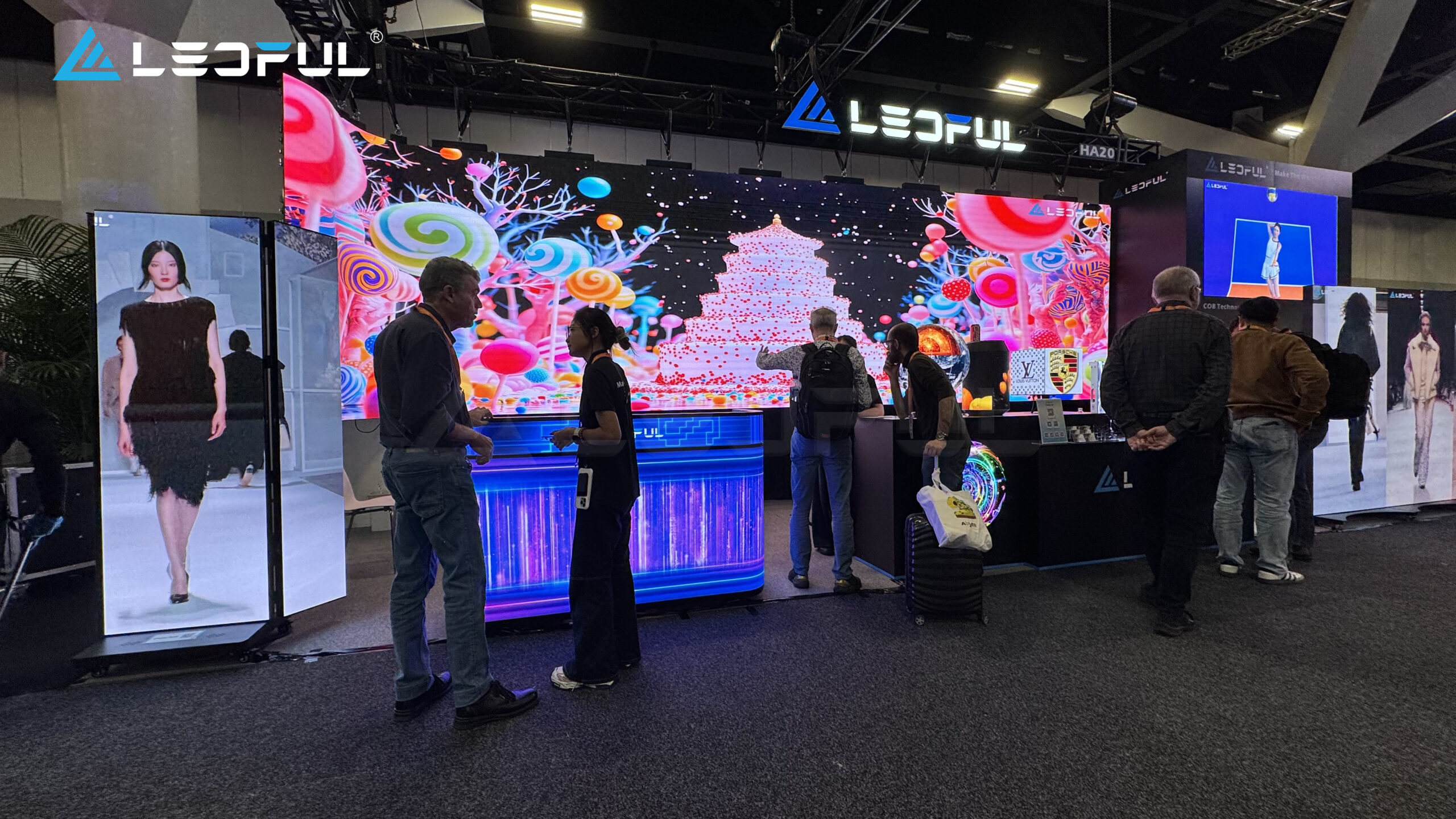
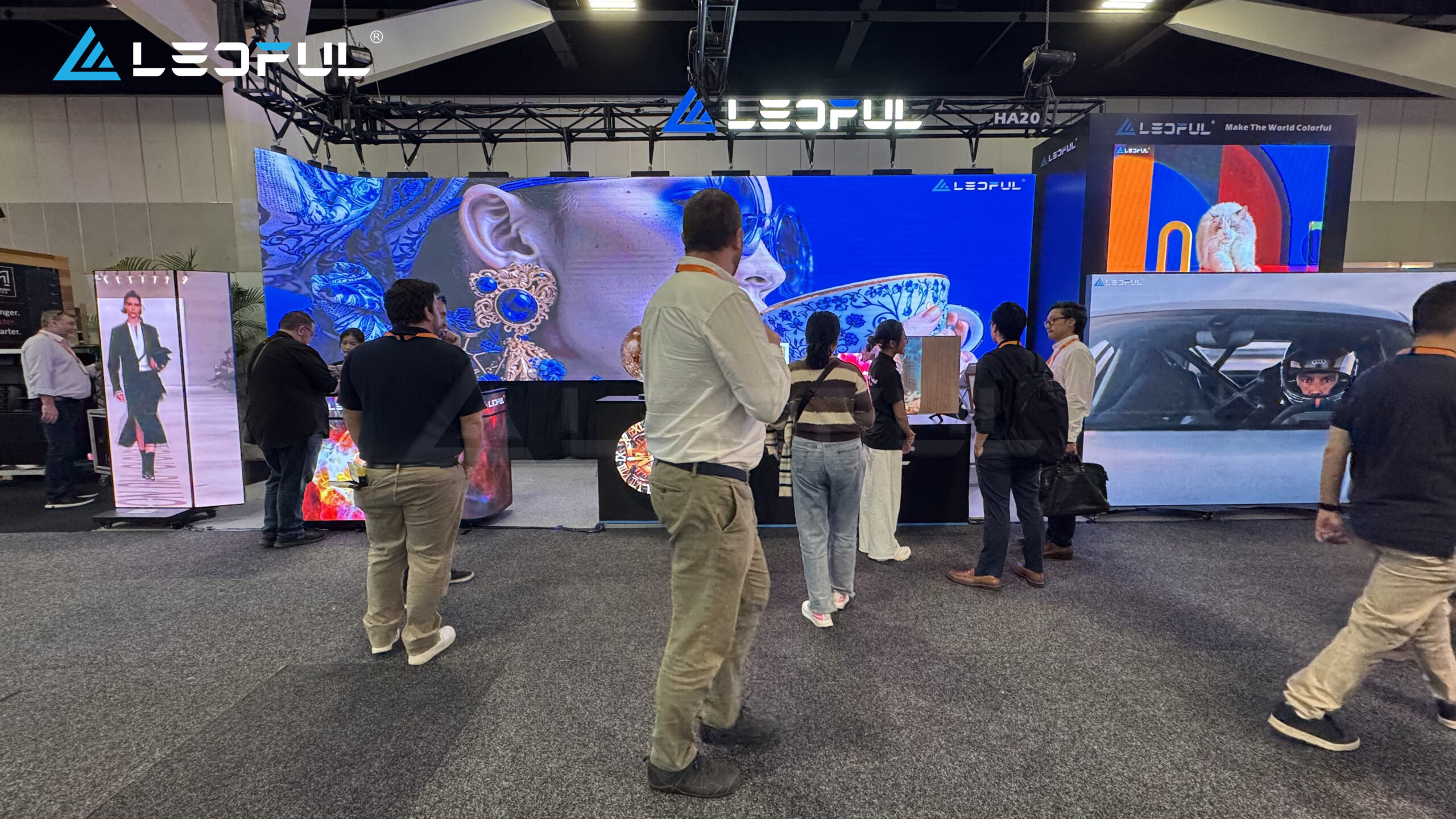
Integrate Expo 2026 brought together AV professionals, system integrators, technology providers, consultants and project decision-makers in Sydney from September 2–4, 2026.
For LED display buyers, the event was more than an opportunity to compare products. It provided a valuable view into how commercial spaces, corporate environments, retail locations, entertainment venues and professional AV projects are approaching LED display technology in 2026.
At LEDFUL Booth HA20, conversations with AV companies, project contractors, system integrators and LED display buyers focused less on simply asking, “How much does an LED screen cost?” and more on questions such as:
- – Which pixel pitch is right for the project?
- – How close will viewers be to the LED display?
- – Is a fine-pitch or COB LED display necessary?
- – What brightness level is appropriate?
- – How should the LED video wall be installed and maintained?
- – Can the display be customized to the available space?
- – How can the project achieve better long-term value?
These questions reflect a broader shift in the LED display market: buyers are increasingly evaluating LED displays as complete project solutions rather than standalone hardware.
This article summarizes the key LED display trends, project considerations and purchasing insights observed around Integrate Expo 2026.
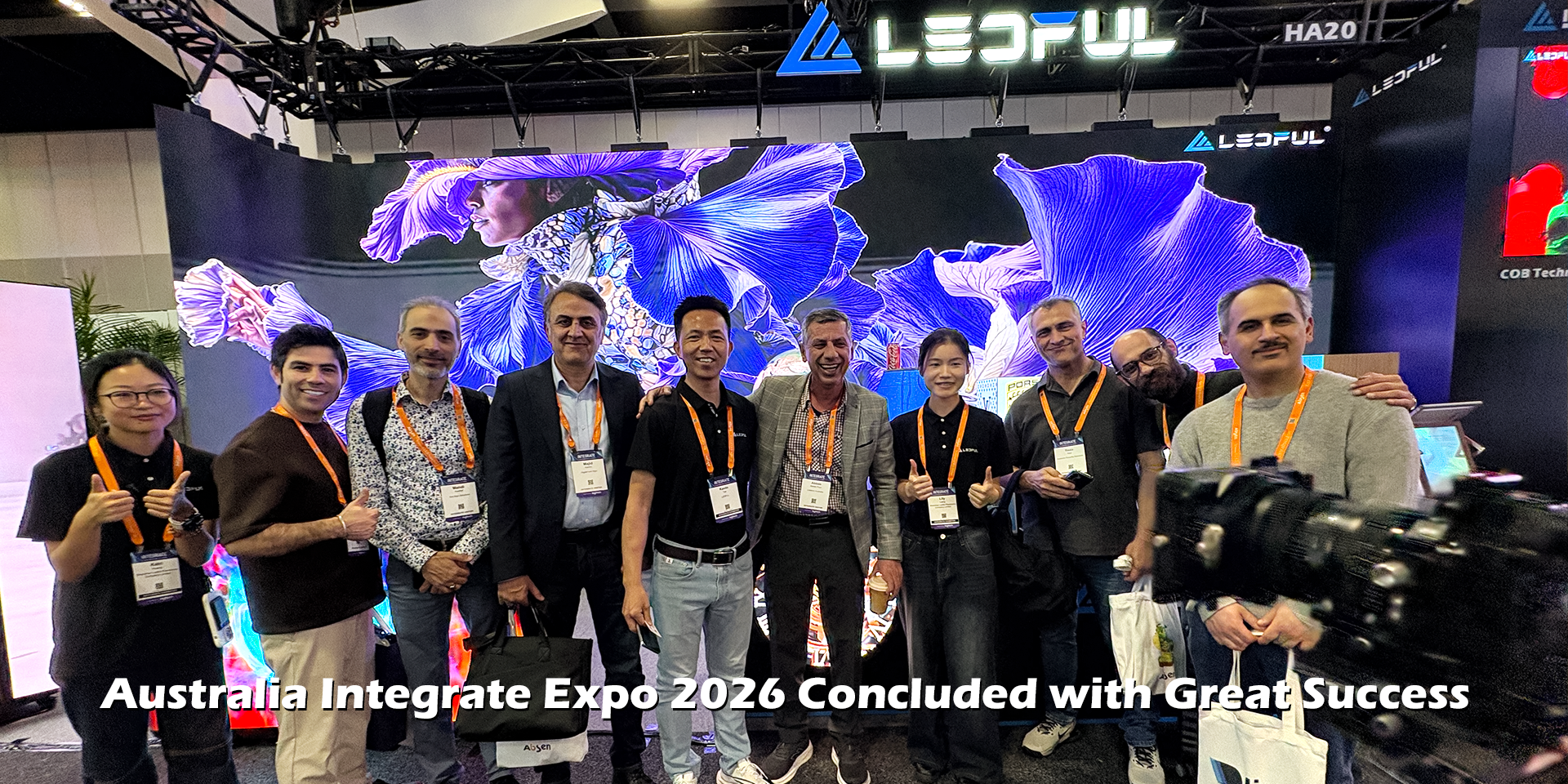
What Integrate Expo 2026 Revealed About the LED Display Market
The role of LED displays within professional AV environments is changing.
An LED display is no longer simply a large screen used to play video. Increasingly, it is part of a broader visual communication system involving content management, video processing, cameras, control systems and other AV technologies.
This shift means LED display buyers need to consider more than resolution or price.
A successful project needs to balance:
Application + Viewing Distance + Pixel Pitch + Screen Size + Brightness + Installation + Maintenance + Content + Total Cost
The growing demand for fine-pitch LED, COB LED, seamless LED video walls and customized displays also shows that different applications require different display technologies. https://www.ledful.com/product-category/cob
For project buyers, the most important question is therefore not:
“Which LED display is the most advanced?”
It is:
“Which LED display is the right fit for this project?”
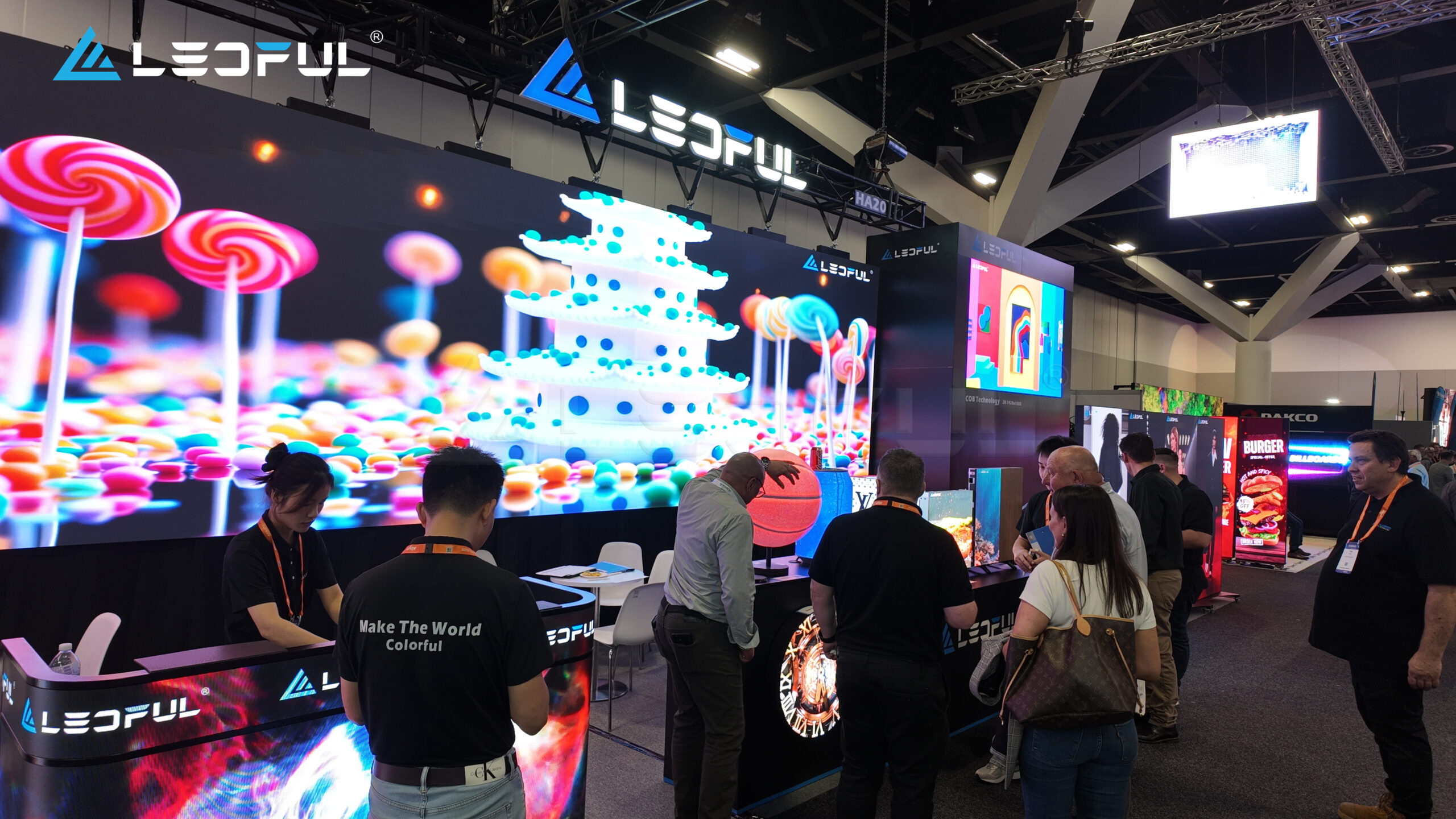
What Are AV Buyers Looking for in LED Displays?
Professional AV buyers are becoming more specific about LED display requirements.
Instead of selecting a screen based only on pixel pitch or price per square meter, project teams are evaluating the complete system.
Image Quality for Close Viewing
Fine-pitch LED displays are increasingly relevant for applications where audiences sit or stand relatively close to the screen.
Typical applications include:
- – Corporate boardrooms
- – Conference rooms
- – Control rooms
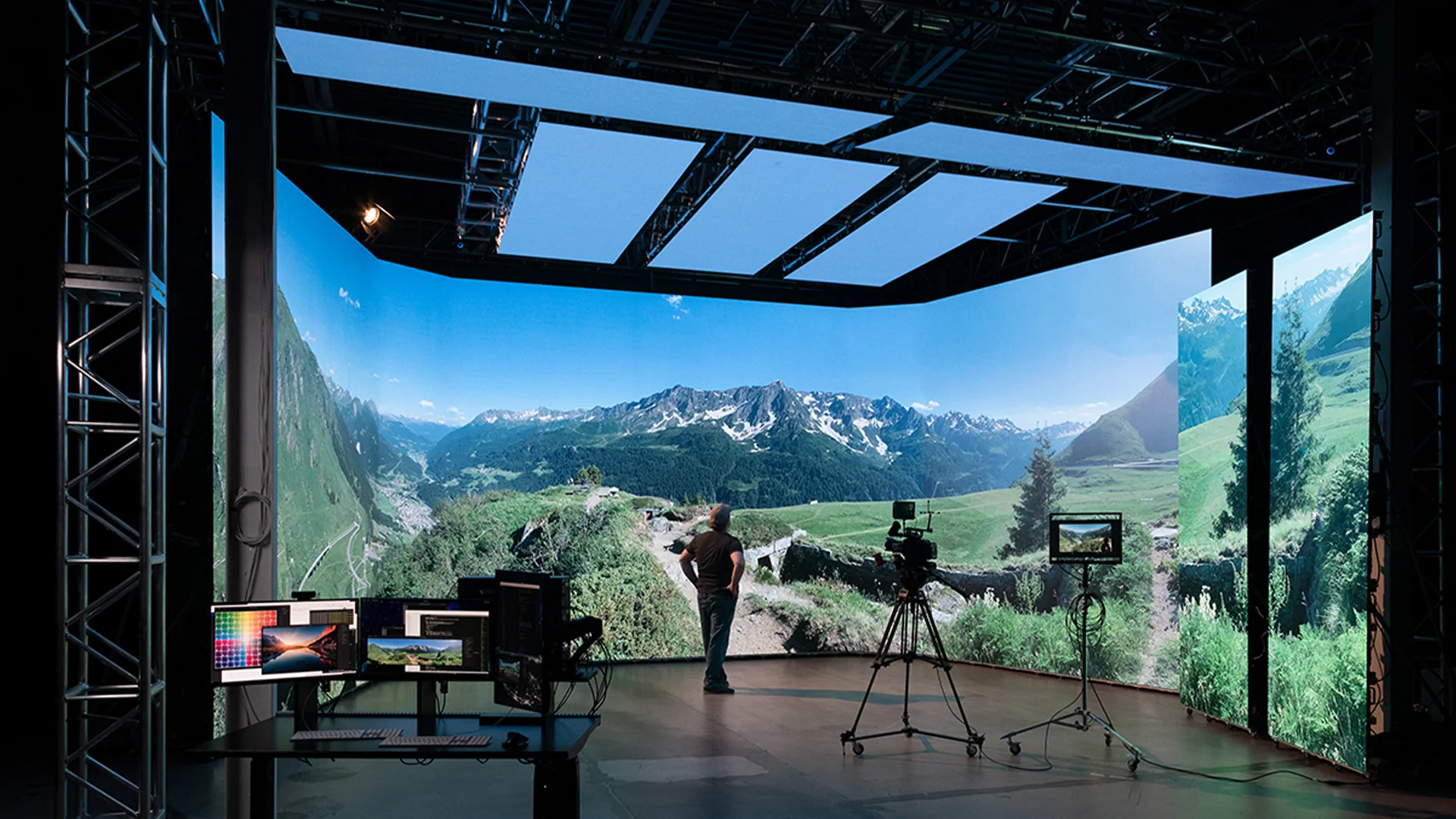
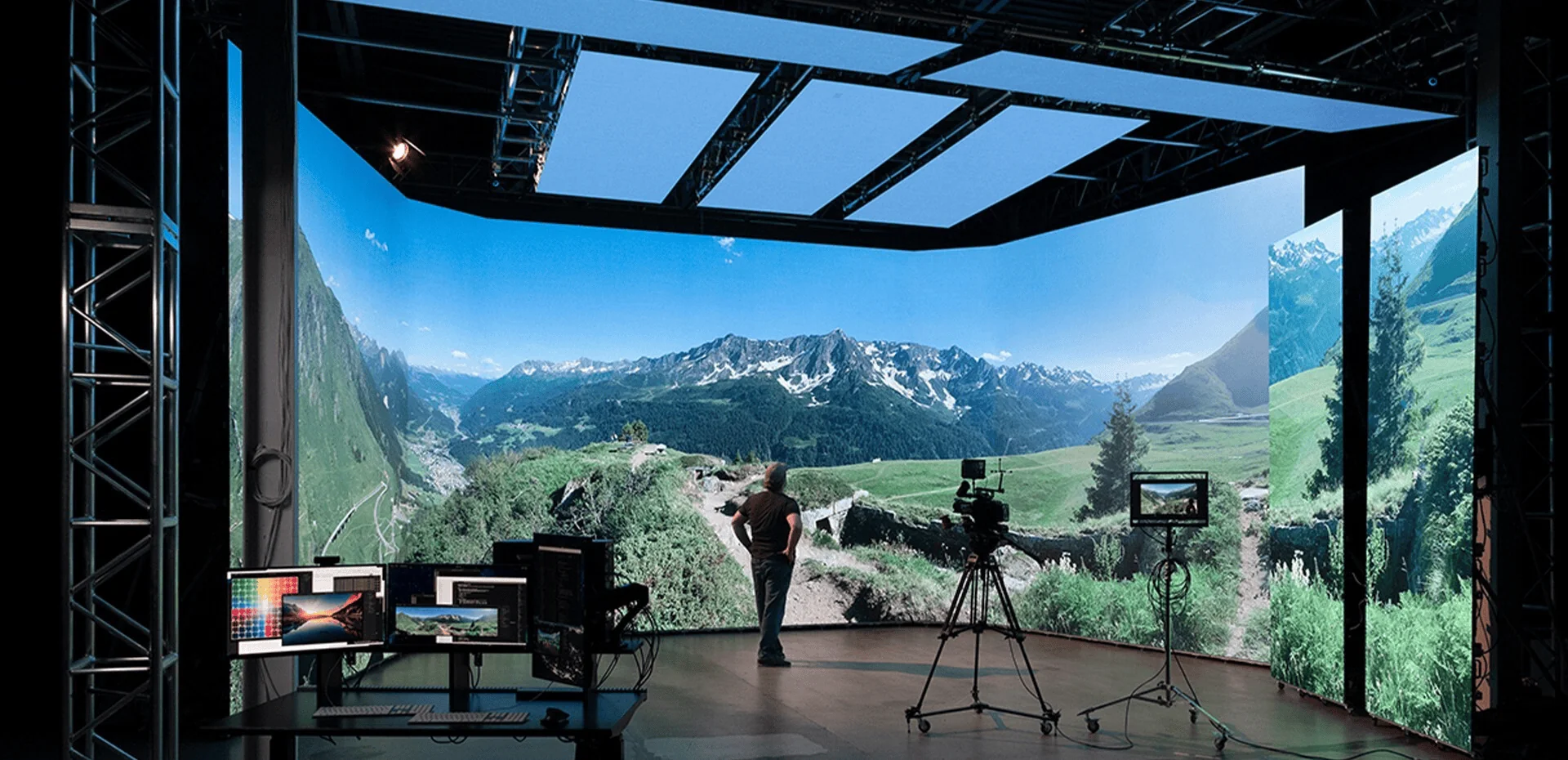
- – Broadcast studios
- – Education facilities
- – High-end retail
- – Exhibition spaces
- – Digital signage
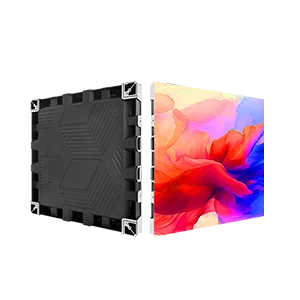
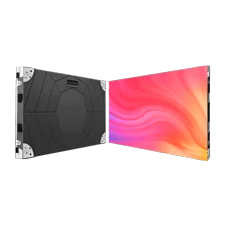
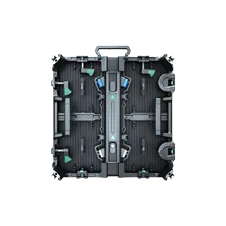
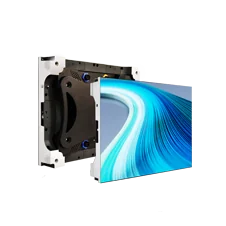
LEDFUL’s Q Series, for example, covers pixel pitches from 1.875mm to 2.5mm, with front and rear maintenance, high grayscale, high refresh rate and front installation options.
For close-viewing environments, the correct pixel pitch can significantly influence image detail and viewing comfort.
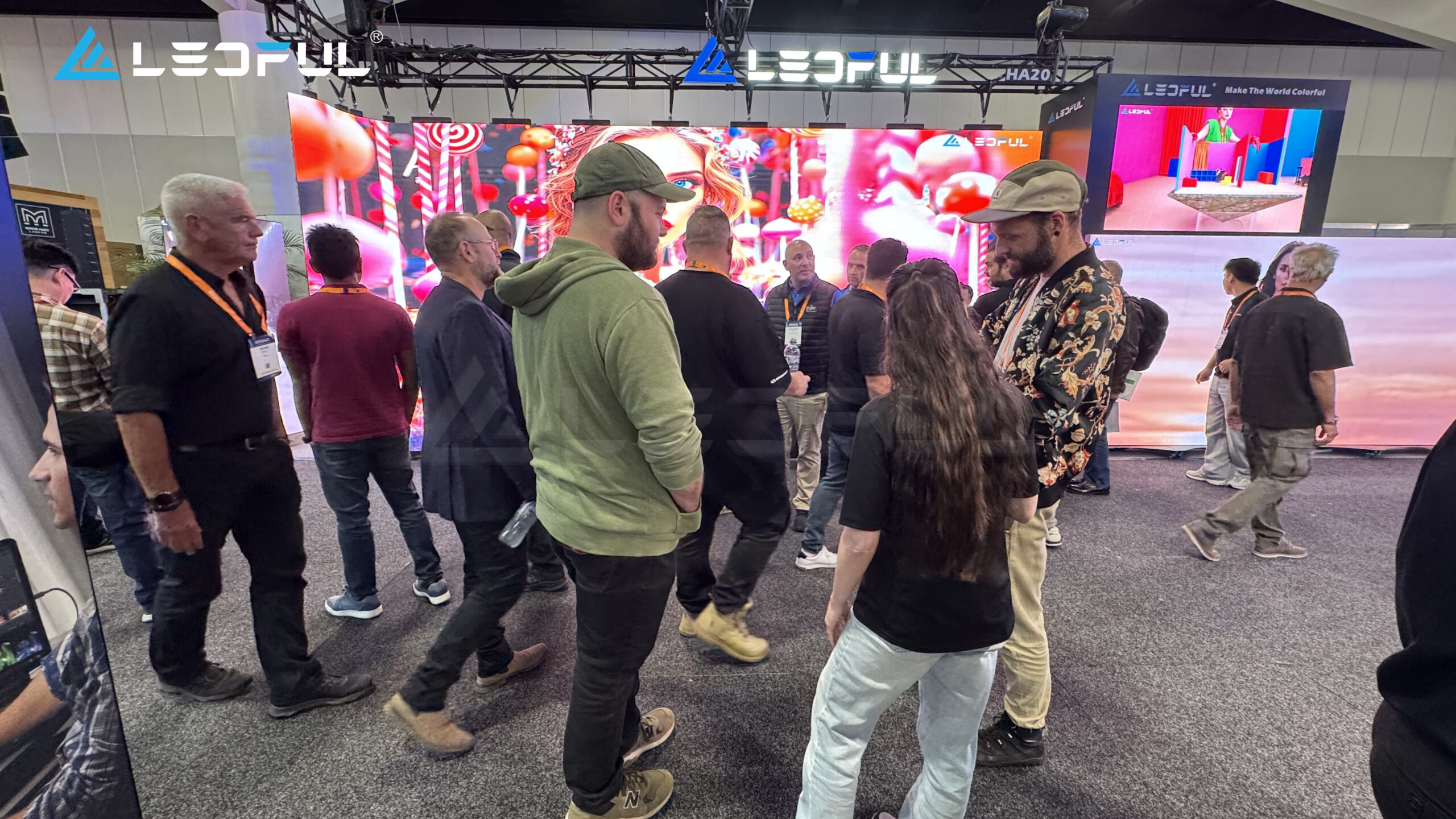
Seamless Large-Format Displays
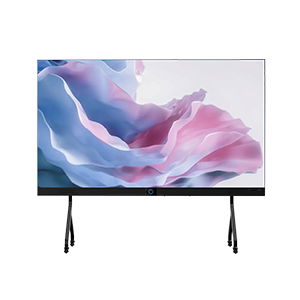
Professional users are also increasingly considering LED video walls as an alternative to conventional display walls.
The key advantages include:
- – Seamless visual surface
- – No traditional LCD bezel
- – Flexible screen dimensions
- – High brightness
- – Large-format viewing
- – Customizable aspect ratios
- – Suitable for long-term commercial use
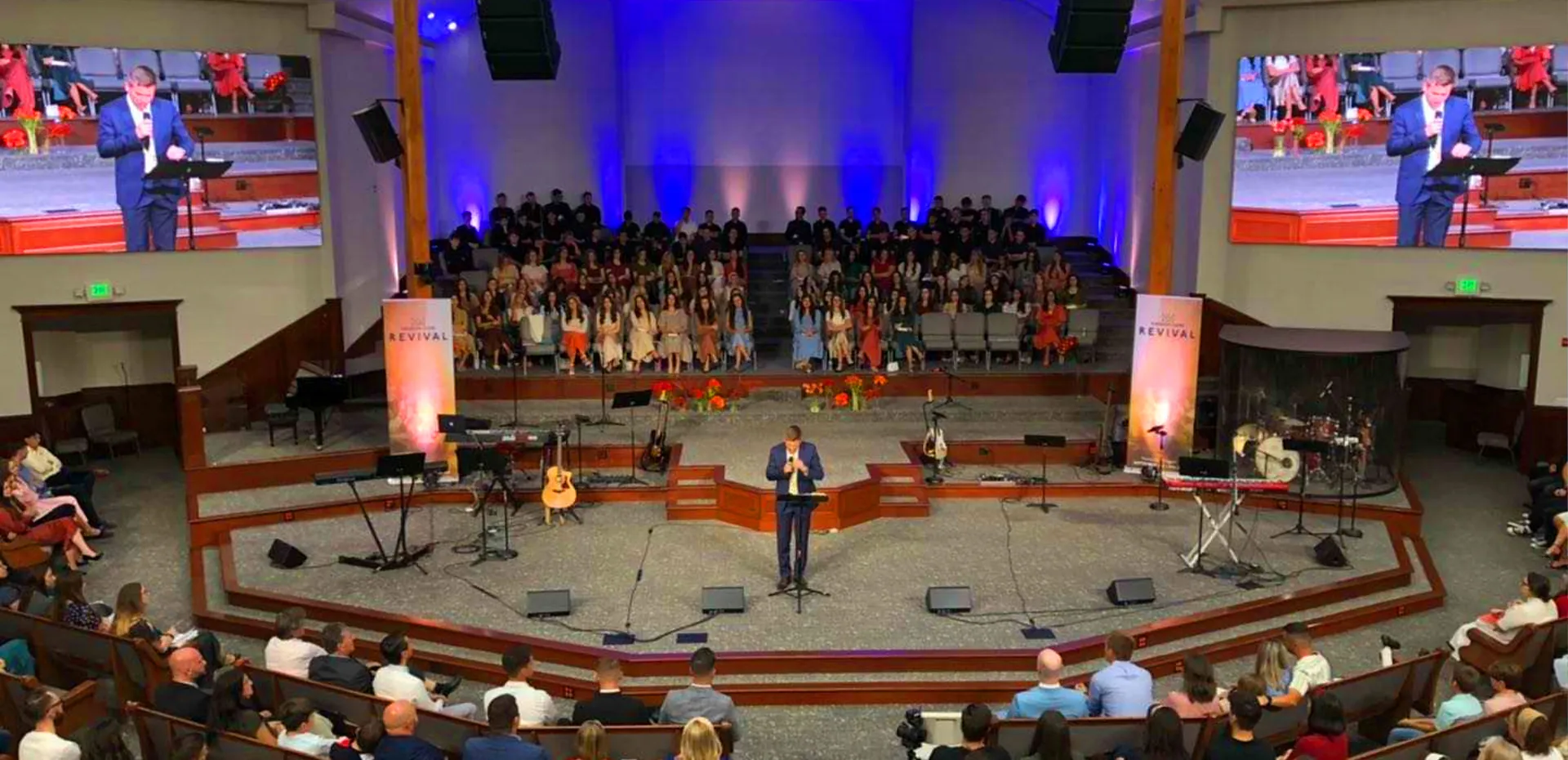
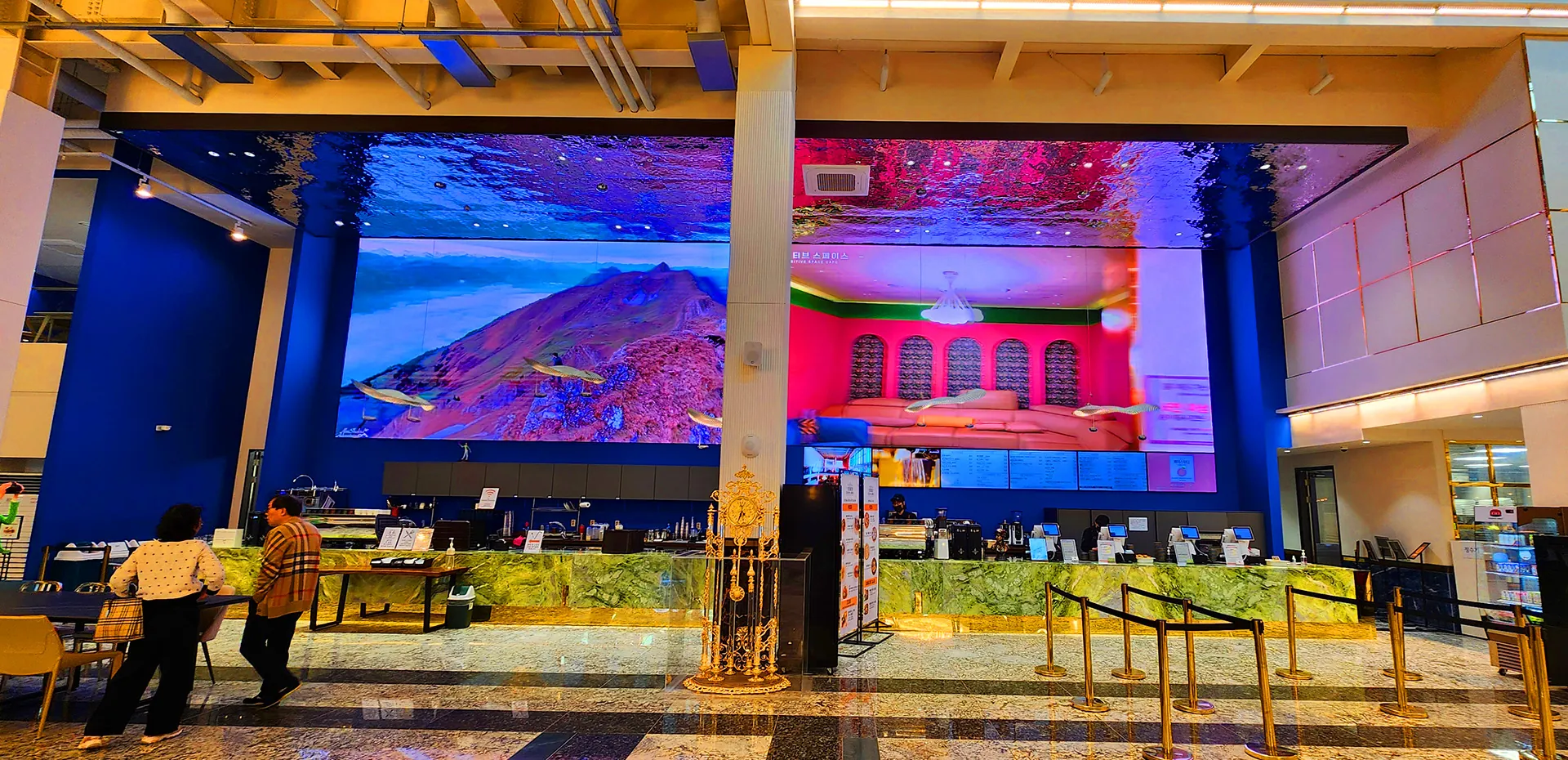
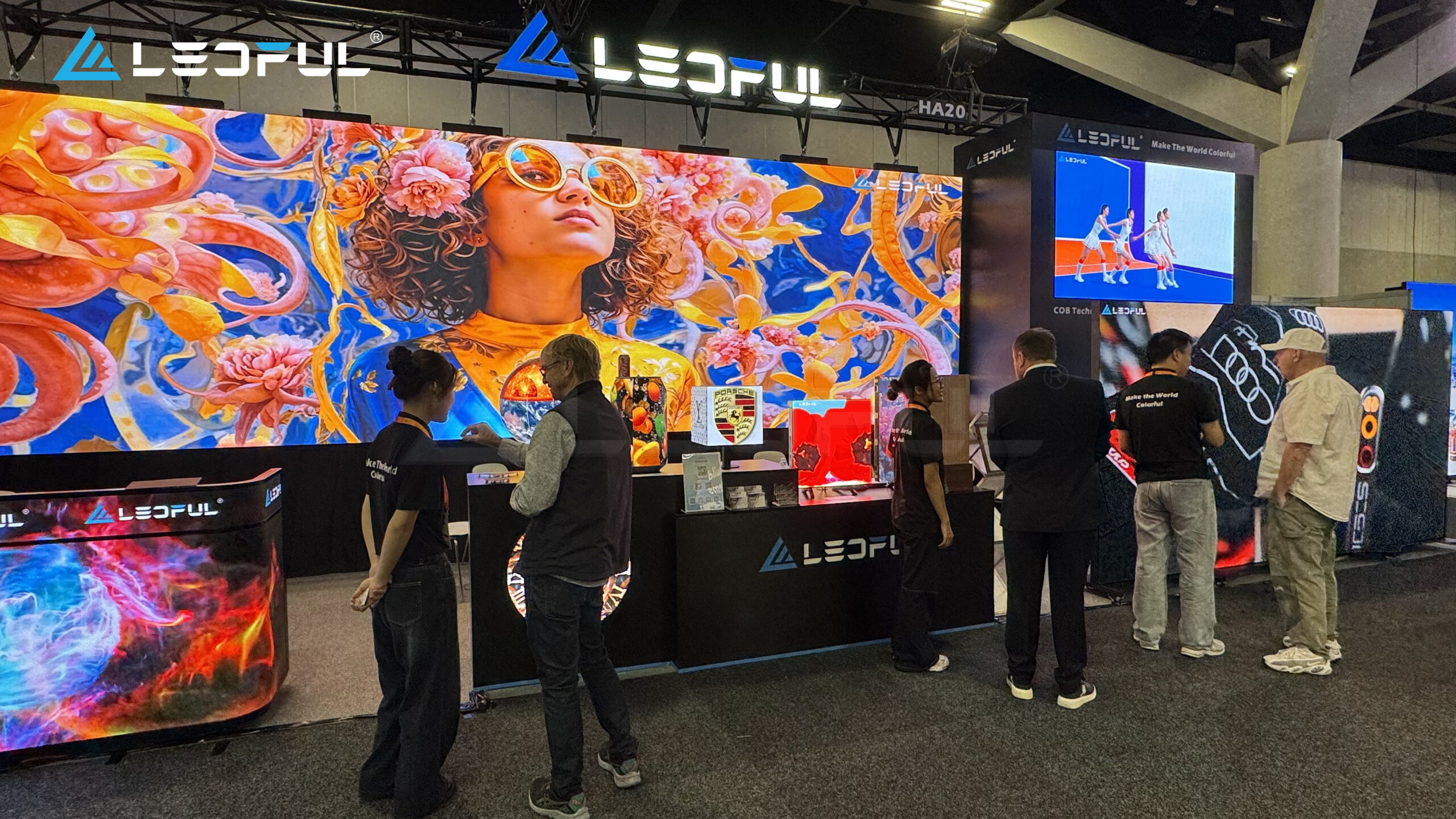
This makes LED video walls suitable for corporate reception areas, conference rooms, retail environments, hotels, experience centers and other commercial spaces.
Flexible and Creative LED Displays
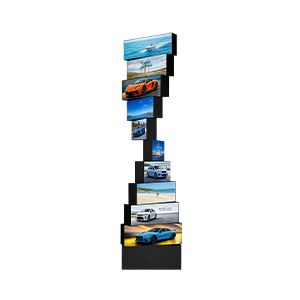
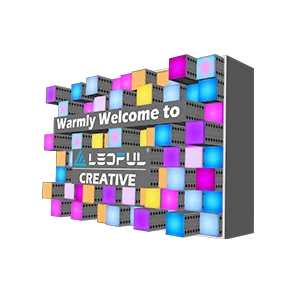
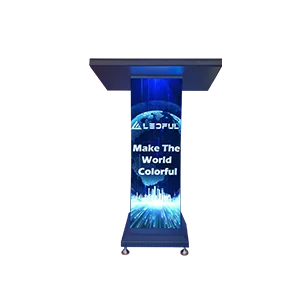
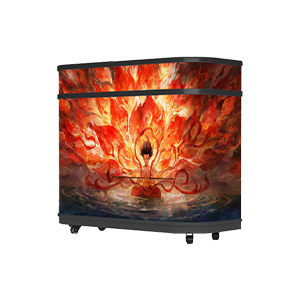
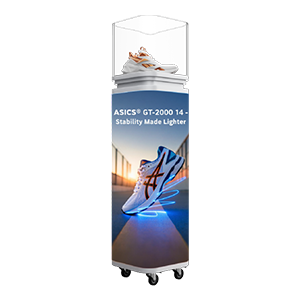
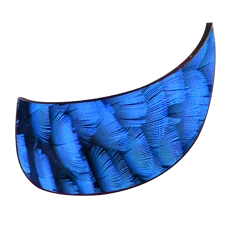
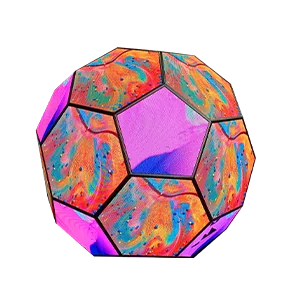
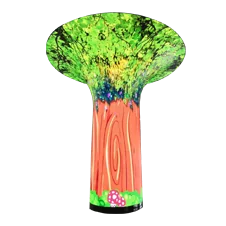
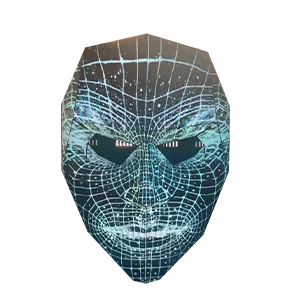
Standard rectangular screens remain important, but creative LED displays are expanding the possibilities of digital architecture.
Depending on the project, LED displays can be designed as:
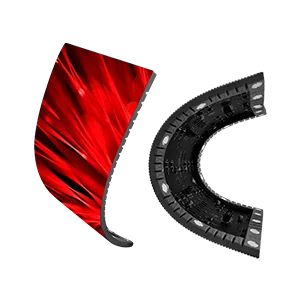
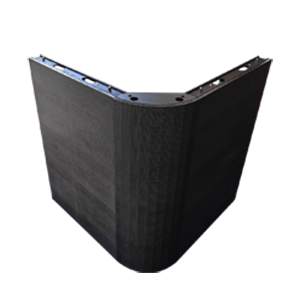
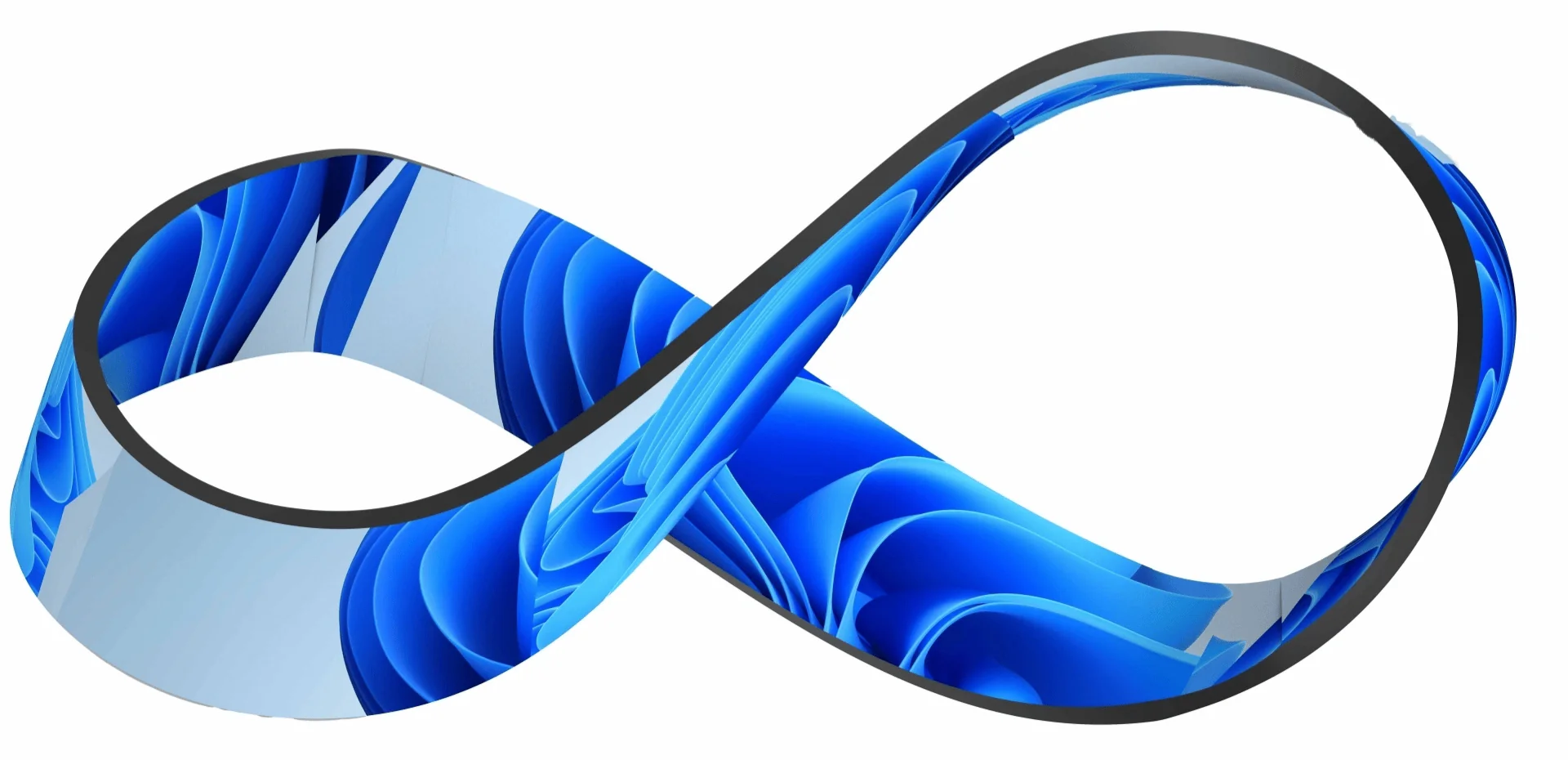
- – Curved LED displays
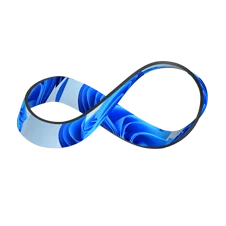
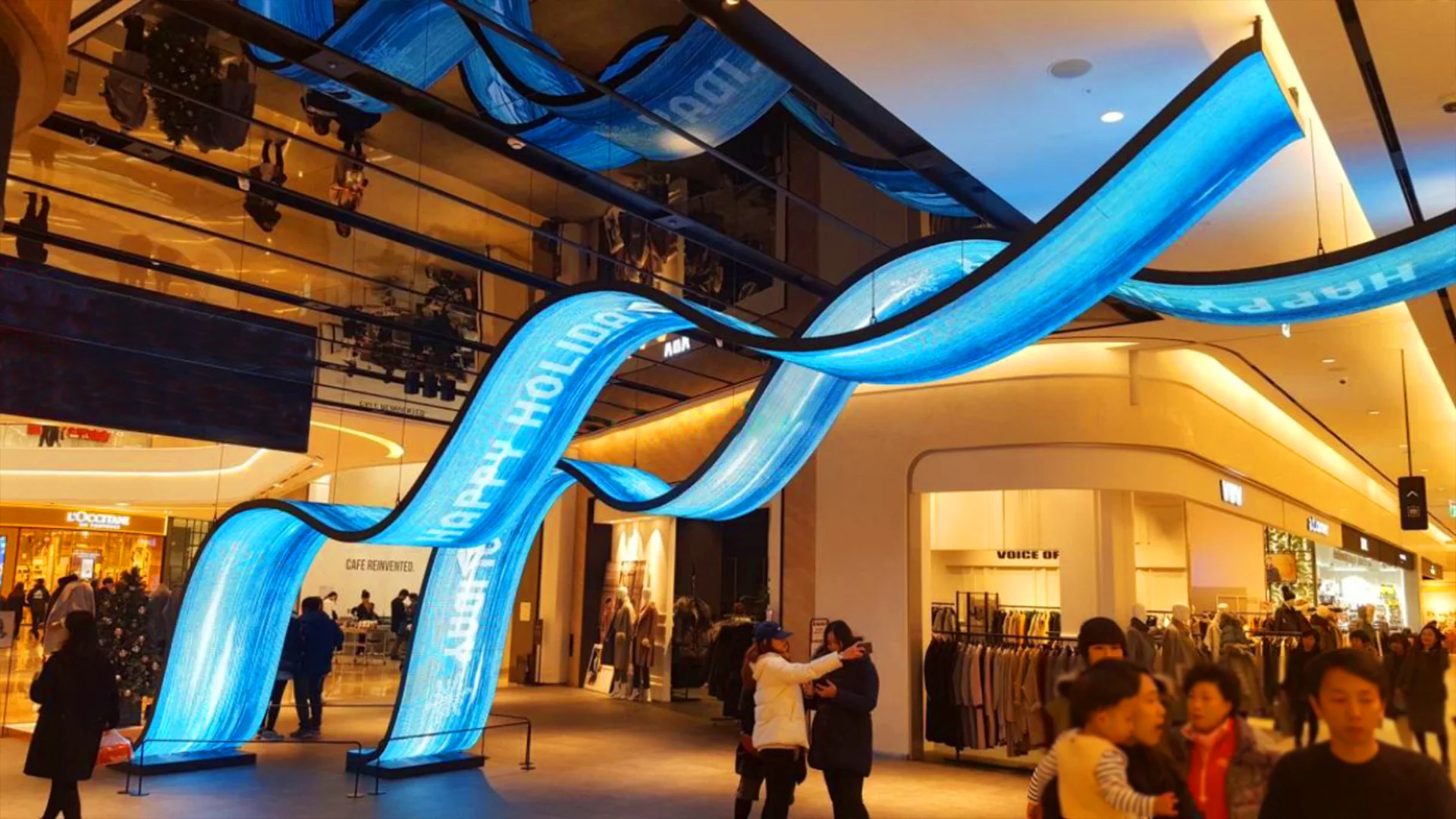
- – Flexible LED displays
- – Transparent LED displays
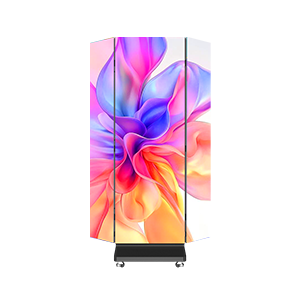
- – Column LED displays
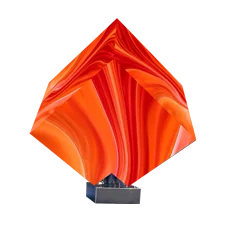
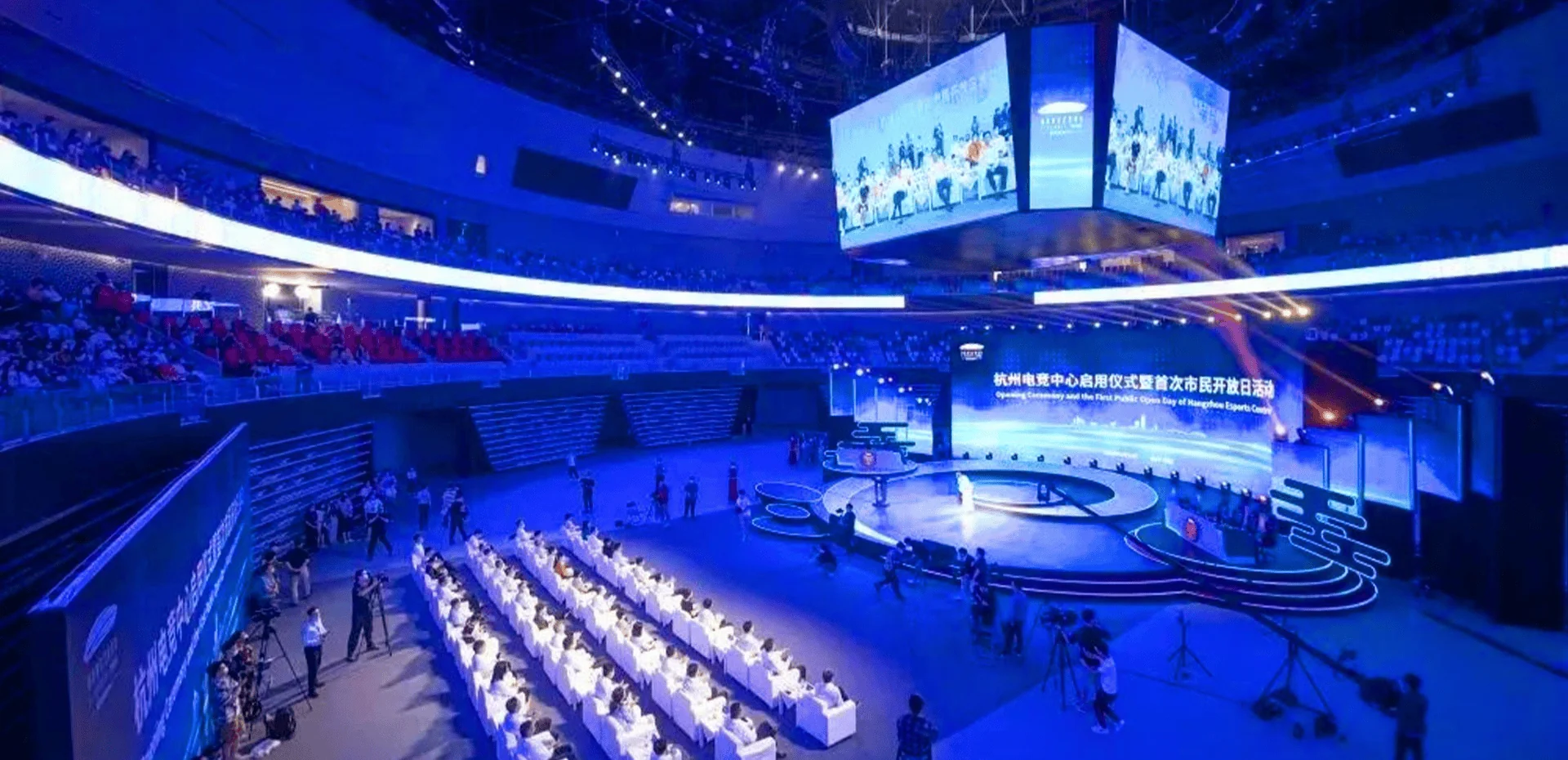
- – Cube LED displays
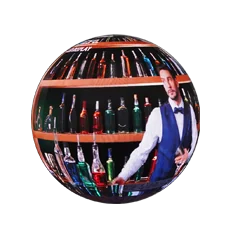
- – Spherical LED displays
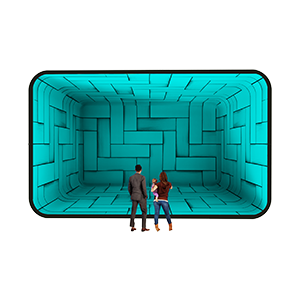
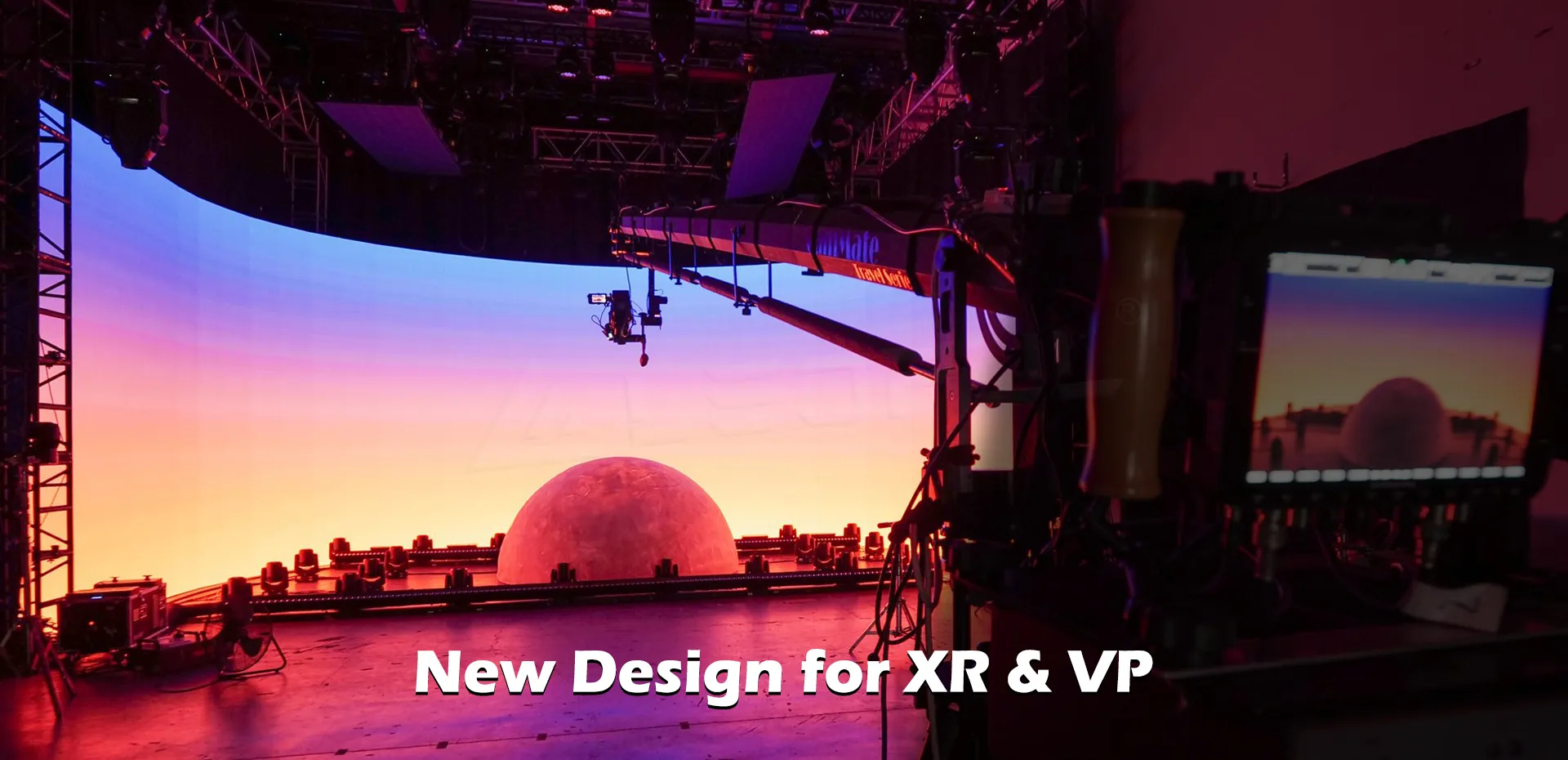
- – Immersive LED installations
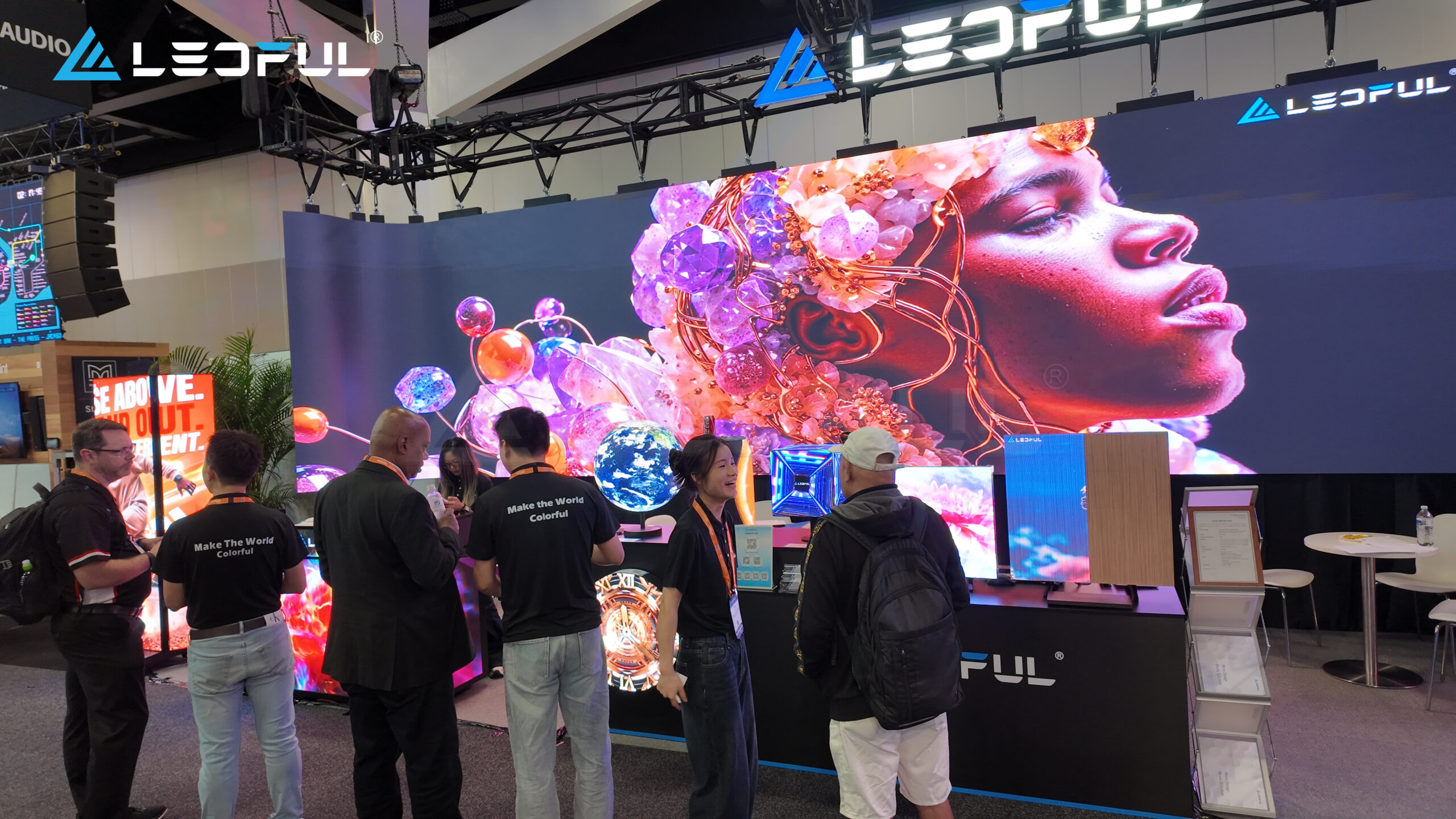
This allows the display to become part of the architecture rather than simply being mounted onto a wall.
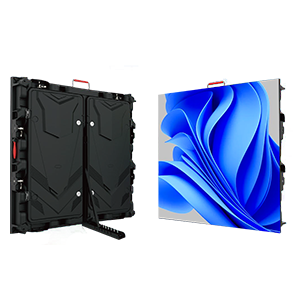
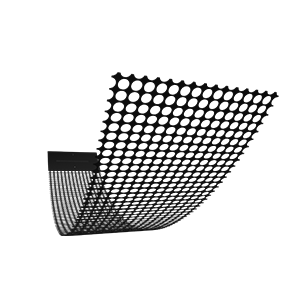
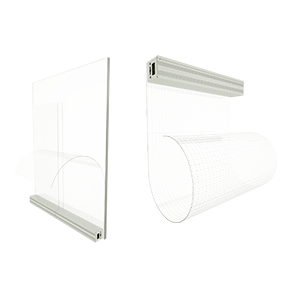
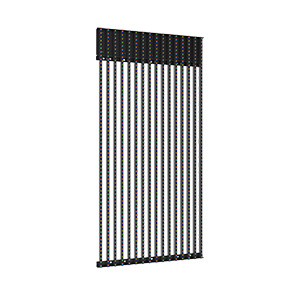
For projects requiring customized shapes or architectural integration, LEDFUL also provides creative LED display solutions covering curved, flexible, transparent and other customized formats.
5 LED Display Trends Shaping Projects in 2026
1. Fine-Pitch LED for Close-Viewing Applications
One of the most important trends in professional indoor LED displays is the increasing use of fine-pitch LED displays.
Fine-pitch technology uses a smaller distance between individual LED pixels, increasing pixel density and allowing the display to deliver more detailed images.
This is particularly useful for:
- – Boardrooms
- – Conference rooms
- – Control rooms
- – Broadcast studios
- – Showrooms
- – Premium retail
- – High-end digital signage
However, smaller pixel pitch does not automatically mean a better LED display.
The correct pixel pitch depends on:
Viewing Distance + Screen Size + Content + Application + Budget
For example, LEDFUL’s Q Series provides P1.875, P1.935, P2.0, P2.4 and P2.5 options, allowing the configuration to be matched to different indoor viewing requirements.
Recommended internal link:
fine pitch LED display → LEDFUL Q Series Fine Pitch LED Display
For a deeper comparison of fine-pitch and standard indoor LED displays, see Fine-Pitch vs. Standard Indoor Digital LED Display.
2. COB LED for Ultra-Fine-Pitch Applications
COB LED display technology is another important development in premium indoor LED applications.
COB stands for Chip on Board. Instead of packaging LEDs in the same way as conventional SMD technology, COB mounts LED chips directly onto the board and encapsulates the surface.
This approach can provide benefits including:
- – Stronger surface protection
- – High contrast
- – Improved visual uniformity
- – Fine pixel pitch capability
- – Wide viewing angles
- – Stable long-term performance
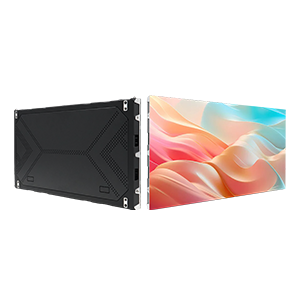
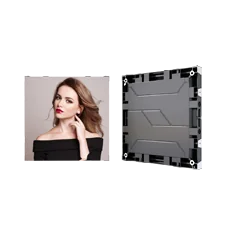
LEDFUL’s COB portfolio includes indoor COB displays with pixel pitches such as 0.9375mm, 1.25mm, 1.56mm and 1.875mm, depending on the series and configuration.
COB LED displays are particularly relevant to:
- – Control rooms
- – Broadcast studios
- – Conference rooms
- – Corporate spaces
- – Exhibition halls
- – Premium retail
- – Experience centers
However, COB should not be selected simply because it is a newer technology.
The correct decision still depends on viewing distance, image requirements, installation environment, protection requirements and project budget.
Recommended internal link:
COB LED display → LEDFUL COB LED Display Solutions
For buyers comparing technologies, see COB LED Display Screen vs. Traditional SMD.
3. LED Video Walls Are Replacing Traditional Display Walls
A growing number of commercial projects are moving from traditional multi-screen display configurations toward seamless LED video walls.
The main reason is flexibility.
An LED video wall can be designed around the actual wall dimensions instead of being limited by standard LCD panel sizes.
This is valuable for:
- – Corporate headquarters
- – Reception areas
- – Conference rooms
- – Retail stores
- – Shopping malls
- – Hotels
- – Exhibition halls
- – Experience centers
- – Control rooms
LEDFUL has also completed indoor LED video wall projects for close-viewing applications.
For example, an Australian IF2.5 project used a 10 sqm indoor LED video wall with 2.5mm pixel pitch, specifically positioned for indoor fixed installations and close-distance requirements. The solution also incorporated front maintenance and front installation features.
Recommended internal link:
Australia LED video wall project → Australia HD LED Video Wall Display Case
This type of project example is valuable because it shows how pixel pitch, screen size and application requirements are combined in a real installation.
4. LED Displays Are Becoming Part of Integrated AV Systems
Modern LED displays increasingly operate as part of a larger AV environment.
A professional LED display project may involve:
- – Video processors
- – Cameras
- – Control systems
- – Content management
- – AV over IP
- – Cloud-based control
- – Audio systems
- – Interactive technologies
This means system integrators and AV contractors should evaluate the LED display as part of the complete workflow.
Important questions include:
- – What video sources will be connected?
- – What resolution will be required?
- – Will cameras capture the LED display?
- – What refresh rate is required?
- – How will content be managed?
- – Does the system require remote control?
- – How will the display integrate with existing AV equipment?
For professional environments, these questions can be just as important as the LED module itself.
5. Project ROI Matters More Than LED Screen Price Alone
Price remains an important consideration, but professional buyers increasingly need to look beyond the initial quotation.
A low-cost LED display does not necessarily provide the lowest total project cost.
A more complete evaluation should consider:
Initial Investment + Installation + Maintenance + Energy + Downtime + Content Management
For example, a display with easier front maintenance may reduce future service time.
A display with the appropriate pixel pitch may provide better visual performance without unnecessarily increasing the initial investment.
A reliable supplier with technical support and spare parts can also reduce the potential impact of long-term maintenance issues.
The objective should therefore be:
Choose the right LED display configuration, not simply the lowest-priced LED screen.
How to Choose the Right Pixel Pitch for an LED Display
Pixel pitch is one of the most important specifications when purchasing an LED display.
Pixel pitch refers to the distance between the centers of two adjacent LED pixels.
In general:
Smaller pixel pitch = higher pixel density = greater image detail at close viewing distances.
However, smaller pixel pitch also typically means a higher investment.
The selection process should therefore begin with the actual viewing environment.
Project Requirement | Typical Direction
Very close viewing | Fine-pitch LED
Corporate conference room | Fine-pitch LED
Control room | Fine-pitch / COB LED
Retail interior | Fine / medium pitch depending on distance
Large commercial space | Medium pitch may be suitable
Long-distance viewing | Larger pixel pitch may be sufficient
There is no universal “best” pixel pitch.
The correct selection should consider:
Screen Size + Viewing Distance + Content Type + Camera Requirements + Budget
For professional projects, a supplier should evaluate these factors before recommending the final configuration.
How Much Does an LED Display Cost in 2026?
One of the most common questions from LED display buyers is:
“How much does an LED display cost?”
There is no single price because LED display projects vary significantly.
The final cost can be influenced by:
Factor | Why It Affects Cost
Pixel Pitch | Smaller pixel pitch requires higher pixel density
Screen Size | Larger screens require more modules and components
LED Technology | SMD, COB and other technologies have different costs
Brightness | Higher brightness may require different components
Cabinet Design | Die-cast and customized cabinets can affect cost
Installation | Structure, labor and site conditions affect project cost
Control System | Processing and signal requirements vary
Maintenance | Front/rear access affects long-term service
Warranty & Support | After-sales support contributes to project value
For this reason, LED display price per square meter should not be the only basis for comparing suppliers.
A professional quotation should take the complete project configuration into account.
LED Video Wall vs. LCD Video Wall: Which Is Better?
Both LED video walls and LCD video walls can be suitable for professional visual applications.
The better choice depends on the project.
LED Video Wall
LED may be preferable when the project requires:
- – Large-format seamless visuals
- – Custom screen dimensions
- – High brightness
- – Flexible aspect ratios
- – Long-term operation
- – Minimal visible segmentation
LCD Video Wall
LCD may remain appropriate when:
- – Standard panel sizes are sufficient
- – The screen size is relatively small
- – The project has a strict initial budget
- – Existing infrastructure is designed around LCD panels
For larger commercial installations, the lack of traditional bezels can make LED video walls particularly attractive.
LEDFUL’s indoor LED solutions are designed for applications including corporate spaces, conference rooms, retail environments, control rooms and other high-definition indoor installations.
The right decision should ultimately be based on:
Screen Size + Viewing Distance + Content + Installation + Budget + Long-Term Use
What Should You Check Before Choosing an LED Display Supplier?
Selecting the right LED display manufacturer is as important as selecting the right product.
Before placing an order, buyers should evaluate:
1. Manufacturing Capability
Can the supplier manufacture the required quantity consistently?
2. Quality Control
Does the manufacturer have defined production and testing processes?
3. Project Experience
Has the supplier completed similar projects in comparable environments?
4. Product Range
Can the supplier provide different technologies when the project requires them?
5. Technical Support
Can the supplier support system design, installation and commissioning?
6. Warranty and Spare Parts
What happens if a module, power supply or receiving card needs replacement?
7. Long-Term Support
Can the supplier continue providing technical assistance after installation?
LEDFUL has completed more than 11,000 LED display projects across 116 countries, covering applications including commercial spaces, conference rooms, studios, digital signage and other professional environments.
This project experience allows LEDFUL to approach LED display selection from the perspective of the complete project rather than a single product specification.
Australia LED Display Project Example
Real-world projects can help buyers understand how LED display technology is selected.
LEDFUL has completed multiple LED display projects in Australia.
One example is an IF2.5 indoor LED video wall, with a total display area of 10 square meters.
The project used a 2.5mm pixel pitch and was designed for an indoor fixed installation with close viewing requirements. The solution also incorporated front maintenance and front installation features.
Another Australian project used a customized BM2.5 indoor LED display measuring 8.32m × 1.92m, demonstrating how screen dimensions and product configuration can be adapted to a commercial environment.
These projects highlight an important principle:
The right LED display configuration should be designed around the project environment, not selected from a product specification sheet alone.
Planning an LED Display Project After Integrate Expo?
If you visited Integrate Expo 2026 and are now evaluating an LED display project, the next step is to convert your initial requirements into a clear project specification.
You do not need to have every technical detail finalized before contacting an LED display manufacturer.
Start with:
- – Application
- – Indoor or outdoor environment
- – Approximate screen size
- – Viewing distance
- – Installation location
- – Expected content
- – Estimated quantity
- – Project timeline
- – Target budget
From there, an experienced LED display supplier can help evaluate:
Pixel Pitch → Cabinet → Brightness → Resolution → Installation → Maintenance → Control System
Whether you are an AV integrator, distributor, contractor, consultant, brand owner or project manager, providing these details early can make the technical recommendation and quotation more accurate.
Send LEDFUL Your Project Requirements
Planning a new LED video wall, commercial LED display, fine-pitch LED display, digital signage project or creative LED installation?
LEDFUL can help evaluate the project from application requirements and viewing distance through to product configuration, installation and long-term support.
Send LEDFUL your project requirements and discuss the right LED display solution for your project.
Whether you already have a detailed specification or are still comparing LED display technologies, LEDFUL can help you evaluate the available options based on your project’s actual requirements.
The right LED display is not simply the one with the highest specification. It is the one that fits the project.
Frequently Asked Questions About LED Displays
What is the best pixel pitch for an LED display?
There is no single best pixel pitch. The appropriate pixel pitch depends mainly on viewing distance, screen size, content requirements and budget. Fine-pitch LED displays are generally more suitable for close-viewing indoor applications, while larger pixel pitches can be appropriate for displays viewed from greater distances.
How much does an LED video wall cost?
LED video wall cost depends on pixel pitch, screen size, cabinet design, brightness, installation requirements, control systems and other project factors. A meaningful quotation should therefore be based on the complete project requirements rather than price per square meter alone.
Is COB LED better than SMD LED?
COB and SMD are different LED packaging technologies, and neither is universally better. COB can provide advantages for fine-pitch applications, surface protection and premium indoor environments, while SMD remains a mature and widely used LED display technology. The right choice depends on the application and project requirements.
What is a fine-pitch LED display?
A fine-pitch LED display uses a smaller distance between individual LED pixels, allowing higher pixel density and more detailed images. Fine-pitch LED displays are commonly used in corporate boardrooms, conference rooms, control rooms, broadcast studios, digital signage and other close-viewing applications.
What pixel pitch is suitable for a conference room?
The appropriate pixel pitch depends on the screen size and viewing distance. For close-viewing conference rooms, fine-pitch LED displays such as P1.2, P1.5, P1.8 or P2.0 can be considered depending on the project. The final selection should be based on viewing distance, content requirements and budget.
LEDFUL has also completed indoor fine-pitch LED video wall projects for conference applications, including a 1.2mm U Series installation measuring 3.6 × 2.025m.
Are LED video walls better than LCD video walls?
Not in every situation. LED video walls are particularly attractive for large-format seamless displays, custom dimensions, high brightness and long-term commercial applications. LCD video walls may remain suitable for smaller installations or projects where standard panel sizes meet the requirements.
How do I choose an LED display supplier?
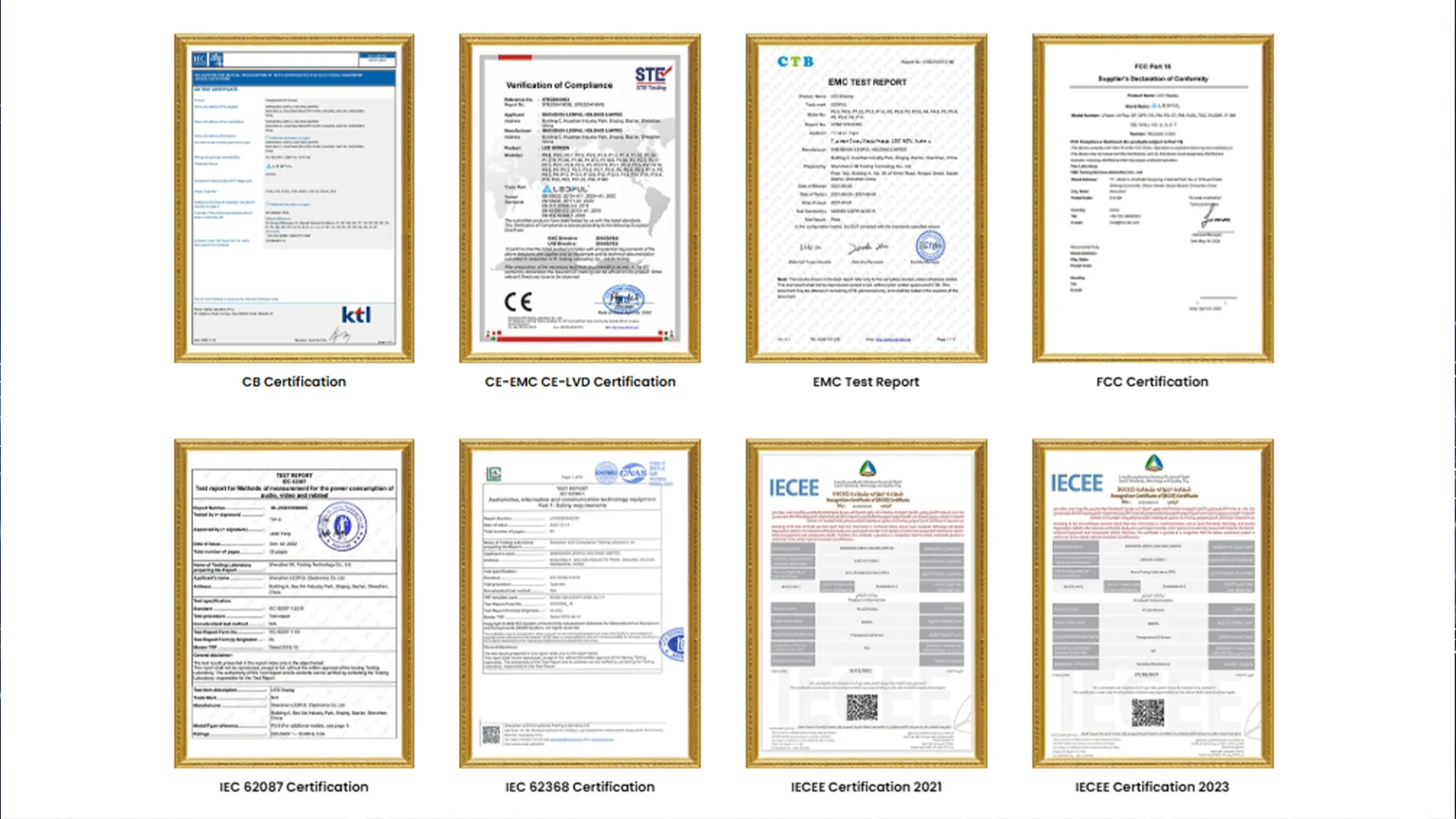
Evaluate manufacturing capability, quality control, product range, project experience, certifications, warranty, technical support, spare parts availability and long-term service. A reliable LED display manufacturer should be able to recommend a solution based on the complete project rather than simply offering the lowest price.
Can LED displays be customized?
Yes. Depending on the product and application, LED displays can be customized in terms of screen dimensions, cabinet configuration, pixel pitch, installation method and display shape. Creative LED displays can also be designed for curved, flexible, transparent and architectural applications.
About LEDFUL
LEDFUL is a professional LED display manufacturer and LED screen supplier providing indoor, outdoor, fine-pitch, COB, commercial, creative and professional LED display solutions.
With more than 11,000 completed projects across 116 countries, LEDFUL works with distributors, AV integrators, contractors, consultants and end users on projects ranging from commercial LED video walls to customized creative LED installations.
Have an LED display project?
Contact LEDFUL to discuss your requirements.
https://www.ledful.com/ledful-outdoor-led-display-solution
#LEDDisplay #LEDVideoWall #LEDDisplayTrends #FinePitchLED #COBLED #CommercialLEDDisplay #DigitalSignage #LEDDisplaySupplier #LEDDisplayManufacturer #AVTechnology