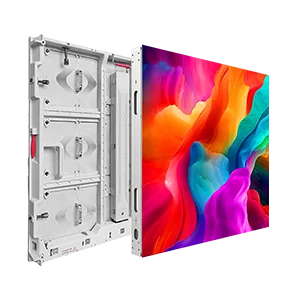
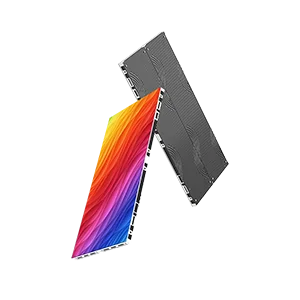
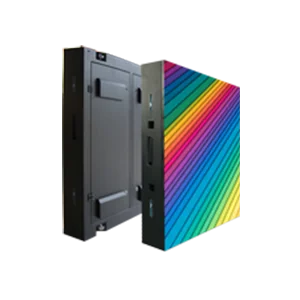
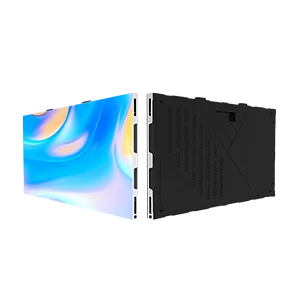
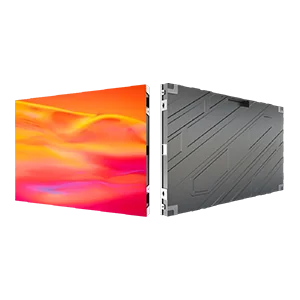
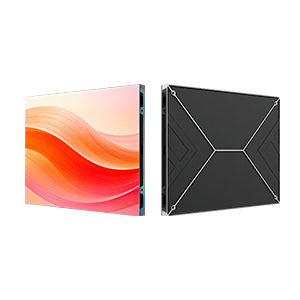
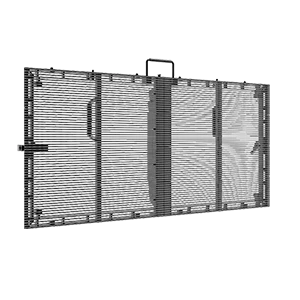
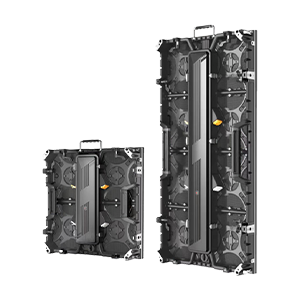






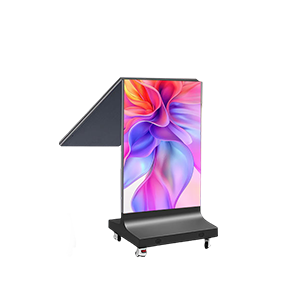
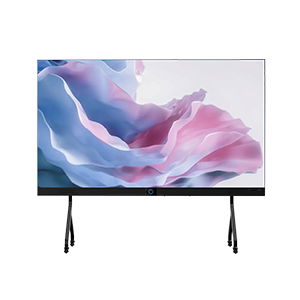
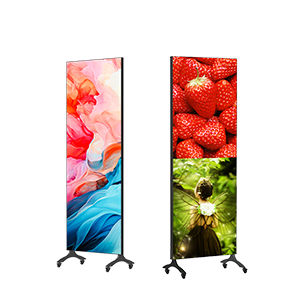
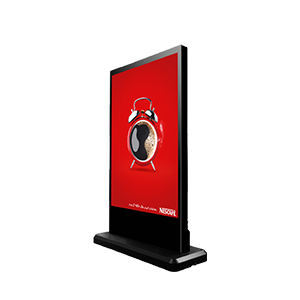
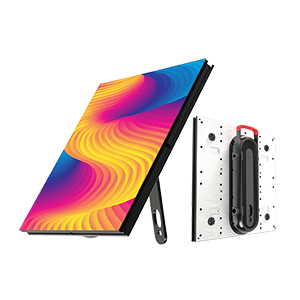
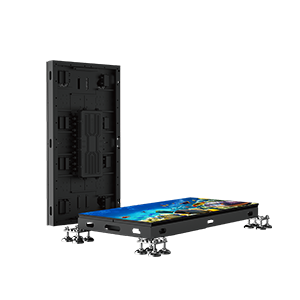
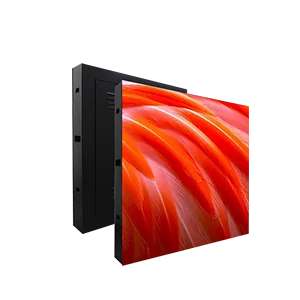


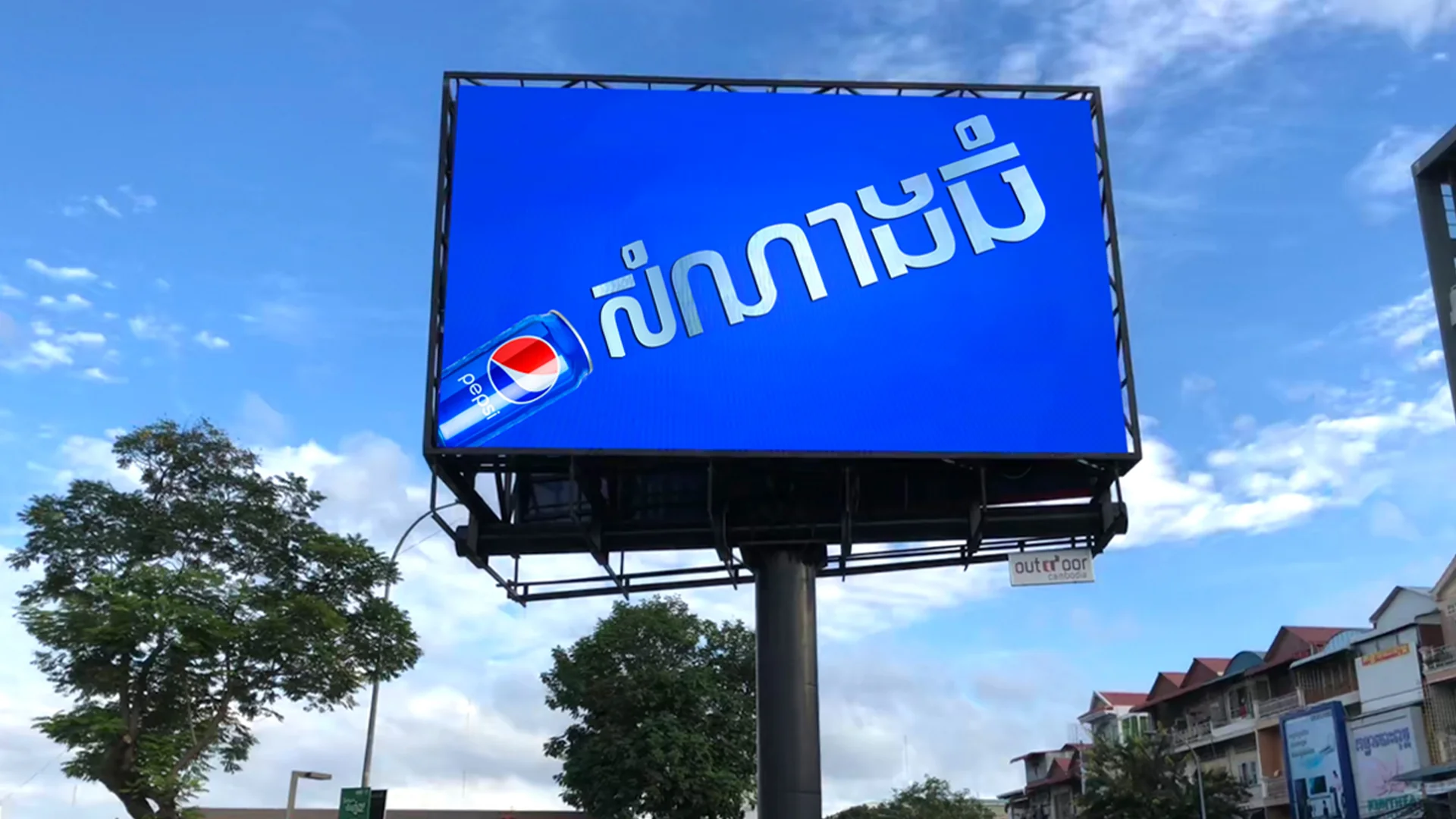

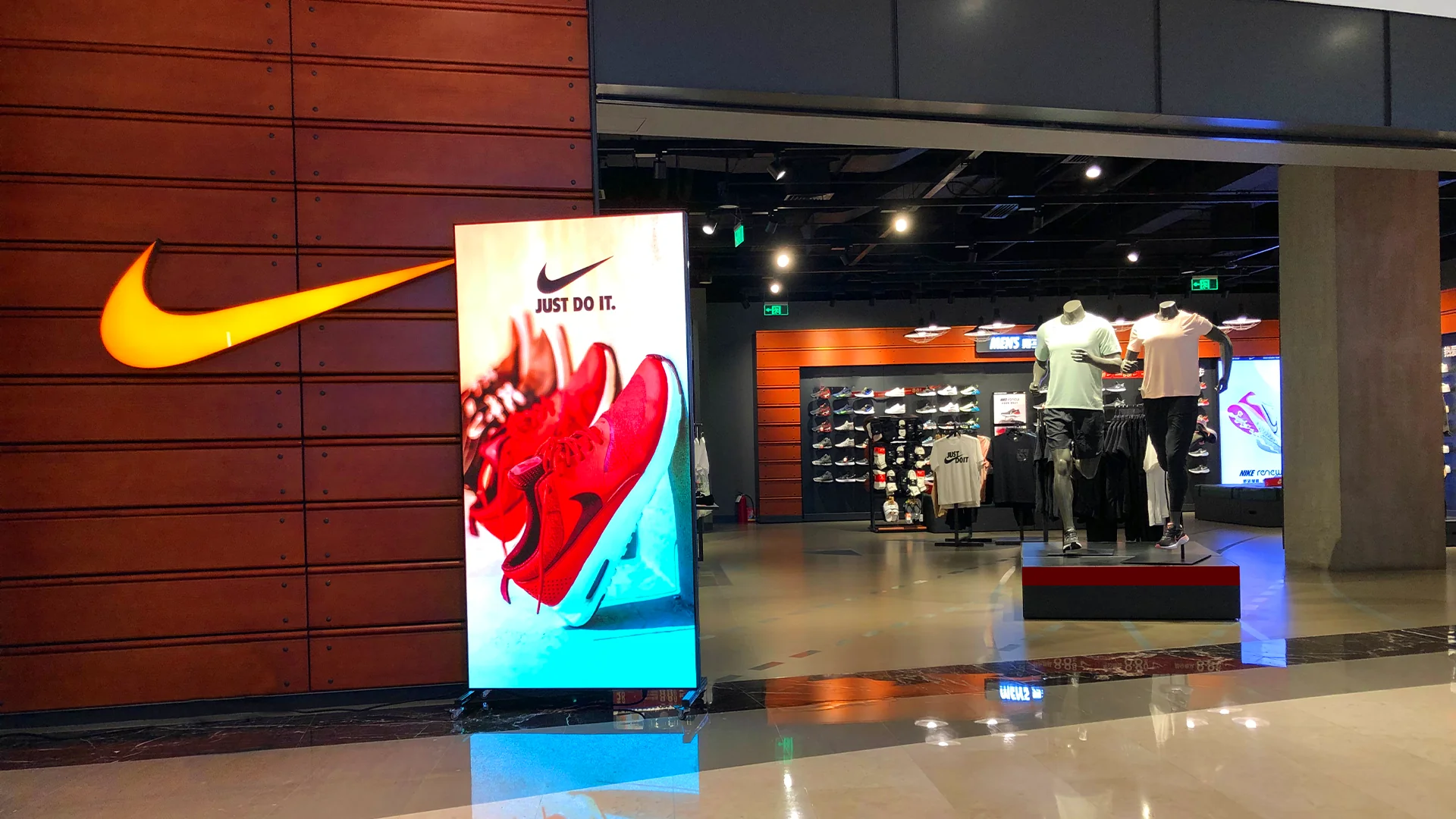
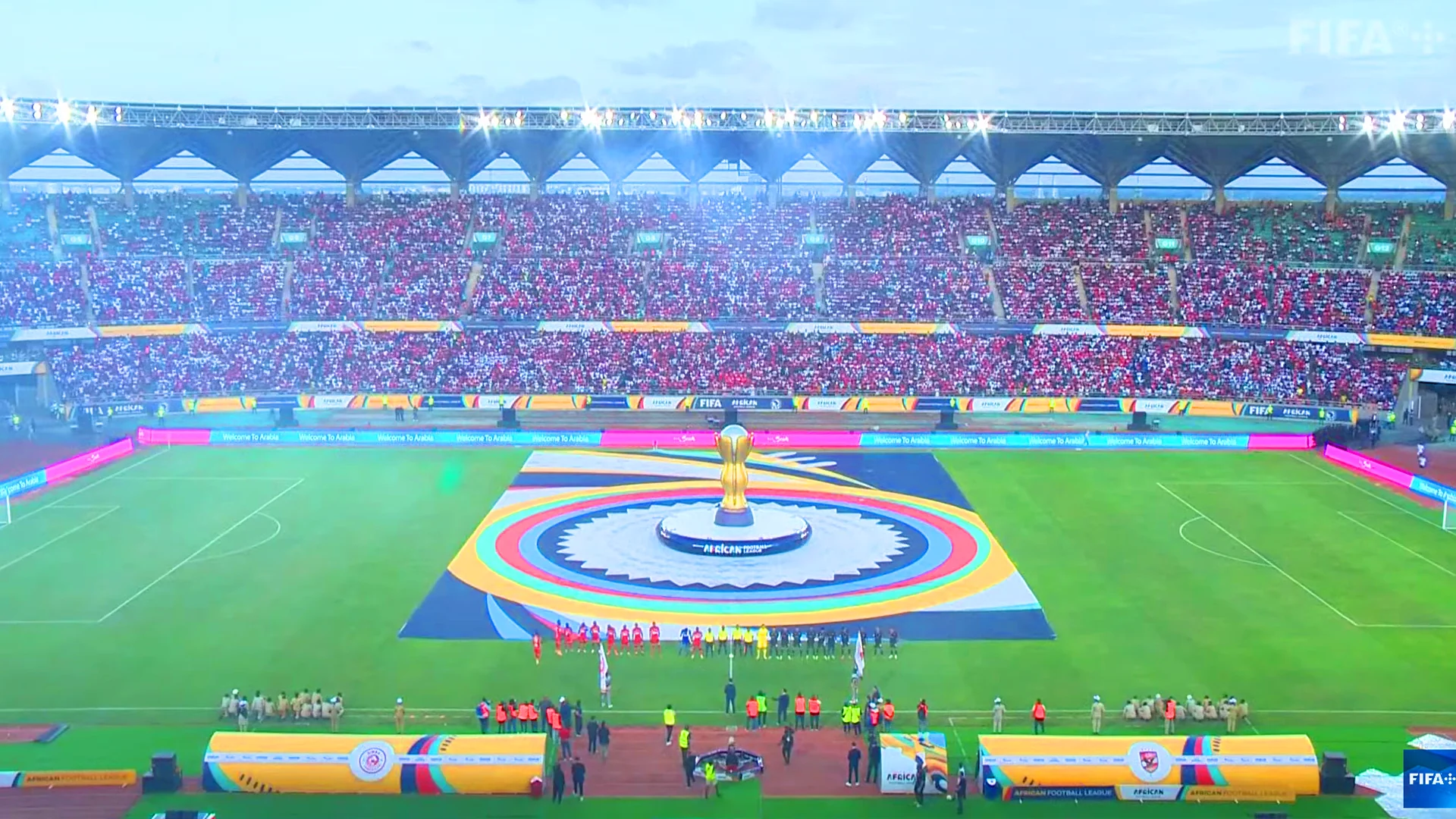
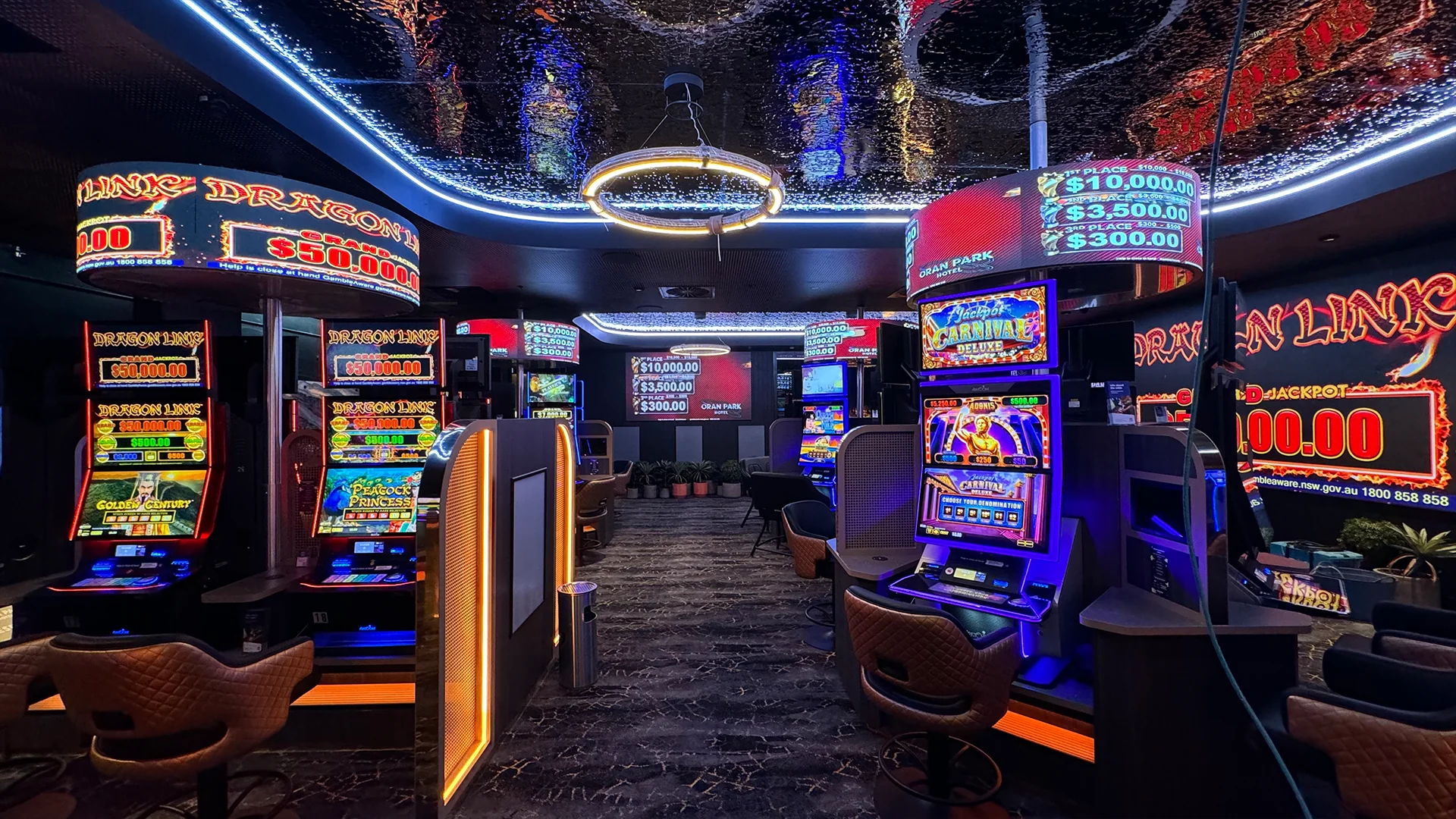







Sunlight, distance, weather, and viewing conditions all change how digital signage performs outdoors. Understanding the terminology behind an outdoor system makes technical discussions much clearer, especially when a project involves advertising, transportation, retail façades, sports venues, or public information.
In our work at LEDFUL, we pay close attention to how specifications translate into real installation conditions, because outdoor LED display panels are defined by much more than their visible image quality.
Understanding Pixel Pitch And Resolution
Pixel pitch describes the distance between the centers of two neighboring pixels, measured in millimeters. It is closely related to pixel density: as the pitch becomes smaller, more pixels can occupy the same area, allowing finer visual details to appear on the screen. That relationship matters most when viewers are relatively close to the installation.
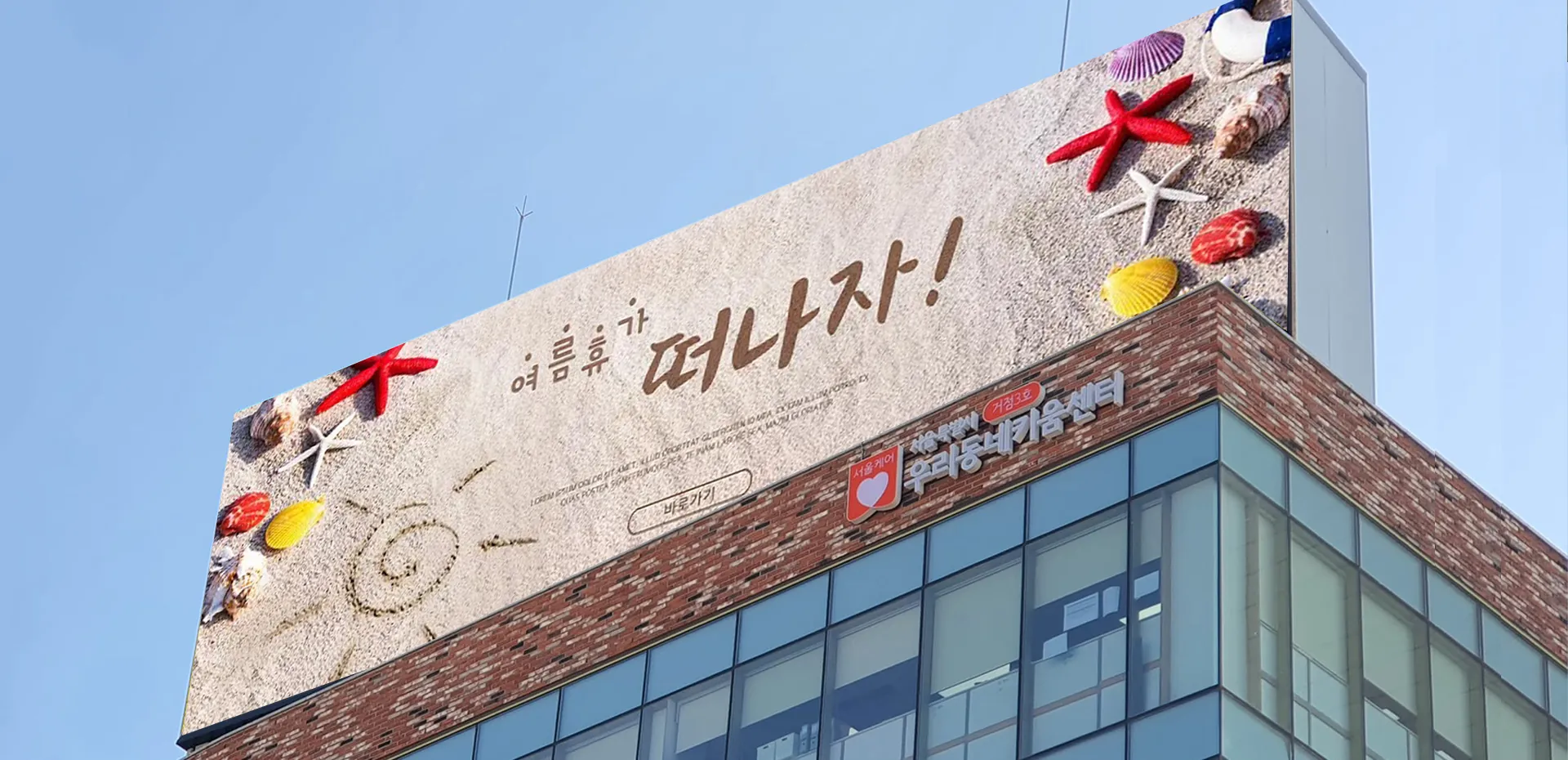
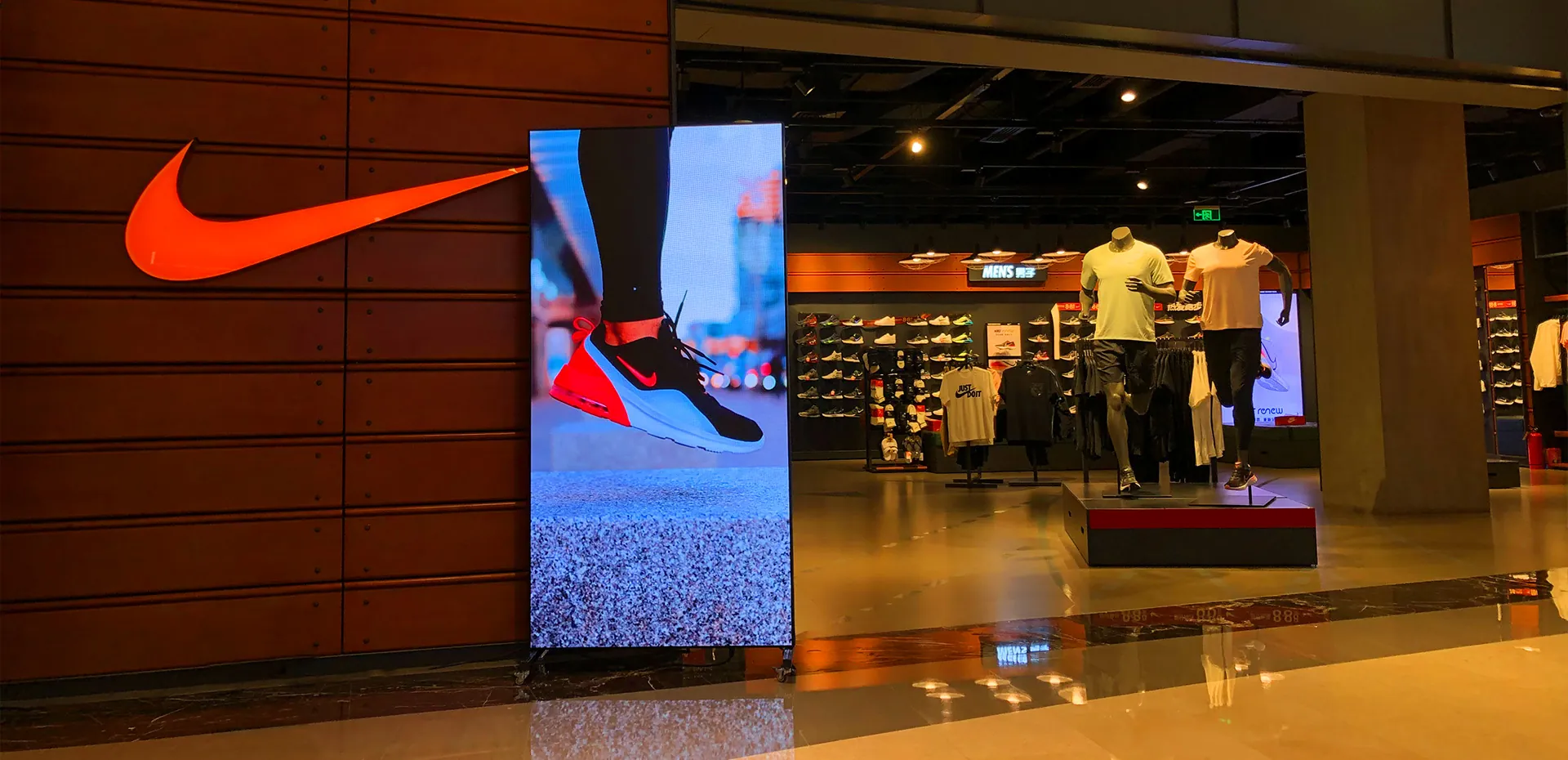
Viewing distance should be considered alongside screen size rather than treated as a separate specification. A large roadside billboard may be observed from dozens of meters away, while signage outside a shopping center can have pedestrians standing only a few meters from the surface. The appropriate resolution depends on how the screen will actually be seen.
Content type adds another variable. Large typography and simple advertising graphics can remain readable across a broader range of pixel pitches, while detailed photography, product imagery, and fine text place greater demands on pixel density. Understanding the intended content before specifying outdoor LED display panels helps project teams avoid paying for resolution that the audience may never perceive.
Decoding Brightness And Refresh Rate
Brightness is expressed in nits, or cd/m², and indicates how much light the display emits. Outdoor environments often involve direct sunlight, reflections, changing cloud cover, and nighttime conditions, so brightness cannot be considered independently from ambient light. Excessive brightness after sunset may also create unnecessary visual disturbance.
Refresh rate, measured in hertz, refers to how frequently the display updates its image. A higher figure can help produce smoother visual reproduction and reduce visible scanning artifacts, particularly when moving images are recorded by cameras. For advertising networks, live events, and public-facing installations, this specification deserves attention beyond the basic question of whether content looks acceptable to the naked eye.
Brightness and refresh rate serve different purposes, even though both appear frequently on technical datasheets. One relates primarily to luminance, while the other concerns image updating. Reading these specifications separately makes it easier to understand what a particular outdoor LED display screen can provide under different operating conditions. For more information about brightness measurements, see cd/m² vs nits.
Interpreting Waterproofing And Service Access
Outdoor equipment must deal with rain, humidity, dust, temperature changes, and other environmental factors. The IP rating provides a standardized way to describe protection against solid particles and water. Project teams should examine both the front and rear of an installation because different areas may face different exposure levels.
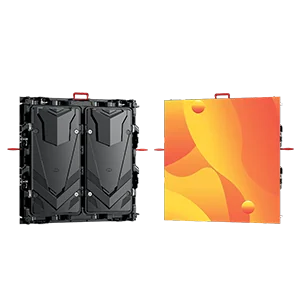
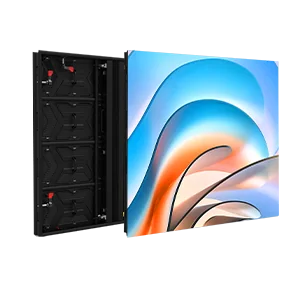
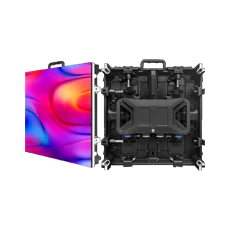
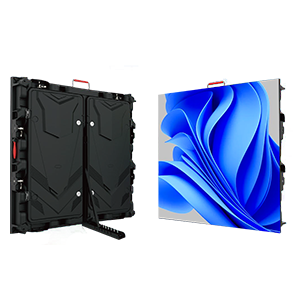
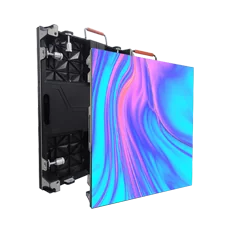
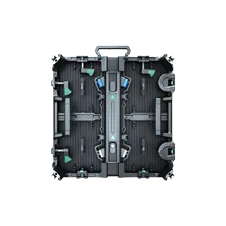
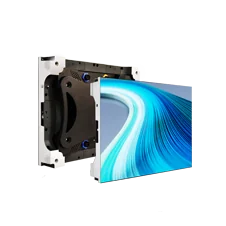
Service access describes how technicians reach modules and internal components. Front access can be particularly useful when the screen is installed close to a wall or when the rear of the structure is difficult to reach. Rear access, meanwhile, may offer practical advantages where there is sufficient maintenance space behind the display.
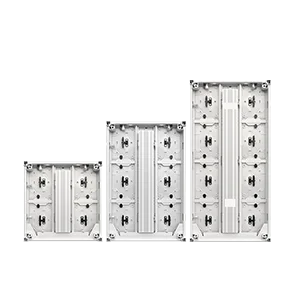
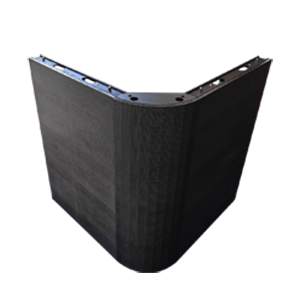
Cabinet construction also affects installation planning. Customized dimensions can help match unusual architectural spaces or existing support structures, while cabinet weight influences structural calculations, lifting arrangements, and mounting methods. These details become especially important when an outdoor LED display screen is installed on a building façade or another constrained structure.
Reading Real-World Product Specifications
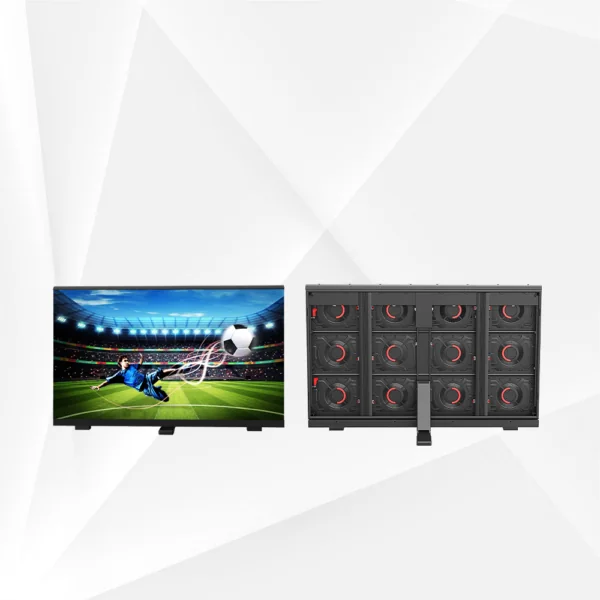
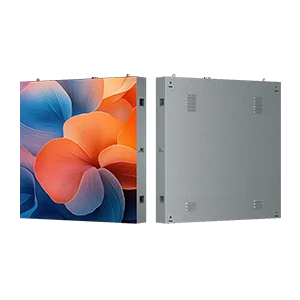
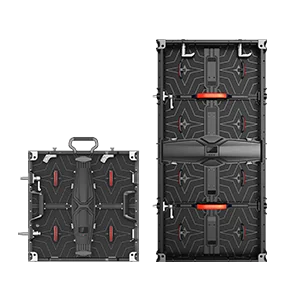
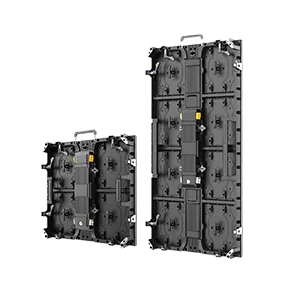
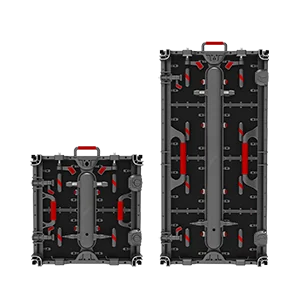
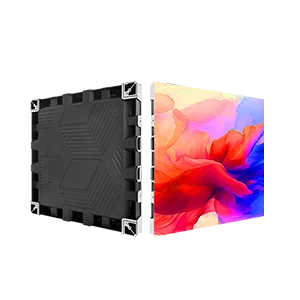
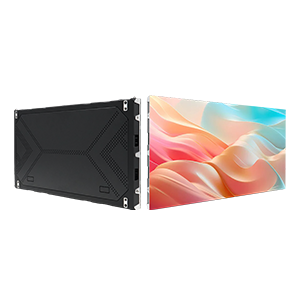
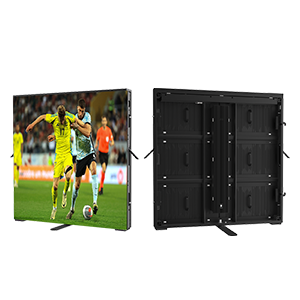
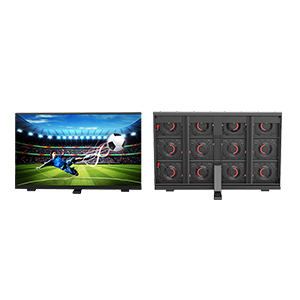
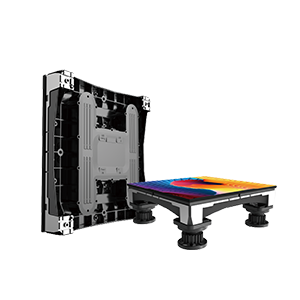
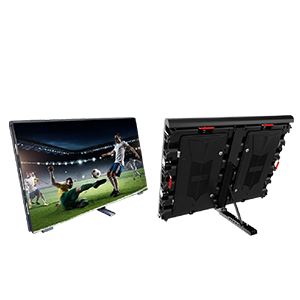
Technical terminology becomes easier to interpret once the numbers are connected to a real product configuration. The FA Series, for example, is an outdoor front-access solution with customized cabinet sizing, a 3840Hz refresh rate, front and rear dual-service access, and brightness rated at 6000–7000 nits. Those specifications illustrate how brightness, maintenance access, and image performance can be considered together rather than evaluated as isolated figures.
Power consumption deserves similar attention during specification reviews. Maximum power describes the upper electrical demand under defined conditions, while average power provides a more practical reference for ongoing operation. Energy planning should also account for operating hours, content brightness, ambient conditions, and the size of the installation.
The physical environment remains the final reference point. A screen mounted beside a sun-exposed road, positioned under an architectural canopy, or placed within a commercial plaza may face very different operating conditions. Selecting outdoor LED display panels is consequently less about finding the largest numerical specification and more about matching the technical parameters to the site’s actual demands.
Conclusion
Technical terminology becomes far less complicated once every specification is tied to a practical question: how far away will people stand, how much sunlight will reach the surface, how will technicians access the equipment, and what type of content will appear on it? Those questions provide a stronger foundation than comparing numbers without context. At LEDFUL, we use that same project-oriented thinking when discussing outdoor LED display panels, combining site conditions with visual, structural, and operational requirements.
A well-defined specification does not need to be filled with impressive figures that have little connection to the installation. What matters is the relationship among resolution, brightness, refresh performance, protection, service access, cabinet design, and actual use. With those relationships understood, project teams can communicate requirements more precisely and approach an outdoor LED display screen specification with greater technical clarity.