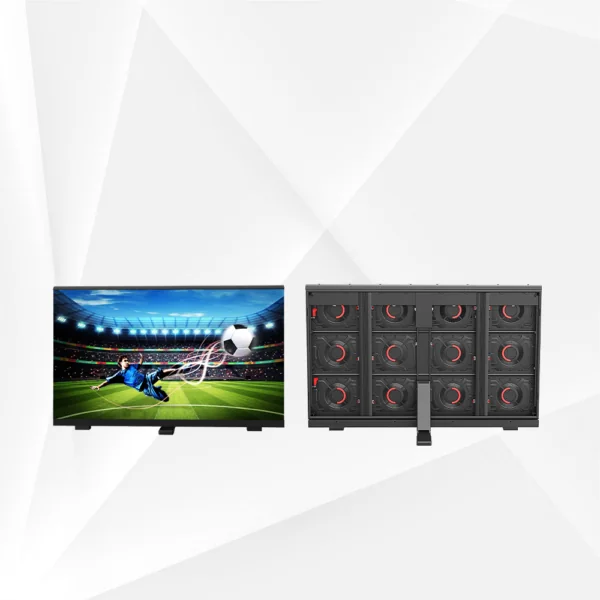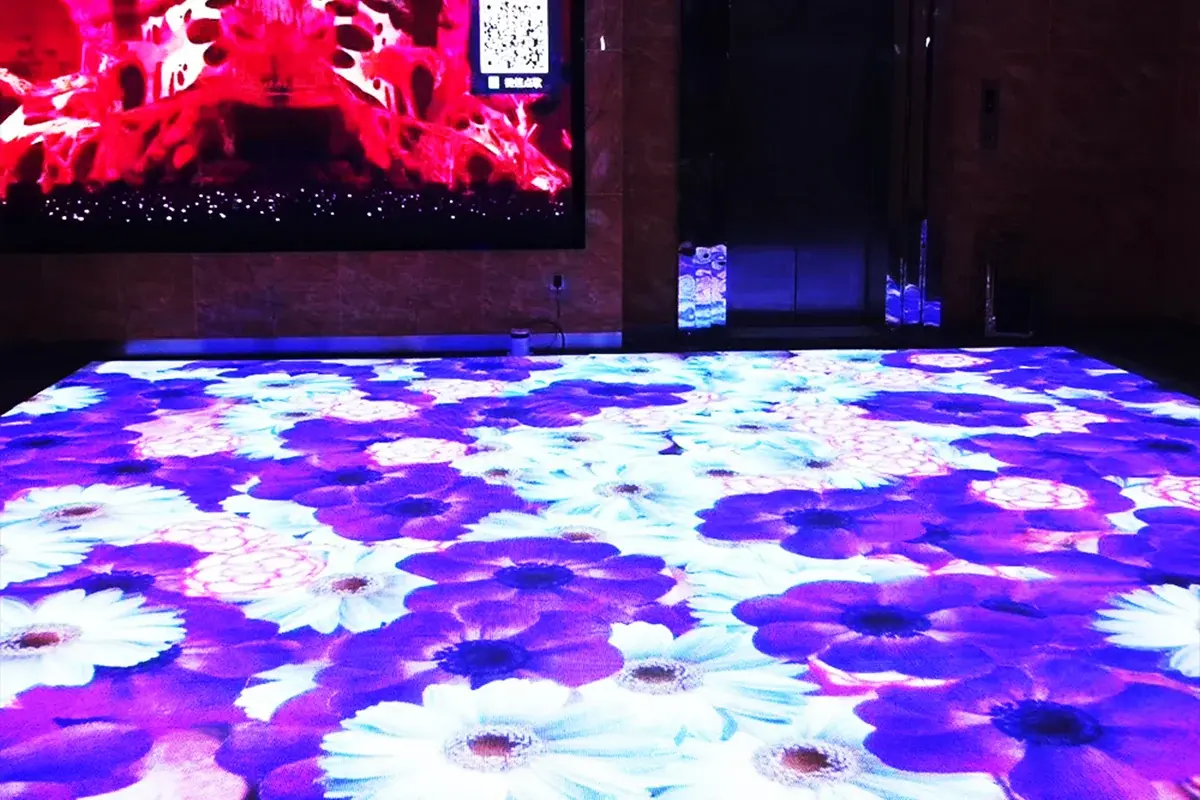
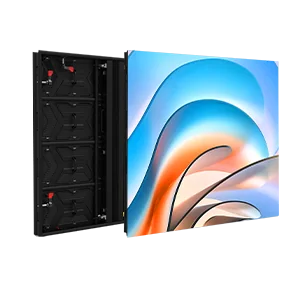
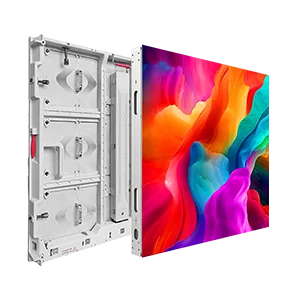
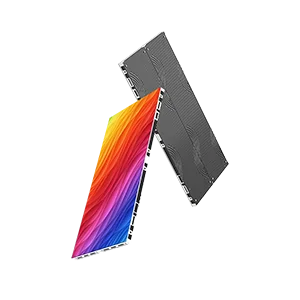
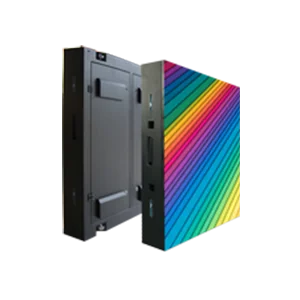
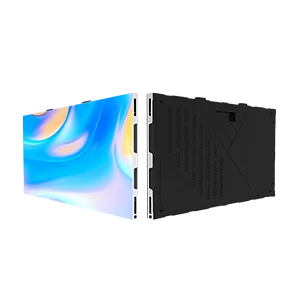
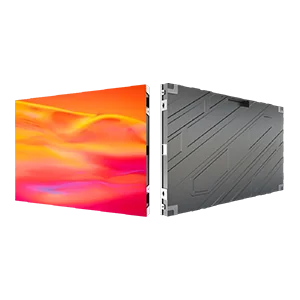
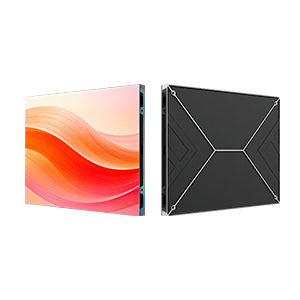
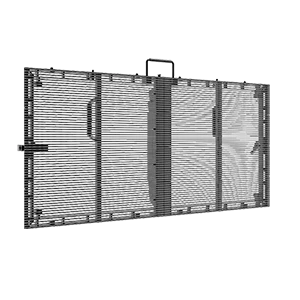

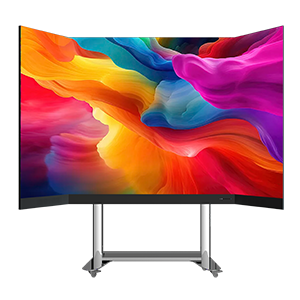
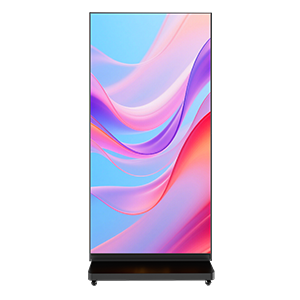
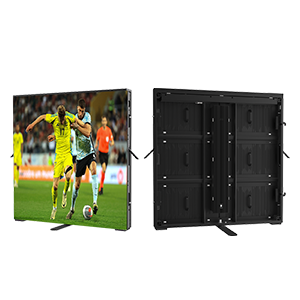
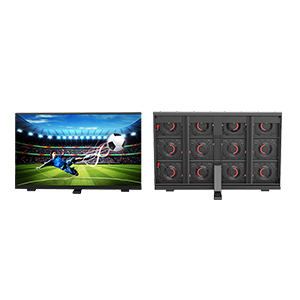
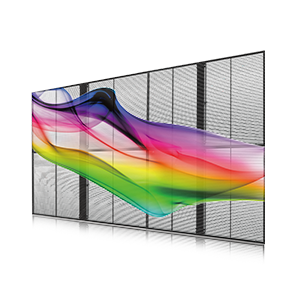
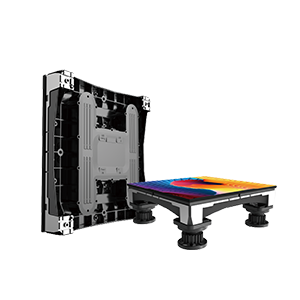
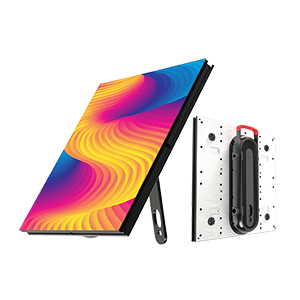
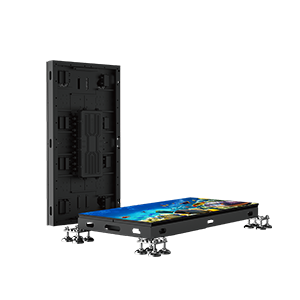
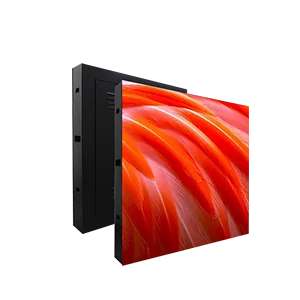
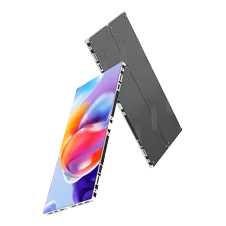
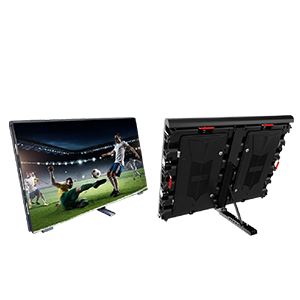
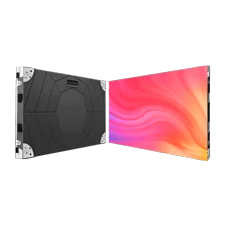
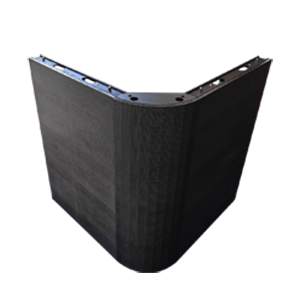
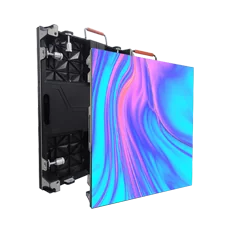
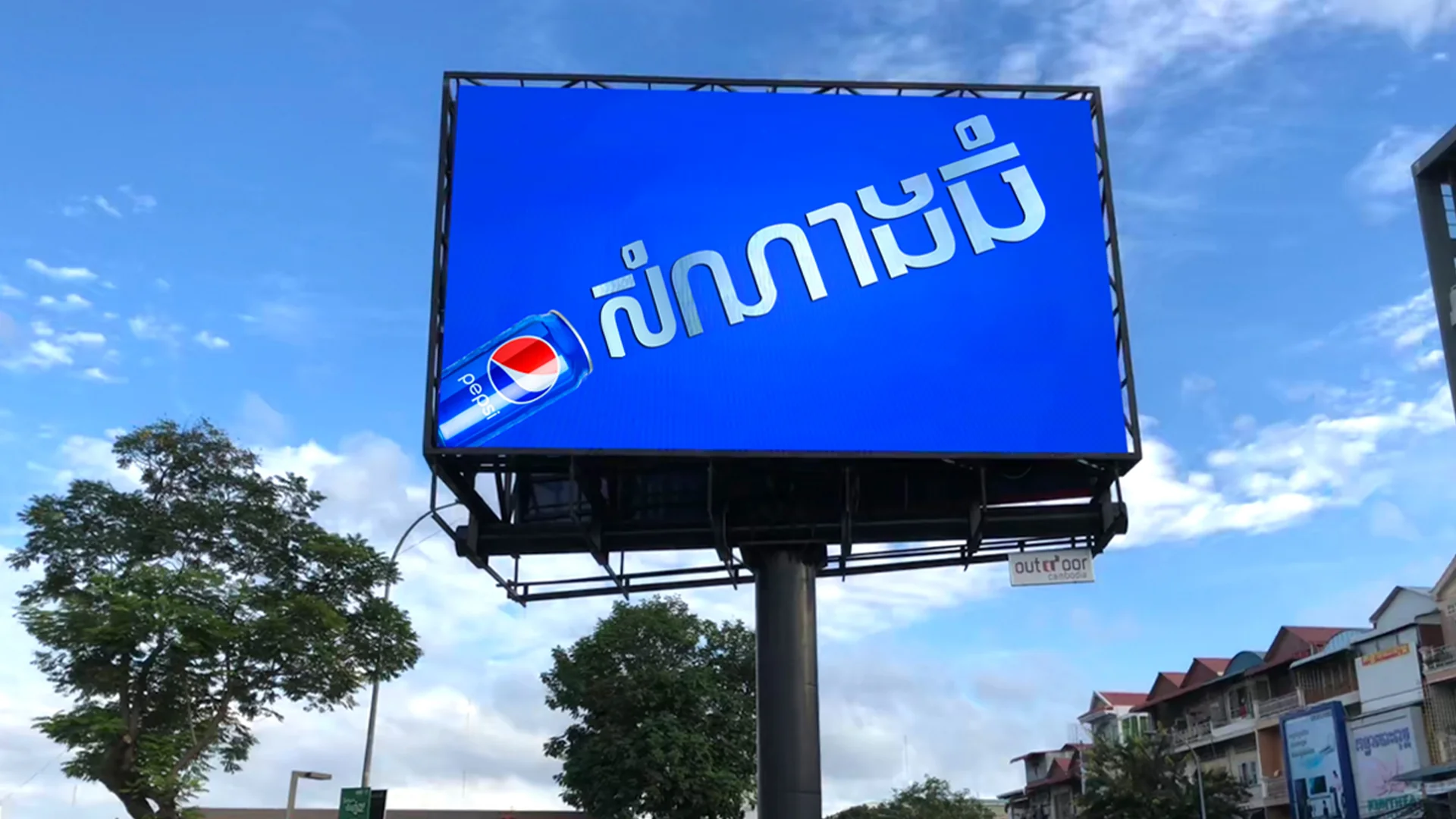
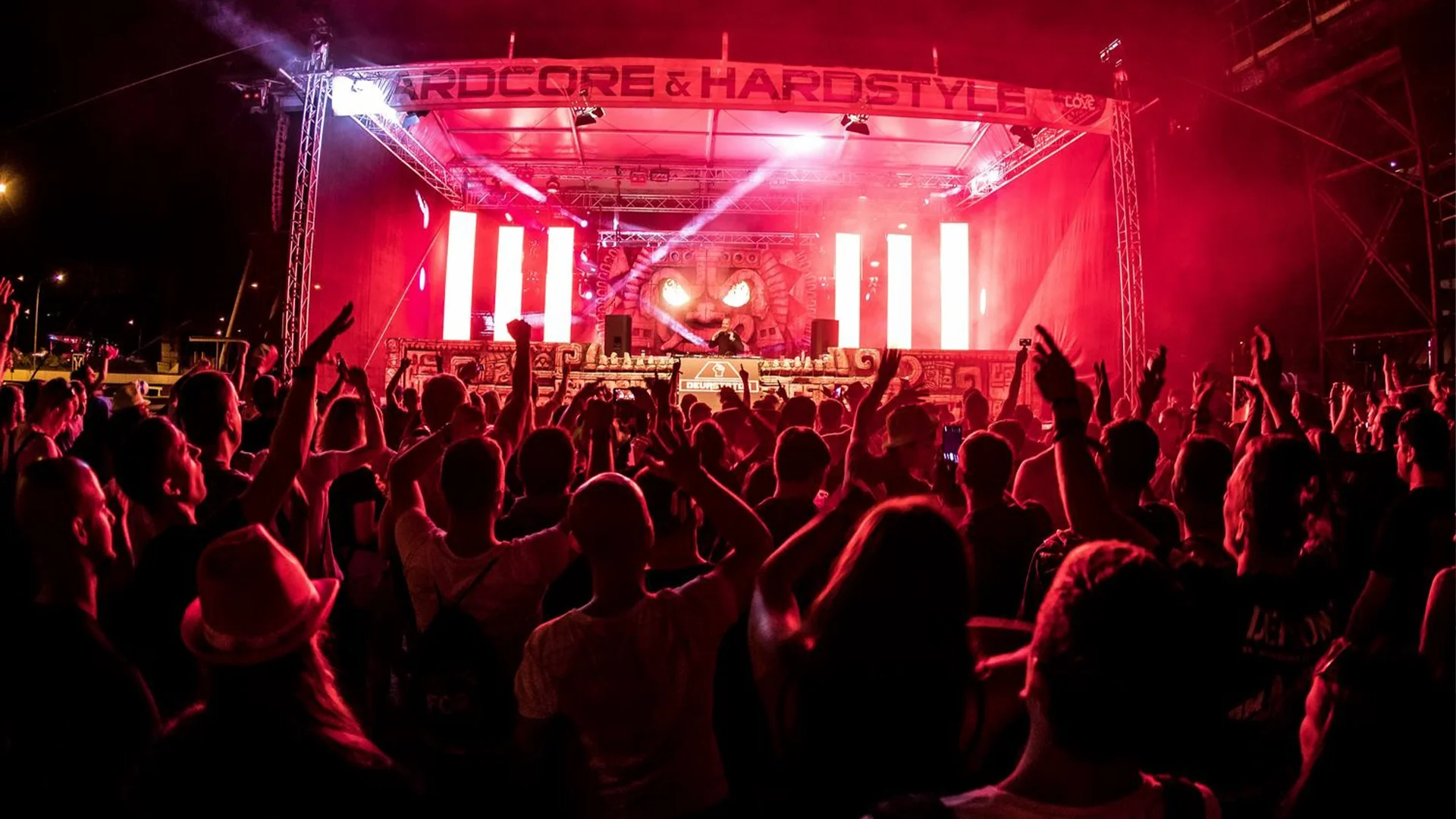
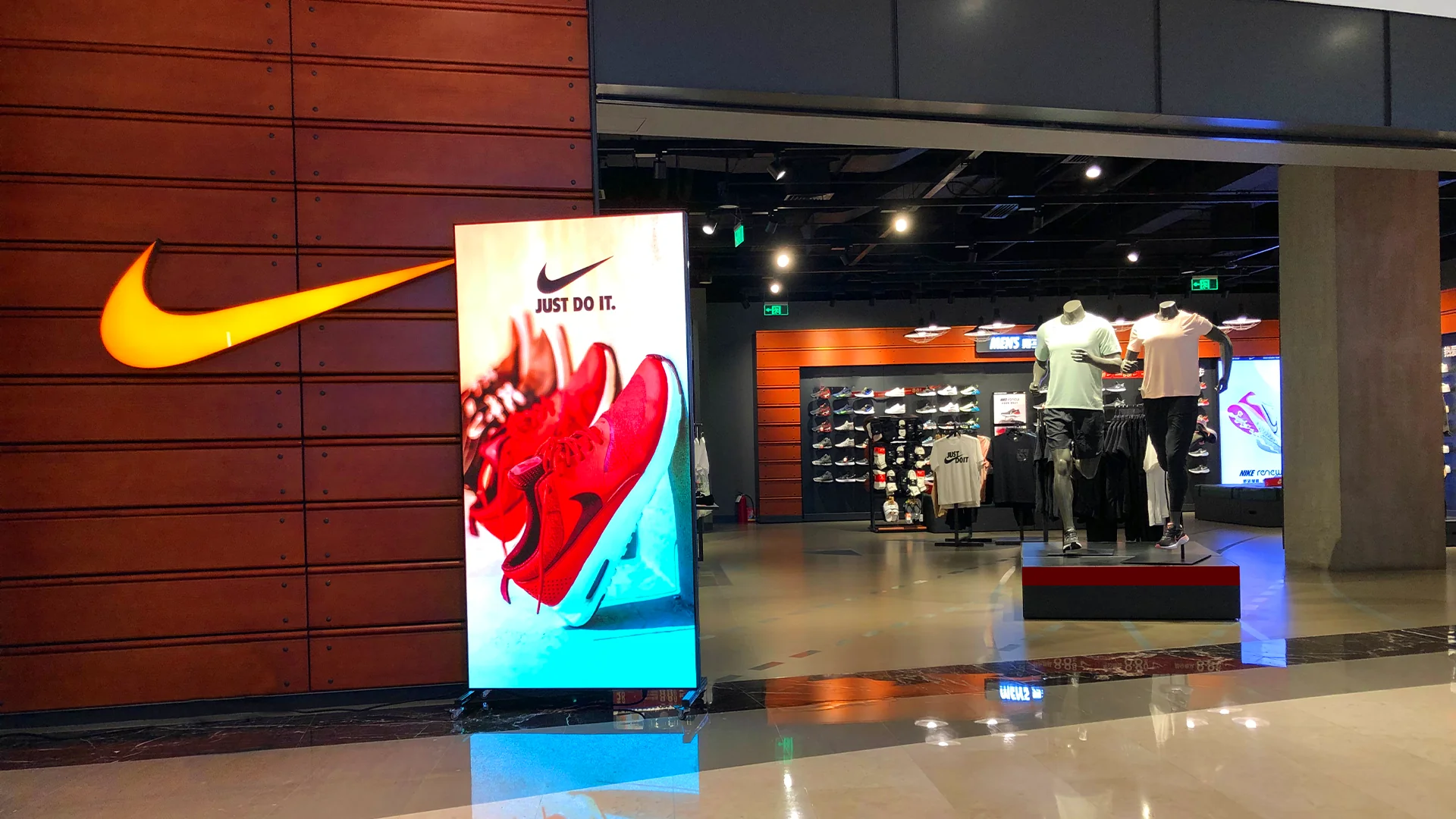
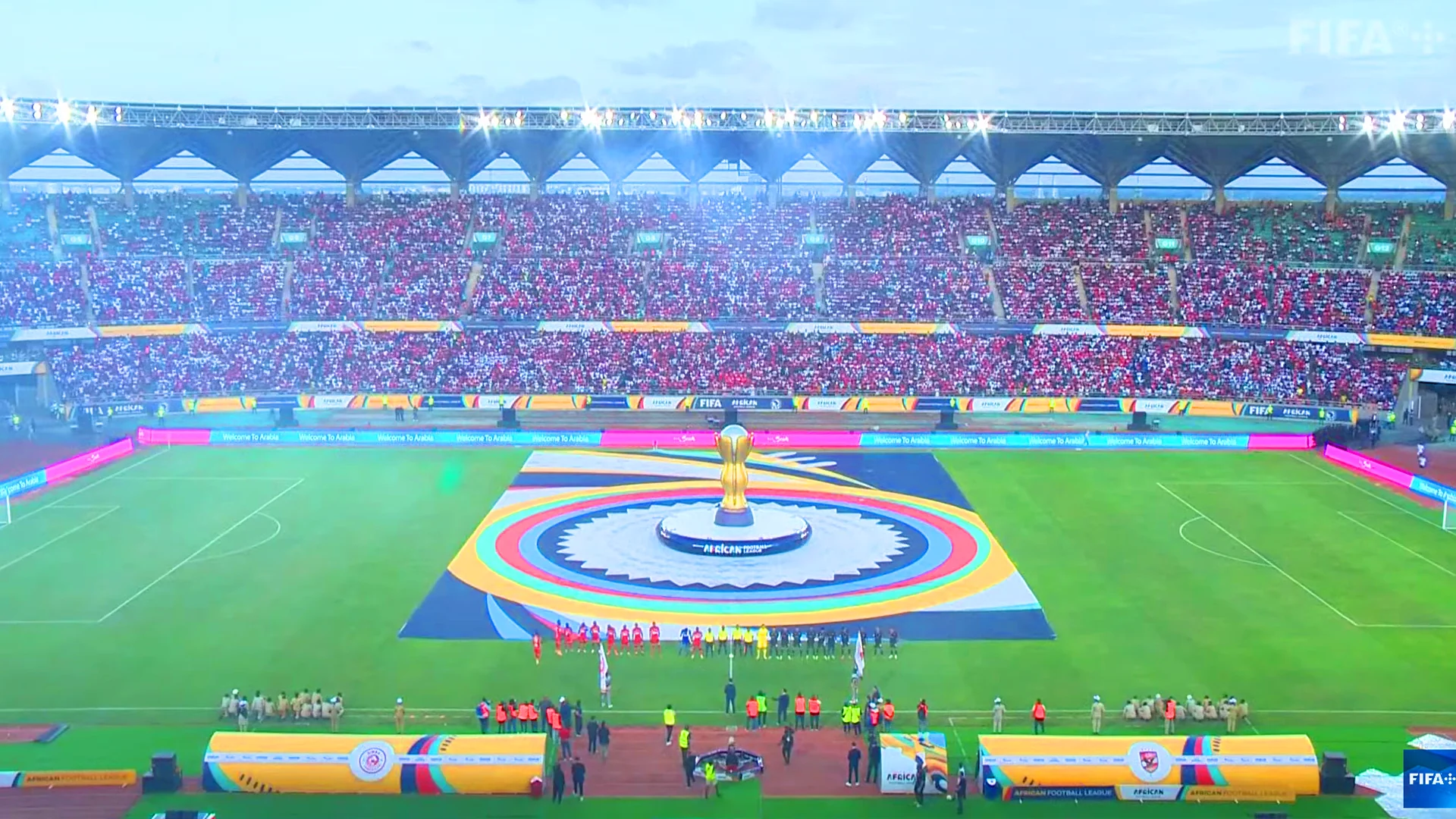






Outdoor events expose display equipment to conditions that can change within minutes. Rain, airborne dust, humidity, wind, and temperature shifts all place different demands on temporary visual systems, while tight production schedules leave little room for complicated rigging work. At LEDFUL, we consider these practical factors alongside image performance, since a rental outdoor LED display must function as part of a temporary event structure rather than as an isolated electronic device.
Why Weather Protection Matters Outdoors
Moisture can reach electronic components through cabinet gaps, connectors, ventilation paths, or damaged seals. Even short periods of exposure may create problems if water reaches sensitive circuitry. Weather protection is consequently tied to cabinet construction, sealing methods, connector protection, and routine inspection rather than a single specification printed on a datasheet.
Dust creates a different challenge. Fine particles can accumulate around components and ventilation areas, particularly at festivals, construction-adjacent venues, sports grounds, or open-air exhibitions. Combined with humidity, contamination may affect electrical connections and heat dissipation over repeated deployments.
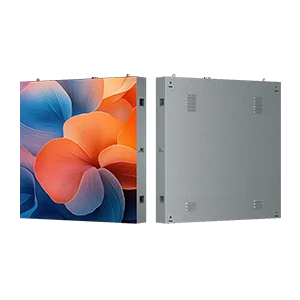
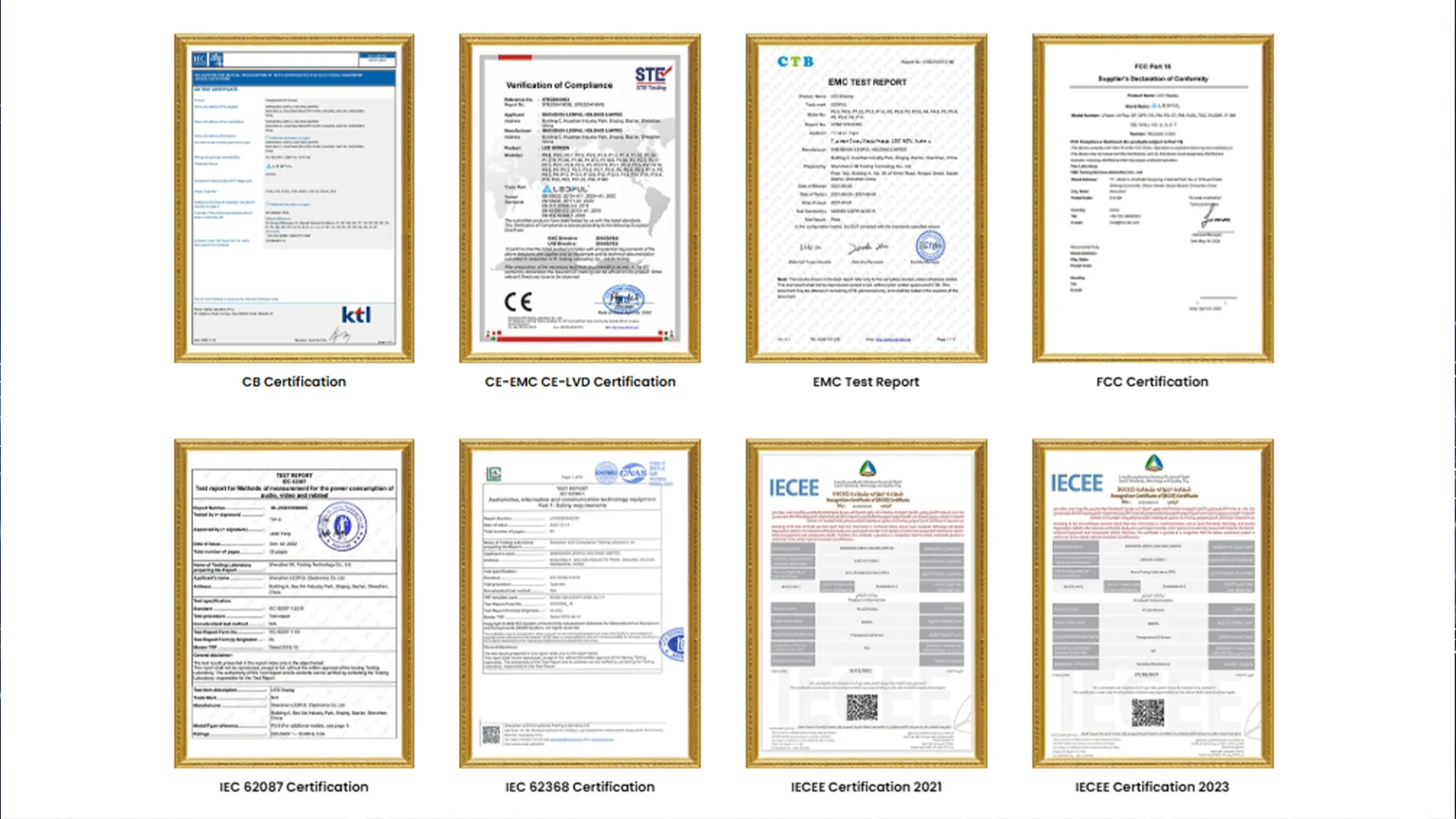
IP ratings provide a standardized way to discuss enclosure protection. IP65, for example, indicates protection against dust ingress and water projected by low-pressure jets from different directions. The rating describes enclosure resistance under specified test conditions; it does not mean that equipment can be exposed to every outdoor hazard without appropriate site planning.
Rigging Speed And Structural Safety
Temporary displays frequently operate under strict installation windows. Crews may have only a few hours between venue access and technical rehearsal, making the rigging sequence an important part of project planning. Fast connections can reduce repetitive handling, but suspension hardware must still be selected according to the screen configuration and the supporting structure.
Load calculations form the foundation of suspended installation. Total display weight should include cabinets, hanging hardware, power equipment, cables, and other attached components. The truss, lifting points, hoists, and suspension accessories must all be compatible with the planned load and venue requirements.
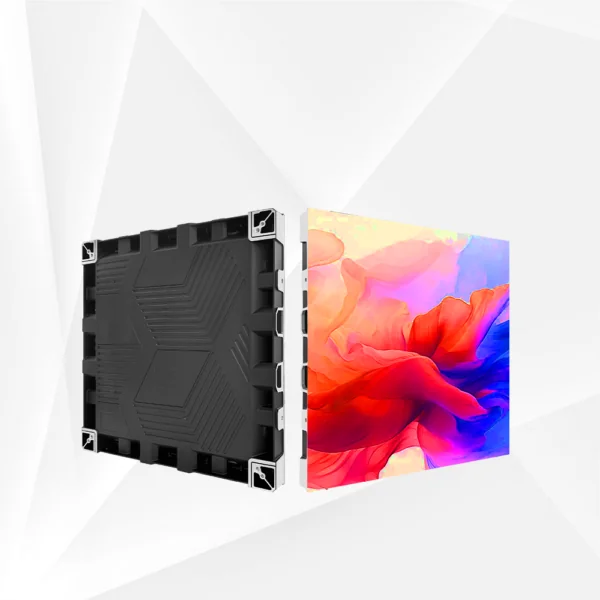
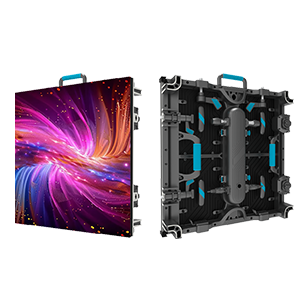
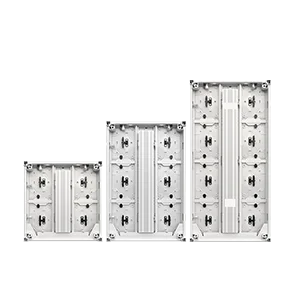
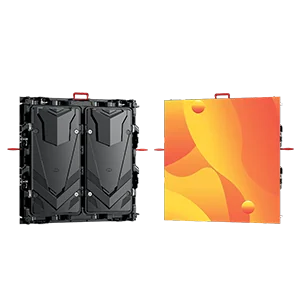
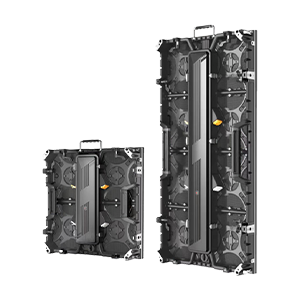
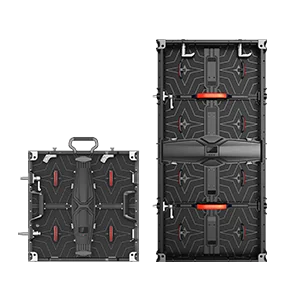
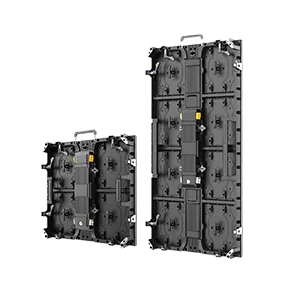
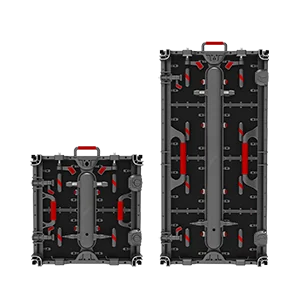
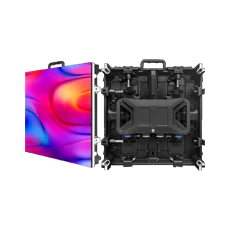
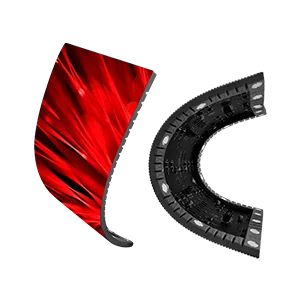
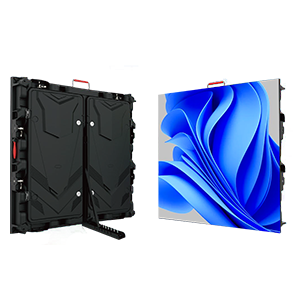
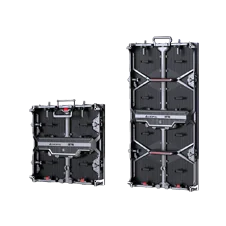
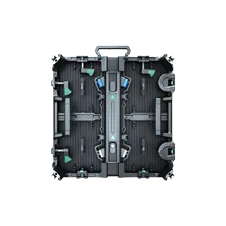
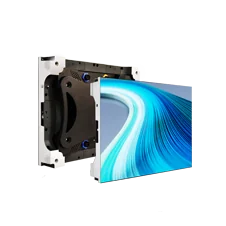
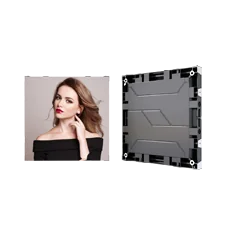
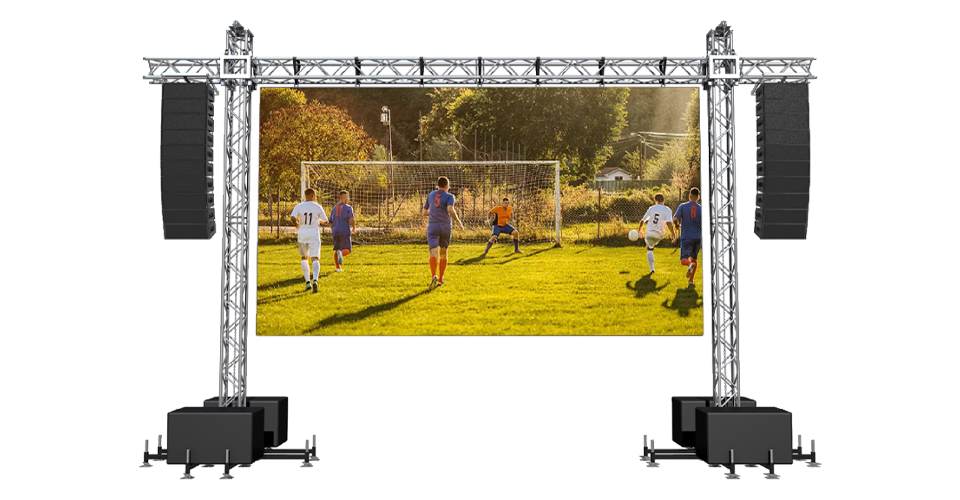
The V&H Series supports hanging installations through a truss structure, with 500×500 mm panels weighing 8 kg each and 500×1000 mm panels weighing 14 kg each. Its strong hanging bars are designed for suspended rental applications, illustrating why cabinet dimensions, individual weight, and rigging hardware need to be considered together rather than separately.
Connecting Weatherproofing With Event Planning
Weather resistance has little practical value if the deployment plan ignores the surrounding environment. Before installation, crews should examine drainage, roof coverage, ground conditions, prevailing wind exposure, cable routes, and areas where water may collect. These observations help determine where equipment and electrical connections should be positioned.
Content operation can also be affected by outdoor conditions. Strong daylight changes perceived contrast, while evening environments may require different brightness settings. Outdoor displays should be configured according to the actual viewing environment rather than simply operated at maximum brightness throughout an event.
A rental LED display also needs appropriate inspection between deployments. Seals, connectors, cabinet surfaces, hanging points, and power connections can be checked before equipment reaches the venue. Early identification of wear is particularly useful for rental fleets that move repeatedly between outdoor and indoor projects.
Managing Wind, Weight, And Suspension Loads
Wind represents one of the most important differences between indoor and outdoor display deployment. A large LED surface can behave like a sail, so structural calculations need to account for the display area, installation height, local conditions, and supporting framework. Weather forecasts can inform operational decisions, but they do not replace engineering calculations.
Suspended installations require careful attention to load distribution. Uneven cabinet placement may create additional stress on particular hanging points, while improper alignment can affect the physical stability of the display structure. Rigging plans should identify attachment locations and installation sequences before lifting begins.
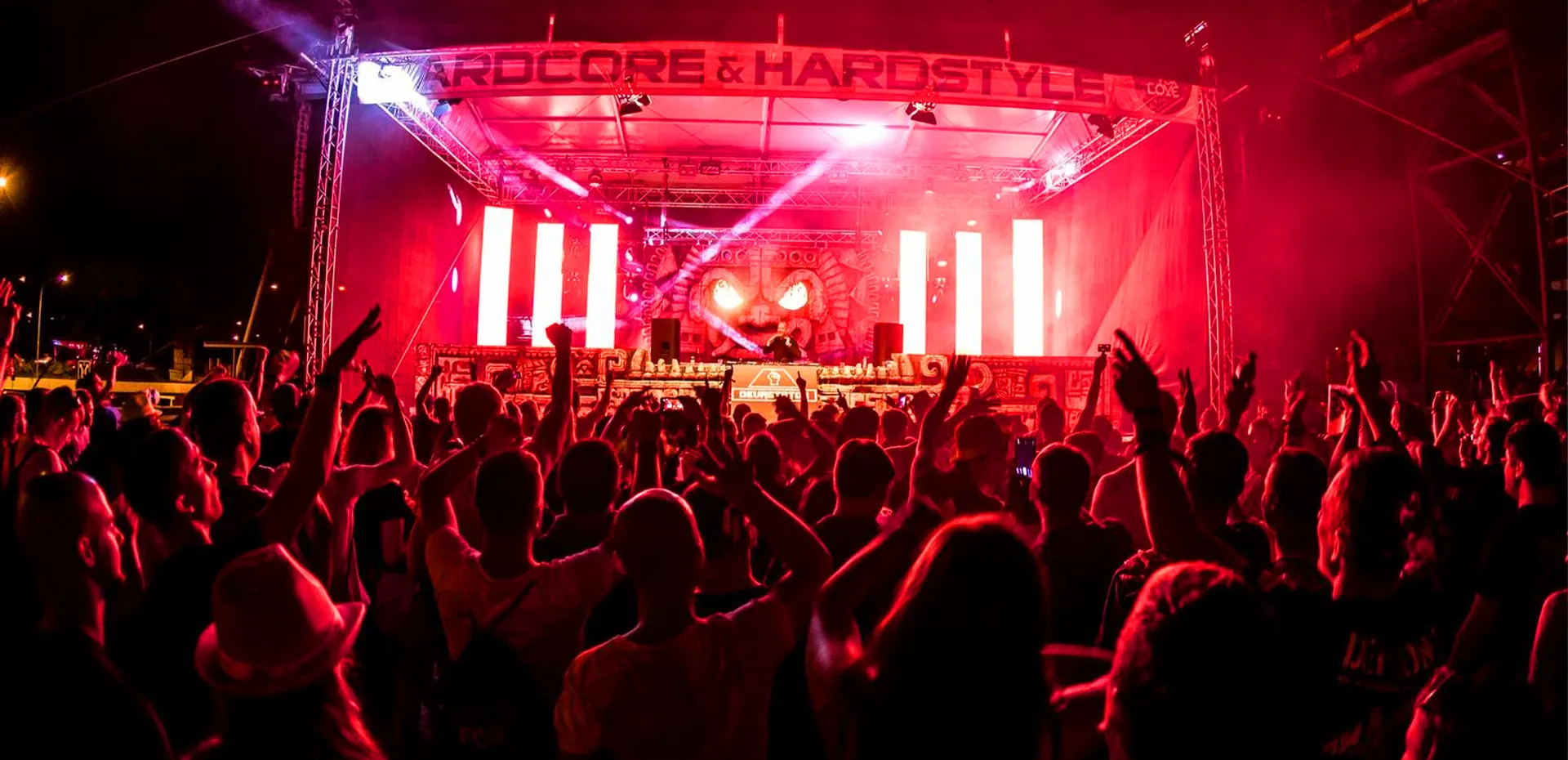
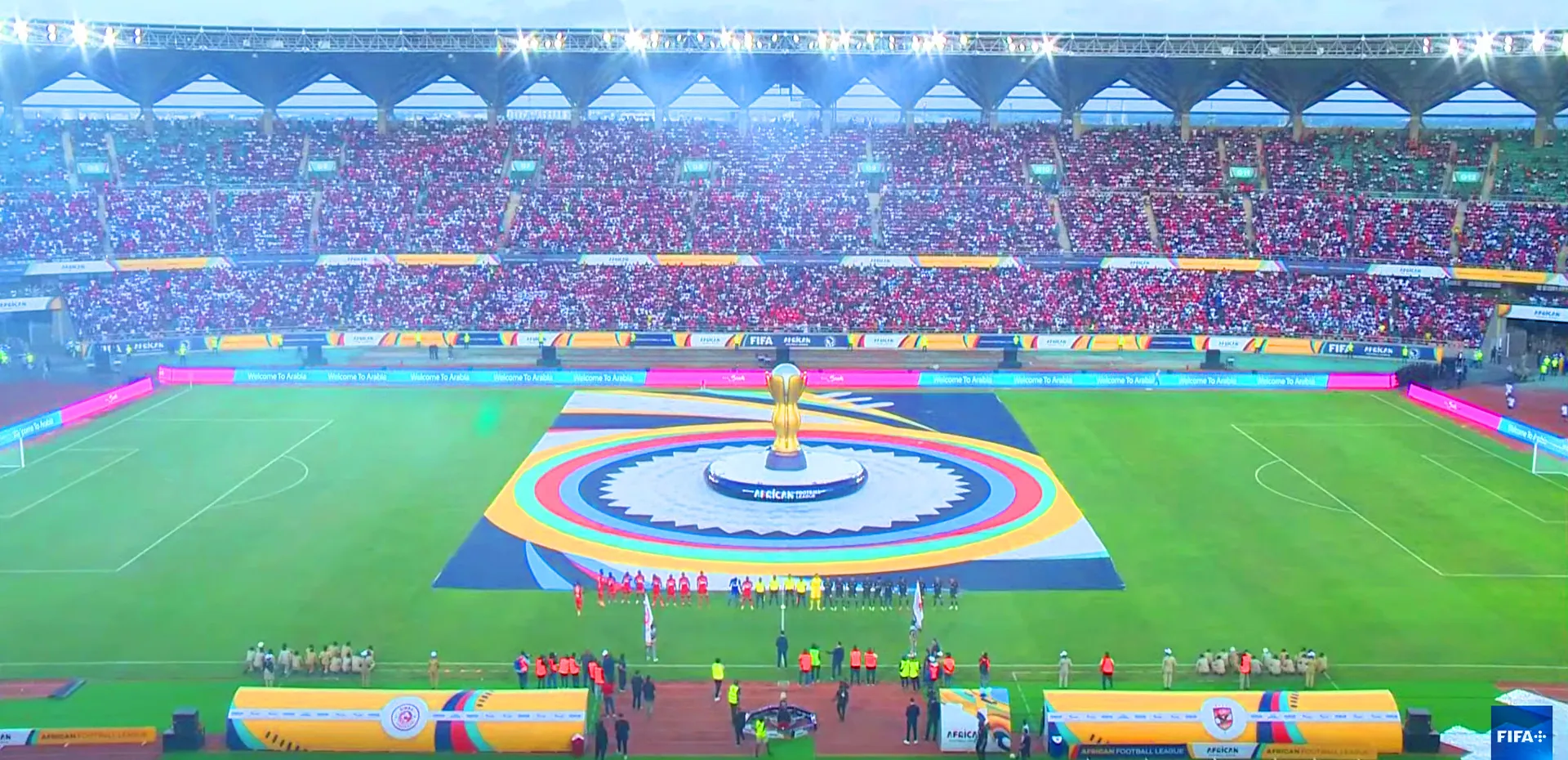
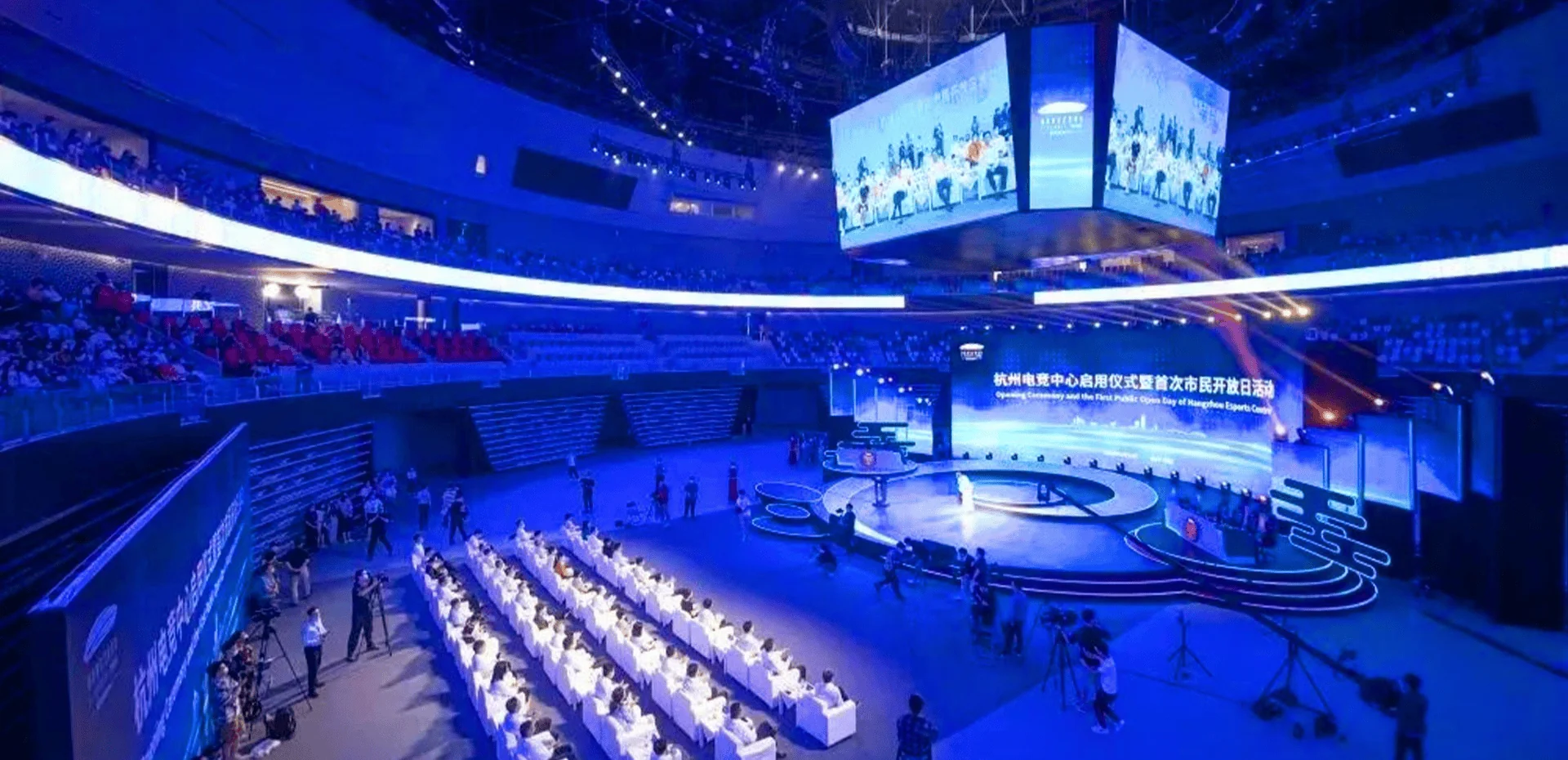
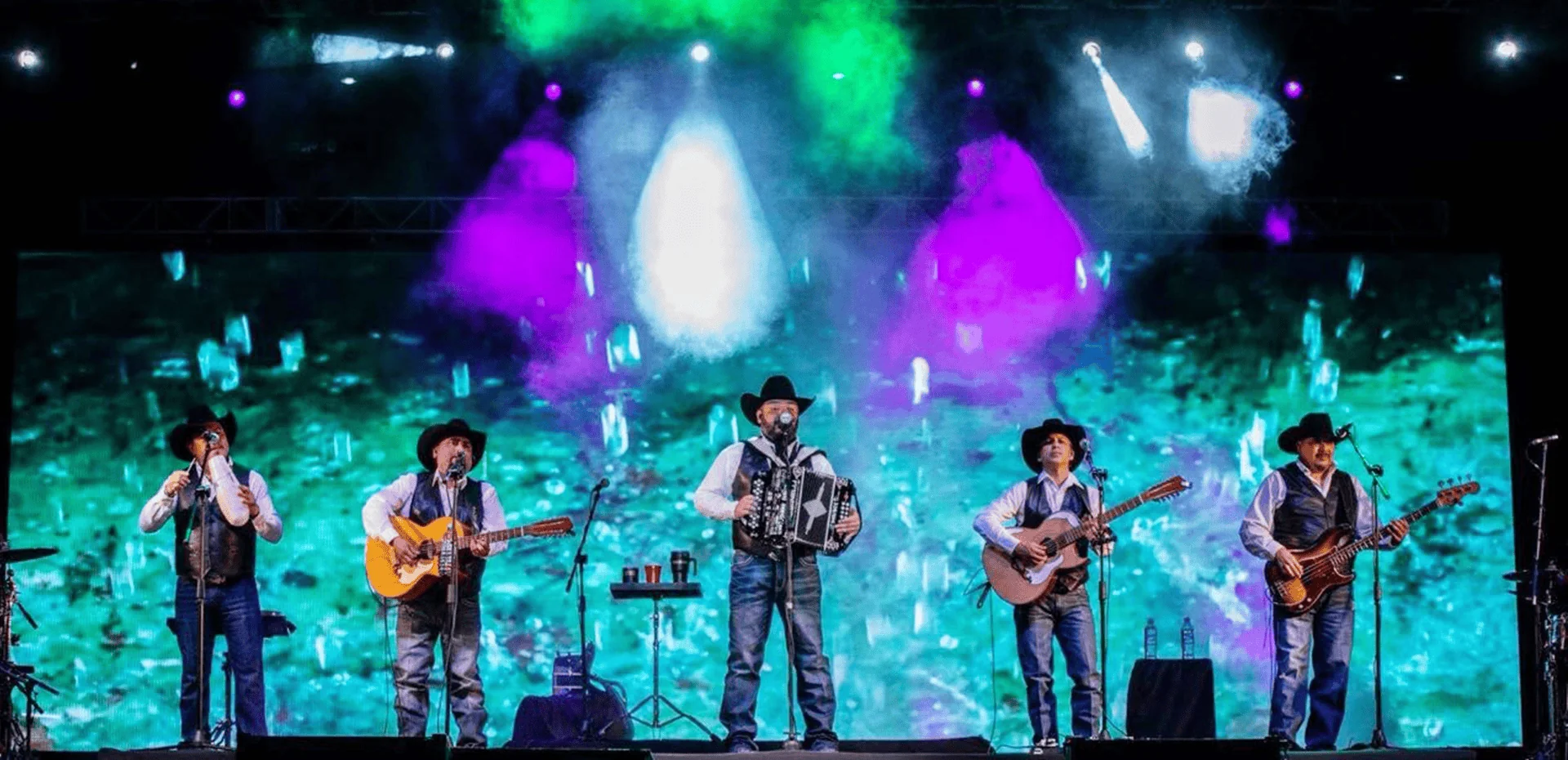
The same principles apply to a rental outdoor LED display used for concerts, sporting events, festivals, or temporary commercial activations. Screen size alone does not determine structural requirements; the configuration, elevation, support system, environmental exposure, and total suspended mass all contribute to the engineering assessment.
Building A Repeatable Deployment Process
Efficient outdoor deployment comes from preparation that can be repeated across projects. A technical checklist might cover cabinet inspection, rigging hardware, load documentation, power distribution, signal paths, weather protection, emergency procedures, and dismantling requirements. Such documentation reduces reliance on informal instructions passed between different event crews.
Post-event inspection deserves the same attention as pre-event preparation. Once the display has been dismantled, technicians can examine hanging bars, connectors, cabinet edges, and protective components before the equipment returns to storage. Recording these findings provides useful information for the next deployment.
Different venues will always introduce different variables, yet a standardized process can make those variables easier to manage. At LEDFUL, we treat rental LED display deployment as a combination of structural planning, environmental assessment, technical preparation, and event coordination rather than simply a screen installation.
Conclusion
Outdoor LED deployment demands attention to two realities that cannot be separated: the environment surrounding the equipment and the structure supporting it. IP65 protection addresses defined levels of dust and water exposure, while properly engineered rigging addresses suspension loads and temporary installation conditions.
Our approach at LEDFUL connects these considerations with practical event workflows, giving a rental outdoor LED display project a clearer technical framework from preparation through dismantling. Once weather conditions, structural loads, cabinet weight, and maintenance checks are treated as parts of the same process, outdoor rental operations become much easier to organize responsibly.