



























Budgeting for digital signage becomes more complicated once the purchase price is separated from the expenses that follow installation. Electricity, maintenance, structural work, replacement parts, and operating schedules can all change the financial picture over several years. In our project discussions at LEDFUL, we treat outdoor LED displays as long-term operating assets rather than judging their value from the initial quotation alone.

Separating CAPEX From OPEX
Capital expenditure, commonly called CAPEX, covers the costs required to acquire and install the display system. Hardware is only one component. Structural steelwork, transportation, lifting equipment, electrical distribution, control equipment, installation labor, and site preparation may also enter the initial budget.
Operating expenditure, or OPEX, begins once the system enters regular use. Electricity usually represents one of the most predictable recurring expenses, while maintenance, spare modules, service labor, cleaning, software, and network connectivity can vary according to the installation.
The distinction matters because two systems with similar purchase prices can generate very different long-term expenses. A lower quotation may become less attractive if it requires more electricity, more frequent service, or difficult access to replace components. Evaluating outdoor LED display screen projects through both CAPEX and OPEX gives procurement teams a broader financial picture.
Examining Initial Investment Factors
Screen size and pixel pitch have a direct influence on hardware expenditure. Larger surfaces require more modules and structural materials, while finer pixel pitches generally involve higher component density. The correct specification should reflect viewing distance and content requirements rather than simply maximizing resolution.
Installation conditions can add another substantial cost layer. A rooftop billboard, roadside structure, and commercial façade may require very different mounting systems, access equipment, and electrical arrangements. Local permitting, engineering assessment, transportation distance, and site preparation should be included in the initial financial model rather than treated as afterthoughts.
Technology selection can also affect the balance between purchase cost and future spending. For example, energy-efficient architecture may carry a different initial price while reducing recurring electricity consumption. The financial question is not simply how much the equipment costs today, but how its technical characteristics influence the operating budget over its planned service period.
Measuring Energy And Maintenance Costs
Electricity consumption deserves particular attention on installations that operate for long hours. Daily operating time, screen area, brightness settings, content composition, and local electricity rates all influence annual energy expenditure. Average power consumption is often more useful for budget planning than maximum power alone because maximum figures describe peak electrical demand rather than typical operation.
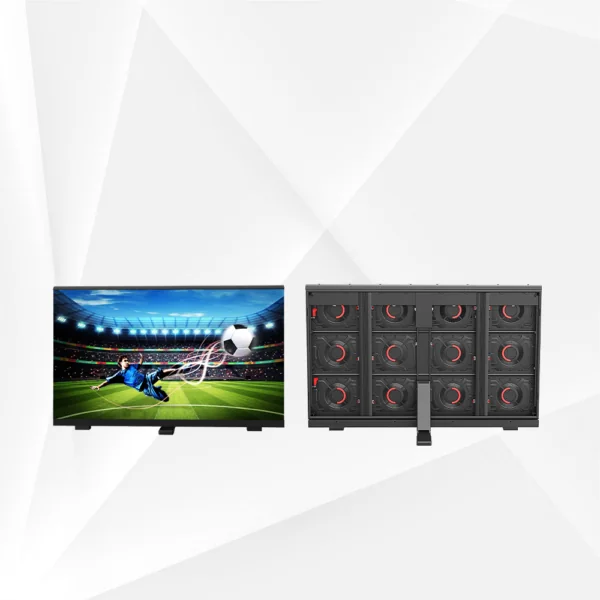
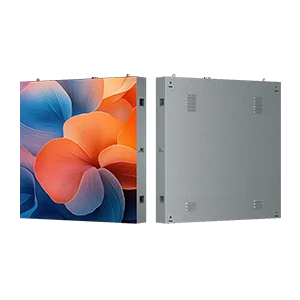
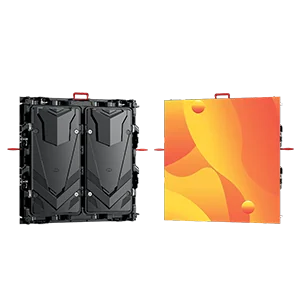
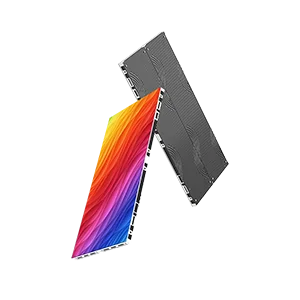
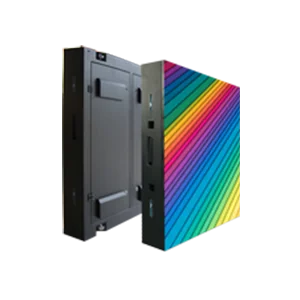
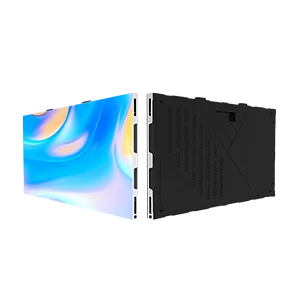
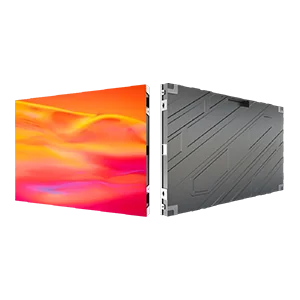
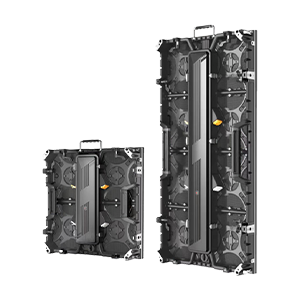
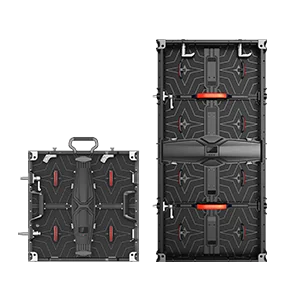
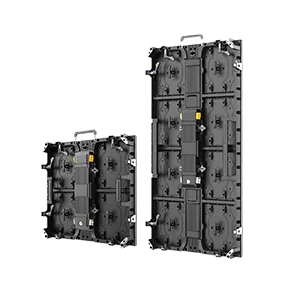
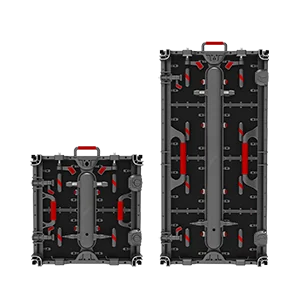
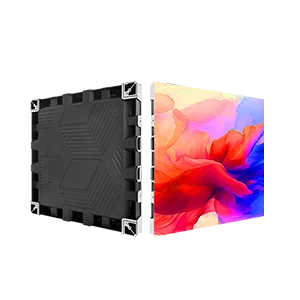
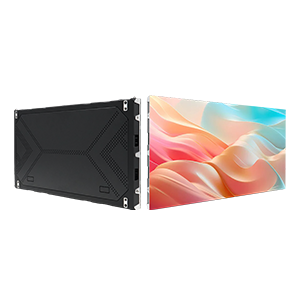
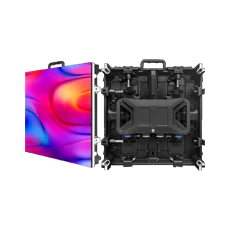
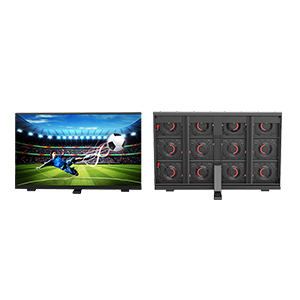
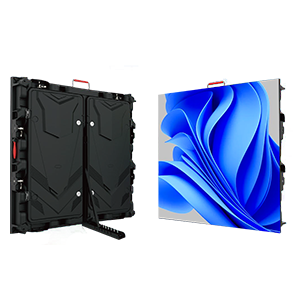
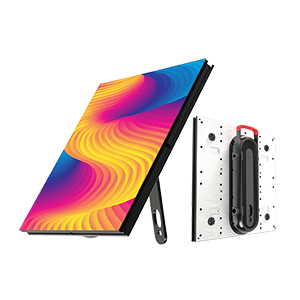
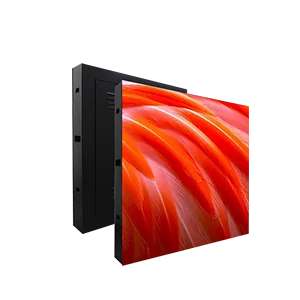
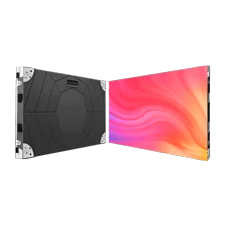
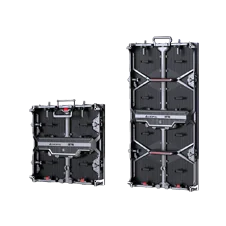
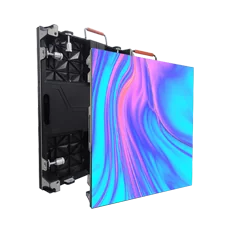
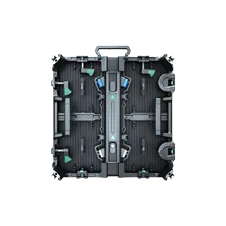
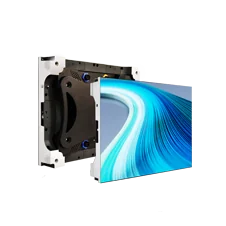
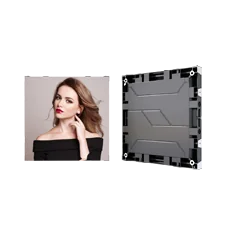
The FS PRO 500×250 Series Cathode Full Color Screen provides a concrete example. Its specifications list a maximum power consumption of 550 W/m² and an average figure of 186 W/m², while its common-cathode architecture is designed to reduce energy use. The series also reaches brightness of up to 10,000 nits and uses 500×250 mm die-cast aluminum modules.
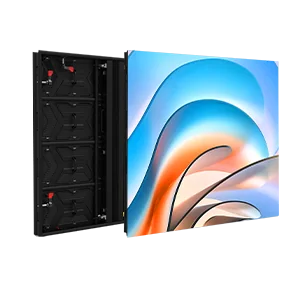
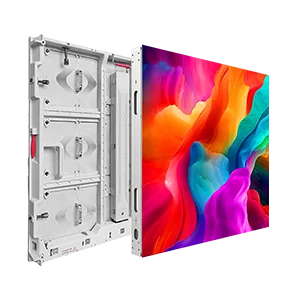
Maintenance creates another recurring expense that can be difficult to estimate from a quotation. Front access, cable organization, module design, and component accessibility can affect technician time and service procedures. For outdoor LED displays, the practical cost of a repair is influenced not only by the replacement part but also by labor, access equipment, downtime, and the complexity of reaching the affected area.
Calculating The Long-Term Cost Picture
A useful TCO calculation should extend beyond the first year. Project teams can estimate annual electricity consumption, planned maintenance, spare-part requirements, cleaning, software or control costs, and expected service interventions. Adding these figures to the initial investment creates a more realistic multi-year comparison.
Operating schedules deserve careful attention because display usage is rarely identical throughout the day. A billboard running continuously has a different energy profile from one that operates during business hours. Automated brightness adjustment can also affect consumption because the required luminance changes between bright daylight and darker periods.
Downtime has an economic dimension as well. For advertising operators, a screen that is unavailable may represent lost display time and potential contractual obligations. Commercial properties may view the issue differently, particularly when the display forms part of a broader customer-experience or information system. Such differences should be reflected in the OPEX model for each outdoor LED display screen project.
Conclusion
CAPEX tells us what it takes to acquire and install a display; OPEX reveals what it takes to keep that asset running. Neither figure tells the whole financial story by itself. Screen size, pixel pitch, power consumption, operating hours, maintenance access, site conditions, and service requirements all influence the eventual cost profile.
Our team at LEDFUL considers those variables together when developing display proposals, because financial planning should reflect the way the system will actually operate. A careful CAPEX-and-OPEX assessment gives project owners a clearer view of where money is spent, which assumptions affect the forecast, and how technical specifications connect with long-term operating costs. That framework makes outdoor LED display screen budgeting more transparent and practical.