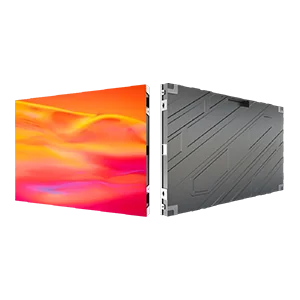
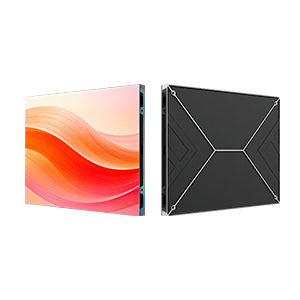
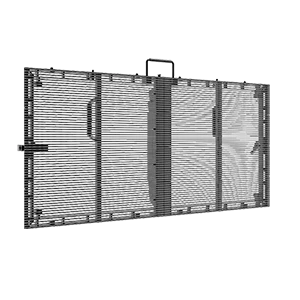
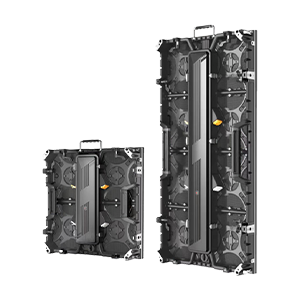





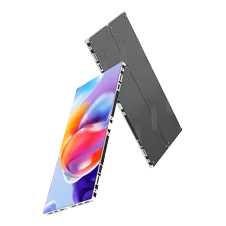
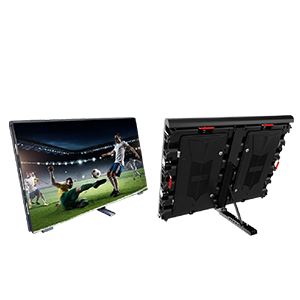
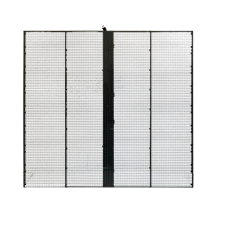
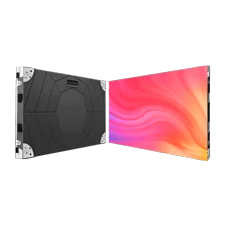
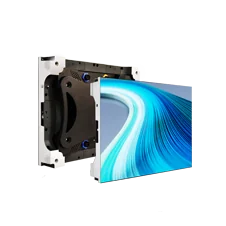
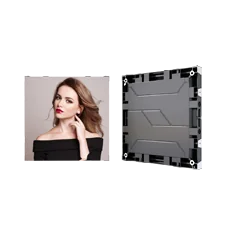


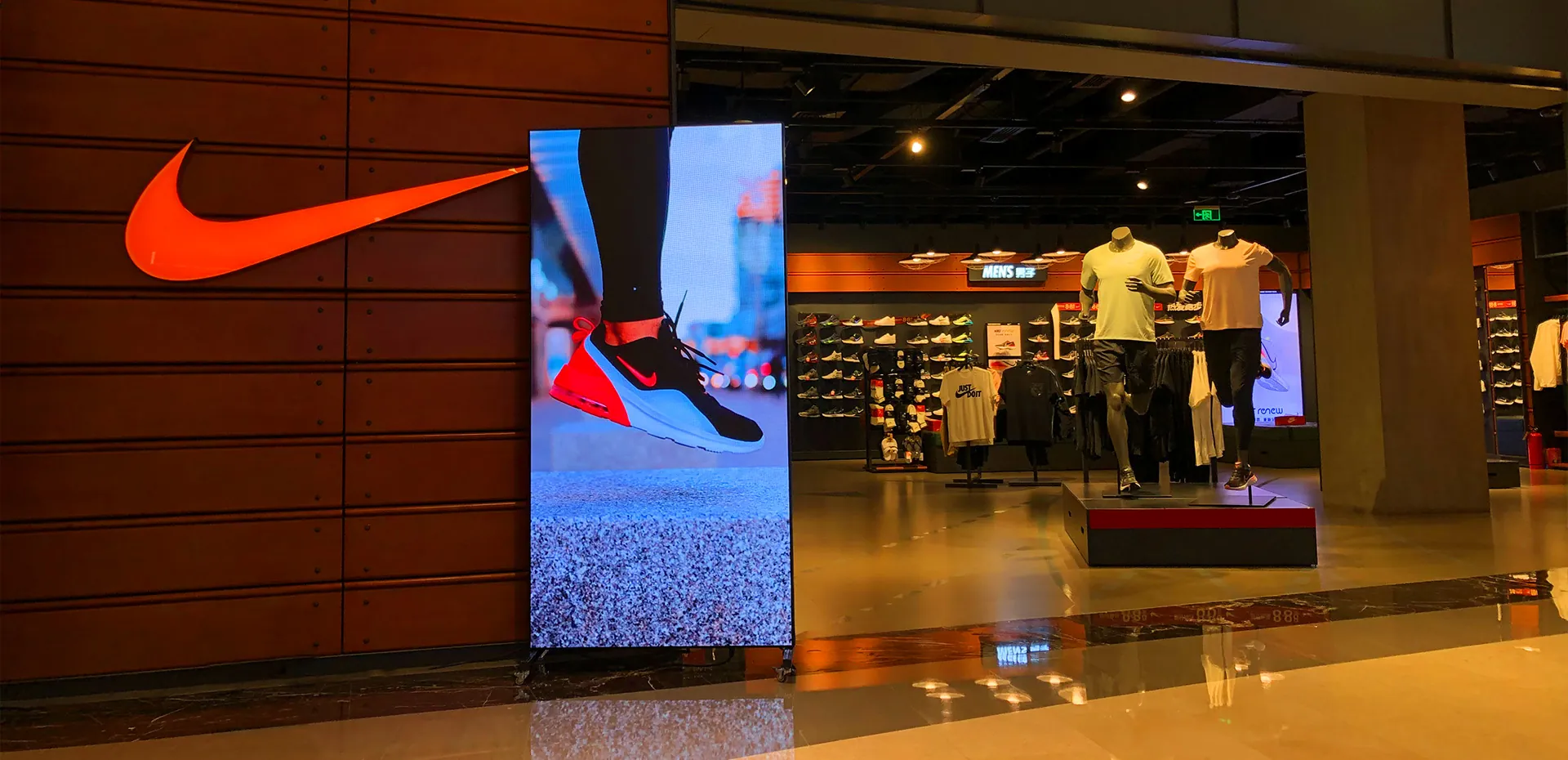












Reliability becomes especially important once digital content is installed across glass façades, storefronts, or other highly visible surfaces. Failures in these locations can affect both the display and the appearance of the building itself, making pre-shipment testing an important part of quality control. LEDFUL applies a 72-hour aging test as part of its finished-display quality-control process. For transparent LED screens, this testing period is particularly useful for evaluating electrical stability, brightness uniformity, signal performance, and visible pixel defects before shipment.

What Aging Tests Actually Reveal
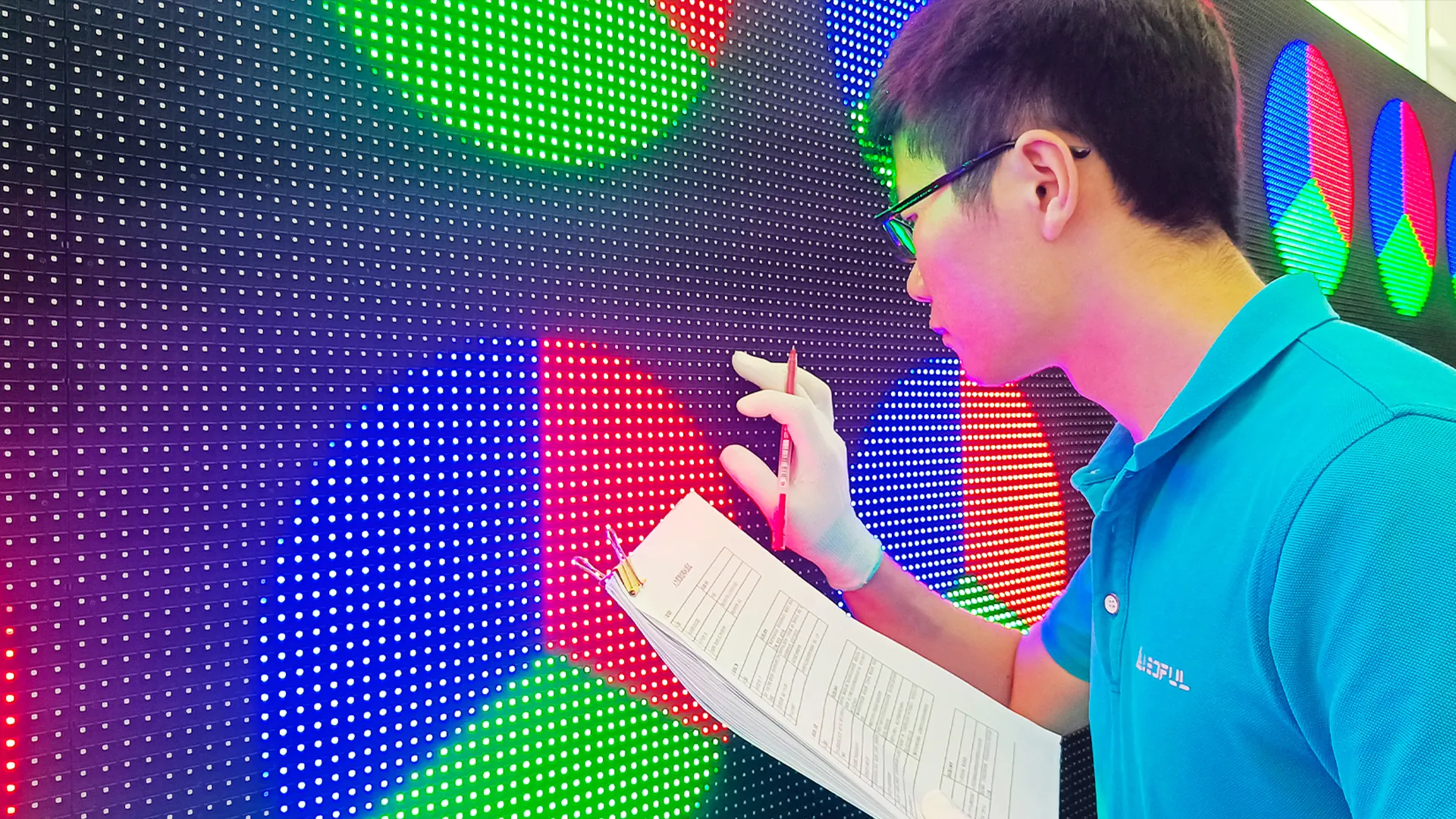
Aging testing places display components under continuous operation for an extended period. Instead of checking whether a screen simply powers on, technicians can observe abnormalities that may emerge after hours of use, including unstable modules, intermittent connections, brightness inconsistencies, or unexpected shutdowns.
The duration matters because some problems are not immediately visible. Electrical components can behave differently after reaching operating temperature, while power supplies and control components may show instability after prolonged use. Repeated observation gives technicians more information than a brief startup inspection.
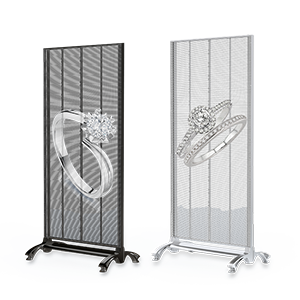
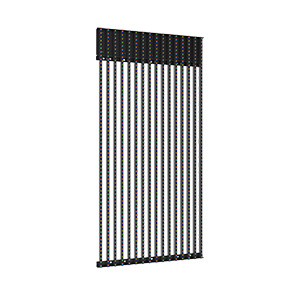
For a transparent LED screen, this process is particularly useful because visual uniformity matters alongside basic electrical operation. Transparent structures are often viewed from different distances and angles, so irregular brightness or isolated malfunctioning areas may become noticeable against glass or architectural backgrounds.
Why 72 Hours Provides Useful Testing Time
A 72-hour period offers a substantial operating window in which technicians can monitor the system through different stages of continuous use. The objective is not to suggest that every possible failure will appear within three days, but to create enough runtime for thermal, electrical, and control-related behavior to be observed under sustained conditions.
Temperature is one of the variables worth monitoring. Components generate heat during operation, and thermal conditions can influence electronic stability. Technicians can record temperatures at different points during the test and compare them with expected operating conditions, paying particular attention to power-related components and areas with limited airflow.
Test records also make the process more useful. Runtime, environmental conditions, observed faults, module status, brightness behavior, and corrective actions can be documented throughout the cycle. Such information provides a traceable reference instead of leaving quality assessment dependent on a single inspection at the end.
Testing Transparent Displays Under Realistic Conditions
Aging tests should reflect how the equipment is expected to operate. Content patterns with different brightness levels can be used to examine whether the display behaves consistently under varying loads. Static images alone may not reveal the same behavior as dynamic content or rapidly changing visual scenes.
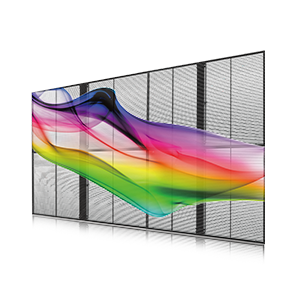
Brightness deserves particular attention for glass-mounted applications. Sunlight can significantly alter perceived image quality, especially during daytime operation. A transparent LED screen display intended for storefronts or architectural windows needs to maintain readable content while preserving the visual relationship between the display surface and the surrounding environment.
Signal stability forms another part of the evaluation. Controllers, receiving systems, cables, and power connections all participate in image transmission. A display that looks stable during a short demonstration may require additional observation before being deployed in a location where service access is inconvenient.
Product Design And Long-Term Operation
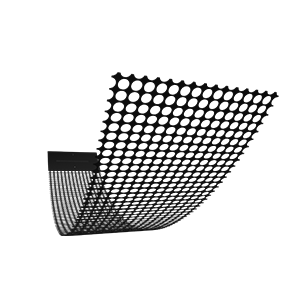
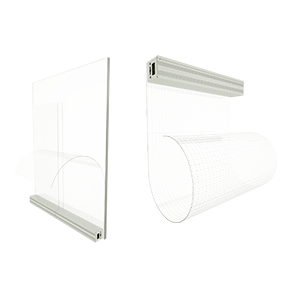
The A Series LED Screen is a self-adhesive LED transparent film screen designed to display content clearly in bright sunlight while fitting glass windows and other surfaces. Its structure is intended to preserve natural light and indoor visibility, while the self-adhesive installation method can reduce installation time and labor requirements. These characteristics make it relevant to applications where the display needs to coexist with existing glass surfaces rather than replacing the architectural opening.
Product specifications, however, do not replace testing. Even a display designed for straightforward installation should be inspected for electrical stability, image consistency, connection performance, and physical condition before deployment. Aging provides an additional layer of observation that complements manufacturing inspection and functional testing.
For equipment used across retail environments, hotels, airports, conference facilities, and entertainment spaces, maintenance access should also be considered before installation. A transparent LED screen mounted onto a glass surface may have different service requirements from a conventional cabinet-based display, so testing and installation planning should be treated as connected technical tasks.
From Factory Testing To Field Reliability
Quality control becomes more meaningful when test results can inform later production and service decisions. If repeated aging cycles reveal similar faults, engineers can investigate whether the issue relates to a component, assembly method, power configuration, or operating condition. Patterns are more informative than isolated observations.
Testing should also distinguish between different types of defects. A visible pixel anomaly, intermittent signal interruption, abnormal temperature, and power fluctuation do not carry the same technical implications. Recording the symptom precisely helps maintenance teams reproduce the condition and determine an appropriate corrective action.
The value of extended testing ultimately lies in risk awareness rather than a single pass-or-fail number. At LEDFUL, we use structured quality thinking to examine how transparent LED screen systems behave before they reach demanding installation environments. A documented aging process can give project teams more technical information when they assess equipment readiness.
Conclusion
Seventy-two hours of continuous operation cannot predict every condition that a display may encounter throughout its service life, yet it creates a meaningful observation period for identifying problems that short startup checks can miss. Thermal behavior, power stability, image consistency, signal transmission, and component performance can all be reviewed within a structured aging process.
Our team at LEDFUL treats transparent LED screen display testing as part of a broader quality workflow, while the information gathered from each cycle can support more informed deployment decisions. For projects involving glass façades, retail windows, or other visually sensitive environments, that additional testing time can provide useful evidence before the screen enters daily operation.