













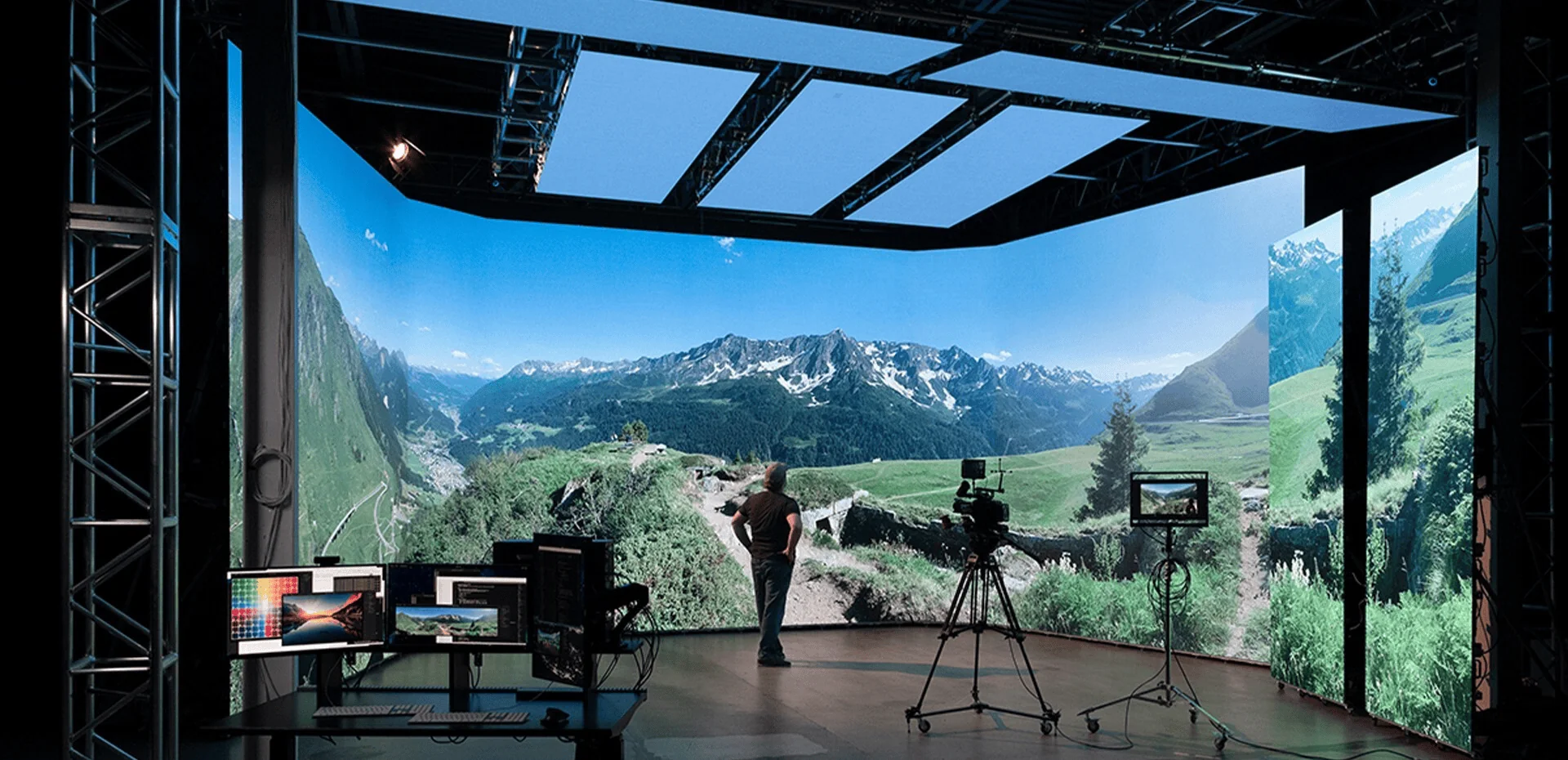
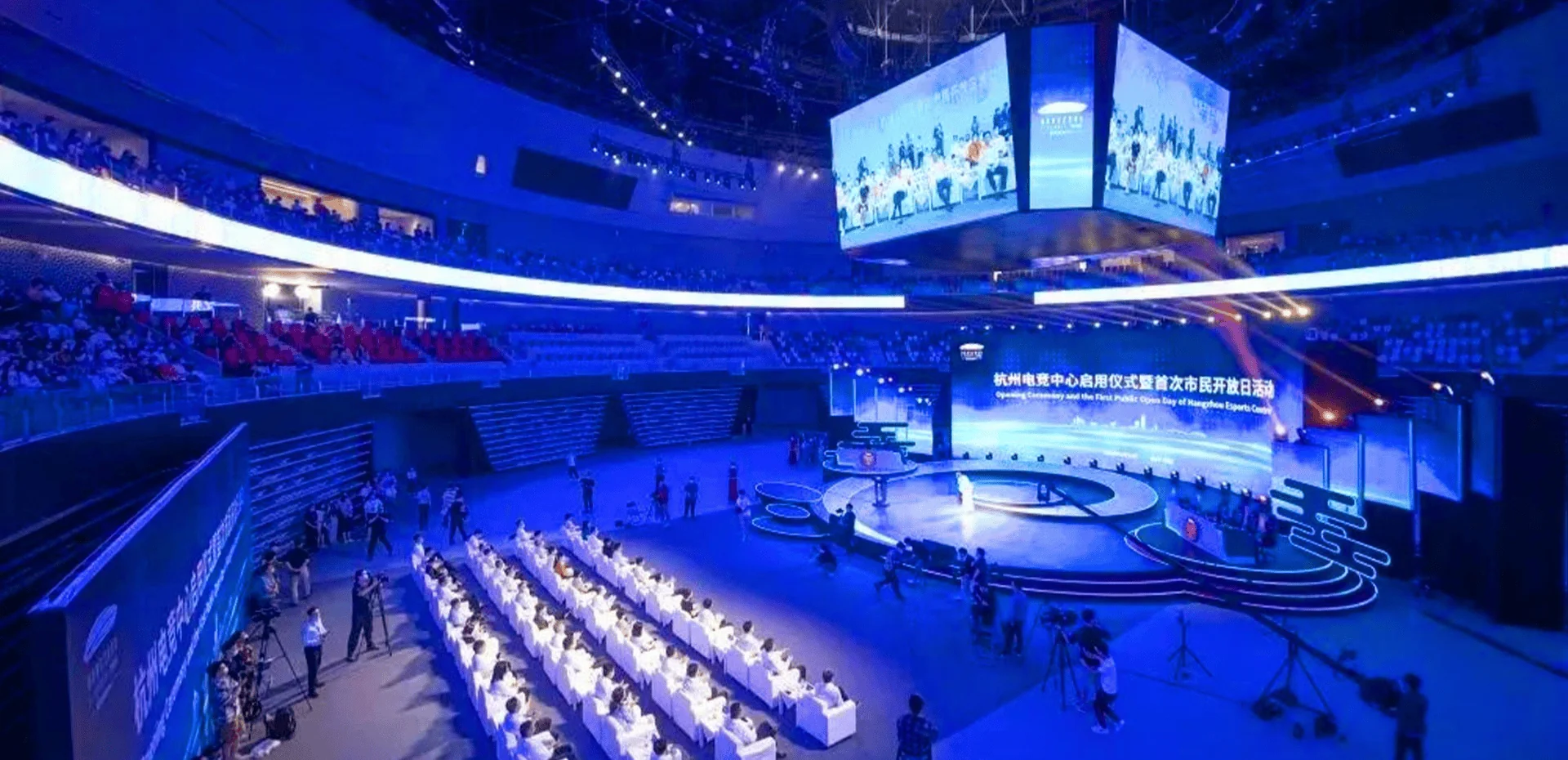

When evaluating professional LED displays, buyers often encounter two primary units: cd/m² and nits. While these terms look different, they represent the same measurement of luminance.
As LED display brightness directly affects visibility and power consumption, a comprehensive understanding of cd/m² vs. nits is vital. In this article, LEDFUL, a professional LED display manufacturer, breaks down the key differences and practical considerations.
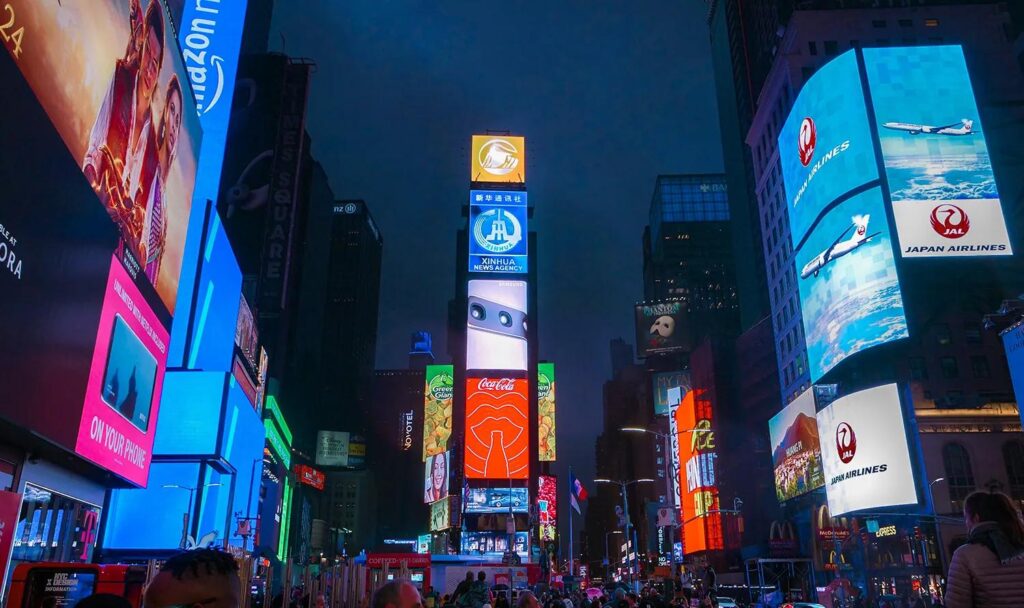
cd/m² vs. Nits: Definitions and Differences
1. What is cd/m²?
The term “cd/m²” stands for candelas per square meter. It is the official unit of luminance within the International System of Units (SI). One candela is roughly equivalent to the light emitted by a single standard candle. Therefore, cd/m² measures how much light—measured in “candles”—is emitted from a one-square-meter surface of your LED display toward the viewer.
2. What are Nits?
The term “Nit” originates from the Latin word “nitēre,” which means “to shine.” While it is not an official SI unit, it has become the de facto industry shorthand for display brightness. You will find “nits” used almost exclusively in marketing materials, retail product descriptions, and by sales teams because it is easier to say than “candelas per square meter.”
3. How to Convert cd/m² to Nits
If you are wondering about the math behind the cd/m² to nits conversion, there is good news: the ratio is exactly 1:1.
- 1 nit = 1 cd/m²
- 1,000 nits = 1,000 cd/m²
There is no complex calculation required. If a specification sheet lists a screen at 5,000 cd/m² and another at 5,000 nits, they offer identical brightness levels.
The Rule of Thumb: In the professional LED industry, “cd/m²” is the formal engineering spec found in technical blueprints and compliance reports. “Nits” is the marketing terminology used to communicate quickly with clients and distributors.
Why Is LED Display Brightness Important for Business?
For contractors and event organizers, selecting the right brightness level is key to achieving the ideal “perceived clarity,” which is the ability of the human eye to distinguish images against ambient light.
1. Excessive Brightness vs. Insufficient Brightness
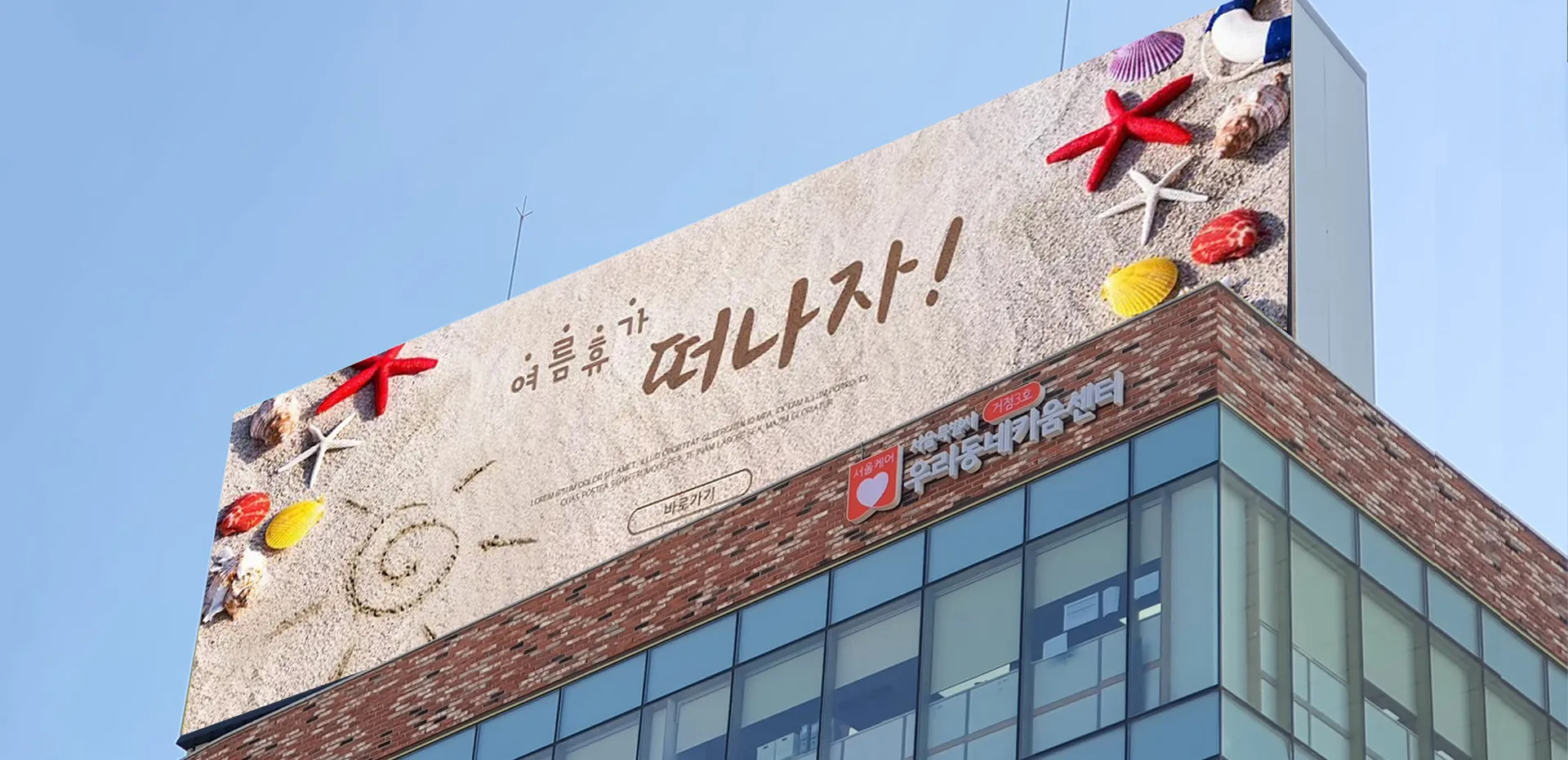
Choosing a display with insufficient brightness is a common mistake in outdoor advertising. If an outdoor billboard only outputs 2,000 nits, direct sunlight will “wash out” the content, making it unreadable and rendering the investment useless.
Conversely, excessive brightness can be equally damaging. Running a screen at 8,000 nits in an indoor retail environment causes significant eye strain for customers and generates unnecessary heat.
High brightness also requires more power, which increases the total cost of ownership (TCO) and accelerates the decay of the LED diodes, shortening the overall lifespan of the display.
2. LED Display Brightness Guide: General Recommendations
To help your procurement process, the following gives general benchmarks:
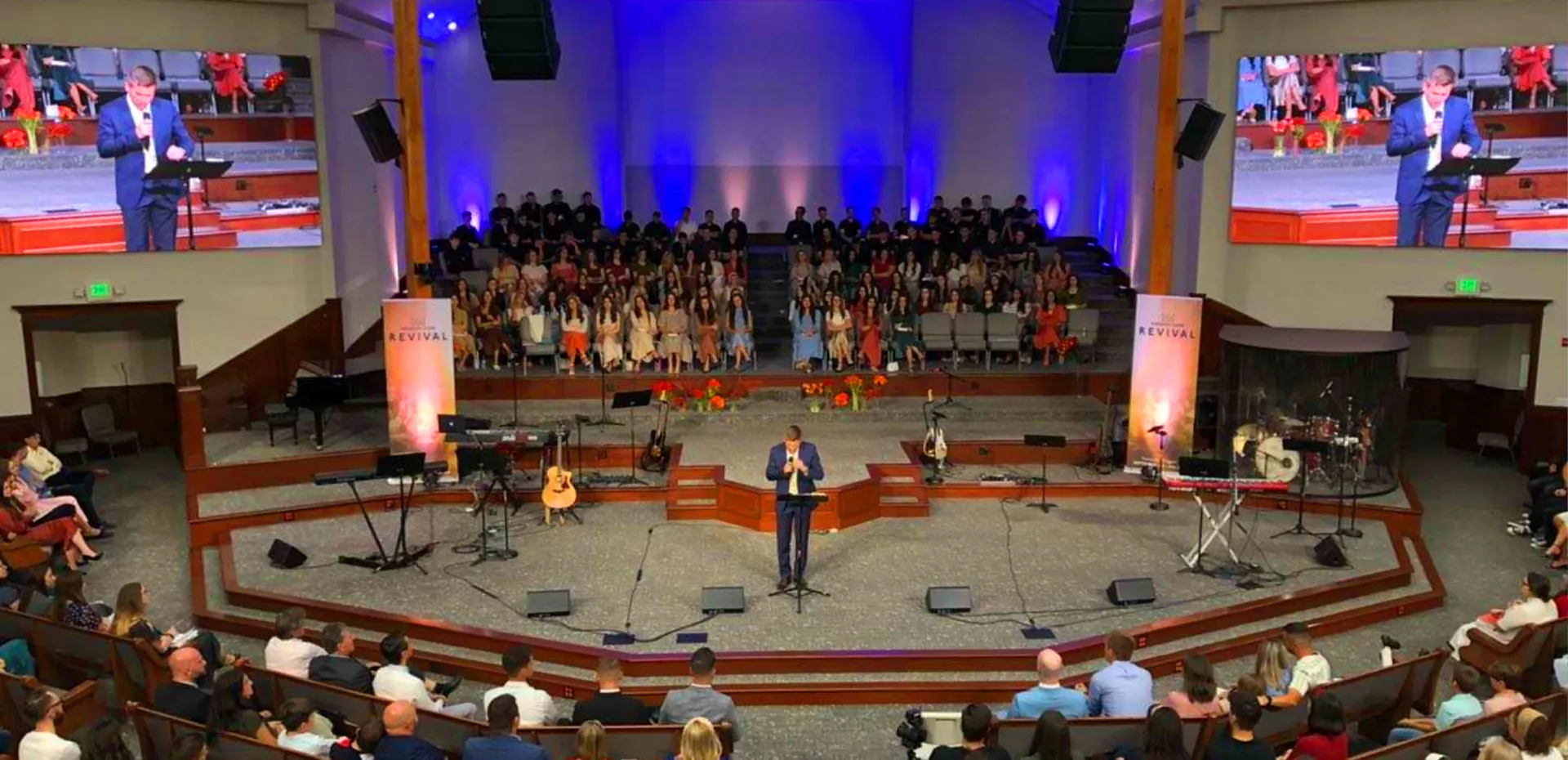
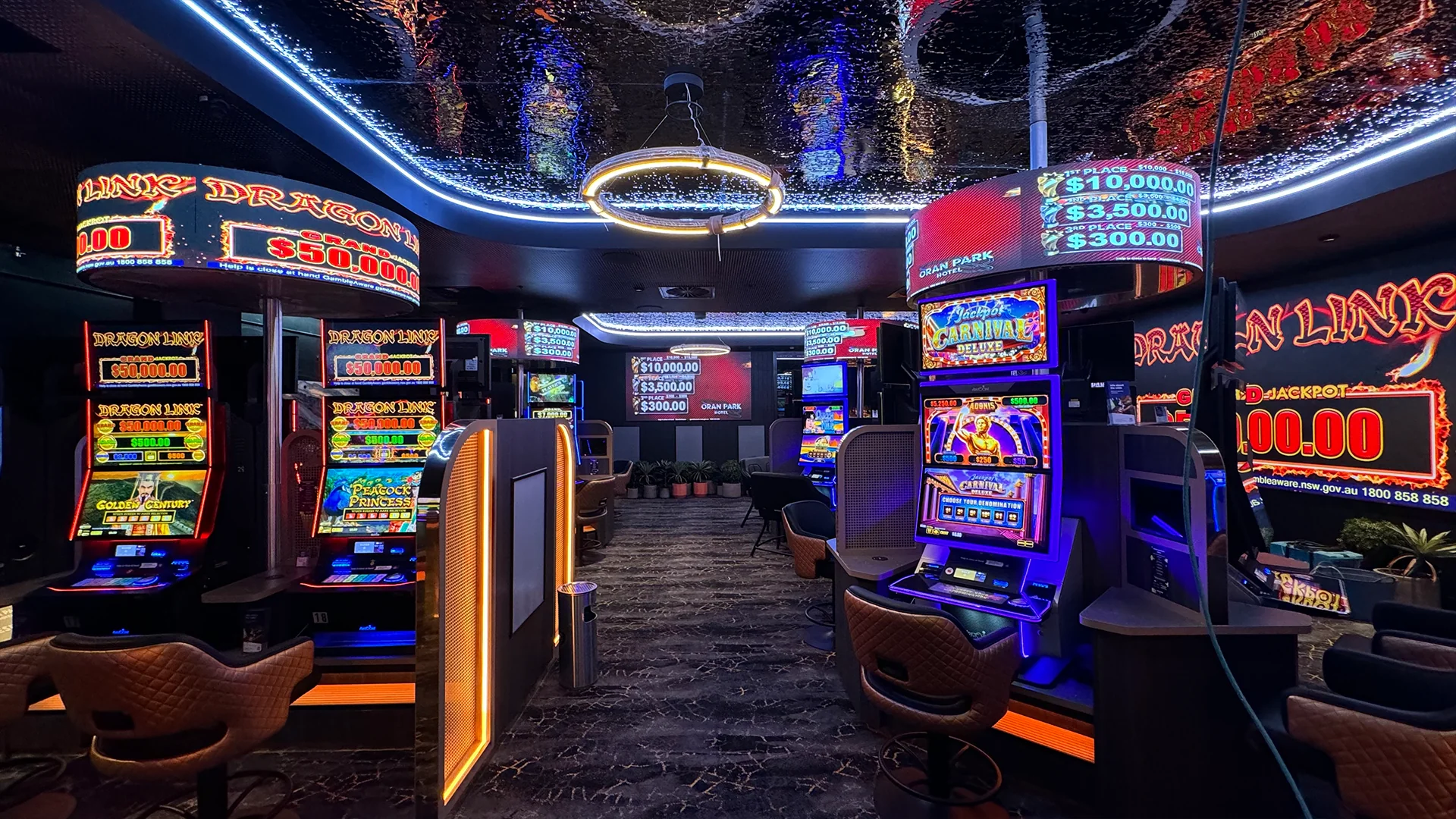
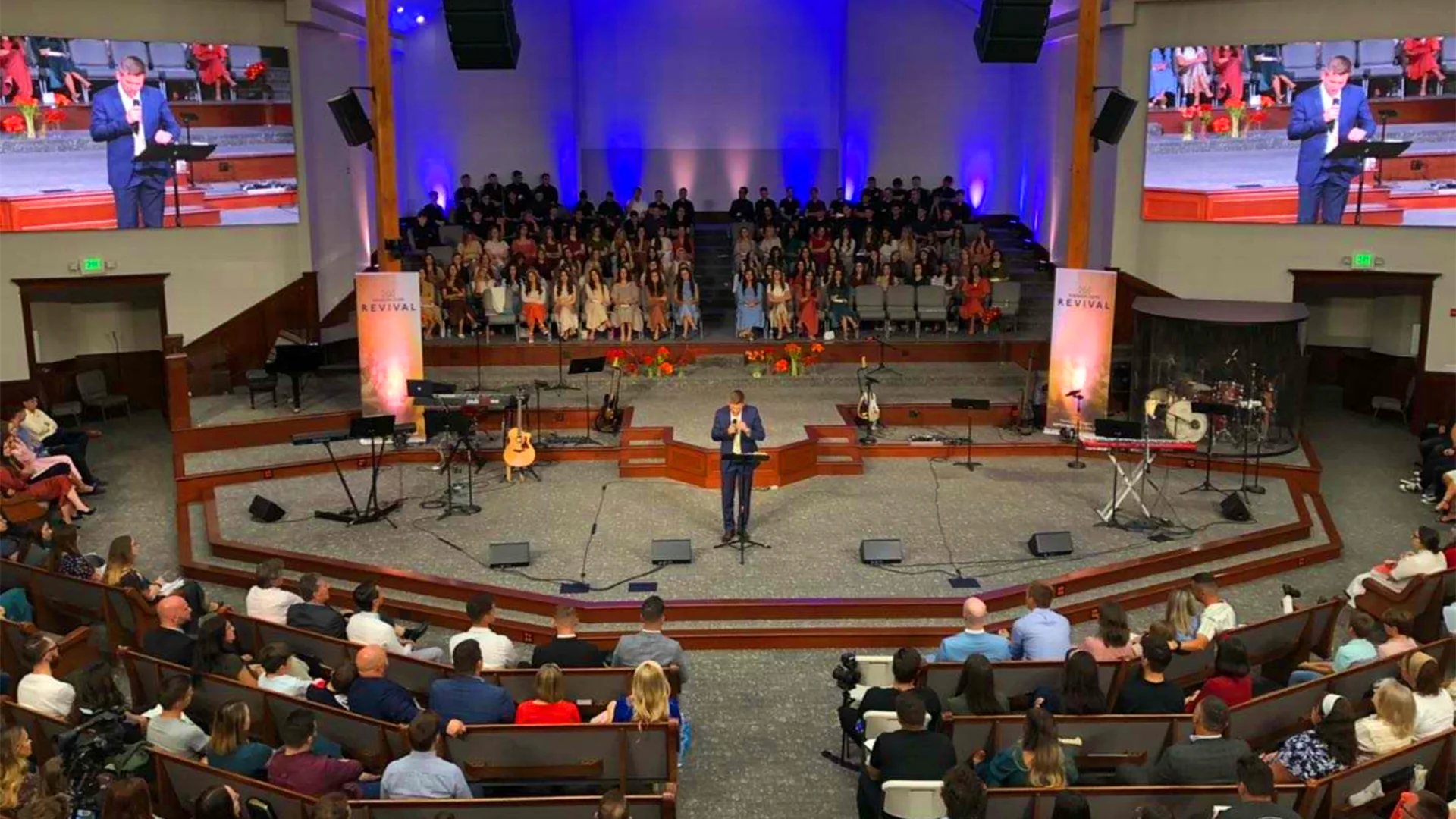
- Standard Indoor (Offices/Churches): 600 – 1,200 nits.
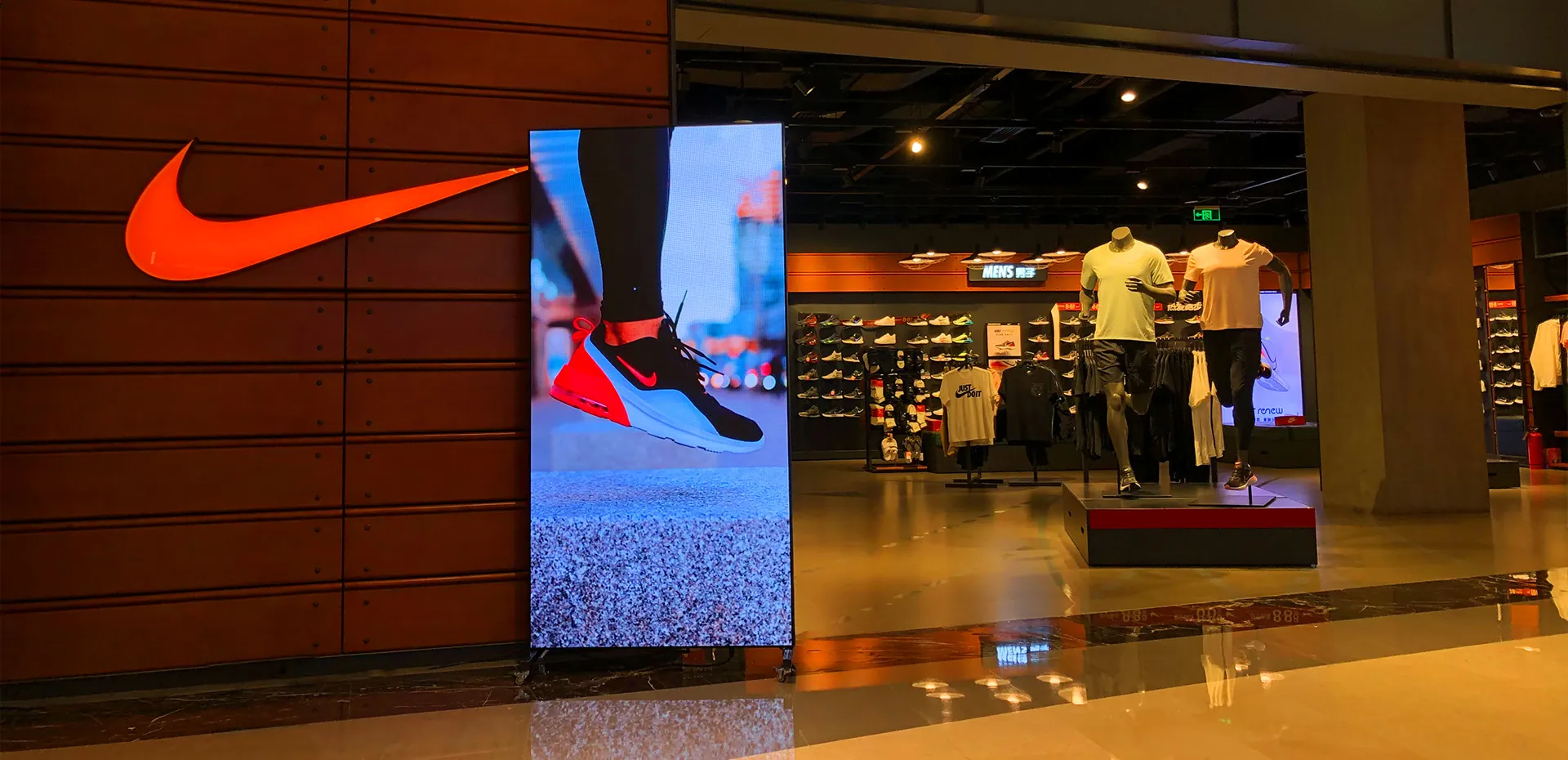
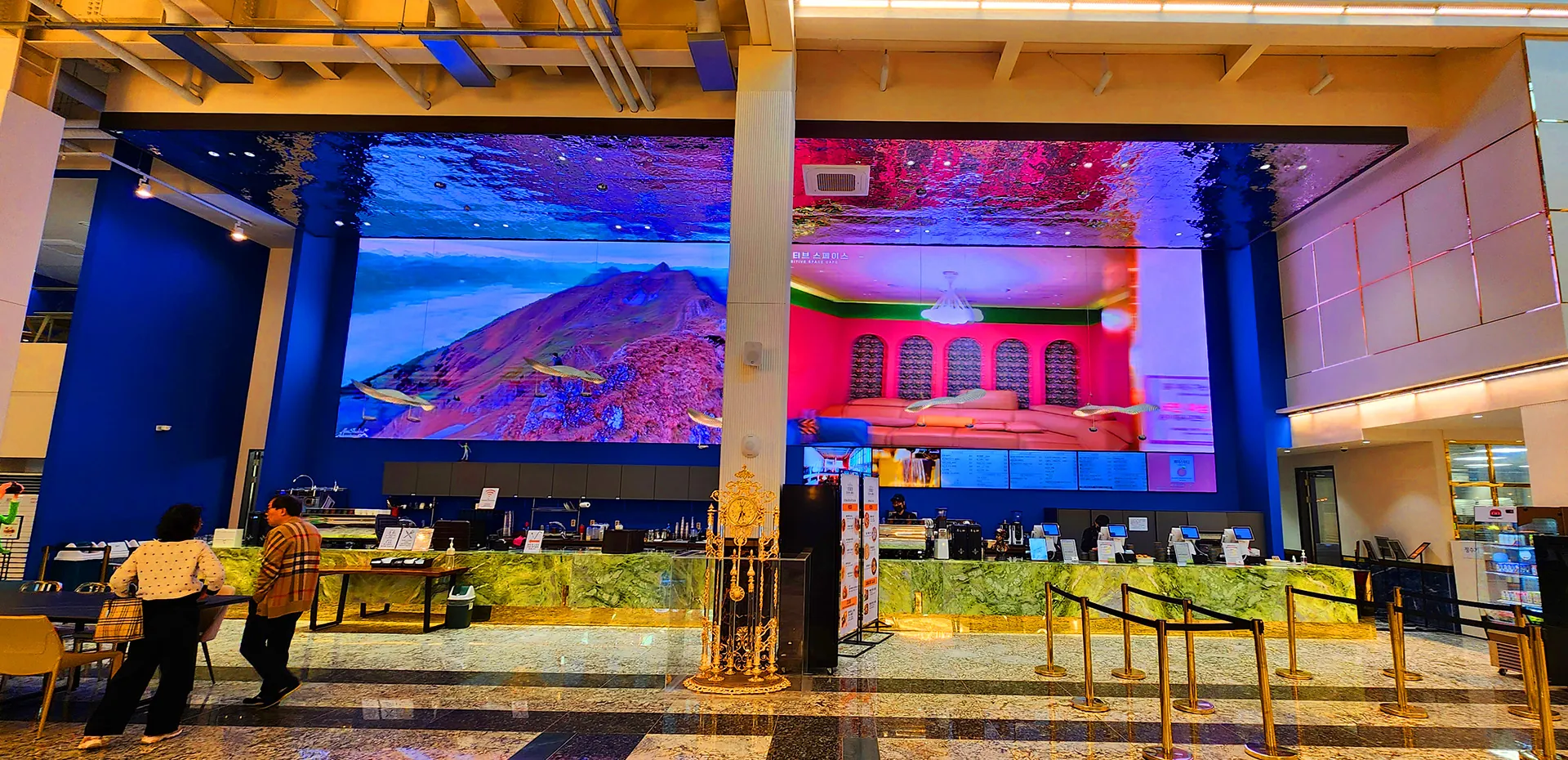
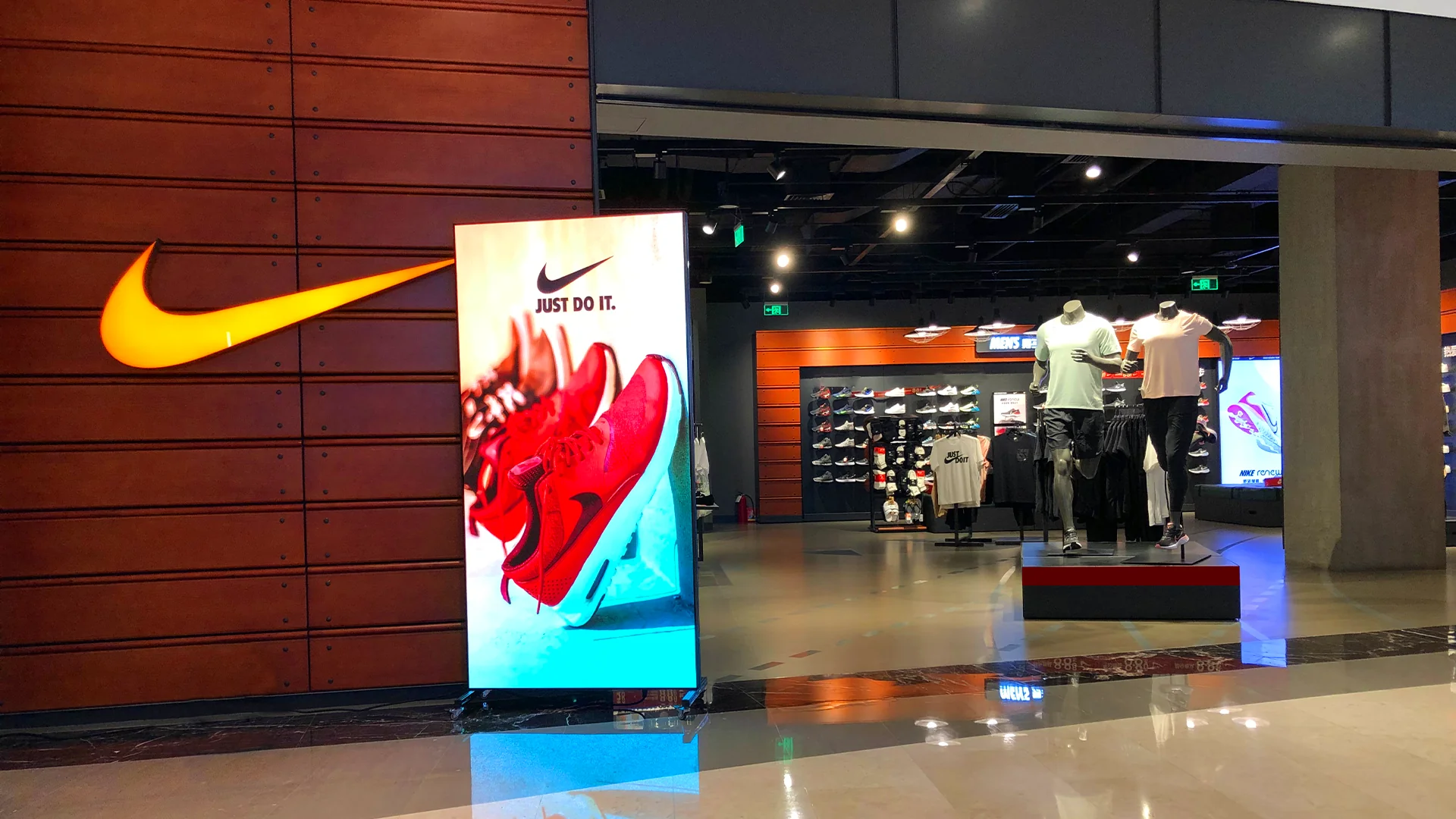
- Bright Indoor (Retail/Malls): 1,200 – 2,500 nits.
- Semi-Outdoor (Window Displays/Shaded Areas): 2,500 – 4,500 nits.
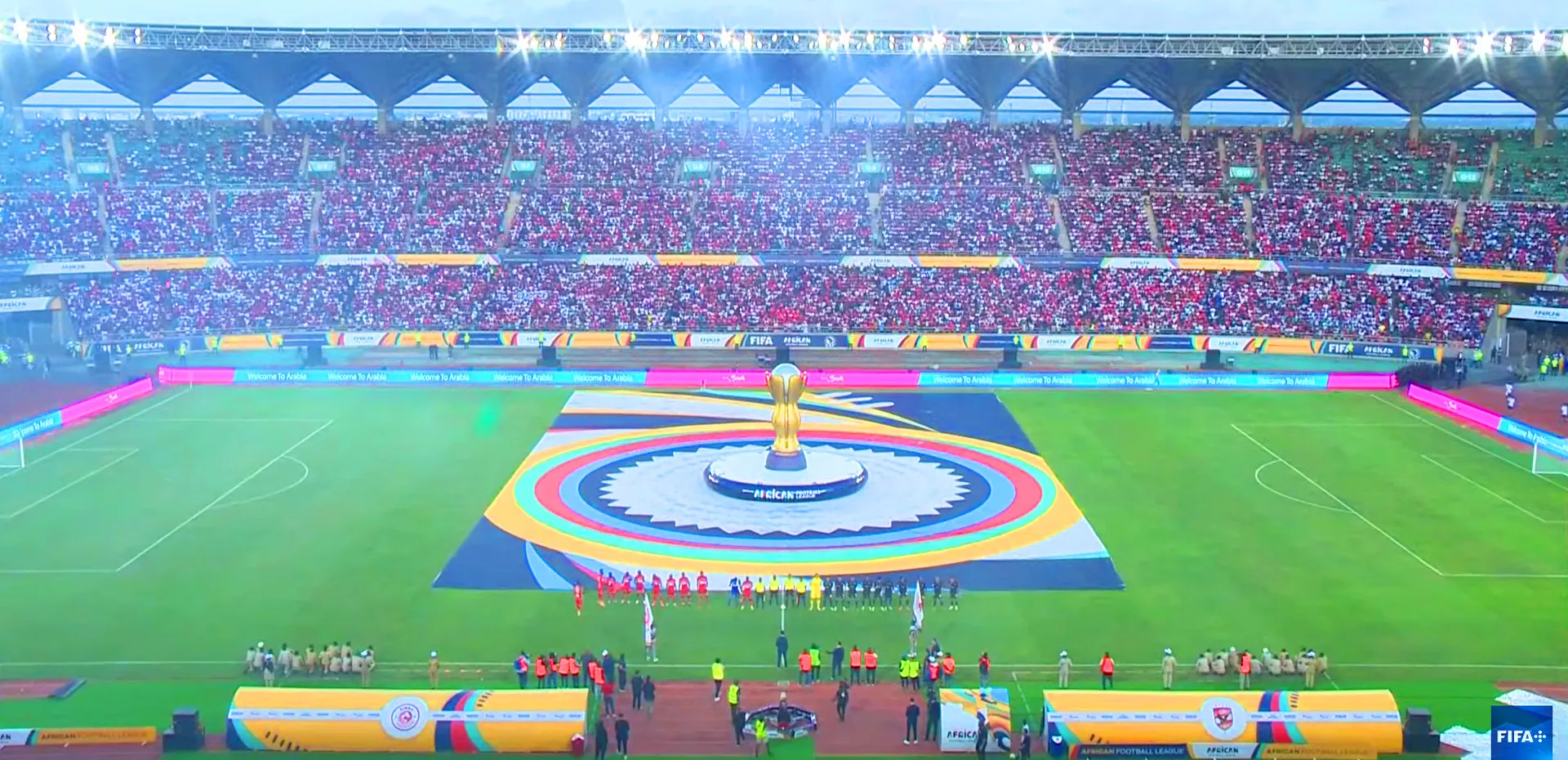
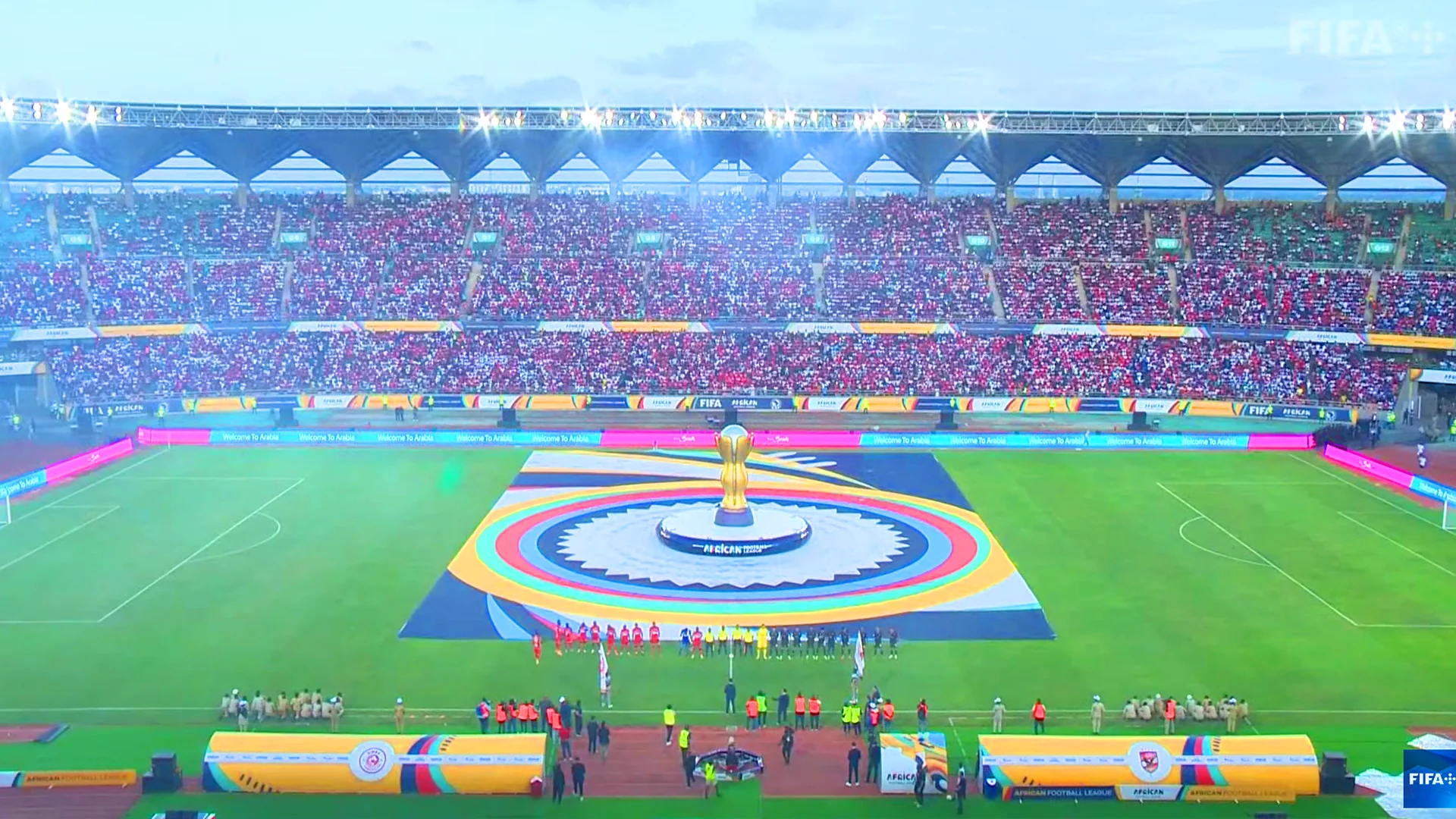
- Full Outdoor (Direct Sunlight): 5,000 – 10,000+ nits.
How to Choose the Right Brightness for Your Application
To ensure your LED display brightness remains effective and sustainable, consider the following aspects:
1. Consider Ambient Light and Placement Scenarios
The required nits depend heavily on the surrounding light (Lux). Displays in shaded areas need less brightness than those exposed to direct sunlight. Specific applications, such as indoor LED screens near windows, may require higher output to maintain visibility while avoiding glare.
The location of the screen—whether mounted at eye level, on a ceiling, or angled—affects how light interacts with the viewer, influencing both brightness and display technology.
2. Evaluate Dynamic Brightness and Auto-Dimming
Brightness management ensures both clarity and legal compliance with light pollution laws. Auto-dimming features allow a screen to adapt dynamically: for example, an outdoor billboard might peak at 7,000 nits during the brilliant midday sun but automatically scale down to a comfortable 300 nits at night. This prevents driver distraction and drastically reduces nighttime energy waste.
3. Factor in the Total Cost of Ownership (TCO)
Higher brightness typically increases heat, which can damage LEDs over time. To solve this, “common cathode” technology is one of the effective methods. By supplying separate, optimized voltages directly to the red, green, and blue LED chips, it eliminates energy waste and excess heat.
This specific architecture allows for higher brightness targets while reducing heat generation, significantly extending the display’s lifespan and lowering your energy bills.
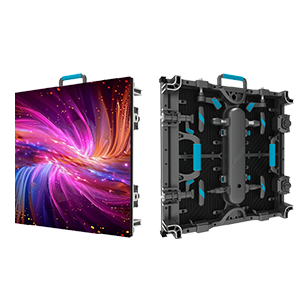
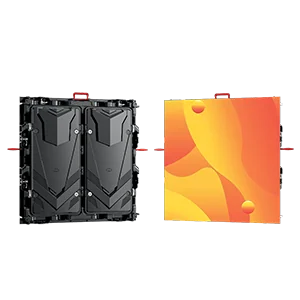
LEDFUL High-Brightness Solutions: FS PRO and BM-PRO
At LEDFUL, we specialize in engineering displays that balance high luminance with energy efficiency. Whether you are a distributor looking for robust outdoor billboards or an architect designing an immersive indoor experience, we offer you the industry-leading solutions!
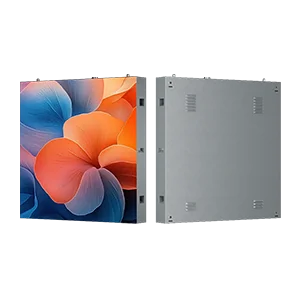
1. FS PRO Series: The Outdoor Powerhouse
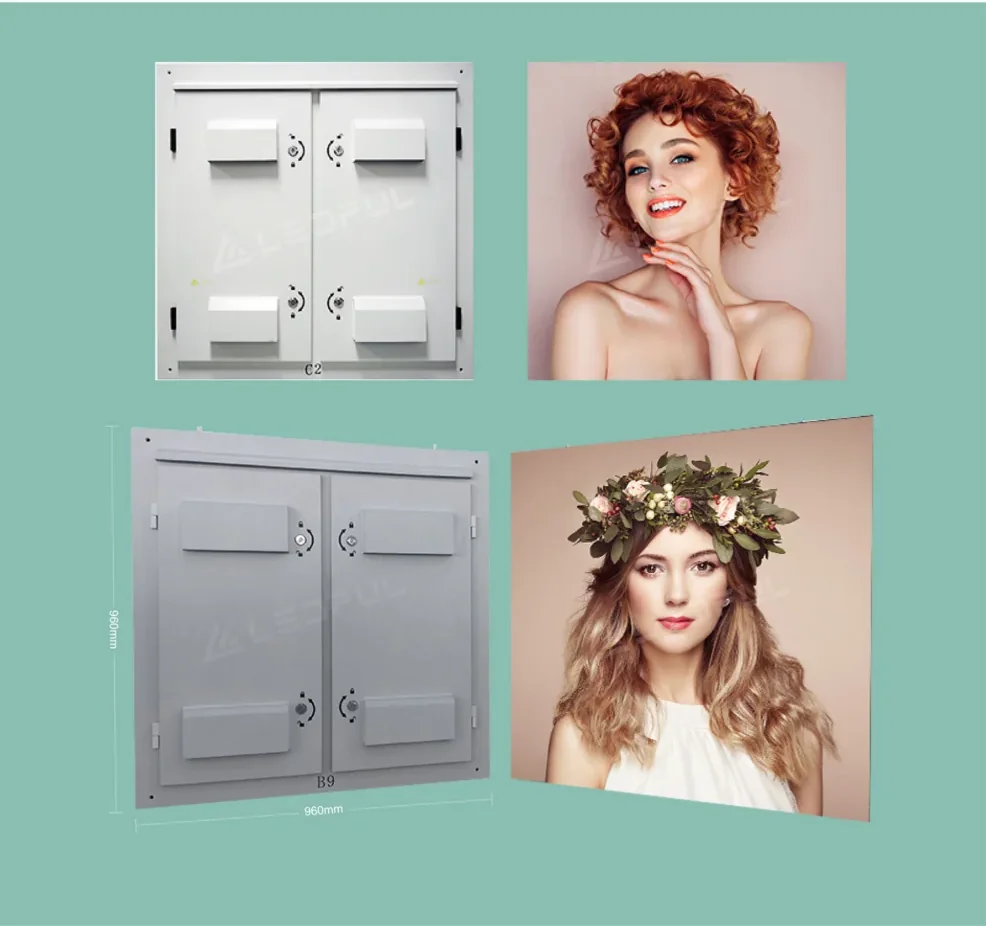
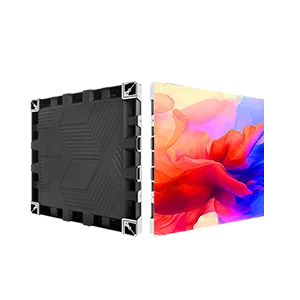
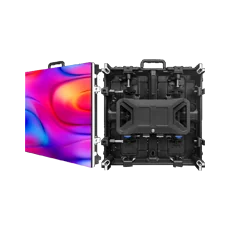
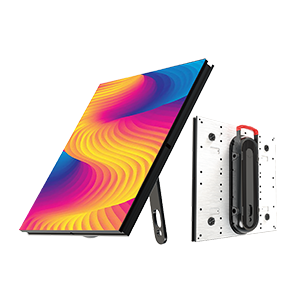
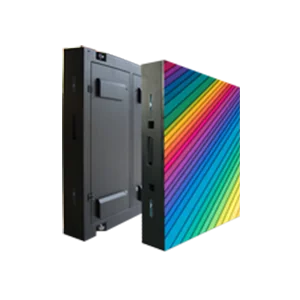
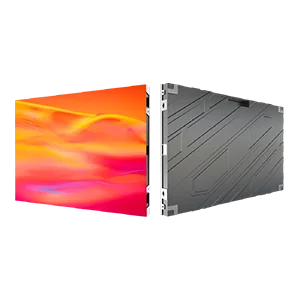
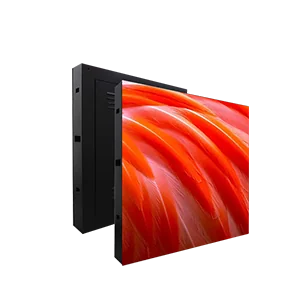
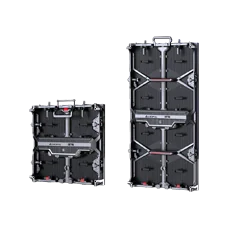
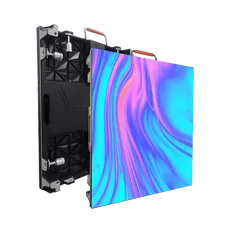
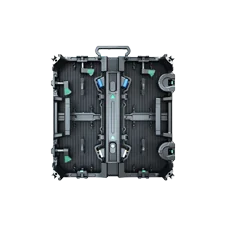
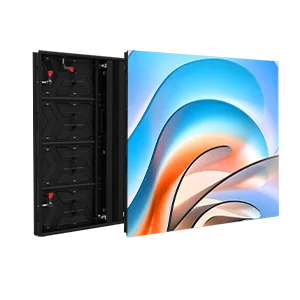
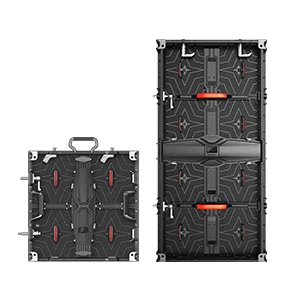
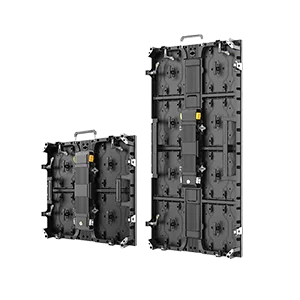
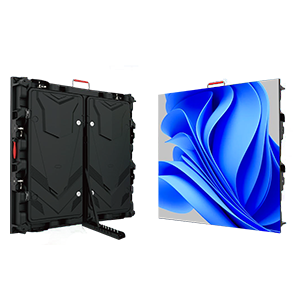
For outdoor applications where battling the sun is the primary challenge, the LEDFUL FS PRO Series is the premier choice. Featuring an outdoor fine-pitch range (1.9mm–3.9mm), this HD powerhouse offers:
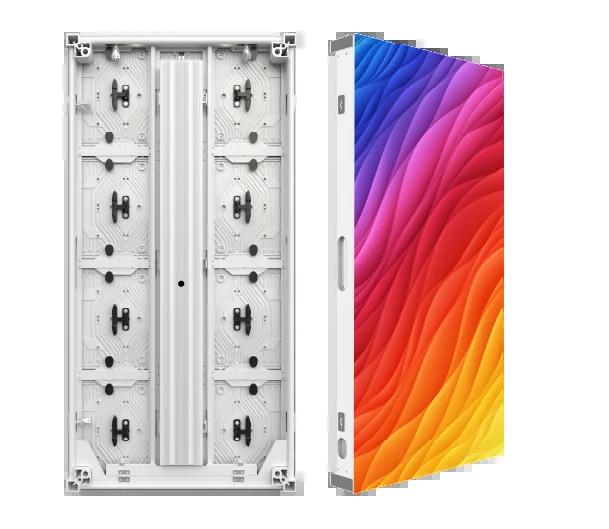
- Extreme Performance: Ultra-high brightness(≥ 6,000 nits) and a 5,000:1 contrast ratio ensure vivid clarity in peak summer sun with a 140° wide viewing angle.
- Superior Engineering: A cable-free design with die-casting aluminum modules provides fanless heat dissipation, higher structural flatness, and an anti-shedding mechanism.
- Operational Flexibility: Supports full front and rear serviceability with a modular 250x250mm architecture, significantly reducing installation time and maintenance costs.
- Advanced Durability: IP66-rated protection and a hidden cable box safeguard internal components against extreme weather (-20°C to +60°C) and environmental hazards.
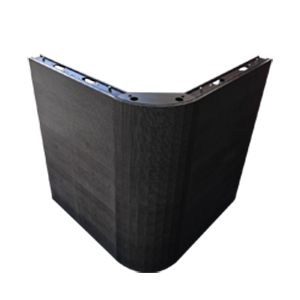
- Efficiency & Innovation: Common Cathode technology reduces energy consumption by 40%, while specialized corner cabinets enable the creation of seamless, high-impact 3D giant billboards.
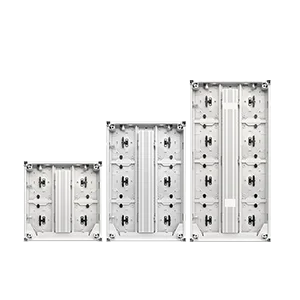
2. BM-PRO Series: Elite Indoor Performance
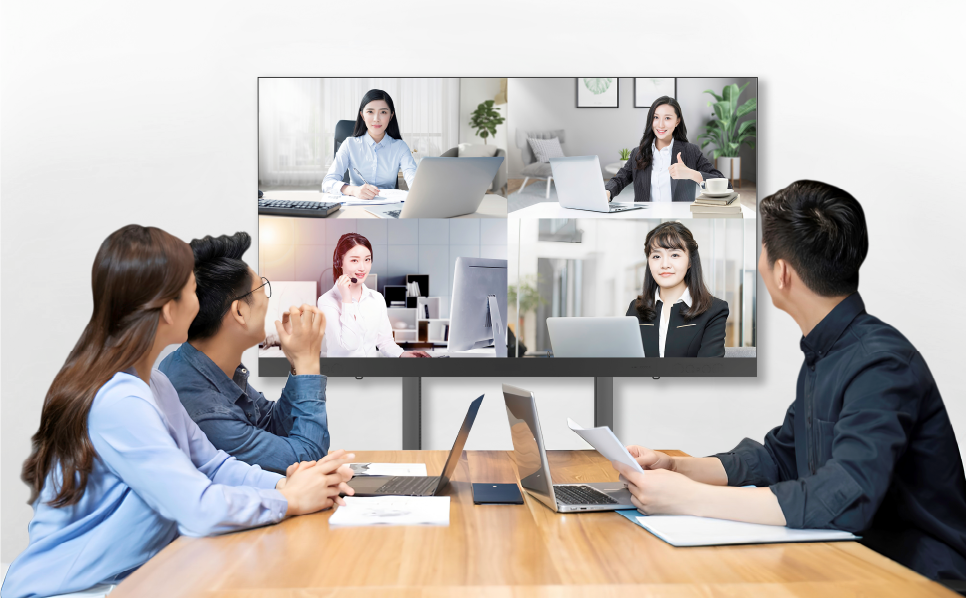
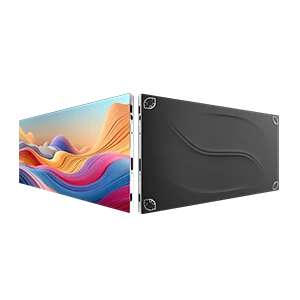
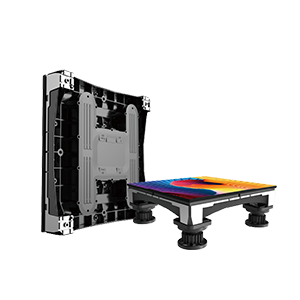
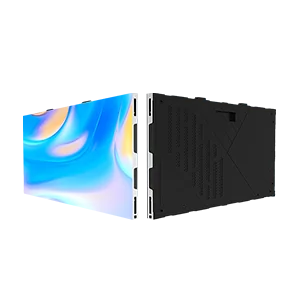
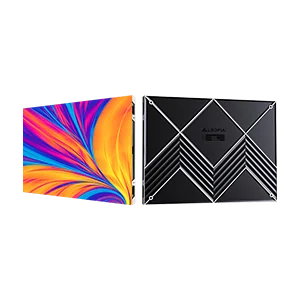
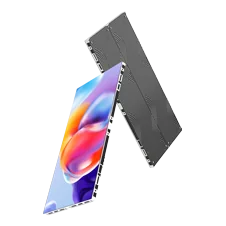
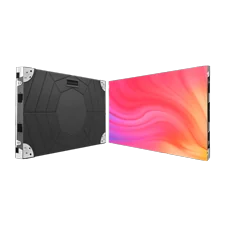
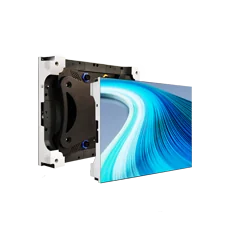
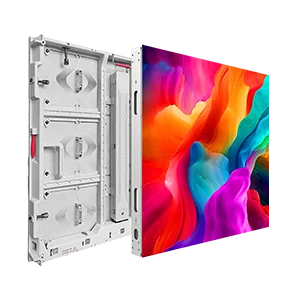
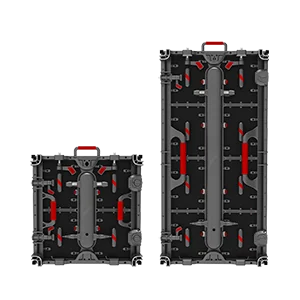
The LEDFUL BM-PRO Series is the premier solution for high-definition indoor environments like conference halls, retail hubs, and theaters. This series balances aesthetic elegance with elite performance:
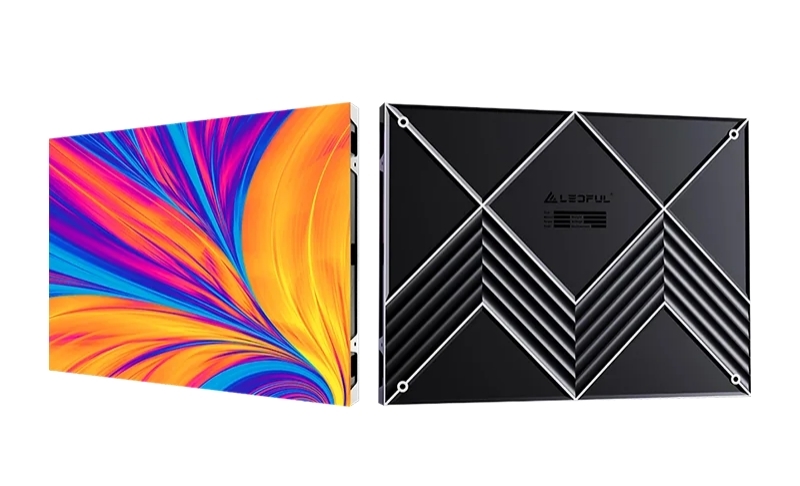
- Versatile Brightness Solutions: Engineered to command attention even in high-ambient environments, the BM-PRO series offers high-brightness variants reaching up to 10,000 nits.
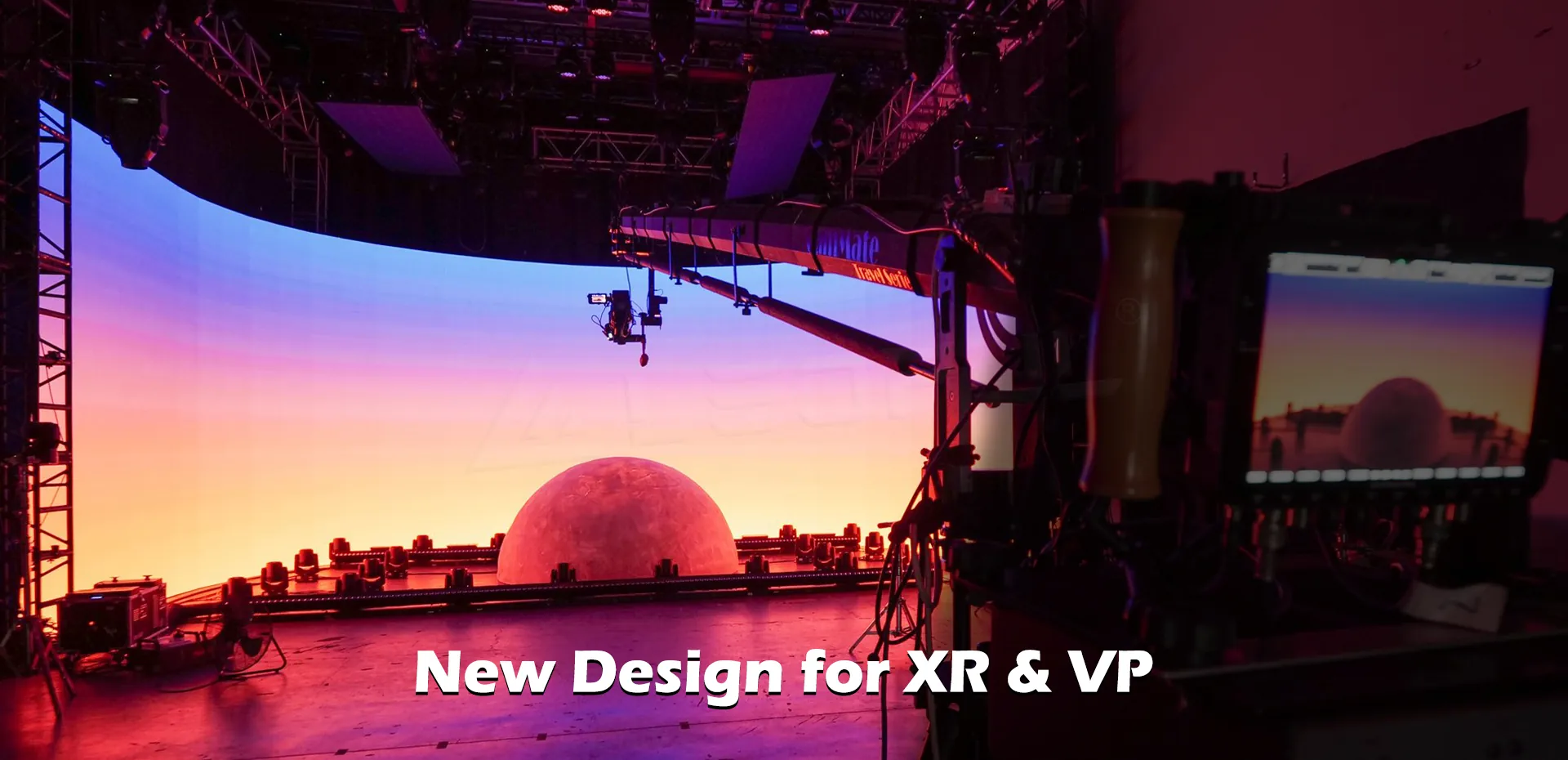
- Cinema-Grade Visuals: Boasting a 10,000:1 contrast ratio and 16-bit grayscale, it delivers flicker-free, vibrant imagery with a 160° ultra-wide viewing angle for maximum audience coverage.
- Flexible Integration: Features a cable-free HUB connection and supports wall-mounted, hanging, or free-standing setups. A full front-service design simplifies maintenance in tight installations.
- Safety & Efficiency: With 5VB fireproofing and common cathode technology, it reduces power consumption by 40% while maintaining a 320x160mm modular architecture with safety harnesses for reliable operation.
Conclusion
In conclusion, understanding cd/m² vs. nits is essential for selecting the right LED display brightness for any application, balancing visibility, energy efficiency, and lifespan. Properly matching luminance to your environment ensures optimal performance, whether indoor or outdoor.
For tailored guidance and high-brightness solutions like FS PRO and BM-PRO, reach out to LEDFUL today and let our experts help you achieve the perfect display for your needs!