
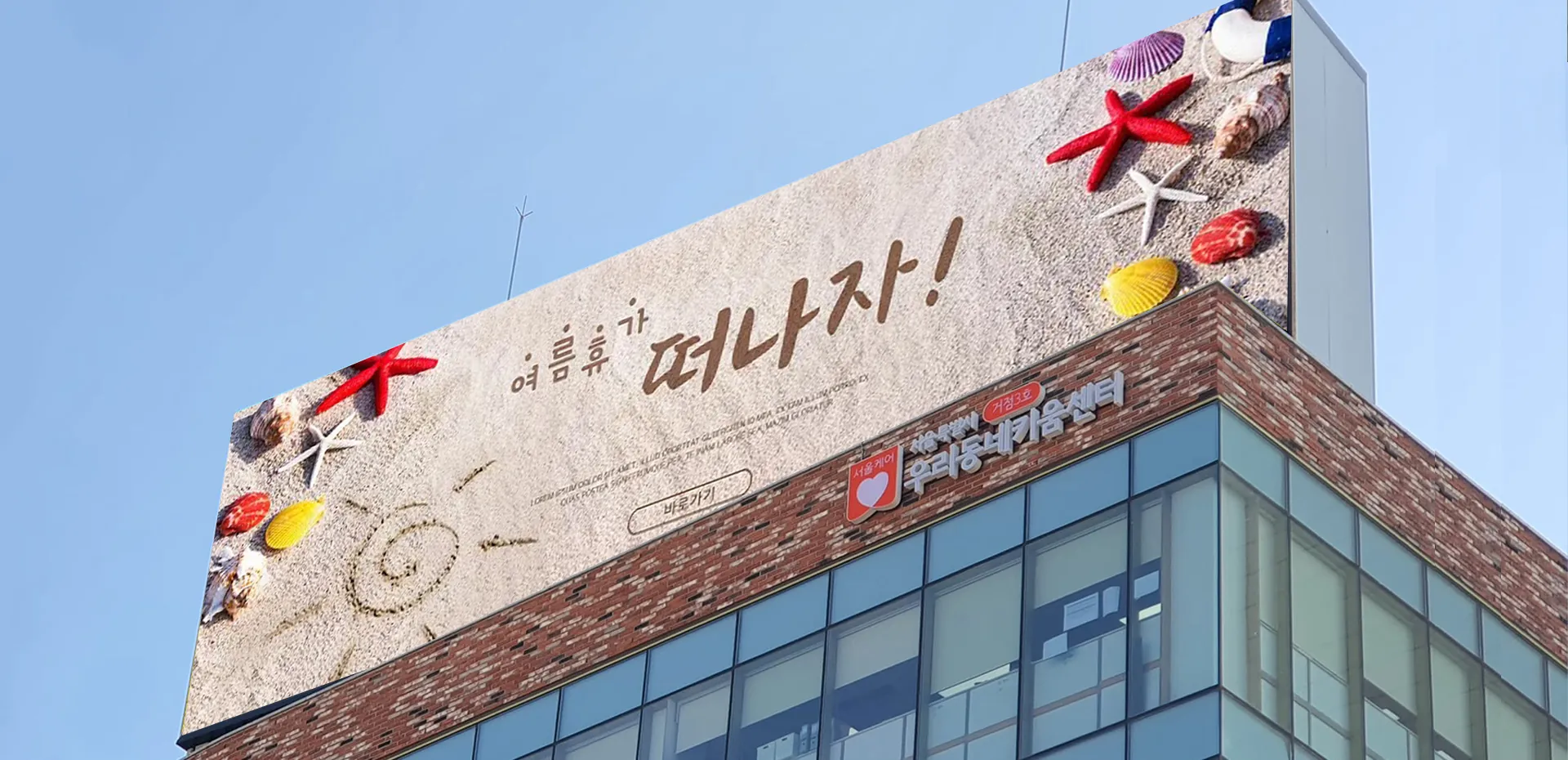
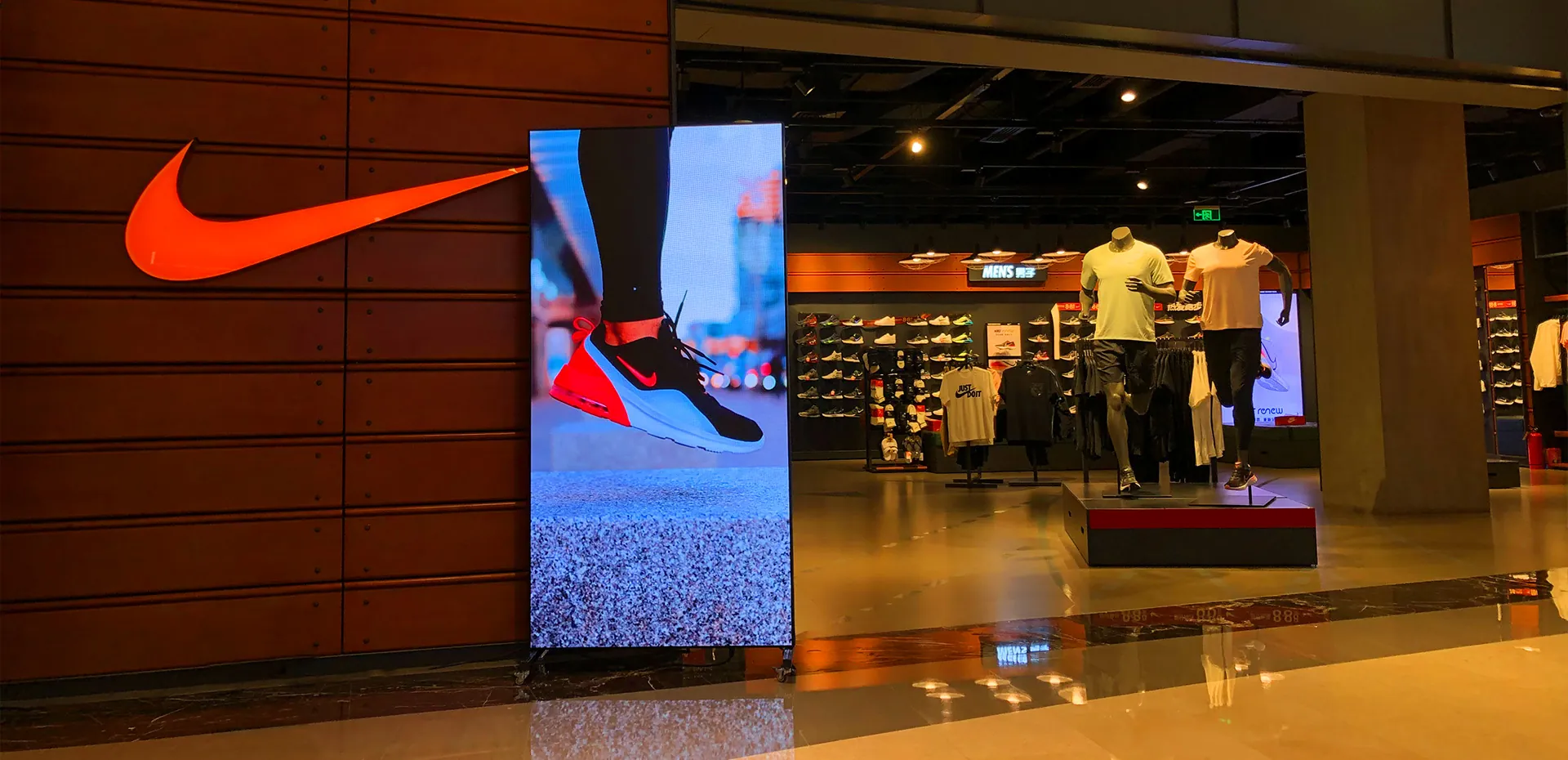
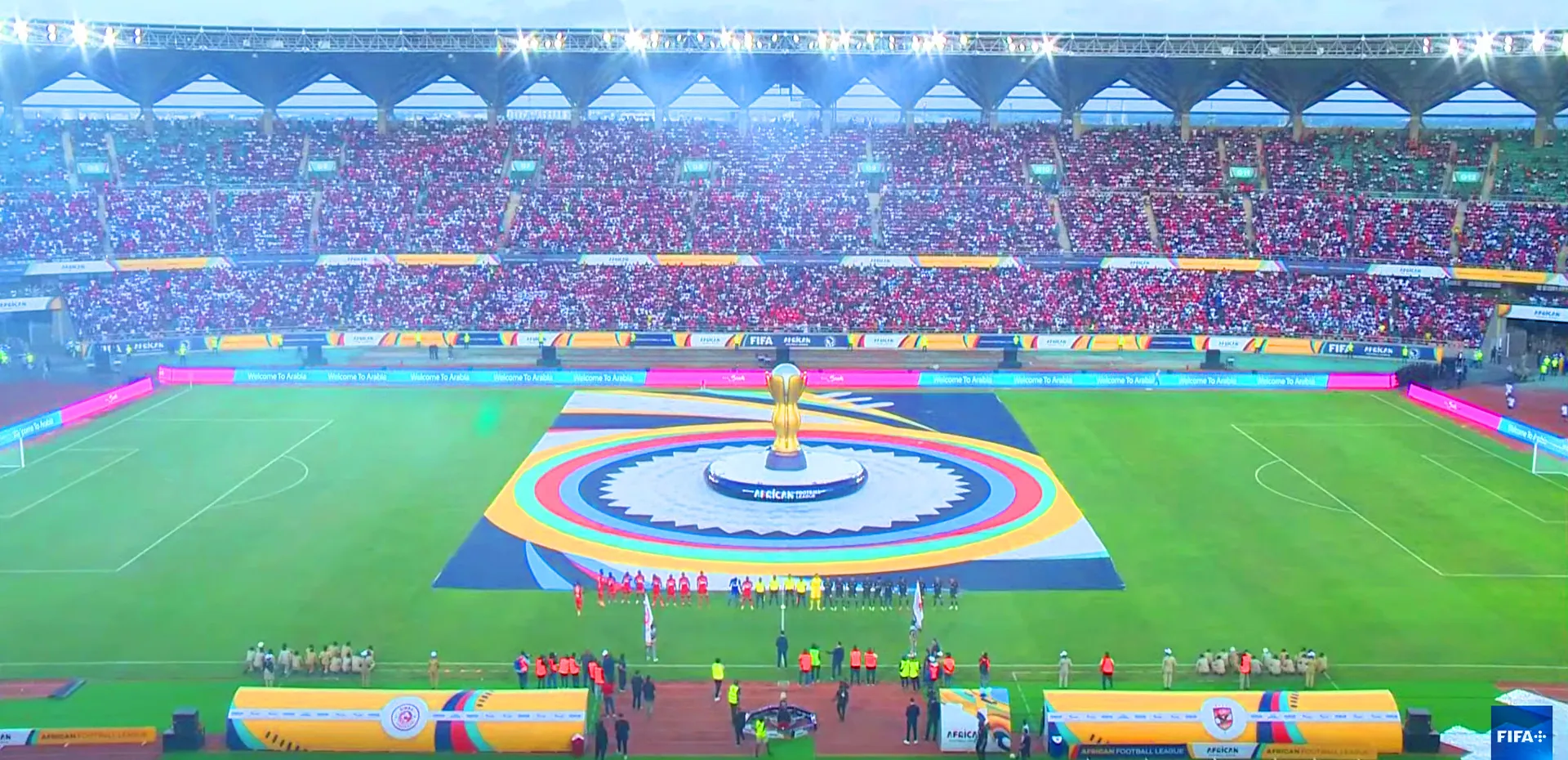
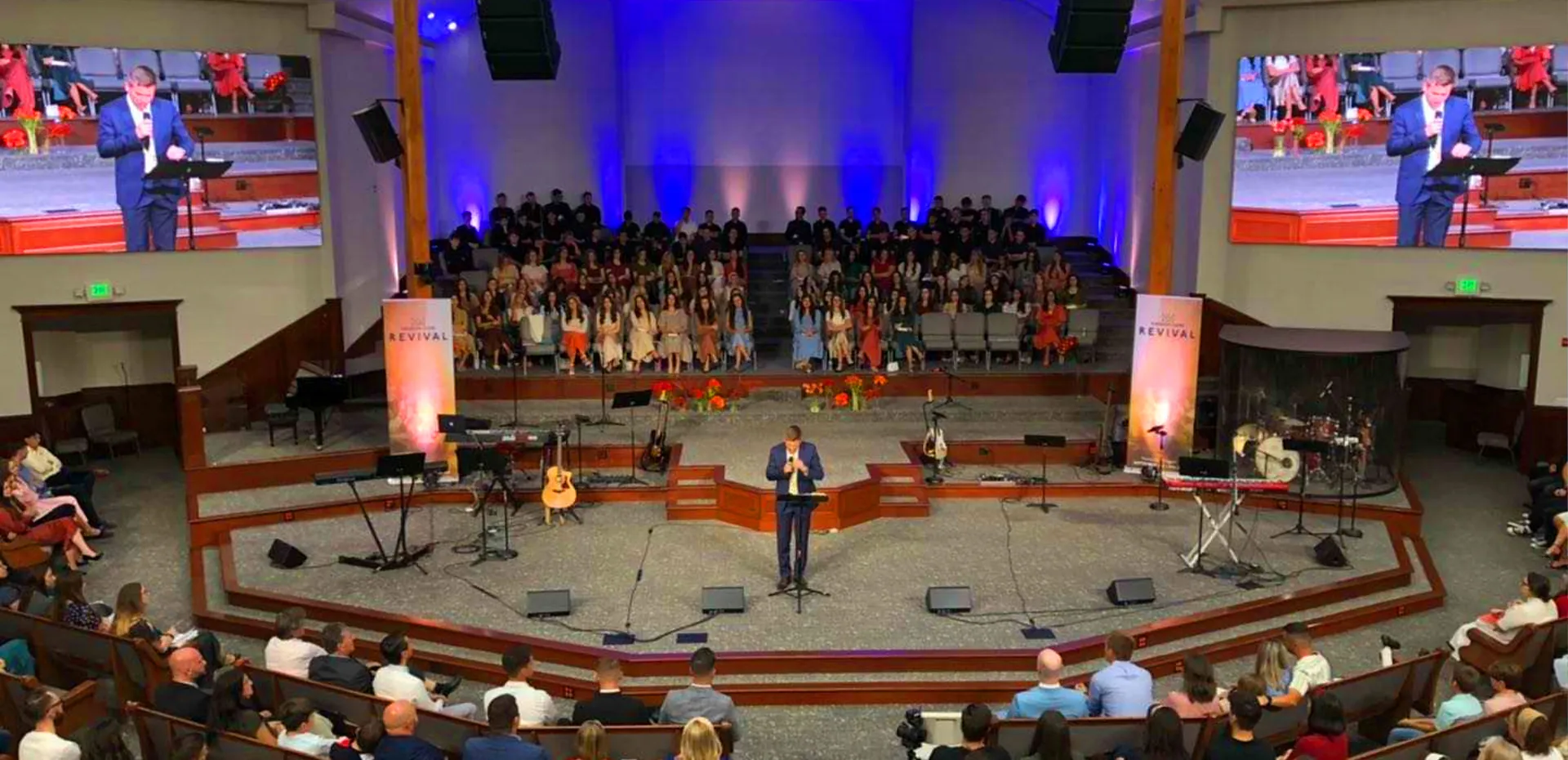






Glass façades serve several purposes at once: they bring daylight indoors, preserve exterior views, and contribute to a building’s visual identity. Adding digital signage can enhance communication, yet the display format needs to respect those existing functions. We at LEDFUL examine flexible transparent LED film display technology alongside conventional rigid solutions by looking at installation conditions, visual transparency, structural requirements, and long-term operation rather than treating one format as universally suitable.

Understanding The Two Display Formats
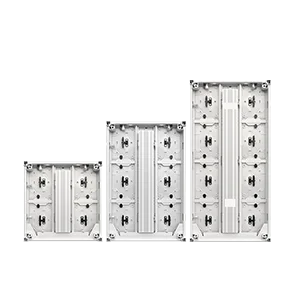
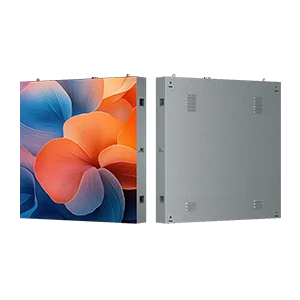
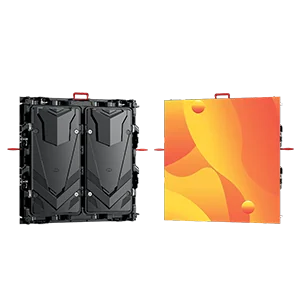
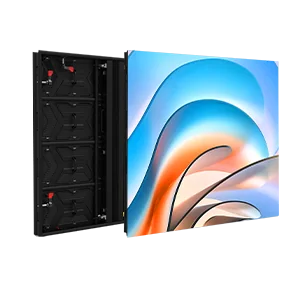
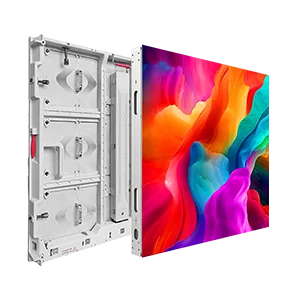
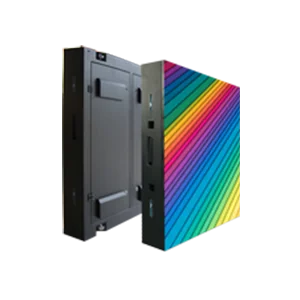
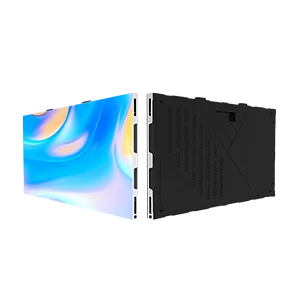
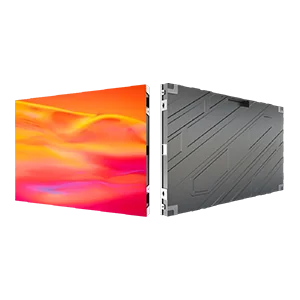
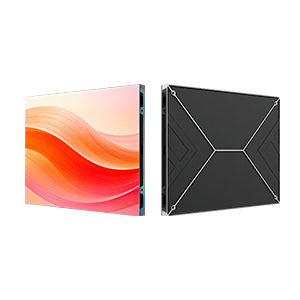
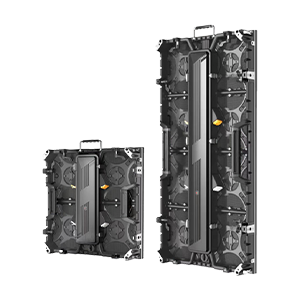
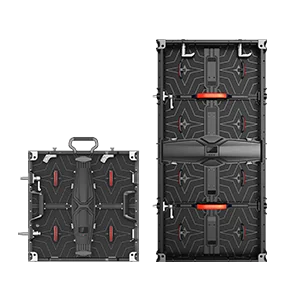
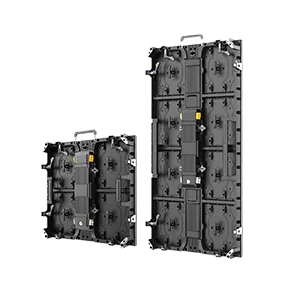
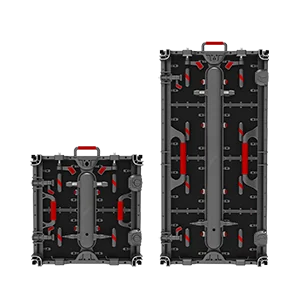
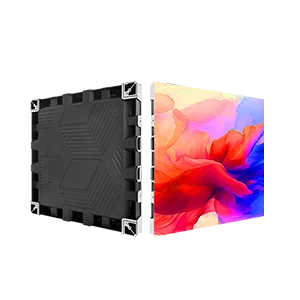
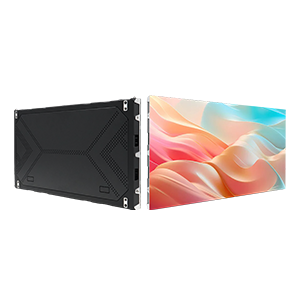
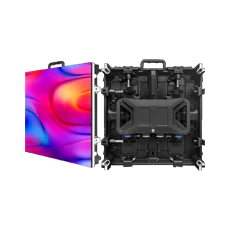
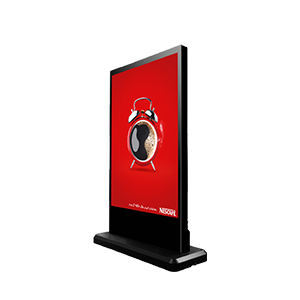
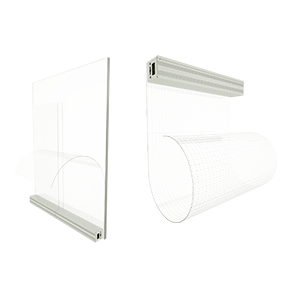
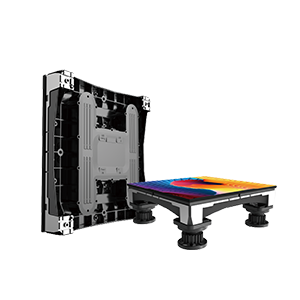
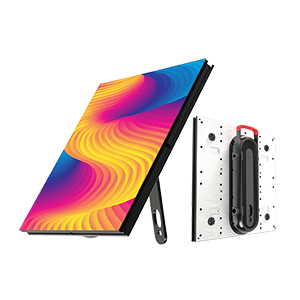
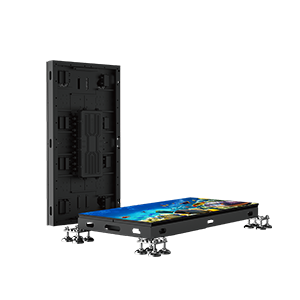
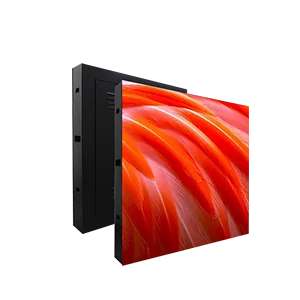
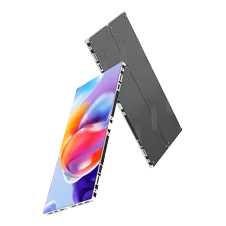
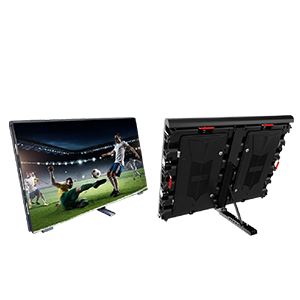
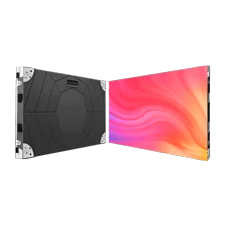
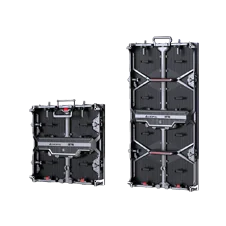
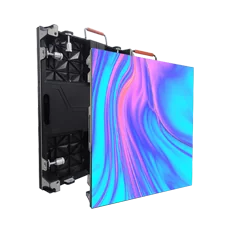
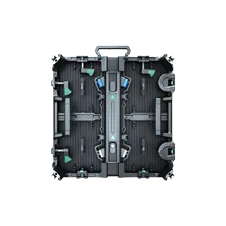
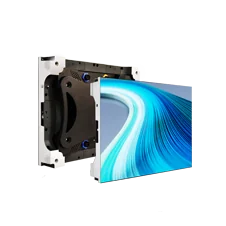
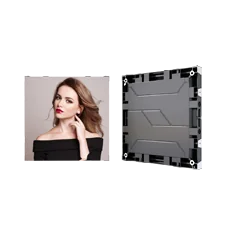
Rigid LED panels rely on framed cabinets or modular structures that maintain a defined physical shape. Their construction can provide structural stability and make them suitable for larger installations where dedicated mounting frameworks are available. The trade-off comes from the additional hardware required around the display.
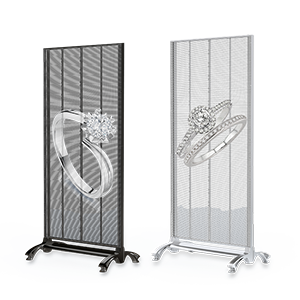
Film-based systems take a different physical approach. Their thin structure can sit closer to glass, which may help preserve the original appearance of a storefront or façade. Installation requirements vary considerably, however, so the glass type, surface condition, access method, and electrical arrangement should be assessed before deployment.
The distinction becomes particularly relevant in renovation projects. A transparent LED screen installed on an existing façade may need to work around mullions, windows, doors, and other architectural features. The fewer structural changes a project requires, the more important physical profile and attachment method become.
Installation And Structural Considerations
Mounting conditions often determine which display architecture makes practical sense. Rigid cabinets generally require a supporting frame, brackets, or other engineered structure capable of carrying their weight. Such arrangements can work well in purpose-built installations where the building has sufficient space for supporting components.
Film-based displays can offer different possibilities because their reduced physical profile allows them to sit directly against suitable glass surfaces. Installation teams still need to consider adhesion, surface cleanliness, cable placement, power access, and future removal. Simplicity at the display surface does not remove the need for proper engineering around the system.
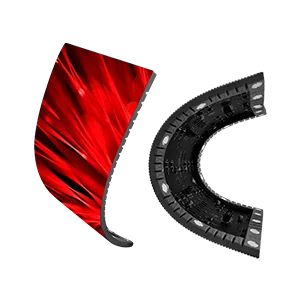
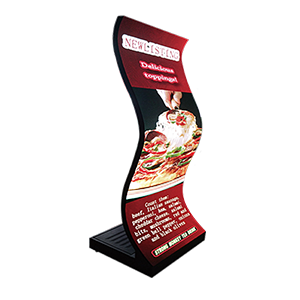
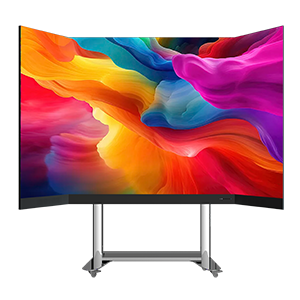
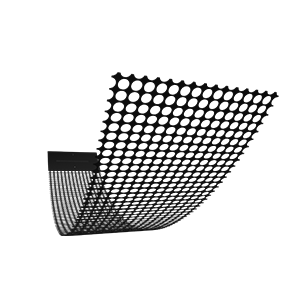
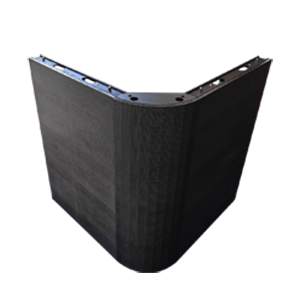
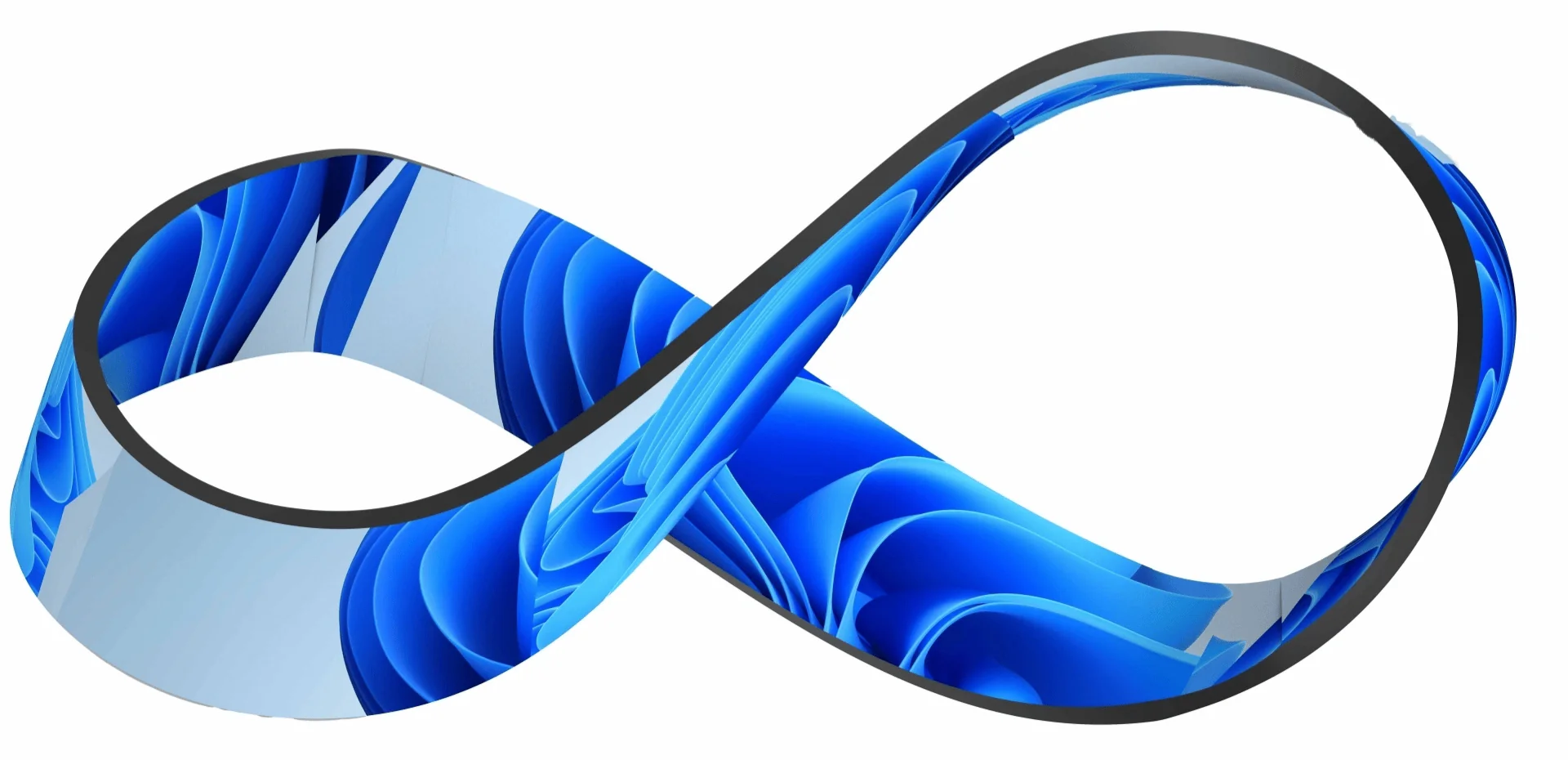
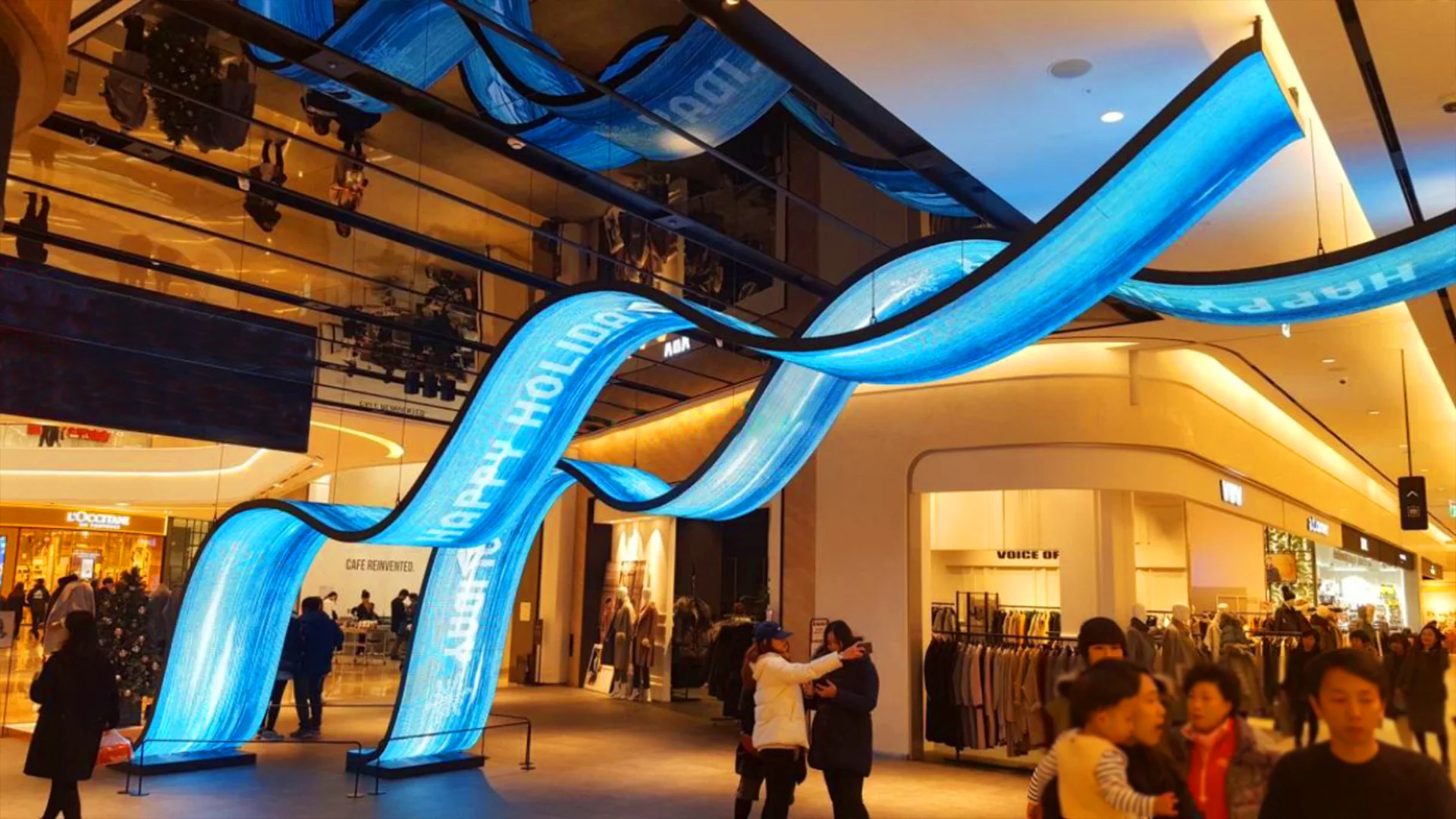
For projects involving curved or irregular glazing, flexibility becomes even more significant. A flexible transparent LED film display can adapt more naturally to certain architectural surfaces than a rigid cabinet, while rigid panels may be more appropriate where a dedicated flat support structure already exists.
Transparency And Daylight Performance
Visual transparency is not merely an aesthetic feature. It affects how much daylight enters a building and whether people inside can continue to see through the glass. Retail stores, hotels, airports, and commercial buildings may have different priorities depending on how their windows function throughout the day.
Content brightness must also correspond to ambient conditions. Strong sunlight can reduce perceived contrast, whereas excessive brightness during darker periods may overpower the surrounding architecture. Brightness management should account for façade orientation, local daylight, viewing distance, and operating hours.
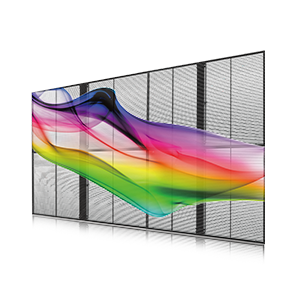
A transparent LED screen can be particularly useful when communication needs to coexist with an unobstructed architectural background. Designers should examine both the display image and the underlying space during testing, since an installation that looks appropriate in isolation may appear quite different once viewed against real interiors and exterior surroundings.
Product Characteristics In Practice
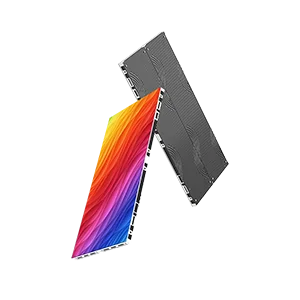
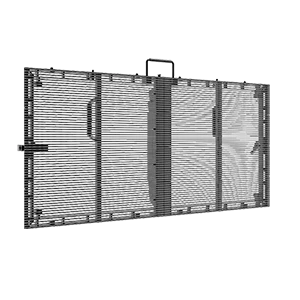
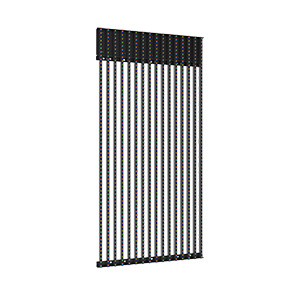
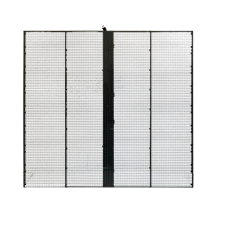
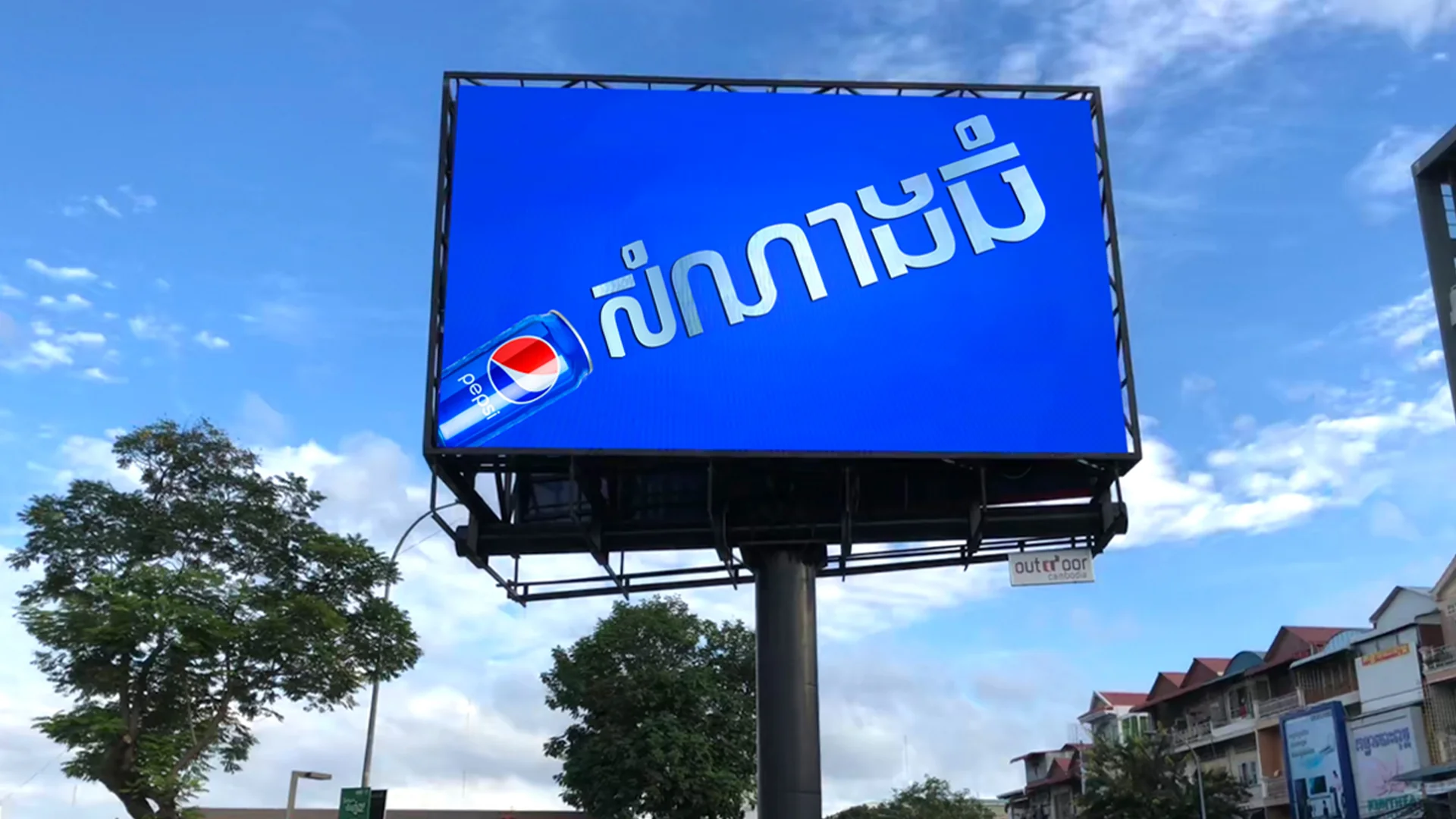
The ST Series is an outdoor strip transparent LED mesh display built with aluminum profile LED panels and available with either DIP LED or SMD LED configurations. It offers brightness from 6000 to 10000 nits and an IP68 weather-resistance rating, making its stated specifications relevant to exposed façade applications where strong daylight and changing weather conditions need to be considered.
Its design illustrates why display selection should begin with the site rather than the visual effect alone. Outdoor glazing may face rain, dust, direct sunlight, and temperature changes, while the supporting structure may impose its own dimensional constraints. Electrical routing and maintenance access should be planned alongside the screen layout.
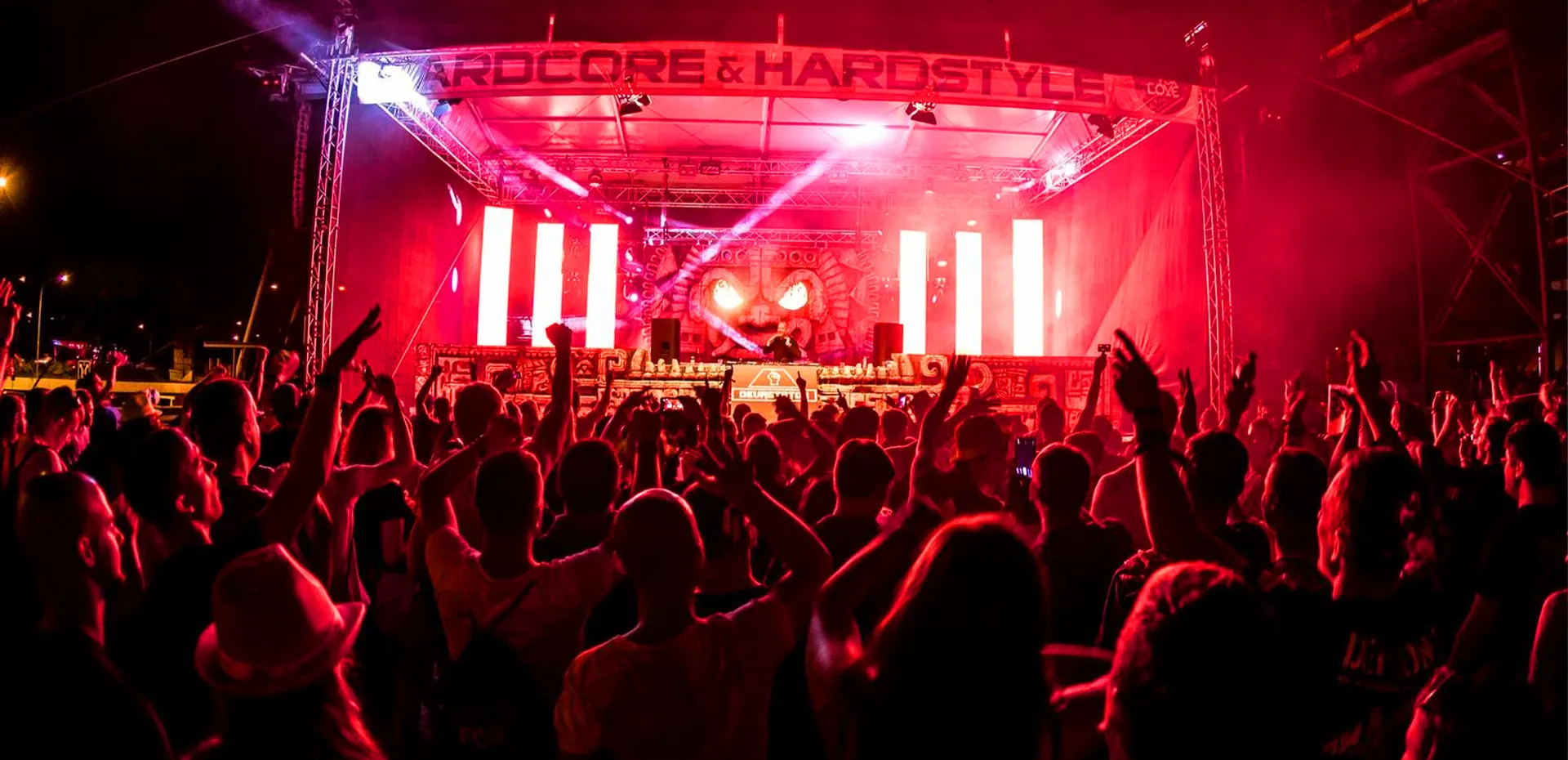
Application requirements can differ considerably between a retail window, an airport façade, and an entertainment venue. The appropriate configuration depends on exposure, viewing distance, mounting conditions, content requirements, and how much of the original glass function needs to remain visible.
Comparing Maintenance And Lifecycle Needs
Maintenance access can influence the total practicality of a façade display. Rigid cabinets may provide familiar module-level service procedures, particularly where technicians can access the front or rear of the structure. The surrounding frame, however, can affect how easily those components are reached.
Film-based systems introduce a different service environment because the display is closely integrated with the glass surface. Technicians may need to consider adhesive condition, film segmentation, wiring routes, and access to power components. Maintenance planning should begin during the design stage rather than after installation.
Lifecycle planning also includes removal and reinstallation. Temporary retail campaigns may have different requirements from permanent architectural media. A flexible transparent LED film display can be considered where minimal visual obstruction and close integration with glass are priorities, while more conventional structures may suit projects with dedicated display infrastructure.
Conclusion
Glass façades leave little room for hardware decisions made without architectural context. Film systems can provide close integration with glazing, while rigid panels offer structural characteristics that may suit purpose-built installations. We at LEDFUL assess these differences through installation conditions, daylight requirements, environmental exposure, maintenance access, and lifecycle expectations. With those variables clearly defined, transparent LED screen technology can be evaluated according to the actual demands of the façade, and the role of a flexible transparent LED film display becomes easier to understand within the wider design.