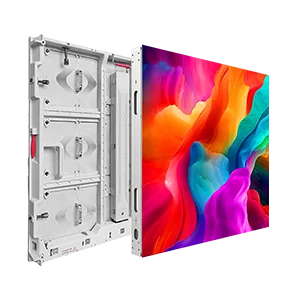
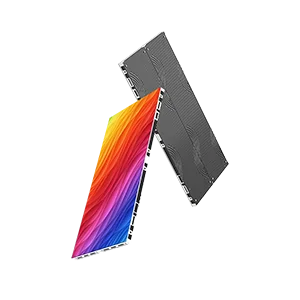
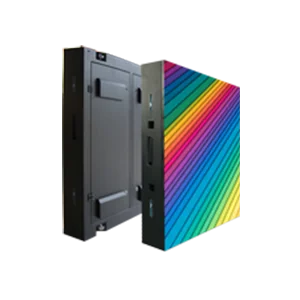
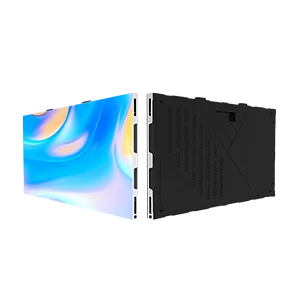
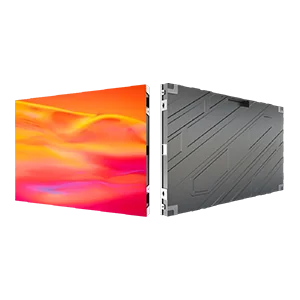
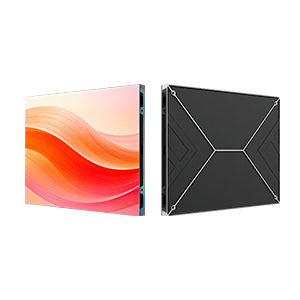
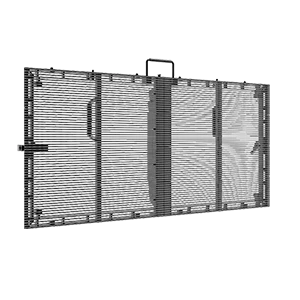
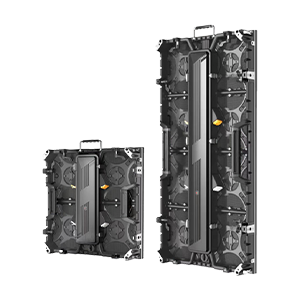






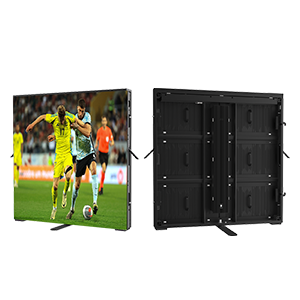
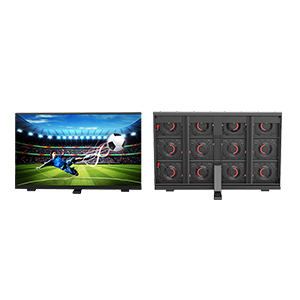
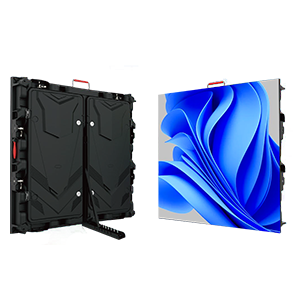
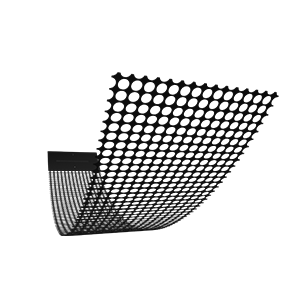

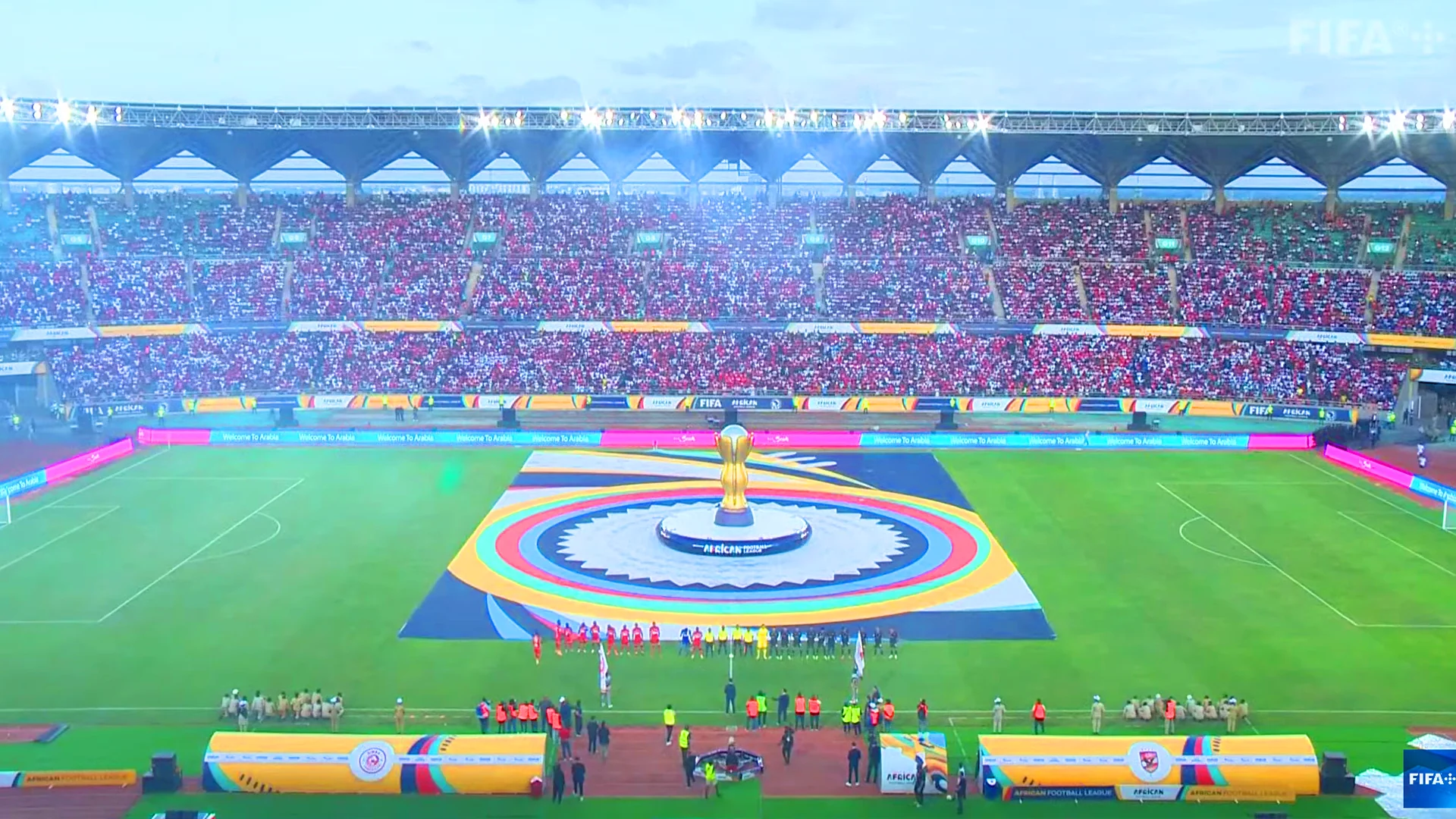
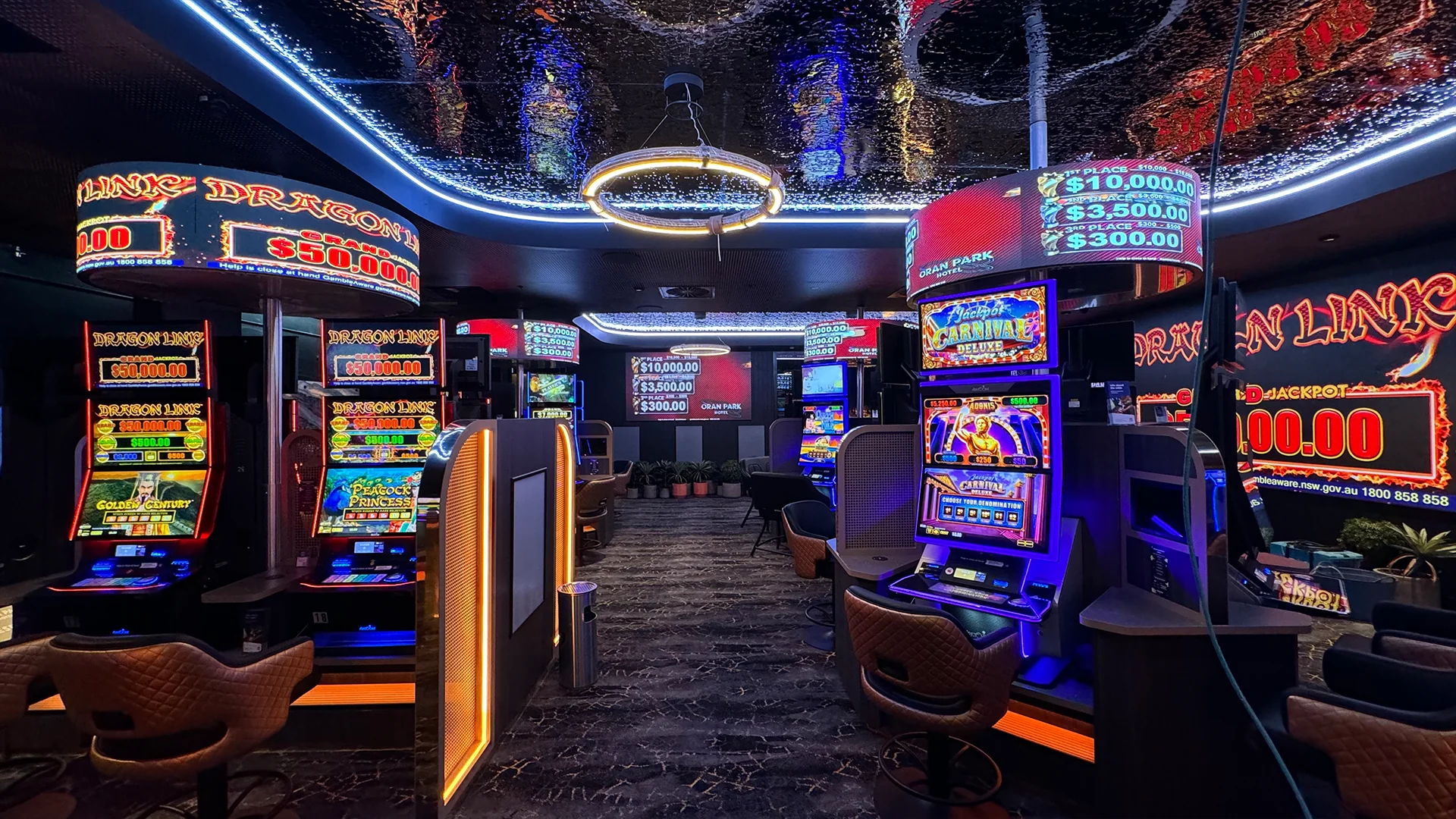
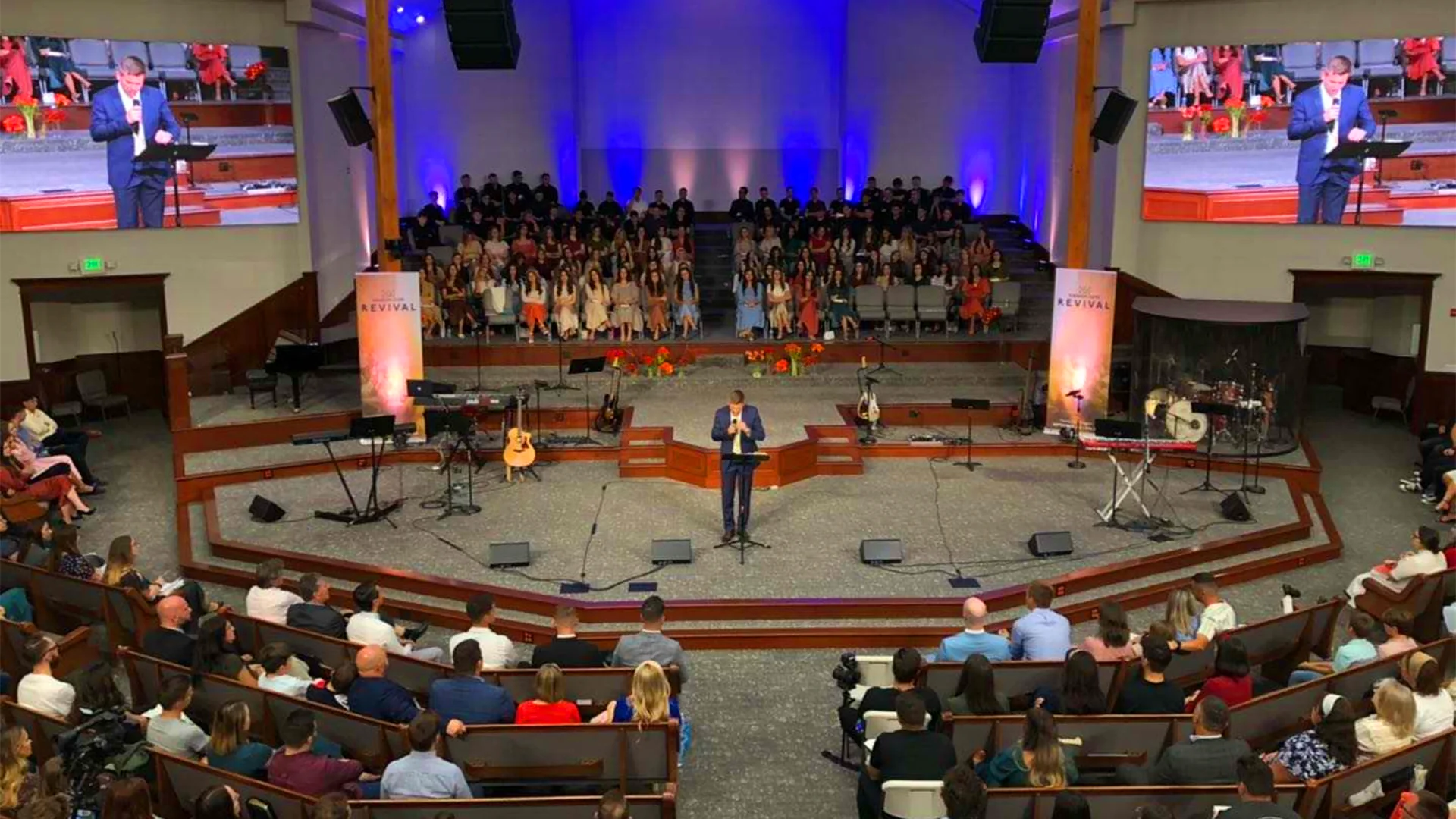
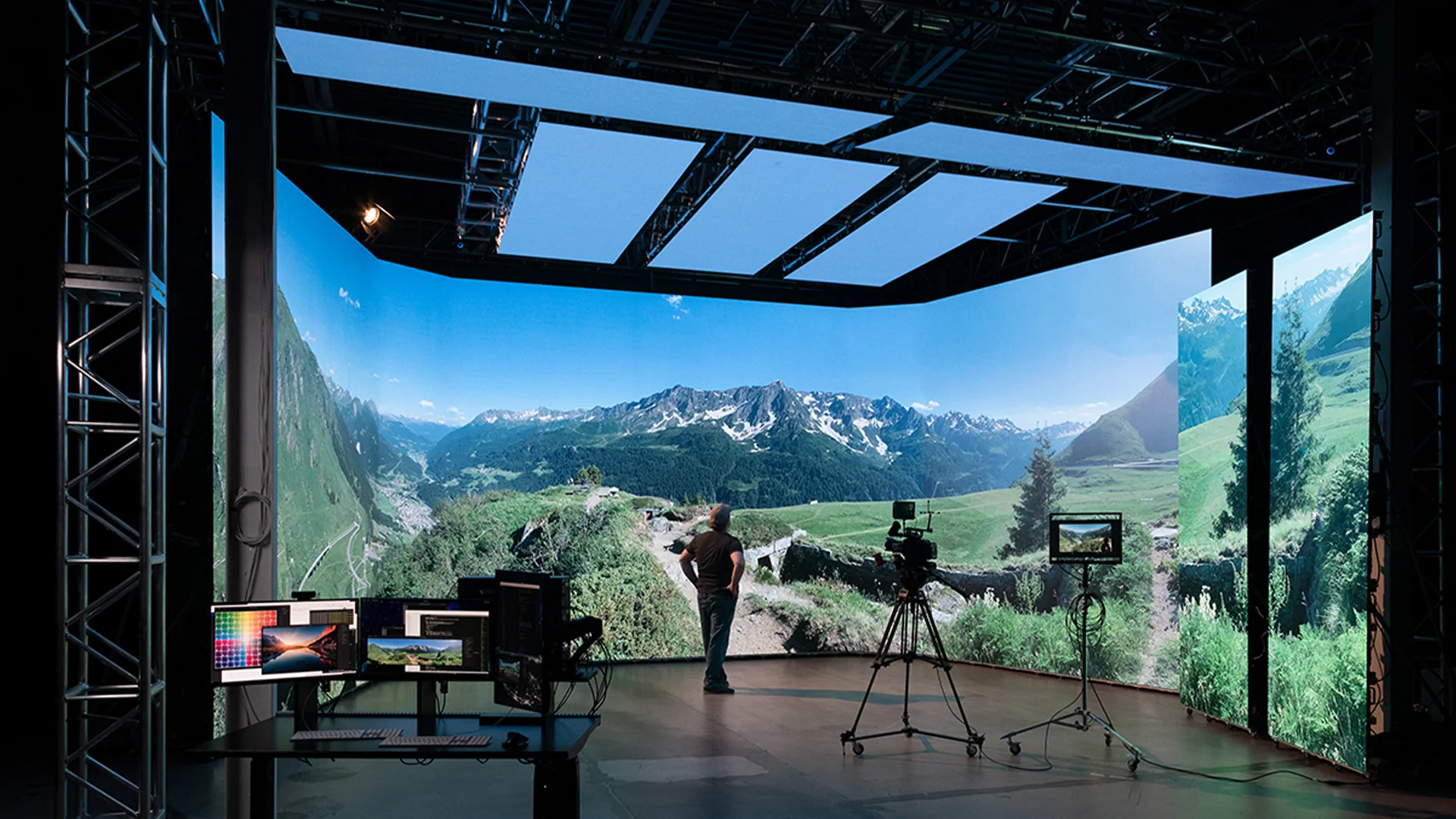






Large outdoor screens represent a substantial technical and financial commitment, yet purchasing decisions are sometimes made from a short specification list and an attractive quotation. That approach can leave important questions unanswered about environmental protection, service access, content performance, and long-term operation. At LEDFUL, we believe buyers can make more informed decisions by examining how an outdoor LED display manufacturer approaches engineering, documentation, customization, and after-sales support rather than focusing on price alone.
Looking Beyond The Quotation
Price comparisons become misleading if suppliers calculate project scope differently. One quotation may include cabinets, control equipment, spare modules, installation guidance, and testing, while another may cover only the display hardware. Comparing the final numbers without checking what each package contains can create unexpected costs later.
Specification sheets also deserve closer attention. Brightness, pixel pitch, refresh rate, protection rating, viewing angle, cabinet dimensions, and power consumption describe different aspects of performance. None of these figures should be interpreted in isolation, because the relevant combination depends on viewing distance, sunlight exposure, screen size, and operating hours.
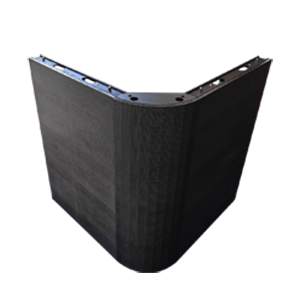
Another common mistake is treating customization as a simple cabinet-size request. Structural conditions, power distribution, maintenance access, content requirements, and installation methods may all influence the final configuration. A suitable LED display solution begins with project requirements rather than a generic product list.
Checking Outdoor Performance Properly
Outdoor displays face rain, dust, sunlight, temperature changes, and wind. Protection ratings provide useful information about resistance to environmental exposure, but buyers should also ask how the cabinet, connectors, seals, drainage paths, and supporting structure work together under actual site conditions.
Brightness presents a similar issue. Higher brightness can improve daytime visibility, yet excessive output may increase energy consumption and affect nighttime viewing. A better assessment considers ambient light, viewing distance, automatic brightness adjustment, content type, and local operating conditions instead of using one brightness figure as the sole reference.
Thermal behavior is another area that can be overlooked during procurement. Heat generated by LEDs, power supplies, and electronic components needs an appropriate path away from sensitive parts. The outdoor LED display manufacturer should be able to explain the thermal design and the maintenance implications rather than providing only a headline specification.
Avoiding Weak Maintenance Planning
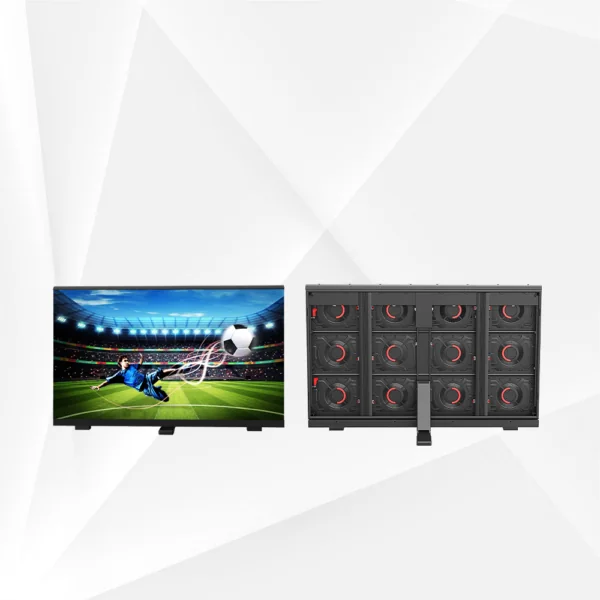
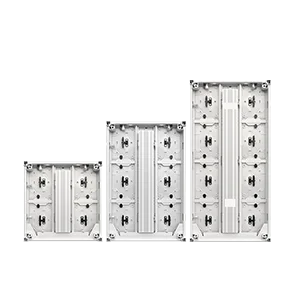
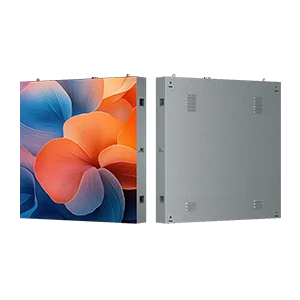
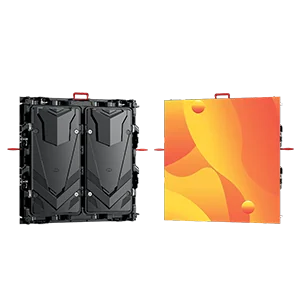
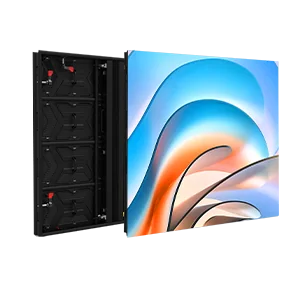
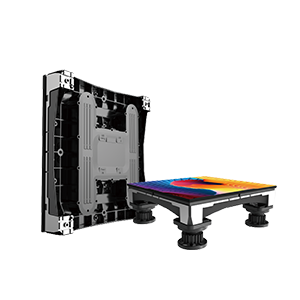
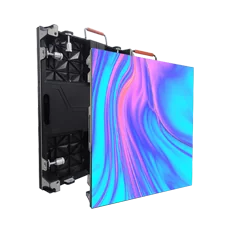
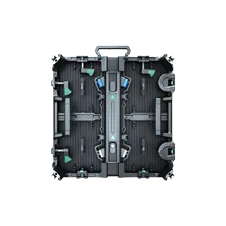
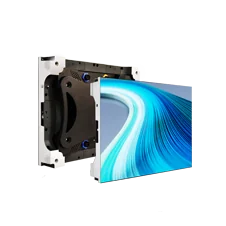
Service access can have a major effect on operating costs. Screens installed against walls or on building façades may offer limited rear access, making front maintenance valuable. Buyers should determine how modules, power supplies, receiving components, and cables can be reached before the display is installed.
Spare-parts planning deserves equal consideration. A project may operate for years, and individual components can eventually require replacement. Keeping suitable spare modules and electronic parts available can shorten service interruptions, particularly for installations that operate for long hours or occupy highly visible locations.
Documentation should not be treated as administrative paperwork. Cabinet maps, wiring diagrams, control-system information, maintenance instructions, and component identification records help technicians diagnose faults with less guesswork. At LEDFUL, we incorporate these practical considerations into our outdoor LED display solution discussions because serviceability influences the real operating experience.
Evaluating Content And Control Requirements
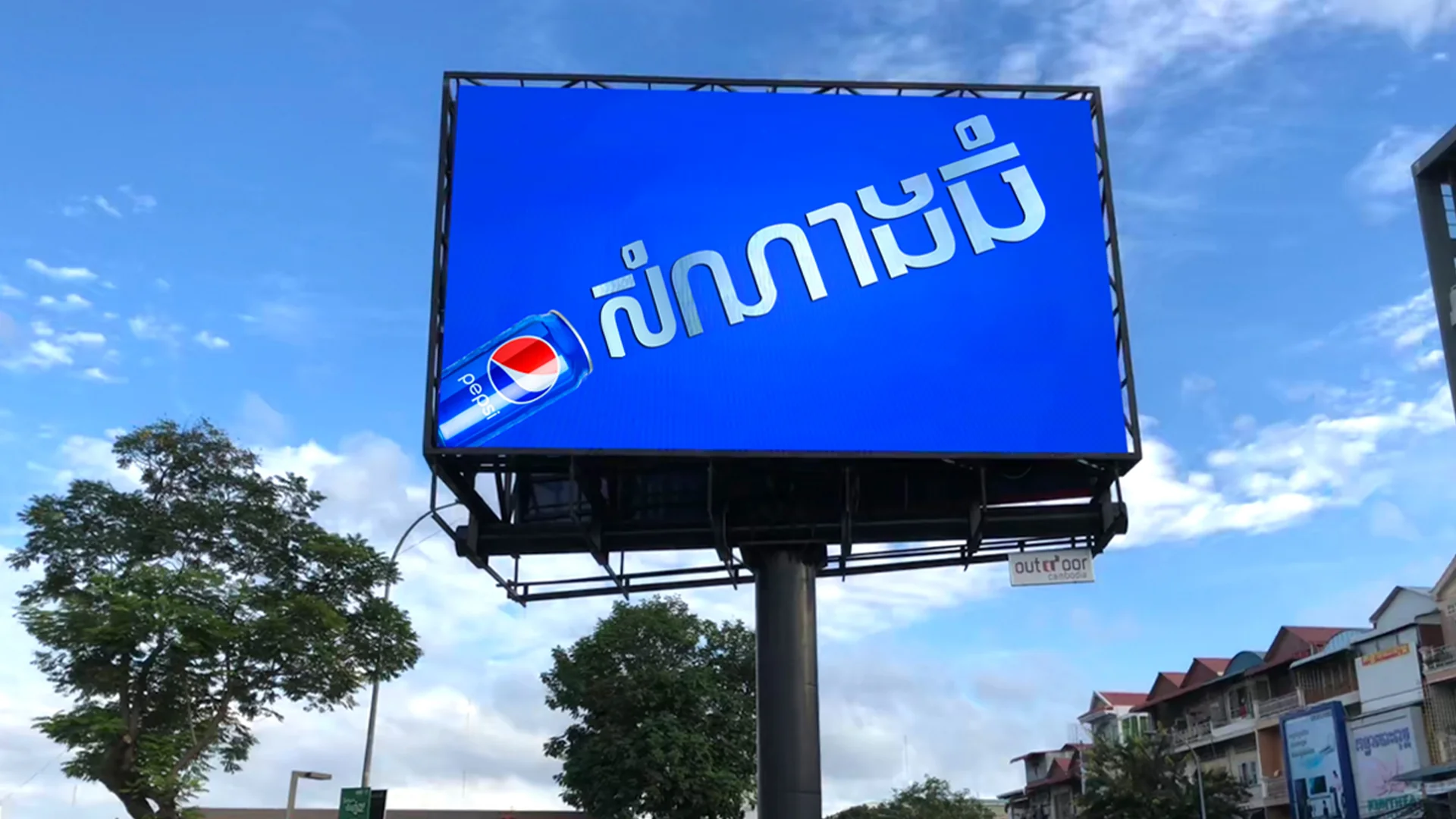
Static advertising is only one possible use for an outdoor digital screen. Video, animation, live information, promotional campaigns, public announcements, and scheduled content can all require different playback and control capabilities. Procurement teams should identify the intended content before finalizing the display configuration.
Real-time updates also depend on the control architecture behind the screen. Network connectivity, content management, scheduling, user permissions, monitoring, and backup procedures can become important once multiple displays or frequent updates are involved. Hardware alone does not define the communication capability of the system.
Interactive functions require still more planning. Touch interaction, sensors, cameras, mobile connectivity, or audience-response features may involve additional equipment and software integration. Discussing these requirements early helps an outdoor LED display manufacturer understand whether the project needs a conventional advertising screen or a more integrated digital communication platform.
Assessing Supplier Capability And Project Support
Buyers should examine how a supplier handles technical questions before placing an order. Clear responses about specifications, environmental conditions, installation requirements, testing procedures, and maintenance indicate that the discussion is centered on the actual project rather than a standard sales package.
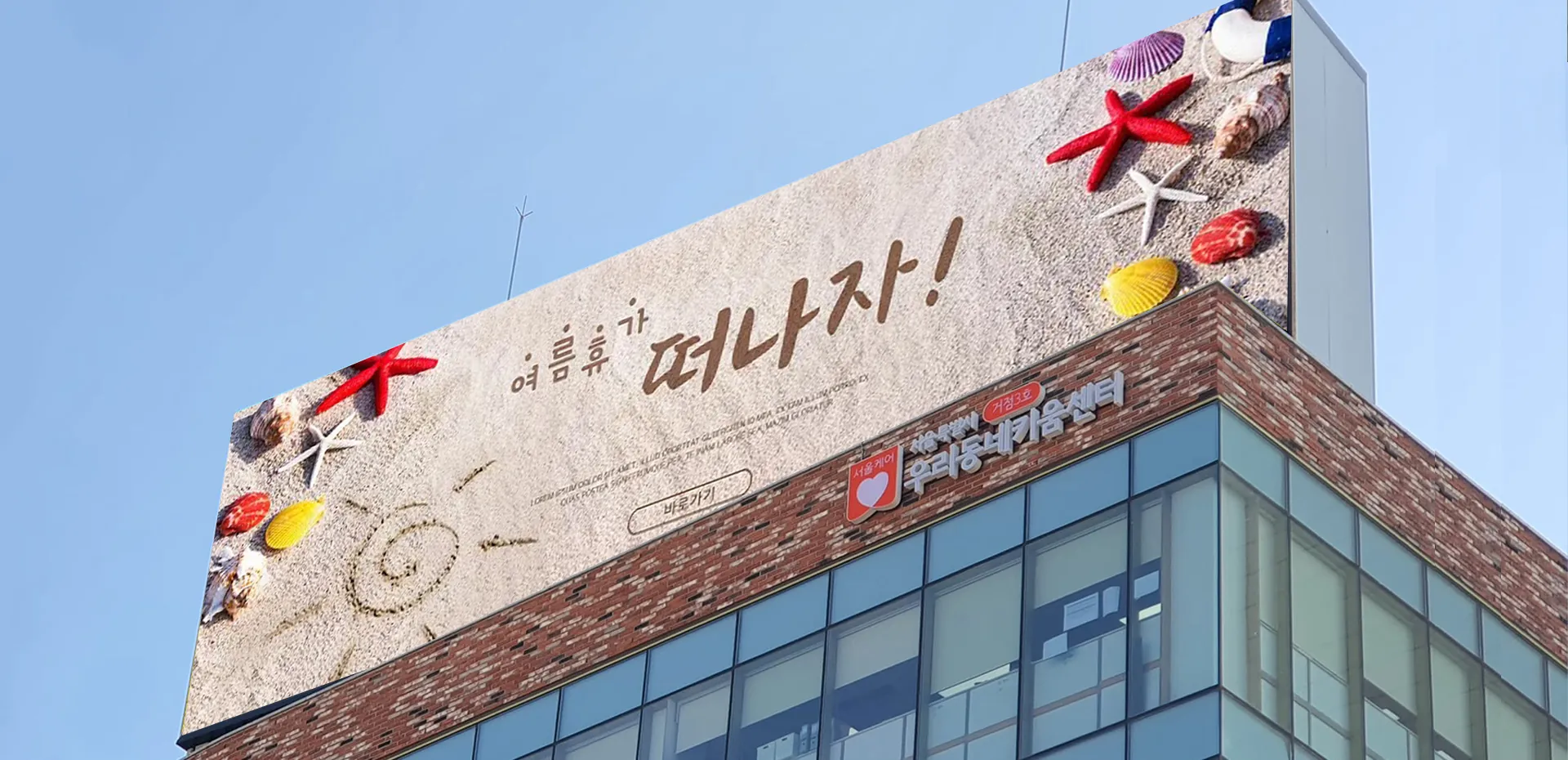
Reference projects can also provide useful context, particularly if they share similar environmental or architectural conditions. A screen designed for a sheltered commercial area may face very different requirements from one installed on a high-rise façade or exposed roadside structure. Relevant experience is more informative than a long list of unrelated installations.
After-sales support deserves attention before the contract is signed. Warranty terms, response procedures, spare-parts availability, remote diagnostics, technical documentation, and training can all affect how efficiently a site team handles future issues. Our team at LEDFUL treats supplier support as part of the overall LED display solution, not as something that begins only after a fault appears.
Conclusion
Buying an outdoor LED system involves more than finding suitable pixel specifications and accepting the lowest quotation. Environmental exposure, structural conditions, content requirements, service access, spare parts, control architecture, documentation, and supplier support all shape the project’s long-term practicality.
Careful buyers can reduce uncertainty by asking suppliers to explain how each specification connects with the intended application and site conditions. LEDFUL approaches every outdoor LED display manufacturer discussion from that project perspective, giving technical requirements and operational realities equal attention throughout the process.