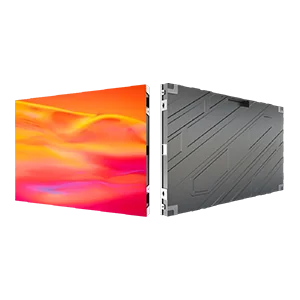
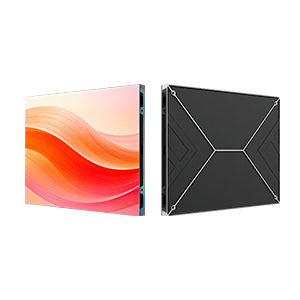



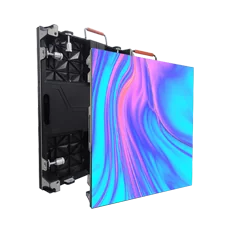
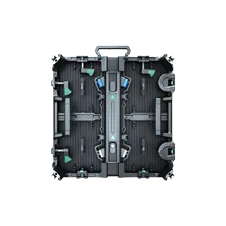
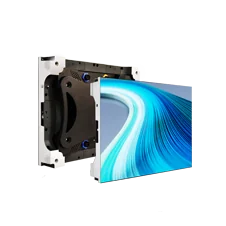
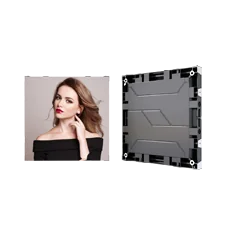















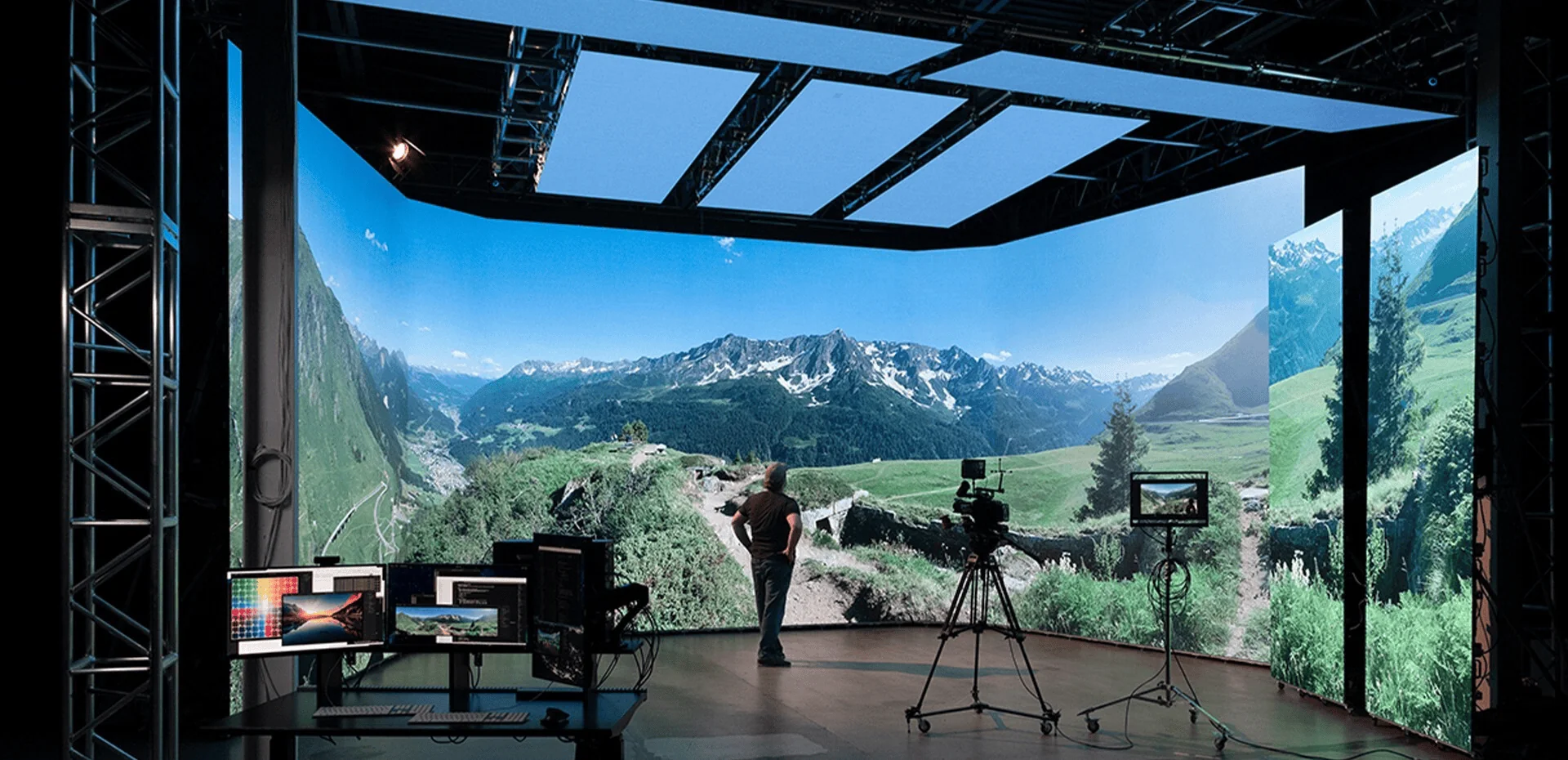
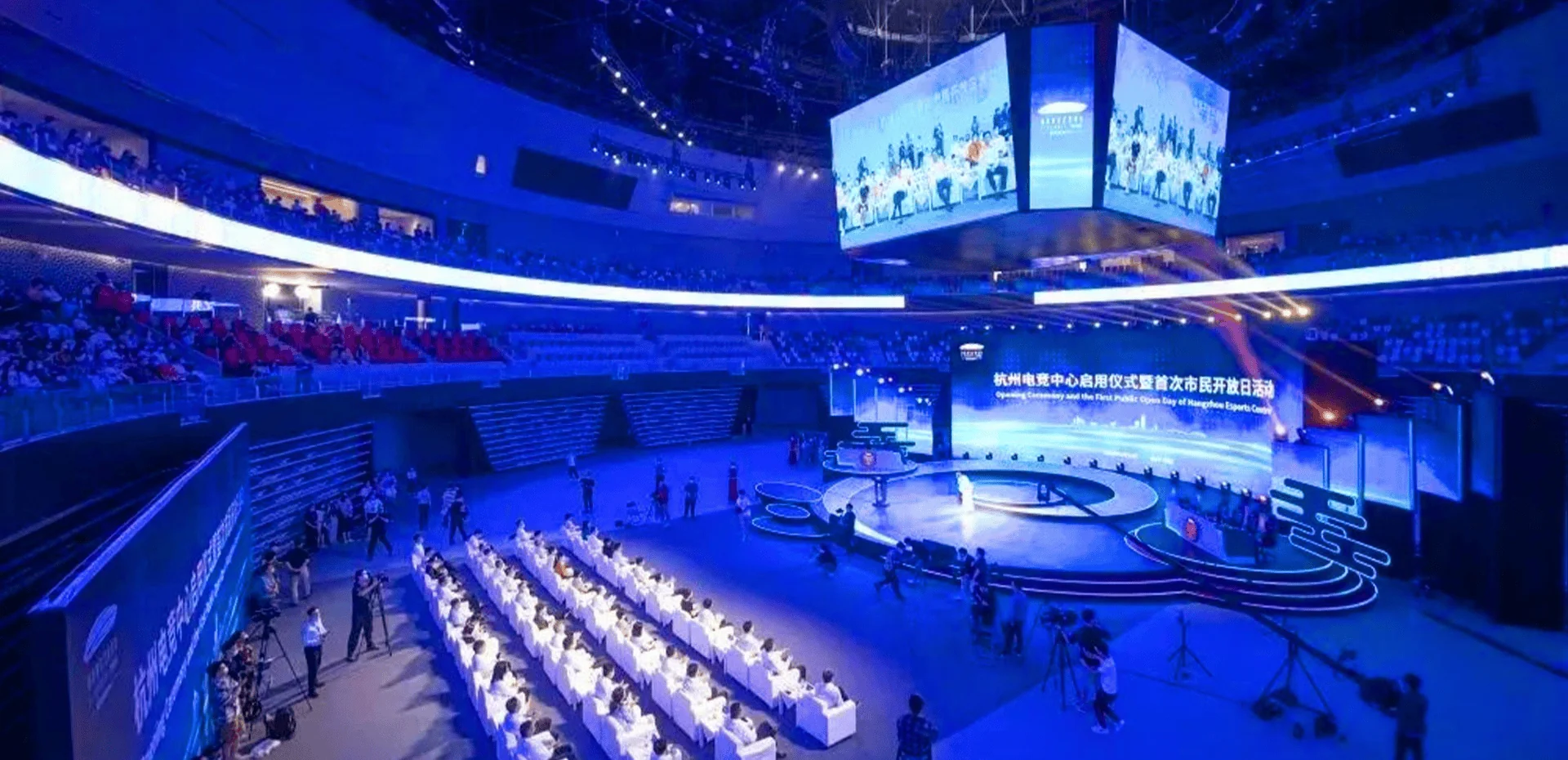

High-resolution video walls are capital investments. Yet, facility managers frequently encounter a maddening issue: tiny black dots appearing randomly across their expensive digital canvases. In fine-pitch setups, even a single dead pixel disrupts the visual uniformity required for broadcast studios and corporate control rooms. Finding a long-term solution to this chronic degradation requires reevaluating how manufacturers assemble these microscopic light engines.
The commercial industry is currently experiencing a shift in electronic architecture to solve this exact vulnerability. Integrators are rapidly moving away from legacy soldering techniques, favoring the robust engineering of a chip on board LED display.
By fundamentally altering the physical relationship between the light-emitting diode and the printed circuit board, this advanced packaging approach can reduce the risk of certain types of premature pixel failure.
The Mechanical Fragility of Legacy SMD Architecture
To grasp this technological leap, we should first examine the inherent physical flaws of traditional Surface Mounted Device architecture. In conventional SMD LED displays, individual LED chips are packaged into separate surface-mount LED devices, which are then soldered onto the PCB through their electrical contacts.
These fragile, exposed solder joints represent a critical mechanical weak point. As pixel pitches shrink below two millimeters to achieve higher resolutions, these mounting feet become microscopically thin.
A minor accidental scrape from a technician’s sleeve during routine installation instantly breaks these delicate connections. The physical friction shears the bracket off the board.
Furthermore, this exposed structural design allows ambient moisture to penetrate the vulnerable soldering points easily. Over time, fluctuating indoor humidity corrodes the metal, causing the electrical connection to sever silently. This chemical breakdown results in a sudden, unexplainable blackout of that specific pixel.
The Structural Paradigm Shift of a COB LED display
Advanced packaging discards this vulnerable bracket system. Instead of utilizing intermediate plastic housings and external mounting feet, modern production machines bond the raw, bare semiconductor chips into the printed circuit board substrate.
This direct integration reduces the number of conventional SMD package solder joints and removes the exposed package structure found in traditional SMD designs. Once the chips are securely wired into the board, engineers pour a thick layer of specialized, high-grade epoxy resin over the entire diode array.
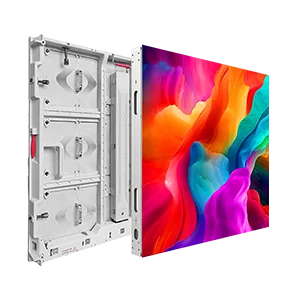
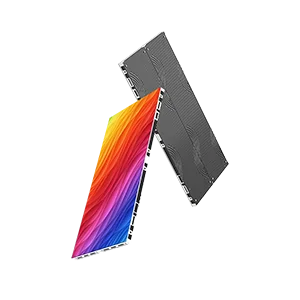
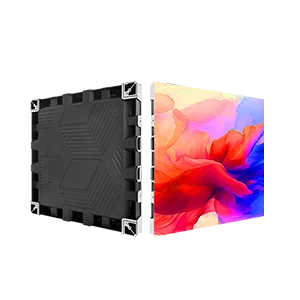
This protective resin cures into a solid, impenetrable optical armor. A COB LED display essentially becomes a single, unified block of hardware. The microscopic light sources are sealed away from external physical threats.
This smooth, hardened surface effortlessly repels accidental physical impacts that would normally destroy a traditional setup. It also provides an rigorous defense against dust accumulation and moisture intrusion. It can significantly reduce the exposure of vulnerable electrical connections to moisture and other environmental contaminants, lowering the risk of corrosion-related failures.
Thermal Dynamics and Continuous Stability
Mechanical damage is only one half of the failure equation. Thermal stress acts as a silent killer for high-density electronic equipment.
Thermal performance depends on the package structure, thermal path, PCB design, and overall cabinet cooling system. Conventional SMD packages introduce additional interfaces between the LED chip and the PCB, while COB architectures can provide a more direct thermal path from the chip to the substrate. This heat accelerates the degradation of the light-emitting materials.
Direct bonding technology revolutionizes this internal thermal transfer process. Because the bare chip sits flush against the metallic circuit board without plastic barriers, the printed circuit board itself acts as a, highly efficient heat sink.
Thermal energy can be transferred more efficiently away from the LED chip when the thermal path is properly designed. It disperses rapidly through the rear of the cabinet chassis. This superior thermal efficiency keeps the core operating temperatures remarkably low, preventing premature pixel burnout during continuous operations.
Cooler microchips inherently run more stably and consume less electrical power. By aggressively managing thermal loads, this architectural shift boasts a significantly extended operational lifespan for the entire digital network.
Securing Precision at a Professional LED display factory
Executing this direct-bonding methodology demands extreme environmental control and sophisticated robotic automation. The complex epoxy encapsulation process should occur in a pristine, dust-free cleanroom.
Any microscopic impurity trapped beneath the resin during manufacturing can permanently ruin the visual output. Therefore, partnering with a highly capable LED display factory is mandatory for securing genuine operational reliability and visual purity.
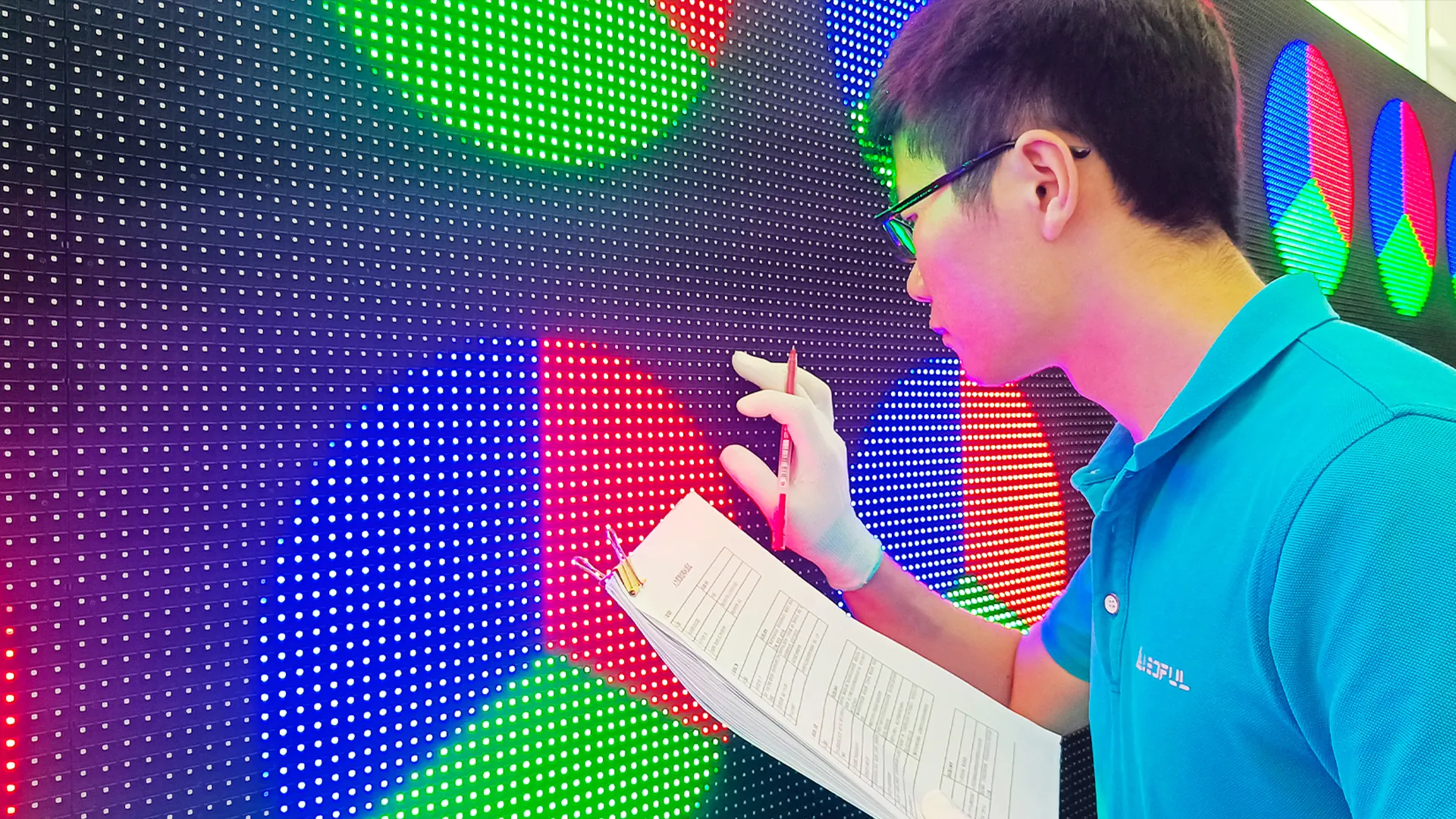
At LEDFUL, our manufacturing facilities adhere to rigorous quality control protocols. We implement exact color calibration and strict aging tests across all our production lines. Our precision manufacturing ensures that every bonded module delivers high-quality uniformity before it ships.
Integrating Resilient Hardware into Your Venue
We align these resilient electronic architectures with practical, real-world deployment scenarios. When navigating our products, corporate buyers discover hardware engineered specifically for commercial durability and rapid deployment.
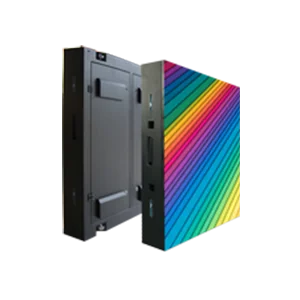
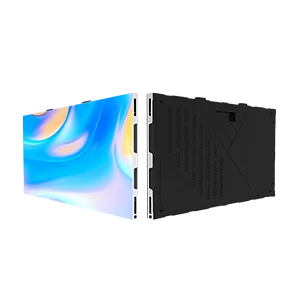
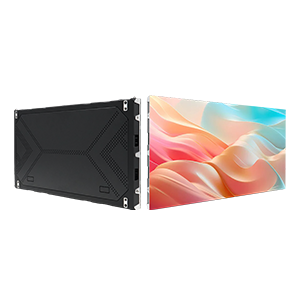
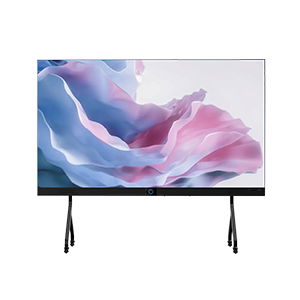
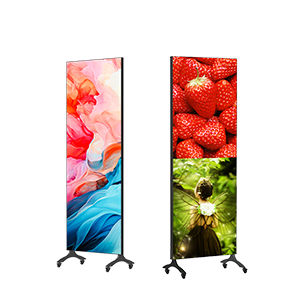
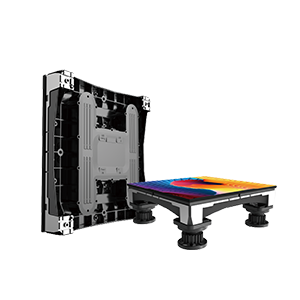
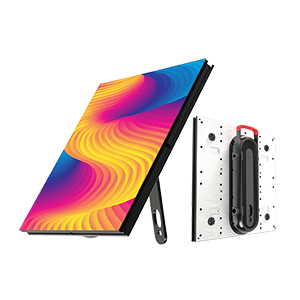
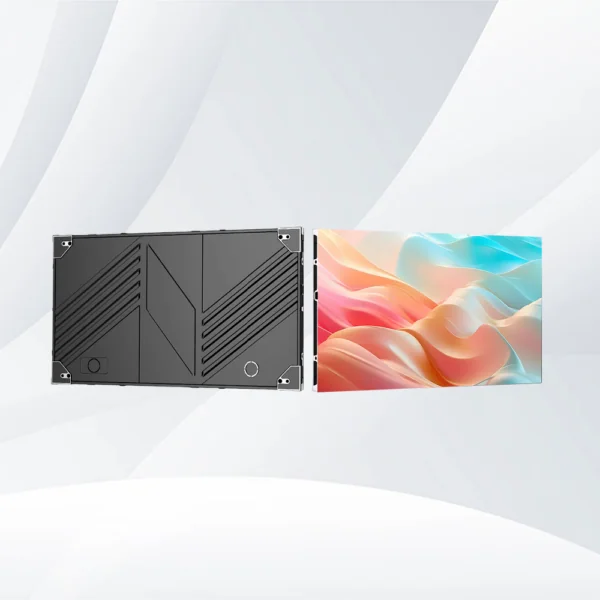
For COB display technology, our COB product range uses chip-on-board packaging that mounts LED chips directly on the PCB and seals them with epoxy resin. This construction eliminates exposed solder joints — a common point of failure in traditional SMD displays — helping to reduce pixel failure rates.
The encapsulated surface provides protection against dust, moisture, and physical impact, making COB displays suitable for 24/7 control room operation, broadcast studios, and high-traffic indoor environments.
For organizations prioritizing energy-saving performance alongside rigorous long-term durability, the COB series provides a highly stable, cost-effective digital foundation for prolonged operational demands.
Procurement requires rigorous validation. To help clients verify our hardware resilience safely, we offer flexible order quantities tailored to your project scale.
This flexible policy empowers your IT team to conduct rigorous physical durability tests without upfront capital risk. We stand behind our products with solid warranty protection and reliable after-sales support, including free professional consultation.