



























Have you ever wondered why facility managers treat premium digital screens with extreme paranoia during routine commercial housekeeping? Traditional visual infrastructure requires delicate, contactless dusting to prevent catastrophic pixel damage. However, advanced encapsulation technologies have rewritten these strict facility management rules. This shift saves thousands in repair bills annually.
If your corporate control room or broadcast studio utilizes a COB LED wall, the physical vulnerabilities change. You no longer need to fear accidental mechanical impact during daily upkeep. Understanding the unique material science behind this hardened surface reveals a surprisingly straightforward, yet highly specific, protocol for safe digital preservation.
Decoding the Resin Shield Advantage
To understand proper surface care, you should analyze the physical barrier protecting your electronic investment.
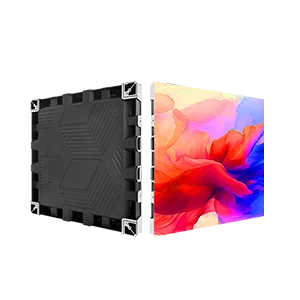
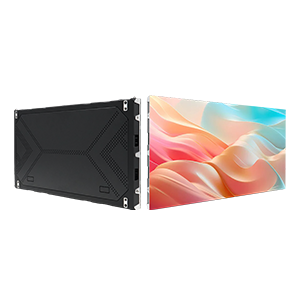
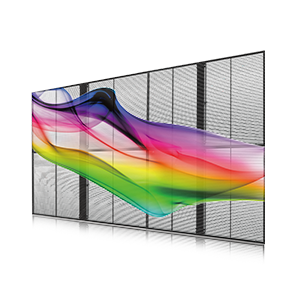
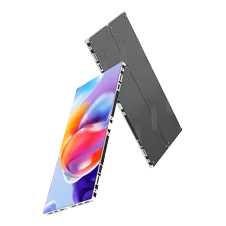
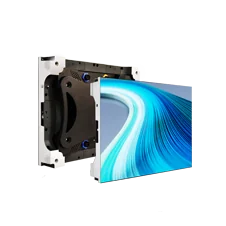
Older screen generations leave microscopic diodes exposed to the open environment. In stark contrast, chip-on-board architecture seals the bare semiconductor chips beneath a dense, continuous layer of cured epoxy resin. This transparent armor fuses the entire digital canvas into a single, unified plane.
This hardened exterior transforms a fragile COB LED display into a highly resilient architectural element. It inherently repels moisture, dust, and minor mechanical friction.
Where ESD protection is required by the manufacturer’s maintenance instructions, use ESD-safe or anti-static cleaning tools and follow the appropriate grounding procedures. Your maintenance team can physically touch the hardware without triggering immediate hardware failure.
The Priority of Static-Free Dry Sweeping
Despite this impressive mechanical toughness, invisible electrical threats still exist within your corporate environment.
The most significant danger during routine upkeep is not physical scratching, but electrostatic discharge. Standard synthetic janitorial dusters generate amounts of static electricity as they drag rapidly across the epoxy resin.
When this accumulated charge transfers into the digital facade, it can instantly fry the internal microchips hidden beneath the protective layer. Therefore, zero-static tools are mandatory for daily operations.
Facility crews should exclusively utilize anti-static microfiber cloths or soft-bristled, ESD-safe brushes. Gently wipe the surface horizontally to remove loose airborne particulate matter. For routine dust removal, dry cleaning can often address surface-level particulate buildup without introducing liquid to the display.
Addressing Stubborn Surface Contaminants
What happens when dry wiping fails to remove accidental fingerprints or stubborn industrial smudges?
Because the epoxy layer is inherently waterproof, liquid intervention is permissible. However, it requires strict chemical control. Commercial window solvents containing ammonia, bleach, or harsh industrial alcohol are strictly prohibited.
These aggressive chemicals will slowly degrade the optical clarity of the protective resin over time. Chemical degradation eventually causes the surface to turn cloudy or yellow. This long-term discoloration ruins the pristine contrast ratio of your expensive visual assets.
Instead, lightly dampen an anti-static microfiber rag with pure distilled water. Tap water leaves behind microscopic mineral deposits that create a distracting haze.
For heavy oil-based smudges, a highly diluted solution of isopropyl alcohol mixed with distilled water provides safe, effective stain removal. Always dab the stain gently rather than scrubbing aggressively.
Establishing a Standardized Upkeep Schedule
Haphazard maintenance routines frequently lead to neglected equipment. Corporate technical directors should establish a standardized, documented upkeep schedule for their entire visual network.
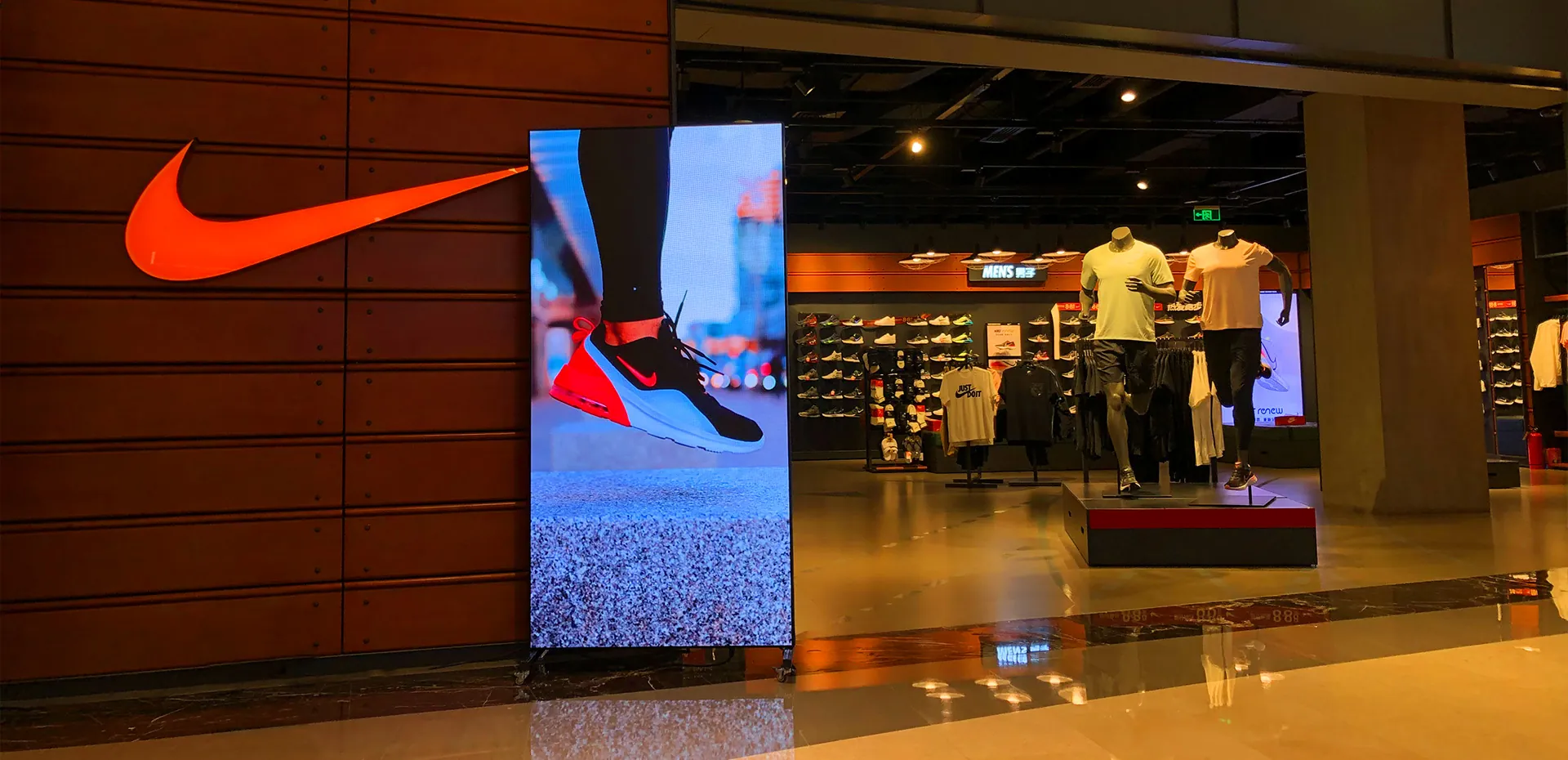
Airborne dust accumulation varies wildly depending on the specific venue. A retail storefront situated near a busy public transit hub requires weekly dusting. Conversely, a secure, climate-controlled corporate boardroom might only necessitate monthly physical intervention.
Documenting these intervals prevents microscopic debris from baking into the resin surface. It also ensures that newly hired janitorial staff understand the strict chemical restrictions. Consistent, scheduled care prevents minor environmental buildup from evolving into complex, labor-intensive cleaning tasks that disrupt your business operations.
Thermal Upkeep and Ventilation Clearances
Visual preservation extends far beyond wiping the front glass. Internal thermal management dictates the true operational lifespan of your digital infrastructure.
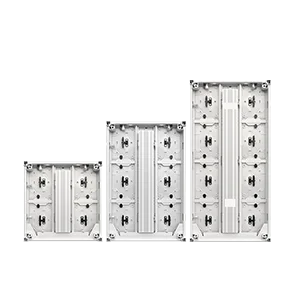
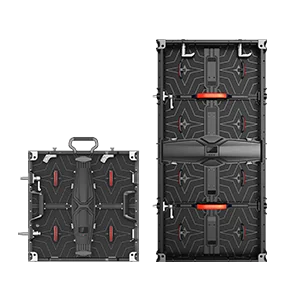
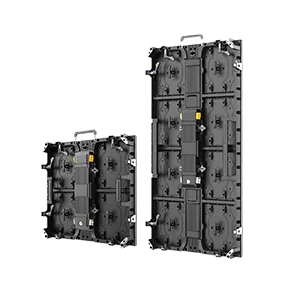
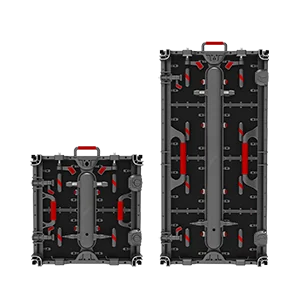
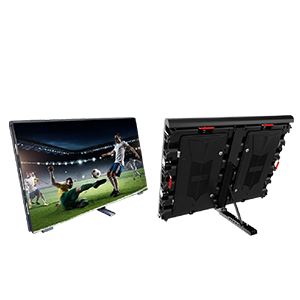
While the solid resin front requires minimal effort, the rear of the cabinet chassis demands rigorous attention. Blocked ventilation pathways trap thermal energy inside the hardware.
Excessive heat accelerates the degradation of the light-emitting materials, causing long-term color shifts and premature brightness decay across the module array.
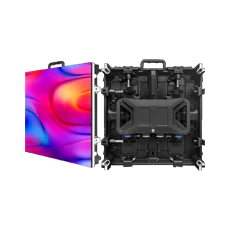
Clean the rear ventilation openings using an approved low-pressure or ESD-safe cleaning method, following the manufacturer’s maintenance instructions. Support no physical obstructions, such as exhibition drapery or temporary promotional signage, block the airflow around the mounting brackets.
Consistent thermal dissipation keeps the core operating temperatures low, safeguarding your capital expenditure against heat-induced hardware failure.
Sourcing Durability from a Professional LED display manufacturer
Ultimately, surviving the rigors of long-term commercial operation begins on the assembly line.
Sourcing your equipment from a dedicated LED display manufacturer backs the baseline chemical quality of the encapsulating resin.
We engineer our products specifically to streamline your long-term operational workflows.
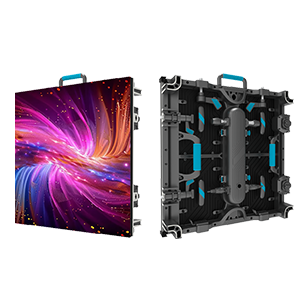
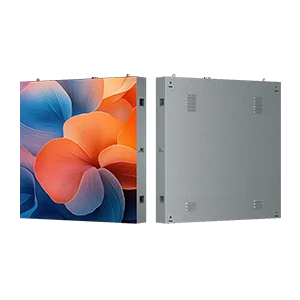
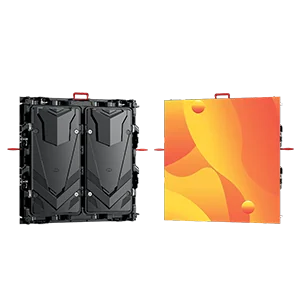
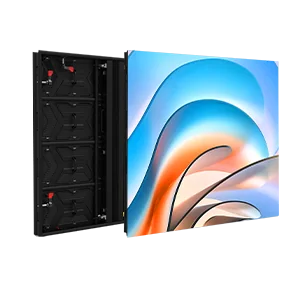
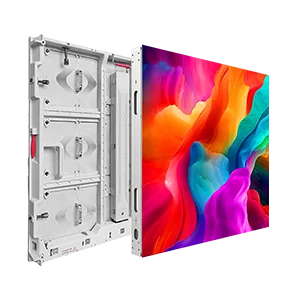
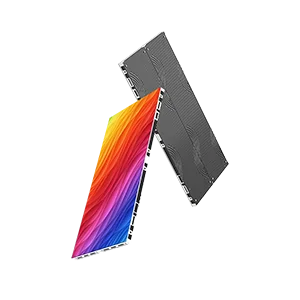
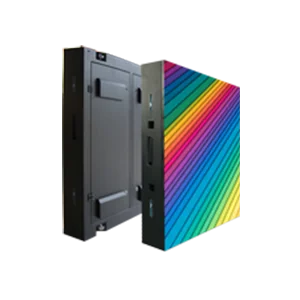
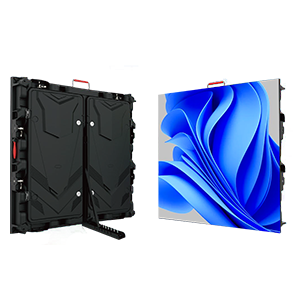
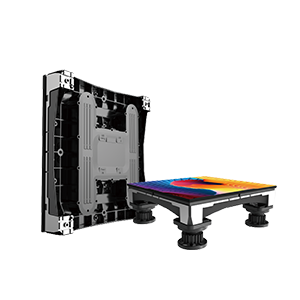
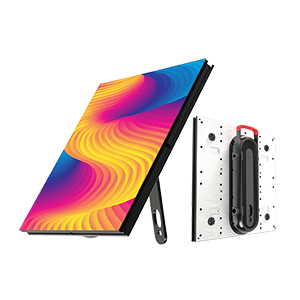
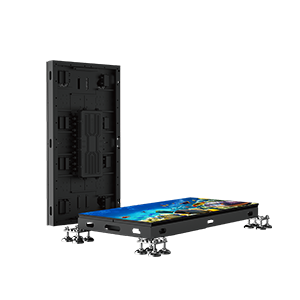
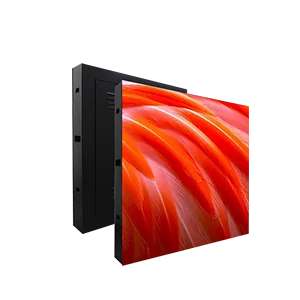
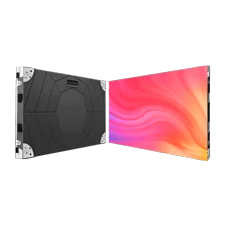
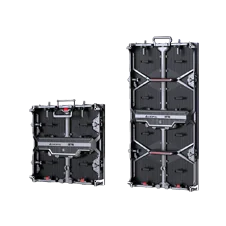
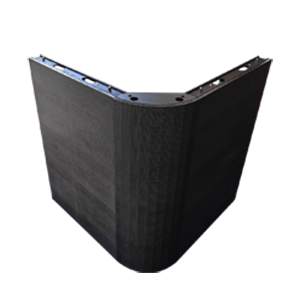
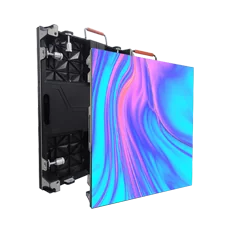
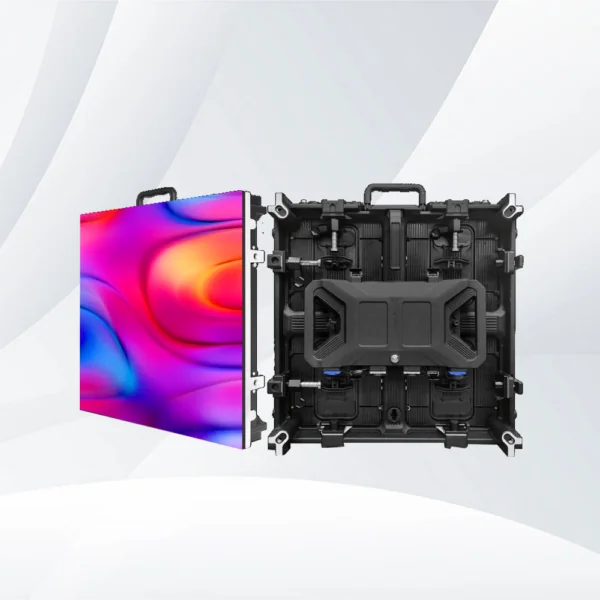
For COB LED wall maintenance, our L-COB1.9 outdoor COB display features a sealed epoxy surface that resists dust and moisture, simplifying cleaning with appropriate non-abrasive materials. The P1.9 fine-pitch outdoor COB construction provides a durable surface for outdoor applications. Front-access module design supports easier maintenance.
For cleaning, use manufacturer-recommended materials and avoid abrasive compounds that could damage the encapsulated surface — consult the product specifications for approved cleaning procedures.
We decrease your procurement risk with flexible order quantities tailored to your project scale. This low threshold permits facility managers to test our hardware durability and cleaning protocols in their exact venue.
By reviewing our extensive customer case studies, you will see how our visual systems endure rigorous daily use in diverse global markets. We back our products with comprehensive warranty coverage and flexible order quantities, complemented by free tailored project solutions.