



































Optical physics dictates a strict rule in digital signage engineering: physical surface area is a finite resource. When transforming a retail storefront into a digital canvas, every millimeter of circuit board required to emit light simultaneously subtracts from the natural light passing through the glass. This inherent conflict forms the major premise of glass-wall screen design.
Understanding this physical constraint is essential before investing in an indoor transparent LED display. Procurement teams often mistakenly demand maximum luminance and maximum see-through capability in the same quotation. However, maximizing one specification inherently degrades the other. Balancing these opposing forces requires careful calculation of your specific venue conditions.
Deductive Engineering in an indoor transparent LED display
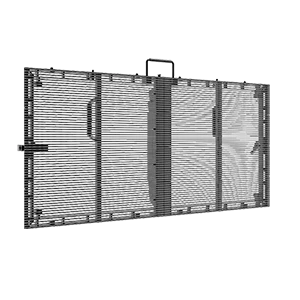
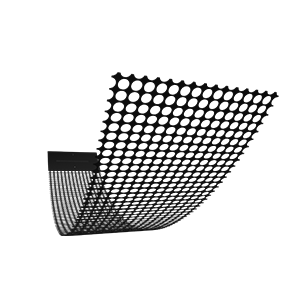
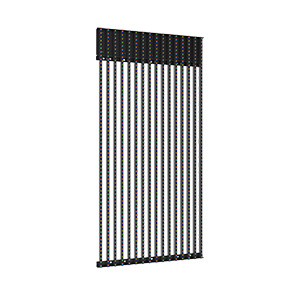
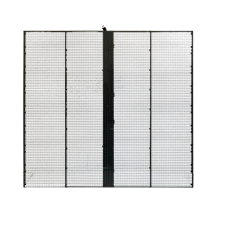
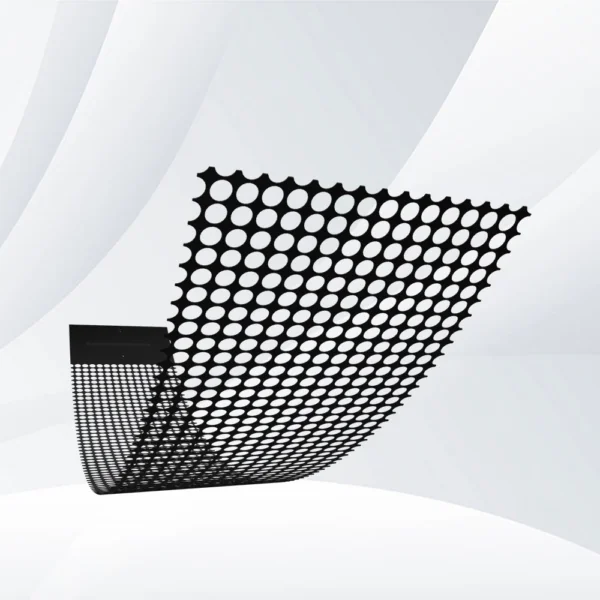
The electronic foundation of any glass-mounted visual system relies on horizontal or vertical printed circuit board strips. These narrow metallic bands house the individual lamp beads.
To generate a highly luminous image, engineers should pack more diodes onto these strips. Increasing the diode count necessitates wider PCB bands to accommodate the wiring and manage the generated heat. Consequently, thicker electronic components block a larger percentage of the window aperture. The digital facade becomes visually heavier.
Conversely, stripping away electronic material widens the gaps between the pixel rows. This architectural decision vastly improves the glass permeability, allowing natural daylight to flood the interior space.
Beyond physical space, thermal dynamics play a crucial role. Densely packed diodes generate substantial heat. If the circuit boards are too narrow, the hardware lacks the surface area needed for adequate heat dissipation. This thermal bottleneck can lead to rapid pixel degradation or comprehensive module failure. Balancing these thermal loads is a critical engineering challenge.
Yet, a minimalist approach reduces the total light output. A highly permeable facade might look invisible when turned off, but it risks appearing washed out or faint when competing with bright ambient lighting.
Contrasting Ambient Lighting with Pixel Density
Deducing the correct specification requires analyzing the specific environment. A shopping mall interior presents a vastly different optical challenge compared to a high-street retail window facing direct southern sunlight. Brightness should be selected according to ambient light and specified accurately in nits or cd/m². The selected LED display pixel pitch must also balance viewing distance, image detail, transparency, and budget.
For high-street environments, the digital canvas should overpower natural solar glare. If the sun washes out your marketing content, the investment fails. Here, designers should accept a lower see-through rate. Prioritizing intense luminance supports the promotional video remains crisp and vibrant to passing pedestrians.
Interior mall installations operate under controlled artificial lighting. The external glare is minimal.
In these darker corporate lobbies or indoor retail centers, extreme luminance is unnecessary and can even cause visual fatigue for nearby shoppers. Engineers can confidently strip back the PCB width. By sacrificing unneeded brightness, the installation achieves a stunningly clear sightline, preserving the architectural aesthetics of the building interior.
Advanced Architectures for the transparent LED screen
The technological compromise between these two extremes lies in diode orientation. Traditional setups utilize front-emitting diodes, which are soldered flat onto the front face of the PCB. This limits how narrow the supporting strip can be manufactured.
Advanced systems increasingly employ side-emitting technology. In this configuration, the lamp beads are mounted on the lateral edge of the circuit board.
This subtle shift in soldering geometry changes everything. It allows the PCB to be manufactured much deeper but significantly narrower from the viewer’s frontal perspective. The audience sees a microscopic edge rather than a flat surface. This structural adaptation preserves structural integrity and diode density while dramatically expanding the open aperture between rows on your transparent LED screen.
Strategic Hardware Selection with LEDFUL
Choosing the exact ratio of light transmittance to diode density should never be guesswork. At LEDFUL, we approach every architectural project by deducing the effective hardware based on your real-world business scenarios.
We analyze your typical viewing distances and ambient lux levels before drafting a schematic. While our HIS series champions ultra-thin, lightweight architecture for rapid indoor deployments, the underlying engineering philosophy remains constant across our specialized product lines. We prioritize precision manufacturing to support structural stability without unnecessary visual bulk.
Consistent color reproduction is equally vital. When balancing these optical constraints, factory-level calibration supports uniform color saturation across every individual module. Without this rigorous testing protocol, a glass wall setup can suffer from distracting color patches, destroying the premium aesthetic of the brand environment.
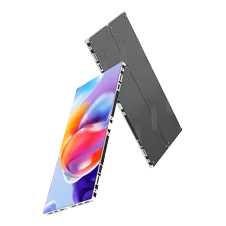
For indoor transparent display applications, our HIS series offers a balance of brightness and transparency for glass-facing environments. With high transparency that preserves natural light penetration while delivering vivid content, the HIS series suits retail windows, showroom partitions, and architectural glass features. Its lightweight transparent construction is designed for indoor glass installations where balancing ambient light with display brightness is a key consideration.
Securing Your Digital Facade Investment
Procurement decisions require rigorous data, not exaggerated marketing claims. To help your technical team evaluate the delicate balance of brightness and permeability, we offer tailored project solutions and free consultations.
We reduce the financial risk of untested technology by providing a minimal entry threshold. You can initiate a pilot phase with our lowest minimum order quantity of just one square meter. This allows your designers to physically test the optical performance inside your actual venue before authorizing a full-scale rollout.
Our dedicated factory support and excellent after-sales system ensure rapid technical assistance. By partnering with a specialized manufacturer, you bypass the guesswork and secure a digital infrastructure engineered exactly for your specific architectural reality.