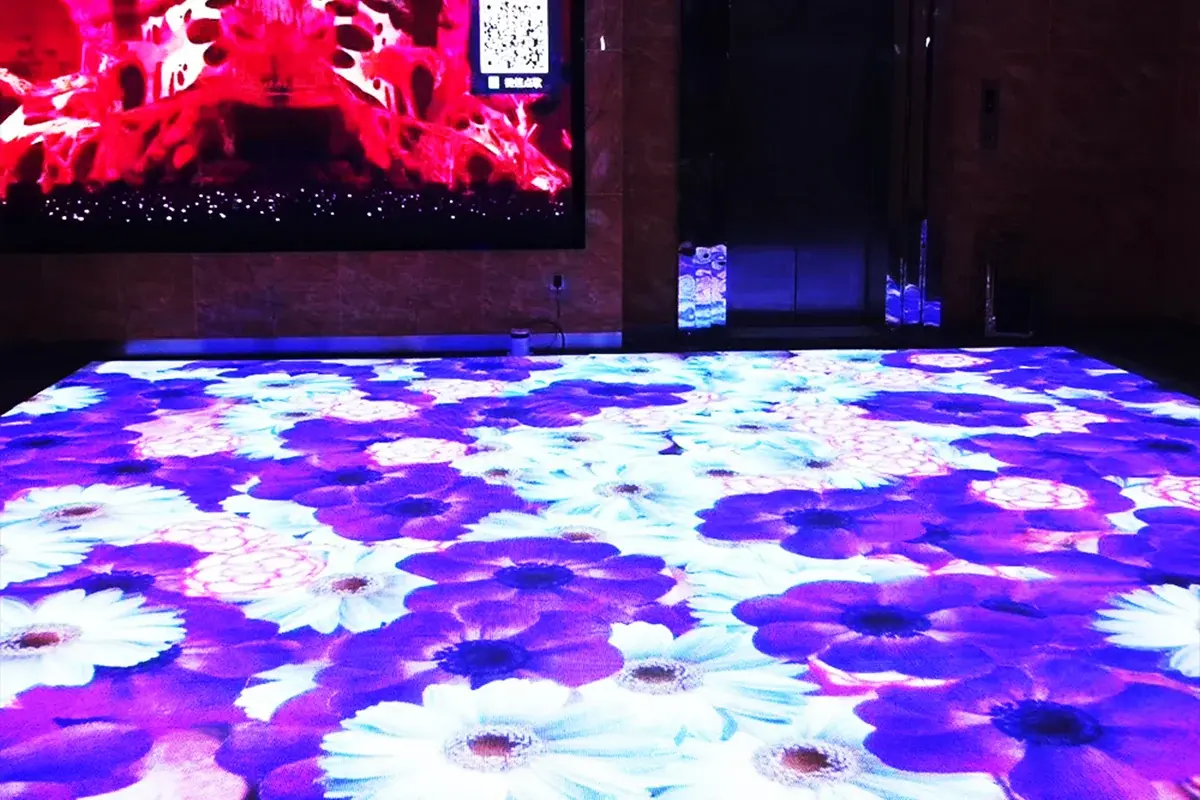
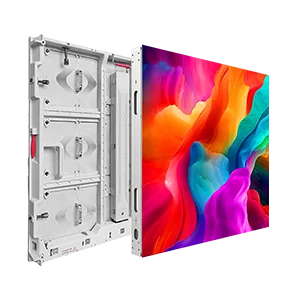
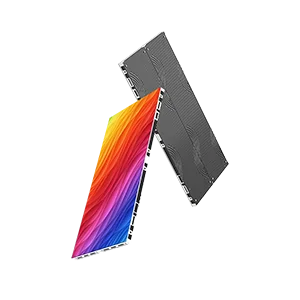
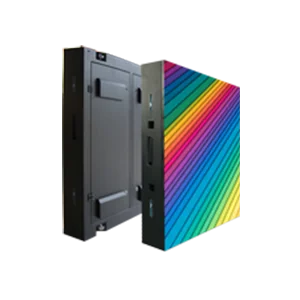
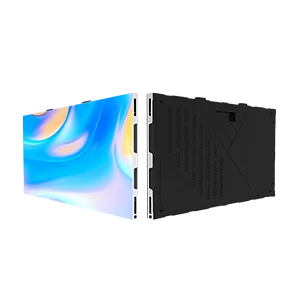












Event organizers constantly seek innovative ways to engage audiences, turning passive attendees into active participants. Immersive, touch-responsive digital flooring achieves this. Whether deployed in corporate showrooms or interactive museum exhibits, these setups captivate foot traffic instantly. Yet, when procurement teams request hardware quotations, the initial sticker shock often derails ambitious creative plans.
Decoding the true interactive LED floor screen price means understanding you are not simply buying a flat monitor. You are investing in weight-bearing architecture, sensory microchips, and synchronized software. Each internal component alters your final capital expenditure. To help technical directors navigate this financial landscape, we broke down the exact modular expenses dictating total ownership costs.
Sensory Hardware and Real-Time Tracking Matrices
The defining feature of any interactive floor LED display is its ability to map human movement instantly. This unique interactive capability relies on embedded sensory hardware layered securely beneath the protective surface masks. Without reliable sensors, the screen remains passive.
Basic visual systems utilize simple optical sensors or mechanical pressure switches. These legacy components keep manufacturing expenses remarkably low, appealing to strict budgets. However, they frequently suffer from severe input lag and dead zones. When a theatrical dancer steps on a basic module, the visual ripple effect might trigger too late, destroying the immersive illusion.
Premium installations require advanced capacitive touch matrices or integrated radar tracking systems. These advanced sensing systems can provide low-latency position detection across the display area when properly configured and calibrated. Integrating thousands of micro-sensors into the printed circuit boards elevates the initial hardware quotation but ensures responsive feedback.
Load-Bearing Chassis Metallurgy and Fabrication
Standard digital signage hangs safely on a wall, isolated from physical human interaction. Conversely, walkable visual platforms should withstand brutal kinetic punishment day after day.
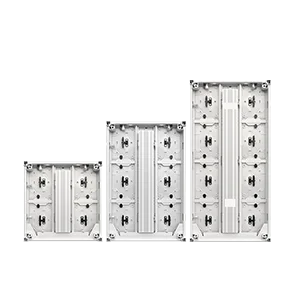
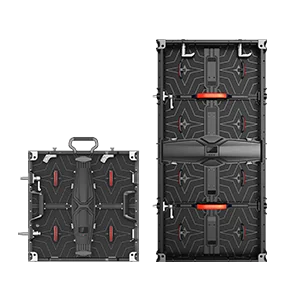
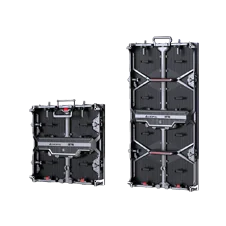
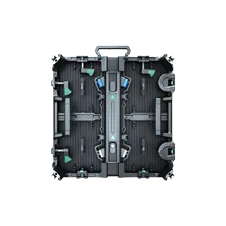
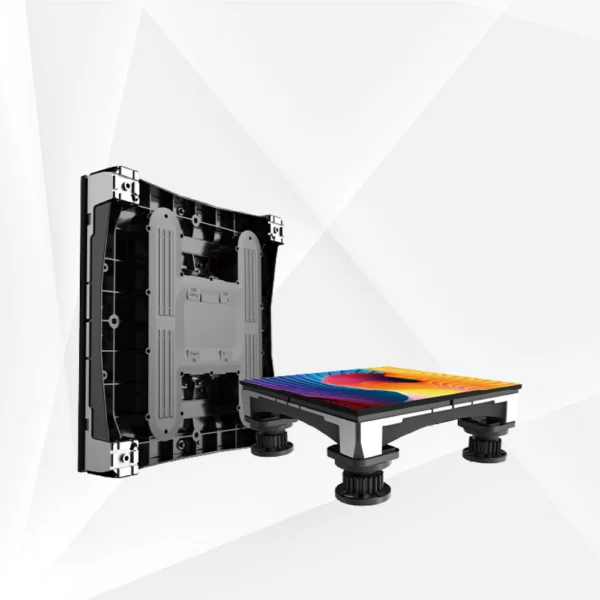
If a commercial venue hosts heavy theatrical rigging equipment, automotive displays, or hundreds of dancing guests simultaneously, standard iron cabinets fail instantly. Engineers should utilize heavy-duty, die-cast aluminum alloys featuring complex internal support ribs. This advanced metallurgy prevents the cabinet chassis from warping under intense point loads generated by stiletto heels.
Procuring aerospace-grade aluminum naturally impacts the bottom line, increasing factory material costs. However, this reinforced metal skeleton protects the fragile semiconductor diodes from crushing physical weight. Furthermore, dense aluminum provides vastly superior thermal dissipation, preventing internal microchips from overheating during prolonged events and protecting your capital expenditure.
Protective Polymer Masks and Optical Clarity
Walking surfaces require extreme friction control to meet strict commercial safety standards. A glossy, unprotected screen surface creates a severe slipping hazard for fast-moving performers.
Factories should cast specialized polycarbonate masks over the delicate diode arrays. These dense polymer shields feature rough, anti-slip textures while maintaining exceptionally high optical transparency. Balancing this physical safety requirement with brilliant visual output represents a complex, costly manufacturing challenge for any structural engineering team.
Budget-tier plastics inevitably turn yellow under prolonged ultraviolet exposure from intense stage lighting, ruining precise color accuracy. Investing in premium, UV-resistant resin masks supports long-term optical purity. While this formulation increases the upfront quote, it protects your corporate brand’s visual identity over the product’s entire operational lifecycle.
Advanced Processing for Synchronized Data Flow
Handling continuous sensory input from hundreds of active participants requires computational power. An interactive LED floor display requires coordination between the sensing system, interaction controller, media software, and LED control system to translate detected movement into corresponding visual effects.
Standard driver integrated circuits simply cannot process this complex bidirectional data flow fast enough. They bottleneck under heavy interaction, causing the tracking software to freeze, lag, or crash mid-show.
A high refresh rate can improve visual smoothness and reduce camera-visible flicker, while interactive responsiveness depends primarily on the sensing, control, software, and signal-processing architecture. When attendees share experiences on social media, high-refresh rates support pristine visuals. Budgeting for top-tier microchips secures broadcast-ready, fluid responsiveness.
Procurement Strategy and the interactive LED floor screen price
The final financial variable involves your direct procurement strategy. Navigating complex custom setups through standard third-party vendors introduces hidden markups that unnecessarily bloat your operational budget. Direct factory procurement is the most effective method for controlling capital expenditures.
Partnering with an expert LED display supplier reduces artificial middleman margins. At LEDFUL, we provide transparent hardware breakdowns for our clients. We engineer bespoke visual infrastructures meticulously tailored to the specific kinetic realities of your architectural space.
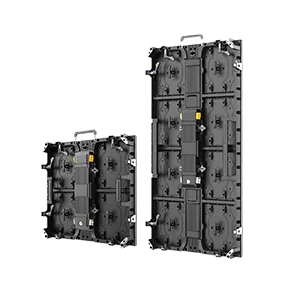
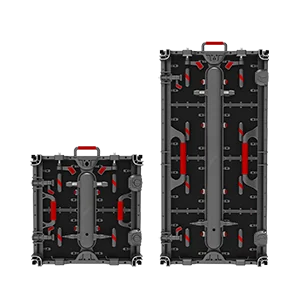
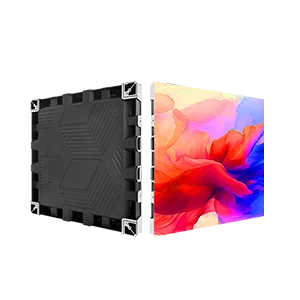
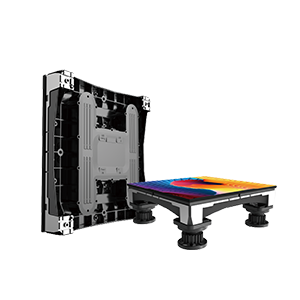
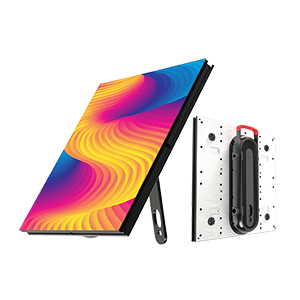
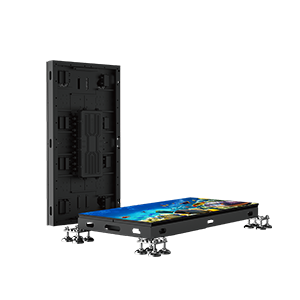
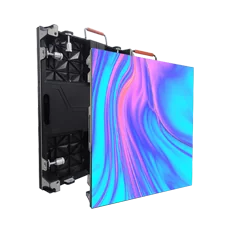
For interactive LED floor screen pricing, our FLOOR R rental series offers a durable, quick-assembly solution designed for event and exhibition use. Pricing factors include screen size, pixel pitch, interactive capability, and structural reinforcement.
The rental-optimized design supports fast setup and teardown, making it suitable for touring interactive installations. For permanent floor installations, consult our FLOOR and FLOOR PLUS series for fixed-installation options.
To decrease your initial financial risk, we offer highly flexible order quantities tailored to your project scale. This allows technical directors to physically test the sensory responsiveness and structural rigidity within their own facilities before scaling up.
We provide the rigorous data, technical support, and premium hardware necessary to ensure that your immersive installations perform reliably, protecting your bottom line and reputation event after event.
If you are ready to elevate your venue with dynamic technology, reach out to our team. We provide a highly accurate quotation based on your unique architectural requirements.