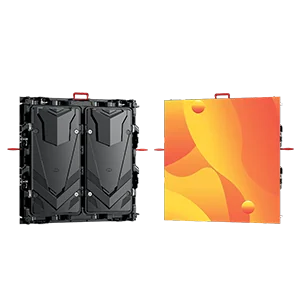
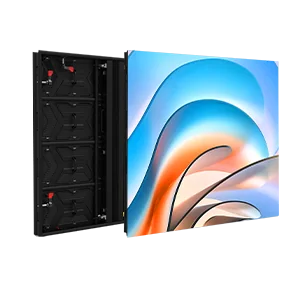
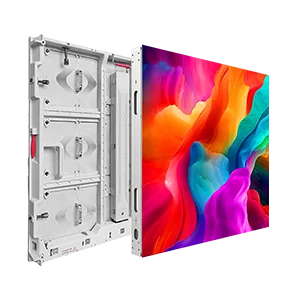
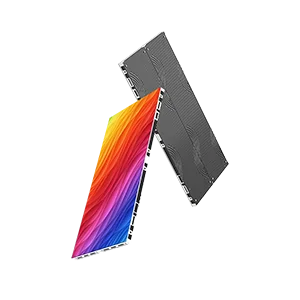












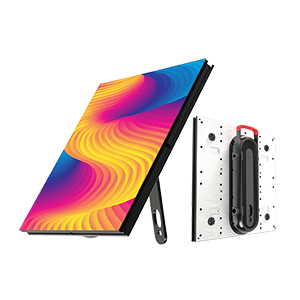
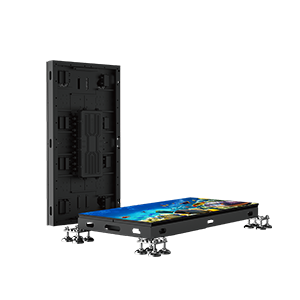
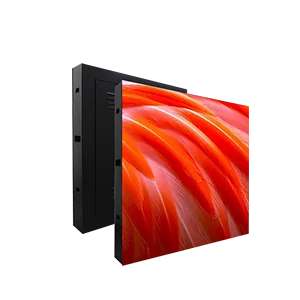
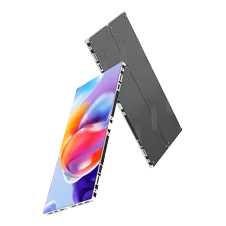































LEDFUL the terms of its after-sales programme for LED display products, confirming a five-year warranty period during which defective parts are repaired or replaced at no charge to the customer. The policy covers the full repair cycle, defines freight responsibilities for both parties, and sets out a transparent 17-day turnaround from the moment a faulty part leaves the customer’s site to the moment the replacement arrives back.
For integrators, distributors and rental houses, the value of an LED display warranty is measured less by the length of the coverage period than by how quickly a screen returns to service. A dark module or a failed power component on a live installation is not only a technical fault — it is a stalled event, a delayed handover and a reputational risk with the end client. LEDFUL’s warranty framework is built around that commercial reality: keep the customer’s project profitable, keep the process simple, and keep the downtime predictable.
Key Takeaways
- Every LEDFUL LED display is protected by a 5-year warranty from the date of delivery.
- Defective parts are repaired or replaced free of charge— customers are not charged for labour or for new components.
- Freight is shared: the customer pays the outbound shipping of the faulty part, LEDFUL pays the return shipping of the repaired or replacement part.
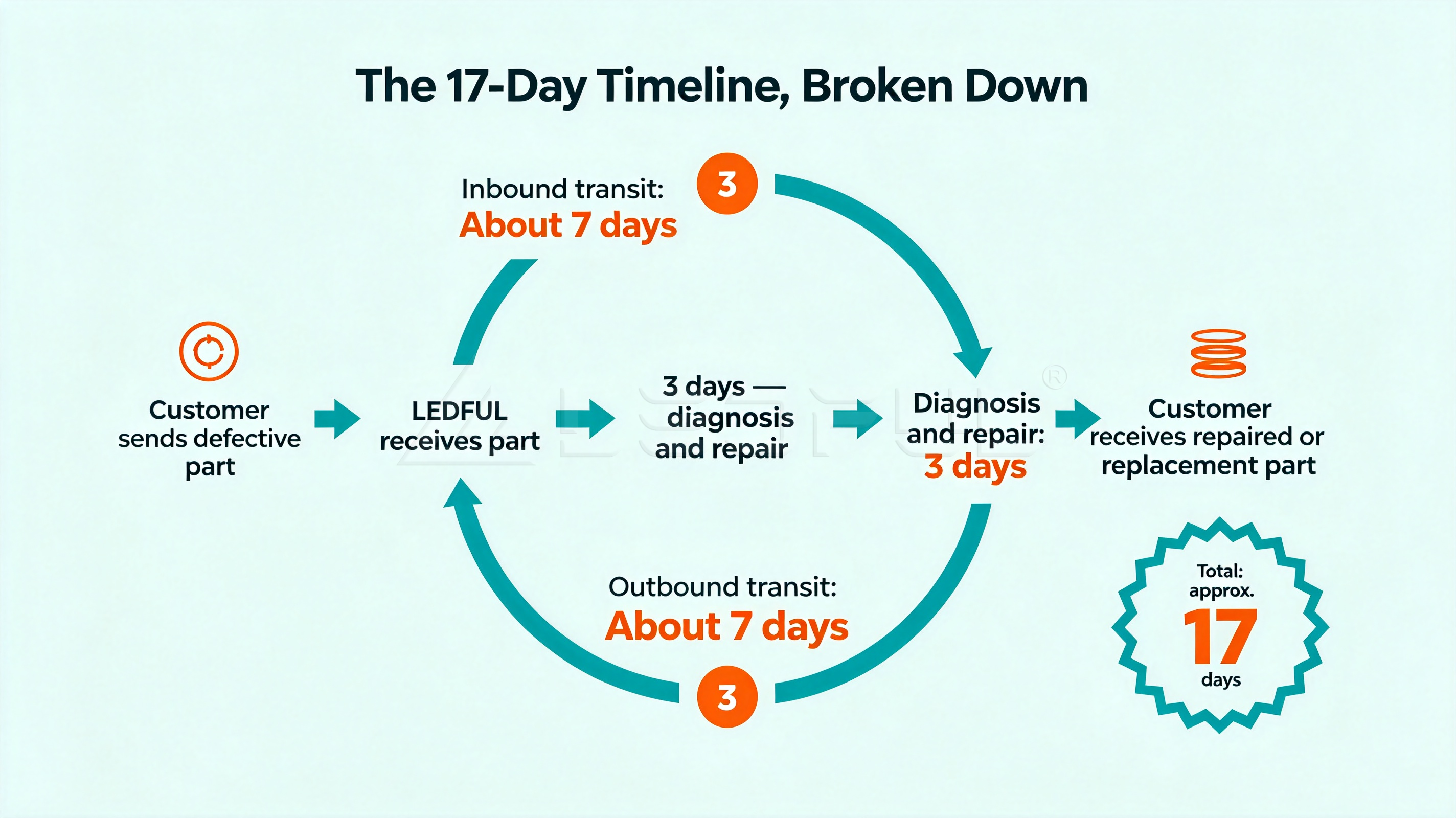
- The complete cycle takes approximately 17 days: about 7 days inbound transit, 3 days for repair, and about 7 days back to the customer.
A Five-Year Warranty Designed to Protect Customer Profit
The first principle of the LEDFUL warranty policy is straightforward: the warranty exists to protect the customer’s profit, not merely to satisfy a legal obligation.
LED display projects carry long investment horizons. An outdoor advertising screen, a stadium perimeter system or a control-room video wall is typically specified with a service life measured in years, and the business case behind it assumes that the hardware keeps performing throughout that period. When a component fails inside the coverage window, the cost to the customer is rarely limited to the part itself — it includes the labour to diagnose and swap it, the shipping in both directions, and, most expensively, the loss of use while the screen is offline.
Under the five-year warranty, LEDFUL removes the component and labour cost from that equation. If any defective part is identified during the warranty period, the customer sends it back to LEDFUL, and LEDFUL either repairs the original part or supplies a new replacement, then returns it free of charge. The repair itself carries no fee, and no invoice is raised for the replacement unit.
That structure has a practical consequence for how buyers evaluate LED display suppliers. A warranty that promises coverage but leaves the customer paying for replacement modules, service labour or return freight is, in effect, a discount on parts rather than a genuine risk transfer. LEDFUL’s model transfers the majority of the failure cost back to the manufacturer, which is where the engineering and quality decisions were made in the first place.

Who Pays the Freight — and Why the Split Matters
The second principle concerns logistics, and it is stated with unusual clarity: the customer pays the express fee when sending the defective part back to LEDFUL, and LEDFUL pays the express fee when sending the repaired or replacement part to the customer.
In other words, each party covers the leg of the journey it controls. The customer arranges and funds the outbound shipment from its site; LEDFUL arranges and funds the return shipment to the customer’s address.
This one-way-each arrangement is more generous than the pattern common in the industry, where return freight is frequently chargeable to the buyer or deducted from a credit note. On a heavy item such as an LED cabinet or a power supply shipped internationally by air express, the return leg can represent a meaningful share of the total claim cost — and under this policy that share sits with the manufacturer.
Two practical recommendations follow for customers preparing a shipment. First, use a traceable express service and retain the tracking number, since the 17-day cycle is calculated from dispatch and the shipment needs to be visible to both parties. Second, pack the faulty part to the standard of a new component. A module that arrives damaged because of inadequate packaging can complicate diagnosis and extend the repair window, which delays the return of the screen to service.
Customers are advised to confirm the specific claim procedure and shipping address with their LEDFUL sales contact before dispatching any part, so that the correct reference is attached to the shipment and the part is routed without delay.

The 17-Day Timeline, Broken Down
The third principle is transparency about time. LEDFUL publishes an expected end-to-end duration rather than leaving the customer to guess, and the arithmetic is deliberately conservative:
- About 7 days — inbound transit. The defective part travels from the customer’s location to LEDFUL.
- 3 days — diagnosis and repair. LEDFUL’s technicians inspect the part, carry out the repair or prepare the replacement, and test the unit before it is released for shipping.
- About 7 days — outbound transit. The repaired or replacement part travels back to the customer.
- Total: approximately 17 days from the customer’s dispatch to the customer’s receipt.
Publishing a 17-day figure matters more than it might appear. For a rental company with a calendar of events, or an integrator working to a contractual handover date, the difference between a two-week and a six-week repair cycle determines whether a spare module has to be pulled from stock, whether a temporary configuration is needed, or whether the client needs to be informed at all. A predictable window allows maintenance to be scheduled in the gap between projects instead of in the middle of one.
It also gives procurement teams a benchmark. When comparing LED display manufacturers on warranty terms, the questions worth asking are not only “how many years?” but “who pays the freight?”, “is the repair free?”, and “what is the stated turnaround?” A five-year warranty paired with a defined 17-day cycle is a materially different proposition from a five-year warranty with no service-level expectation attached.
Warranty Value Across the Project Lifecycle
The commercial effect of these terms varies by customer type, and it is worth stating plainly:
For advertising and DOOH operators, screen uptime is revenue. A 17-day window with free parts and free repair labour converts an unplanned capital expense into a manageable scheduling decision.
For rental and staging companies, cabinets and modules are constantly in transit and exposed to handling damage. Free replacement of defective parts across five years lowers the true cost of ownership per cabinet and supports tighter fleet economics.
For system integrators and contractors, a written warranty with clear freight responsibility is a document that can be passed to the end client. It strengthens tender responses and reduces the maintenance reserve that would otherwise be built into the bid.
For distributors and trading partners, predictable after-sales terms reduce the volume of escalated complaints and shorten the response path to their own customers.
In each case, the underlying logic is the same: the warranty is not a clause in a contract but an input to the total cost of ownership calculation that determines whether a project is profitable over its full service life.
Frequently Asked Questions
How long is the LEDFUL LED display warranty?
Five years. Coverage applies to LED display products supplied by LEDFUL, and defective parts identified within this period are repaired or replaced free of charge.
Does the customer pay for the repair?
No. The repair is free, and a replacement part, where a replacement is required, is also supplied free of charge.
Who pays the shipping costs?
Each party pays one leg. The customer covers the express fee when sending the defective part to LEDFUL; LEDFUL covers the express fee when returning the repaired or new part to the customer.
How long does the whole process take?
Approximately 17 days in total — about 7 days for the part to reach LEDFUL, 3 days for repair, and about 7 days for the return shipment.
What should a customer do before sending a part back?
Contact the LEDFUL sales representative handling the account to confirm the claim details and shipping address, then dispatch the part by a traceable express service and keep the tracking number.
About LEDFUL
LEDFUL is an LED display manufacturer serving advertising, rental, sports, control-room and commercial display markets worldwide. The company’s product range spans indoor and outdoor fixed installations and rental cabinets, supported by in-house engineering, quality control and after-sales service. The five-year warranty programme described above applies to LED display products supplied by LEDFUL and forms part of the company’s standard commercial terms.
Conclusion
A warranty is ultimately a promise about what happens after something goes wrong. LEDFUL’s terms are stated in three numbers and one principle: five years of coverage, free repair and free replacement, a shared freight arrangement in which the manufacturer carries the return leg, and a 17-day cycle from dispatch to redelivery — all structured around a single objective, protecting the customer’s profit for the full life of the screen.
For buyers evaluating LED display suppliers, these terms are worth putting side by side with any competing offer. Contact the LEDFUL sales team to confirm warranty coverage for your next LED display project.