















Successful indoor display projects depend on far more than pixel pitch or screen size. Procurement teams also need to examine engineering support, customization, service access, component quality, and communication throughout the project lifecycle. Our team at LEDFUL views the relationship with an indoor LED display supplier as a technical partnership, where product decisions need to align with the building, audience, content, and operating conditions rather than being made from specifications alone.
Define Project Requirements Before Supplier Evaluation
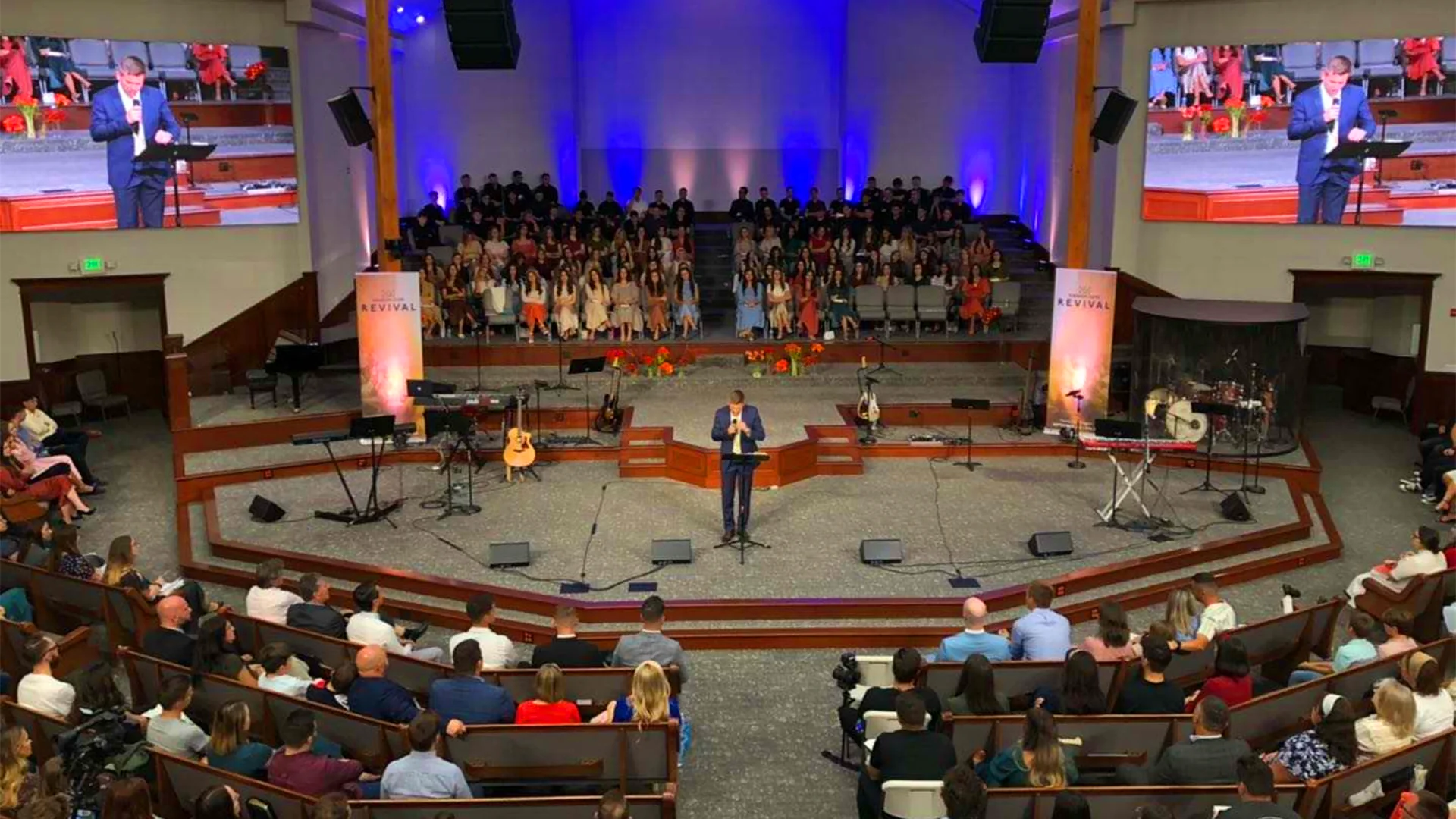
The first step is to translate the intended application into measurable requirements. Screen dimensions, viewing distance, content type, installation position, ambient lighting, operating hours, and camera usage can all influence the appropriate configuration. A shopping mall advertising wall, corporate reception display, and conference backdrop may occupy similar spaces while demanding very different technical characteristics.
Budget discussions become more meaningful once these requirements are documented. Instead of comparing quotations solely by cabinet price, procurement teams can examine pixel pitch, brightness, refresh rate, power consumption, cabinet construction, control architecture, and maintenance arrangements together. This approach also makes it easier to identify which specifications are essential and which are application-dependent.
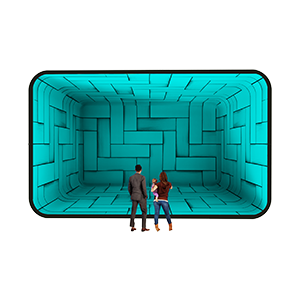
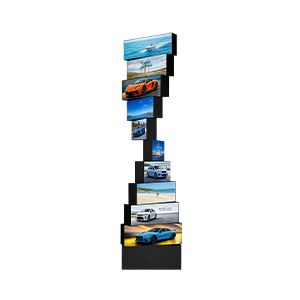
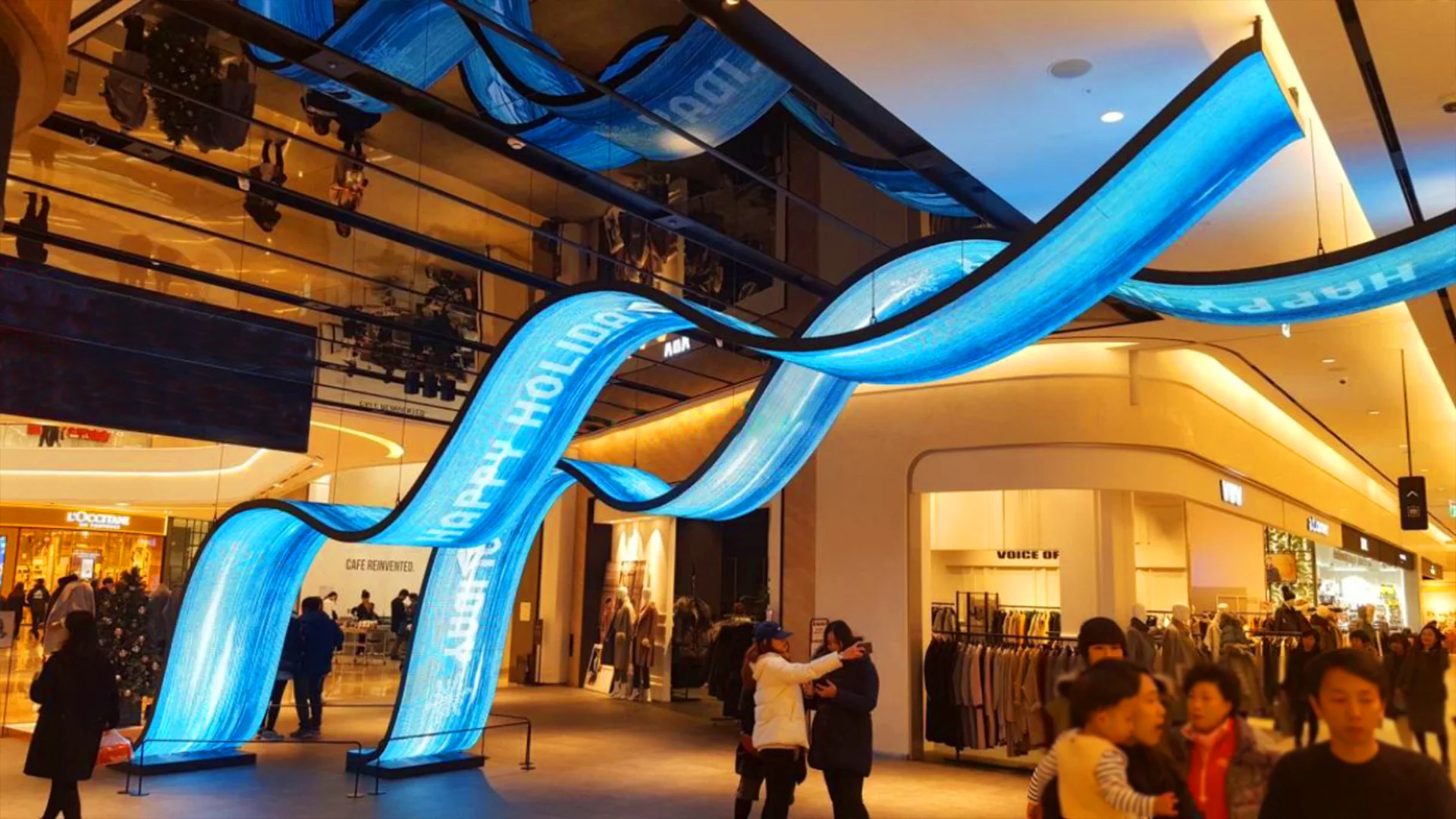
Customization deserves particular attention in projects with unusual architectural dimensions. A capable indoor LED display supplier should be able to explain how cabinet dimensions, screen proportions, installation methods, and service access affect the final system. Such conversations can reveal practical constraints before fabrication begins, reducing the chance of costly adjustments later.
Examine Technical Specifications Beyond Pixel Pitch
Pixel pitch remains an important specification, but it does not describe the entire viewing experience. Smaller spacing can support finer image detail at close distances, while brightness, grayscale performance, color consistency, and viewing angle influence how content appears across different positions in the room. The intended audience distance should always be considered alongside resolution.
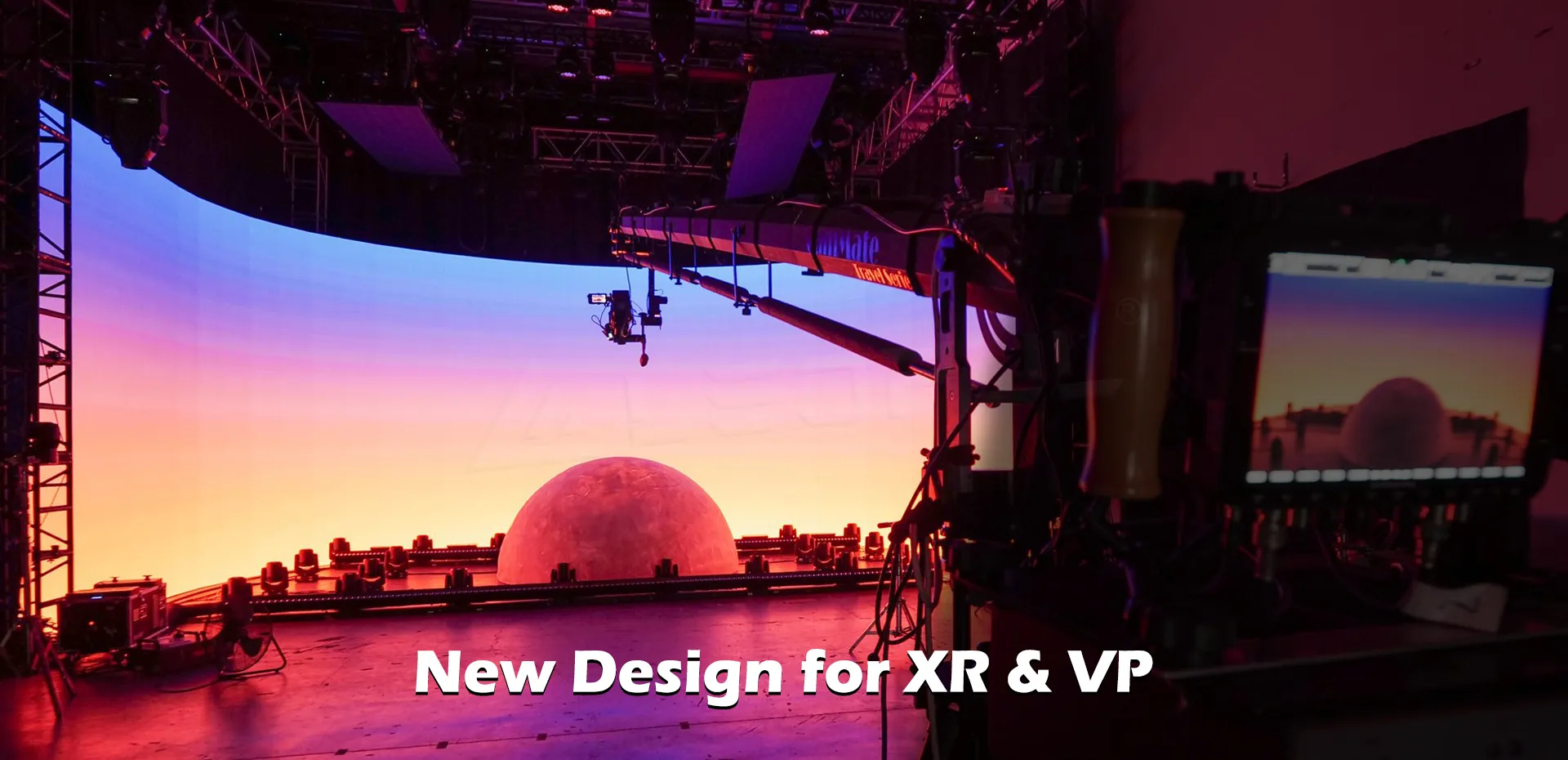
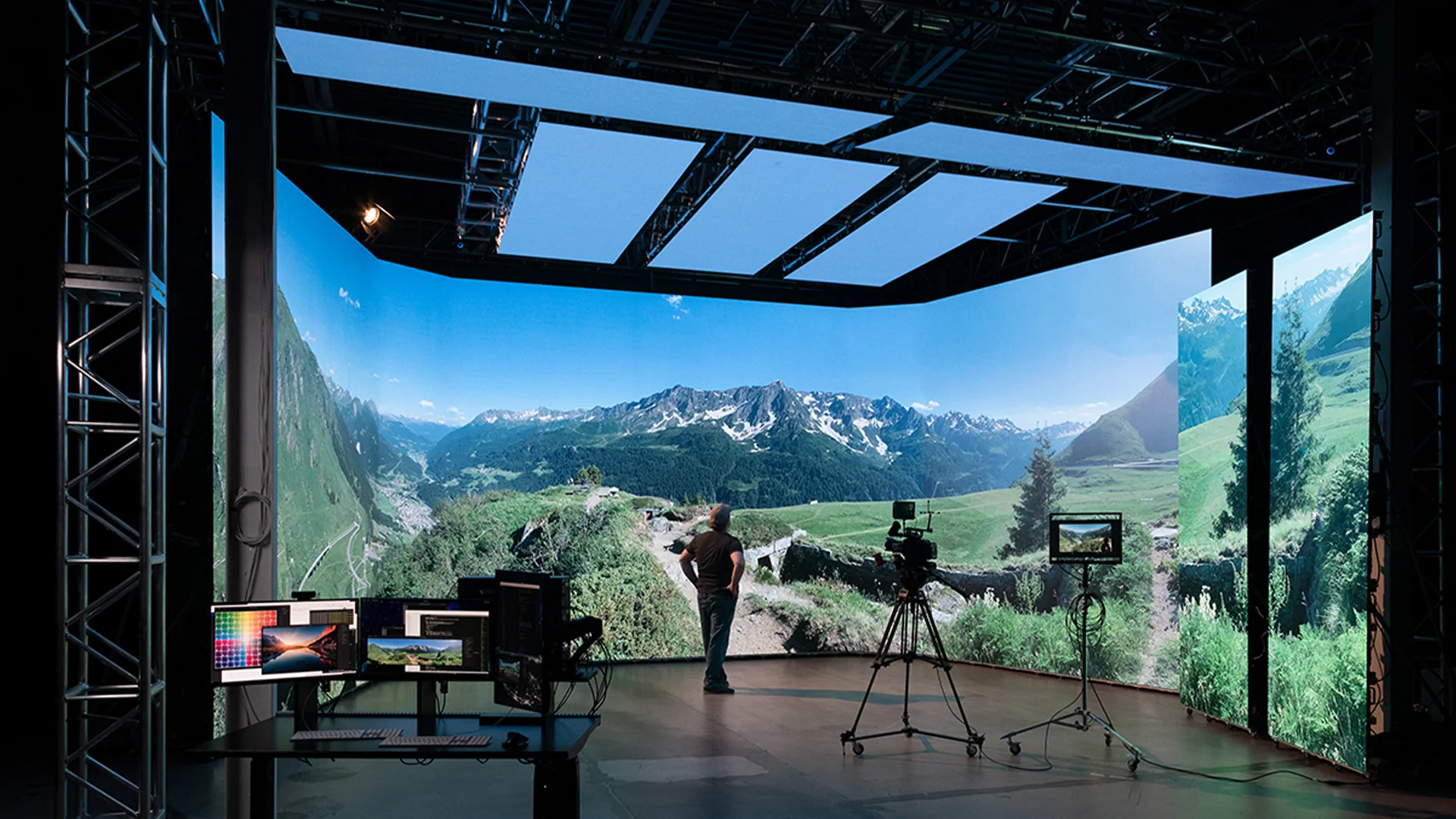
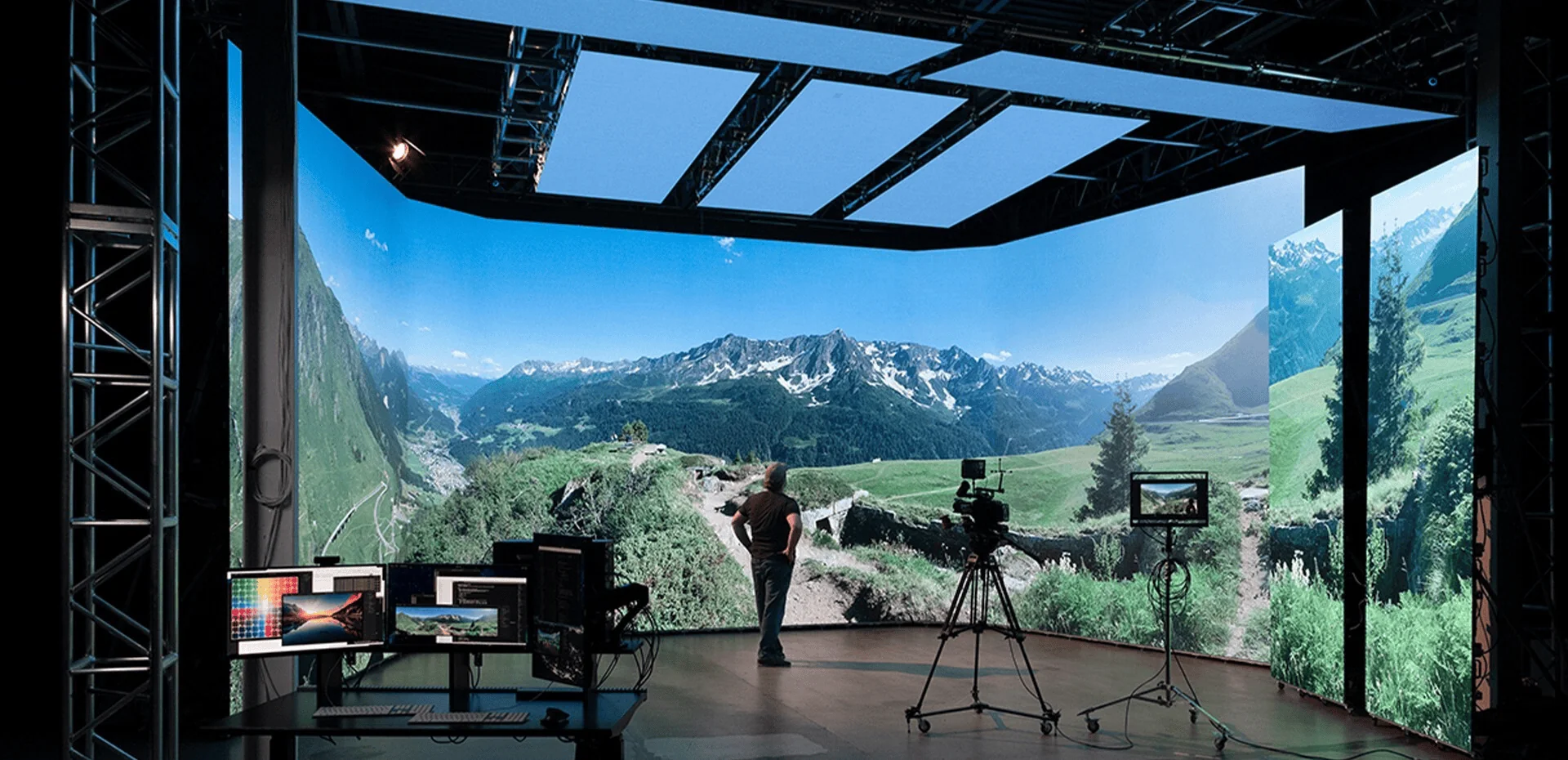
Refresh rate is particularly relevant for venues where cameras capture the screen. Higher refresh rates can reduce visible scan artifacts and improve recorded footage, which matters for studios, conferences, live events, and promotional broadcasts. A specification such as 3840Hz should still be evaluated together with the control system and actual application rather than treated as an isolated number.
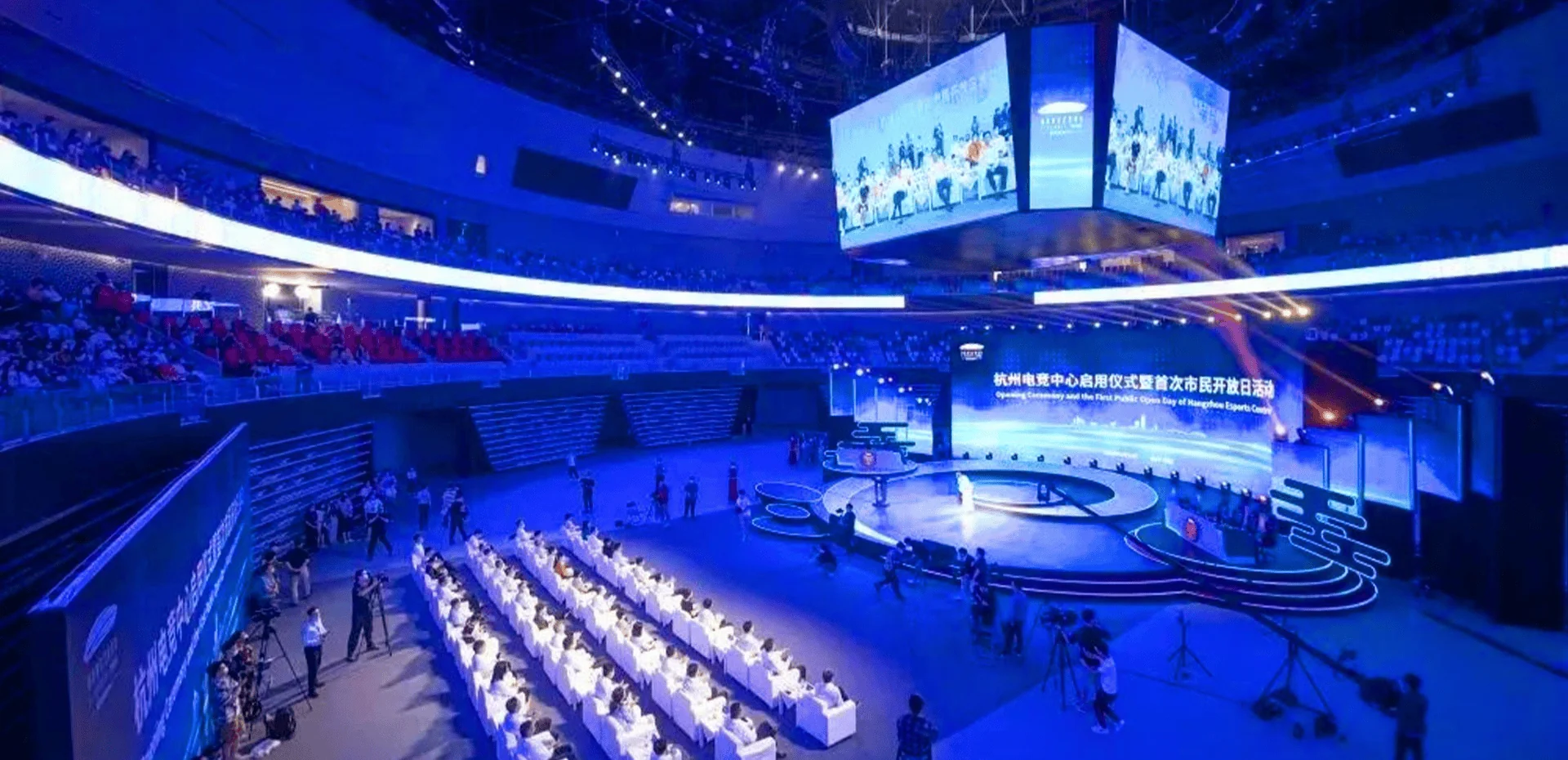
Brightness requires similar context. Excessive output may be unnecessary in a controlled interior, while spaces exposed to strong daylight can require substantially more luminance. Indoor LED displays installed near windows or glazed facades may face changing illumination throughout the day, making brightness control and content management useful parts of the overall system design.
Assess Manufacturing And Customization Capability
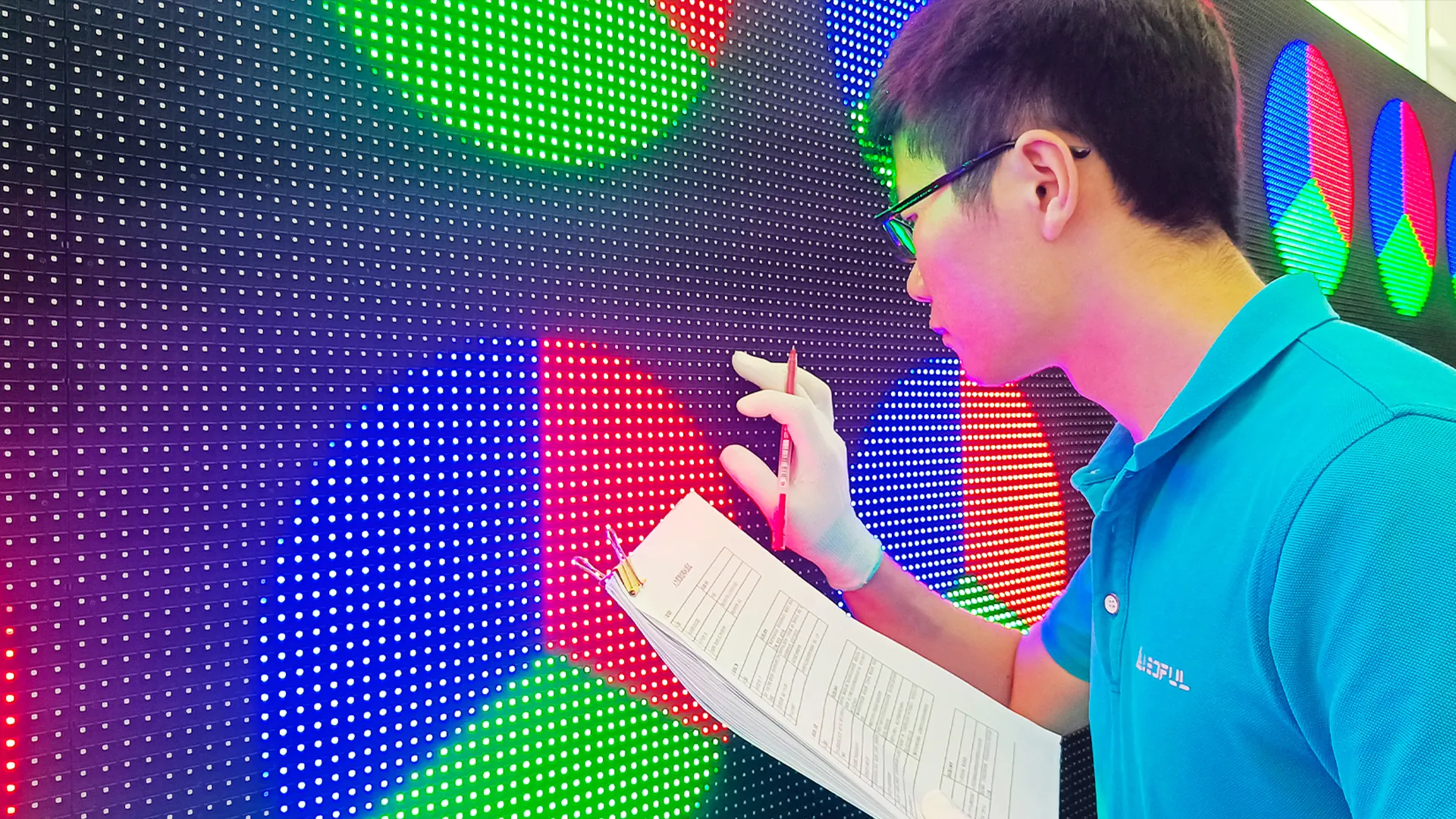
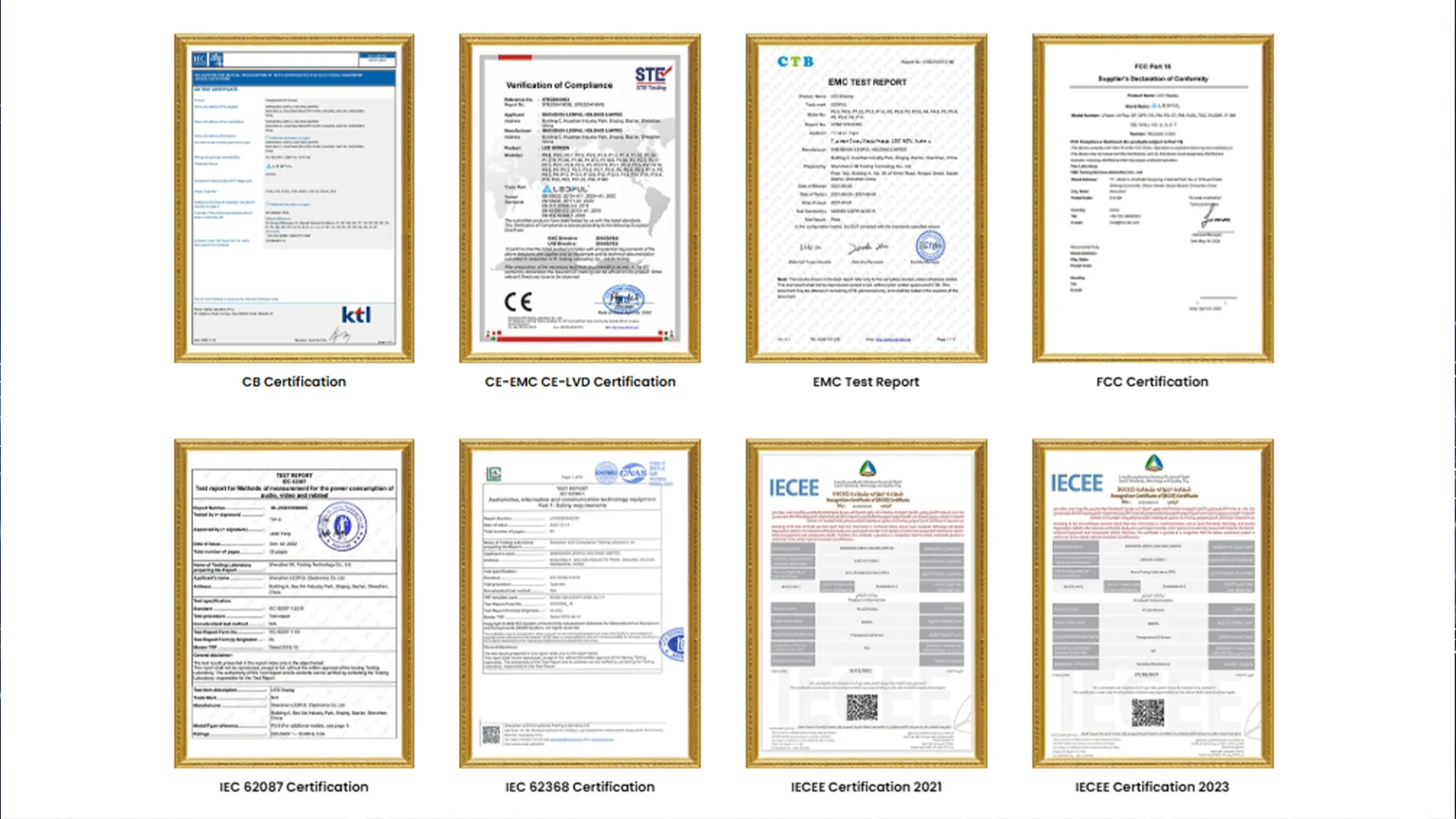
The manufacturing process affects cabinet precision, assembly consistency, thermal behavior, and long-term service work. Buyers can ask how cabinets are constructed, how components are tested, and what quality-control procedures apply before shipment. These questions provide more useful information than relying on general descriptions such as “commercial grade.”
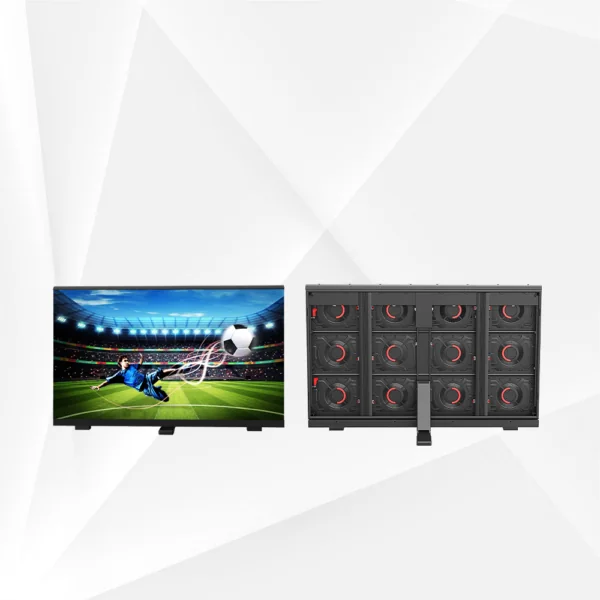
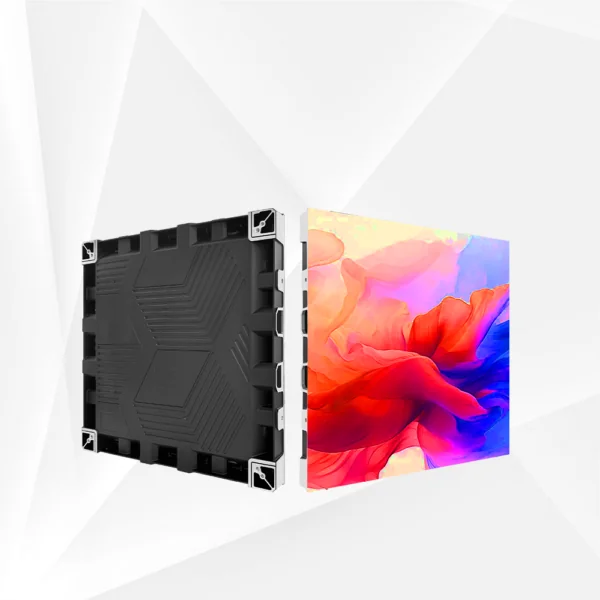
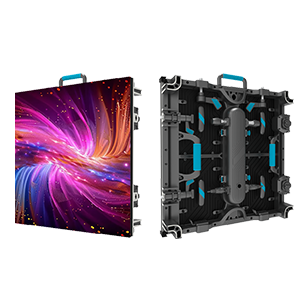
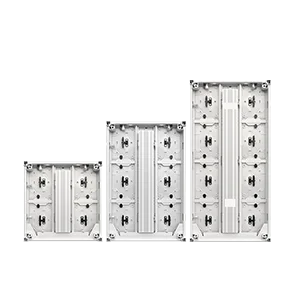
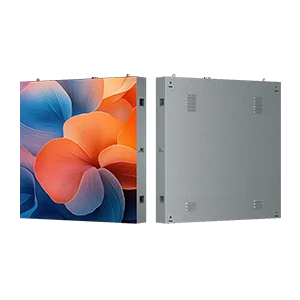
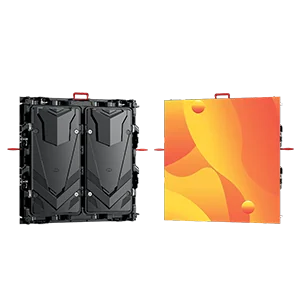
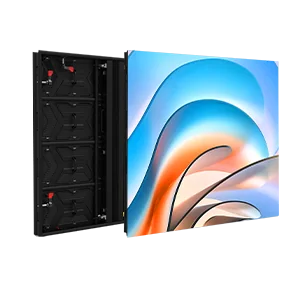
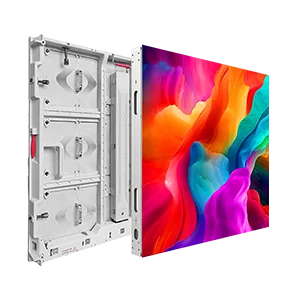
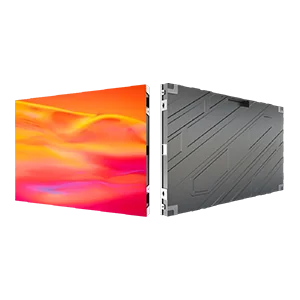
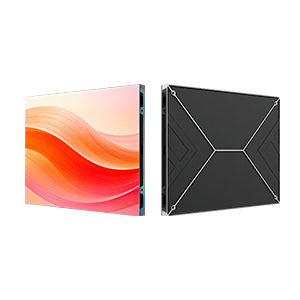
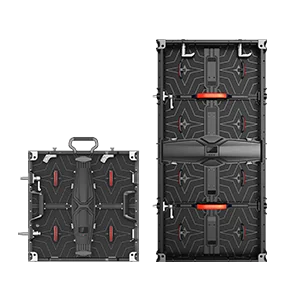
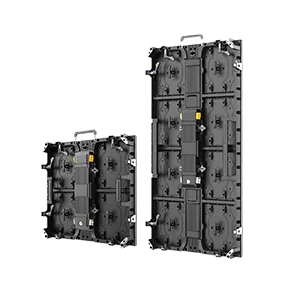
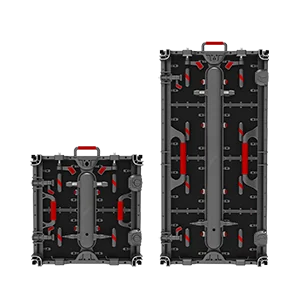
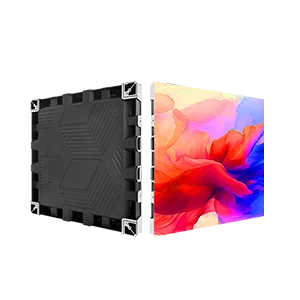
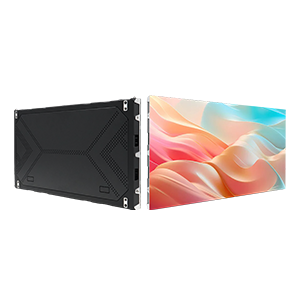
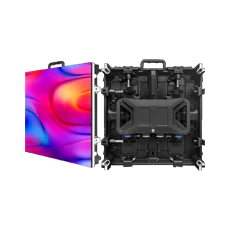
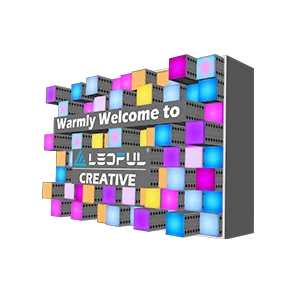
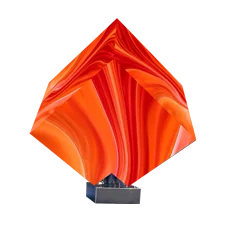
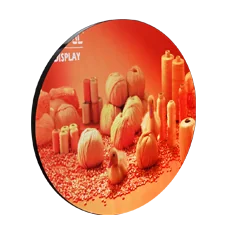
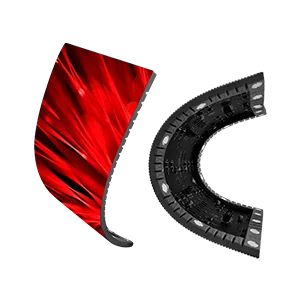
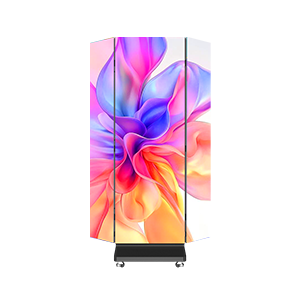
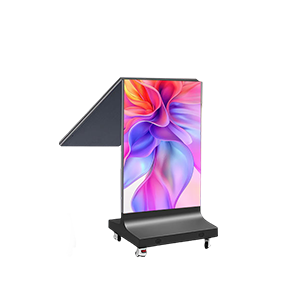
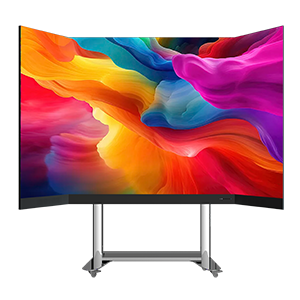
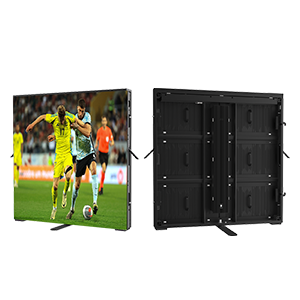
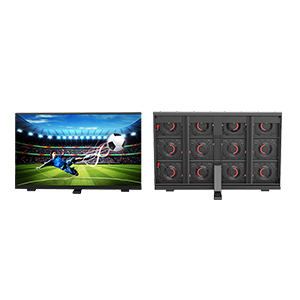
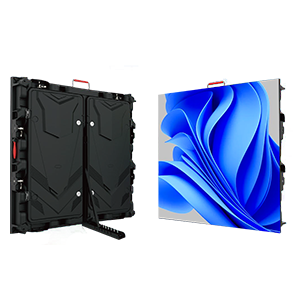
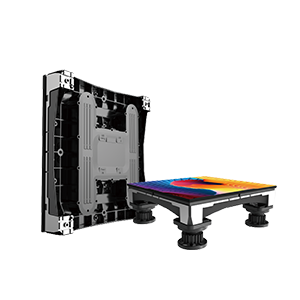
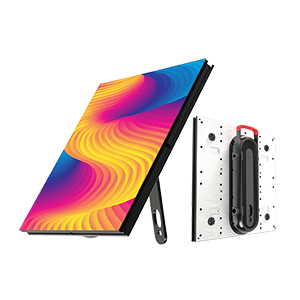
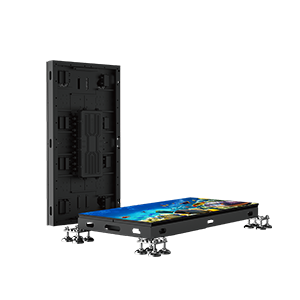
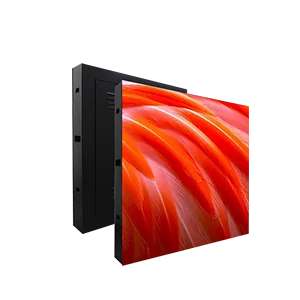
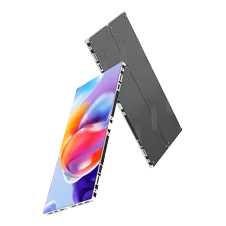
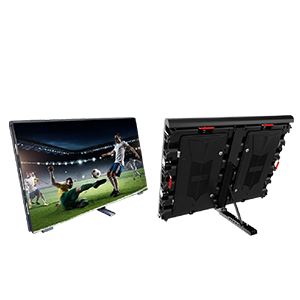
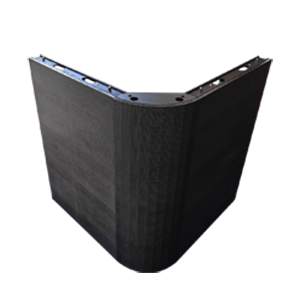
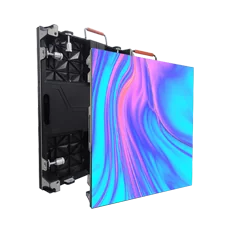
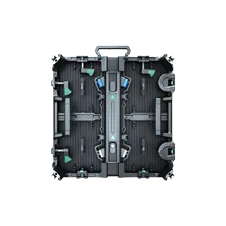
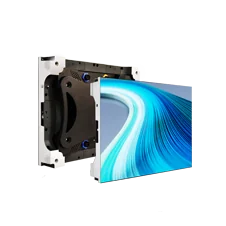
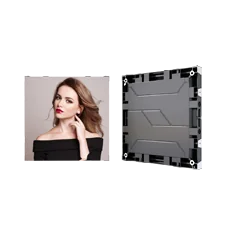
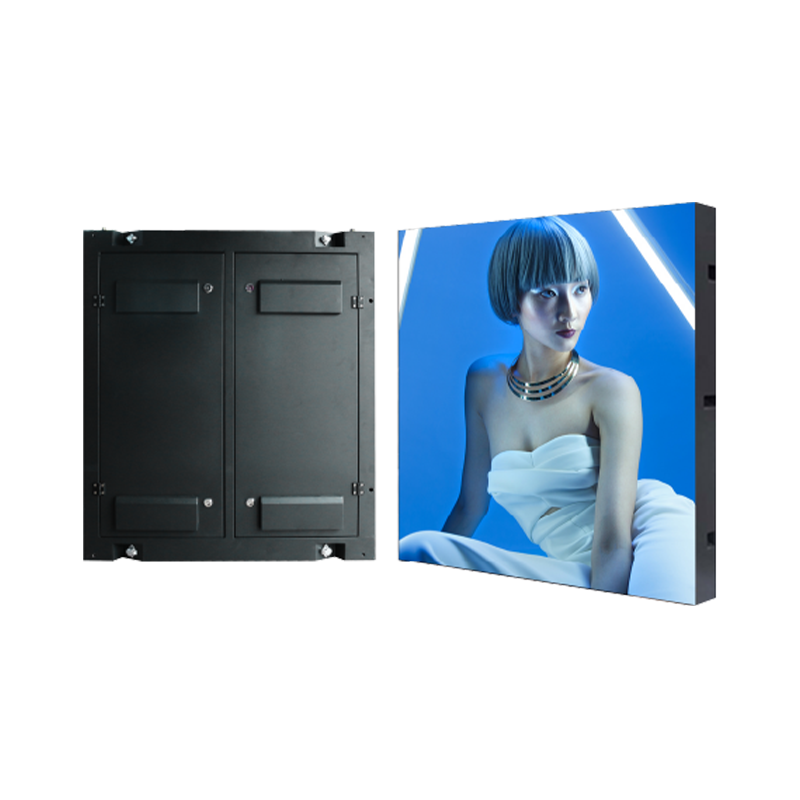
For projects requiring unusual proportions, cabinet engineering becomes even more significant. The IF Series from our indoor range, for example, is an indoor front-service commercial LED display that supports customized sizes, a 3840Hz refresh rate, brightness from 4000 nits to face strong sunlight, and 90° angle configurations with various design options. Its specification set demonstrates how physical flexibility and image performance can be considered within one commercial display concept.
A procurement team should also clarify how customization affects production schedules, spare parts, installation, and future replacement. Non-standard configurations may offer architectural advantages, but they should remain serviceable after installation. Clear drawings, component records, and agreed technical documentation make later maintenance considerably easier.
Review Service, Communication, And Project Support
Technical support should begin before the purchase order is finalized. During discussions with an indoor LED display supplier, ask whether engineering teams can review installation drawings, power requirements, control layouts, and maintenance access. Practical support at this stage can help identify conflicts between the display and the surrounding building infrastructure.
Communication becomes even more important once production starts. A project normally involves several parties, including the display manufacturer, installer, electrical contractor, integrator, architect, and end client. Defined responsibilities and consistent documentation reduce misunderstandings about cabinet orientation, cable routing, control equipment, and commissioning procedures.
After installation, service arrangements become part of the display’s operational value. Buyers should understand warranty terms, spare-part availability, troubleshooting channels, software support, and recommended maintenance intervals. Indoor LED displays are often integrated into commercial environments where downtime affects scheduled activities, advertising programs, presentations, or visitor experiences.
Build A Long-Term Procurement Framework
Supplier evaluation should not end with the first successful installation. Future expansion, replacement requirements, software updates, and changes in content strategy can all affect the usefulness of the original system. Maintaining records of cabinet models, receiving cards, power supplies, control equipment, and configuration settings creates a practical technical reference.
Procurement teams can also establish measurable acceptance criteria before delivery. These may cover cabinet dimensions, brightness, refresh performance, image uniformity, dead pixels, mechanical condition, electrical behavior, and control-system functionality. Factory inspection and on-site commissioning can then follow the same documented criteria.
Our approach at LEDFUL is to discuss application requirements, technical parameters, installation conditions, and service expectations as connected parts of the same project. A reliable partnership is built through transparent specifications and practical communication, not simply through a quotation. Once those fundamentals are established, indoor LED displays can be evaluated according to the environment they actually need to serve, while the indoor LED display supplier becomes part of a structured project process rather than merely a source of hardware.