







Designing video assets for a standard solid monitor is a straightforward process. However, applying those exact same video files to a see-through glass facade usually results in a chaotic, unreadable mess.
Many retail brands invest heavily in cutting-edge digital infrastructure, only to see their visual campaigns fail. When engineers and marketing teams misalign, the hardware investment is wasted.
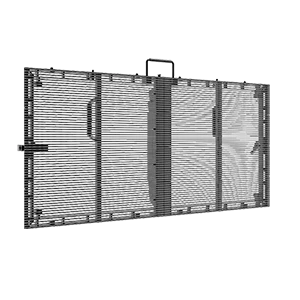
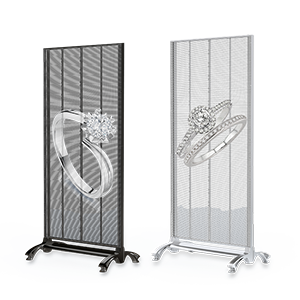
Creating assets for a transparent LED screen display requires a different digital mindset. You are sculpting light within an existing physical space. To improve the optical illusion, content creators should follow specific principles tailored to this unique medium.
Master the True Black Background Effect
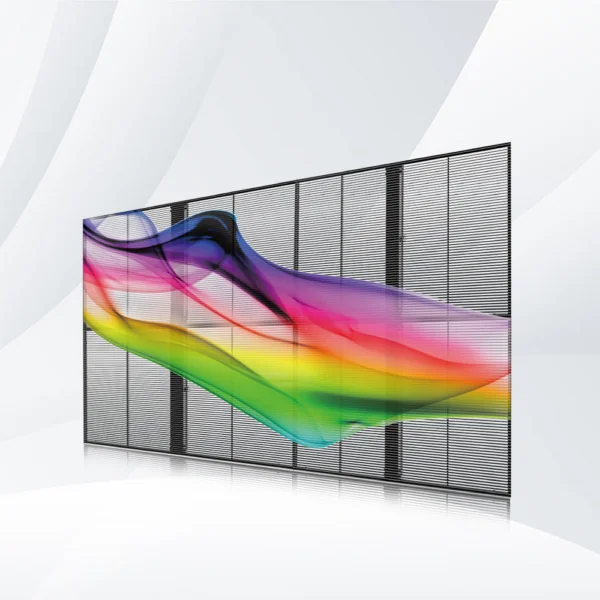
The foundational secret to see-through visual technology relies on absence. This binary operation of light is the core of transparent design.
In this specific electronic medium, the color black does not render as a dark pigment like it would on printed paper. Instead, a black pixel simply tells the internal control card to deactivate that specific diode.
When you set your video background to rigorous black, those designated areas of the screen emit zero light. This renders the hardware effectively invisible to the naked eye.
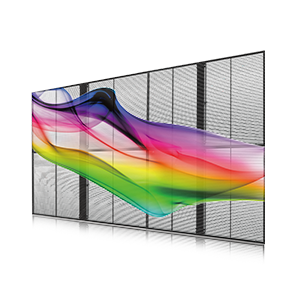
This physical trait allows natural daylight to pass unobstructed through the deactivated zones. Consequently, your bright floating logos or neon typography appear to hover magically in mid-air.
Using white or complex photographic backgrounds activates every single lamp bead simultaneously. This instantly destroys the see-through illusion, blocking the window and turning your expensive glass facade into a basic, low-resolution billboard.
Prioritize Extreme Color Contrast and Saturation
Ambient lighting acts as a natural eraser for digital content.
Because these installations usually face bright outdoor environments or sit in highly illuminated shopping mall atriums, subtle color gradients simply wash out. Soft pastels cannot compete with the sun.
Your digital palette should rely on high-saturation hues and extreme contrast ratios. Neon greens, pure cyans, and intense magentas cut through the environmental glare much better than muted tones.
Strong visual contrast ensures that the primary subject of your marketing video remains distinctly visible. It separates the digital foreground from the chaotic background of the physical store interior sitting behind the glass.
Many successful brands utilize scheduling software to shift color palettes dynamically. They deploy high-contrast neon during daylight hours and switch to richer, complex visuals after sunset.
Leverage Kinetic Motion for Depth Perception
Static images perform exceptionally poorly on glass-mounted hardware.
The human eye naturally struggles to differentiate a flat, static digital graphic from the physical mannequins or retail shelves located just a few feet behind the window display. The visual planes merge together.
Introducing continuous, fluid motion solves this depth-perception problem instantly. Dynamic animations force the viewer’s brain to separate the active foreground light from the static background environment.
Keep the kinetic pacing deliberate. Hyperactive, flashing visuals can overwhelm the transparent effect and cause visual fatigue for shoppers standing nearby.
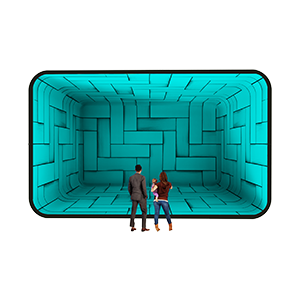
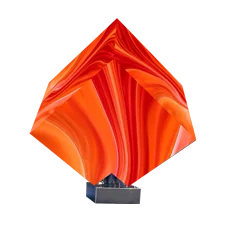
Furthermore, designing 3D-rendered objects that rotate slowly on a black axis creates a stunning stereoscopic effect. This naked-eye 3D technique does not require special glasses, instantly grabbing the attention of passing trade show attendees.
Map Graphics to Architectural Geometry
Modern retail spaces rarely rely on flat, rectangular window panes.
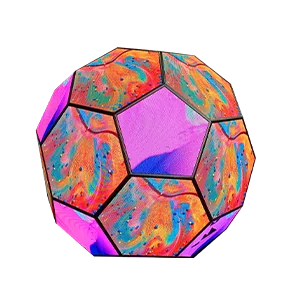
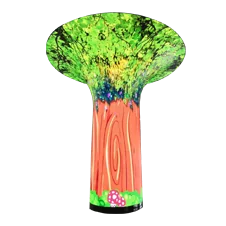
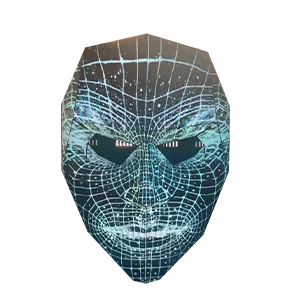
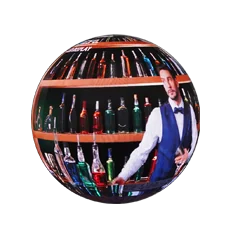
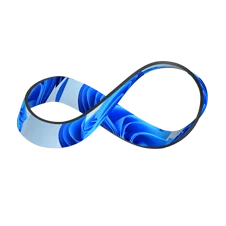
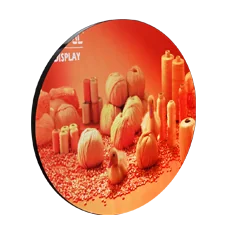
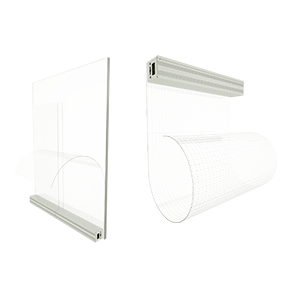
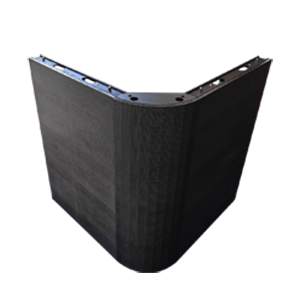
Architectural designs frequently incorporate curved glass facades, corner pillars, or cylindrical display cases. Your video assets should map precisely to these physical contours to maintain visual coherence.
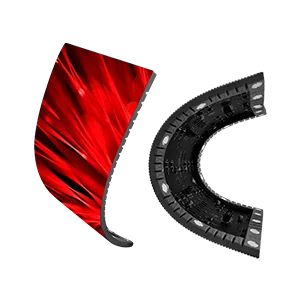
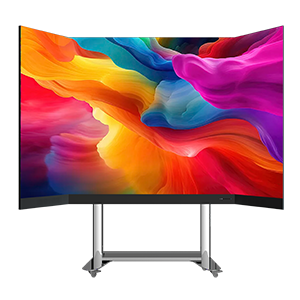
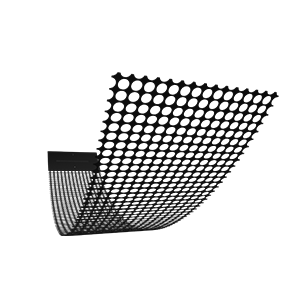
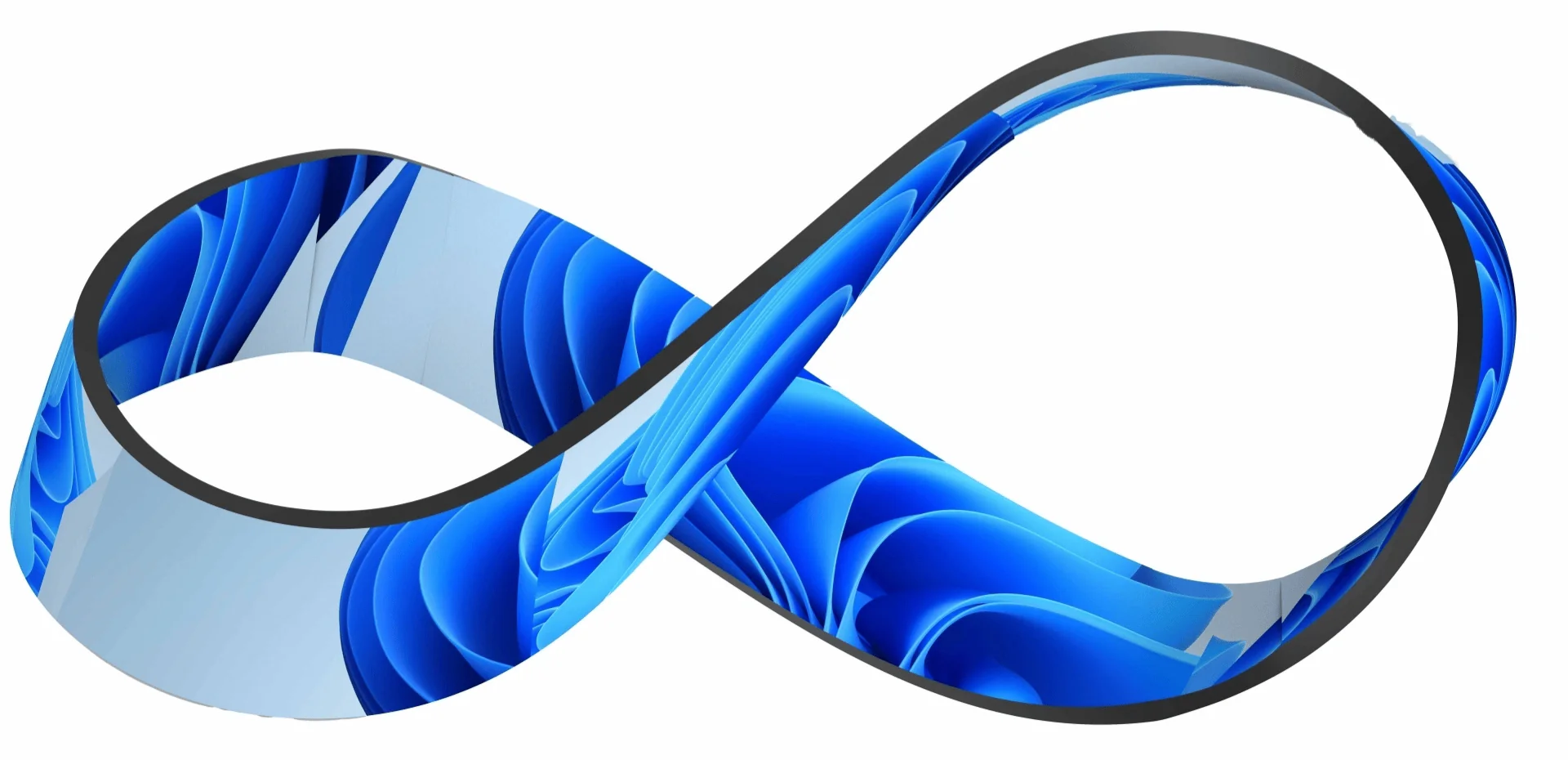
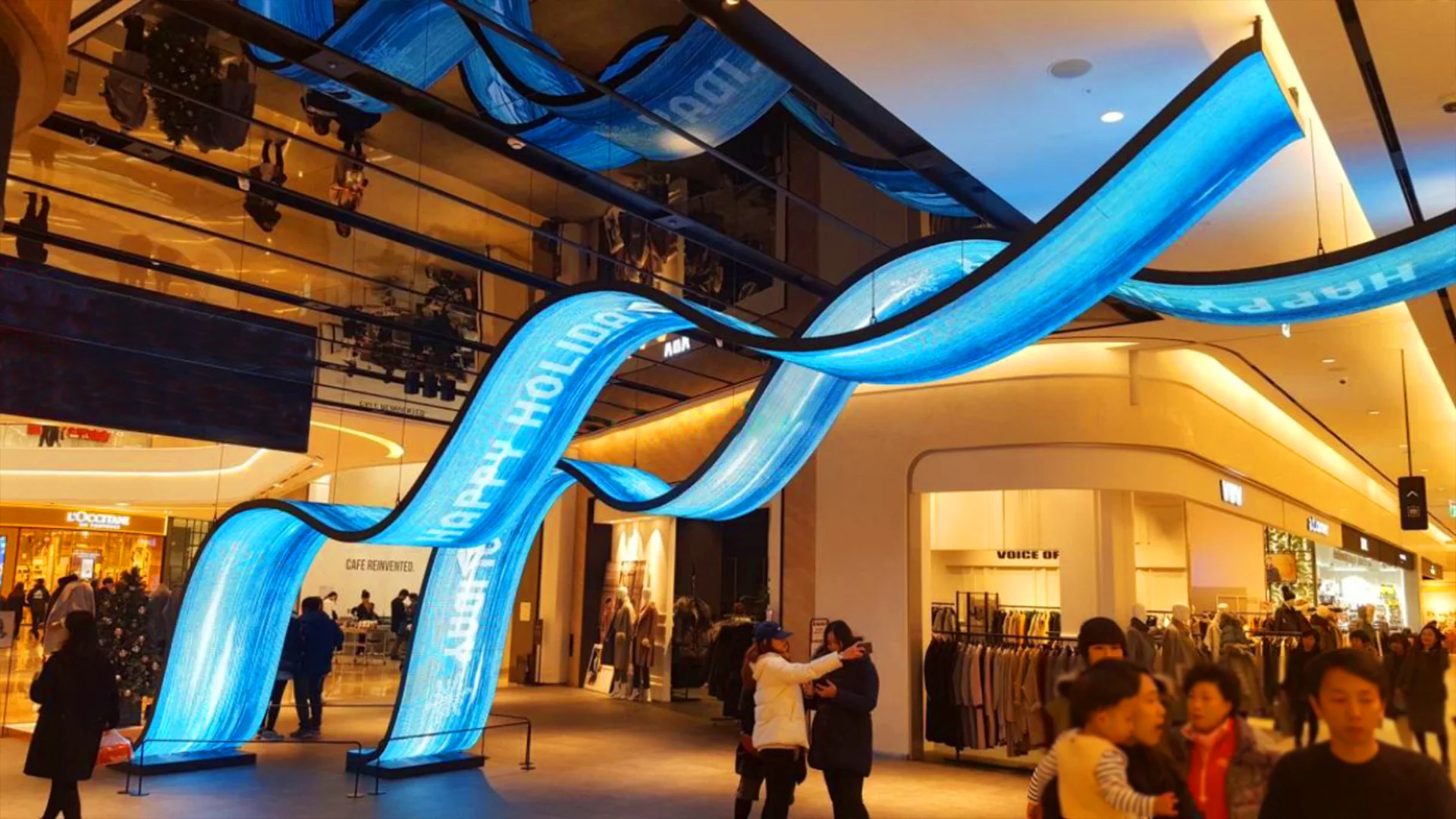
This is where a flexible transparent LED display proves invaluable. When mapping content for these pliable setups, designers should mathematically account for the specific physical bending radius in their rendering software.
Content creators should understand exactly how the pixel pitch behaves across a curved axis to prevent graphic distortion. Aligning the digital motion with the physical curvature supports an immersive, wraparound visual experience.
Animations should flow around corners rather than breaking abruptly at the structural seams. This precise geometry elevates the audience’s perception of the brand.
Support Hardware Synergy with the Manufacturer
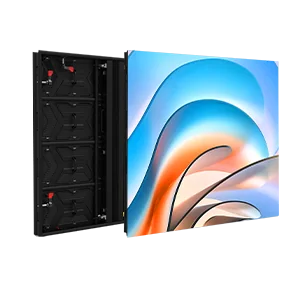
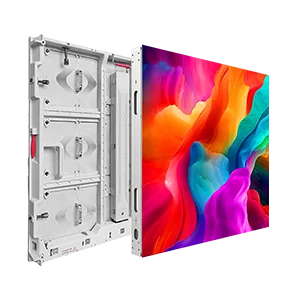
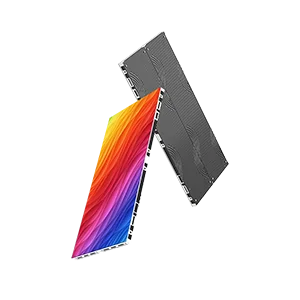
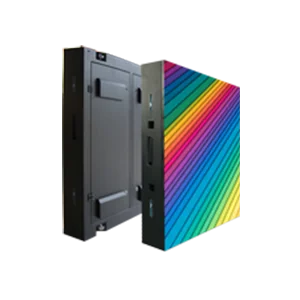
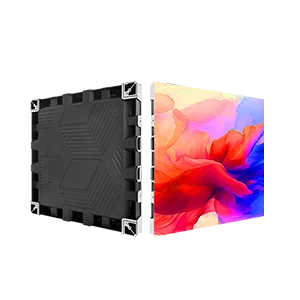
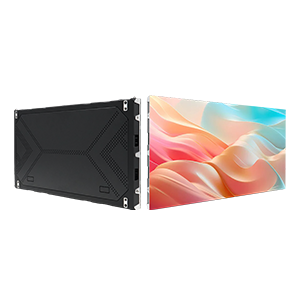
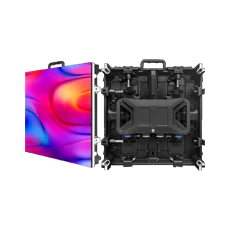
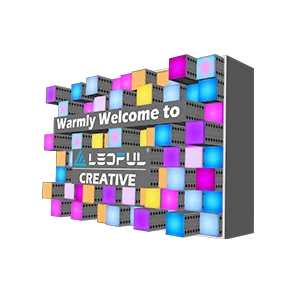
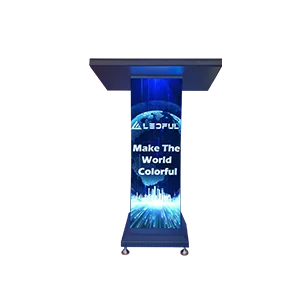
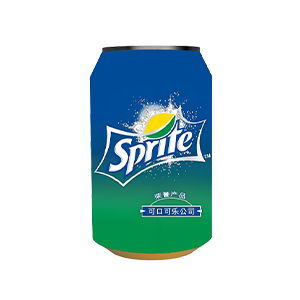
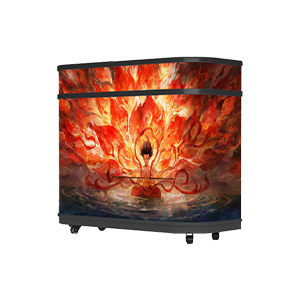
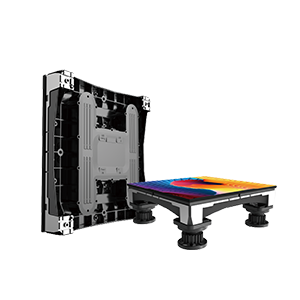
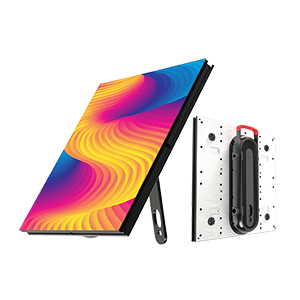
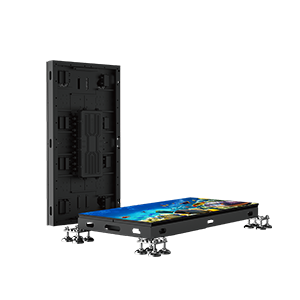
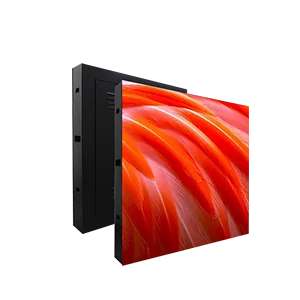
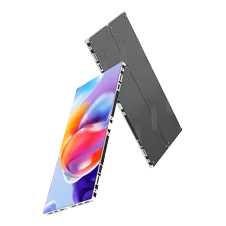
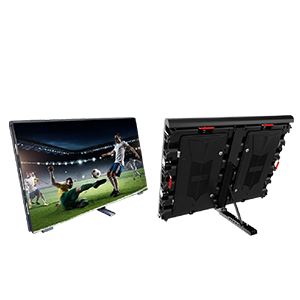
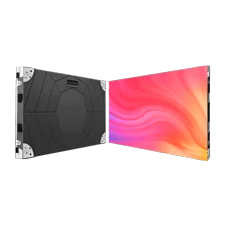
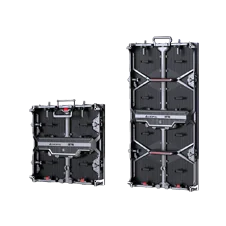
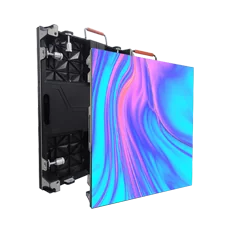
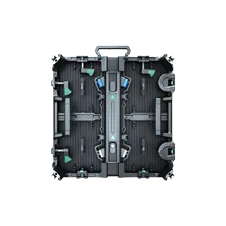
Brilliant digital artwork cannot salvage poorly manufactured hardware. Explore LEDFUL creative LED displays to compare different product forms, structures, and application scenarios for customized visual projects.
Even the most vibrant video files will still look disjointed if the underlying circuit boards suffer from low refresh rates. Flickering screens destroy the premium feel of any custom 3D animation, especially when filmed by smartphones.
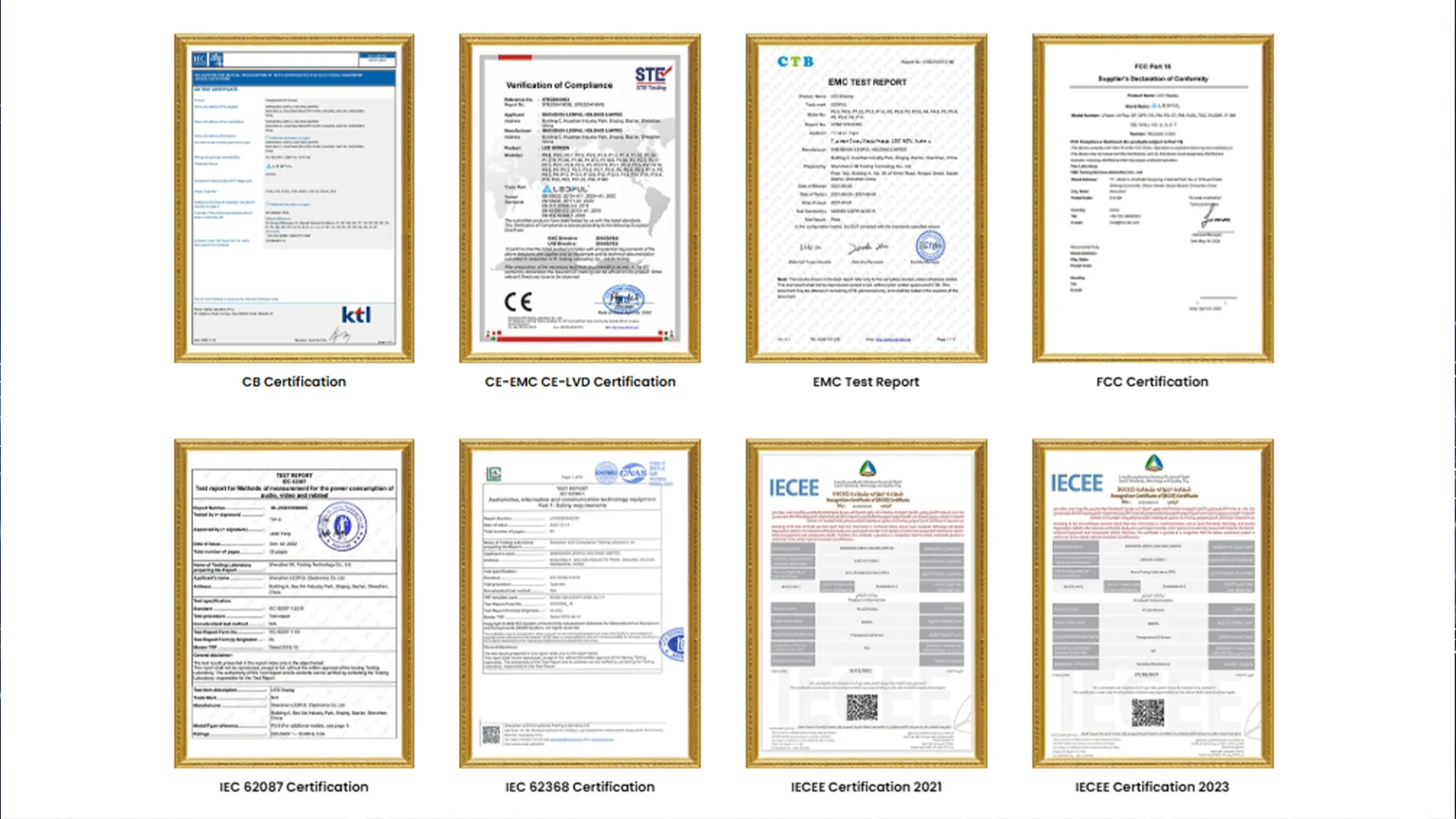
Procuring your digital infrastructure from an experienced LED display factory provides the technical foundation required for high-end content execution. Proper factory calibration supports uniform color saturation, meaning your brand colors display exactly as designed.
At LEDFUL, we engineer our products specifically to support ambitious digital marketing strategies.
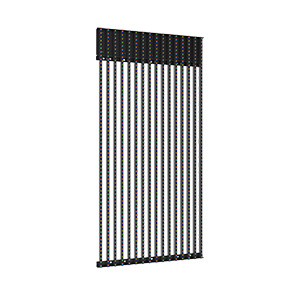
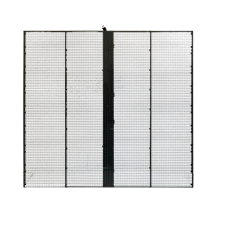
For corporate glass facades requiring ultra-thin aesthetics, our TGC series delivers 70% transparency with a solid aluminum frame at just 7.5kg per square meter. This lightweight, transparent design complements minimalist content strategies.
When demanding complex geometric mapping, our TGC series supports curved, cylindrical, and cube installations with its flexible frame design and 360° viewing angle. It maintains stable performance for smooth video playback across varied shapes.
If your priority is stable performance paired with efficient operation, the TGC series offers 1000 to 5000 nits brightness options with an average power of 360W per square meter for prolonged playback.
We provide flexible order quantities tailored to your project scale. This low threshold allows creative agencies to rigorously test their video assets on actual physical hardware before committing to a full-scale facade deployment.
We stand behind our products with solid warranty protection and reliable after-sales support, including free professional consultation. We empower your designers to bring their highly creative transparent content strategies to life.