
























The fundamental laws of thermodynamics dictate a strict reality for all commercial electronics. When any digital signage system supplies electrical voltage exceeding the exact chemical threshold required by its internal components, that surplus energy cannot simply vanish. Instead, the physical system immediately converts the unutilized electrical power into severe thermal waste.
This invisible conversion process drains amounts of commercial electricity while actively degrading the hardware from the inside out, significantly raising the total cost of ownership over a standard product’s lifespan.
Managing outdoor visual networks requires acknowledging this exact electrical principle. Facility managers often incorrectly blame local weather conditions for overheating cabinets, ignoring the internal circuitry generating the crisis.
To durably resolve severe temperature fluctuations and bloated utility bills, procurement engineers should evaluate the precise electronic routing occurring on the printed circuit board. Correcting this foundational power delivery methodology is the rigorous only way to achieve genuine, long-term operational efficiency.
The Blunt Force of Legacy Circuitry
Traditional digital billboards operate on a highly antiquated power distribution model. Traditional common-anode architectures use a shared 5V supply, even though red, green, and blue LED chips have different voltage requirements. The power supply units ignore the unique physical properties of the individual diodes, treating the array as a uniform electrical load, an obsolete approach that causes energy waste.
However, the microscopic diodes rendering your visual content possess different chemical properties. A red semiconductor requires merely 2.8 volts to emit brilliant, broadcast-ready light. Conversely, green and blue chips demand much higher activation thresholds to function correctly, typically resting around 3.8 volts.
In a conventional common-anode architecture, a shared 5V supply can create greater voltage loss because red, green, and blue LED chips operate at different voltage requirements. The resulting electrical losses contribute to heat generation within the driving circuitry.
Your display essentially functions as a highly inefficient radiator, burning through commercial electricity every month just to maintain basic optical visibility.
Precision Routing in a common cathode LED display
Eradicating this thermal waste demands a divergent engineering approach. An advanced common cathode LED display abandons the unified power supply architecture, opting instead for a highly segregated electronic layout. This structural shift requires rethinking how electrical currents physically travel across the copper pathways hidden inside the cabinet.
This sophisticated architecture physically separates the power delivery channels. It routes precise, dedicated voltage streams to the specific color diodes based strictly on their exact chemical consumption needs. The microchips no longer share a single, overwhelming electrical highway. They receive tailored electrical nutrition matching their specific physical thresholds.
The red, green, and blue channels can be supplied with voltages better matched to their respective operating requirements, such as the 2.8V and 3.8V levels described in LEDFUL’s Common Cathode testing. This voltage-matching approach is one of the technologies explained in our guide to energy-efficient LED displays.
By matching the incoming electrical load to the consumption threshold, the entire digital system reduces the destructive need for aggressive voltage step-down.
The physical result is an immediate cessation of thermal generation. The hardware stops manufacturing excess heat at the microscopic level. This dramatic drop in core temperature instantly relieves the heavy burden placed on secondary cooling fans, durably slashing the secondary electrical draw required for mechanical cooling.
Engineering the FS 250×250 Series for Commercial Stability
Theoretical electrical physics should translate into tangible commercial infrastructure to matter. Corporate procurement officers require verifiable data and robust physical implementation to justify capital investments. Understanding energy loss is useless unless the physical hardware actively prevents it during continuous operations.
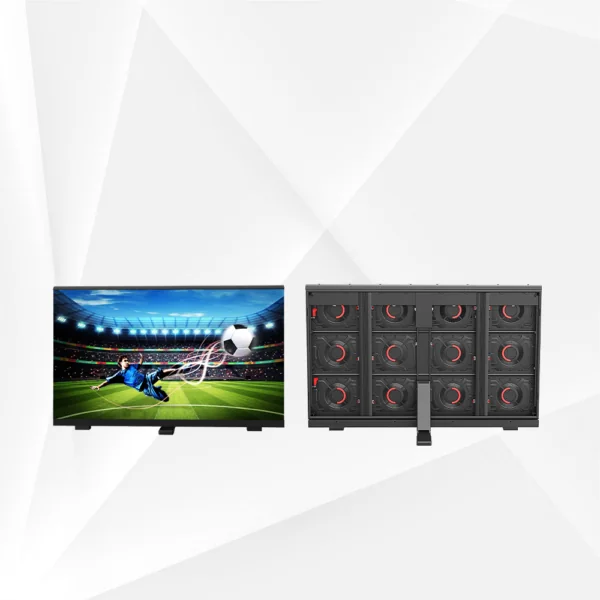
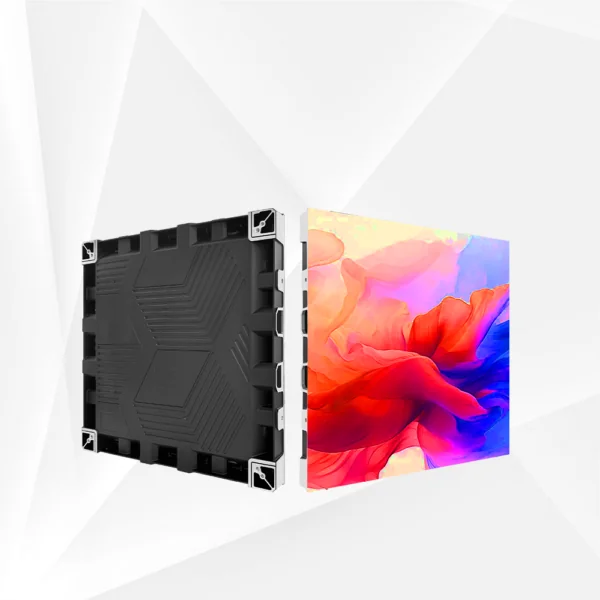
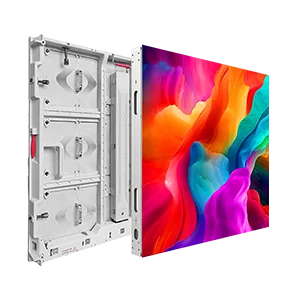
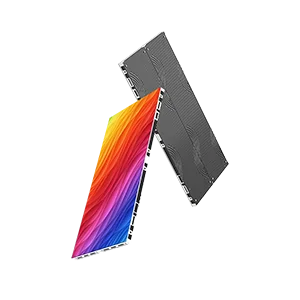
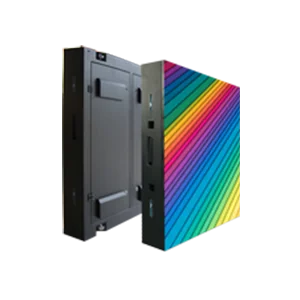
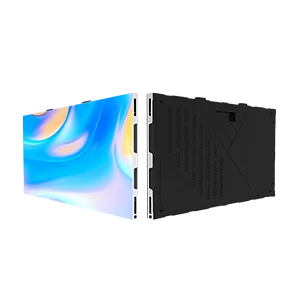
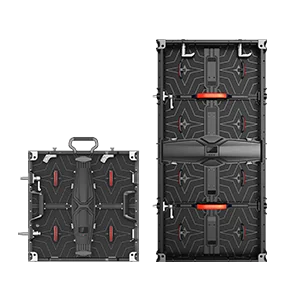
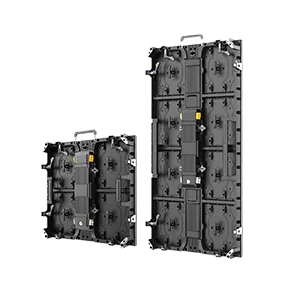
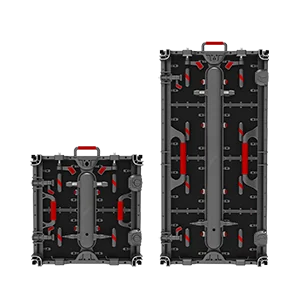
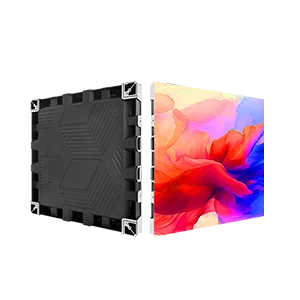
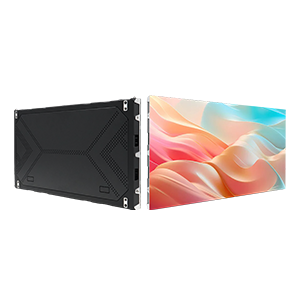
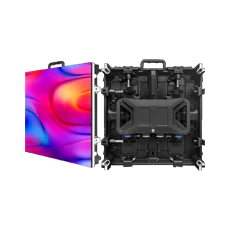
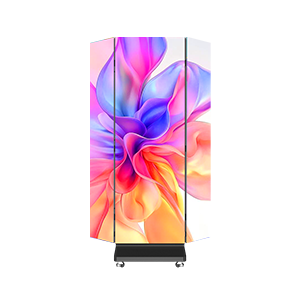
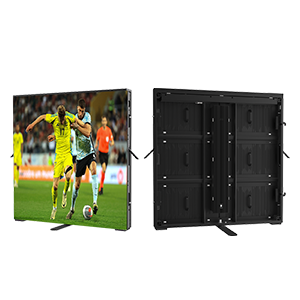
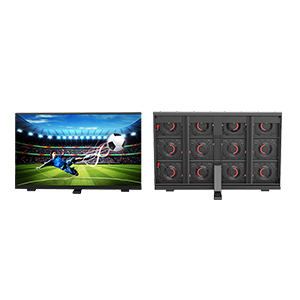
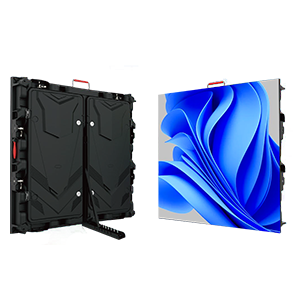
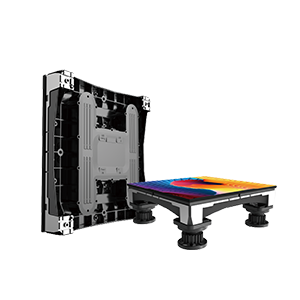
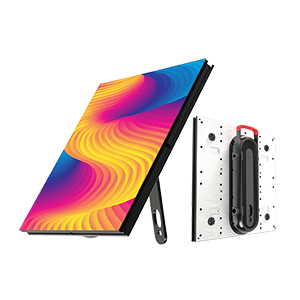
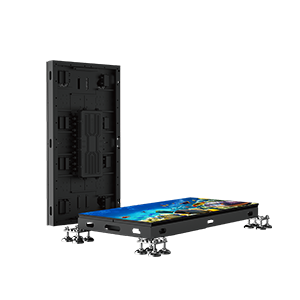
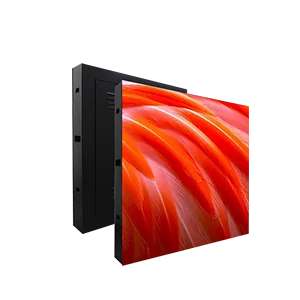
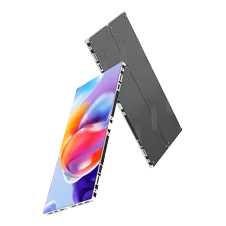
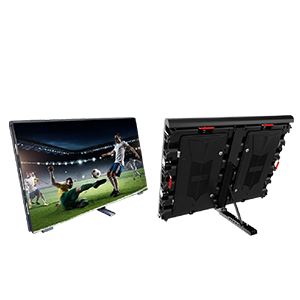
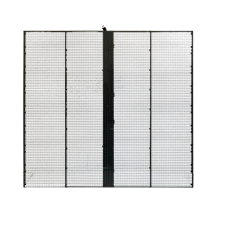
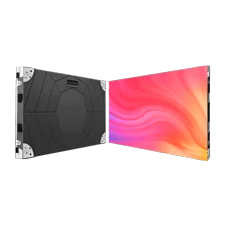
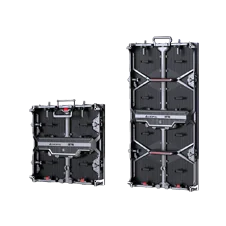
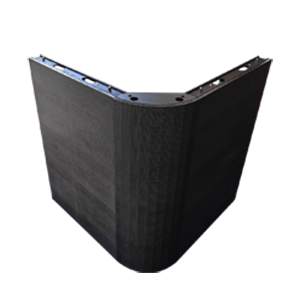
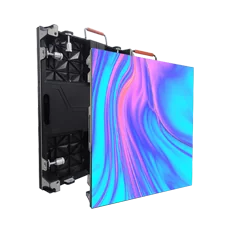
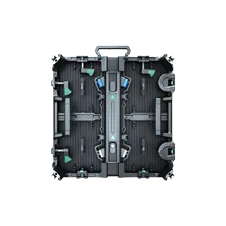
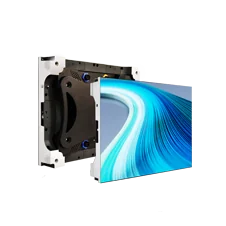
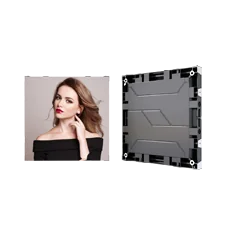
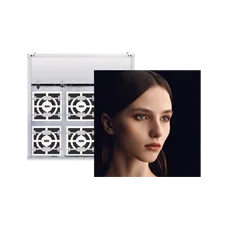
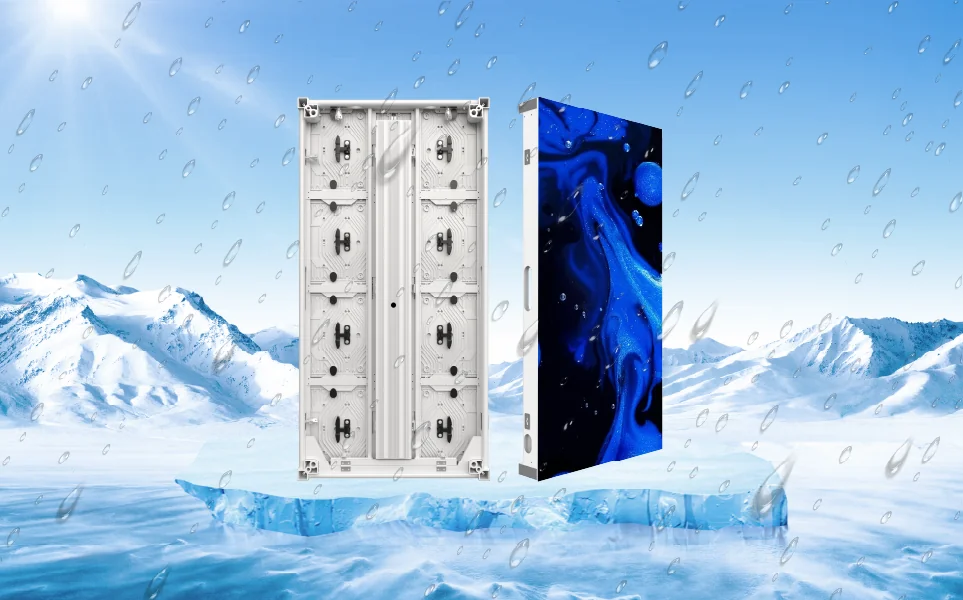
Applying these exact deductive power principles led to the structural development of our FS 250×250 Series. We engineered this specific hardware line to provide an exceptionally high cost-performance ratio specifically tailored for rigorous outdoor advertising deployments. It merges advanced circuitry with a highly durable physical chassis, delivering the rigorous reliability necessary for highly demanding corporate monetization strategies in public spaces.
By integrating this segregated electrical delivery, this product line curtails your monthly utility expenditure. The cabinet operates at remarkably lower internal temperatures.
This thermal stability extends the operational lifespan of the fragile semiconductor beads. It prevents the rapid brightness decay and sudden pixel blackouts that constantly plague heat-stressed visual networks during extreme summer months. Your digital facade remains brilliant, functional, and highly profitable year after year.
Securing Authentic Infrastructure from an Expert LED display factory
Executing this separated voltage routing requires incredibly sophisticated, multi-layer printed circuit boards. It demands rigorous soldering precision that standard assembly warehouses simply cannot achieve. Attempting to source this advanced technology from unverified vendors frequently results in catastrophic hardware failure and financial liability.
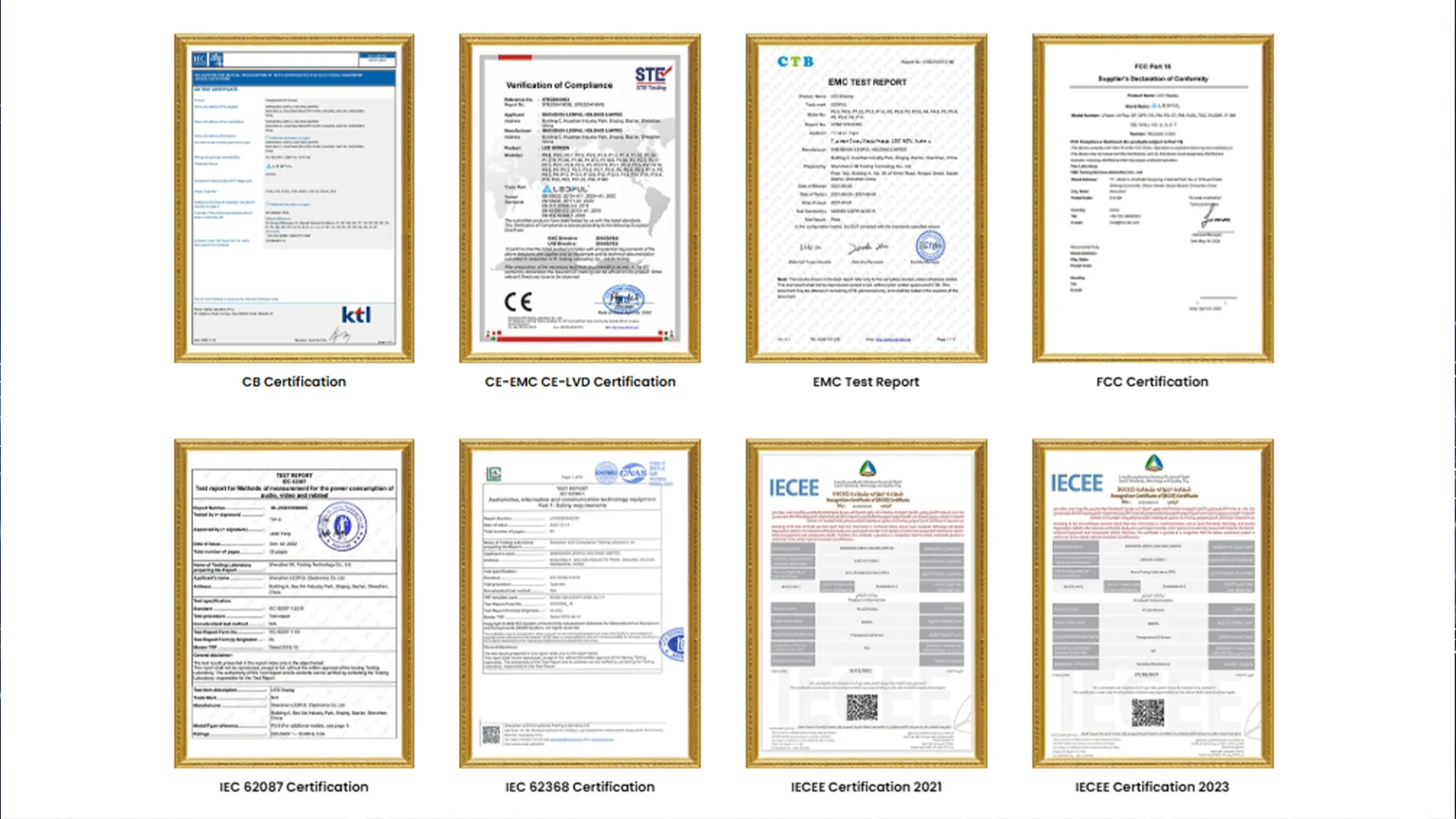
Securing genuine power-saving technology requires partnering with a specialized LED display factory. At LEDFUL, we maintain rigorous control over the entire internal engineering process. Our rigorous factory calibration ensures that your electronic infrastructure performs exactly as specified, delivering the exact thermodynamic efficiency your budget demands.
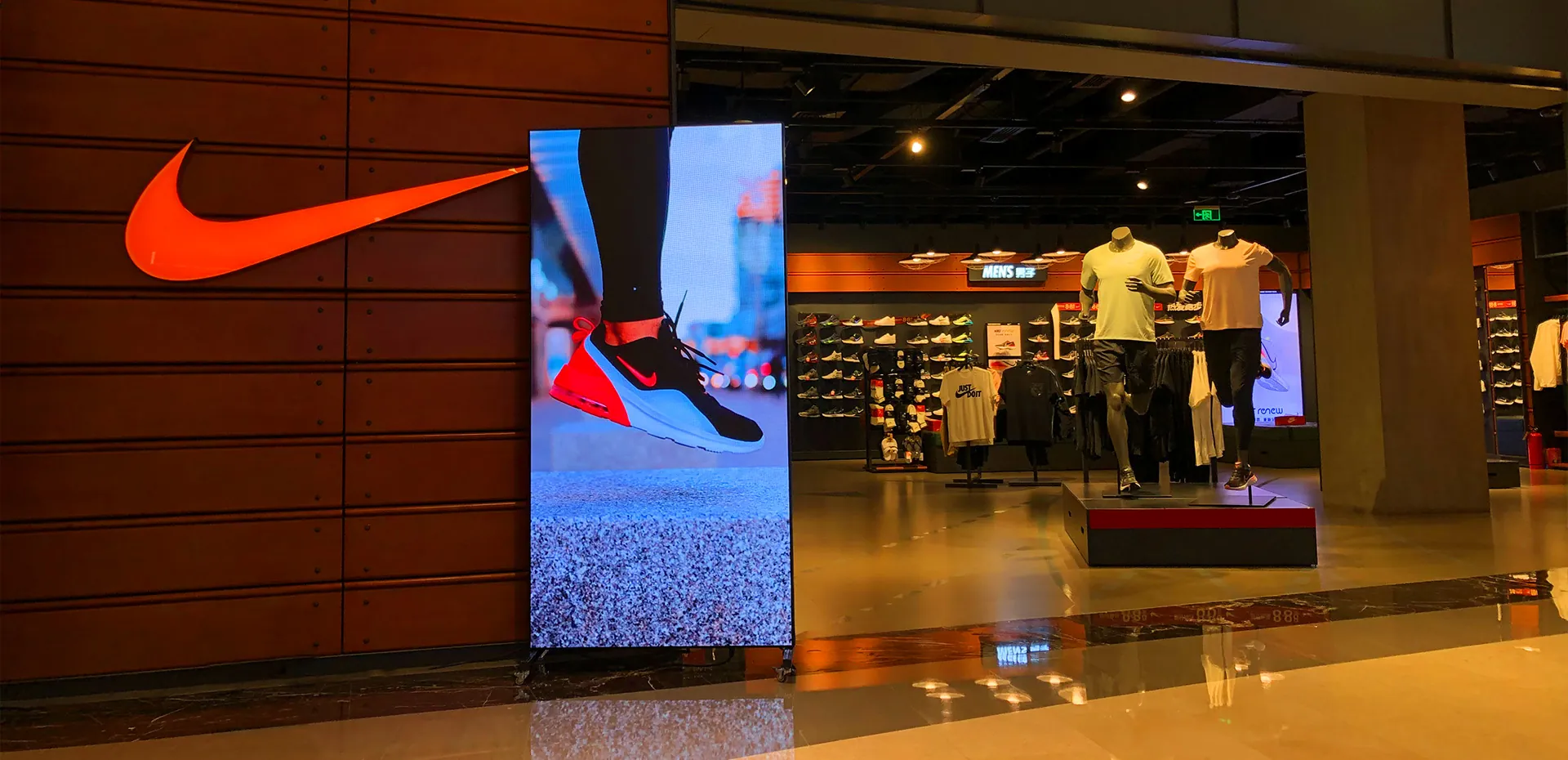
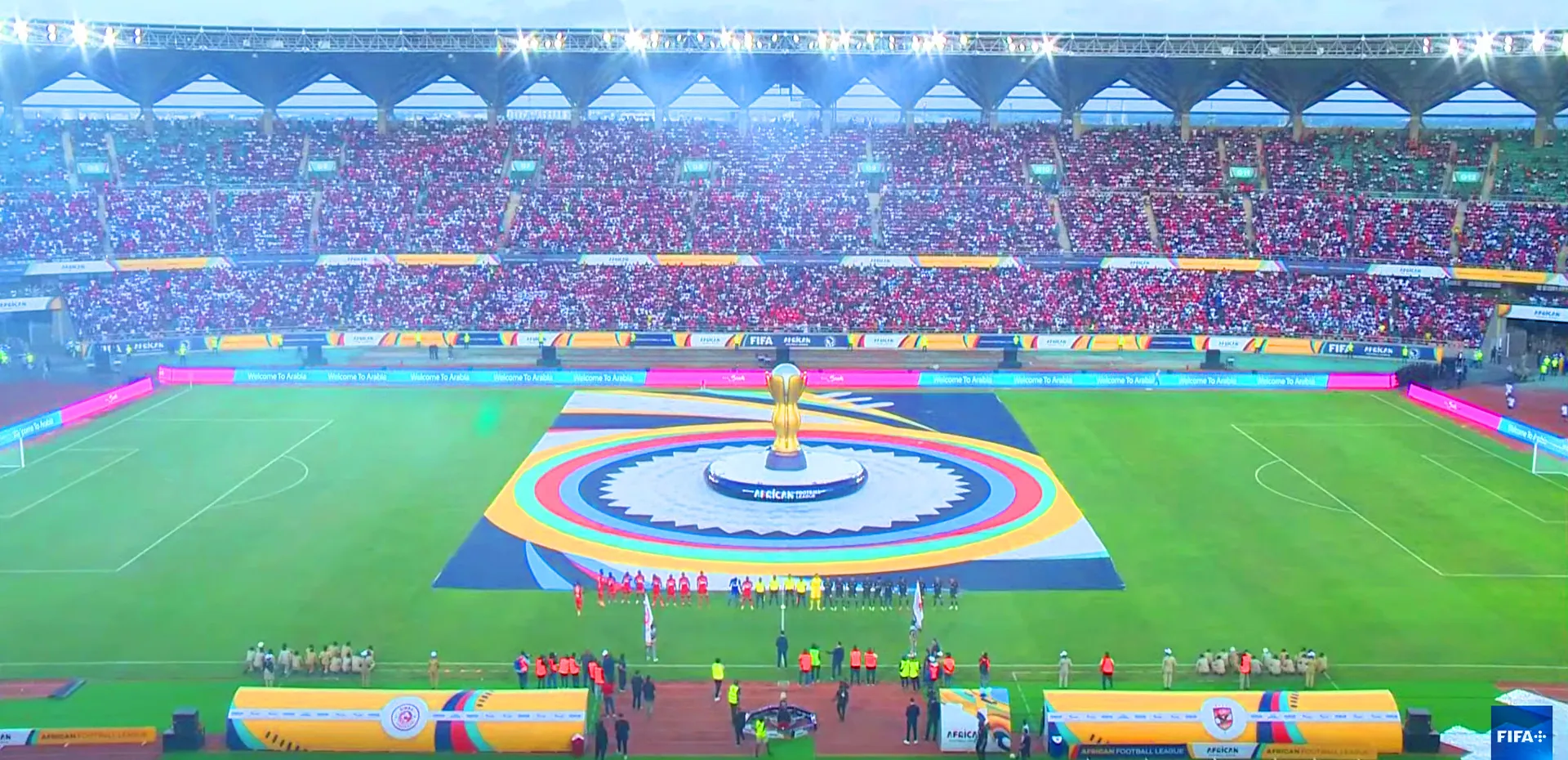
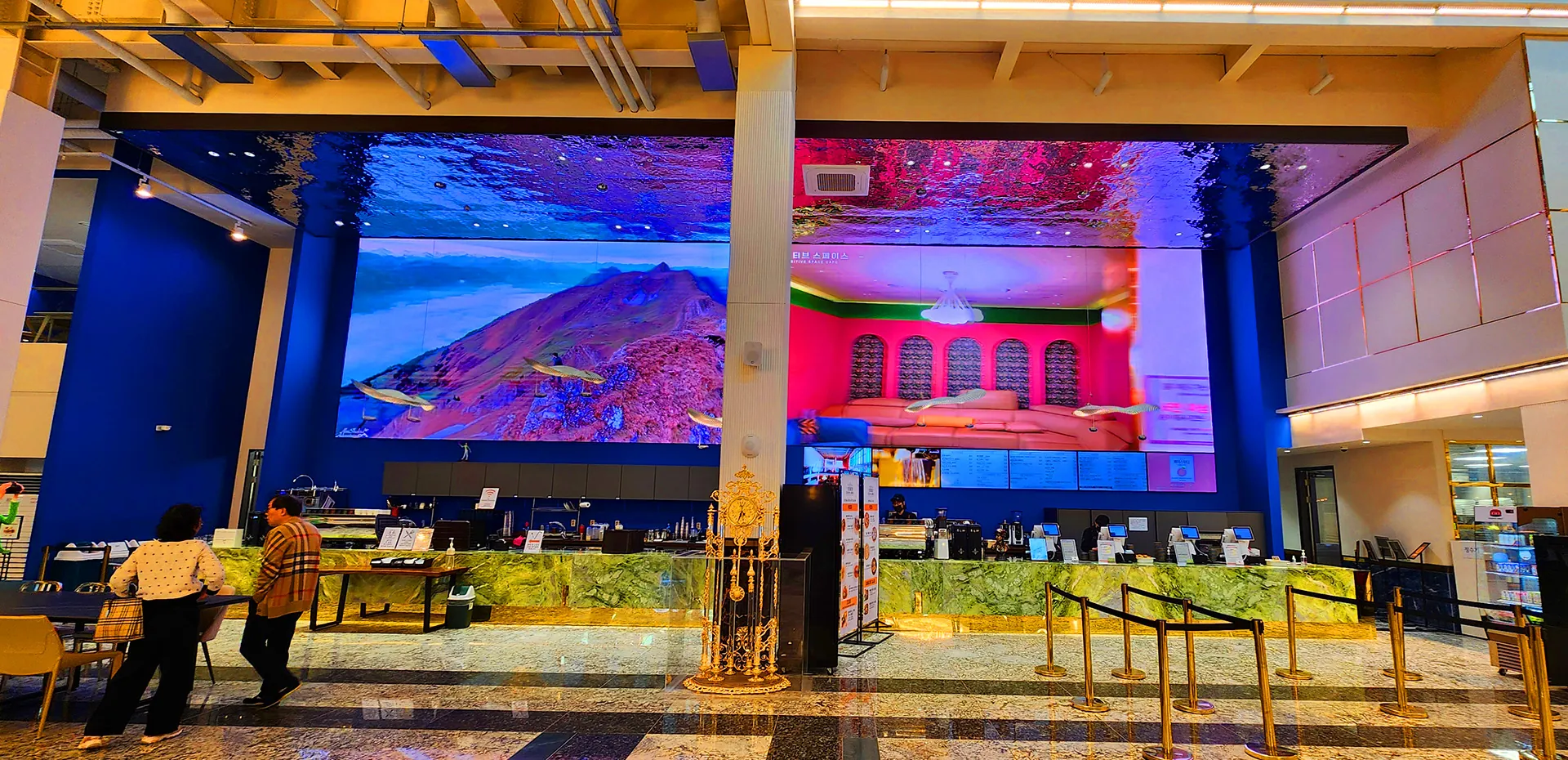
We provide comprehensive services to help corporate financial officers accurately model their long-term electrical savings. Exploring our global projects and reading our detailed customer cases demonstrates how our highly stable digital networks endure harsh climates worldwide while prioritizing strict energy conservation.
To mitigate your initial capital risk, we offer a minimum order quantity of just one square meter. You can physically measure the reduced thermal output of our products using your own thermal imaging tools before authorizing a full deployment.