
























Facility managers frequently experience severe sticker shock when reviewing monthly utility bills for outdoor digital billboards. Running a giant semiconductor matrix at peak brightness for eighteen hours a day extracts a tremendous financial toll. When a corporation signs a ten-year lease for a highway billboard, the electricity bill eventually eclipses the initial hardware cost. Ignoring this specific metric constitutes rigorous financial negligence.
Many procurement officers meticulously negotiate initial hardware prices but ignore lifetime operational expenditures. This financial blind spot devours corporate marketing budgets rapidly. To stop this continuous financial drain, operators should understand the complex electrical physics separating legacy hardware from advanced digital architecture. Only by analyzing the exact power distribution mechanics can buyers accurately forecast their long-term capital outlay.
The Financial Drain of Standard Hardware
Standard commercial screens act as electrical heaters that happen to emit light.
Consider a standard one-hundred-square-meter digital billboard mounted above a busy metropolitan highway. Operating this vast canvas during peak afternoon sunlight requires maximum luminance just to remain visible to passing drivers. To achieve this extreme brightness, traditional diode arrays demand immense, continuous electrical current throughout the entire day.
However, legacy visual systems process this incoming power terribly.
In conventional common-anode LED displays, a shared 5V supply can result in greater voltage losses because red, green, and blue LED chips require different operating voltages.
This blunt-force electrical distribution creates catastrophic waste. A portion of the consumed wattage never converts into visible photons. It instantly transforms into trapped thermal energy, driving up utility expenses exponentially and placing immense strain on the venue’s electrical grid. Transformers running continuously at maximum capacity wear out much faster, triggering expensive replacement cycles and venue downtime.
The Hidden Cost of Thermal Management
Excess heat dictates a brutal, invisible chain reaction across your entire visual network.
As internal cabinet temperatures skyrocket under the afternoon sun, the hardware’s cooling mechanisms should work twice as hard to prevent a catastrophic meltdown. Giant mechanical fans consume their own share of electricity. If the screen relies on external air conditioning units, the secondary cooling requirements effectively double the operational footprint of the entire digital installation.
Furthermore, continuous thermal stress severely accelerates the physical degradation of the semiconductor materials. The delicate lamp beads begin to decay and dim prematurely.
To compensate for this sudden loss of visual brightness, technicians should manually push even more electrical current into the aging system. This action traps the facility manager in an inescapable cycle of escalating power consumption and rapidly decaying image quality.
The Physics Behind an energy saving LED display
Breaking this destructive cycle requires re-engineering the internal power distribution matrix.
An advanced energy saving LED display abandons the inefficient blanket-voltage approach. Instead, modern engineers deploy precise Common Cathode technology to manipulate electrical flow at a microscopic, surgical level. Common cathode architecture is one of several technologies used in energy-efficient LED displays to reduce unnecessary power consumption and heat generation.
The physical reality is that different colored microchips possess different voltage thresholds. A red diode requires merely 2.8 volts to illuminate effectively. Conversely, a blue or green diode demands roughly 3.8 volts. When legacy systems force 5 volts into a 2.8-volt red chip, the excess 2.2 volts instantly turns into pure thermal waste.
By splitting the internal power supply circuits, the advanced printed circuit board delivers precise, tailored voltage to specific colors independently. This surgical routing reduces the excess step-down voltage that previously converted into useless heat.
The physical results are economically staggering. The entire digital billboard operates significantly cooler, meaning the secondary HVAC demands drop immediately. This dual reduction in both direct diode consumption and cooling requirements slashes overall power draw by up to forty percent.
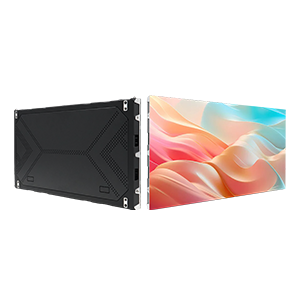
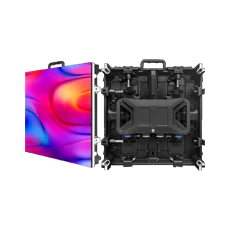
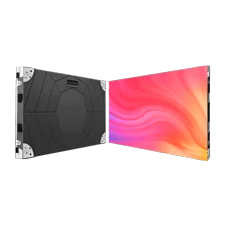
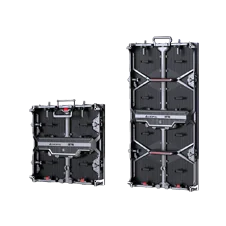
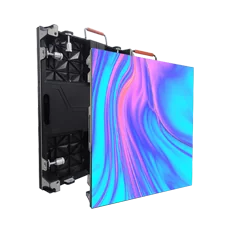
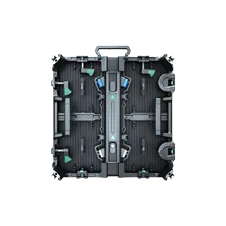
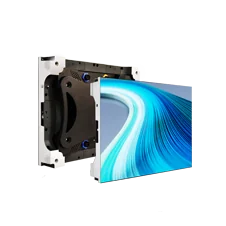
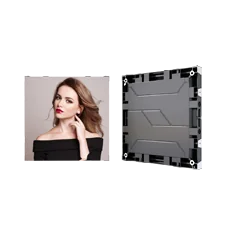
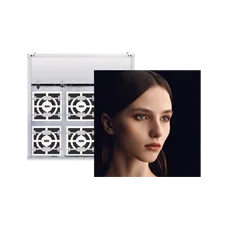
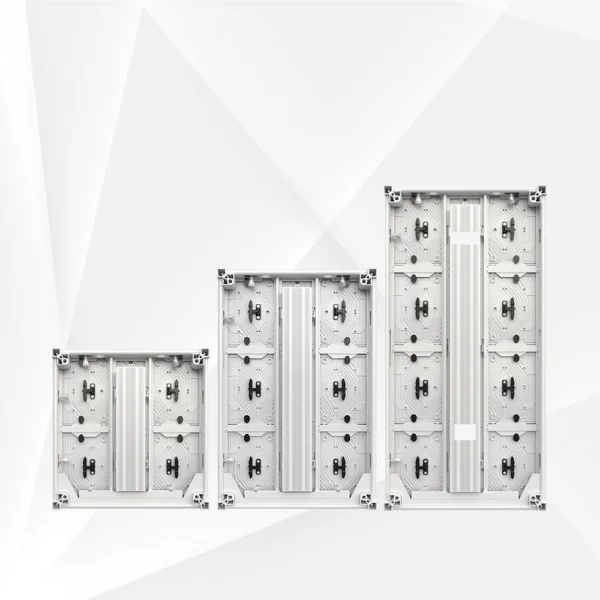
Deploying the FS PRO 250X250 Series
Theoretical physics only matters when successfully translated into reliable commercial hardware.
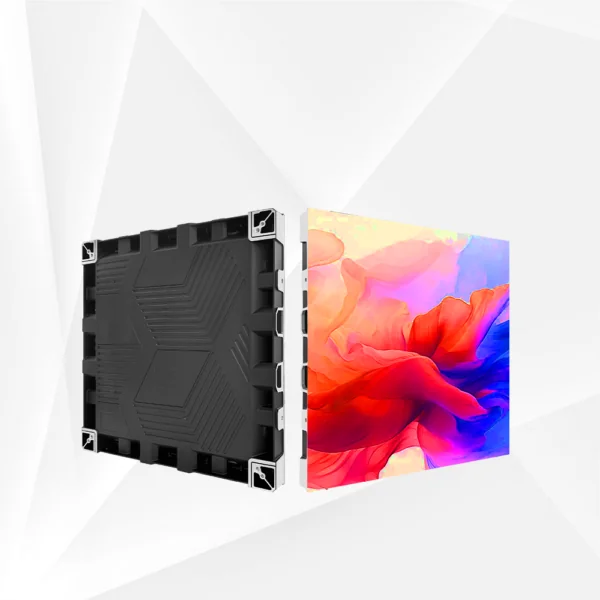
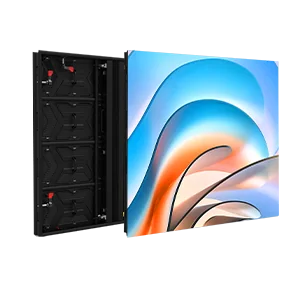
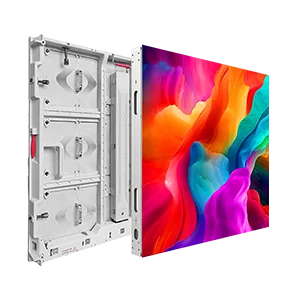
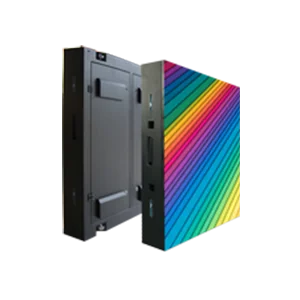
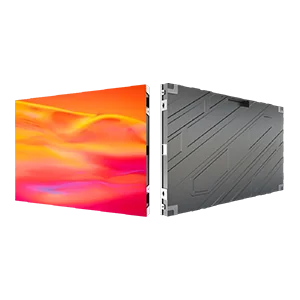
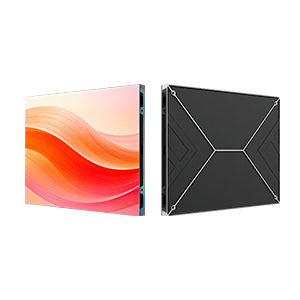
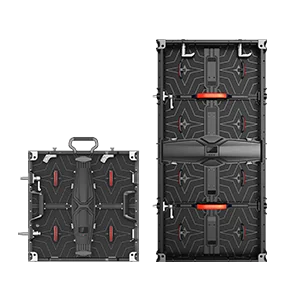
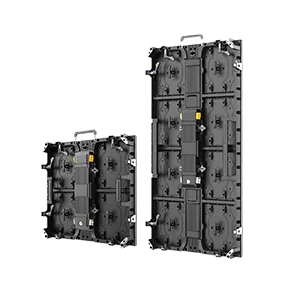
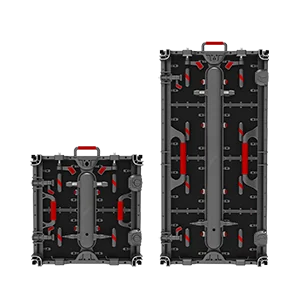
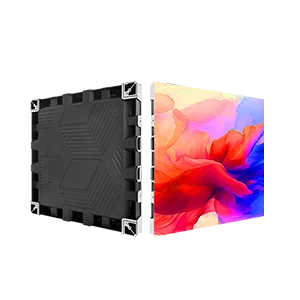
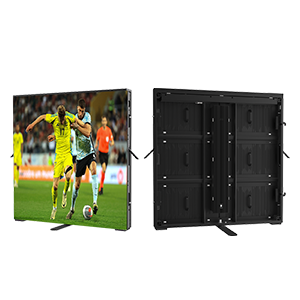
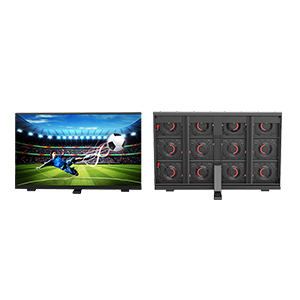
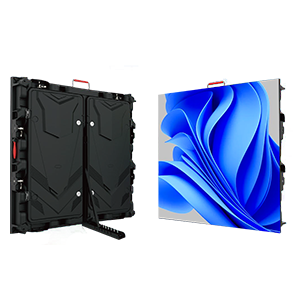
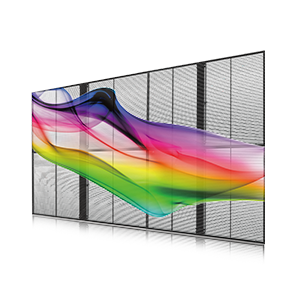
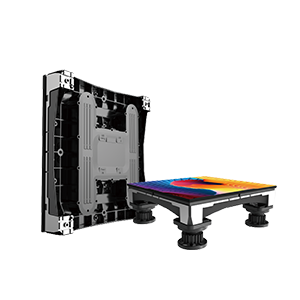
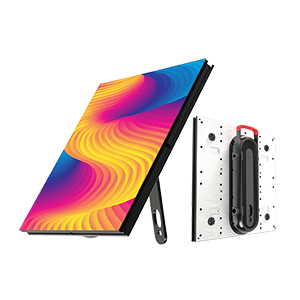
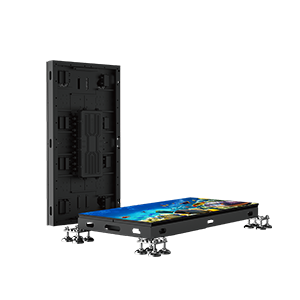
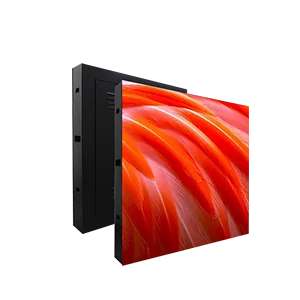
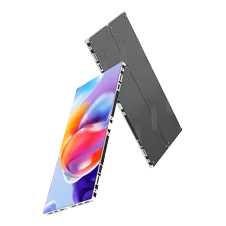
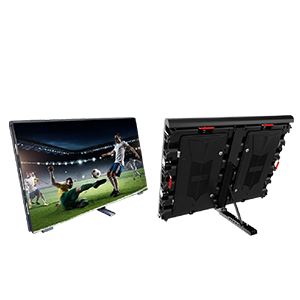
When procurement teams demand rigorous financial data and verifiable power reduction, they require specialized, purpose-built infrastructure. This exact commercial reality drives the meticulous engineering behind our FS PRO 250X250 Series.
We designed this specific product line to champion immense electrical efficiency without compromising long-term structural stability. It delivers an exceptionally high cost-performance ratio specifically tailored for highly demanding outdoor advertising applications. Lower power consumption also means utilizing thinner cables and smaller distribution boxes, further reducing your initial electrical installation costs on-site.
By integrating advanced power conservation protocols into the receiving cards, this hardware actively protects your monthly utility budget.
The significantly cooler operating temperatures inherently extend the lifespan of the internal microchips. This thermal stability reduces your long-term maintenance cycles and prevents sudden pixel blackouts during extreme summer heatwaves. Your digital network remains brilliant and profitable year after year.
Securing Corporate Sustainability with LEDFUL
Achieving these operational savings requires partnering with a transparent manufacturing facility.
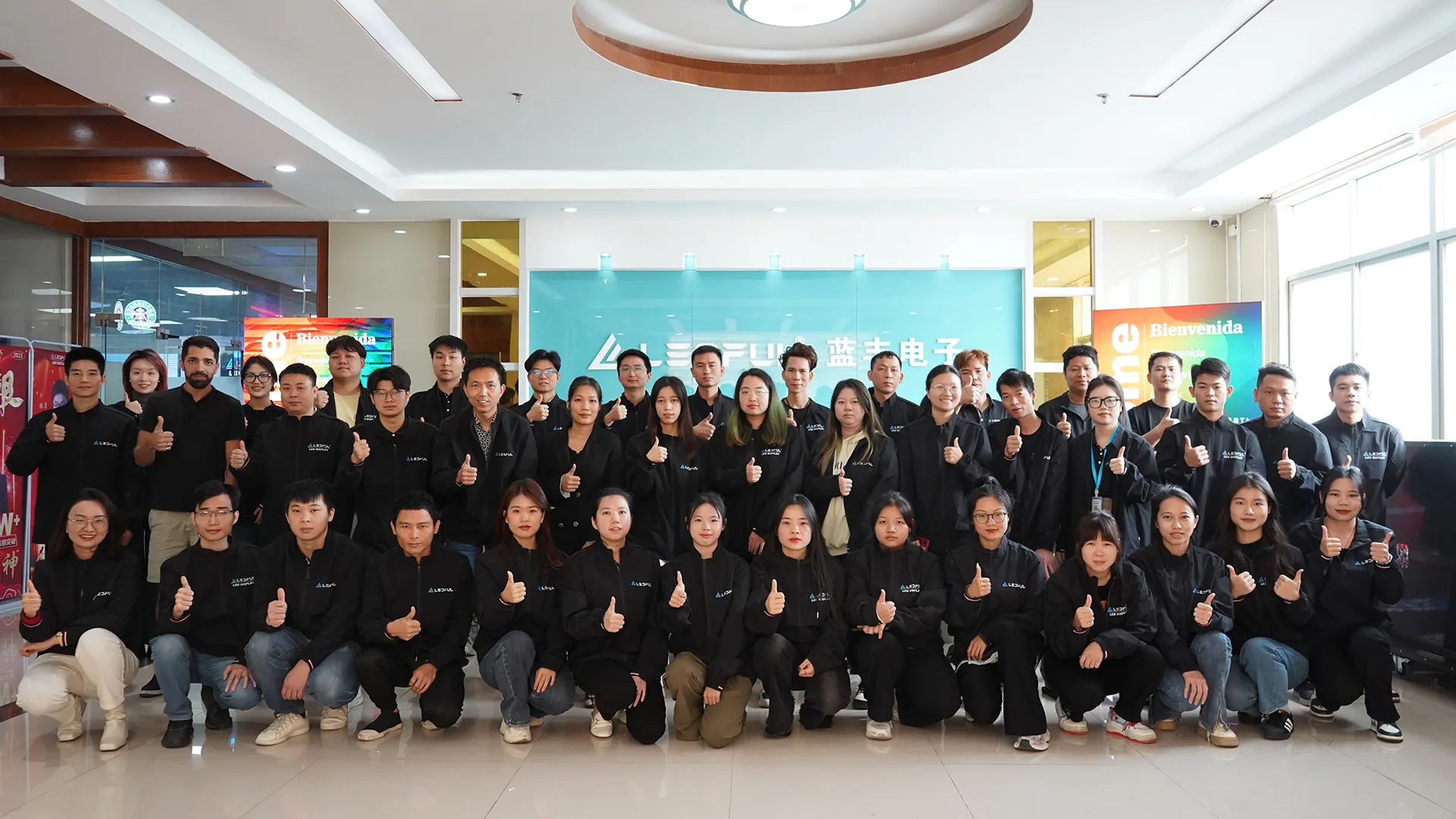
At LEDFUL, we provide objective power consumption data to help corporate financial officers calculate their exact return on investment accurately. Our team can provide technical support to help evaluate power consumption, thermal performance, and installation requirements for your project.
You can verify our hardware stability by reviewing our extensive global projects. Exploring our detailed customer cases demonstrates exactly how our advanced visual networks endure harsh outdoor climates while maintaining strict electrical efficiency.
We fully understand that enterprise rollouts require rigorous physical validation. Therefore, we offer highly flexible order quantities tailored to your project scale.
This minimal entry threshold empowers technical directors to physically pilot the electrical draw and optical clarity of our core products within their own venues.