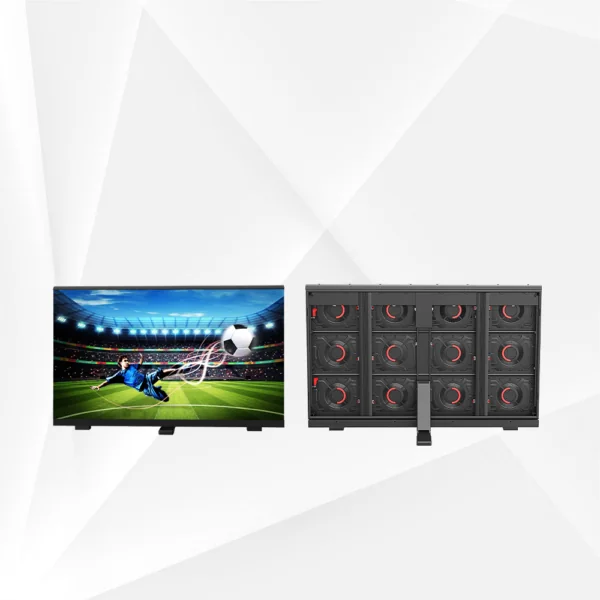



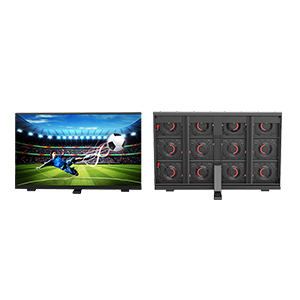
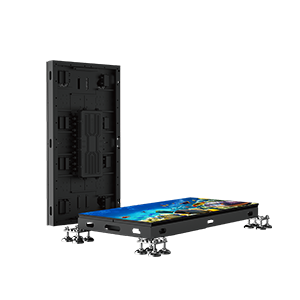
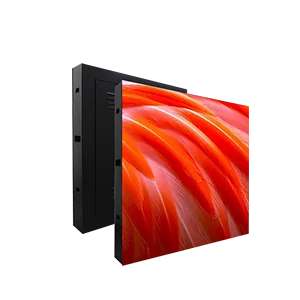
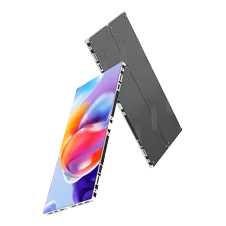
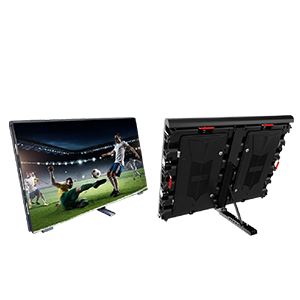




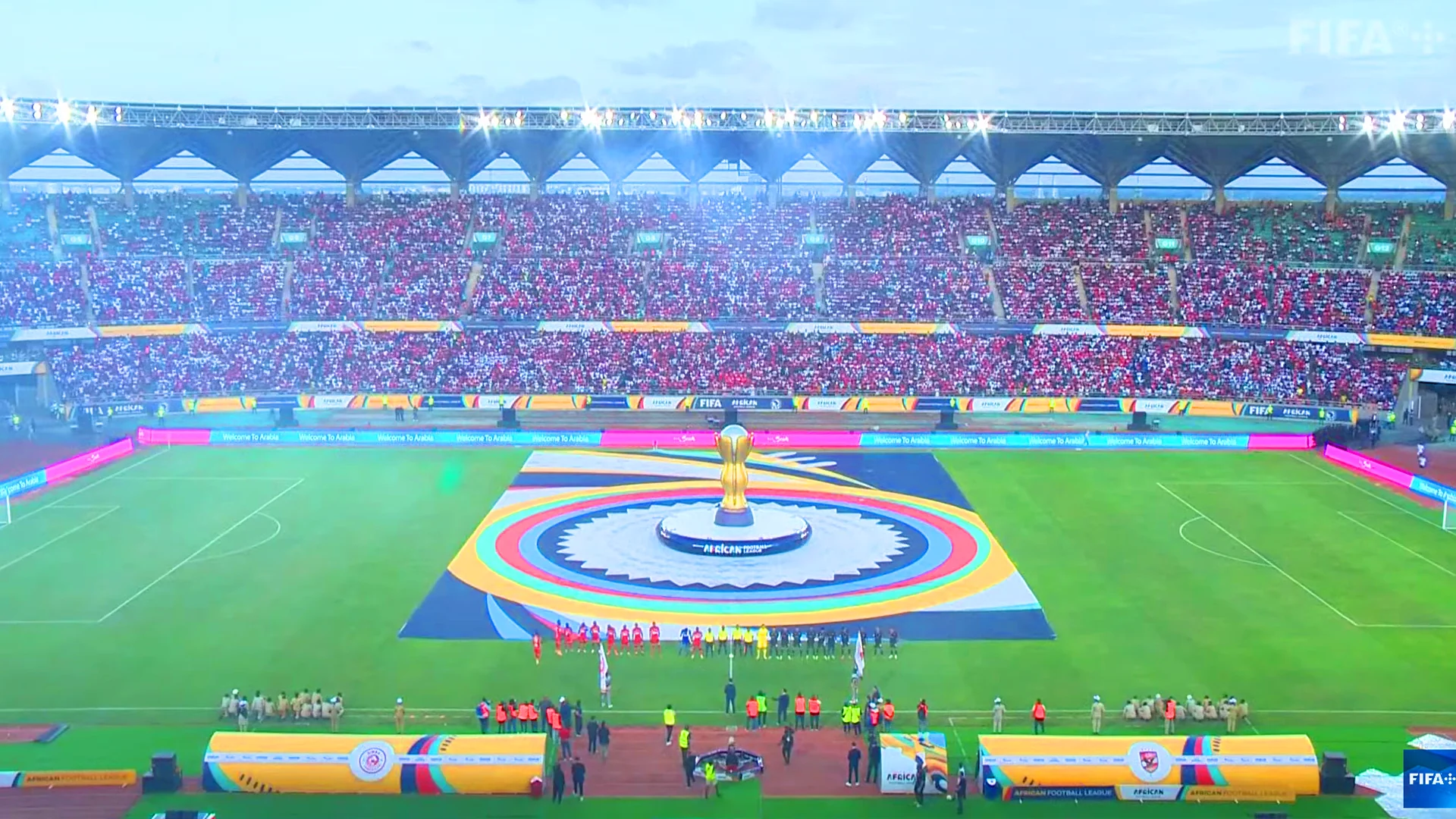
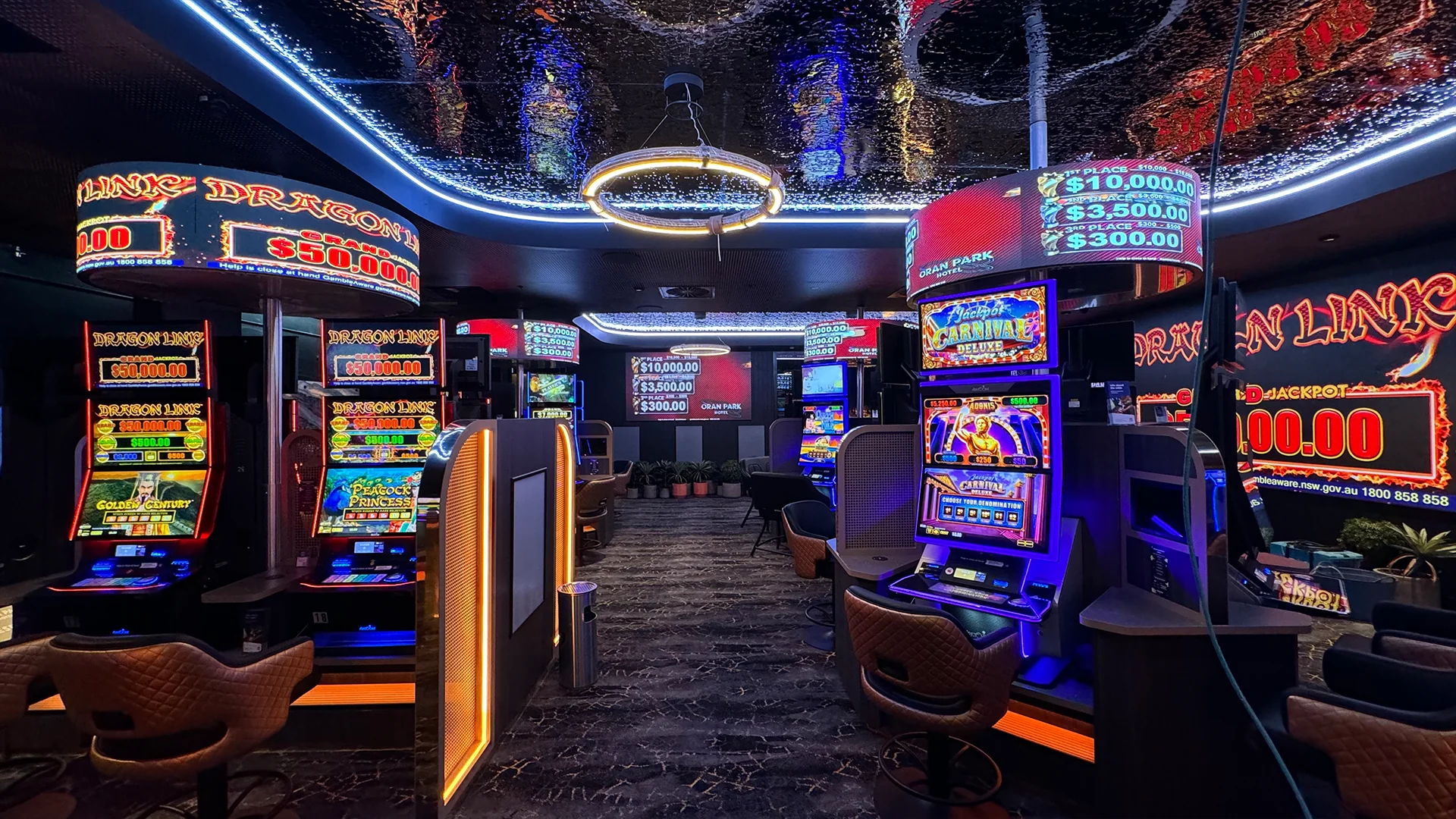
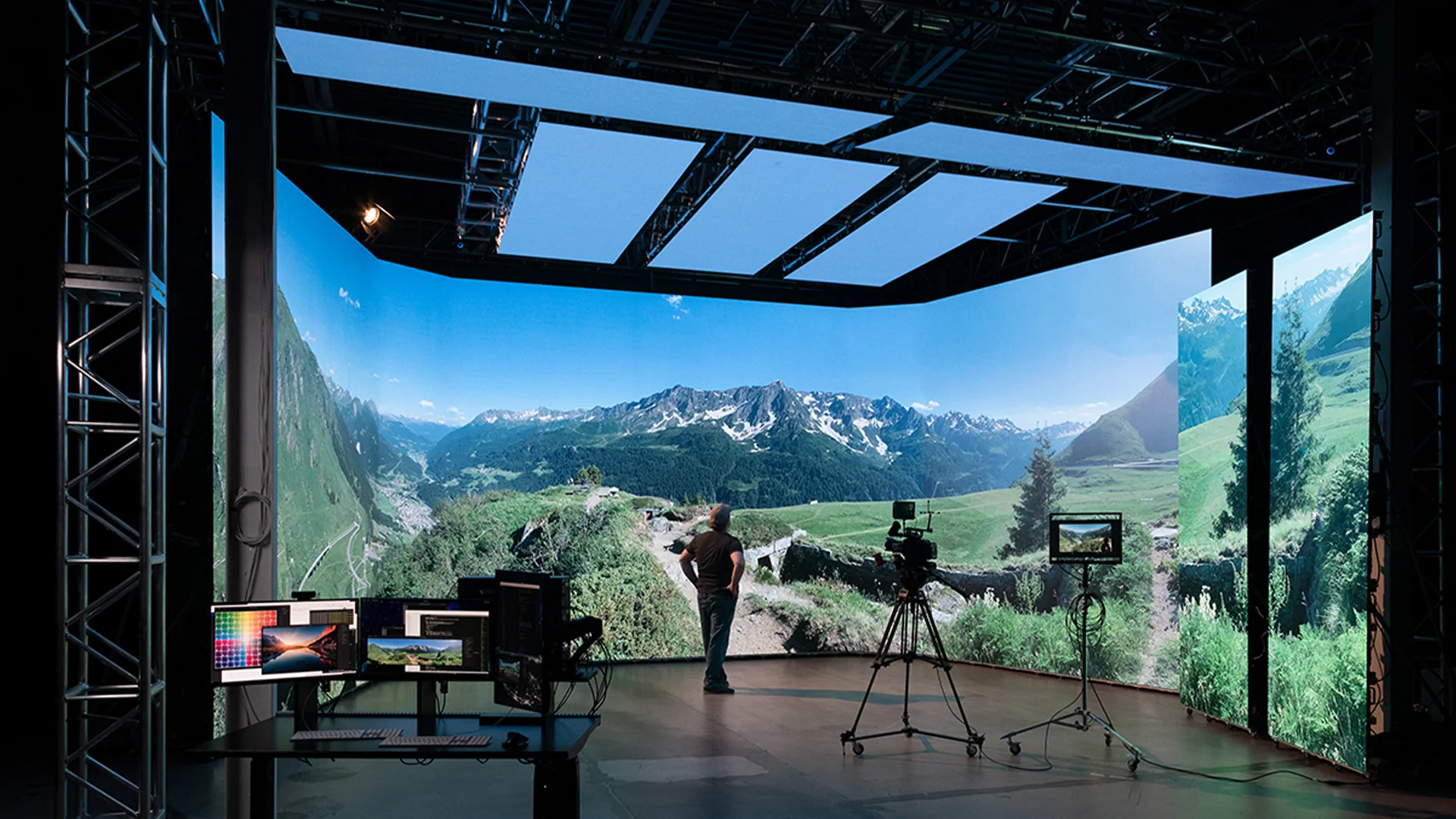








Imagine a professional striker sprinting at full speed toward the boundary line to save a ball, colliding violently with the digital perimeter. Or picture a basketball player diving into the courtside advertising row. Such physical collisions frequently lead to severe lacerations, catastrophic joint damage, or traumatic concussions.
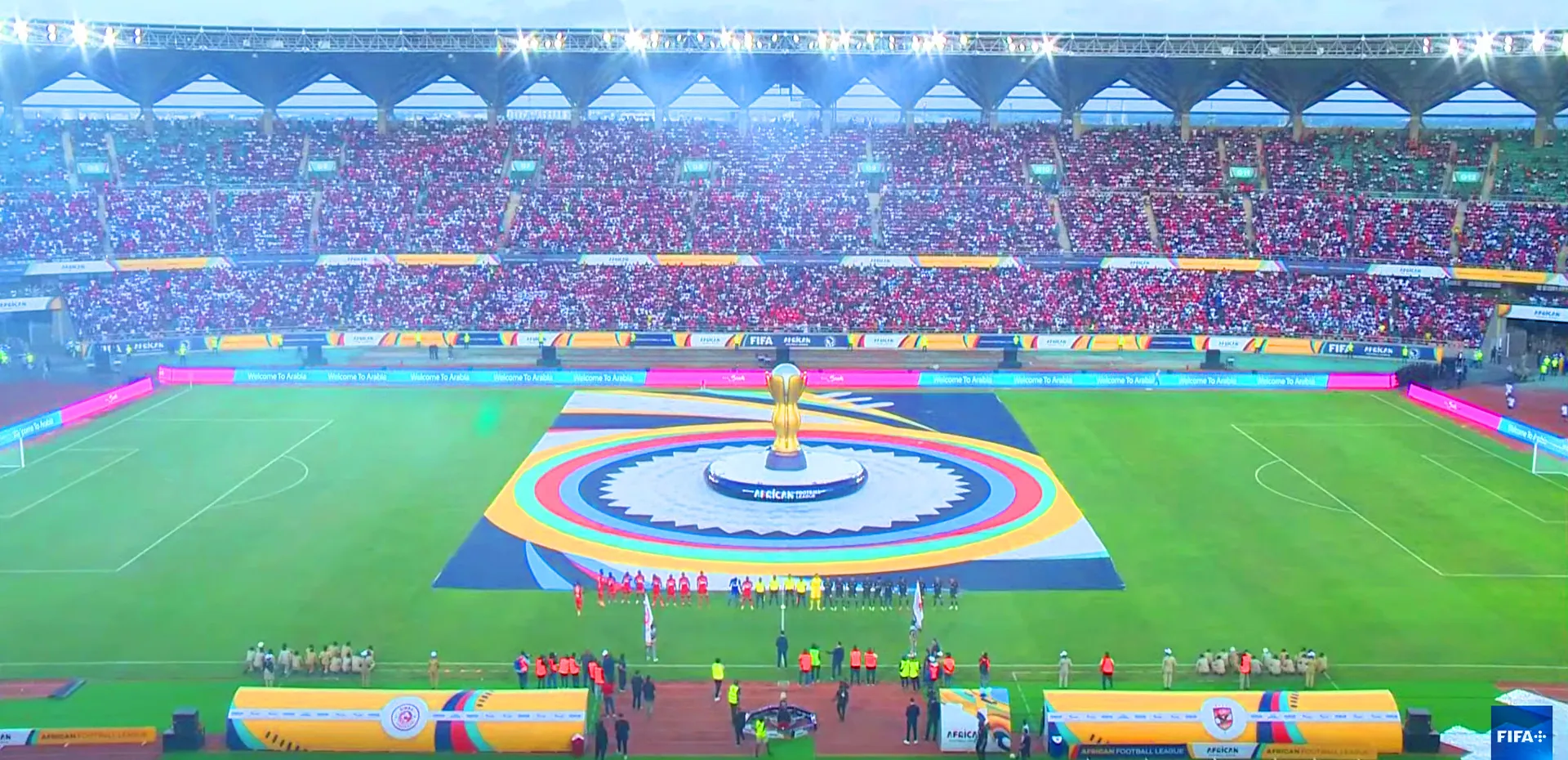
A stadium LED screen should function as a highly lucrative advertising tool without acting as a dangerous concrete wall. Protecting high-value athletes from kinetic trauma requires facility managers to rethink the physical architecture of their digital networks. Balancing brilliant optics with biomechanical safety represents the key venue engineering challenge.
The Deep-Seated Cause of Kinetic Trauma
Standard indoor electronics lack any mechanism for kinetic energy displacement or severe weather resistance. When exploring the specific hazards of an unprotected led screen for stadium the root issue lies in metallurgy and rigid plastics operating in unpredictable outdoor climates.
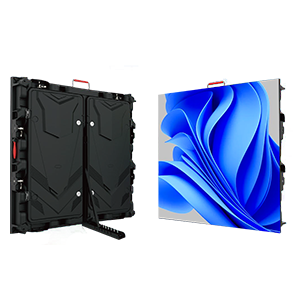
Die-cast aluminum cabinets provide incredible structural stability for the internal microchips. They dissipate heat effectively during four-hour broadcasts. However, when an athlete weighing ninety kilograms sprints into this metallic chassis, the hardware refuses to yield.
Traditional diode masks utilize stiff polycarbonate materials to protect the delicate semiconductors. Under extreme physical stress, these hard plastic covers shatter upon impact. This mechanical failure creates sharp, jagged plastic edges in the path of the sliding athlete.
This intense rigidity transfers the entire force of the collision back into the human body. The resulting physical trauma creates financial liability for sports franchises. It simultaneously threatens catastrophic, career-ending injuries for the talent on the field.
The Underlying Essence of Impact Absorption
Solving this biomechanical conflict demands advanced material engineering. We should introduce pliable, shock-absorbing materials between the speeding human body and the delicate electronic components. The precise physics of impact absorption and energy displacement strictly dictates our manufacturing approach on the assembly line.
The structural skeleton should remain incredibly rigid to support the circuit boards, yet the external facing should feel forgiving. Engineers achieve this paradox by fundamentally altering the outer layers of the digital module.
Instead of standard plastics, specialized rubber compounds take over the protective duties. These custom elastomers compress instantly upon physical contact. By collapsing inward slightly, the material extends the duration of the impact by a few critical milliseconds.
Lengthening the collision time exponentially reduces the peak kinetic force transferred to the human skeleton. Simultaneously, this rubberized compression protects the fragile semiconductor beads underneath. It prevents dead pixels and helps ensure that your corporate advertising remains optically pristine.
Practical Solutions for a stadium LED screen
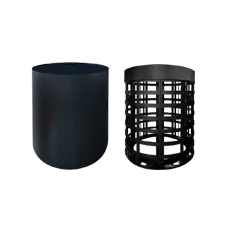
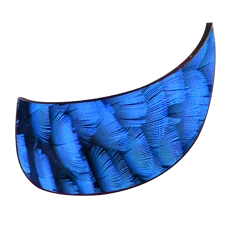
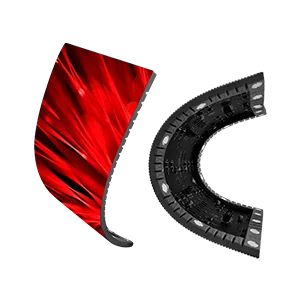
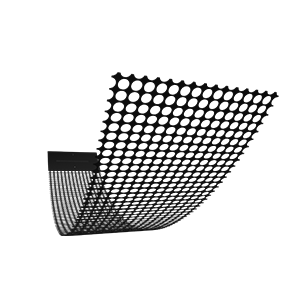
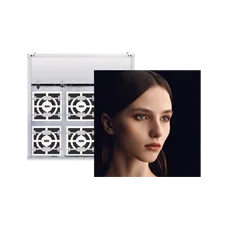
The most critical safety feature is the soft rubber mask covering the LED display surface. These pliable masks cushion the sliding athlete while maintaining the high optical transparency necessary for vivid, broadcast-ready advertising across the venue.
Furthermore, the top ridge of the cabinet chassis presents a severe concussion hazard. Players frequently flip over the boundary boards during intense momentum shifts. Exposed metal corners invite immediate disaster.
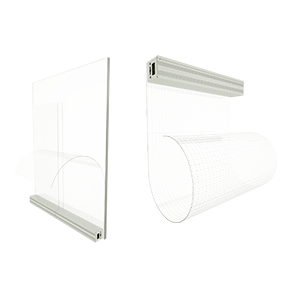
A soft top cover on the cabinet provides an additional protective layer along the upper edge of the display, helping reduce the risk of injury during accidental contact.
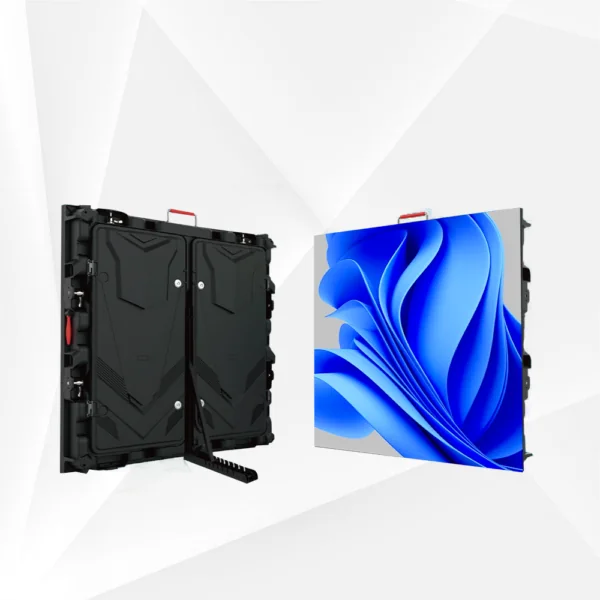
Beyond surface materials, the physical angle of the installation matters immensely. Adjustable rear support brackets allow technicians to tilt the digital perimeter slightly backward, typically between seventy-five and ninety degrees. This subtle recline deflects kinetic energy upward rather than stopping the player abruptly.
Specialized emergency exit gates built into the digital wall present another mandatory safety feature. When a severe injury occurs on the pitch, medical personnel require immediate, unobstructed access. Hidden hinges allow specific cabinet sections to swing open rapidly, functioning as life-saving access points.
Sourcing Biomechanical Resilience from an Expert LED display supplier
Implementing these advanced safety standards requires uncompromising manufacturing protocols. Procuring venue infrastructure from a dedicated LED display supplier ensures that your hardware integrates these critical protective elements on the assembly line.
Relying on unreliable, third-party aftermarket modifications introduces dangerous structural weaknesses. We approach athletic facility engineering with extreme technical rigor. We support our equipment protects both your athletes and your advertising revenue.
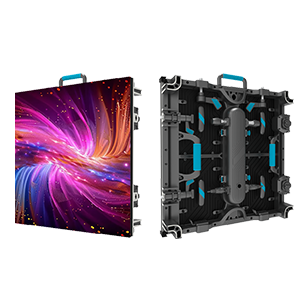
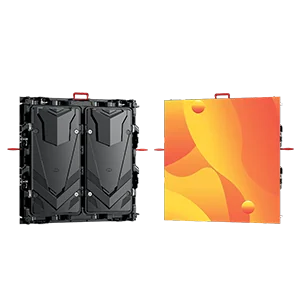
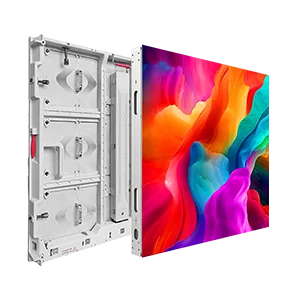
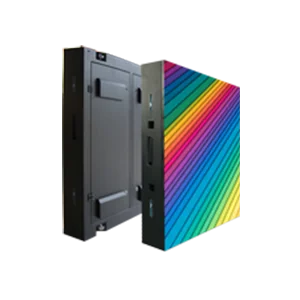
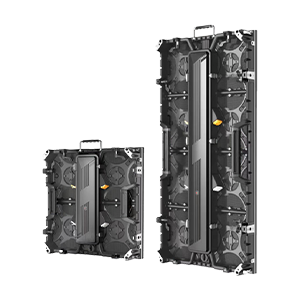
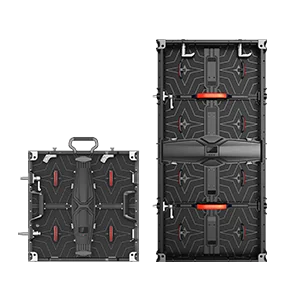
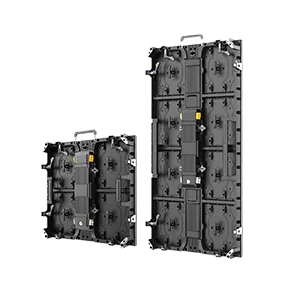
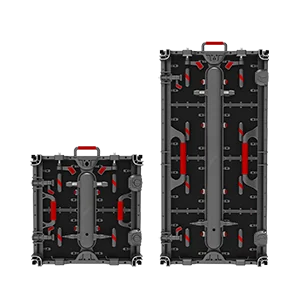
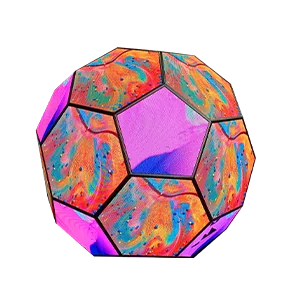
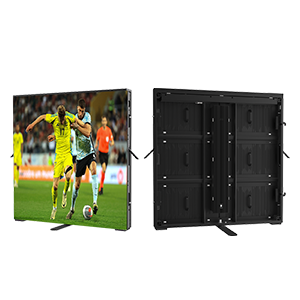
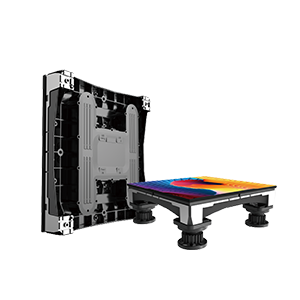
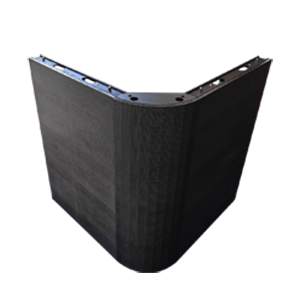
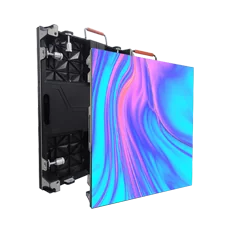
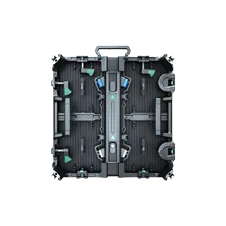
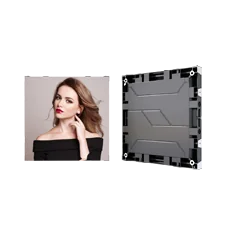
For player safety in stadium environments, our PMR series features rounded cabinet edges and impact-resistant construction designed for perimeter installation near athletic tracks. The PMR addresses the specific safety concerns of displays positioned close to active play areas.
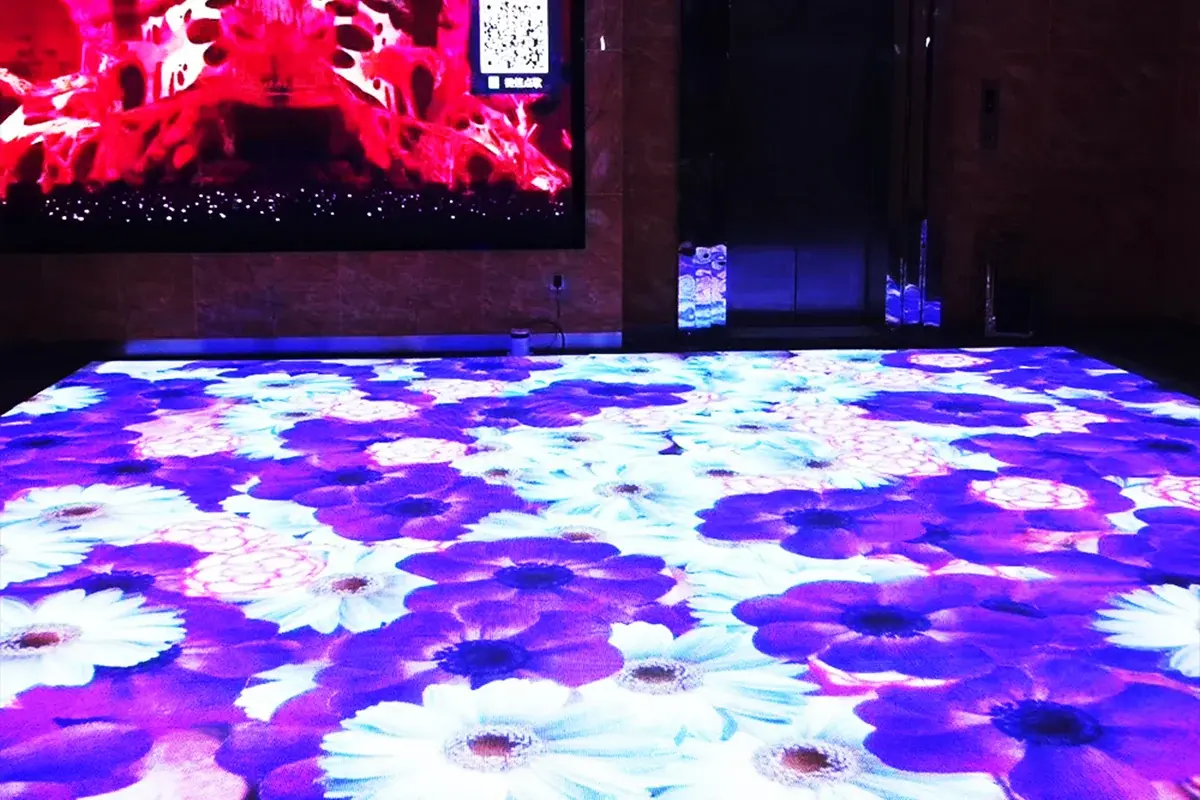
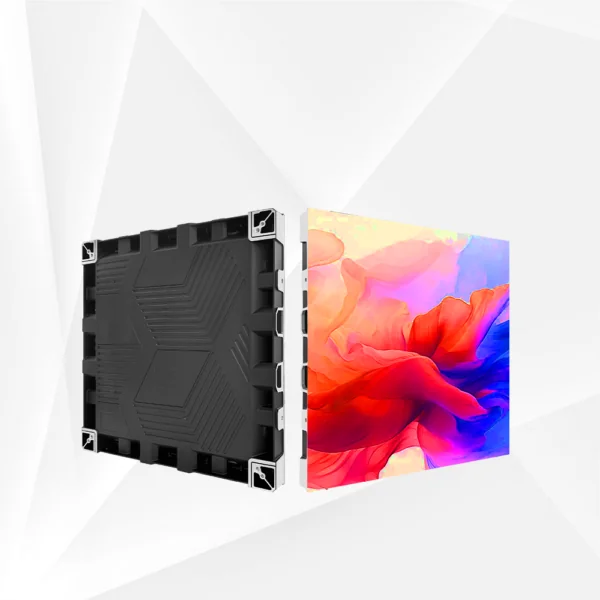
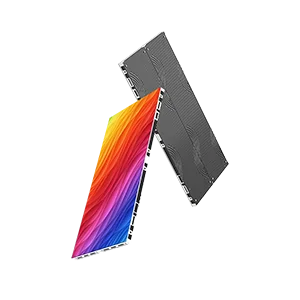
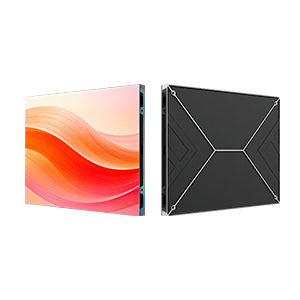
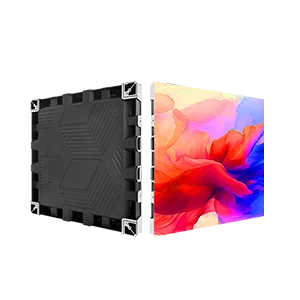
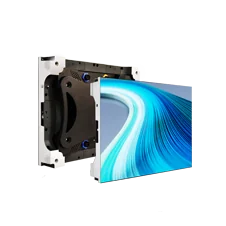
For VIP concourse areas, the BM PRO indoor series offers a slim, safe profile — but it should be specified for indoor use only. Always consult our Sports product category for stadium-appropriate display solutions that meet safety and durability requirements.
You can thoroughly review our diverse global projects and extensive customer cases to see our hardware surviving intense international athletic environments. Our clients value rigorous data over empty promises. Therefore, we actively reduce your procurement risk with flexible order quantities tailored to your project scale.
Venue directors can evaluate the PMR Series in a controlled test environment before committing to a larger deployment.