






















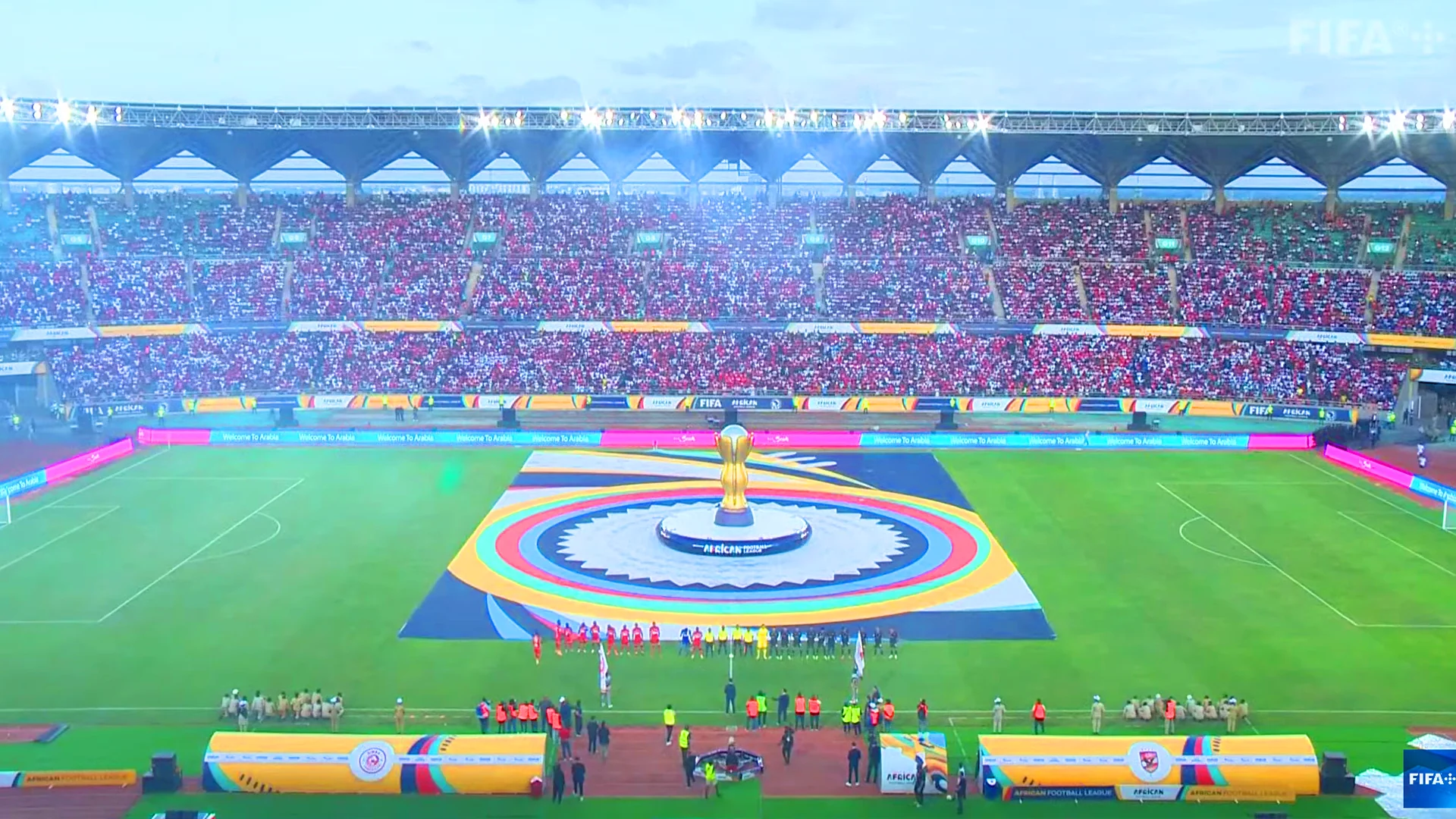











Television networks broadcasting professional athletics utilize highly specialized slow-motion cameras. These sophisticated lenses capture split-second athletic action by utilizing extremely fast mechanical shutters. Consequently, the digital architecture surrounding the playing field should optically synchronize with these advanced broadcast tools. If the background infrastructure fails to match the camera’s capture speed, severe optical distortion immediately ruins the live television feed.
Modern sports broadcasting continuously pushes toward 4K and 8K resolutions. This hyper-detailed optical capture magnifies every single background flaw. A digital billboard that looked acceptable on standard-definition television ten years ago will fail under modern broadcast scrutiny.
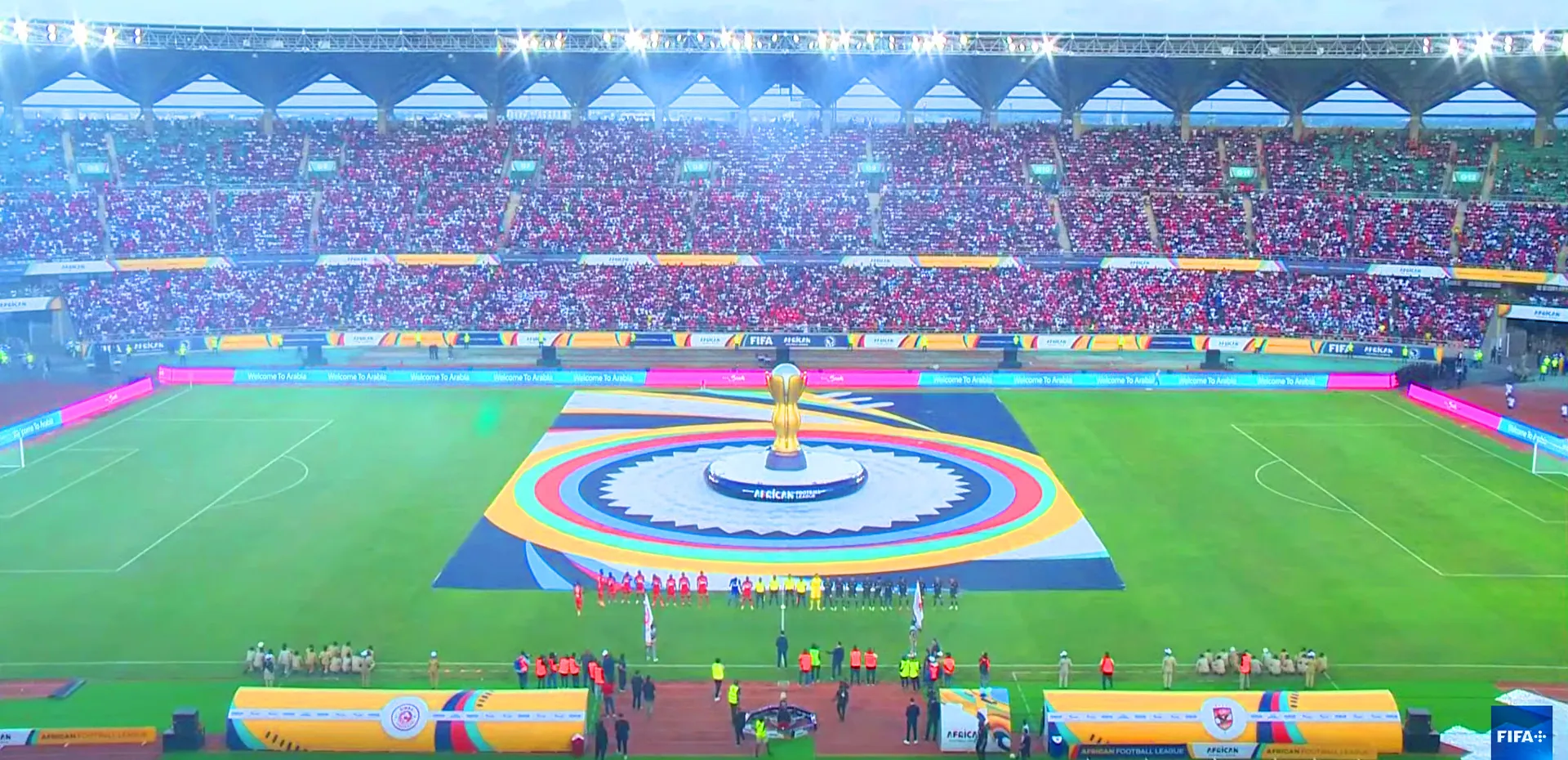
This fundamental conflict between optical lenses and electronic hardware dictates the engineering standards for any football stadium LED display. When procuring perimeter advertising boards, sports executives often overlook internal processing speeds. They focus on physical durability. However, ignoring the microscopic electronic rhythm of your visual network destroys your corporate advertising revenue during international broadcasts.
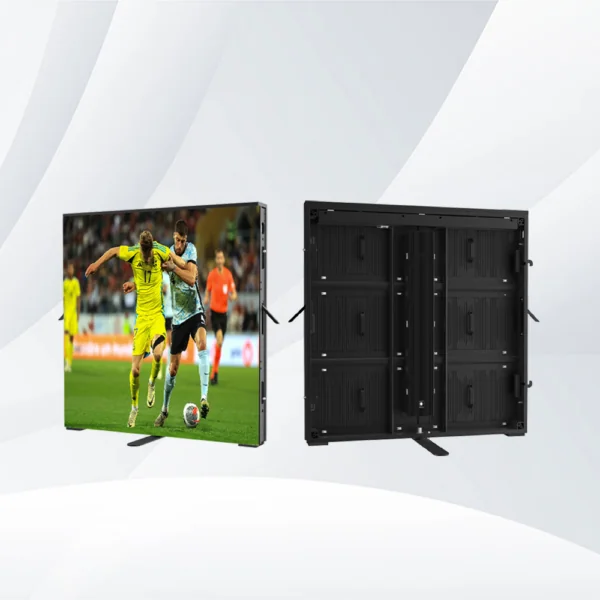
Why a Stadium LED Display Flickers on TV
LED displays use scanning and driver circuitry to update images, while PWM is commonly used to control LED brightness. The interaction between these systems affects how the display behaves when captured by a camera.
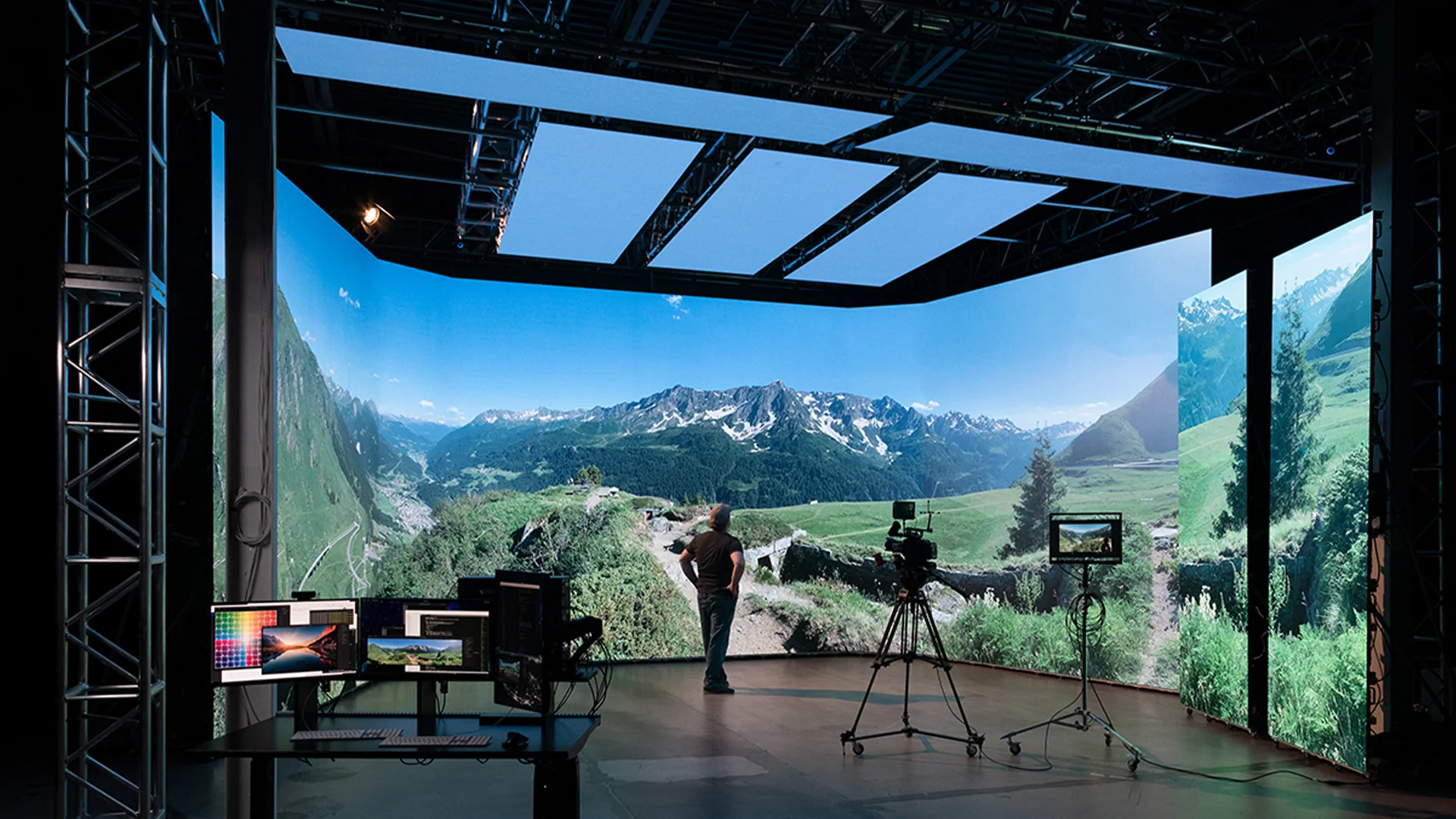
Broadcast cameras use specific frame rates and exposure settings to capture fast-moving sports action. When the camera’s timing interacts poorly with the LED display’s refresh and scanning characteristics, the footage can show flicker, horizontal bands, or rolling artifacts.
A sufficiently high refresh rate can reduce these problems, but refresh rate is not the only variable. Camera shutter settings, frame rate, scanning method, PWM behavior, driver ICs, and the control system can all affect the final recorded image.
For this reason, stadium operators should evaluate an LED display under the actual camera systems and shooting conditions used for their broadcasts rather than relying on refresh rate alone.
Deducing the Financial Advertising Impact
This technical glitch creates a disparity between the physical venue experience and the global digital audience.
A local fan in the front row sees a high-quality advertisement. Meanwhile, millions of international fans watching the live feed see a broken, glitching screen. This glitch carries severe, immediate financial consequences for venue operators and franchise owners.
Global brand sponsors pay millions of dollars to feature their corporate logos along the athletic perimeter. They sign multi-year contracts expecting pristine brand visibility during high-stakes global broadcast events. If their corporate messaging appears fractured, glitchy, or unreadable to millions of viewers watching at home, the venue loses its primary monetization engine.
Poor optical performance immediately devalues the rented advertising space. Advertising agencies demand strict make-goods and refunds when their campaigns fail to broadcast clearly.
Beyond just the refresh rate, the physical viewing angle dictates broadcast success. Television cameras often capture the perimeter boards from extreme, acute angles down the touchline. If the diode masks restrict lateral light emission, the colors shift and darken when filmed from the side. We engineer wide-angle visibility into our modules to ensure color uniformity across every single camera position.
Resolving this digital distortion requires elevating the hardware’s refresh rate. This internal processing capability dictates exactly how many times the screen illuminates per second.
Evaluating Internal Processing Power and Microchips
A high refresh rate helps reduce visible flicker and scanning artifacts when LED displays are captured by high-speed broadcast cameras. However, camera settings and the display’s scanning and driving characteristics also influence the final result.
Standard commercial driver chips simply cannot process digital data fast enough to satisfy international sports broadcasting standards. Attempting to save money on these internal microchips can cause visual failure. Using appropriate driver ICs, receiving cards, and control systems helps the display achieve and maintain a high refresh rate under normal operating conditions.
By aggressively pushing the redraw frequency higher, the television lens only captures fully illuminated frames. The resulting broadcast delivers crystal-clear digital advertising, satisfying corporate sponsors and protecting your venue’s financial streams.
Procuring this specific level of electronic precision requires a direct, transparent partnership with an expert LED display manufacturer.
We engineer our hardware to dominate these exact broadcast demands. We implement rigorous optical testing protocols on our factory floor. This backs rigorous optical synchronization for your critical venue infrastructure before it ever leaves our assembly lines.
Integrating Broadcast-Ready Hardware with LEDFUL
Applying these deductive findings leads to specialized hardware selection. We design our products specifically to support the intense realities of professional athletic facilities.
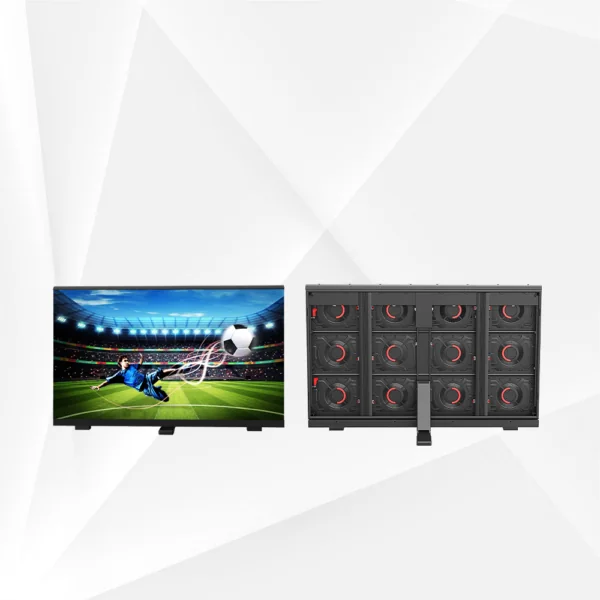
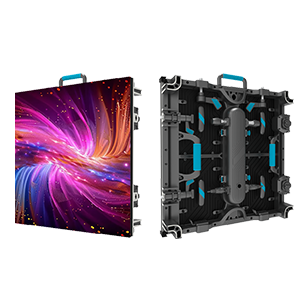
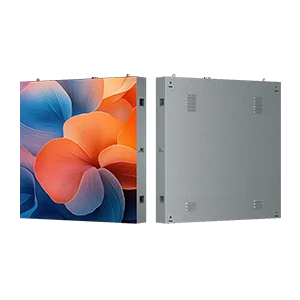
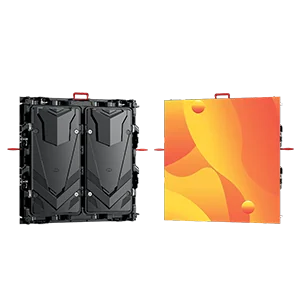
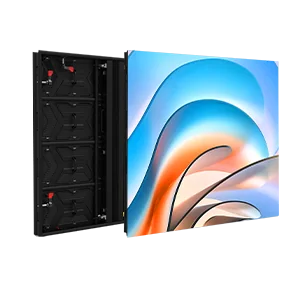
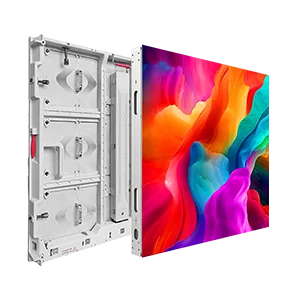
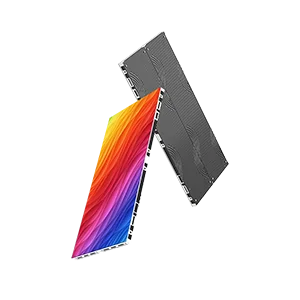
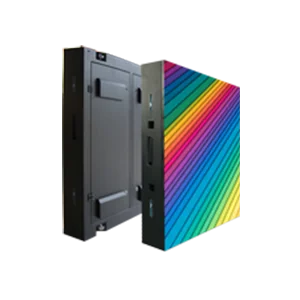
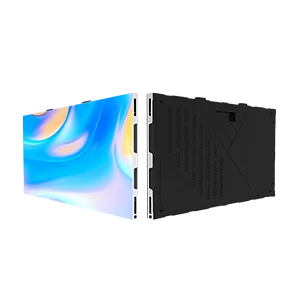
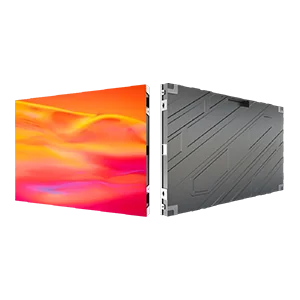
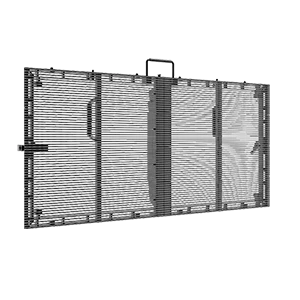
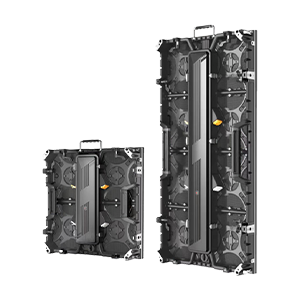
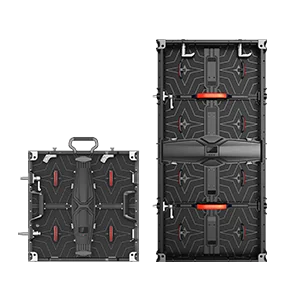
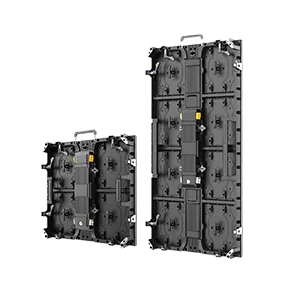
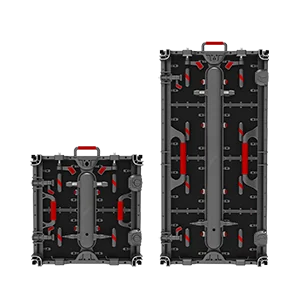
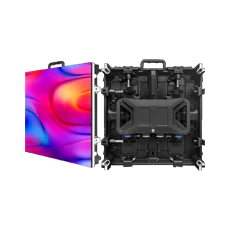
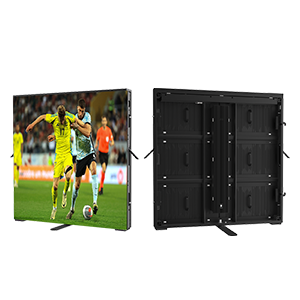
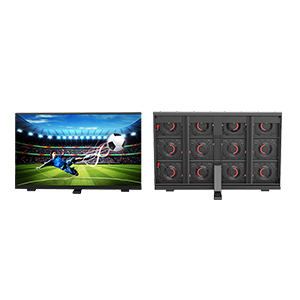
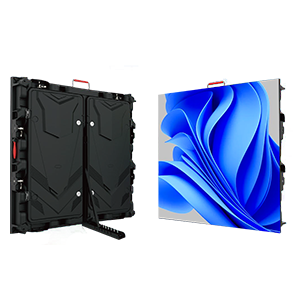
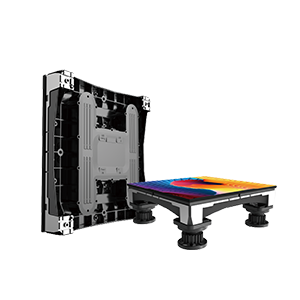
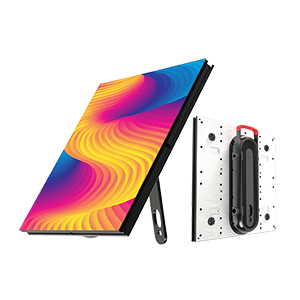
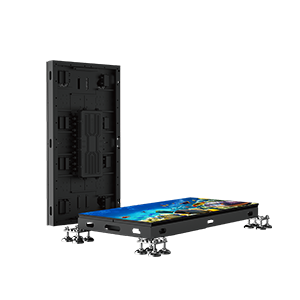
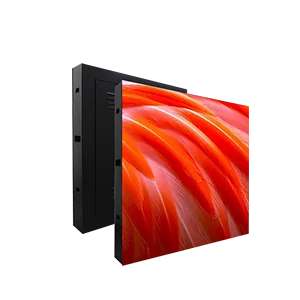
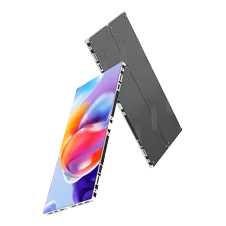
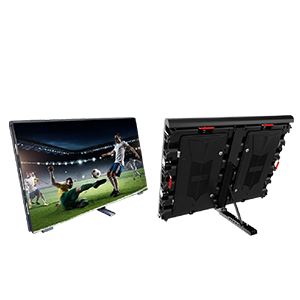
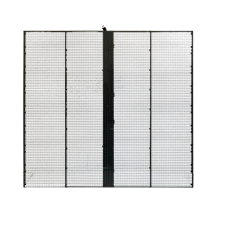
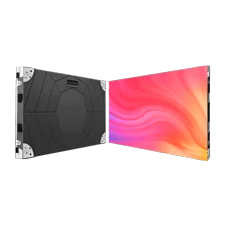
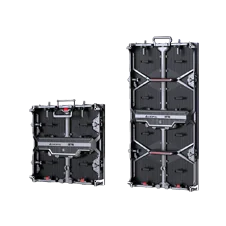
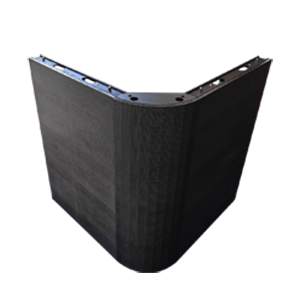
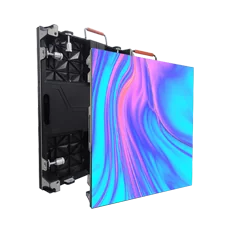
For football stadium broadcast applications, high refresh rate displays (such as our PM PLUS and PMR sports series) help reduce scan lines and flicker on camera. With refresh rates up to 7680Hz and wide viewing angles, these sports-specific displays maintain image quality when captured by broadcast cameras from various positions around the field.
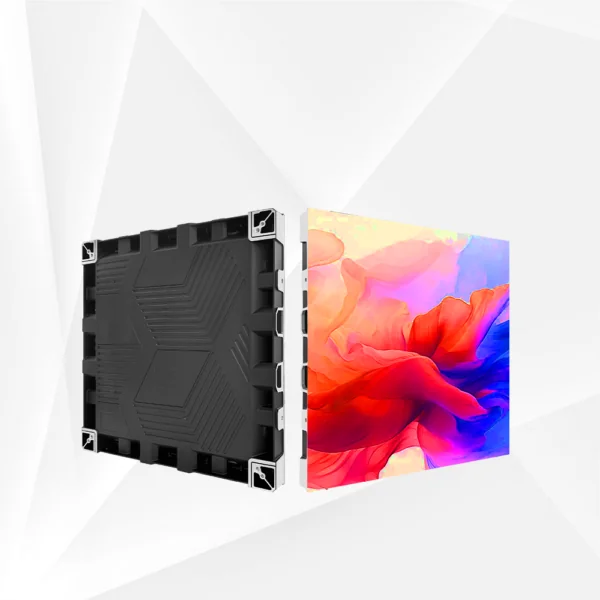
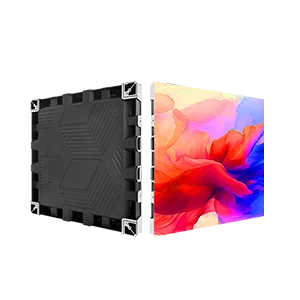
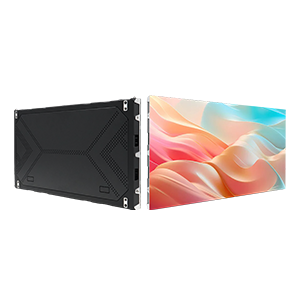
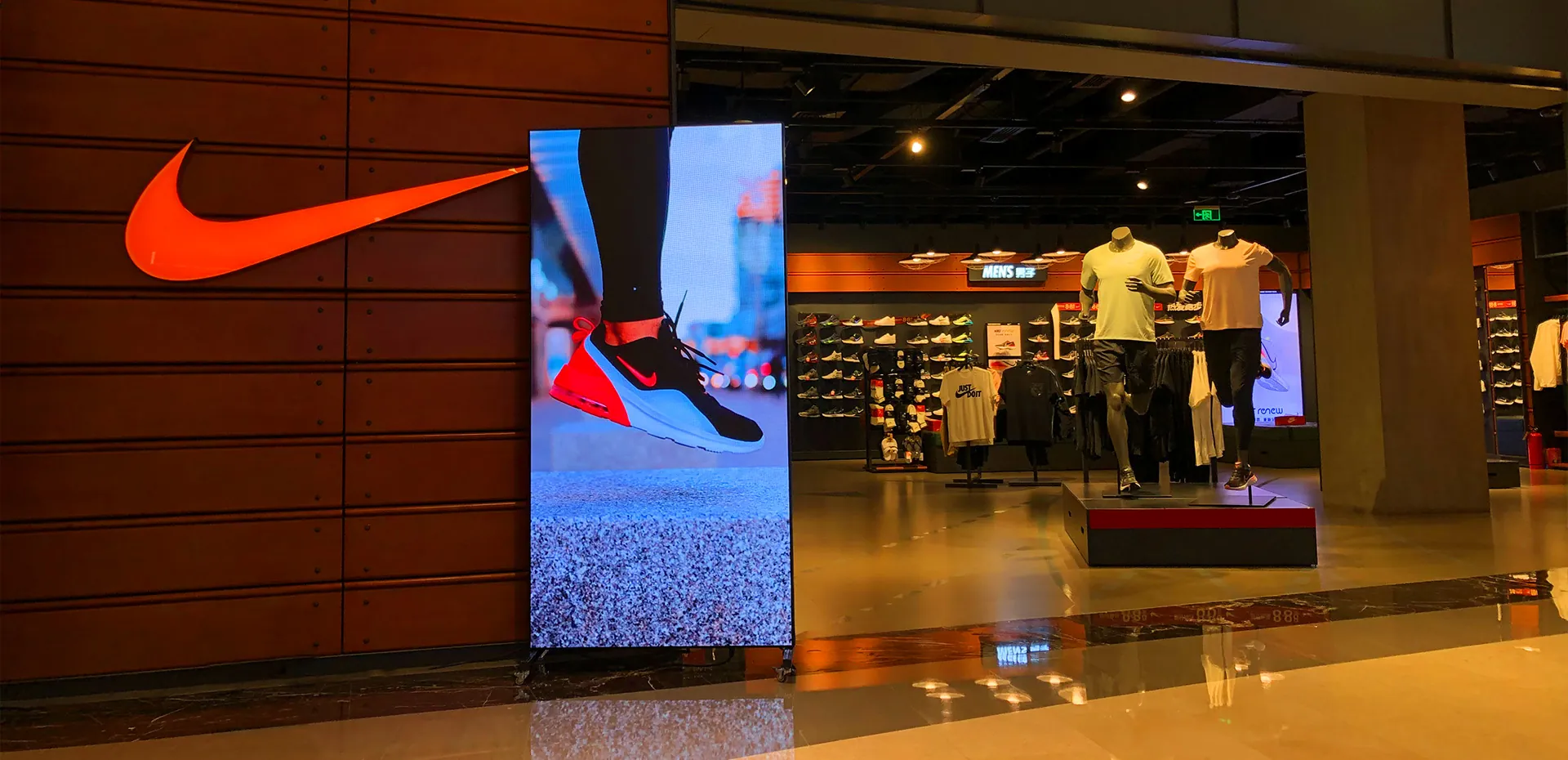
For indoor concourse displays, the BM PRO series offers a suitable supplement, but the primary on-field and perimeter displays should come from our Sports product category.
We provide extensive services to help stadium engineers mathematically calculate these exact technical specifications. Exploring our global projects and reading our detailed customer cases demonstrates our rigorous capacity to secure athletic deployments worldwide.
We lower your procurement risk with flexible order quantities tailored to your project scale. This minimal threshold empowers facility managers to conduct rigorous broadcast camera tests inside their venue before scaling up.