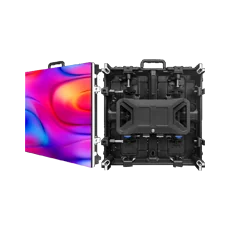
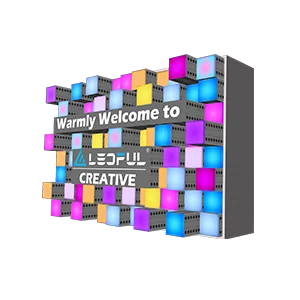



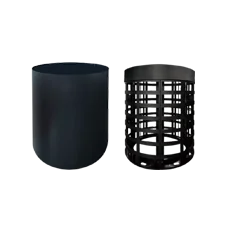






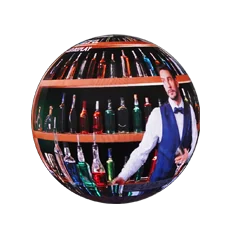




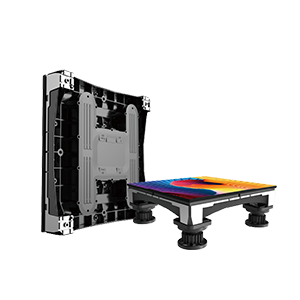
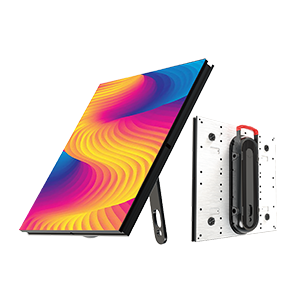
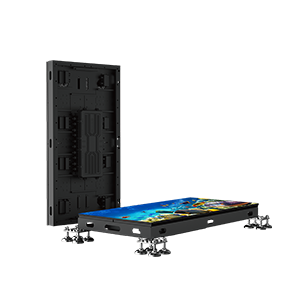
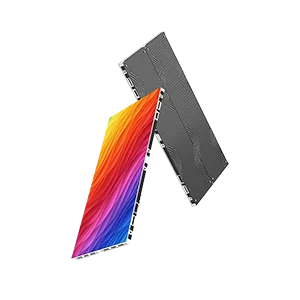
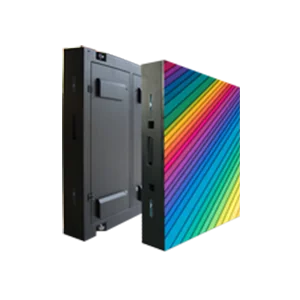

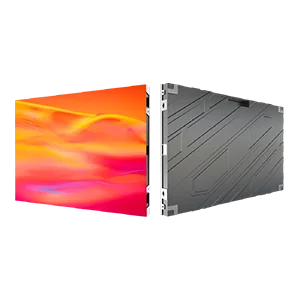
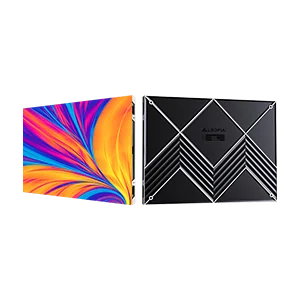

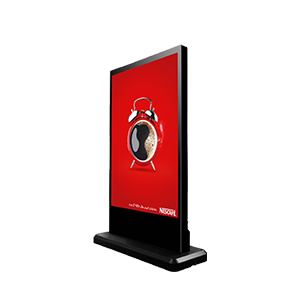

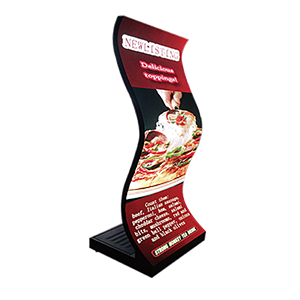

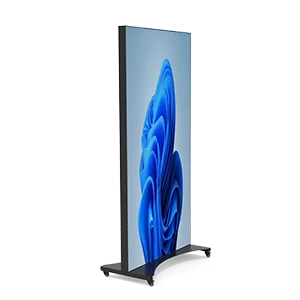
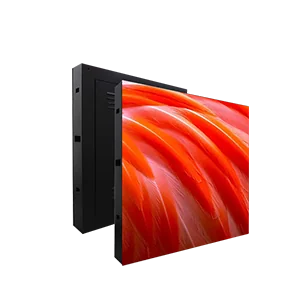
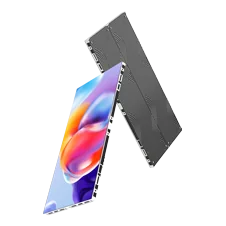
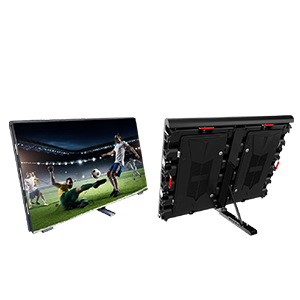
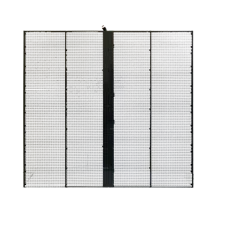
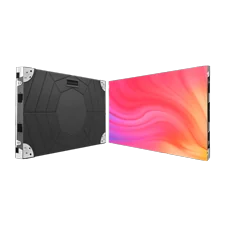
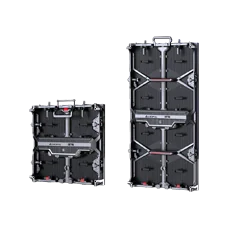
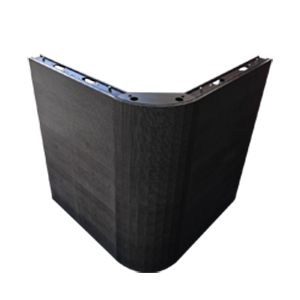
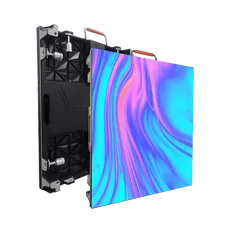
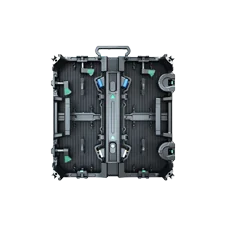

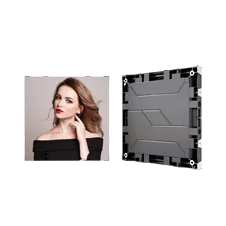


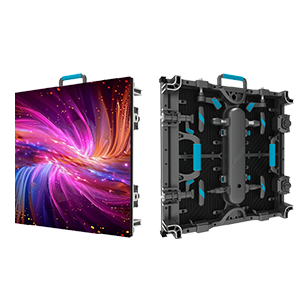
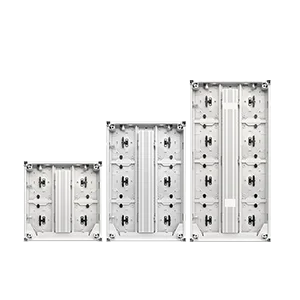
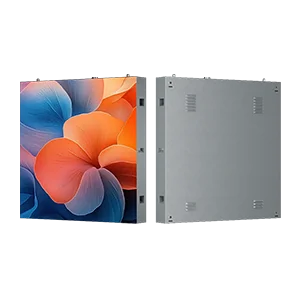
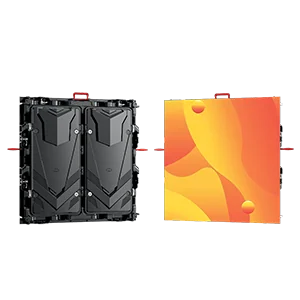
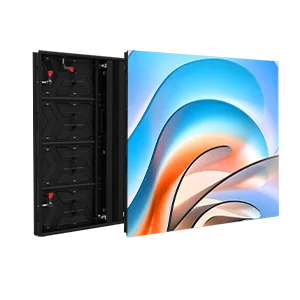
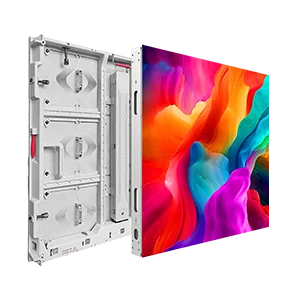
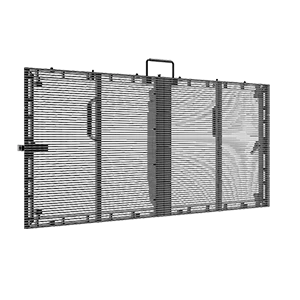
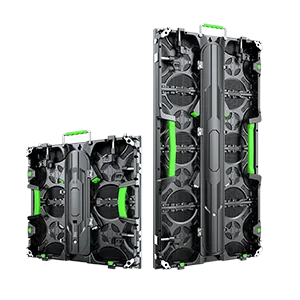
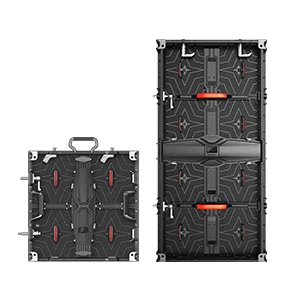
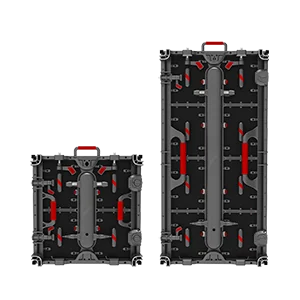
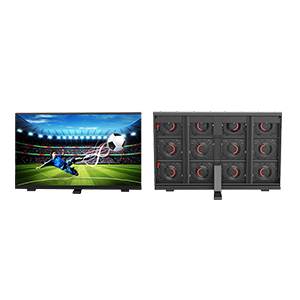
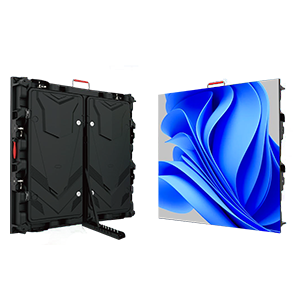
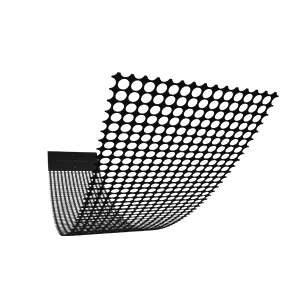

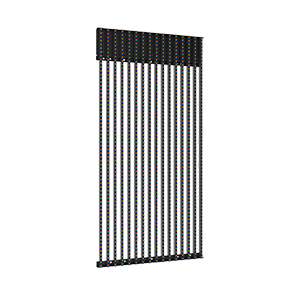
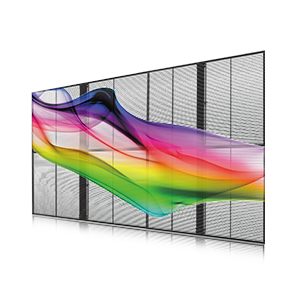
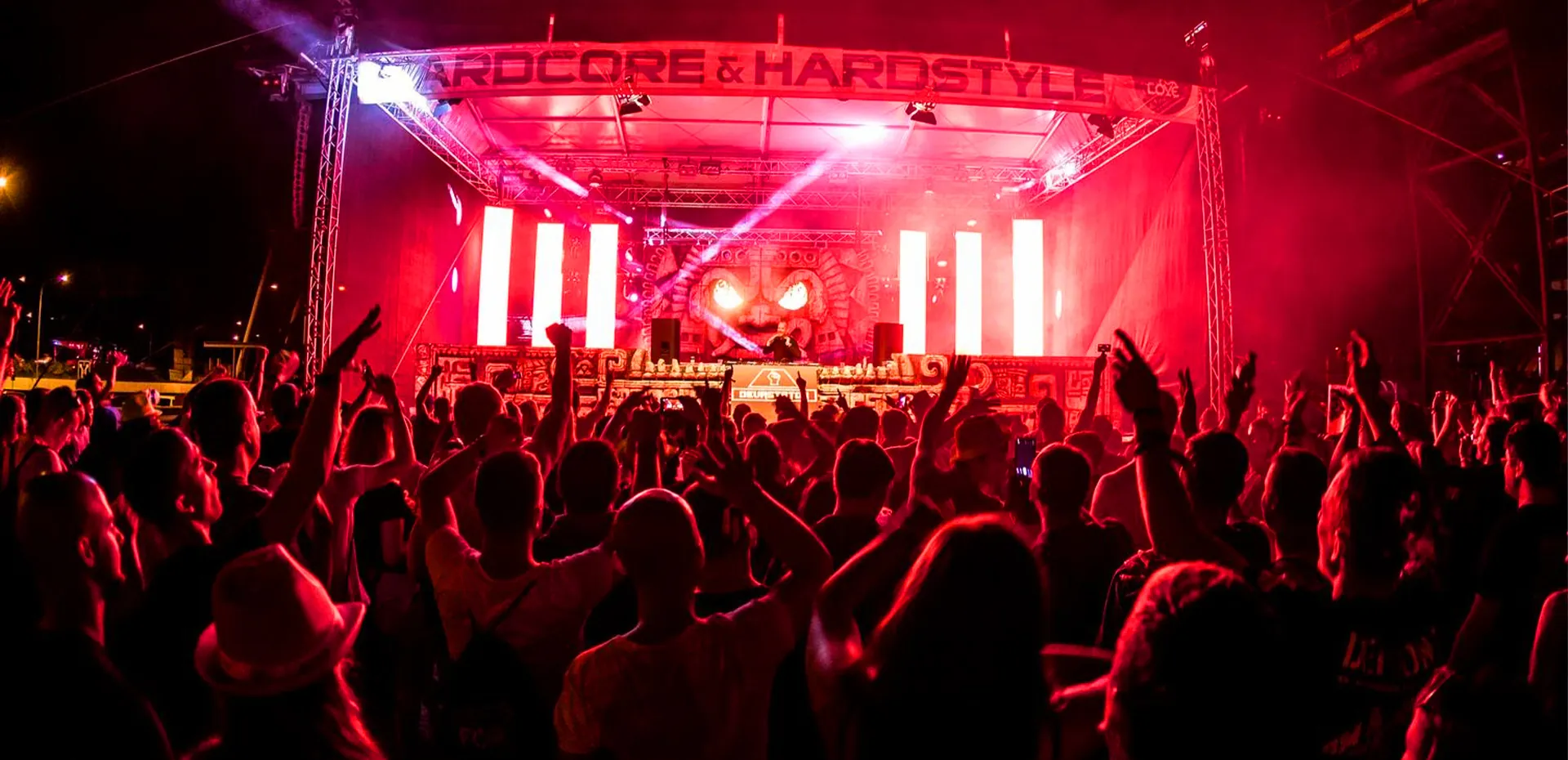
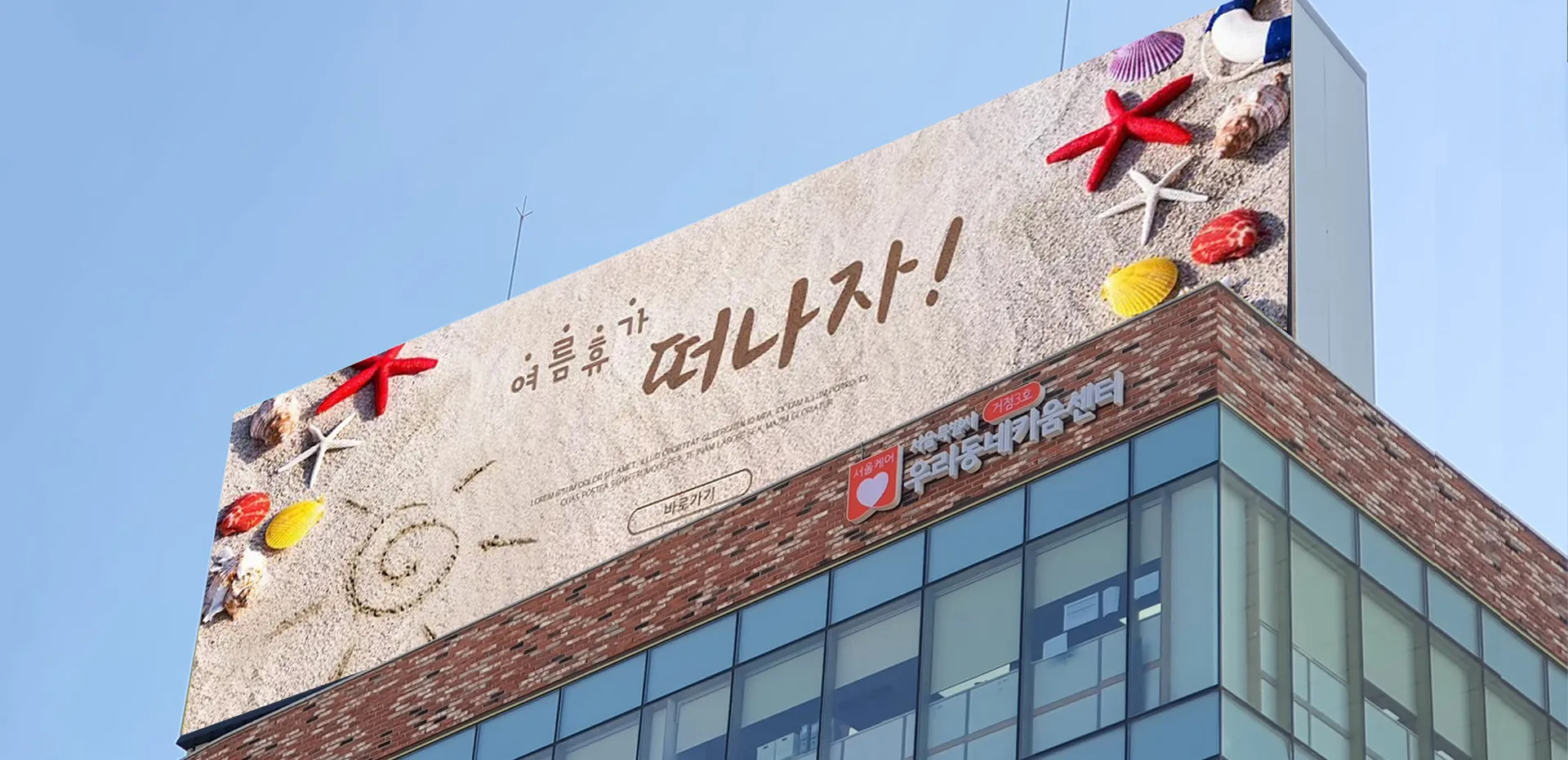
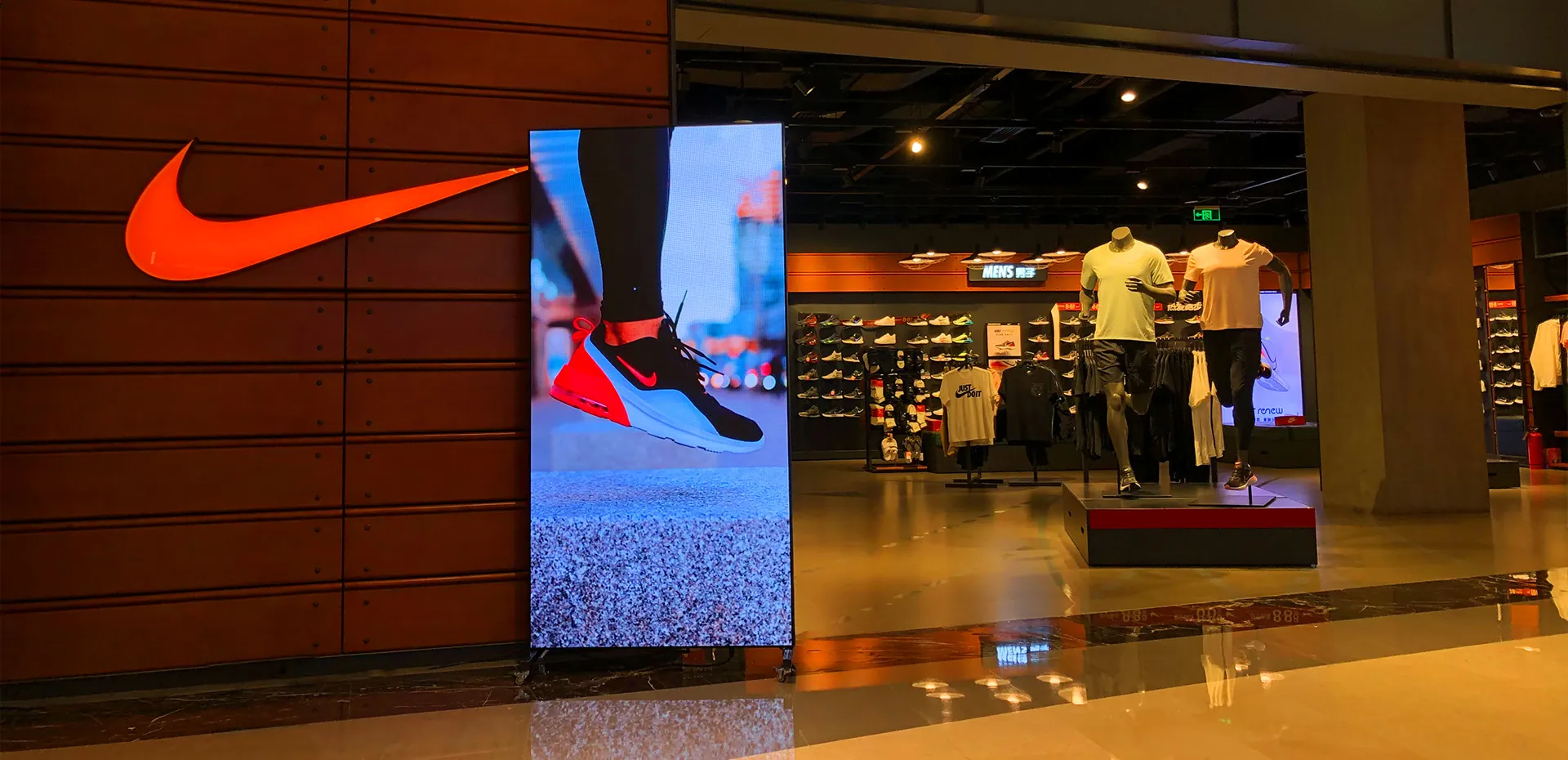








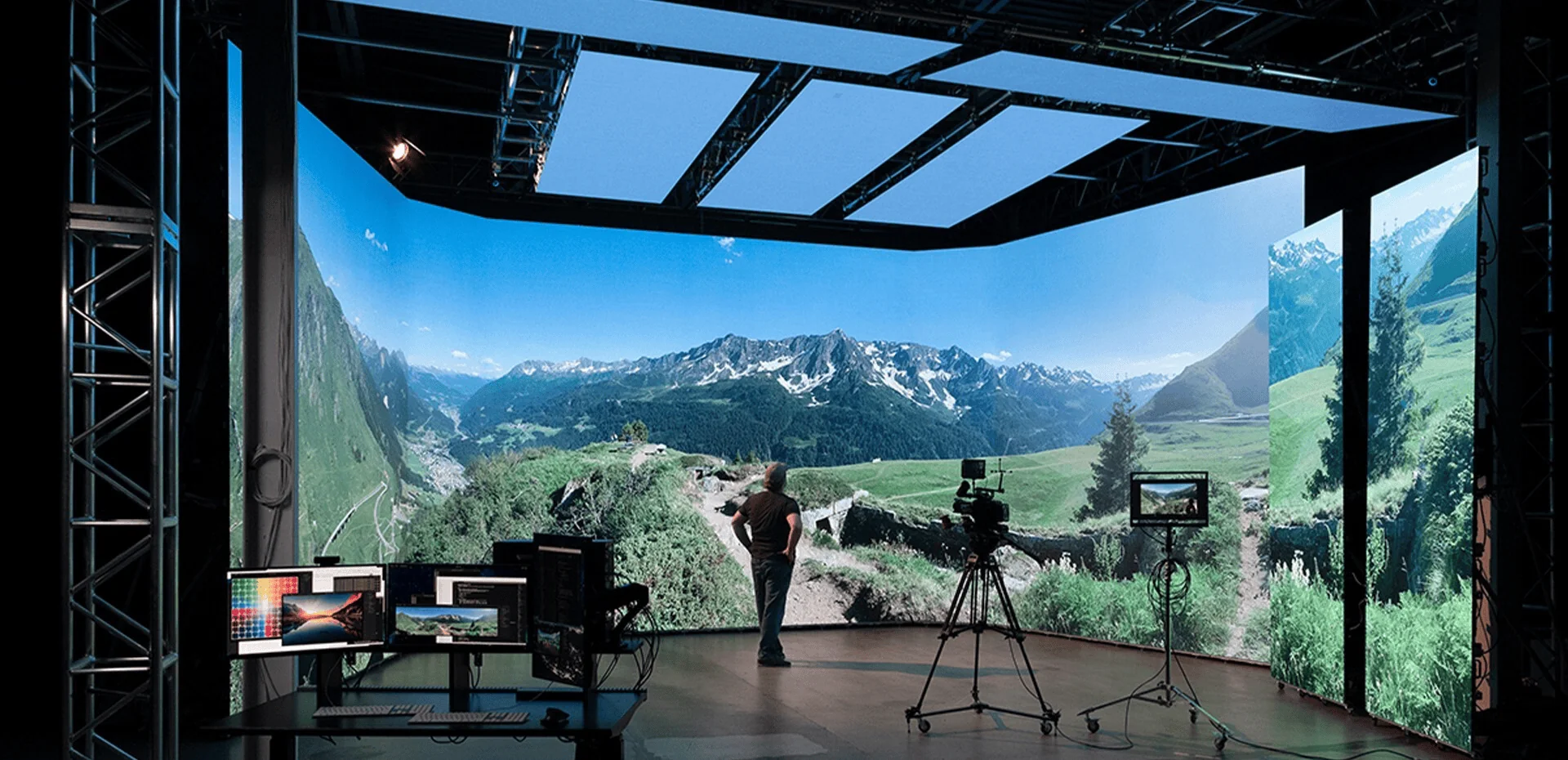
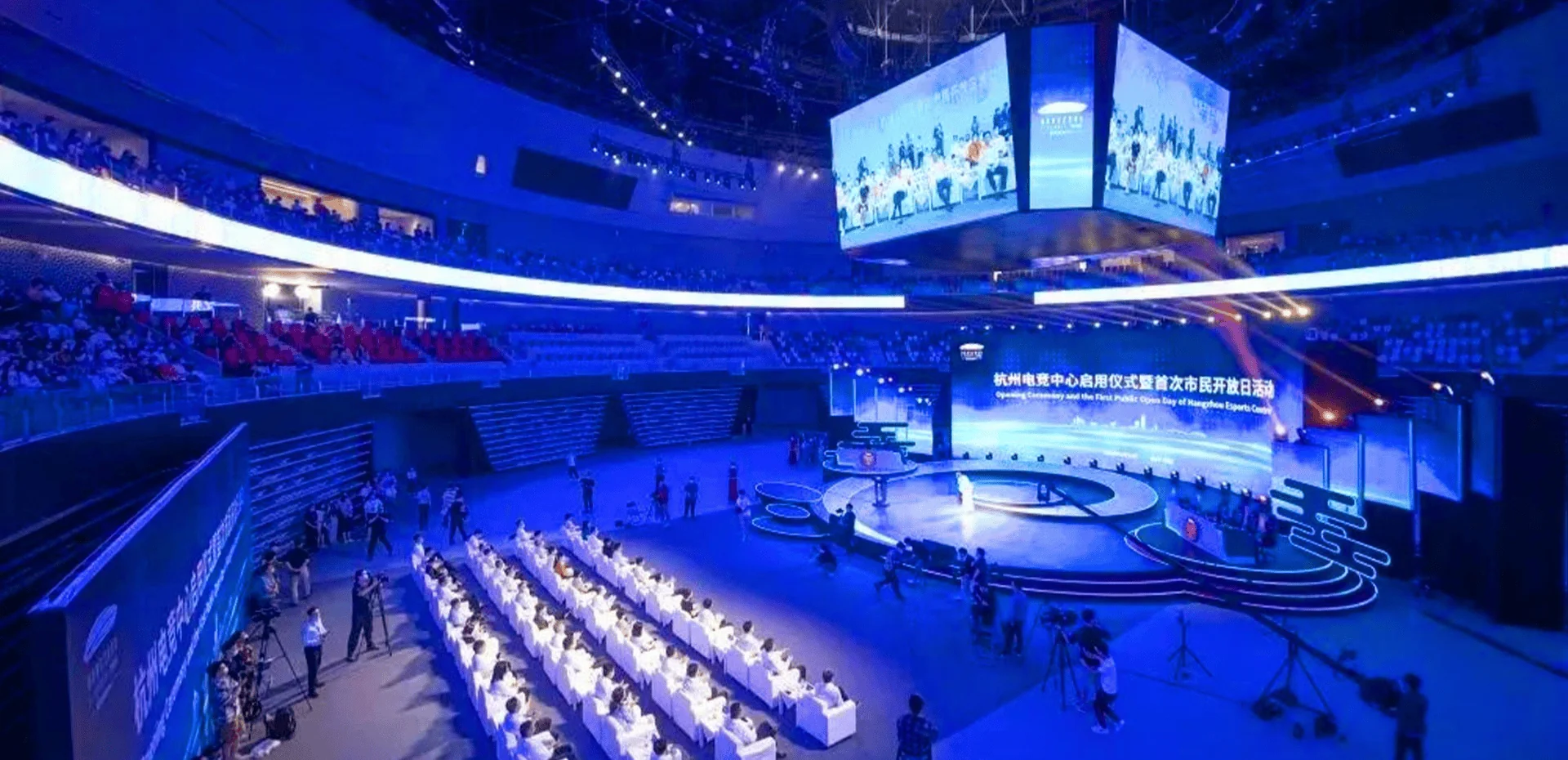

Exploring how the all-round four-sided digital signage system, through 360° visibility, intelligent content and spatial integration, completely transforms the digital communication strategies in retail, transportation hubs and the catering industry. LEDFUL provides case studies and customized solutions.
Ⅰ. Overview:The Strategic Infrastructure of Modern Commercial Spaces
In an era of distracted attention, all-round digital signage, through four-sided simultaneous display or electric rotation mechanisms, has overcome the visual limitations of traditional flat signage, enabling continuous information transmission from all angles, and has become a core component of digital transformation in high-traffic commercial environments.
Ⅱ. Core Technical Architecture
2.1 Panoramic Visual Coverage System
Eliminate directional obstruction: Through four-screen synchronization or rotation mechanisms, achieve 360° no-corner information display.
Enhance visual retention: Dynamic sequences enhance attention, and the effective impression density is increased by up to 200% compared to static display.
2.2 Adaptive Multi-Region Content Management Platform
Synchronous mode: Unified content on four screens, strengthening brand consistency.
Zone mode: Each screen independently displays promotions, multiple languages or categorized product information.
Sequential carousel mode: Optimizes playback order based on traffic flow algorithms.
Sensor-triggered mode: Adjusts content in real time through PIR, heat sensing or video analysis.
2.3 Modular Integration Framework
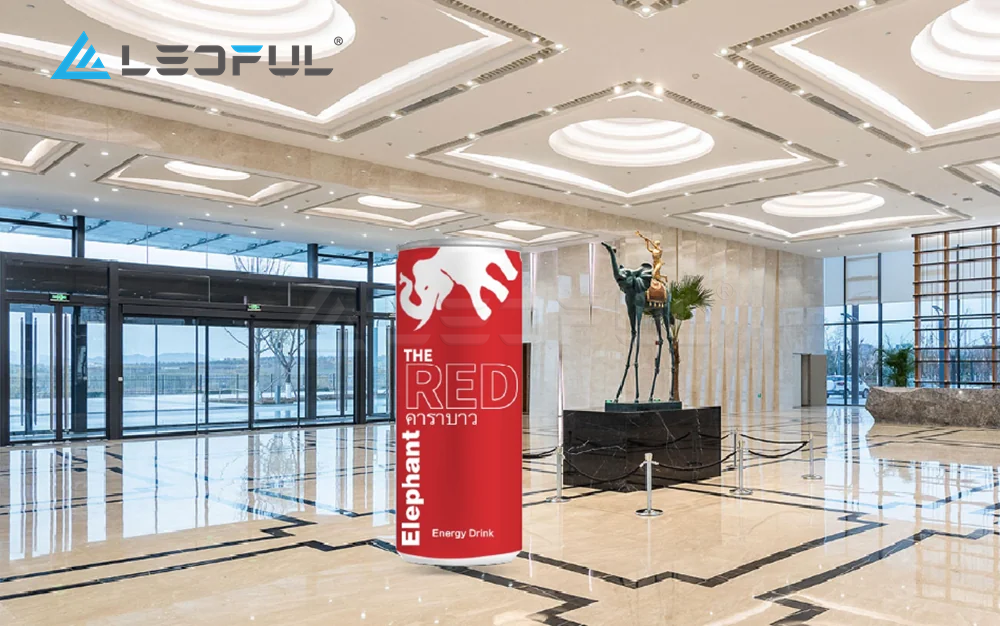
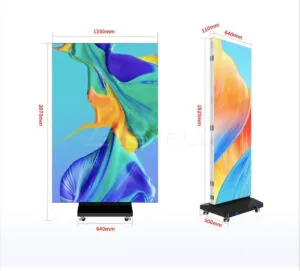
Structural column integration: Utilizes existing columns without occupying ground space.
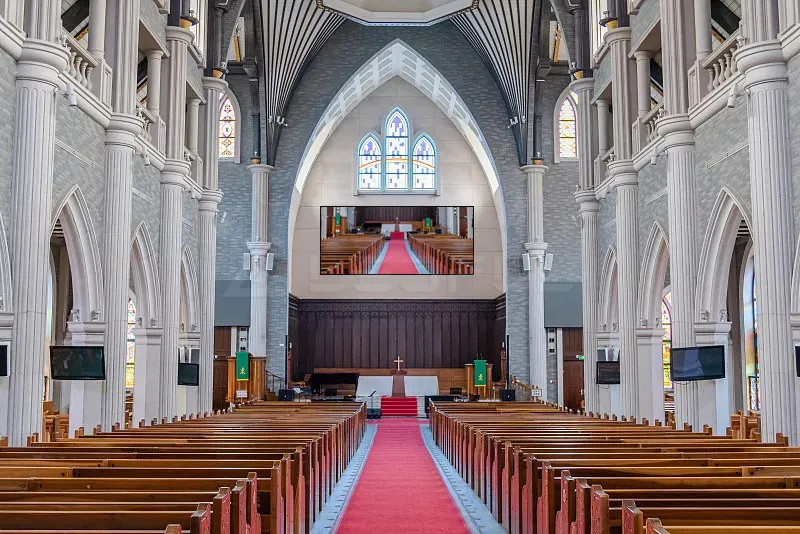
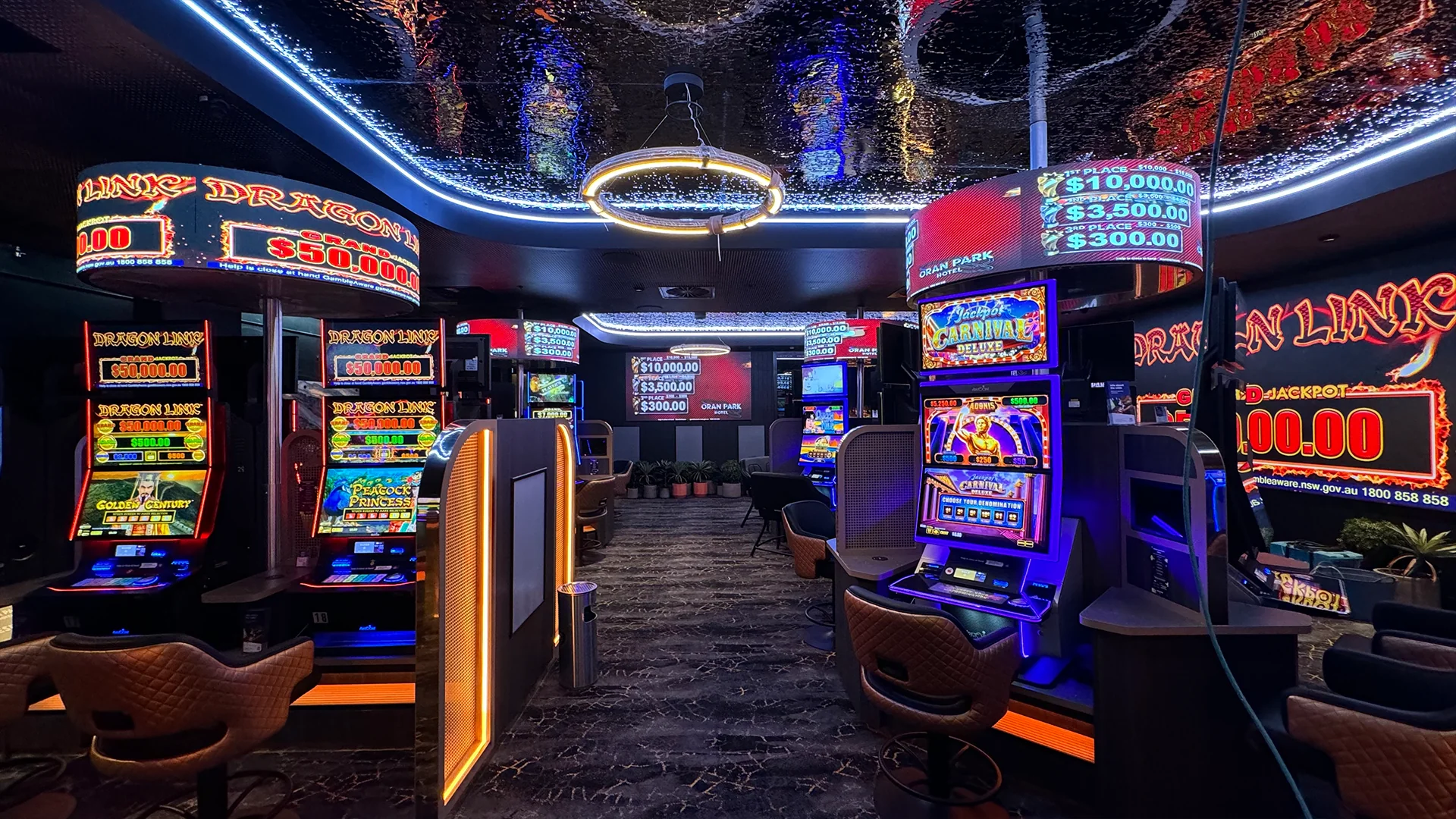
Ceiling suspension: Suitable for atriums and high-ceilinged spaces (≥5 meters).
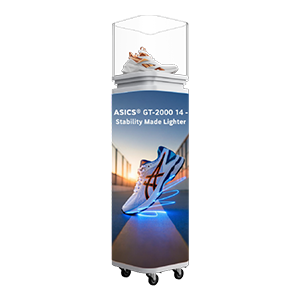
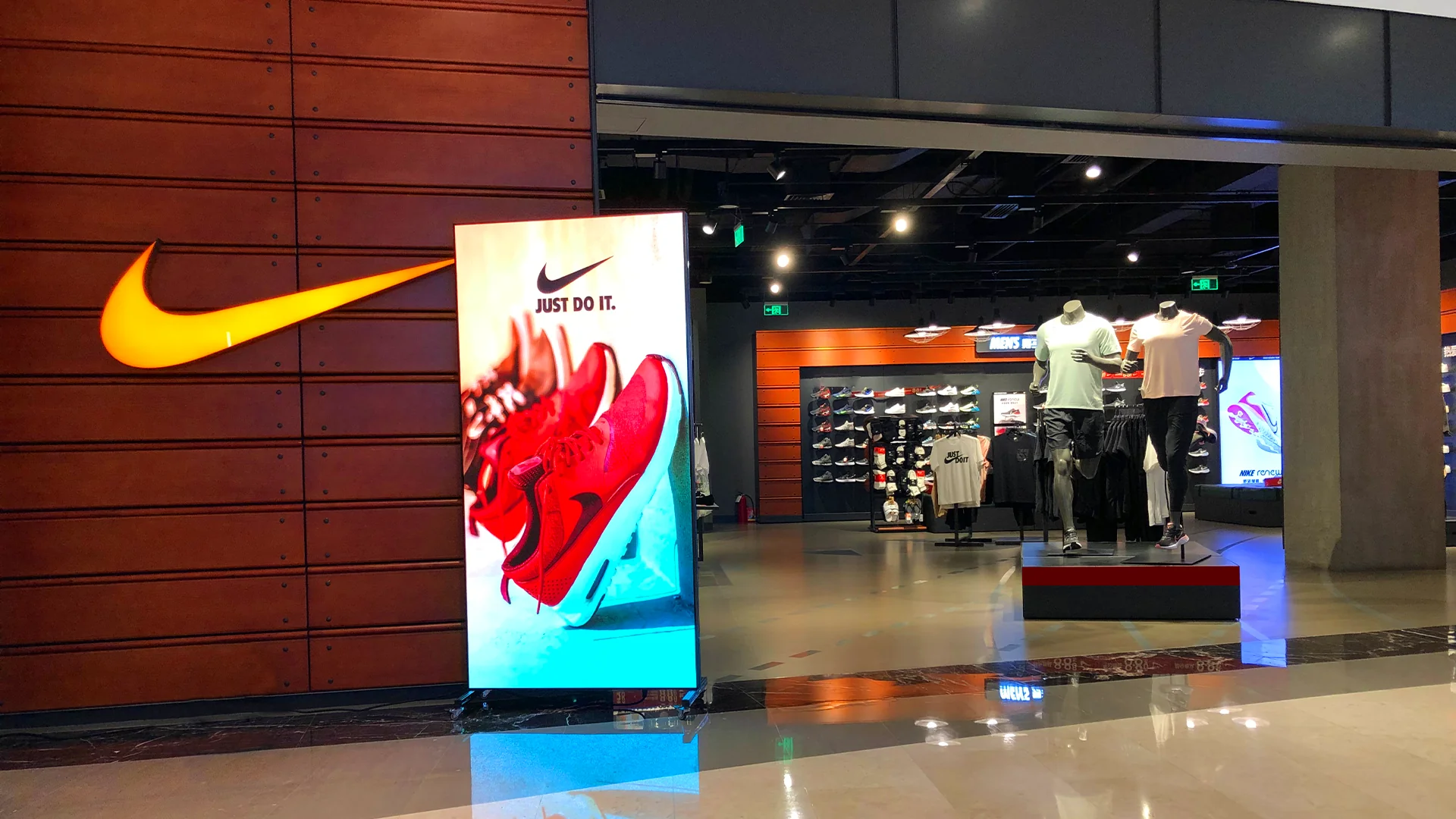
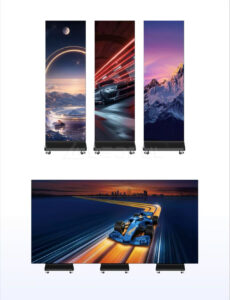
Independent base deployment: With wheel design, convenient for temporary activities.
Building embedded installation: Seamless integration into building facades, compatible with building management systems.

III. Industry Application Framework
3.1 Retail and Commercial Complexes
Elevator/Floor Lift Lobby: Directional promotional sequences increase in-store conversion rate by 42%-58%.
Central Column: Brand recall rate without interference increases by 217%.
Intersection of Human Traffic: Combines real-time travel data with commercial information to reduce passenger perceived waiting time by 27%.
3.2 Transportation Hubs and Public Facilities
Security/Platform Area: Real-time travel data and commercial information combined, reduces passenger perceived waiting time by 27%.
Crossroads of Waiting Hall: Zone guidance to avoid visual confusion.
Emergency Broadcasting: Complies with ISO 22320 standards, ensuring comprehensive release of emergency instructions.
3.3 Catering Services and Hotels
Ordering Area: Dynamic menu visualization enhances average transaction value by 18.3%-24.7%.
Queue Management Area: Narrative content reduces perceived waiting time by 31%-44%.
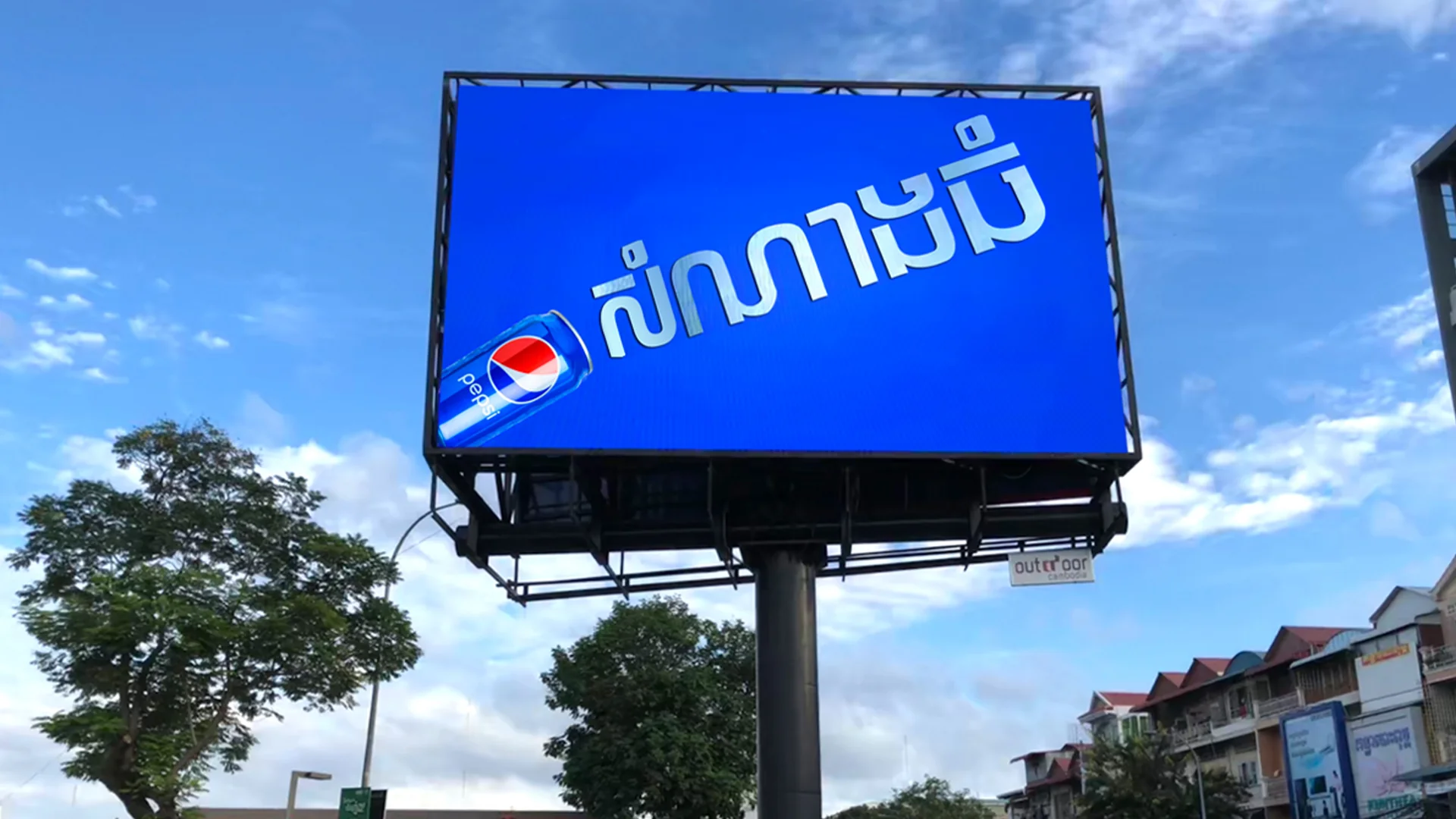
Outdoor Deployment: IP65 protection and light-sensing dimming, ensuring clear display day and night.

Ⅳ. Technical Performance Advantages
4.1 Operational Efficiency Enhancement
Energy consumption reduced by 38%-46%.
Cloud CMS shortens content deployment cycle by 72%.
Predictive maintenance intervals extended by 2.3 times, total cost of ownership reduced by 57%-63%.
4.2 Intelligent Interactive Ecosystem
Integrated anonymous user count (accuracy ≥ 98.2%), compliant with GDPR/CCPA.
API connection to POS, CRM, etc., to achieve closed-loop marketing attribution.
Supports Bluetooth/NFC interaction, with scanning conversion rate of 22.4%.
4.3 Data-Driven Optimization
Heat map analysis of optimal content locations and carousel rhythm.
A/B testing framework for iterative optimization of content effects.
Ⅴ. Future Development Trends
Predictive content scheduling: Machine learning-based optimization based on traffic flow, weather and events.
Environmental response: Adaptive adjustment based on light, noise and air quality.
Seamless device connection: Through Mesh network to achieve interconnection of signage, mobile and wearable devices.
Sustainable Design: 82% materials recyclable, standby power consumption < 0.8W.
Ⅵ. Implementation Guidelines and Best Practices
6.1 Pre-deployment Preparation
Conduct at least 72 hours of heat map and traffic flow mapping. Set clear KPIs (such as a 35% increase in dwell time).
Evaluate the compatibility of the network infrastructure.
6.2 Content Strategy Development
Plan four semantic roles (brand, promotion, social, call to action).
Update the content lifecycle quarterly based on data.
Embed compliance data collection points and clearly define the user consent mechanism.
6.3 Performance Management
Establish a KPI dashboard to track exposure, interaction, and conversion.
Conduct a third-party effectiveness audit every six months (in accordance with ISO/IEC 20248).
Standardize quarterly optimization iterations.
VII. Conclusion: From Static Display to Intelligent Spatial Interaction
All-round digital signage represents a paradigm shift from information transmission to spatial interaction. According to MarketsandMarkets, its market penetration rate will increase from 15% in 2024 to 36.2% in 2027. Early strategic deployment will gain significant advantages in customer engagement, operational resilience, and asset value.
Contact immediately:
Website: https://www.ledful.com
Phone/WeChat/WhatsApp: +86 13530172435