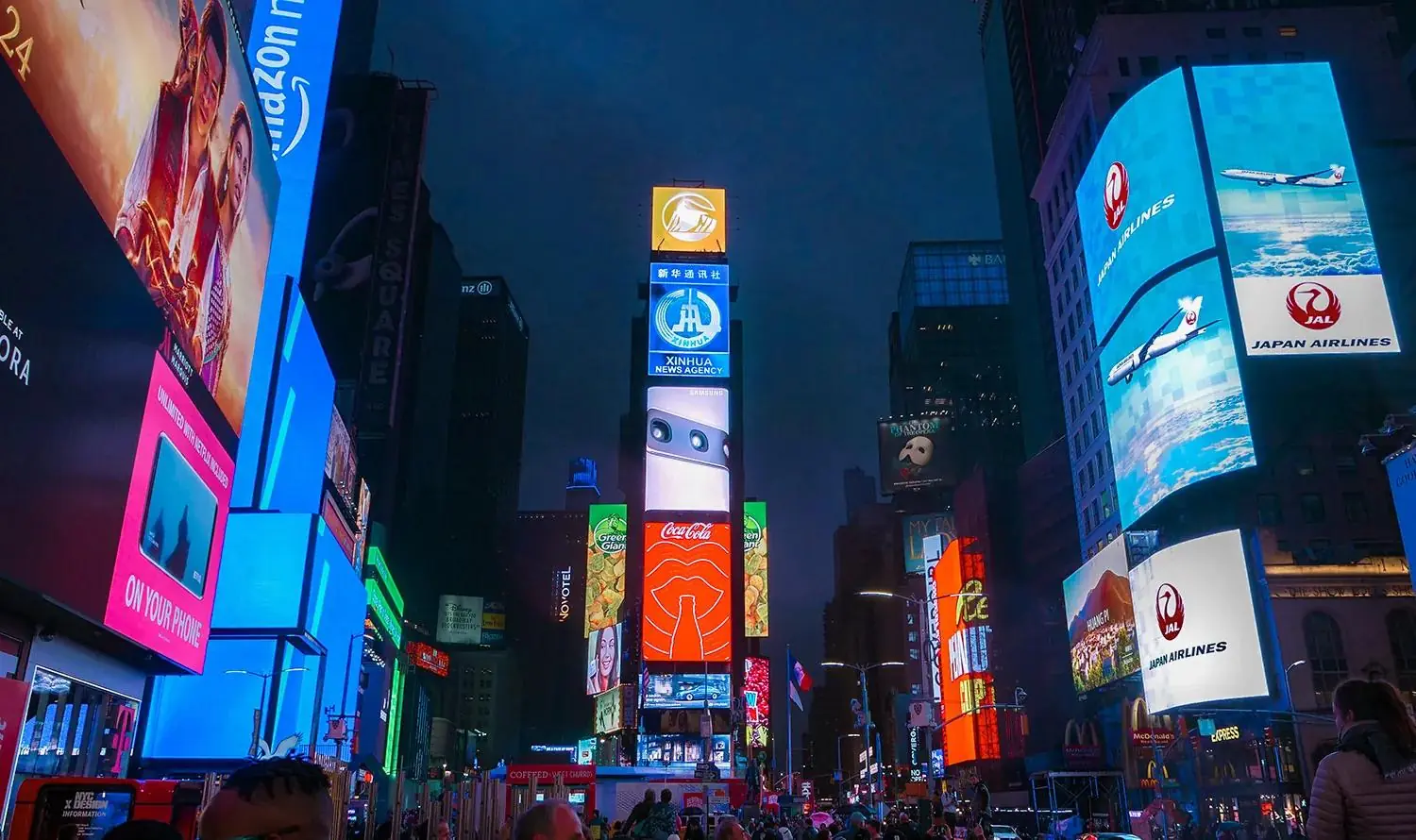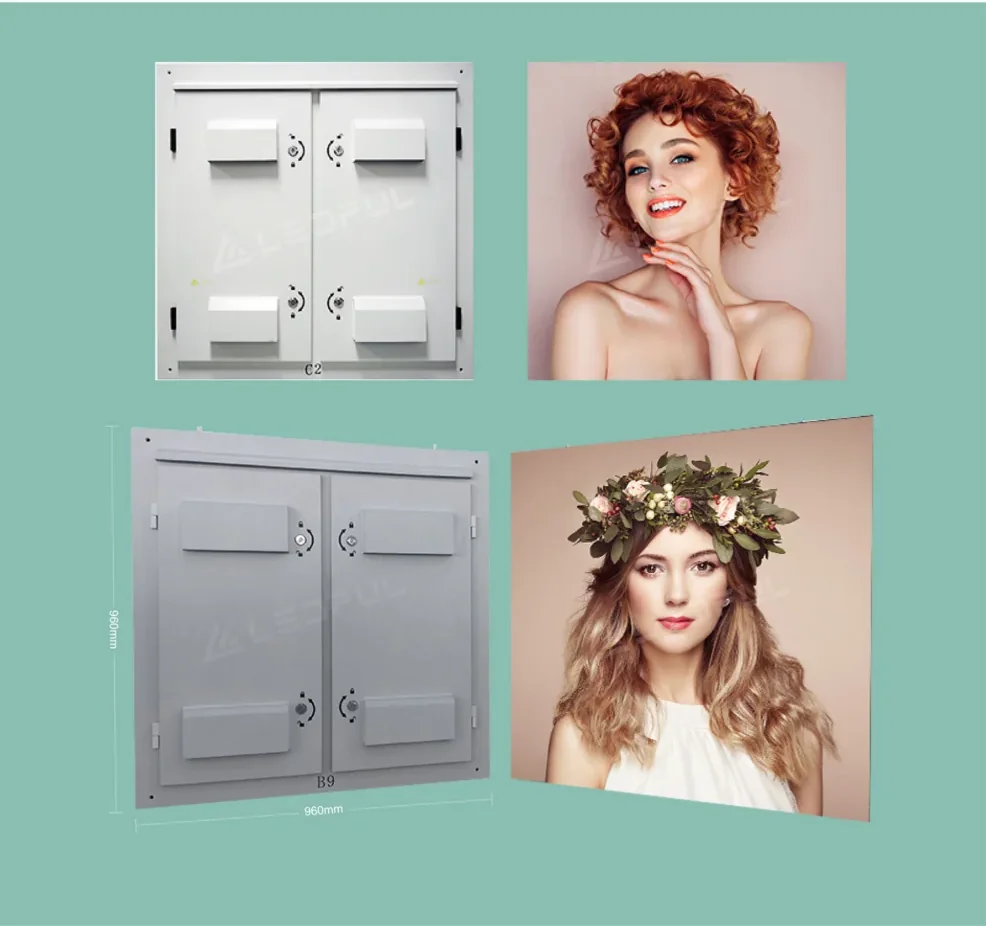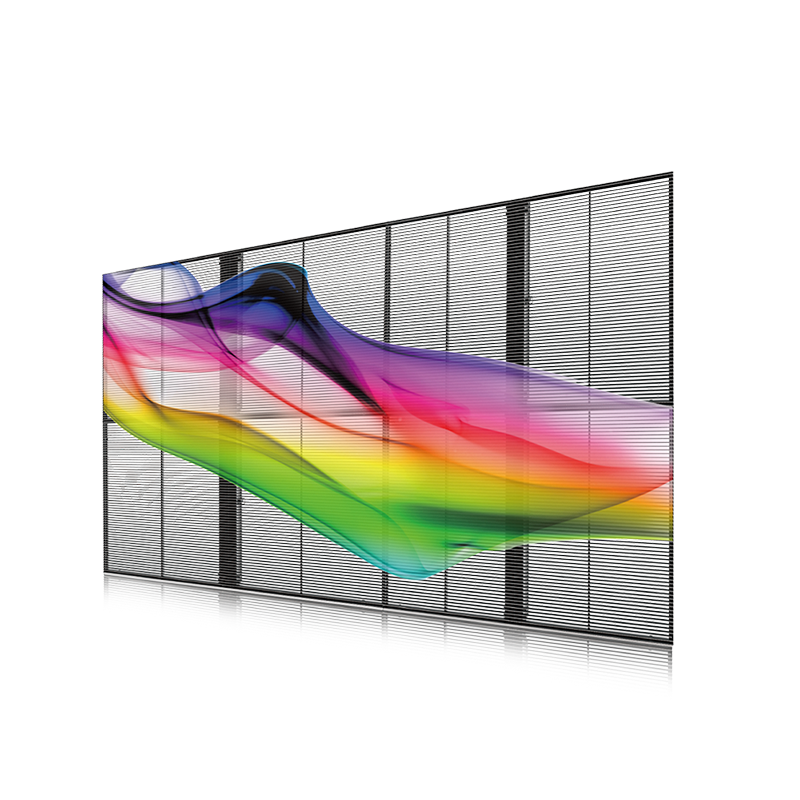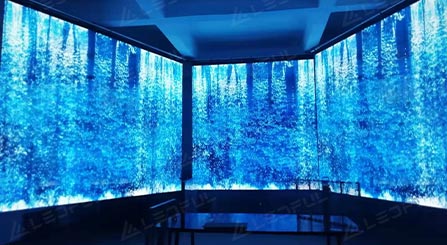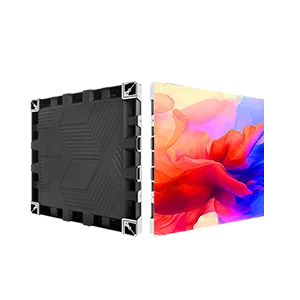
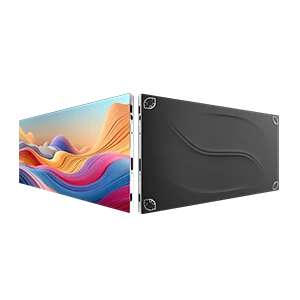




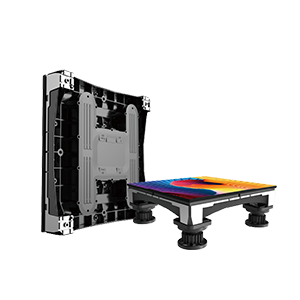
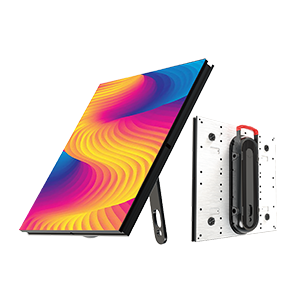
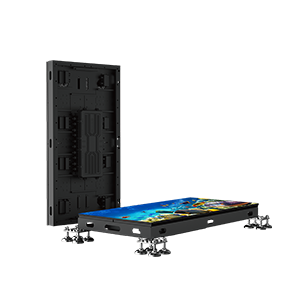
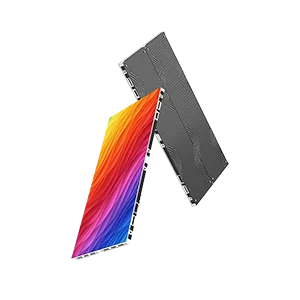
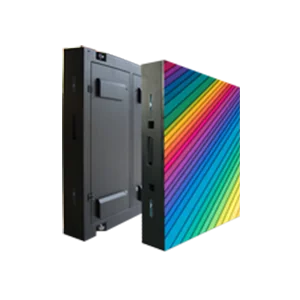
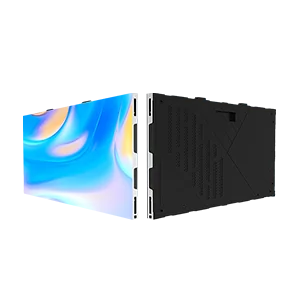
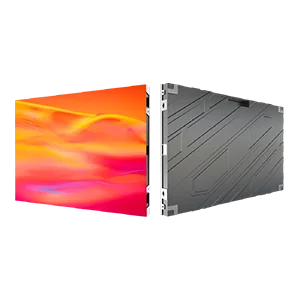
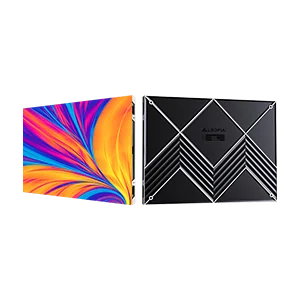
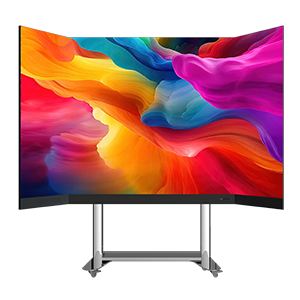
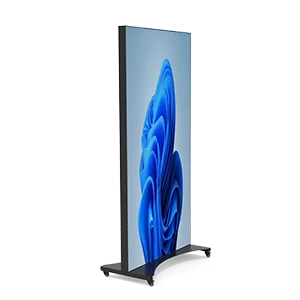
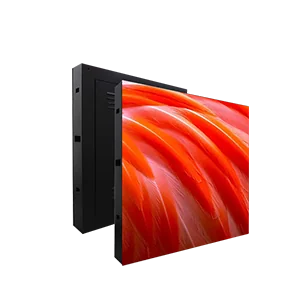
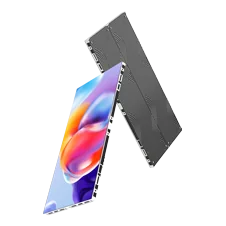
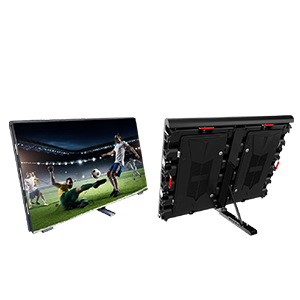
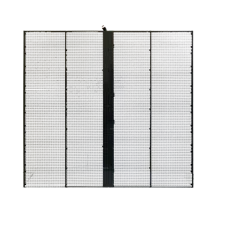

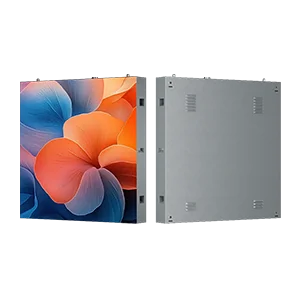
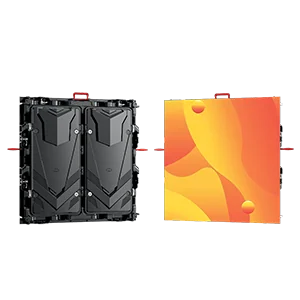
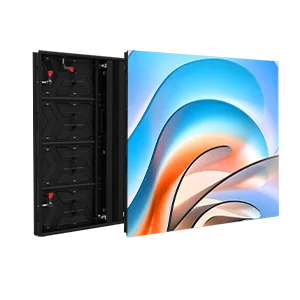
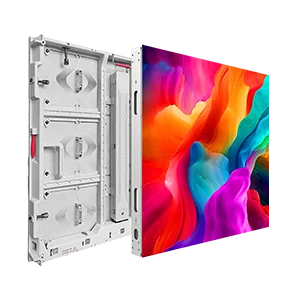
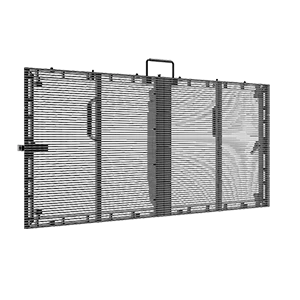
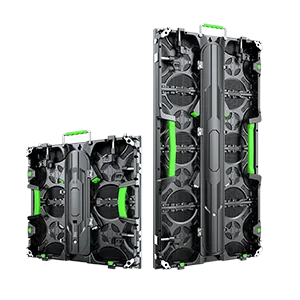
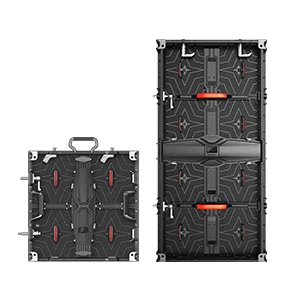
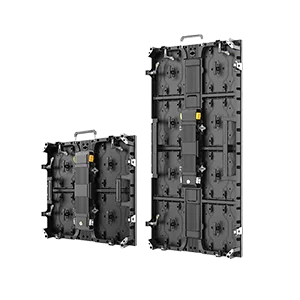





Outdoor LED displays have transformed modern advertising, event production, and public signage with their vibrant visuals. Central to selecting these screens are “P” values like P4, P6, P8, and P10, which denote pixel pitch in millimeters. This measurement dictates image clarity and overall project cost. In this guide, LEDFUL will compare these types to help you choose the ideal display.
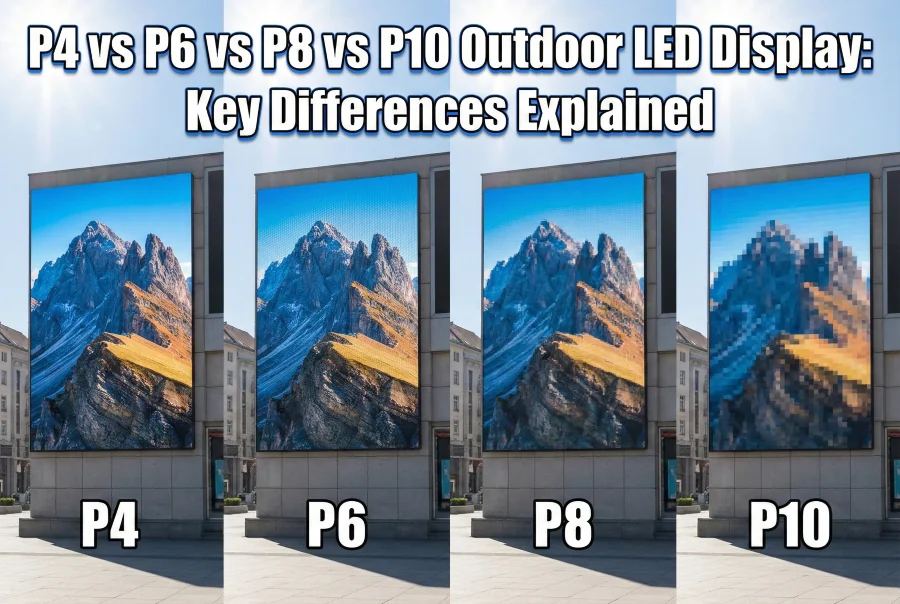
What is “P”? Pixel Pitch Explained
In the world of LED technology, the letter “P” stands for “Pixel Pitch.” Pixel pitch refers to the distance in millimeters between the centers of two adjacent pixels (LED clusters) on a display. This measurement is the single most critical factor in determining a screen’s resolution and its optimal viewing distance.
A smaller pixel pitch indicates that the pixels are packed more densely together. This results in a higher resolution and sharper image quality, allowing viewers to stand much closer to the screen without perceiving individual LED dots. Conversely, a larger pixel pitch means lower pixel density; while this is more cost-effective for massive installations, it requires the audience to be positioned further away to see a cohesive image.
Quick Example:
A P10 display has a 10 mm gap between pixels, whereas a P4 outdoor LED display has only a 4 mm gap. Because the P4 packs significantly more pixels into the same surface area, it offers much higher resolution than the P10. A standard industry rule of thumb is that the minimum viewing distance is approximately 1 meter for every 1 mm of pitch (e.g., a P10 screen is best viewed from at least 10 meters away).
Understanding P4, P6, P8, and P10 Outdoor LED Display Specifications
Choosing the right “P” value depends on your specific installation environment and how close your audience will be. Below are the standard categories for outdoor applications.
1. What are P4 Outdoor LED Displays?
A P4 outdoor LED display features a 4 mm pixel pitch, yielding a high pixel density of approximately 62,500 pixels per square meter. These displays are engineered for high-definition visuals in environments where the audience is in close proximity.
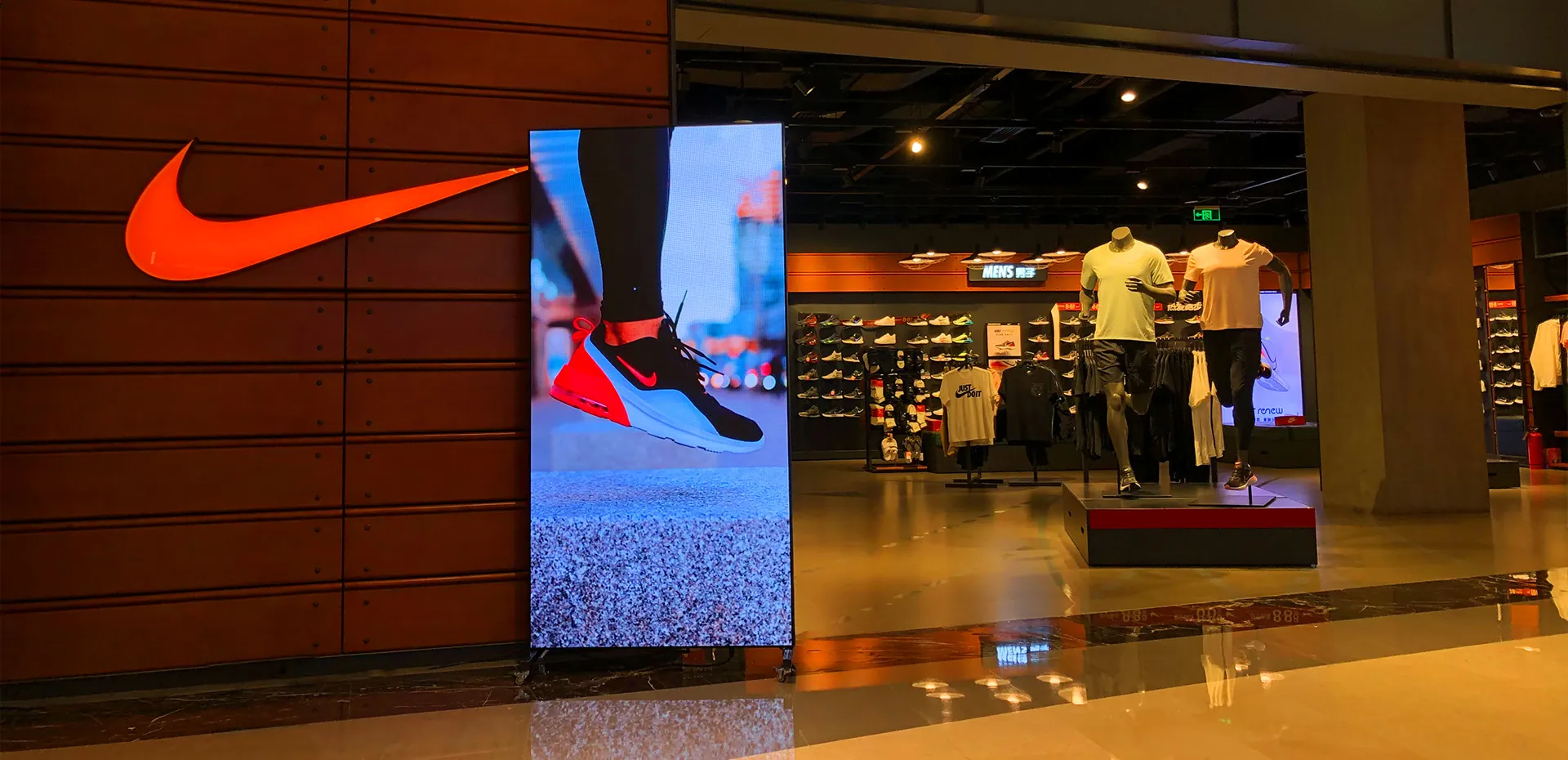
- Best For: High-end retail facades, walking streets, outdoor pedestrian plazas, and transit hubs.
- Pros: Exceptional image clarity, vivid detail, and the ability to display complex video content clearly from 4 to 15 meters.
- Cons: Higher initial investment per square meter due to the high number of LEDs required.
2. What are P6 Outdoor LED Displays?
The P6 outdoor LED display utilizes a 6 mm pixel pitch with a density of roughly 27,777 pixels per square meter. This model is often considered the “sweet spot” in the industry, balancing high resolution with cost-efficiency.
- Best For: Shopping mall exteriors, medium-sized commercial billboards, and outdoor events.
- Pros: Good balance of brightness and price; provides sharp visuals for audiences at a moderate distance (6 to 20 meters).
- Cons: Not suitable for ultra-close viewing where fine text is required.
3. What are P8 Outdoor LED Displays?
P8 LED displays use an 8 mm pixel pitch, resulting in a density of approximately 15,625 pixels per square meter. These are designed for medium-to-long viewing distances where the audience is typically 8 to 24 meters away.
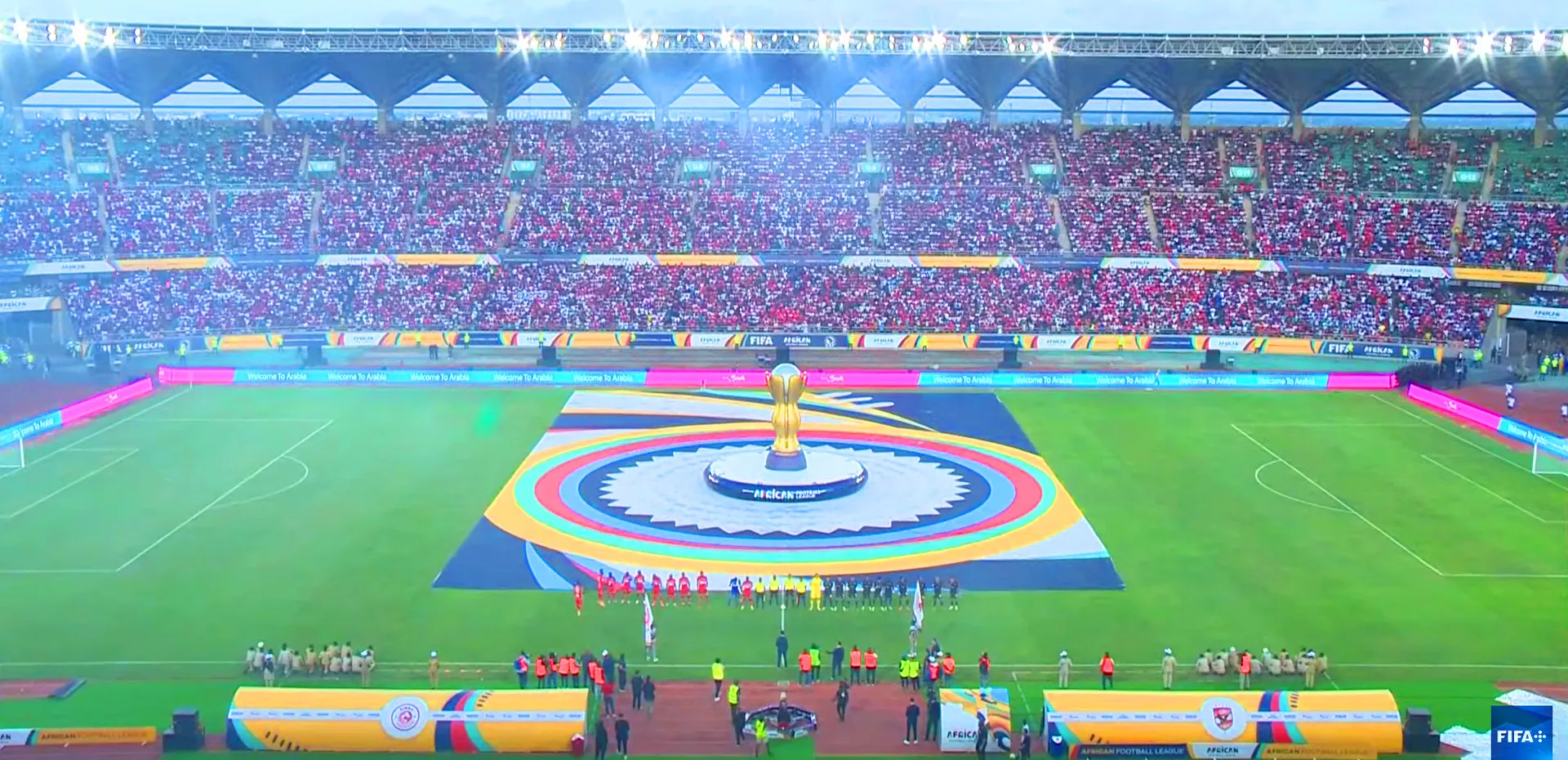
- Best For: Large street-level advertisements, sports stadium perimeter banners, and information boards.
- Pros: Lower cost than P4 or P6 models while offering excellent brightness (often 5,000–8,000 nits) to maintain visibility in direct sunlight.
- Cons: Not ideal for ultra-high-definition requirements or very close viewing distances (under 8 meters) where finer detail is required.
4. What are P10 Outdoor LED Displays?
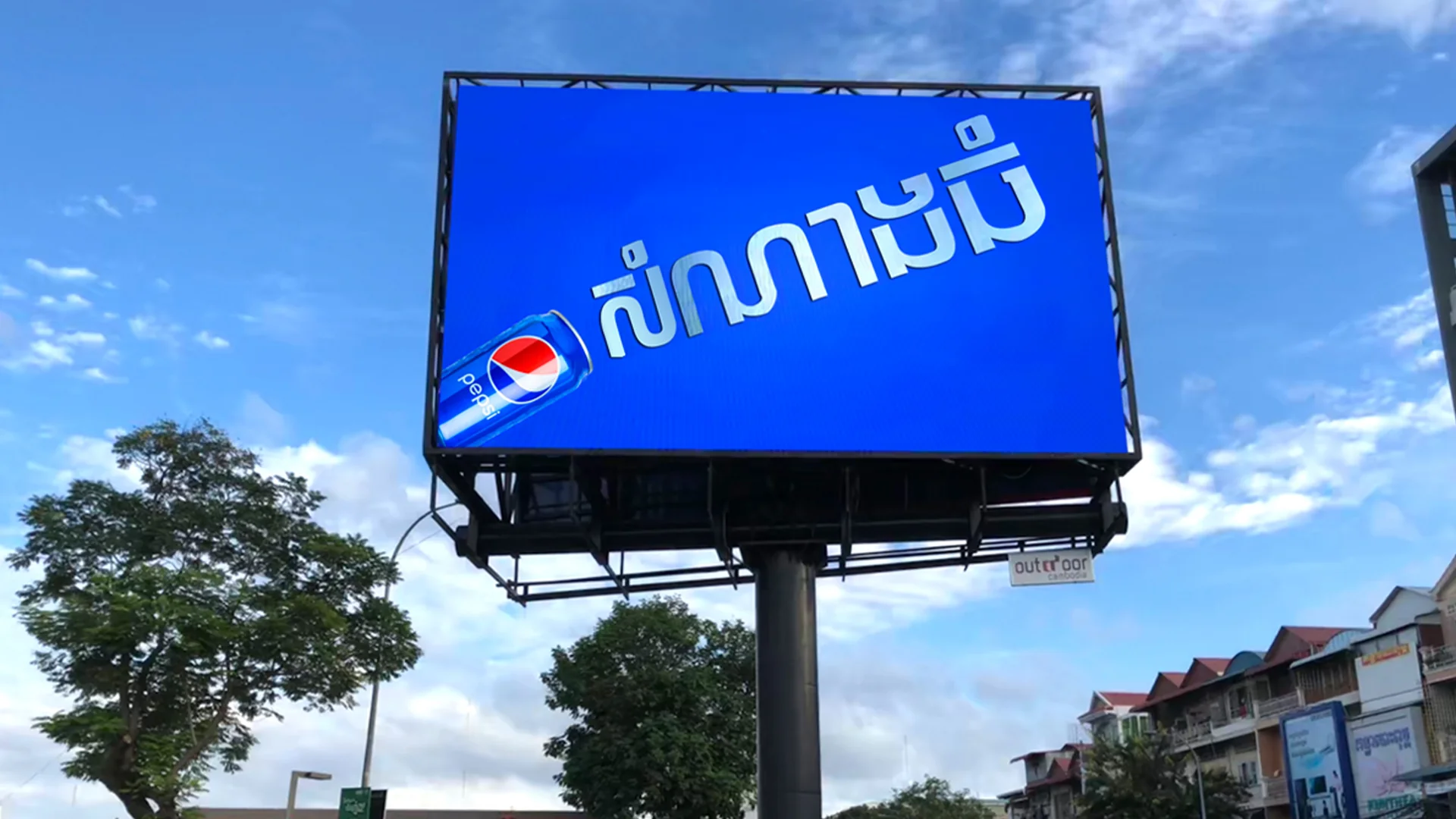
The P10 outdoor LED display features a 10 mm pixel pitch and a density of 10,000 pixels per square meter. It remains the industry standard for large-scale, long-distance viewing.
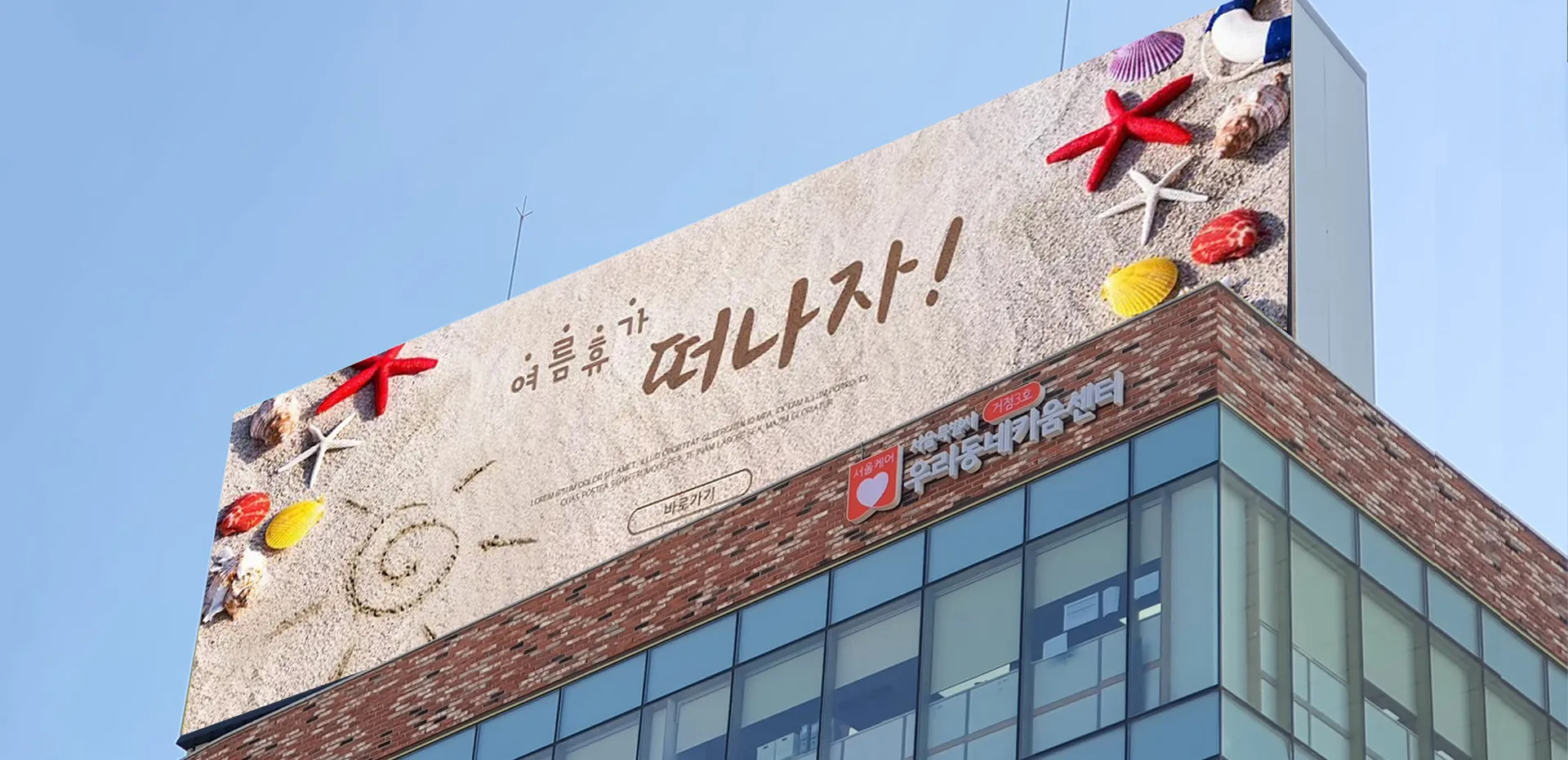
- Best For: Massive highway billboards, building rooftops, stadium scoreboards, and large public signage.
- Pros: The most cost-effective option for large-scale areas; highly durable and energy-efficient for long-range viewing (10 meters and beyond).
- Cons: Low resolution; images will appear pixelated if viewed from a close distance.
P4 vs P6 vs P8 vs P10: A Comprehensive Comparison Table
To help procurement officers and engineers make quick decisions, here is a summary of the technical differences:
| Feature | P4 Outdoor | P6 Outdoor | P8 Outdoor | P10 Outdoor |
| Pixel Pitch | 4 mm | 6 mm | 8 mm | 10 mm |
| Pixel Density | ~62,500 pixels/m² | ~27,777 pixels/m² | ~15,625 pixels/m² | 10,000 pixels/m² |
| Typical Viewing Distance | 4 – 15 meters | 6 – 20 meters | 8 – 24 meters | ≥ 10 meters |
| Image Quality | Ultra High Definition | High Definition | Medium Detail | Standard Resolution |
| Primary Application | Retail/Pedestrian | Commercial Plazas | Stadiums/Street Ads | Highway Billboards |
Key Factors Beyond Pixel Pitch When Choosing an Outdoor LED Display
While pixel pitch determines the clarity, several other technical factors ensure that an outdoor display performs reliably in harsh environments.
1. Brightness and Sunlight Readability
Outdoor displays must compete with direct sunlight. While standard screens might suffice indoors, outdoor models require brightness levels above 4,000 nits. High-traffic areas often demand 5,000 to 8,000+ nits to prevent the screen from looking washed out during peak daylight hours.
Learn more about brightness measurements: cd/m² vs Nits.
2. IP Rating (Ingress Protection)
Durability is non-negotiable. An IP65 rating is the minimum standard, ensuring the screen is dust-tight and protected against rain. For environments near the coast or areas with heavy storms, premium models like the LEDFUL FS PRO series offer IP66 protection.
3. Refresh Rate & Grayscale
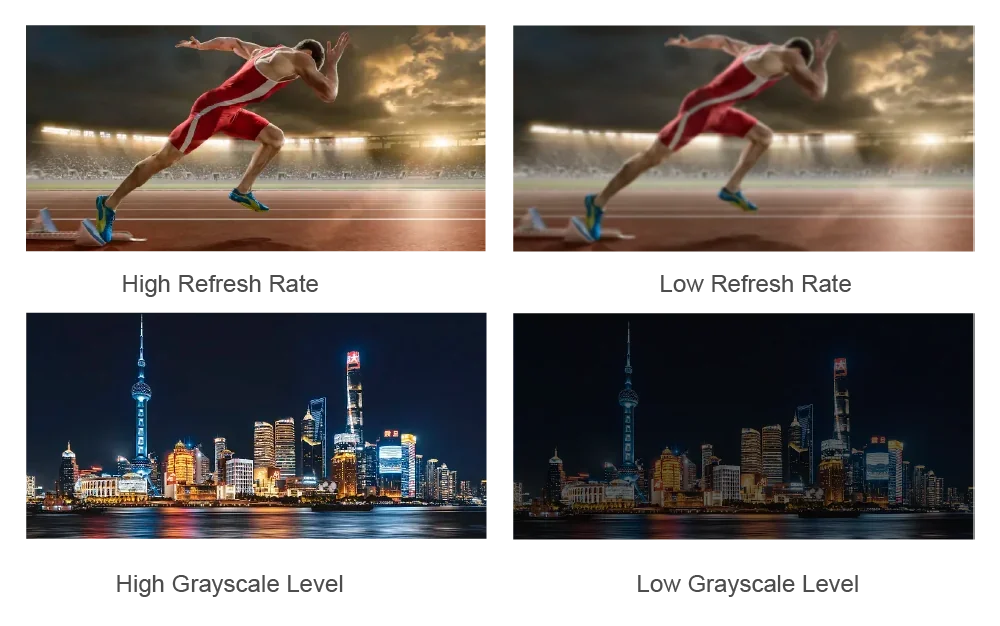
For event organizers and media companies, flicker-free visuals are essential. A refresh rate of ≥ 1920 Hz (ideally ≥ 3840 Hz) ensures that the display looks perfect when captured on camera or filmed for live broadcasts. Additionally, a 14-16 bit grayscale provides smooth color gradients, preventing “banding” in high-contrast content.
4. Thermal Management
High-density displays generate heat. Effective thermal management, often utilizing aluminum cabinets that act as natural heat sinks, extends the lifespan of the LEDs and prevents color shifts caused by overheating.
5. Maintenance Access
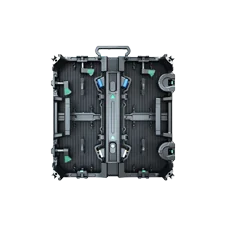
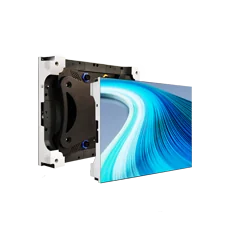
When planning an installation, consider the maintenance route. Front service access is a game-changer for wall-mounted displays where rear access is impossible. Conversely, rear service is often more practical for independent billboards on poles.
6. Power Consumption
Sustainability is a growing concern for modern smart city initiatives. Technologies such as common cathode energy-saving designs can reduce power consumption by up to 40%, significantly lowering the total cost of ownership over the display’s lifecycle.
Go to LEDFUL for Premium Outdoor LED Display Products!
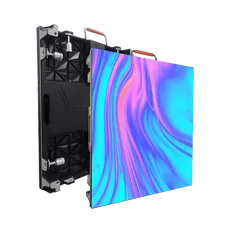
If you are looking for a solution that transcends standard specifications, the LEDFUL FS PRO Series is the premier choice for high-end outdoor applications. Designed specifically for the rigorous demands of Digital Out-of-Home (DOOH) advertising, this series offers a wide pixel pitch range from 2.97 mm to 10.42 mm.
The FS PRO Series stands out with:
- Superior Performance: Brightness levels ≥5000 nits and a professional-grade refresh rate of ≥
- Unmatched Durability: Die-casting aluminum modules provide an IP66 rating and excellent heat dissipation.
- Green Technology: Common cathode circuitry saves up to 40% in energy costs compared to traditional models.
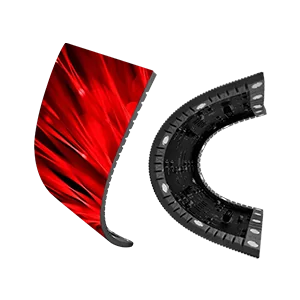
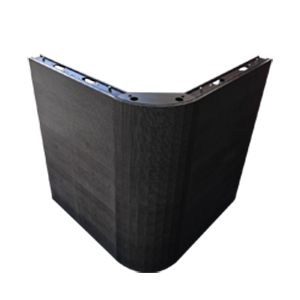
- Installation Flexibility: Supports 90-degree splicing for creative corner designs, with both front and rear service access.
For contractors and distributors aiming to deliver the best value to their clients, LEDFUL provides customized, energy-efficient solutions that ensure every pixel counts.
Conclusion
Choosing the right screen comes down to viewing distance, budget, and performance needs. A P4 outdoor LED display delivers close-up clarity, a P6 outdoor LED display balances cost and resolution, while a P10 outdoor LED display excels for long-range impact. For reliable, energy-efficient solutions tailored to your project, reach out to LEDFUL and explore professional outdoor LED display options!