
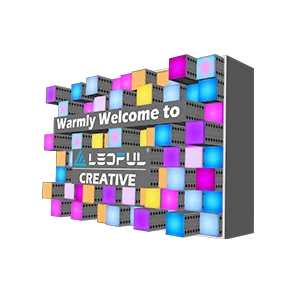
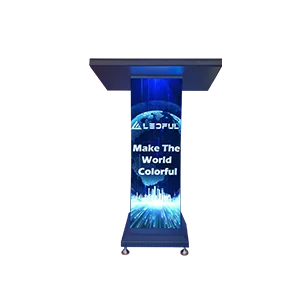

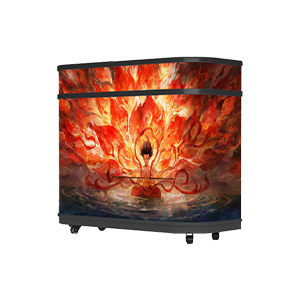
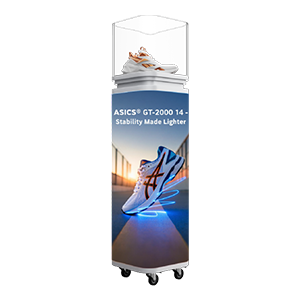


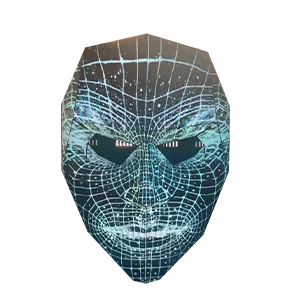
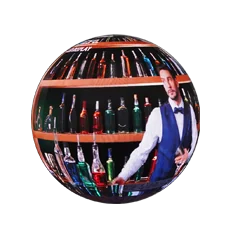

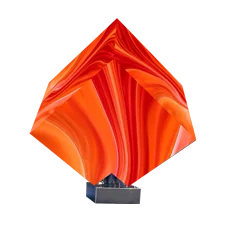
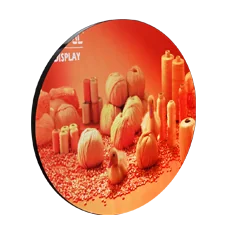
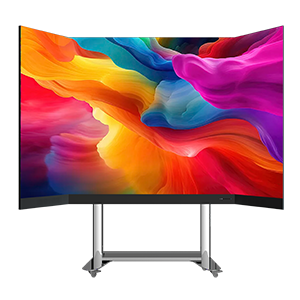
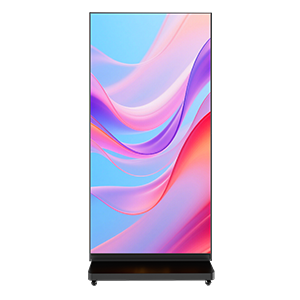
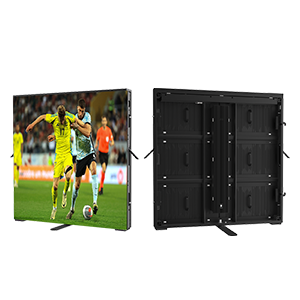
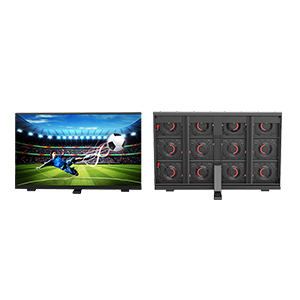


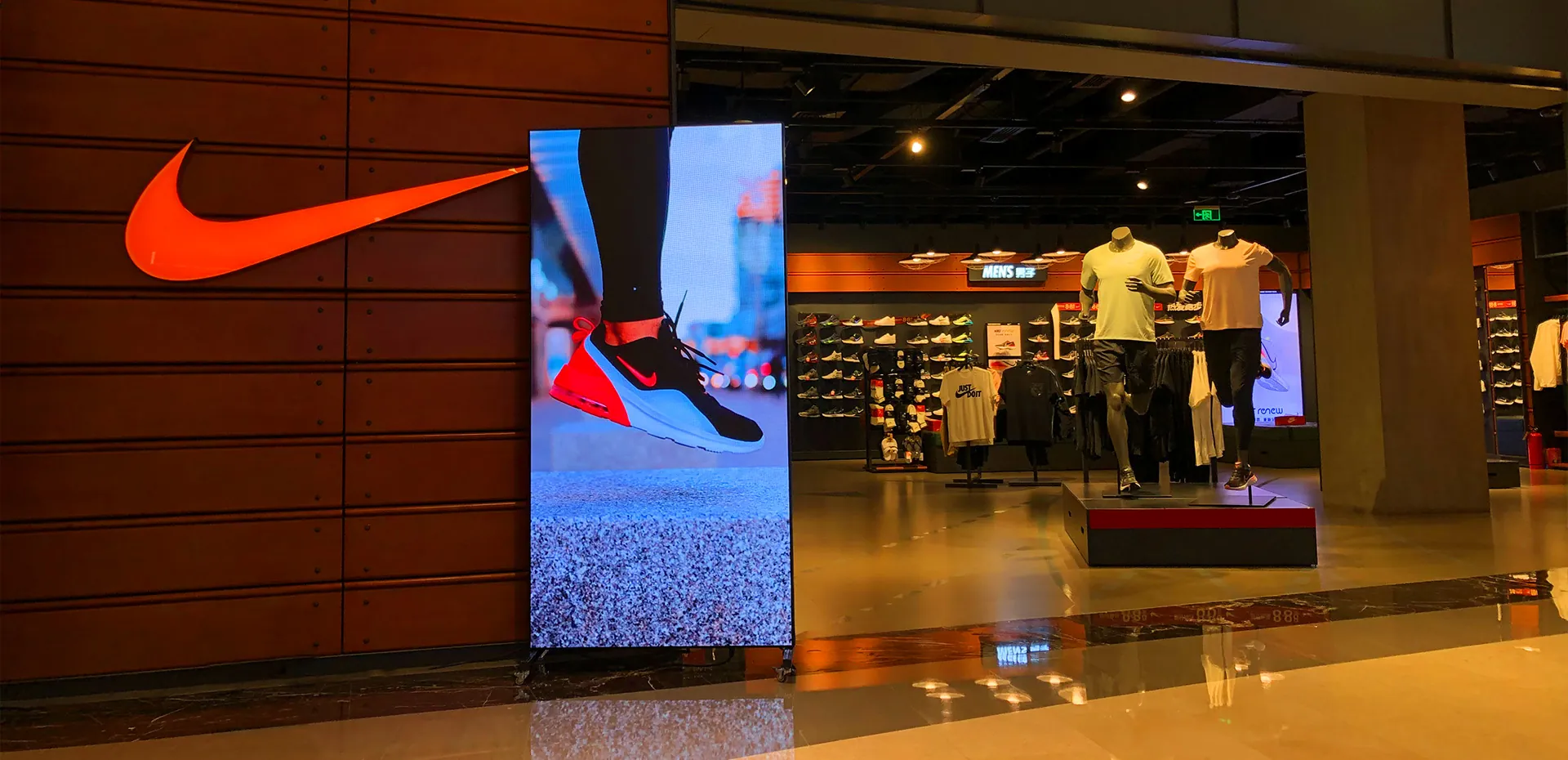
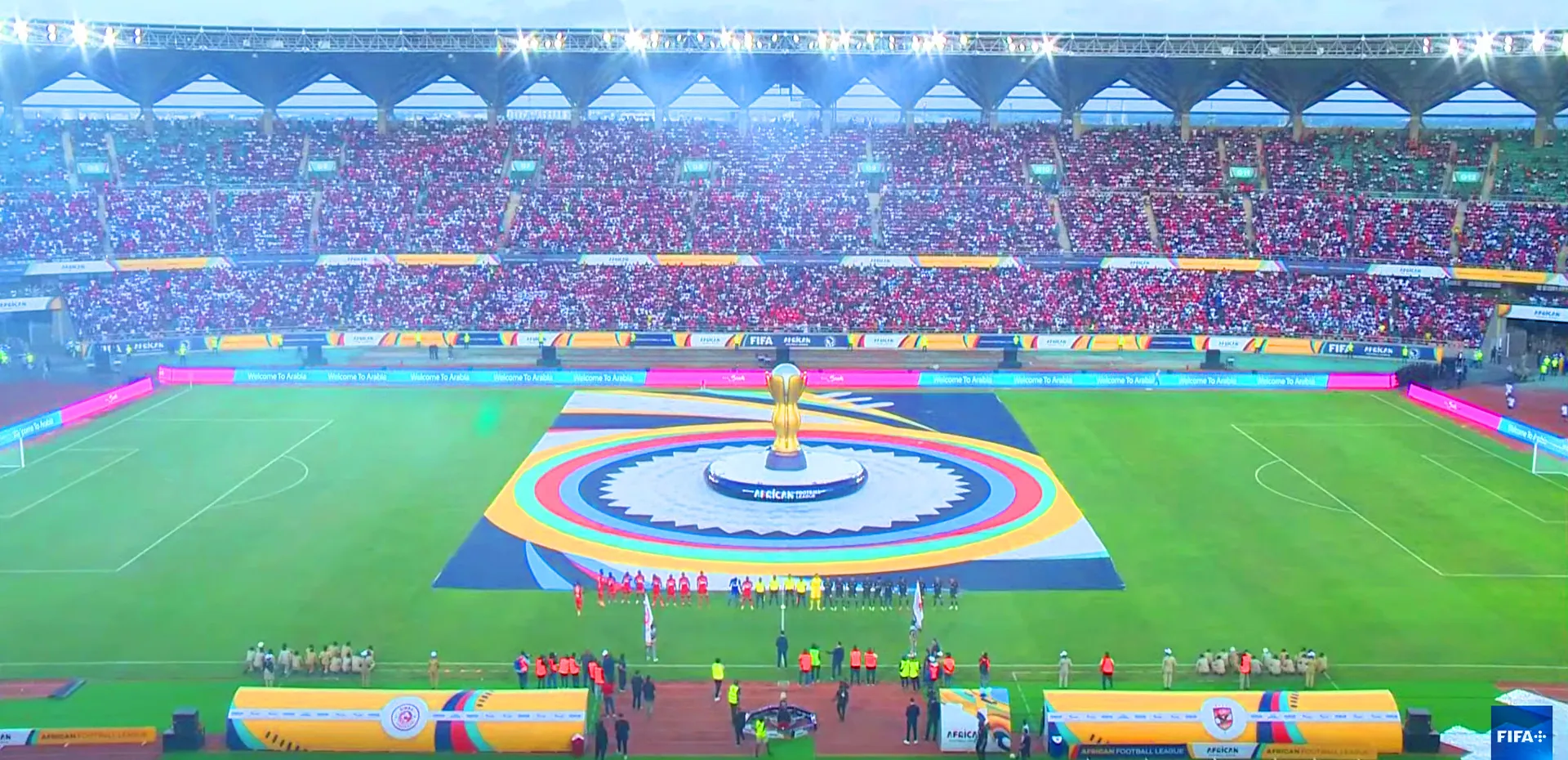
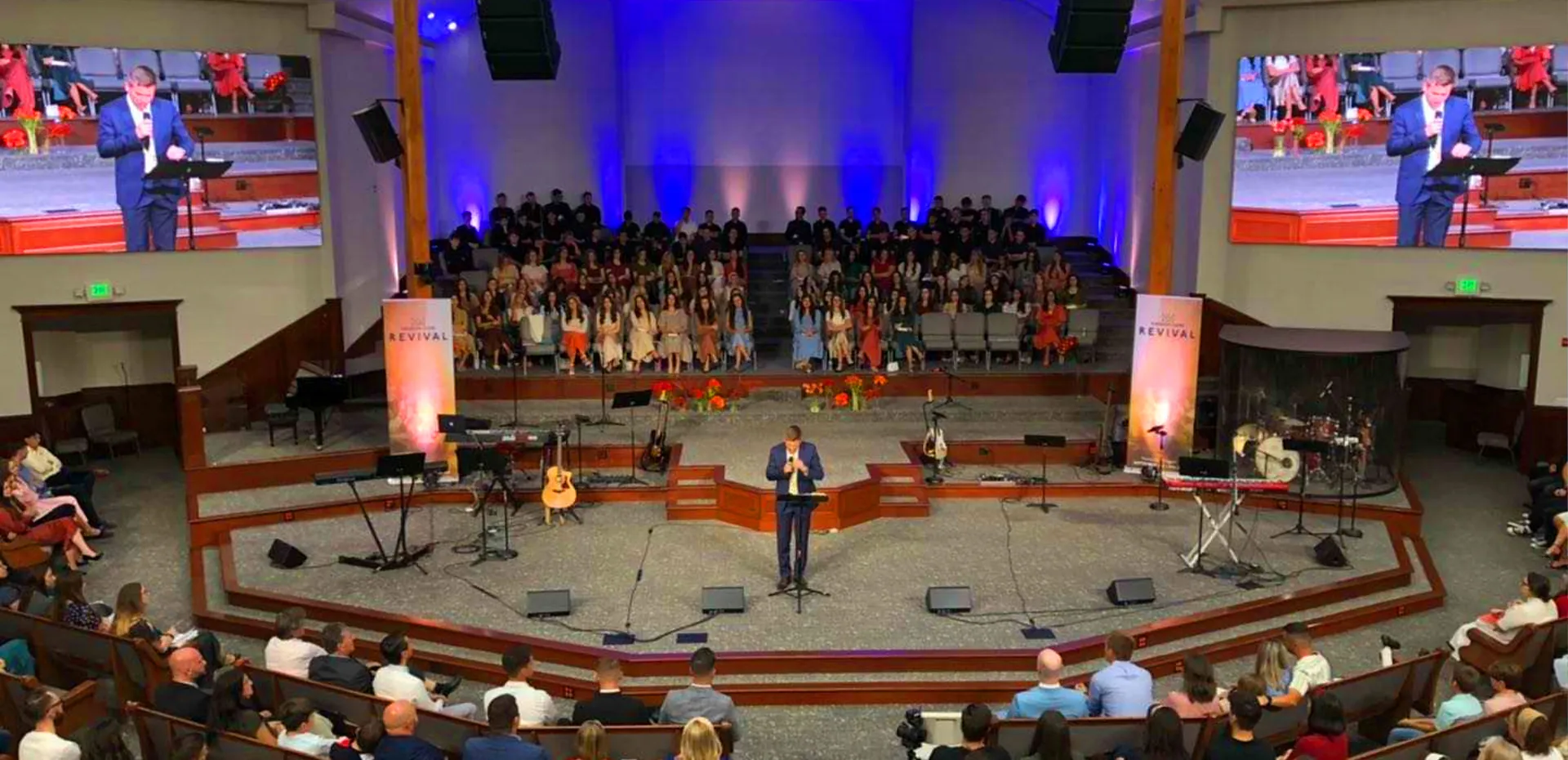
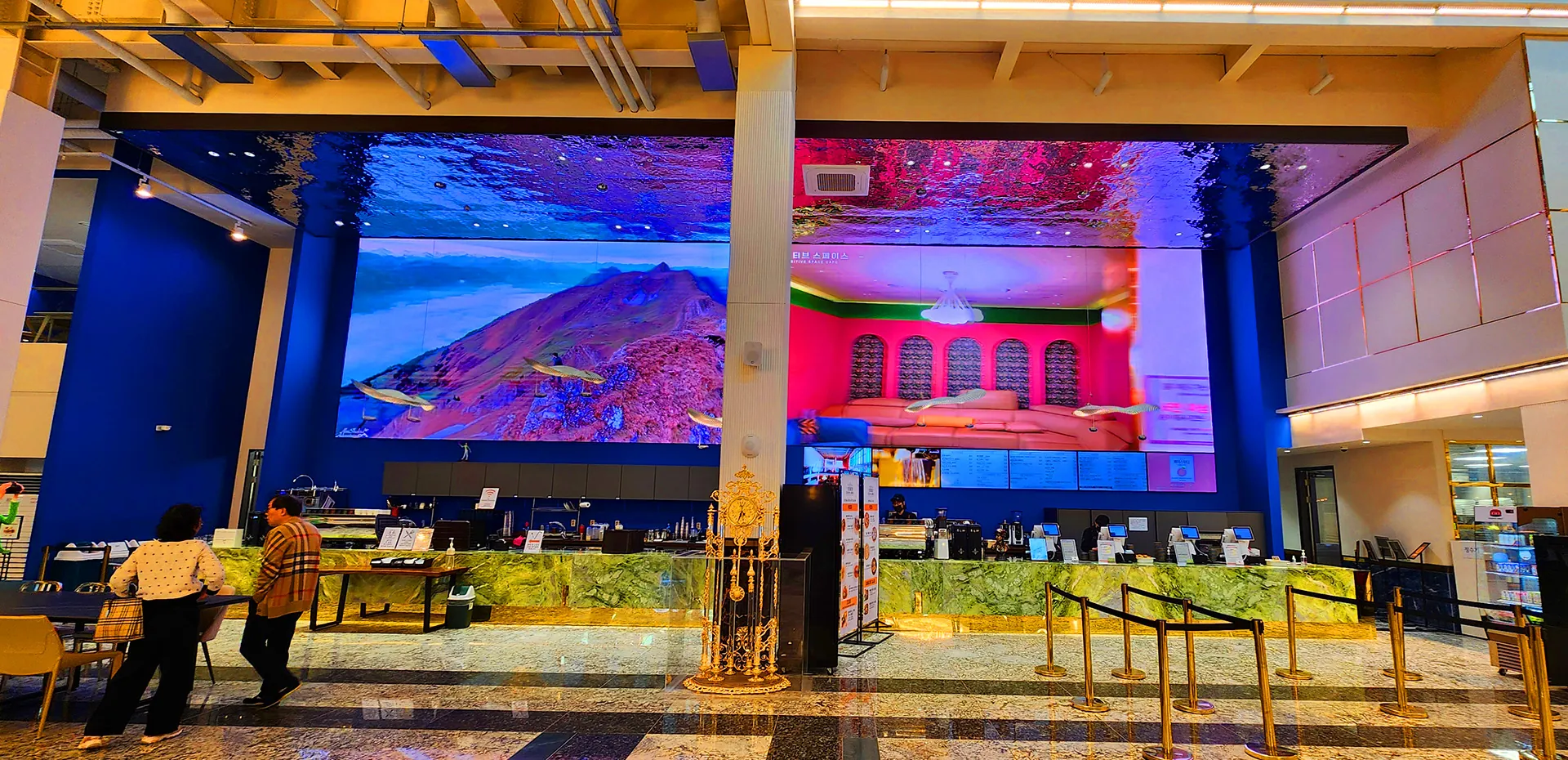



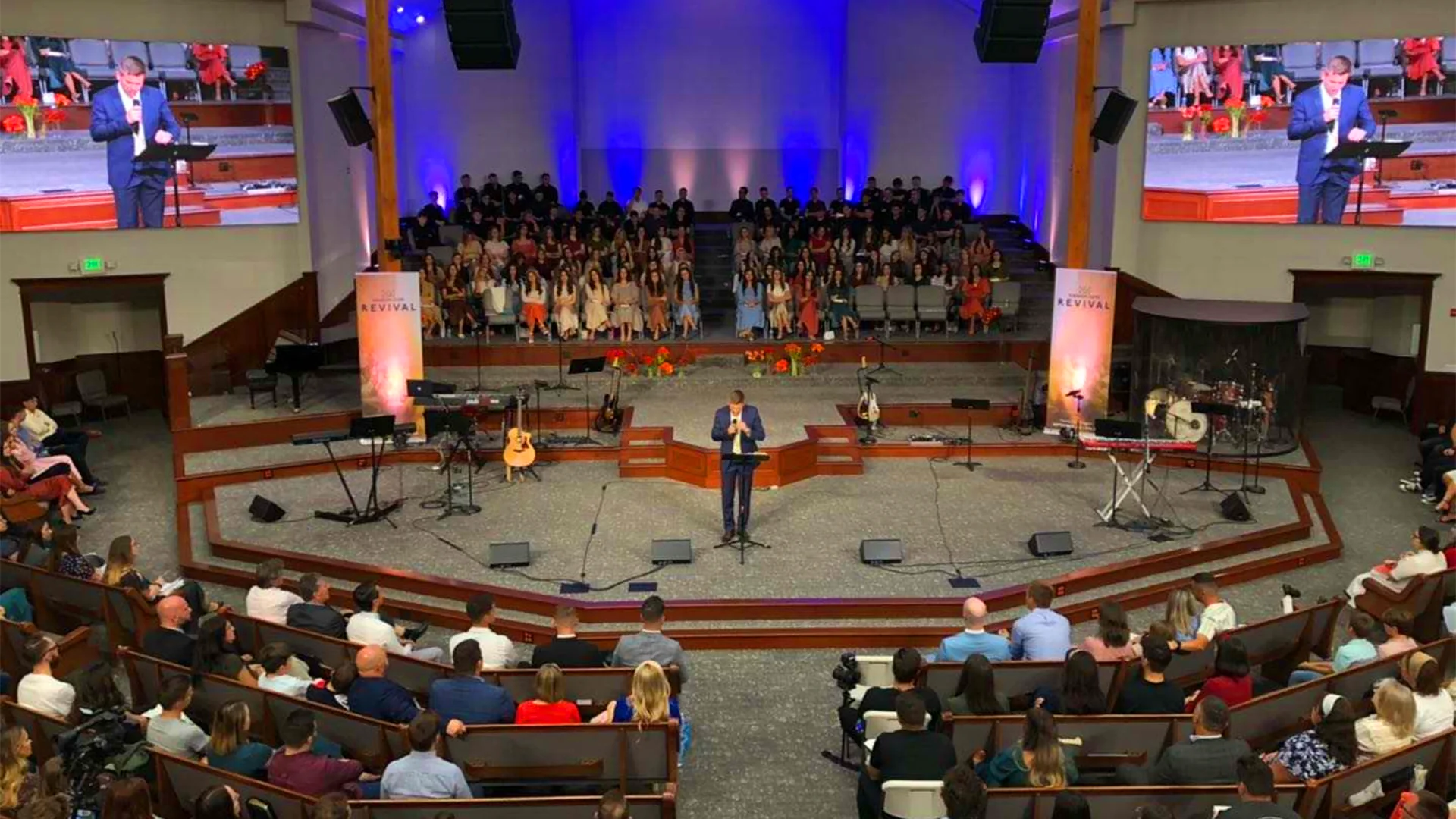
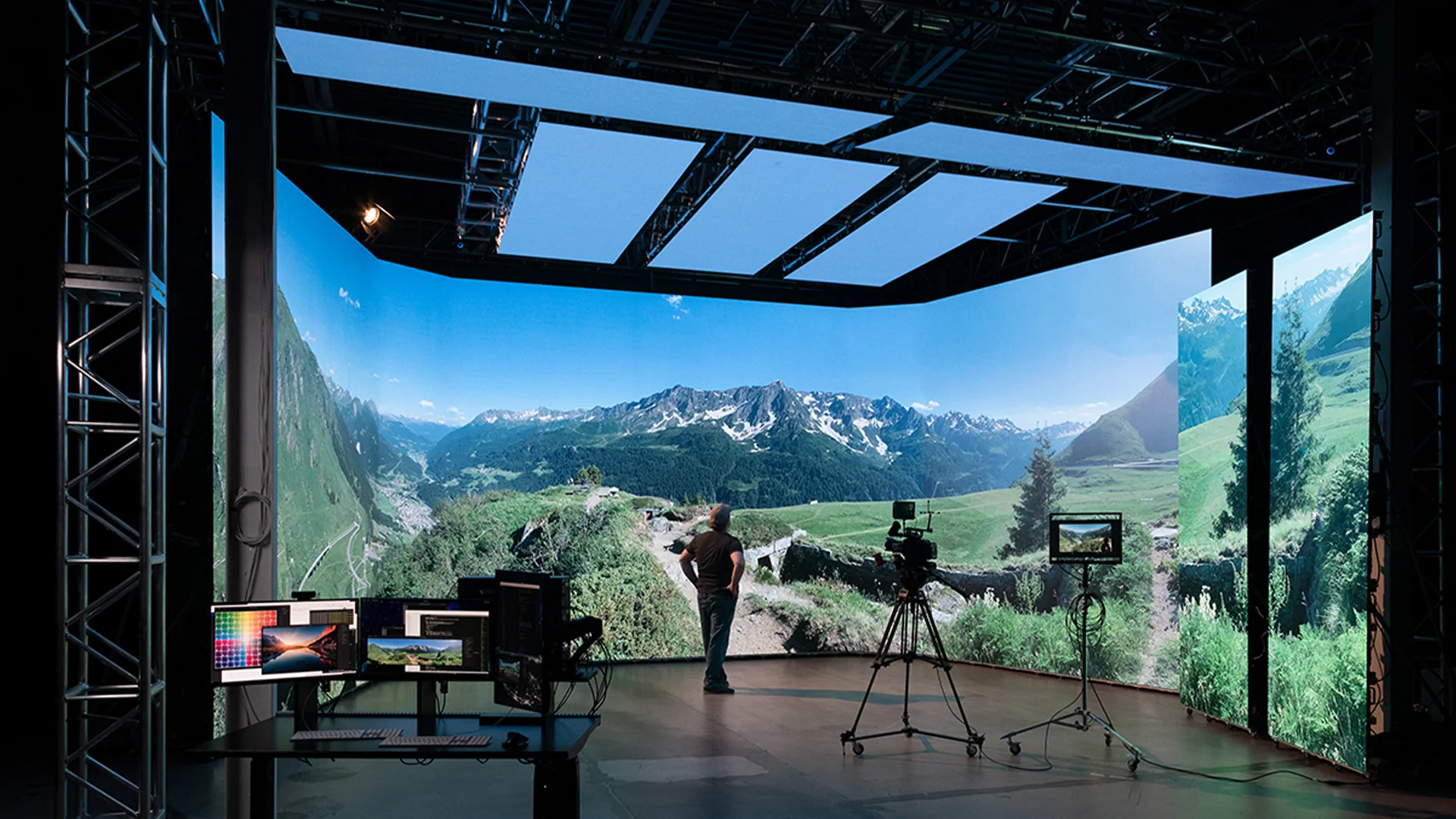
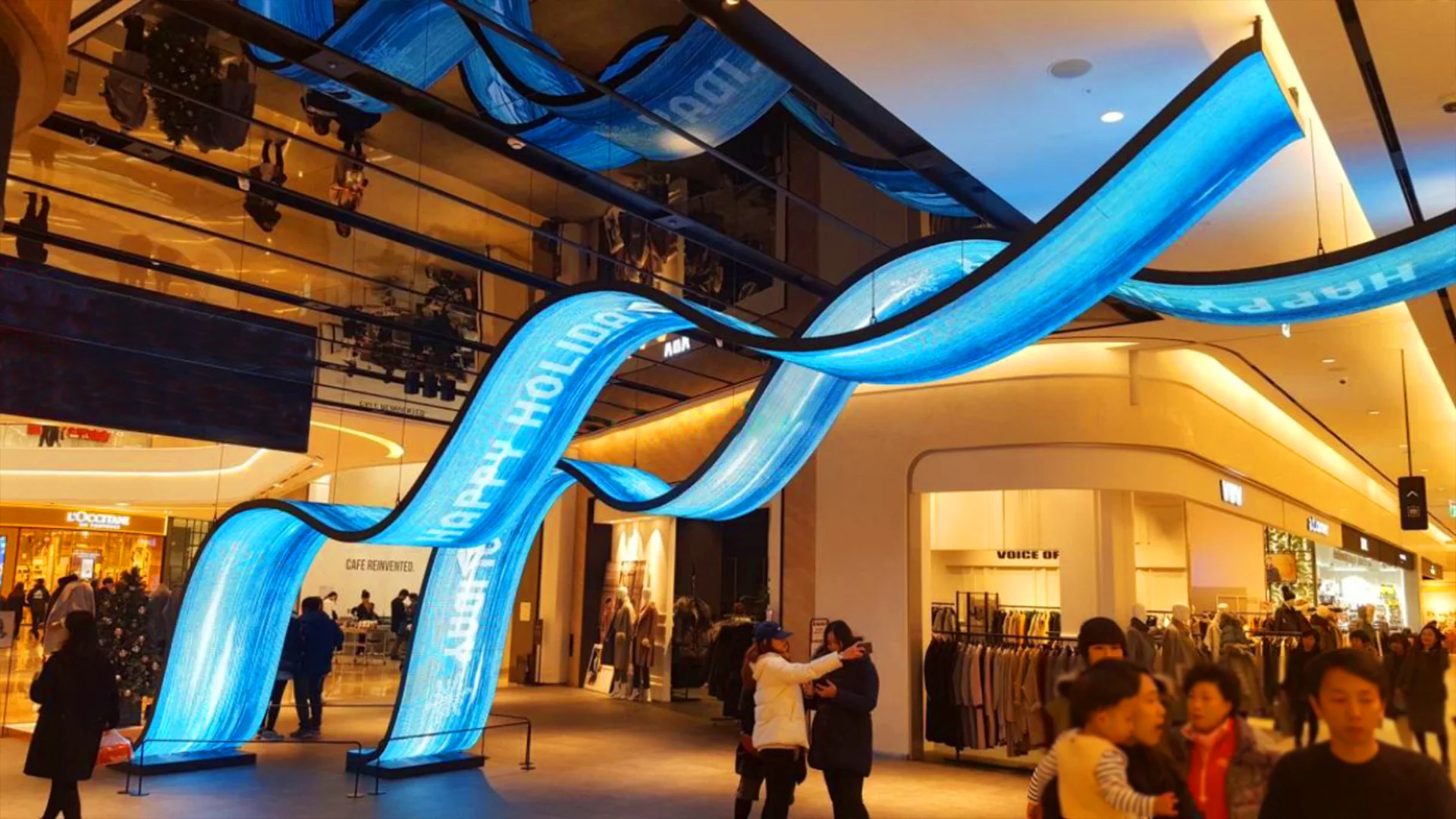







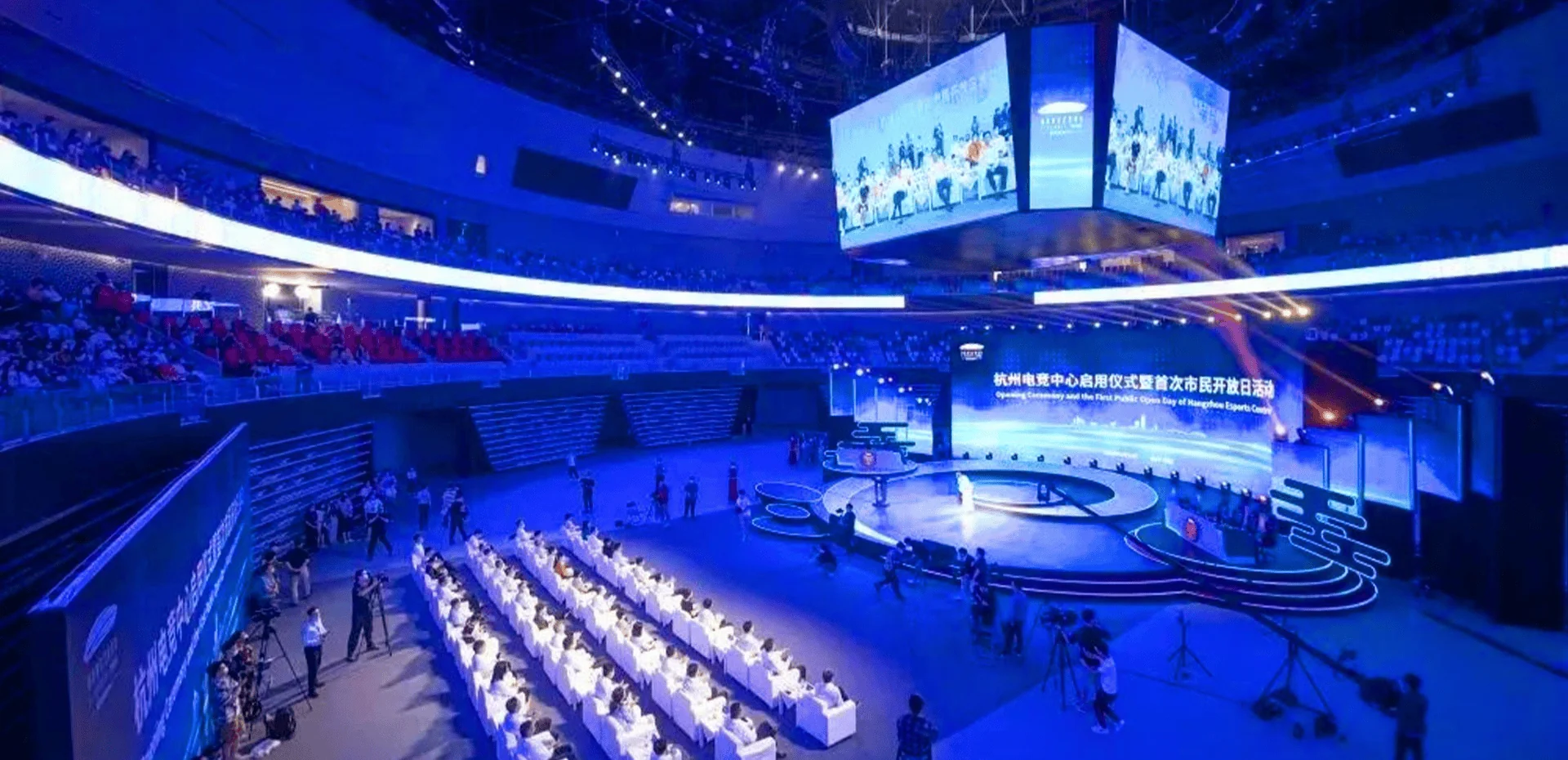

When choosing a display solution for a conference room, retail store, church, exhibition, or corporate space, one question is asked more than any other:
Should I buy an LED display or a projector?
Both technologies can present videos, images, and presentations on a large screen, but they differ significantly in brightness, image quality, maintenance, operating costs, and long-term return on investment (ROI).
Many buyers focus only on the initial purchase price. However, the most cost-effective solution isn’t always the cheapest upfront—it is the one that delivers the best performance and lowest total cost over its lifetime.
In this guide, we’ll compare LED displays and projectors across the factors that matter most, helping you choose the right solution for your business.
Quick Answer: LED Display or Projector?
If you’re looking for a short answer:
- Choose an LED displayif you need superior brightness, 24/7 operation, low maintenance, and long-term value.
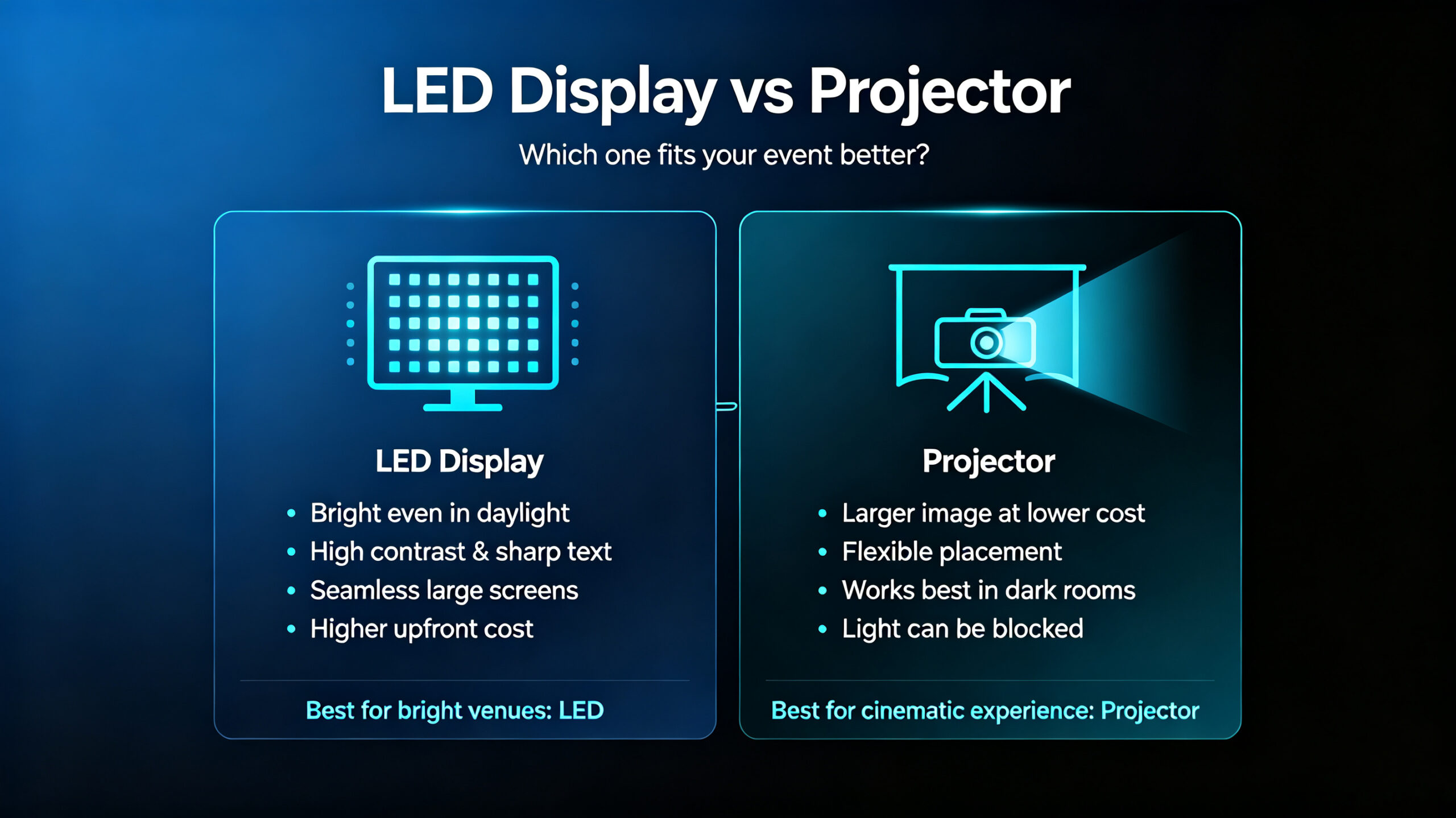
- Choose a projectorif you have a limited budget, a dark viewing environment, and only occasional use.
For most commercial applications—including retail, conference rooms, churches, control rooms, and digital signage—LED displays provide better long-term performance and ROI.
LED Display vs Projector: Quick Comparison
| Feature | LED Display | Projector |
| Brightness | ⭐⭐⭐⭐⭐ | ⭐⭐ |
| Image Quality | Excellent | Good |
| Ambient Light Performance | Excellent | Poor |
| Contrast Ratio | Very High | Medium |
| Viewing Angle | Up to 160° | Limited |
| Lifespan | Up to 100,000 Hours | 20,000–30,000 Hours (Laser) |
| Maintenance | Minimal | Regular Cleaning & Lamp/Laser Maintenance |
| Energy Efficiency | High | Moderate |
| Total Cost of Ownership | Lower Long-Term | Higher Long-Term |
| ROI | Excellent | Moderate |
Key Takeaway: While projectors often have a lower purchase price, LED displays outperform them in nearly every category that affects long-term business value.
What Is an LED Display?
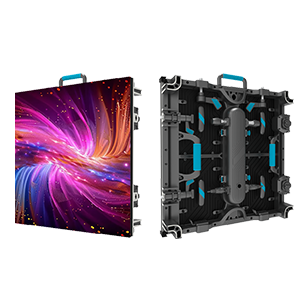
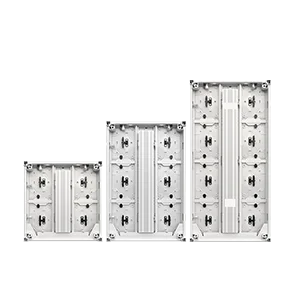
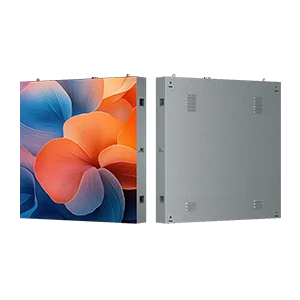
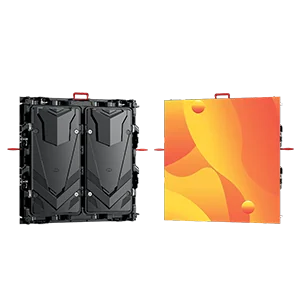
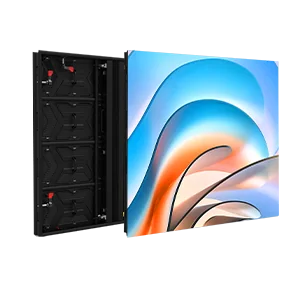
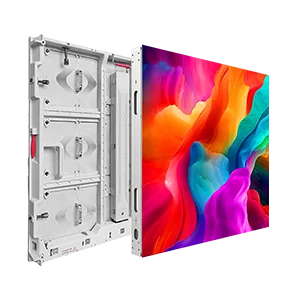
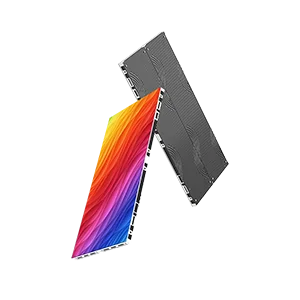
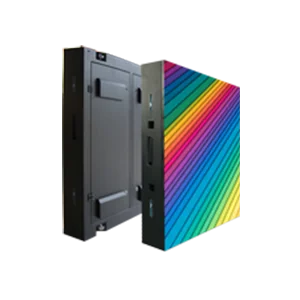
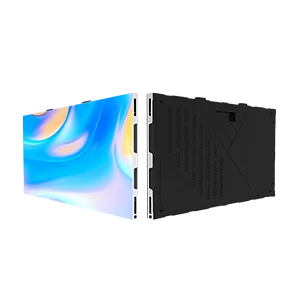
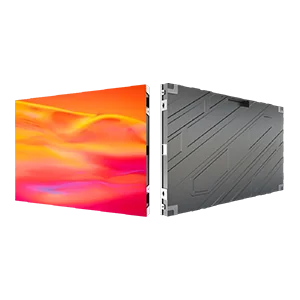
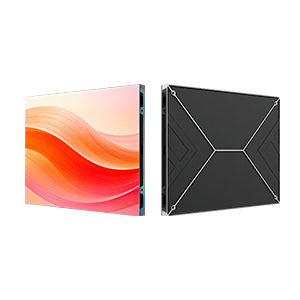
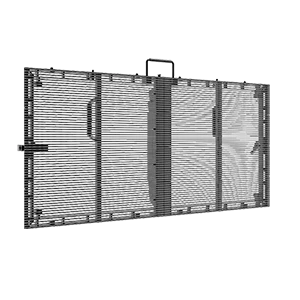
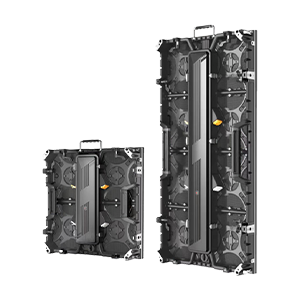
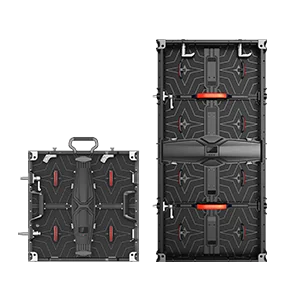
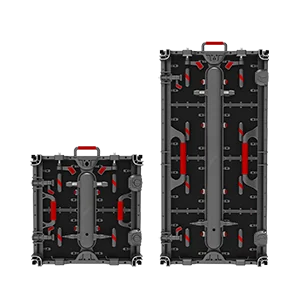
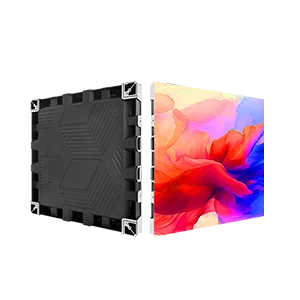
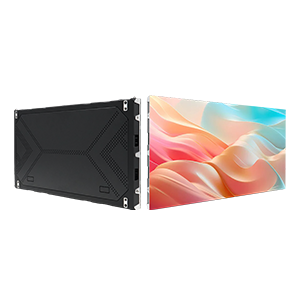
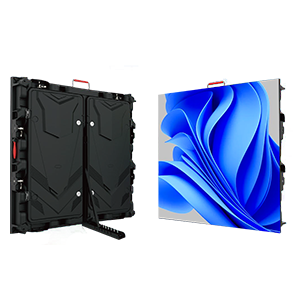
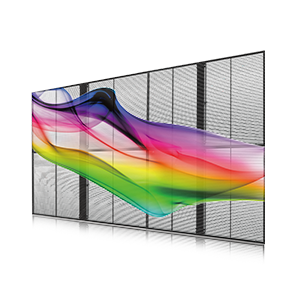
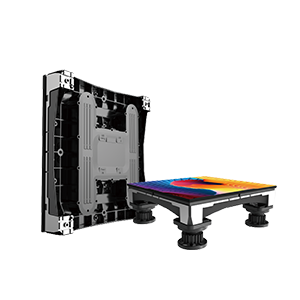
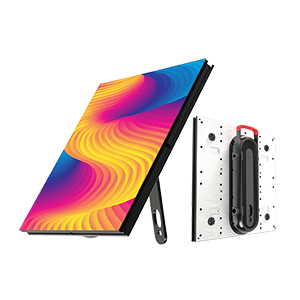
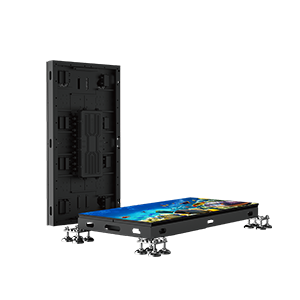
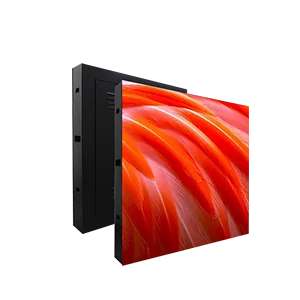
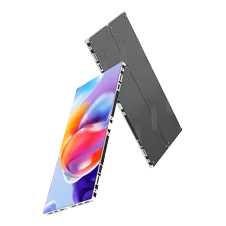
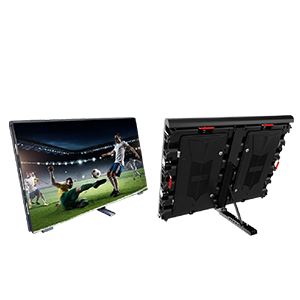
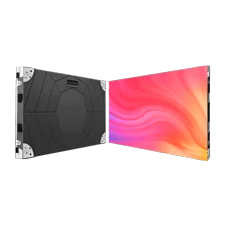
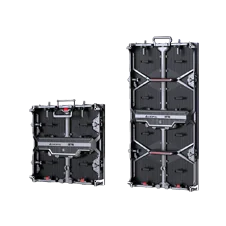
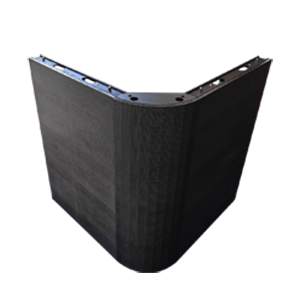
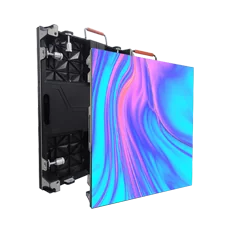
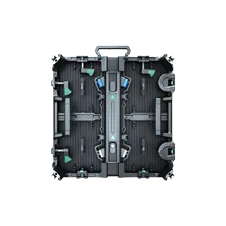
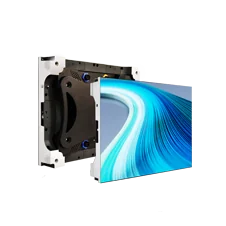
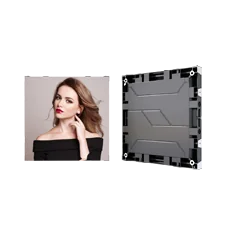
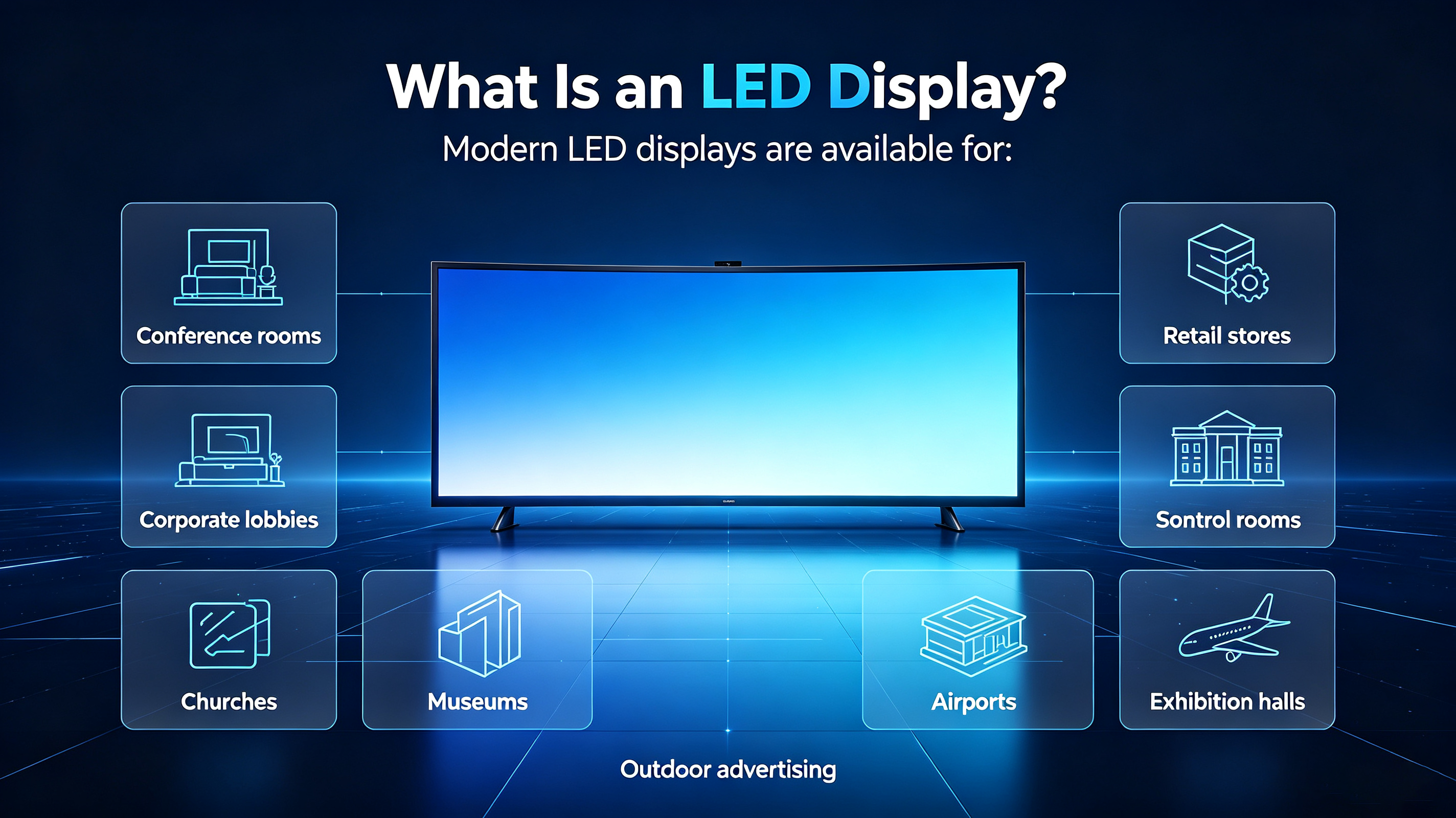
An LED display, also known as an LED wall or LED video wall, is made up of modular LED panels that work together to create one seamless screen.
Unlike projectors, LED displays generate light directly from millions of tiny LEDs, producing brighter images, richer colors, and superior visibility under almost any lighting condition.
Modern LED displays are available for:
- Conference rooms
- Corporate lobbies
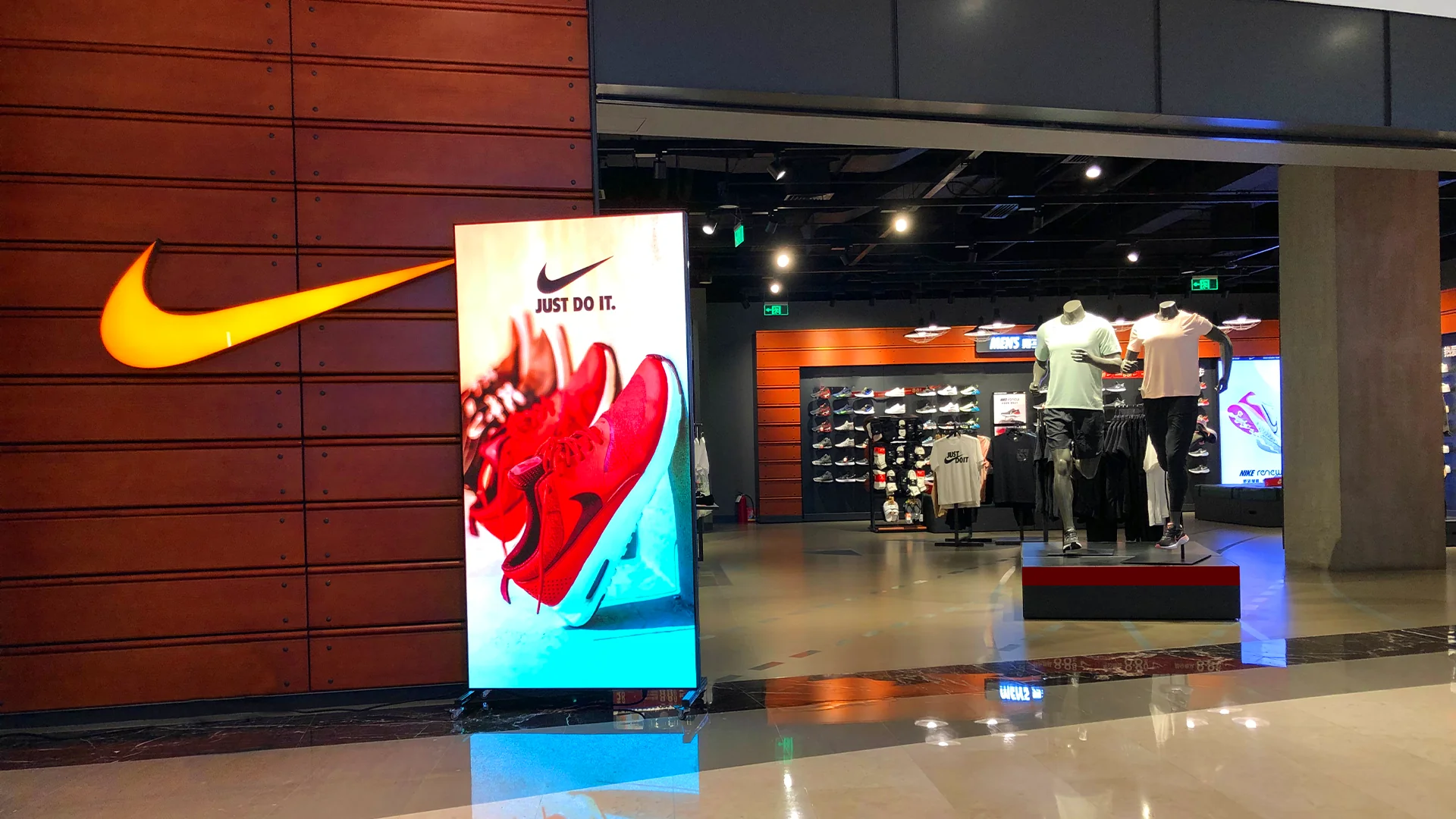
- Retail stores
- Shopping malls
- Control rooms
- Churches
- Museums
- Airports
- Exhibition halls
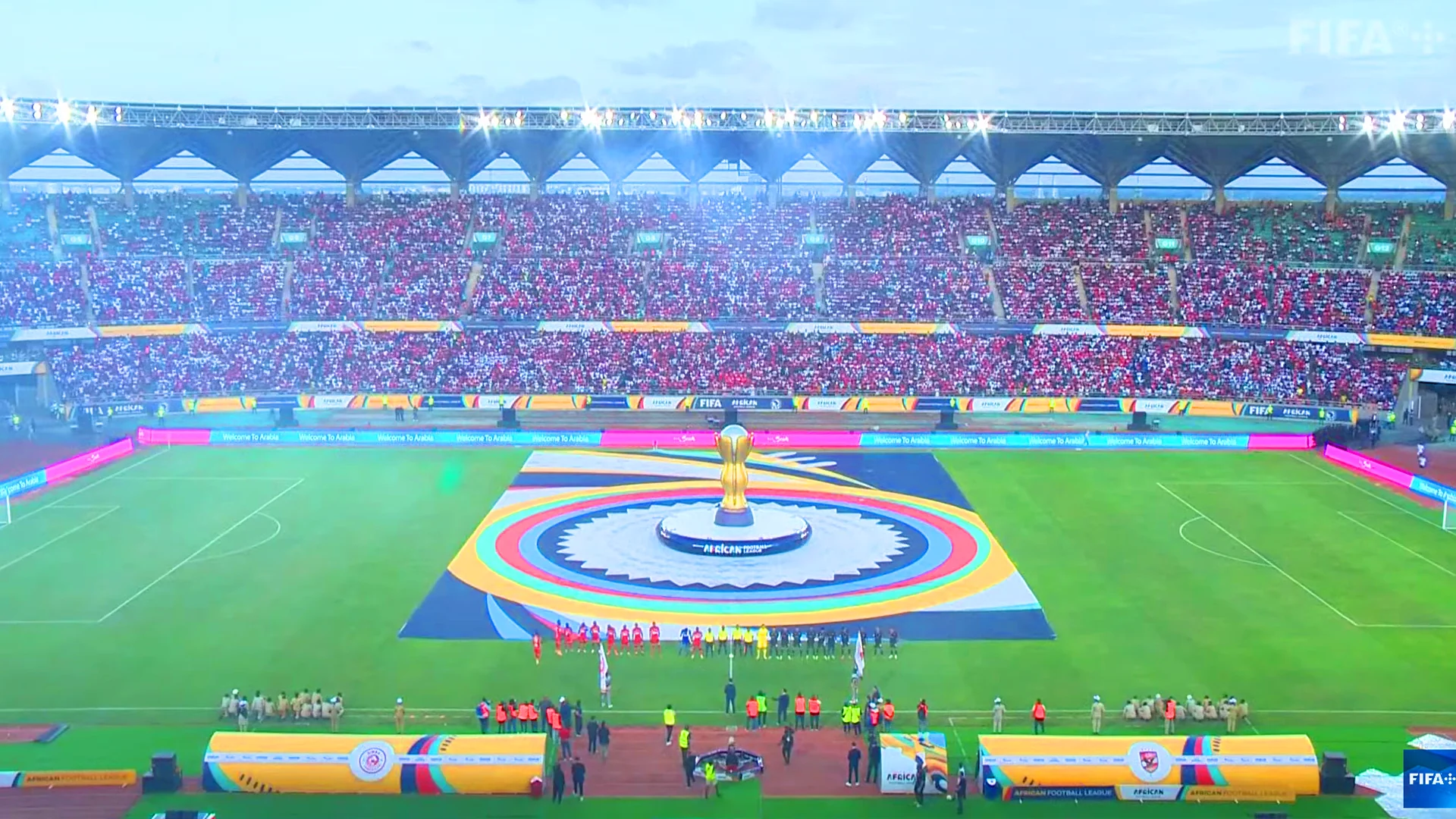
- Outdoor advertising
Depending on the viewing distance, businesses can choose from:
- Fine Pitch LED Displays (P0.9–P1.8)
- Indoor Commercial LED Displays (P2–P4)
- Rental LED Displays
- Outdoor LED Displays
What Is a Projector?
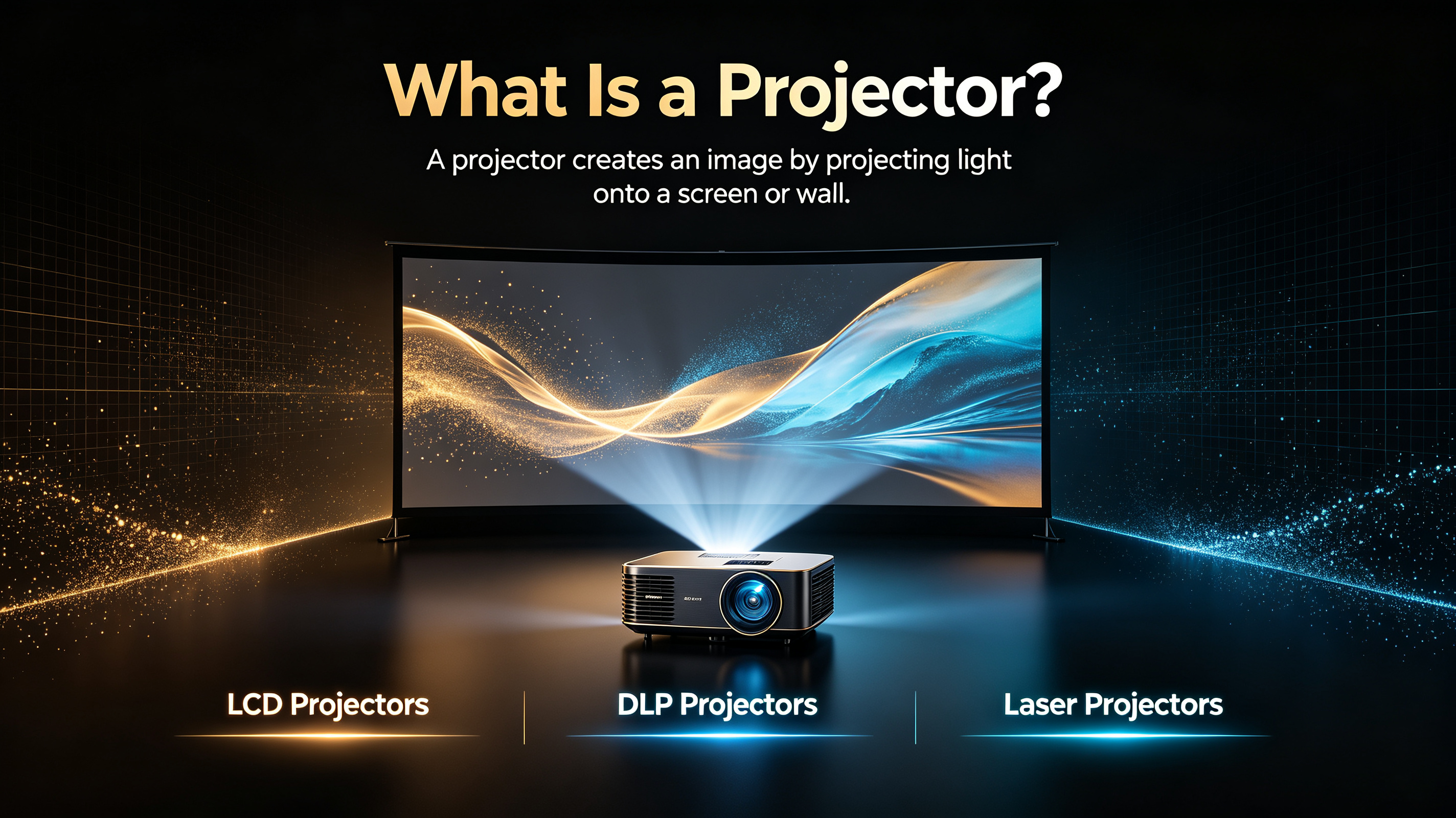
A projector creates an image by projecting light onto a screen or wall.
Today’s most common projector technologies include:
- LCD Projectors
- DLP Projectors
- Laser Projectors
Projectors remain popular because they are relatively affordable and easy to install in classrooms, meeting rooms, and home theaters.
However, image quality depends heavily on the surrounding environment.
Factors such as:
- Ambient light
- Projection distance
- Screen quality
- Room size
can significantly affect viewing performance.
LED Display vs Projector: Cost Comparison
One of the biggest misconceptions is that projectors are always the cheaper option.
While their initial purchase price is often lower, businesses should compare the Total Cost of Ownership (TCO) rather than only the upfront investment.
Initial Investment Comparison
| Cost Item | LED Display | Projector |
| Equipment Cost | Higher | Lower |
| Installation | Medium | Low |
| Display Screen | Not Required | Required |
| Mounting Accessories | Moderate | Moderate |
At first glance, the projector appears more affordable.
However, this is only part of the story.
Five-Year Total Cost of Ownership
Over five years, additional expenses begin to accumulate.
| Expense | LED Display | Projector |
| Routine Maintenance | Very Low | Medium |
| Lamp Replacement | None | Required (Traditional Models) |
| Filter Cleaning | None | Required |
| Calibration | Minimal | Regular |
| Downtime | Very Low | Higher |
| Repair Frequency | Low | Moderate |
As a result, many commercial users discover that an LED display offers a lower total ownership cost despite the higher initial investment.
Brightness Comparison: Why Nits Matter More Than Lumens
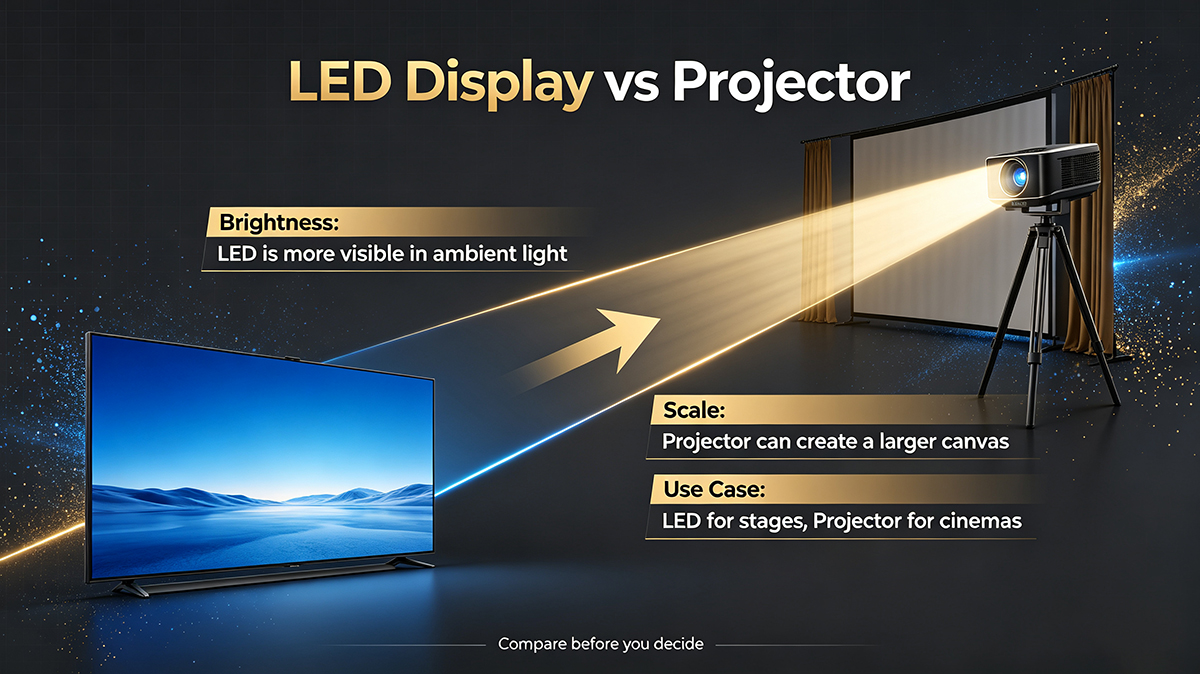
Brightness is one of the biggest differences between LED displays and projectors.
Many buyers compare:
- 5,000 ANSI Lumens
- 7,000 ANSI Lumens
with
- 1,000 Nits
- 3,000 Nits
- 5,000 Nits
However, ANSI Lumens and Nits measure different things and cannot be directly converted.
- ANSI Lumensmeasure the total light output of a projector.
- Nits (cd/m²)measure the brightness of a display surface.
This is why an LED display with 3,000–5,000 nits often appears significantly brighter than a projector rated at several thousand ANSI lumens, especially in spaces with ambient light.
Typical Brightness Recommendations
| Environment | Recommended Brightness |
| Home Theater | Projector 2,000–3,000 ANSI Lumens |
| Conference Room | LED Display 600–1,000 Nits |
| Retail Store | LED Display 1,000–2,000 Nits |
| Shopping Mall | LED Display 2,500–3,500 Nits |
| Airport | LED Display 3,000–5,000 Nits |
| Outdoor Advertising | LED Display 5,000–10,000 Nits |
The brighter the surrounding environment, the more advantage an LED display has.
Why Ambient Light Changes Everything
Projectors perform best in dark or dimly lit environments because projected images rely on reflected light.
In bright spaces, sunlight or indoor lighting can wash out colors and reduce image clarity.
LED displays are self-emissive, meaning each pixel generates its own light. This allows them to maintain vivid colors, deep contrast, and clear visibility even in challenging lighting conditions.
For businesses that operate during the day or in brightly lit environments, brightness is often the deciding factor between these two technologies.
Image Quality Comparison: LED Display vs Projector
Image quality is influenced by more than just resolution. Factors such as contrast ratio, color accuracy, refresh rate, and viewing angle all contribute to the overall viewing experience.
The following comparison highlights the key differences.
| Feature | LED Display | Projector |
| Resolution | Up to 4K/8K and scalable | Depends on projector model |
| Contrast Ratio | Excellent | Moderate |
| Color Accuracy | High | Good |
| HDR Support | Available on many models | Limited |
| Refresh Rate | Up to 7680Hz | Limited by projector hardware |
| Viewing Angle | Up to 160° | Narrower viewing angle |
| Motion Performance | Smooth | Motion blur may occur |
Contrast Performance
Because LED displays emit light directly, they produce deeper blacks and higher contrast than projectors. This makes presentations, videos, and advertising content appear more vivid and detailed.
Color Reproduction
Modern LED displays support wide color gamuts and precise color calibration, making them suitable for applications where accurate colors are essential, including:
- Retail displays
- Brand showrooms
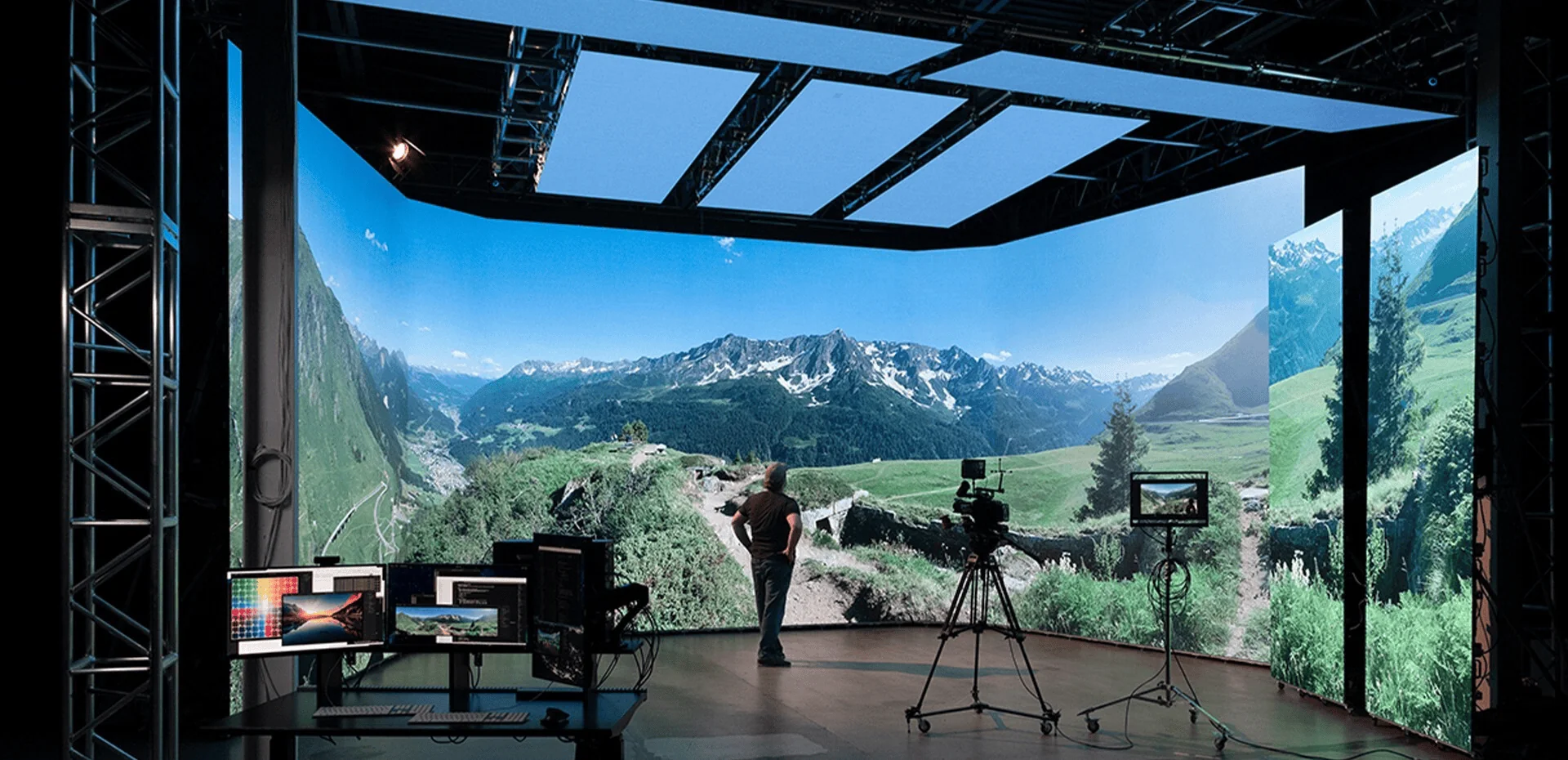
- Broadcast studios
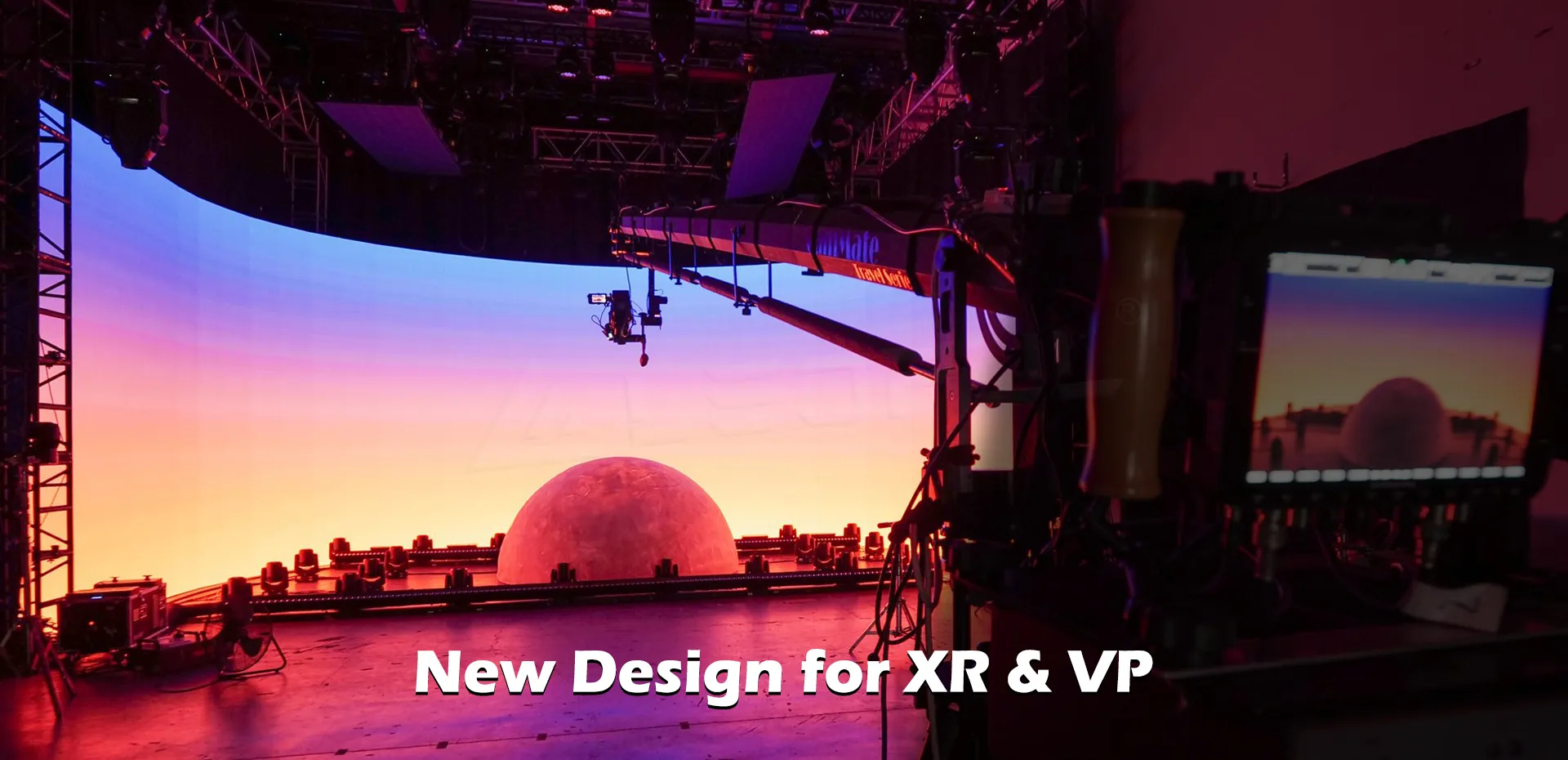
- XR virtual production
- Corporate presentation rooms
Viewing Angle
Projectors often lose brightness and color consistency when viewed from the sides.
LED displays maintain consistent image quality across wide viewing angles, making them more suitable for large audiences.
Lifespan and Maintenance Comparison
One of the biggest differences between these technologies is ongoing maintenance.
LED Display
Typical lifespan:
Up to 100,000 hours
Maintenance usually includes:
- Occasional cleaning
- Module replacement (if required)
- Routine inspection
There are no lamps to replace, making long-term maintenance relatively simple.
Projector
Depending on the technology:
- Traditional lamp projectors require periodic lamp replacement.
- Laser projectors last longer but still require regular maintenance and optical system cleaning.
Additional maintenance may include:
- Filter cleaning
- Optical calibration
- Lens maintenance
- Cooling system inspection
For businesses operating displays daily, these recurring maintenance tasks increase the total cost of ownership.
5-Year ROI Comparison
Many businesses focus only on the purchase price, but a more meaningful metric is Return on Investment (ROI) over the equipment’s lifecycle.
Example Scenario
A retail store operates its display:
- 12 hours per day
- 365 days per year
- Continuous operation for 5 years
| Cost Category | LED Display | Projector |
| Initial Investment | Higher | Lower |
| Maintenance | Low | Medium–High |
| Lamp Replacement | None | Required (lamp models) |
| Downtime | Minimal | Higher |
| Energy Efficiency | Better | Lower |
| Estimated 5-Year Operating Cost | Lower | Higher |
Although the projector may cost less initially, the accumulated expenses for maintenance, consumables, and reduced operational efficiency often make the LED display a more cost-effective investment over time.
Best Display Solution by Application
Different environments require different display technologies.
| Application | Recommended Solution | Why |
| Conference Room | Fine Pitch LED Display | High clarity in bright meeting spaces |
| Corporate Lobby | LED Display | Premium appearance and long operating hours |
| Retail Store | LED Display | High brightness attracts customers |
| Shopping Mall | LED Display | Visible under strong ambient lighting |
| Church | Depends on room conditions | LED for bright spaces, projector for dark sanctuaries with limited budgets |
| Control Room | Fine Pitch LED Display | Continuous operation and detailed visuals |
| Museum | LED Display | Accurate colors and flexible installation |
| Exhibition Booth | Rental LED Display | Modular design and quick installation |
| Airport & Transportation Hub | LED Display | 24/7 reliability and excellent readability |
| Outdoor Advertising | Outdoor LED Display | High brightness and weather resistance |
When Should You Choose an LED Display?
An LED display is generally the better choice when you require:
- Continuous daily operation
- High brightness in well-lit environments
- Long product lifespan
- Minimal maintenance
- Premium image quality
- Flexible screen sizes and aspect ratios
- Low long-term operating costs
It is particularly well suited for commercial applications where reliability and visual impact directly influence customer experience.
When Is a Projector the Better Choice?
Projectors still have advantages in certain situations.
A projector may be appropriate if:
- Your budget is limited.
- The room can be kept dark.
- The display is used only occasionally.
- Portability is a priority.
- A temporary projection setup is sufficient.
Recognizing these scenarios provides a balanced comparison and helps users make informed decisions based on their actual needs.
Common Buying Mistakes
Purchasing a display system involves more than comparing prices.
Avoid these common mistakes:
Choosing Based Only on Initial Cost
A lower purchase price does not necessarily mean lower ownership costs.
Ignoring Ambient Lighting
A projector that performs well in a dark room may struggle in brightly lit commercial environments.
Overlooking Maintenance Costs
Lamp replacement, filter cleaning, and downtime should be included in any long-term budget calculation.
Selecting the Wrong Screen Size
Screen size should match viewing distance and installation environment to deliver the best viewing experience.
Not Planning for Future Expansion
LED displays are modular and can often be expanded or reconfigured, providing greater flexibility as business needs evolve.
Frequently Asked Questions (FAQ)
1. Is an LED display better than a projector?
For most commercial environments, LED displays offer better brightness, image quality, durability, and lower long-term maintenance requirements.
2. Which is more cost-effective over time?
Although projectors generally have a lower upfront cost, LED displays often provide a lower total cost of ownership over five years due to reduced maintenance and longer service life.
3. Are LED displays suitable for conference rooms?
Yes. Fine pitch LED displays provide sharp images, excellent readability, and high brightness, making them ideal for modern meeting spaces.
4. Can projectors be used in bright rooms?
They can, but image quality may be significantly affected by ambient light. LED displays maintain better visibility in bright environments.
5. Do LED displays consume more electricity?
Not necessarily. Modern LED displays are designed with energy-efficient technologies, and overall operating costs should be evaluated together with maintenance and lifespan.
6. Which display is better for retail stores?
LED displays are generally preferred because they deliver higher brightness, vibrant colors, and consistent visibility throughout the day.
7. How long does an LED display last?
A high-quality LED display can achieve an operational lifespan of up to 100,000 hours under normal usage conditions.
8. Can an LED display replace a projector?
In many commercial, educational, and corporate applications, LED displays are increasingly replacing projectors due to improvements in brightness, reliability, and total ownership cost.
Conclusion
The decision between an LED display and a projector should be based on your application, operating environment, and long-term business objectives—not simply the initial purchase price.
Projectors remain a practical solution for temporary presentations and controlled dark-room environments. However, for businesses seeking superior image quality, reliable daily operation, minimal maintenance, and stronger long-term ROI, LED displays offer clear advantages.
By evaluating factors such as brightness, ambient light performance, maintenance requirements, and total cost of ownership, organizations can invest in a display solution that delivers lasting value rather than short-term savings.