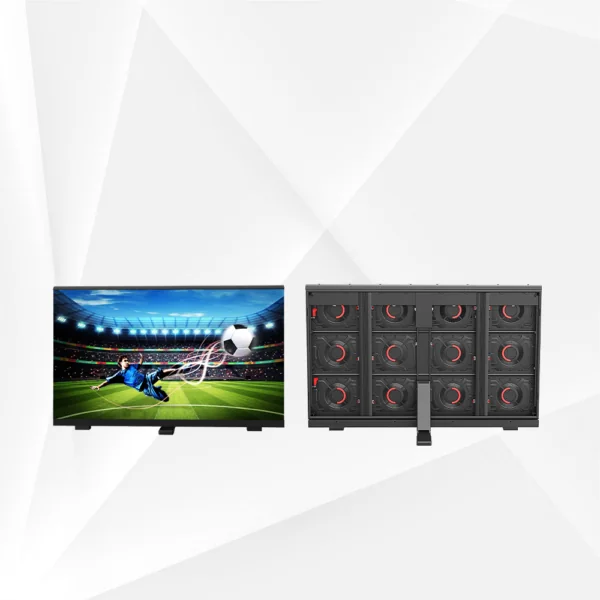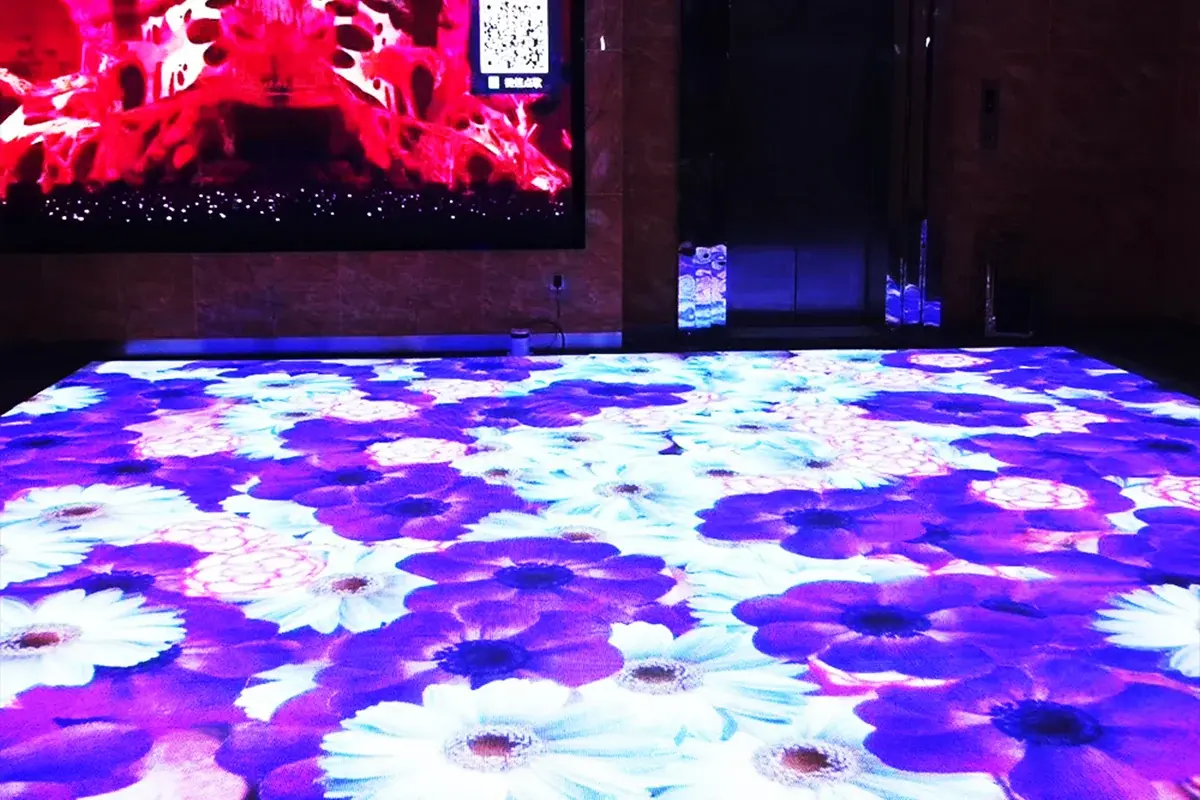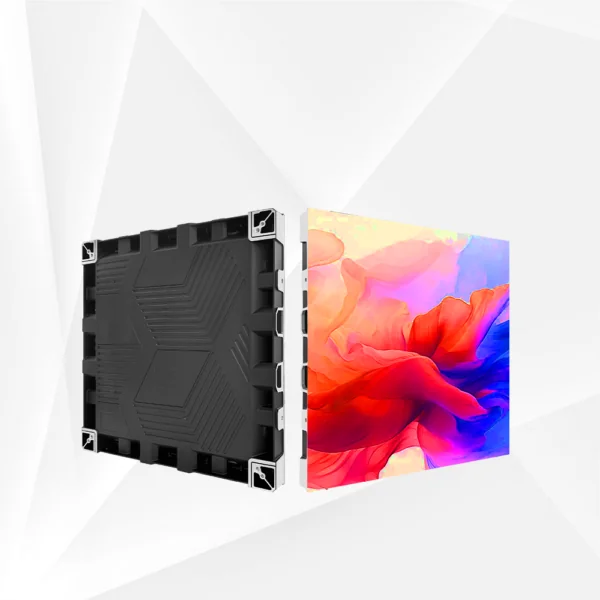
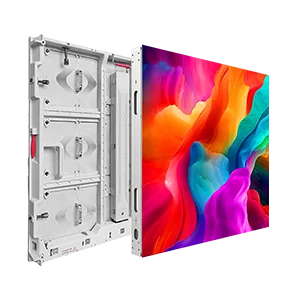
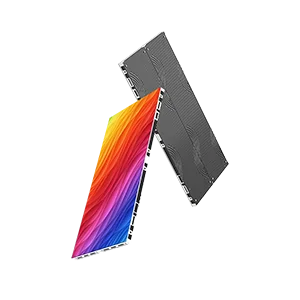
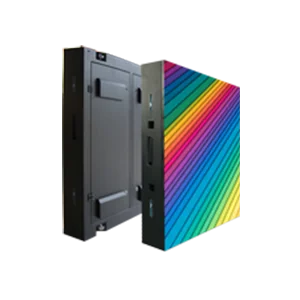
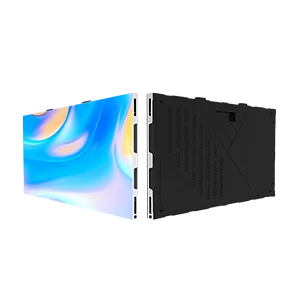
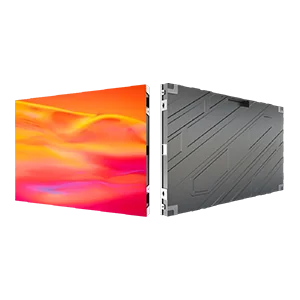
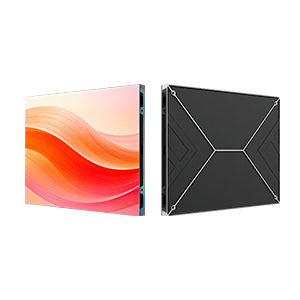
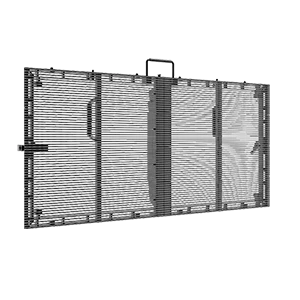
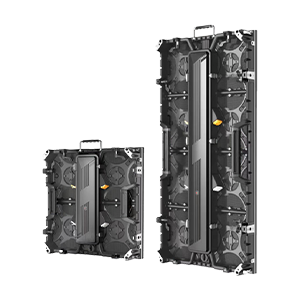




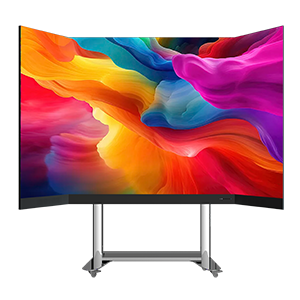
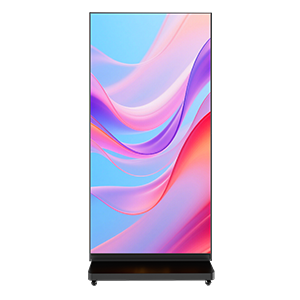
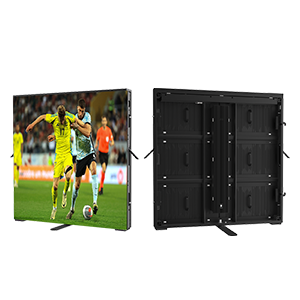
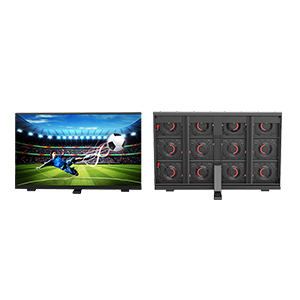
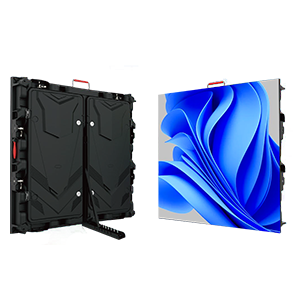
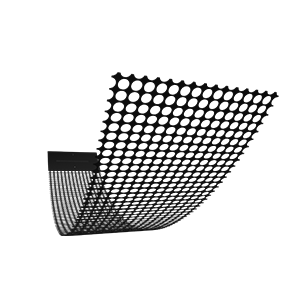
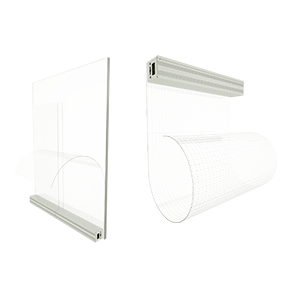
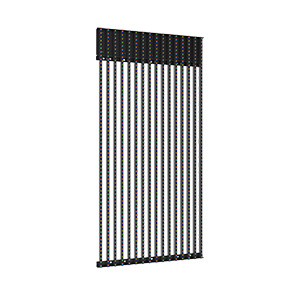
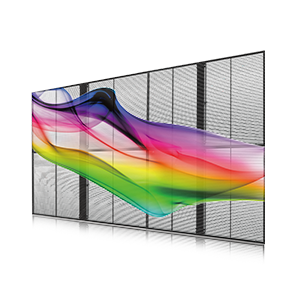
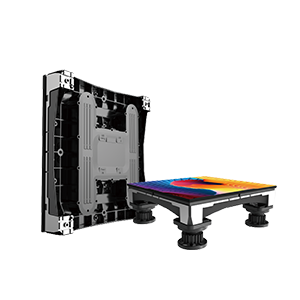
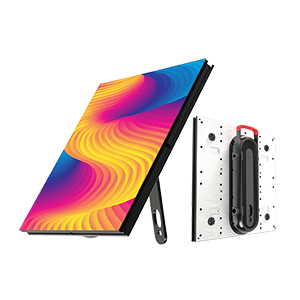
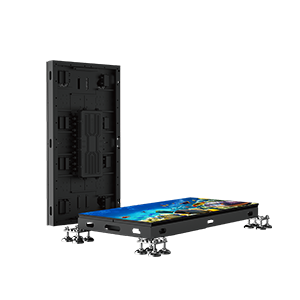
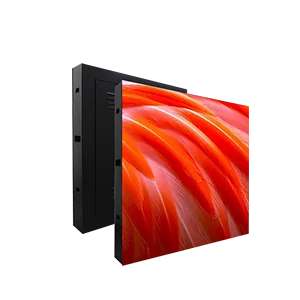
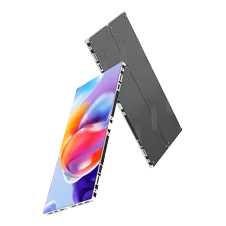
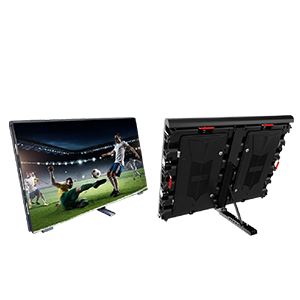
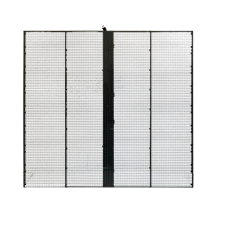
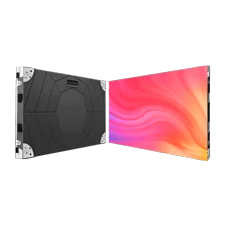
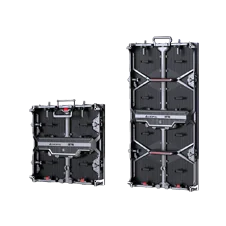
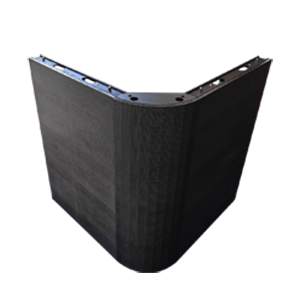
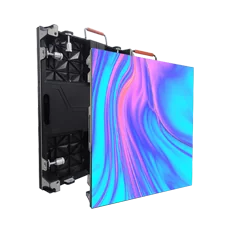
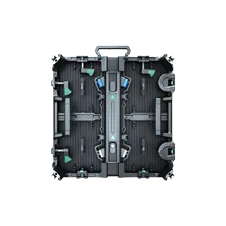
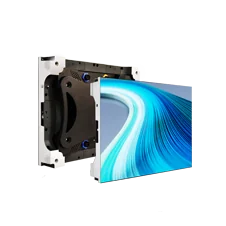
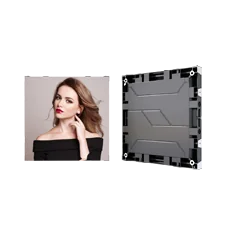
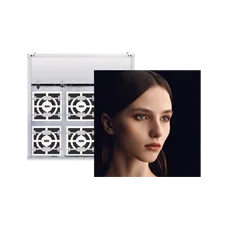







Urban communication now extends well beyond street signs and traditional billboards. Large digital surfaces can present traffic notices, public announcements, cultural programs, commercial messages, and emergency information within seconds. For landmark buildings in particular, an outdoor LED video display can turn a highly visible façade into a flexible communication surface. At LEDFUL, we consider this type of application as part of a broader urban communication system, where visual impact needs to coexist with practical infrastructure requirements.
Landmark Architecture And Urban Communication
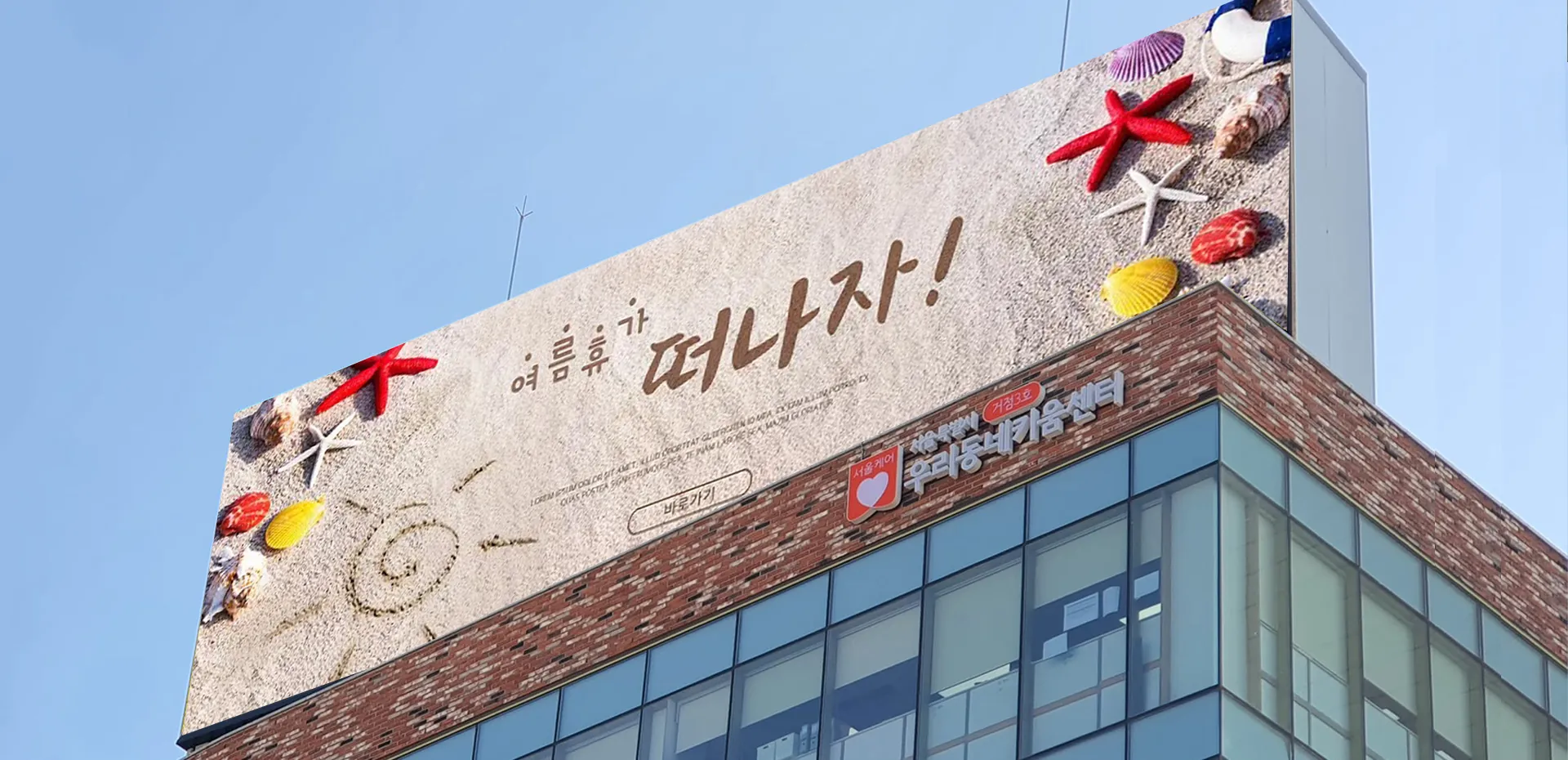
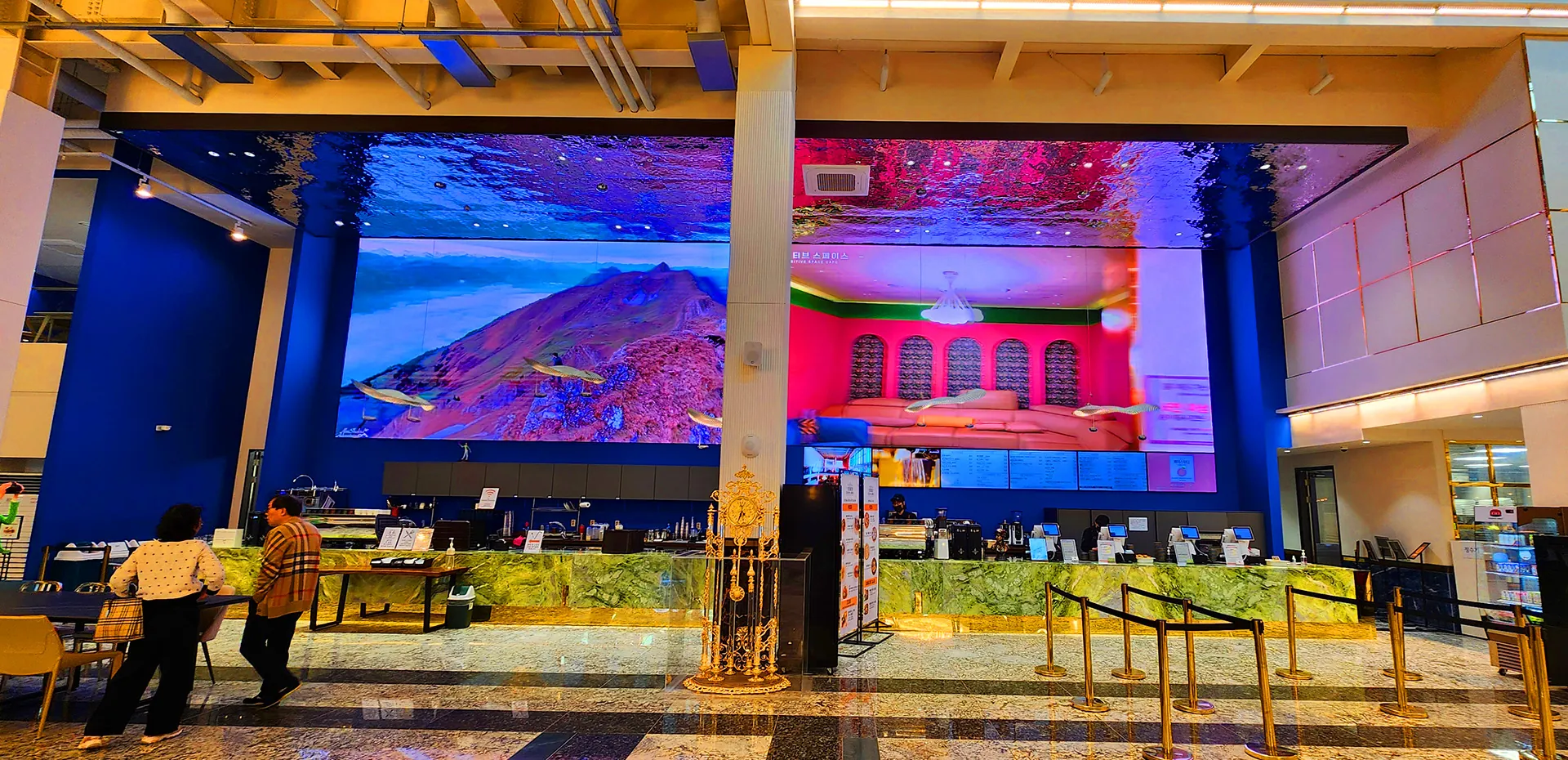
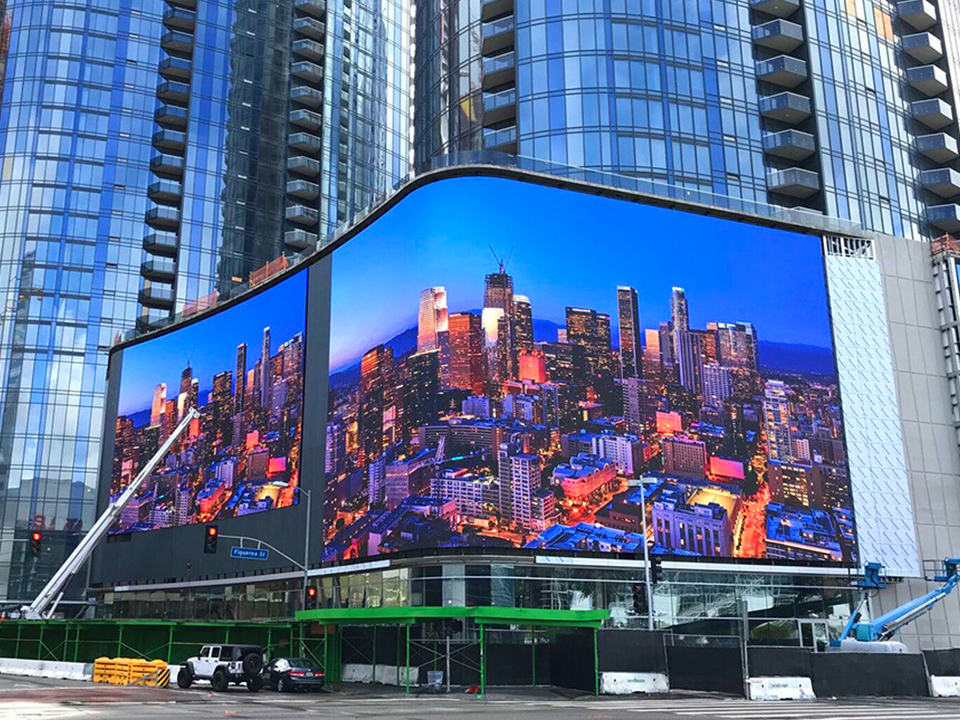
Iconic buildings often serve as recognizable reference points within a city. Their façades can support large-format digital content that changes according to events, public programs, commercial campaigns, or seasonal occasions. Unlike static exterior media, digital displays allow information to be updated without physically replacing printed materials, which can be useful in locations with frequent programming changes.
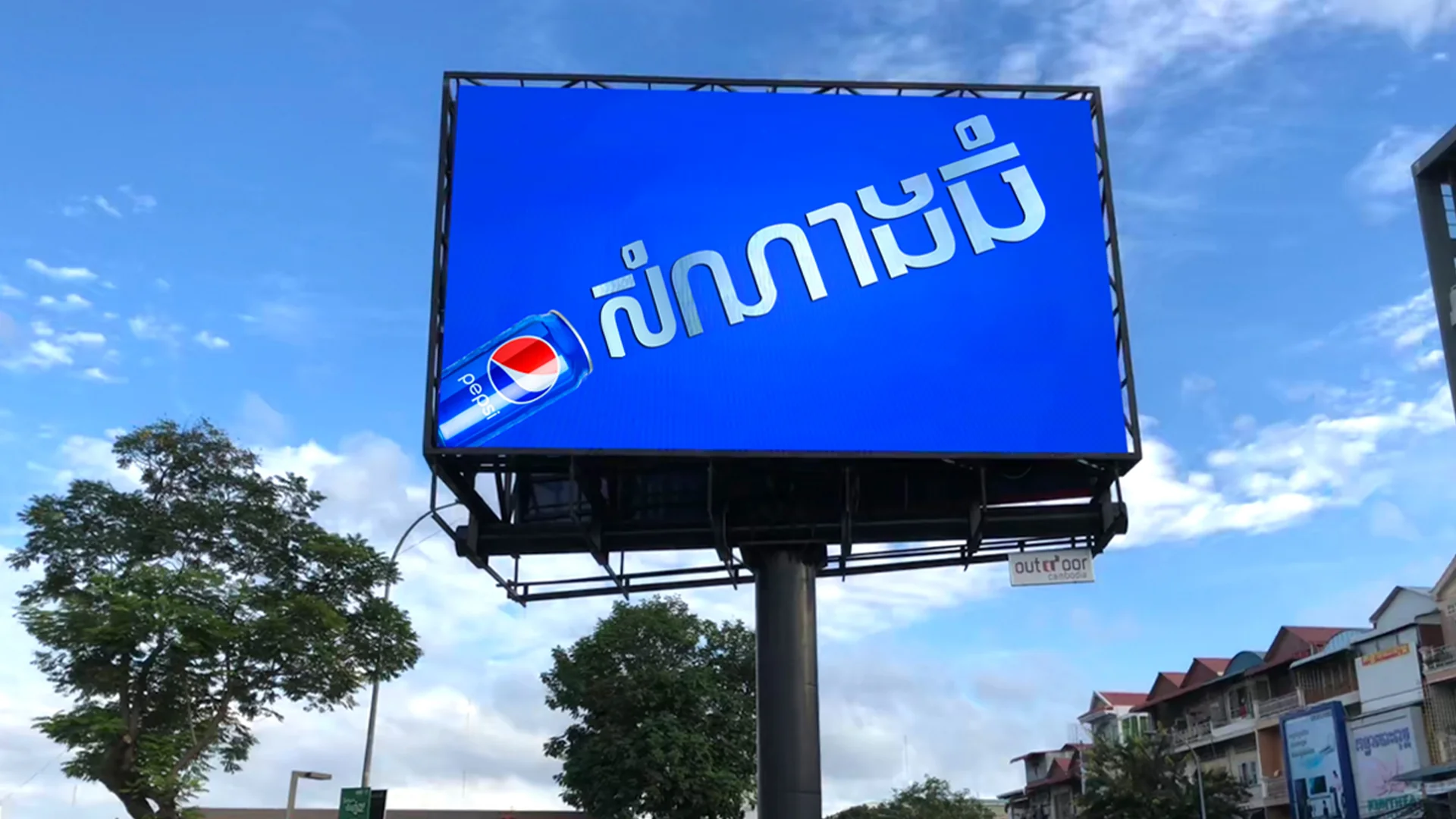
Scale also affects how urban audiences perceive digital content. A screen placed high above a busy road needs sufficient image size and brightness to remain legible from distant viewing positions, while content must use typography and visual elements that can be understood quickly. An LED display solution for a landmark should reflect the building’s proportions rather than simply occupying the largest available surface.
Architectural integration requires coordination between the display and the existing façade. Engineers may need to assess mounting points, structural loading, wind exposure, maintenance routes, power distribution, and sightlines before the visual design is finalized. Such preparation becomes especially important on buildings with unusual shapes or restricted service access.
Visibility Across Different City Conditions
Sunlight changes throughout the day, and exterior screens face very different viewing conditions from morning to evening. High brightness helps maintain visibility under strong daylight, while brightness control can reduce unnecessary output during darker periods.
Weather introduces another layer of technical consideration. Rain, dust, humidity, and temperature variation can affect electronic equipment and supporting components. Outdoor displays are commonly specified with IP65 to IP68 protection ratings, with the exact requirement depending on enclosure design, installation position, and environmental exposure.
Viewing distance should shape the display specification as well. Pixel pitch, screen dimensions, content scale, and audience movement interact with one another. A display intended for distant road traffic can follow different visual principles from one positioned beside a pedestrian plaza. Within an outdoor LED video display project, these variables should be evaluated together instead of relying on a single specification.
Content, Public Information And City Identity
Digital façades can support several communication purposes within the same installation. Commercial advertising may occupy certain time periods, while public notices, cultural information, event schedules, or city campaigns can use other portions of the programming calendar. This flexibility gives municipal and commercial stakeholders more ways to use an existing visual asset.
Content design deserves particular attention because viewers may encounter messages for only a few seconds. Large type, strong visual hierarchy, restrained information density, and sufficient contrast generally make outdoor communication easier to process. Motion should also be considered carefully, especially near roads where excessive visual complexity may compete with drivers’ attention.
A smart-city display can also contribute to a recognizable visual identity. Landmark screens may become associated with festivals, sports events, public celebrations, or major city occasions. In our work at LEDFUL, we view the outdoor LED display solution as one component within that communication ecosystem, with content planning, infrastructure, and audience behavior all influencing its practical value.
Infrastructure And Operational Planning
Connectivity is central to modern urban display networks. Depending on the application, content can be managed locally or distributed through centralized systems, allowing operators to schedule different messages across multiple locations. Network architecture should account for data transmission, access permissions, monitoring, and contingency procedures.
Power consumption deserves consideration throughout the operating cycle. Screen size, brightness settings, refresh requirements, content characteristics, and operating hours can all affect electricity use. Scheduling brightness according to ambient conditions can make the operating profile more appropriate for daytime and nighttime environments.
Maintenance planning should begin before installation rather than after the first service issue occurs. Technicians need defined access routes, replacement procedures, spare components, and diagnostic methods. For installations on landmark buildings, maintenance logistics can become considerably more complicated because equipment may be positioned far above ground level. A practical outdoor LED video display plan addresses these realities alongside visual performance.
Conclusion
Smart-city displays have a broader role than simply showing advertisements. On landmark buildings, they can provide a dynamic channel for public information, cultural communication, commercial media, and city events while contributing to the visual character of an urban area. The most useful specifications depend on the site itself: sunlight, viewing distance, weather, structure, connectivity, content, and maintenance all deserve consideration before procurement begins. We at LEDFUL see the value of an outdoor LED video display through this wider project perspective, where digital visibility is connected with the physical and operational realities of the city.