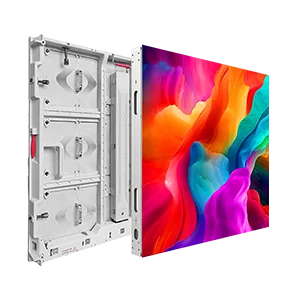
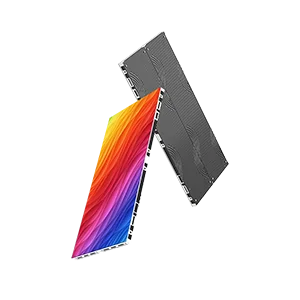
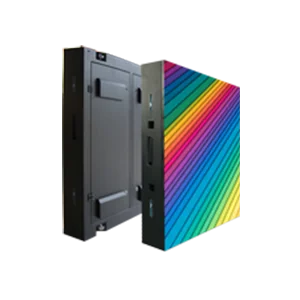
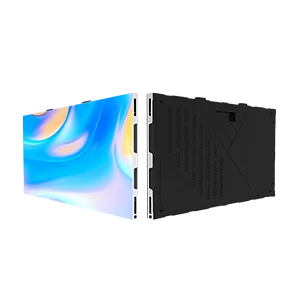
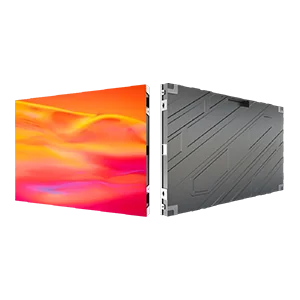
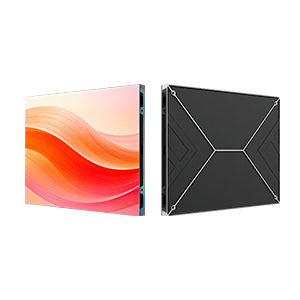
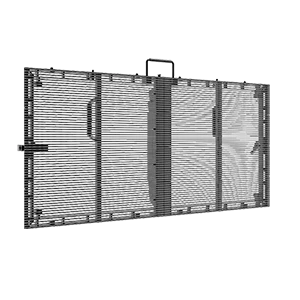
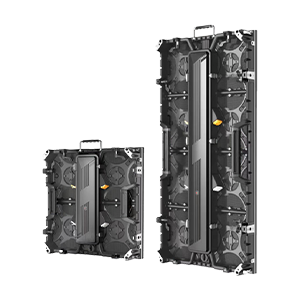
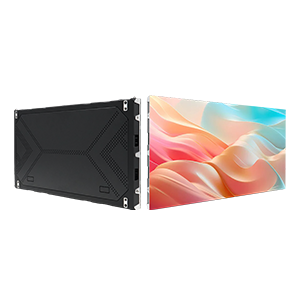
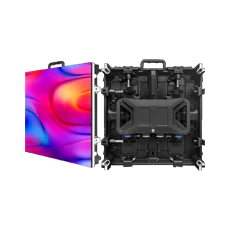
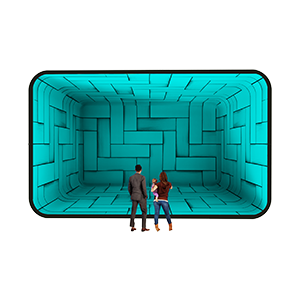
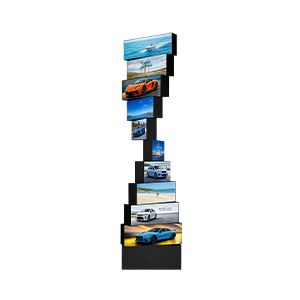
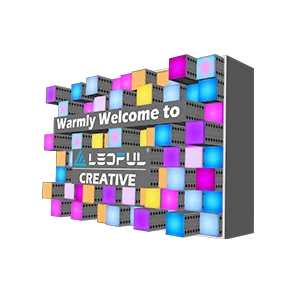
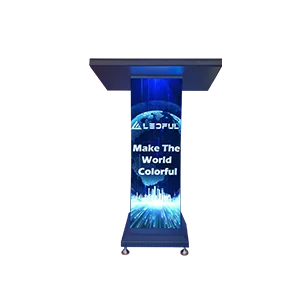
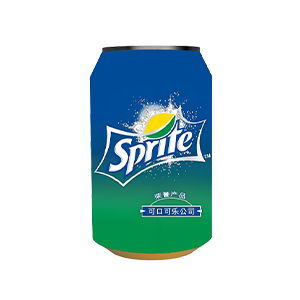
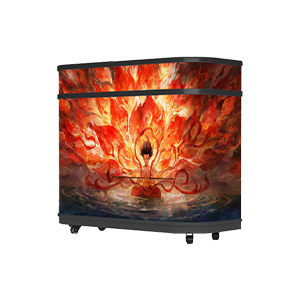

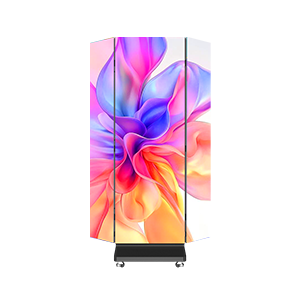
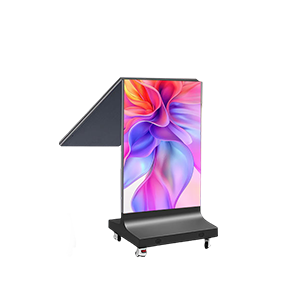
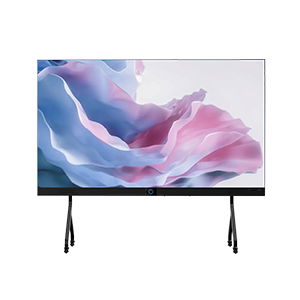
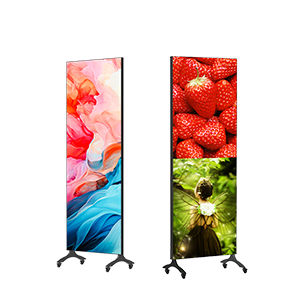
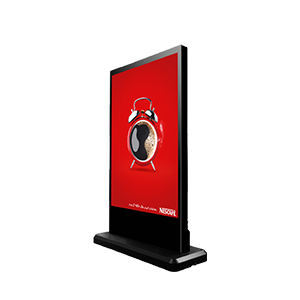
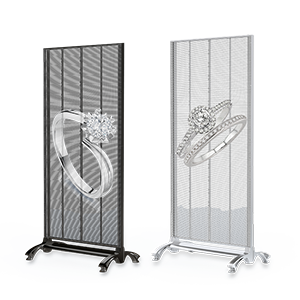
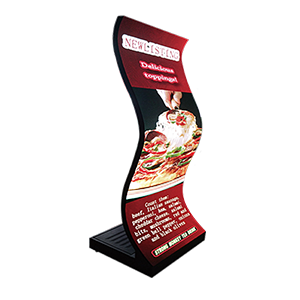
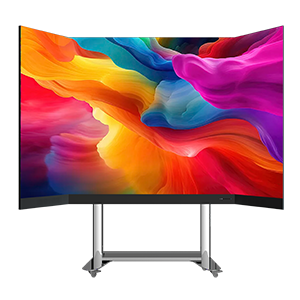
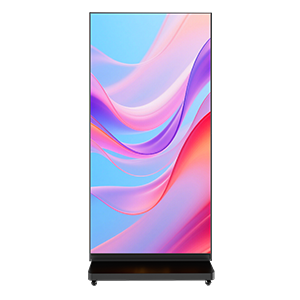
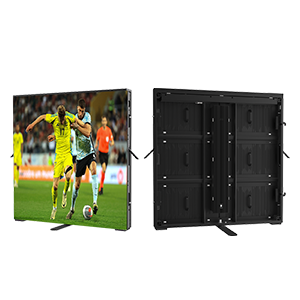
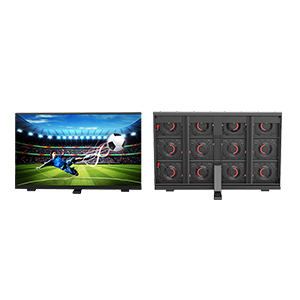
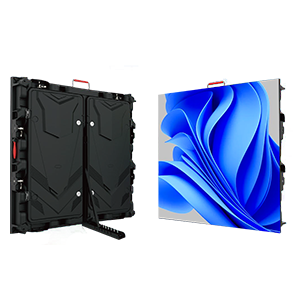
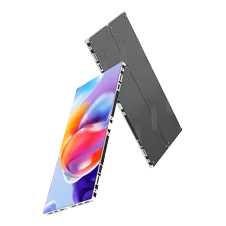
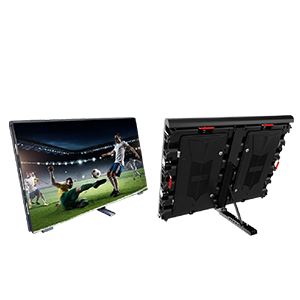
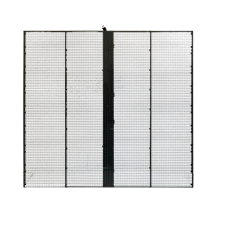
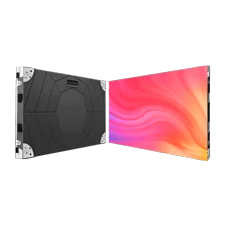
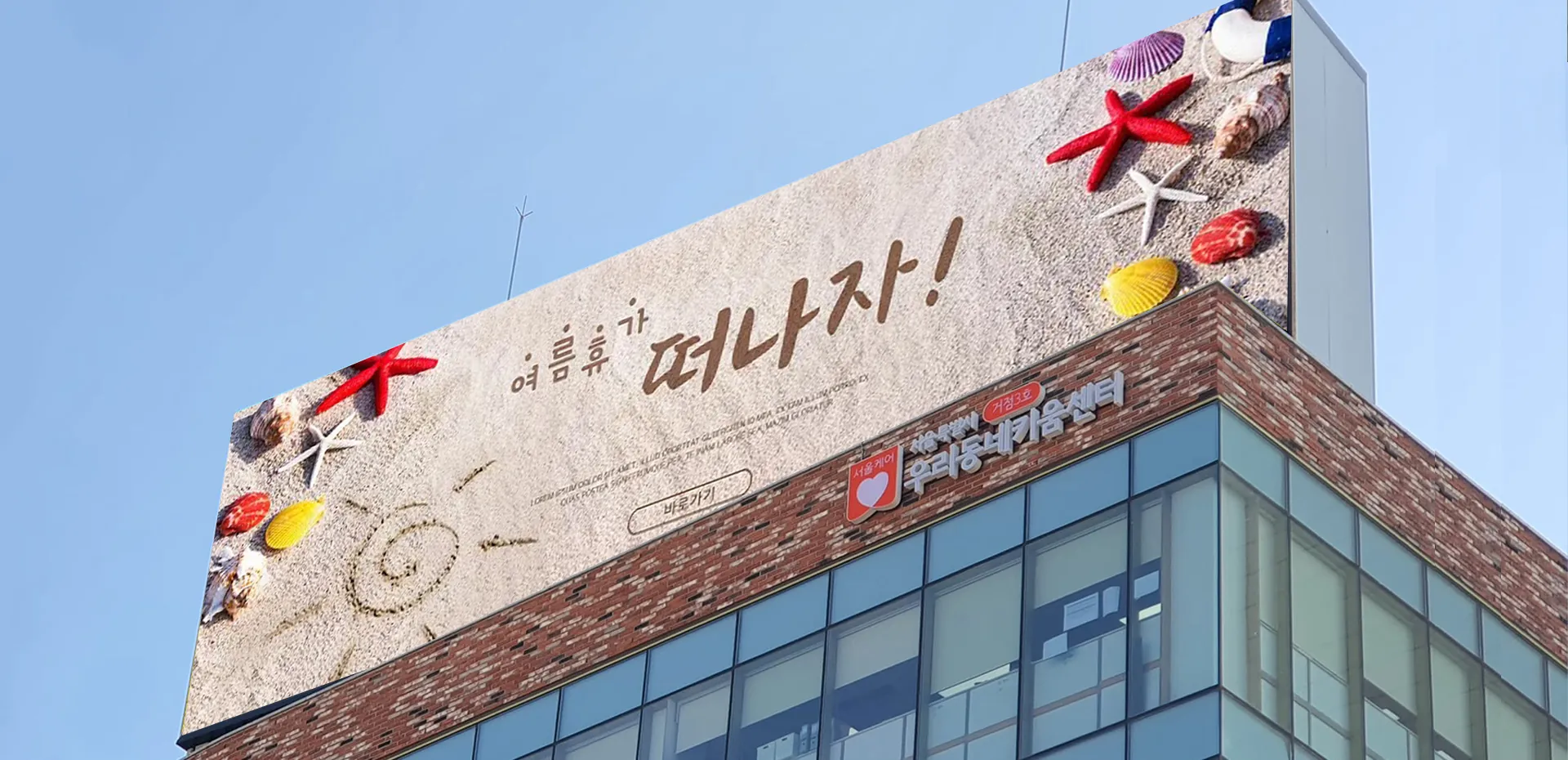
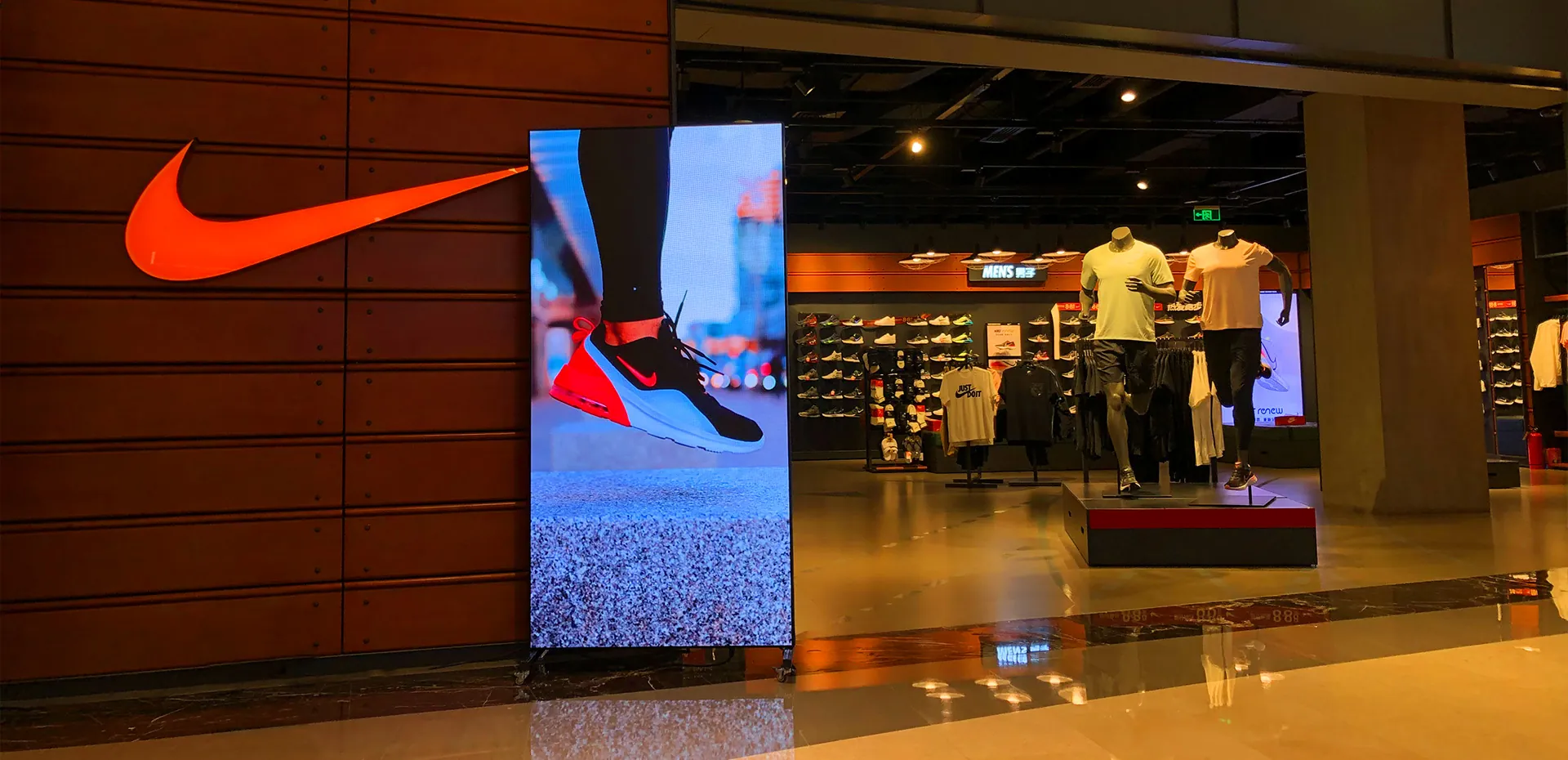
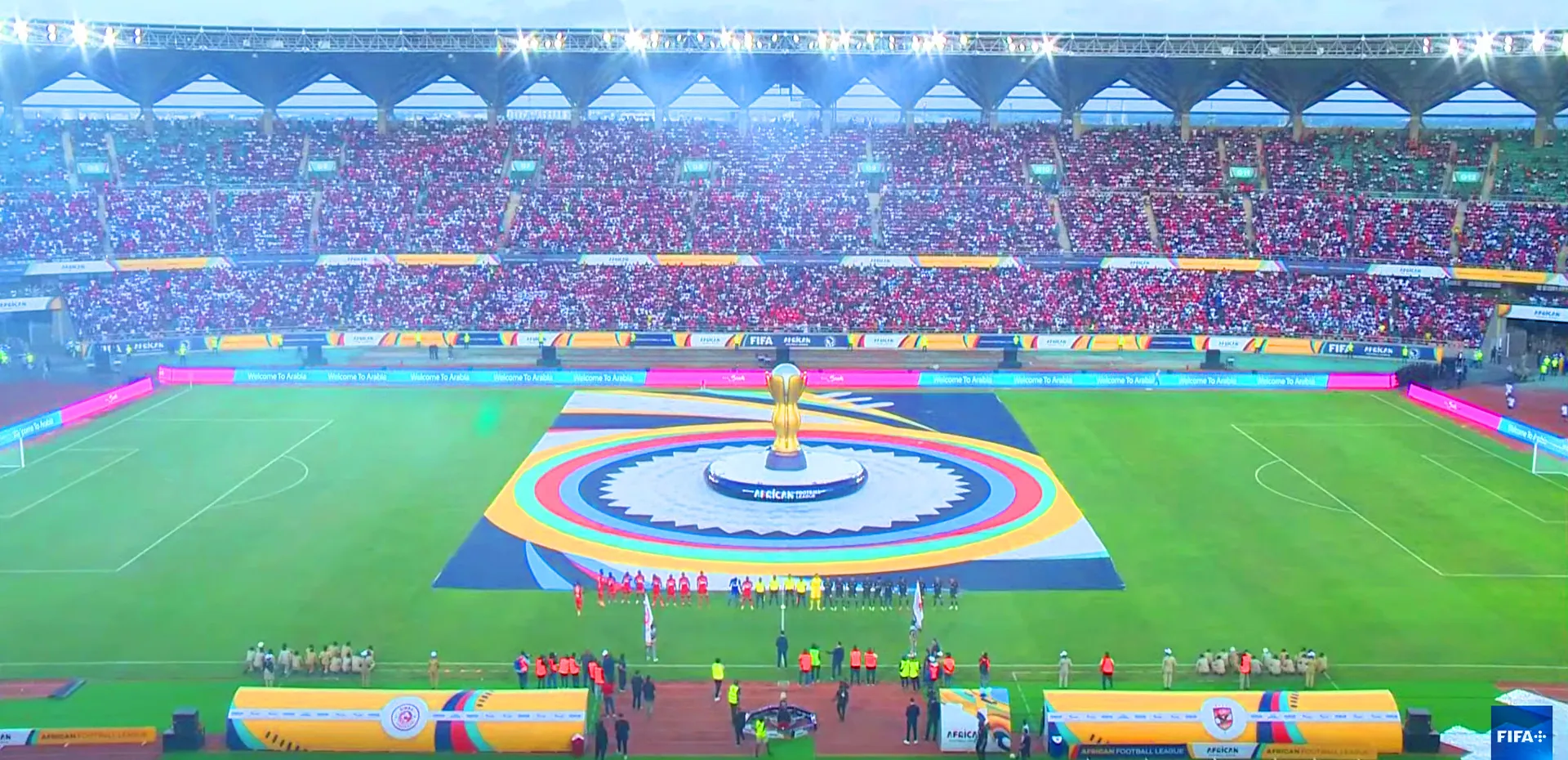
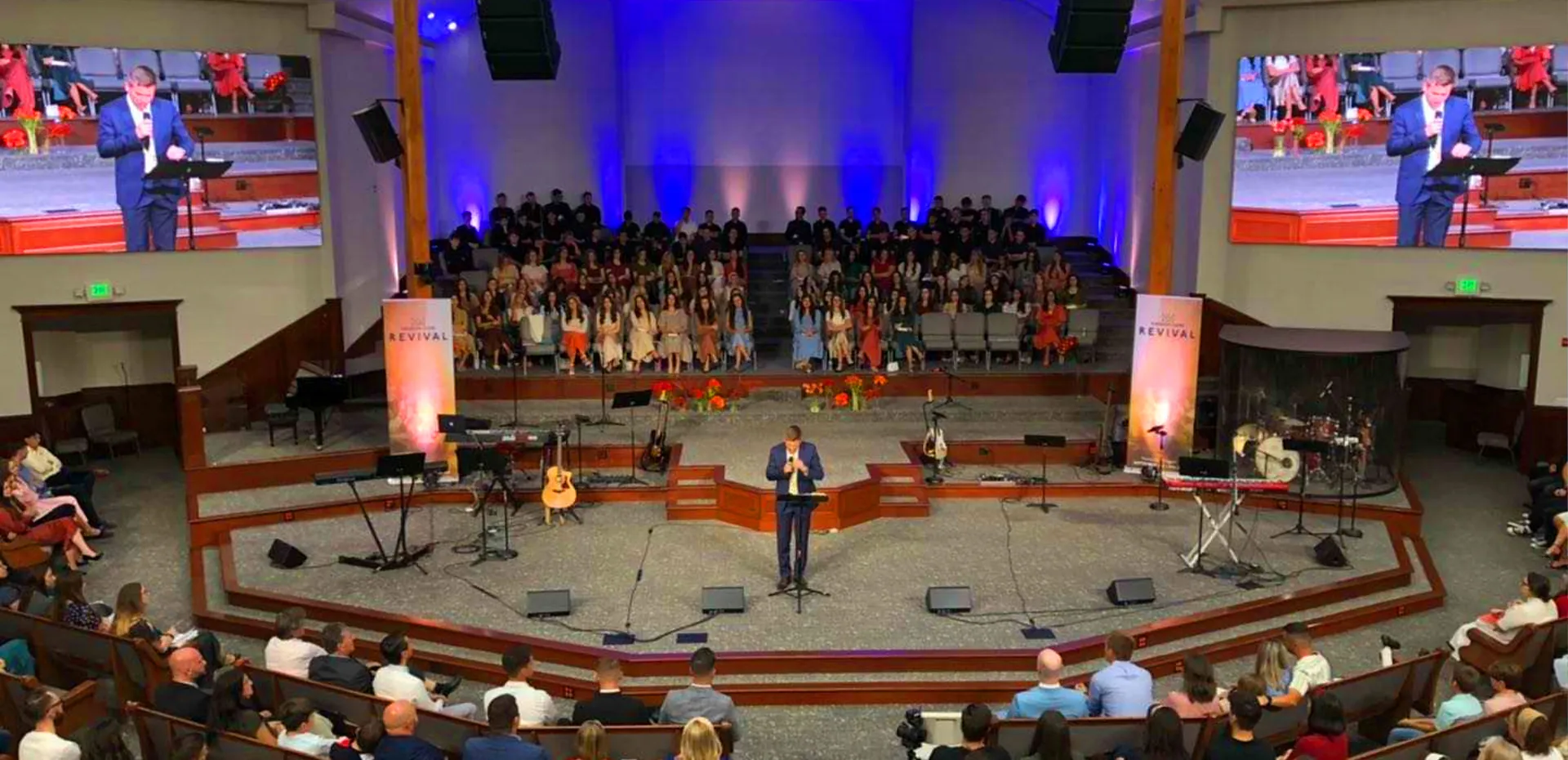






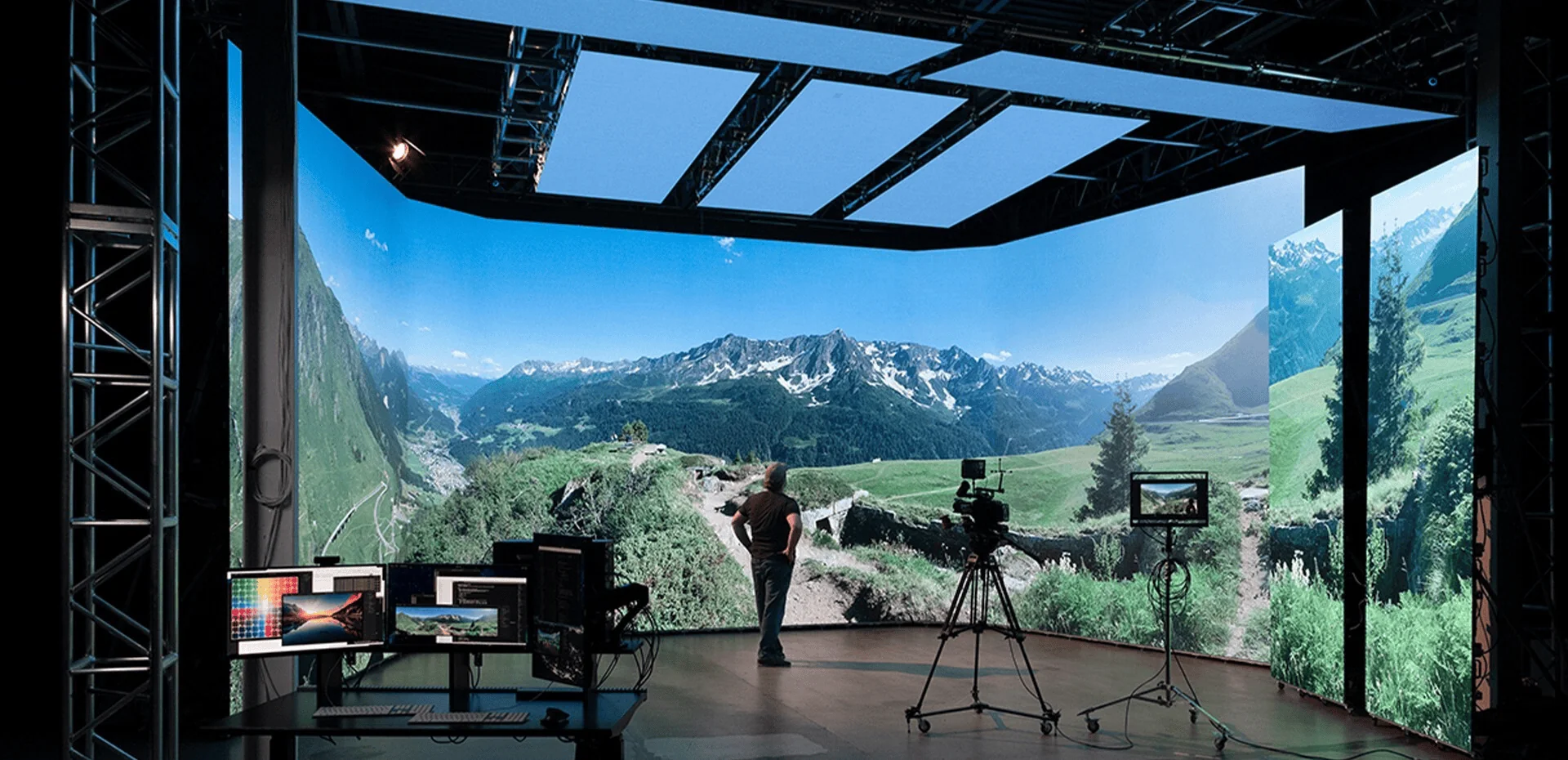
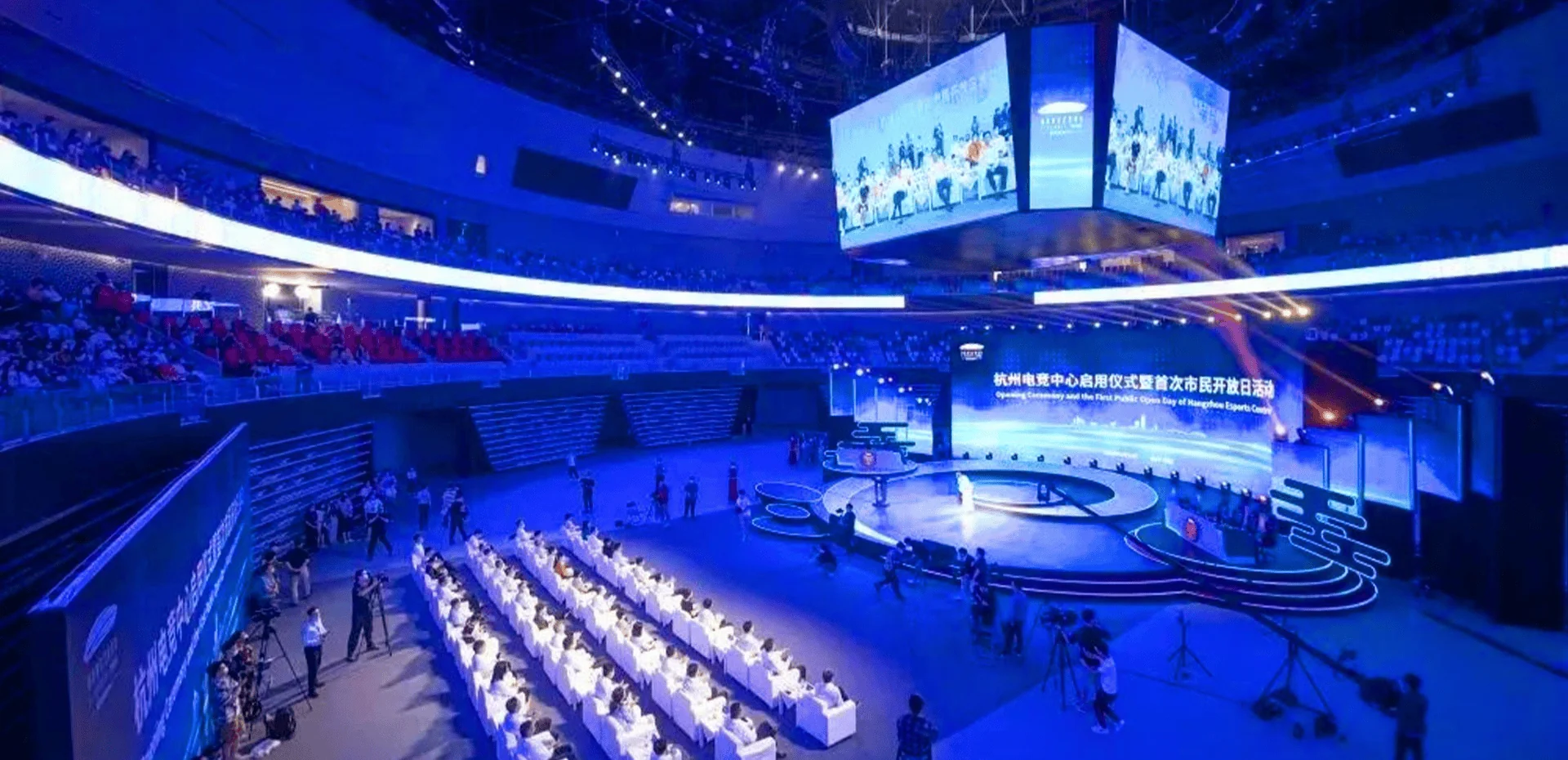
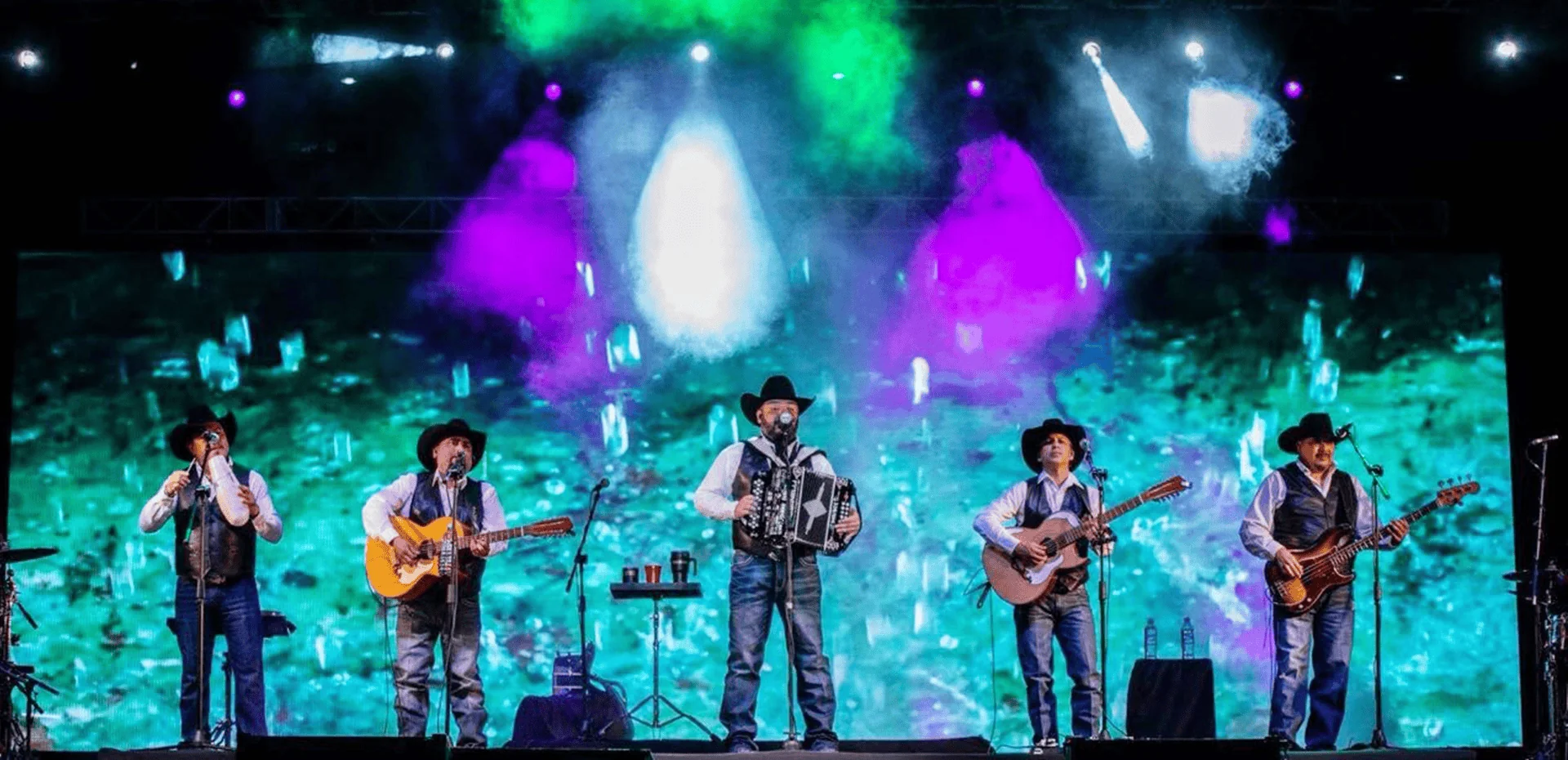
Outdoor advertising has moved beyond static visuals, with depth-based content now becoming part of large-format digital communication. The decision between temporary and permanent installation affects much more than the screen itself: transportation, structural planning, maintenance access, content strategy, and operating conditions all matter. At LEDFUL, we view an outdoor 3D LED display as part of a wider project system, so the installation format needs to match how, where, and how often the screen will be used.
Project Duration And Usage Patterns
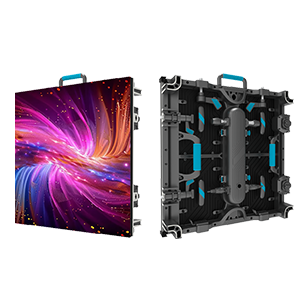
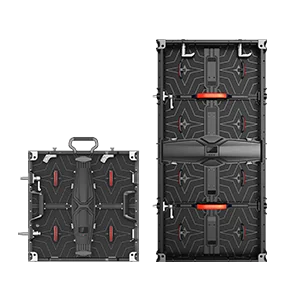
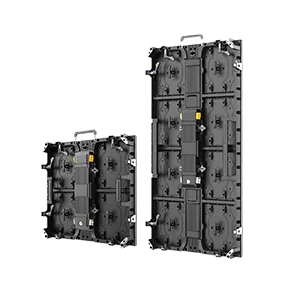
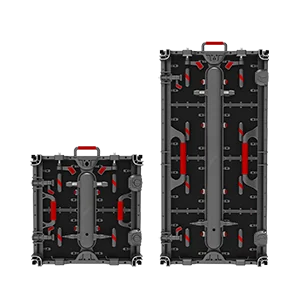
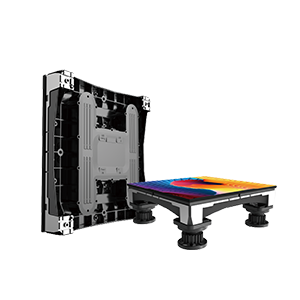
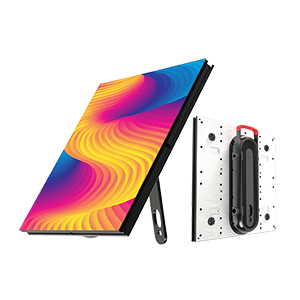
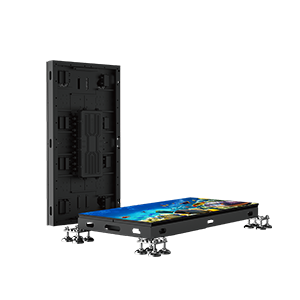
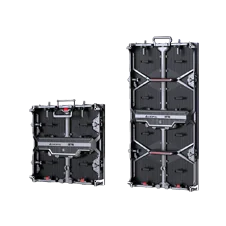
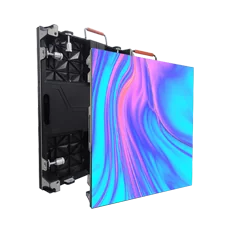
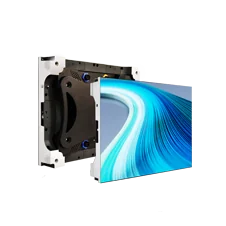
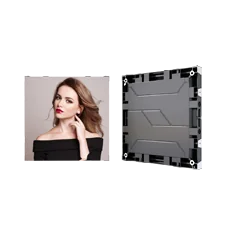
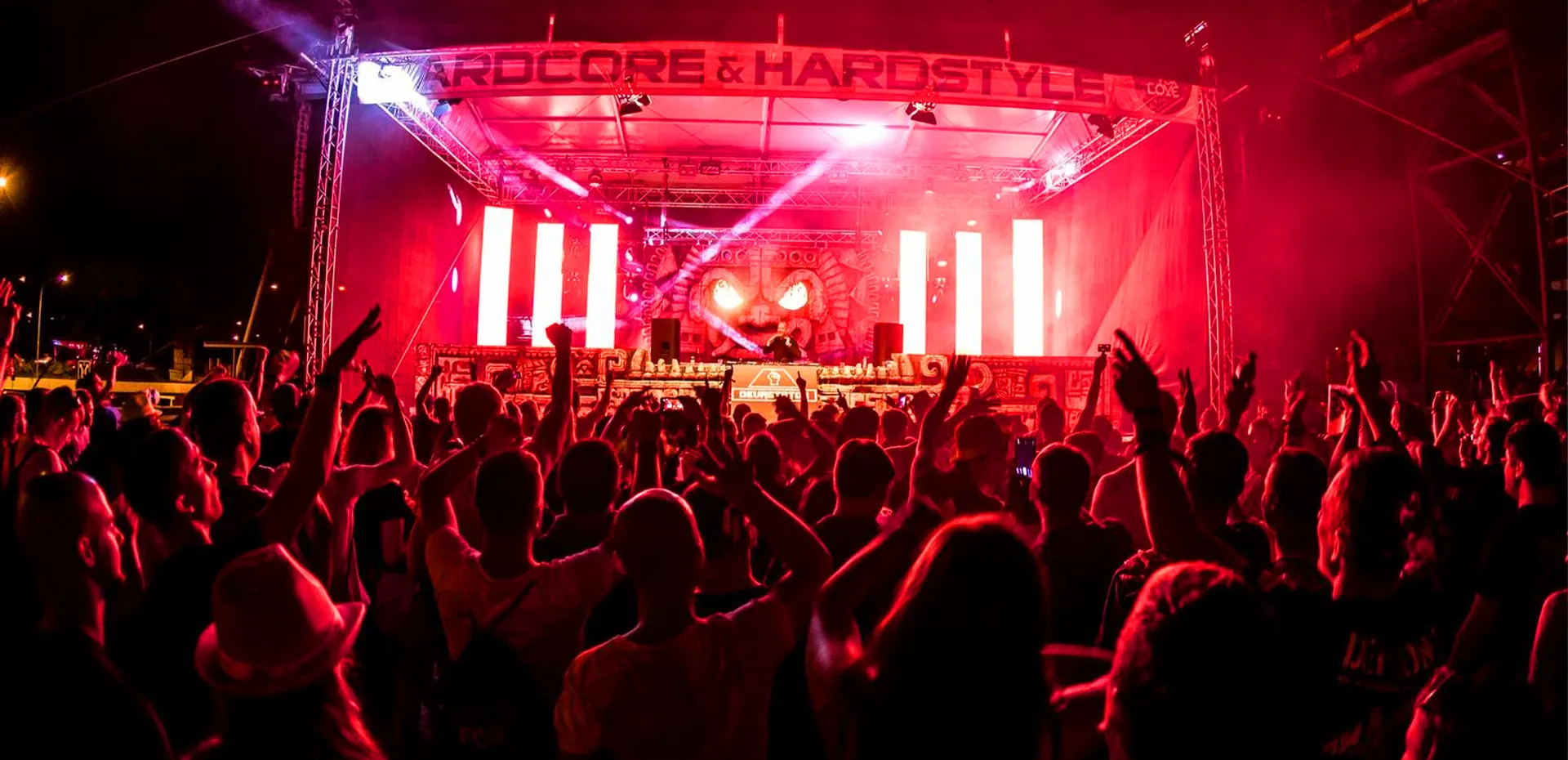
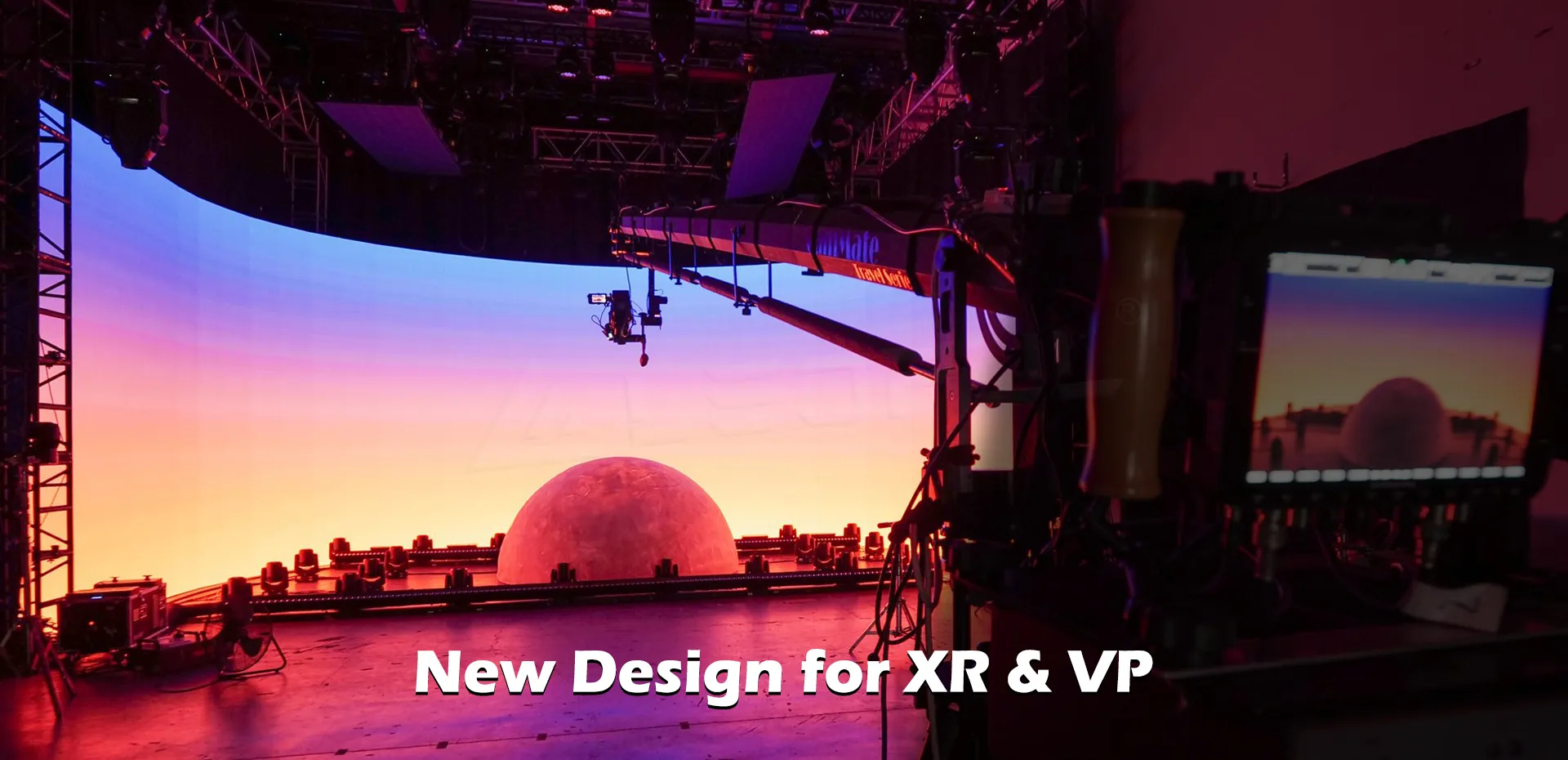
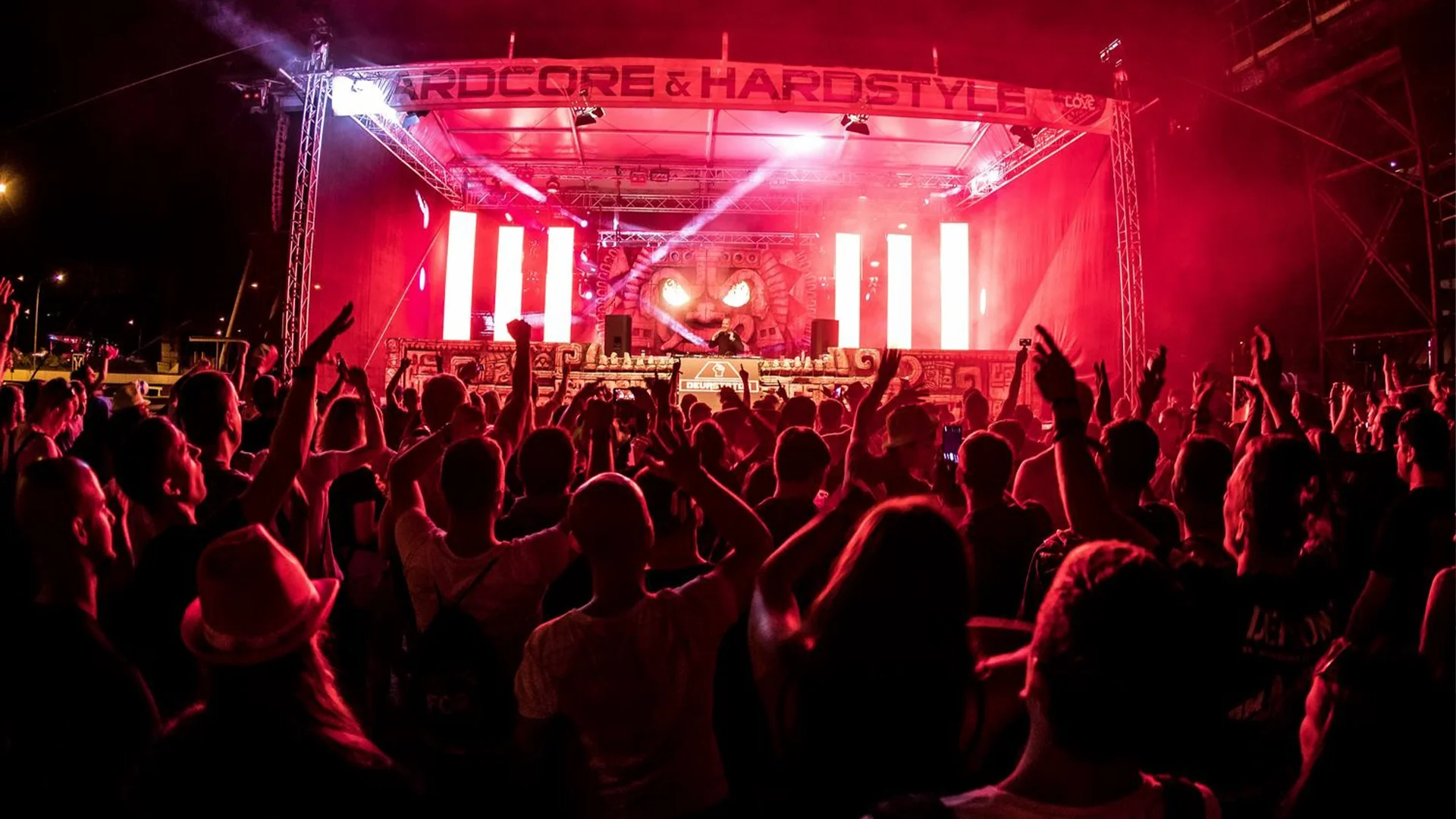
Rental displays are designed around mobility. They suit touring campaigns, festivals, product launches, exhibitions, concerts, and other applications in which the screen may be dismantled after a short operating period. Repeated installation creates different technical demands from those found in a permanent venue, including cabinet handling, alignment, cable management, transportation protection, and rapid setup procedures.
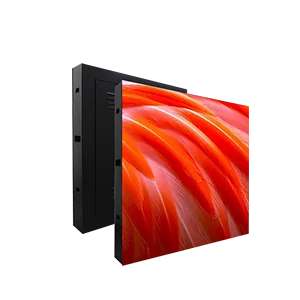
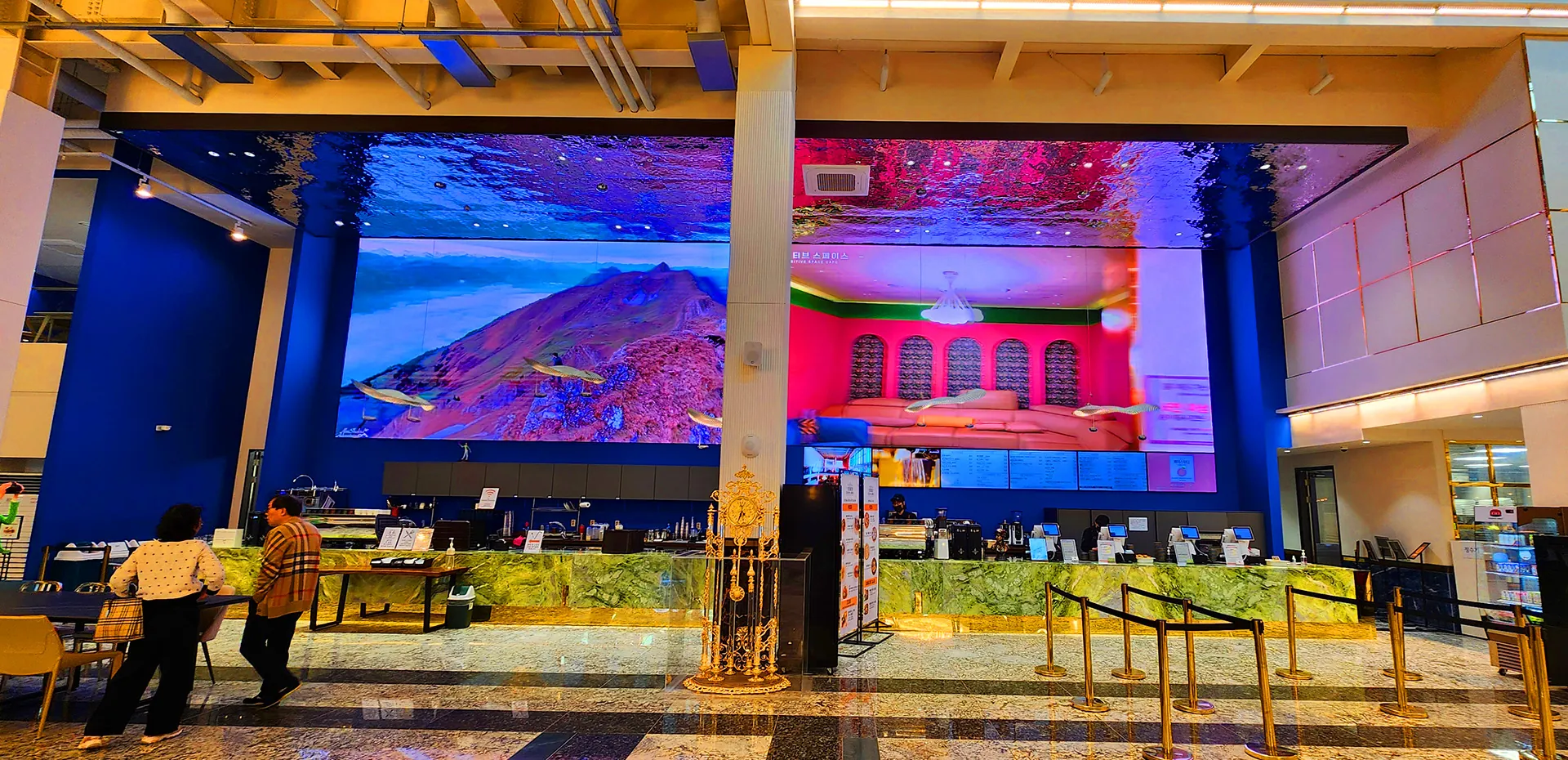
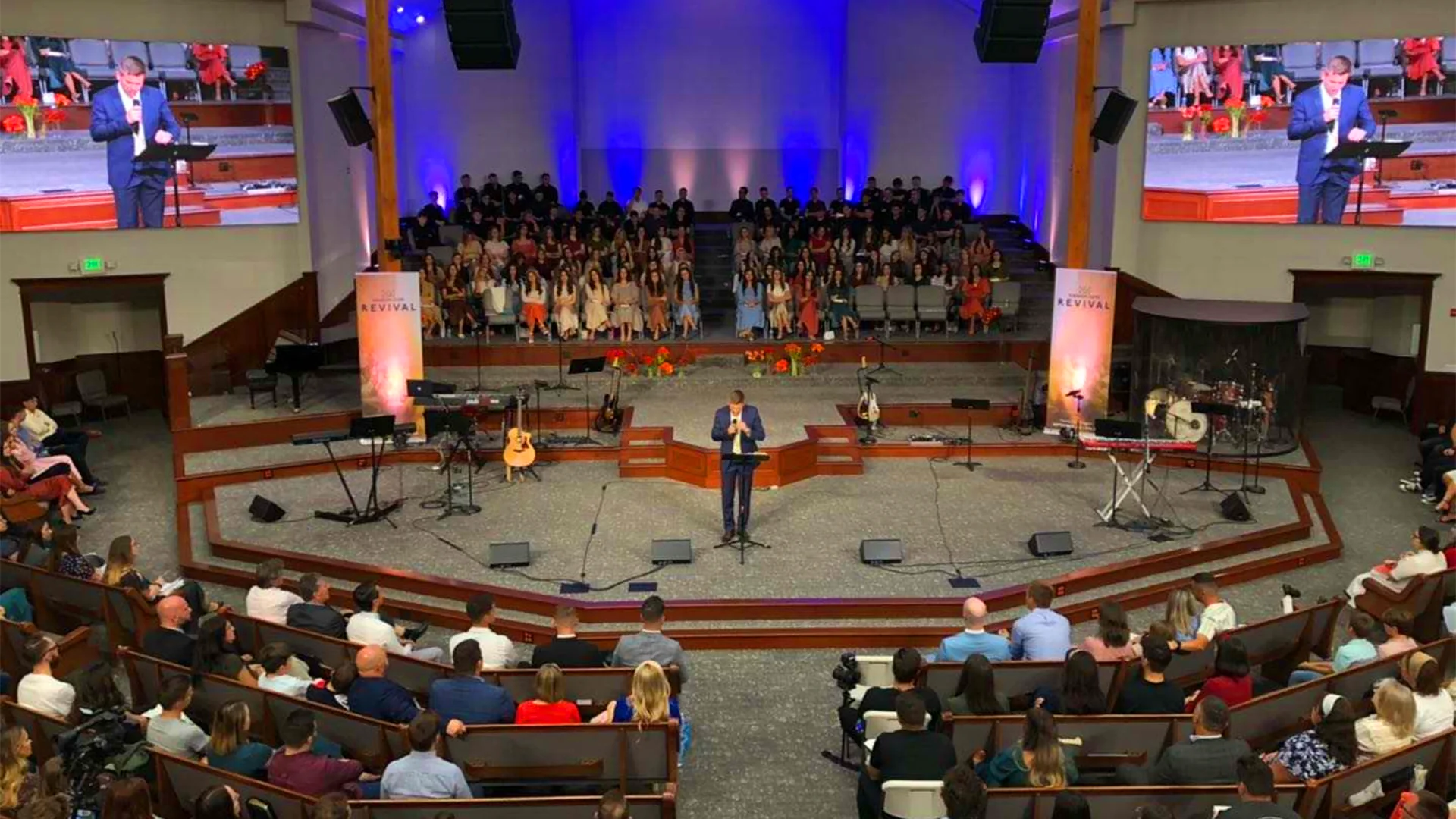
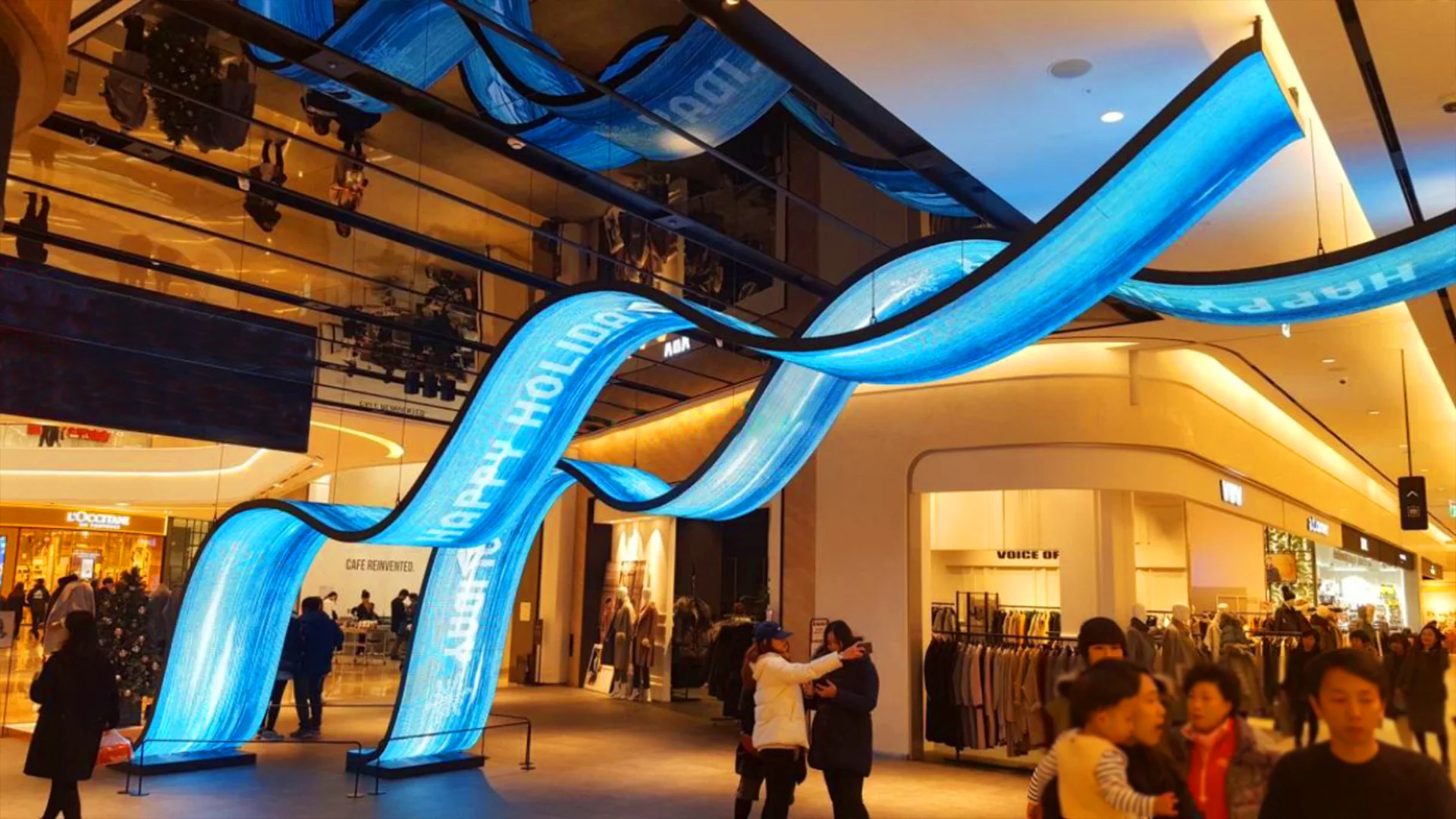
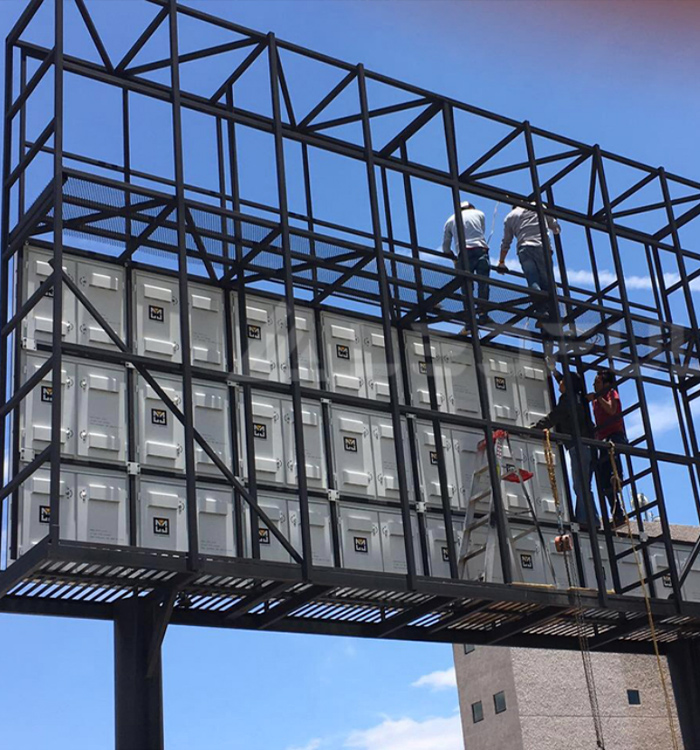
Fixed installations follow another operating model. Once the structure, power distribution, control system, and weather protection have been established, the screen can remain in place for extended periods. A permanent LED display solution is more closely connected with the building, façade, advertising location, or venue infrastructure, making architectural coordination an important part of the early planning process.
Structural And Environmental Requirements
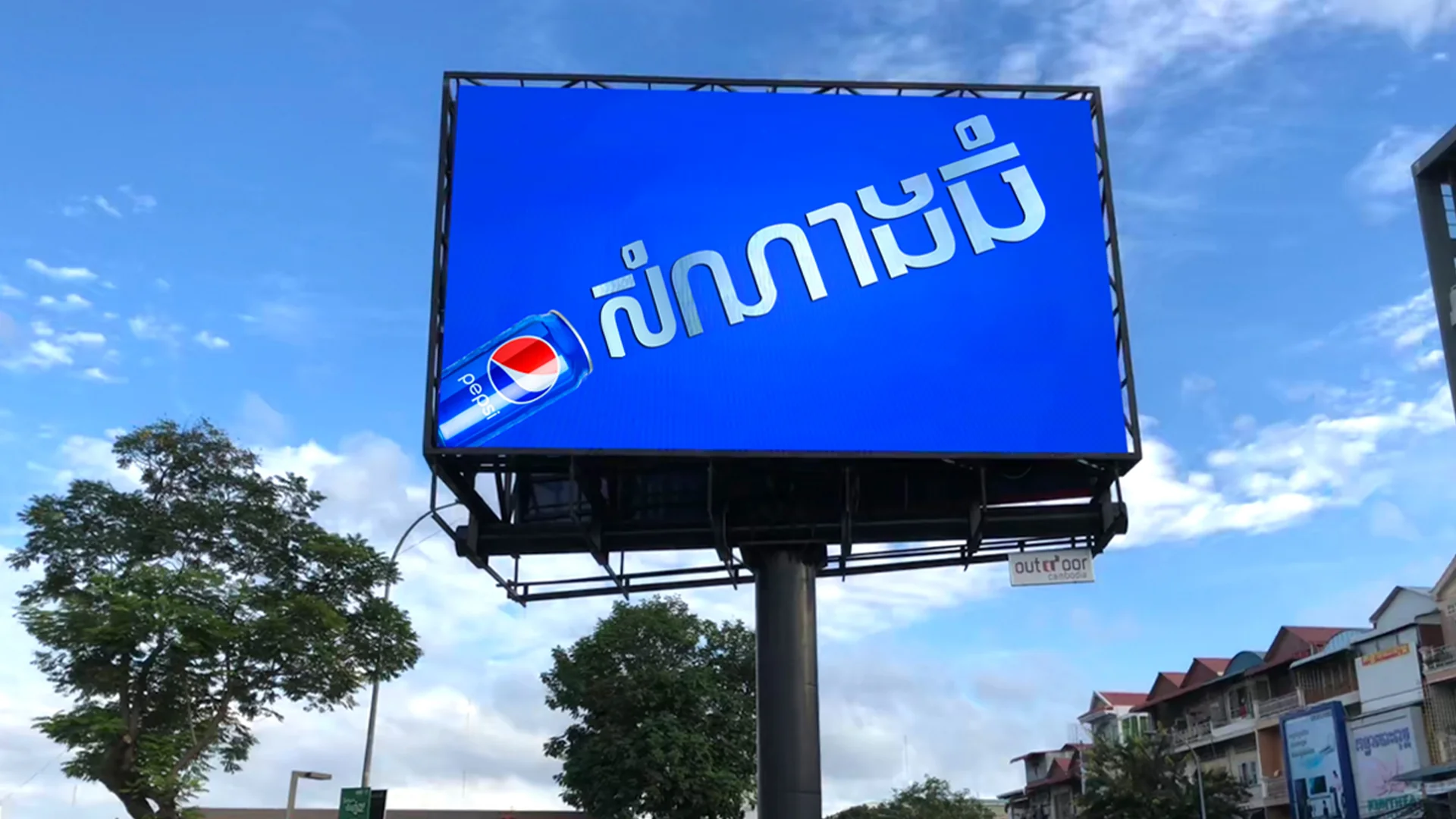
Outdoor environments introduce variables that temporary indoor-style planning cannot address. Direct sunlight affects perceived contrast, while rain, dust, wind, and temperature changes place additional demands on the display structure. Outdoor LED displays commonly use high brightness levels around 6,000 to 10,000 nits and protection ratings ranging from IP65 to IP68, depending on the design and application.
Wind loading deserves particular attention on large fixed screens. Engineers need to consider cabinet dimensions, mounting orientation, supporting structures, local weather conditions, and service access rather than treating the display as an isolated electronic device. Rental projects also require structural calculations, but the emphasis may shift toward temporary rigging, ballast, ground support, and repeated assembly. The right outdoor 3D LED display format depends on the physical environment as much as on visual requirements.
Image Performance And 3D Content
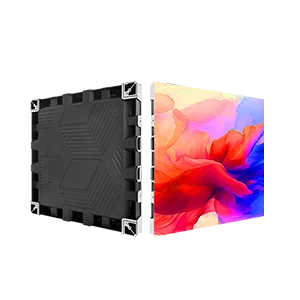
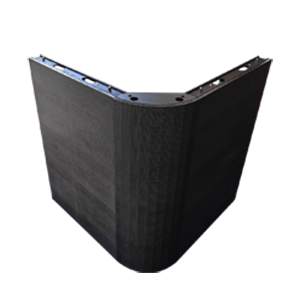
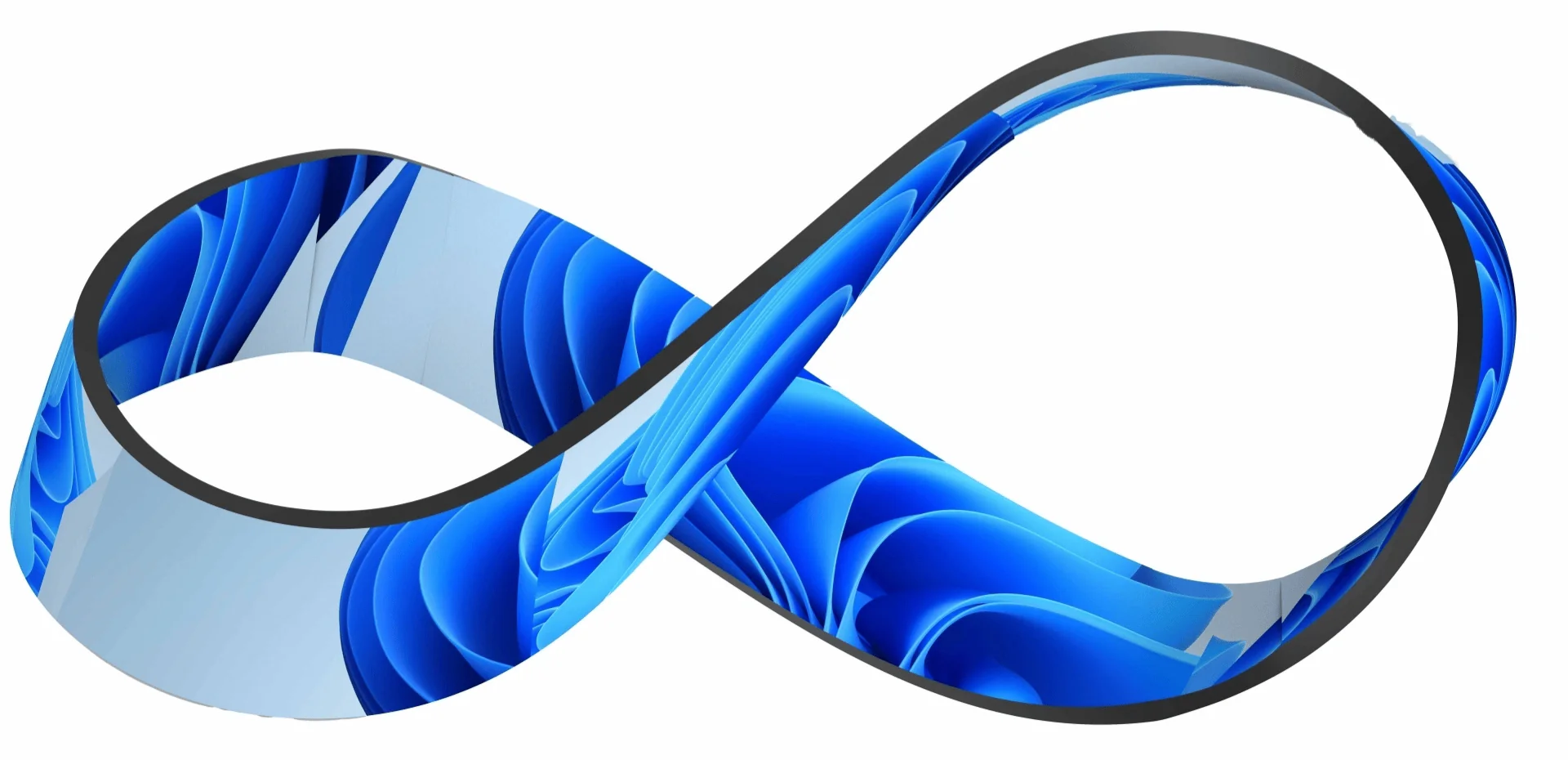
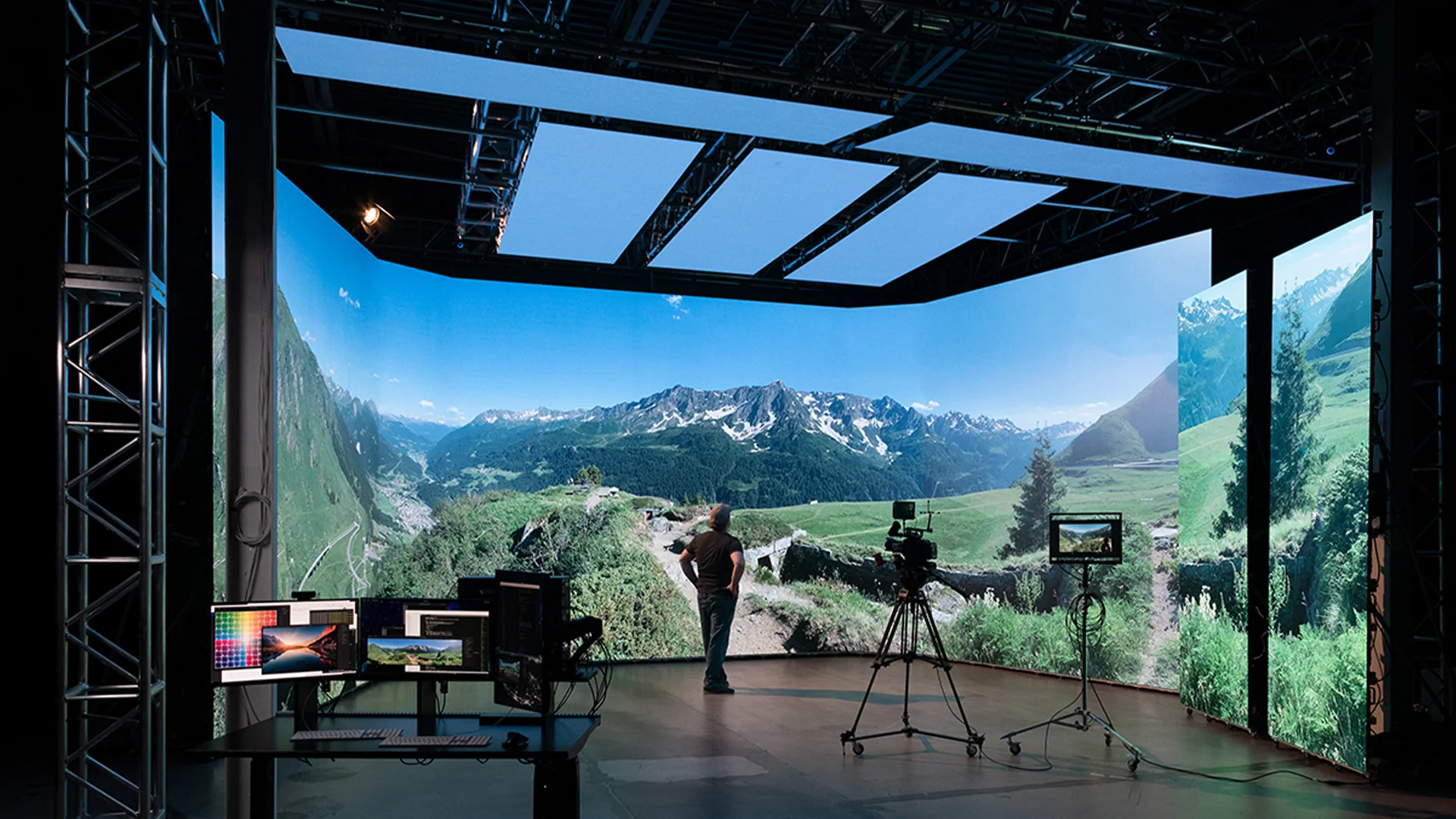
Naked-eye 3D relies on carefully constructed perspective rather than simply placing conventional 3D footage on an LED wall. Content creators normally build visual scenes around the screen’s physical boundaries, using perspective distortion and camera positioning to create an apparent depth effect from selected viewing zones. Screen geometry and audience position must be considered together. Viewers outside the intended zone see a weaker depth effect, so seating or foot traffic may need planning around the optimal viewing area.
Brightness, refresh rate, grayscale performance, and viewing angle can also influence the experience. Outdoor sunlight can reduce perceived contrast, while moving subjects and large visual transitions make motion handling particularly noticeable. A well-planned LED display solution should connect the content pipeline with the display’s technical characteristics instead of treating creative production and hardware specification as separate tasks.
Rental Or Fixed: Key Cost Considerations
Initial purchase price provides only part of the financial picture. Rental projects can shift spending toward recurring rental, transportation, labor, installation, dismantling, and storage costs. Their value becomes easier to assess when the same equipment is used across multiple events or locations, since utilization can affect the economics of each deployment.
Permanent installations usually involve greater upfront planning for steelwork, electrical infrastructure, weather protection, control equipment, and service access. Long-term budgets should also account for electricity, replacement modules, inspections, cleaning, and technician access. At LEDFUL, we approach an outdoor 3D LED display project by considering its expected operating cycle rather than evaluating hardware cost in isolation.
Maintenance And Operational Planning
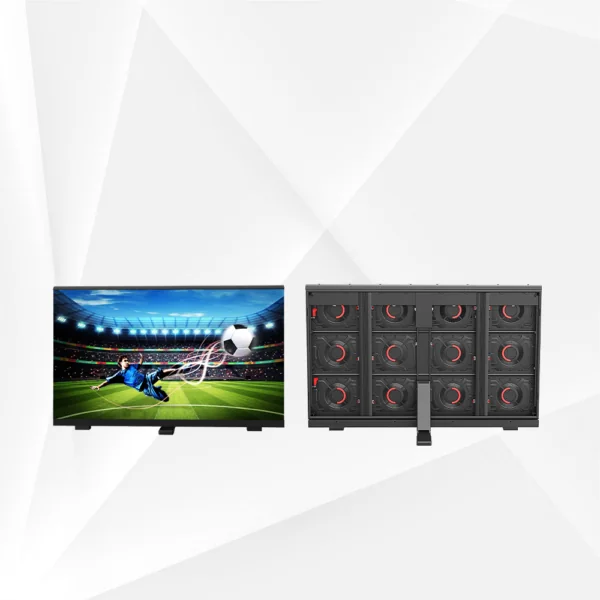
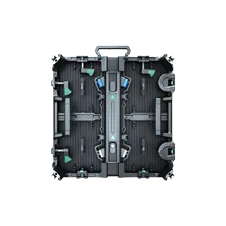
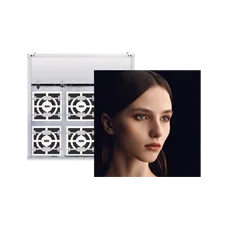
Maintenance requirements should be discussed before installation, particularly for large outdoor screens positioned above public areas or on building façades. Technicians need practical access to modules, power supplies, receiving cards, cables, and control components. Front-service or rear-service configurations can affect the equipment, labor, and safety procedures required during future repairs. Designing these access points early also helps avoid costly retrofits once the screen is already mounted.
Operational planning also covers brightness scheduling, content updates, weather monitoring, spare-part management, and system diagnostics. Rental equipment requires careful inspection after transportation and before each deployment, whereas fixed systems benefit from scheduled preventive maintenance. Our team at LEDFUL treats these practical details as part of the broader LED display solution, because reliable operation depends on both engineering decisions and day-to-day management.
Conclusion
The distinction between rental and fixed installation ultimately comes down to the project’s operating pattern, physical setting, content demands, and lifecycle budget. Temporary campaigns may place greater value on portability and rapid deployment, while permanent sites can justify deeper integration with structural and electrical infrastructure.
Once those factors are mapped against viewing distance, sunlight exposure, weather conditions, 3D content requirements, and maintenance access, the appropriate format becomes much easier to define. We at LEDFUL focus on connecting these considerations so that an outdoor 3D LED display functions as part of a practical, project-specific system rather than as a standalone visual device.