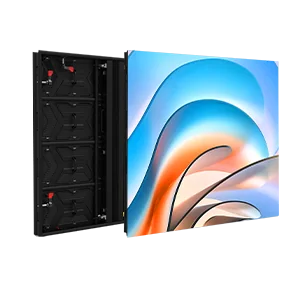
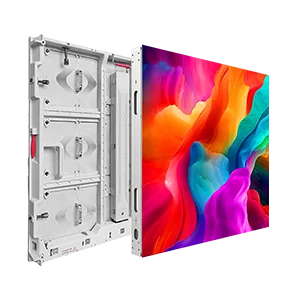
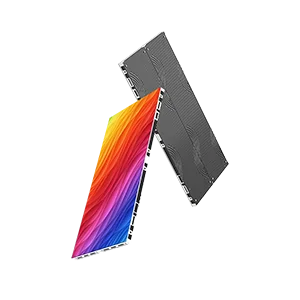
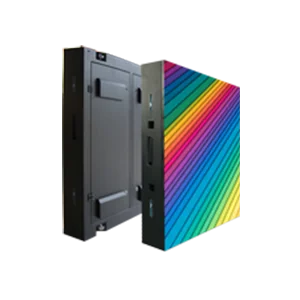
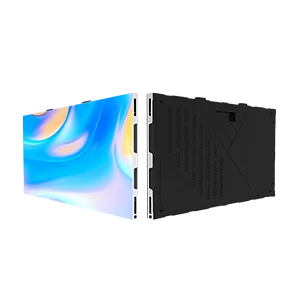
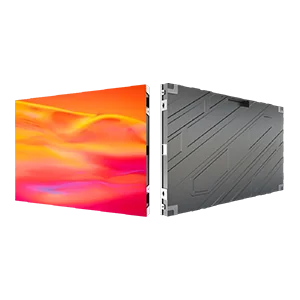
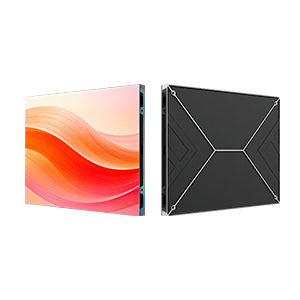
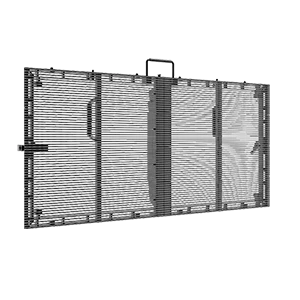
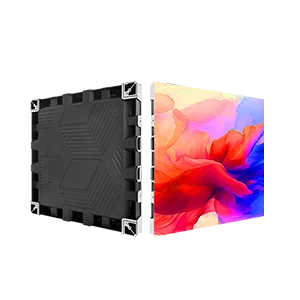
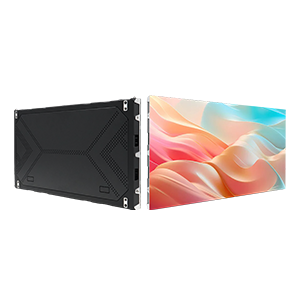
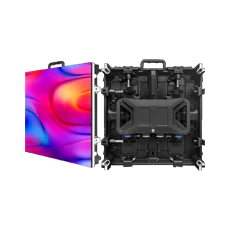
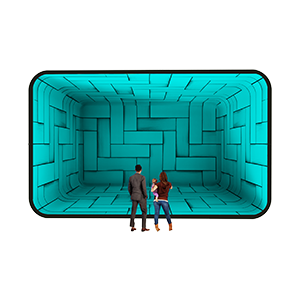


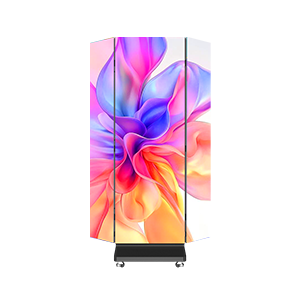
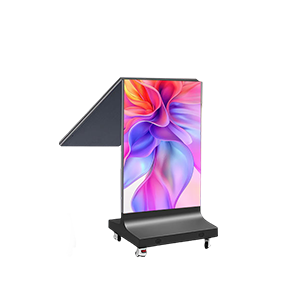
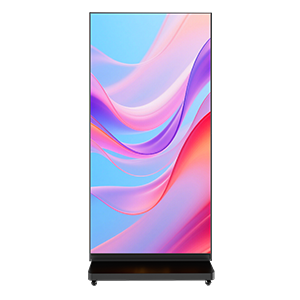
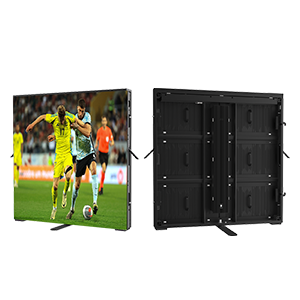
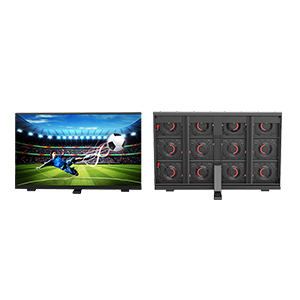
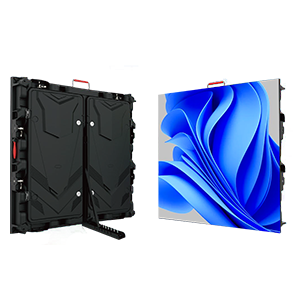
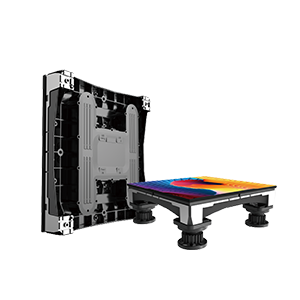
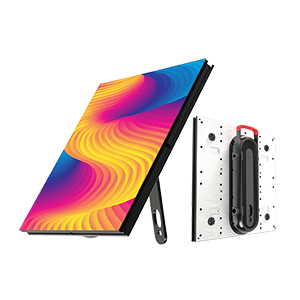
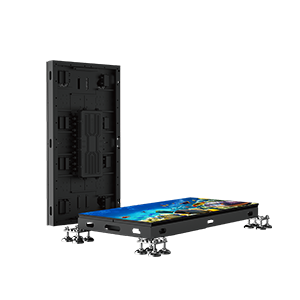
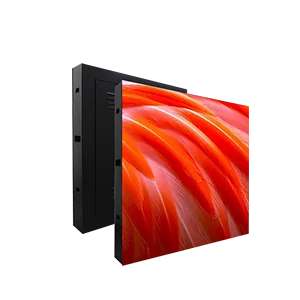
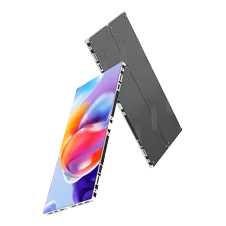
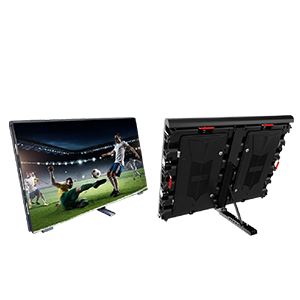
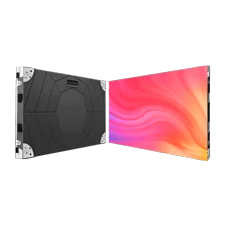
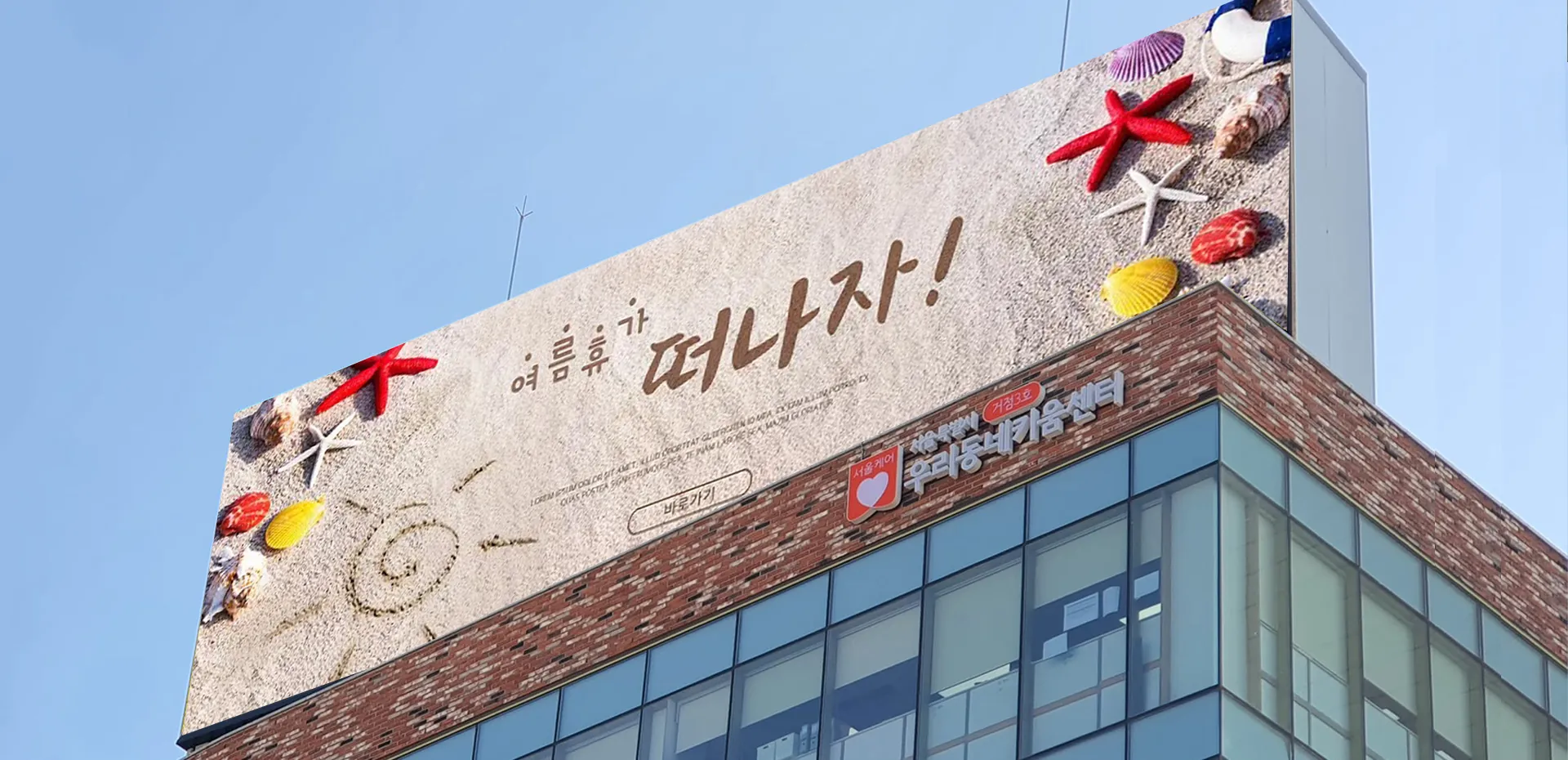
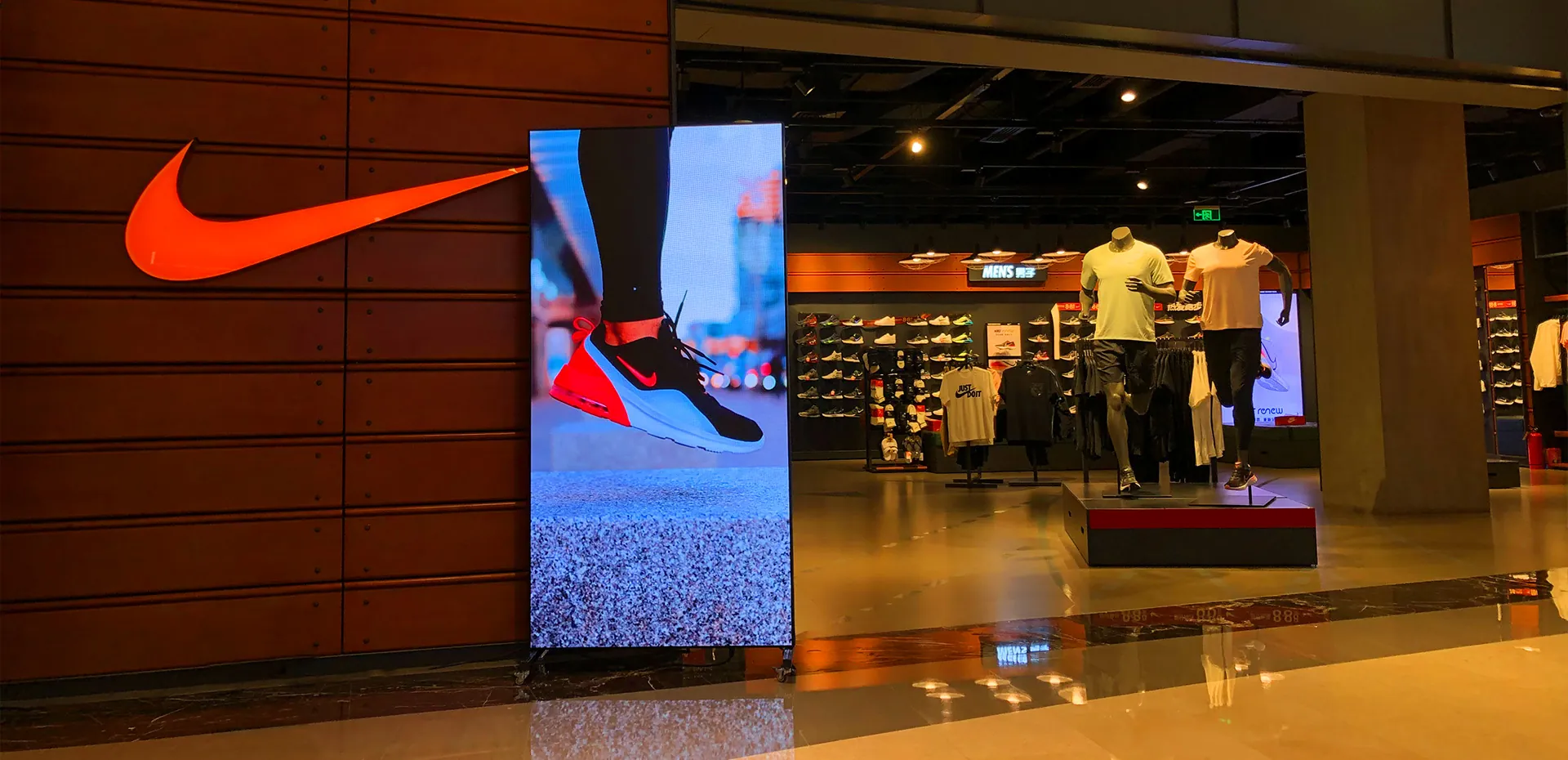
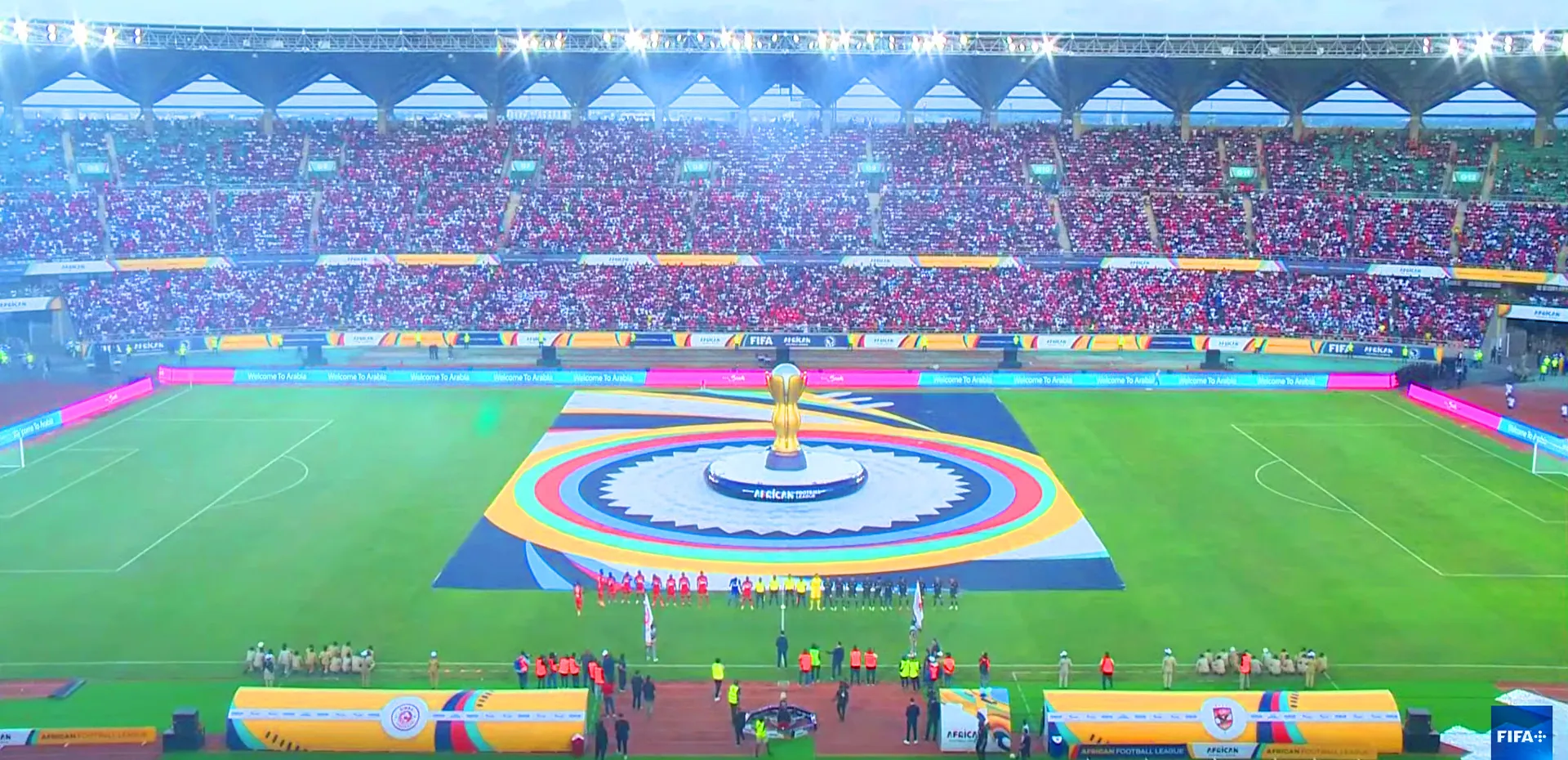
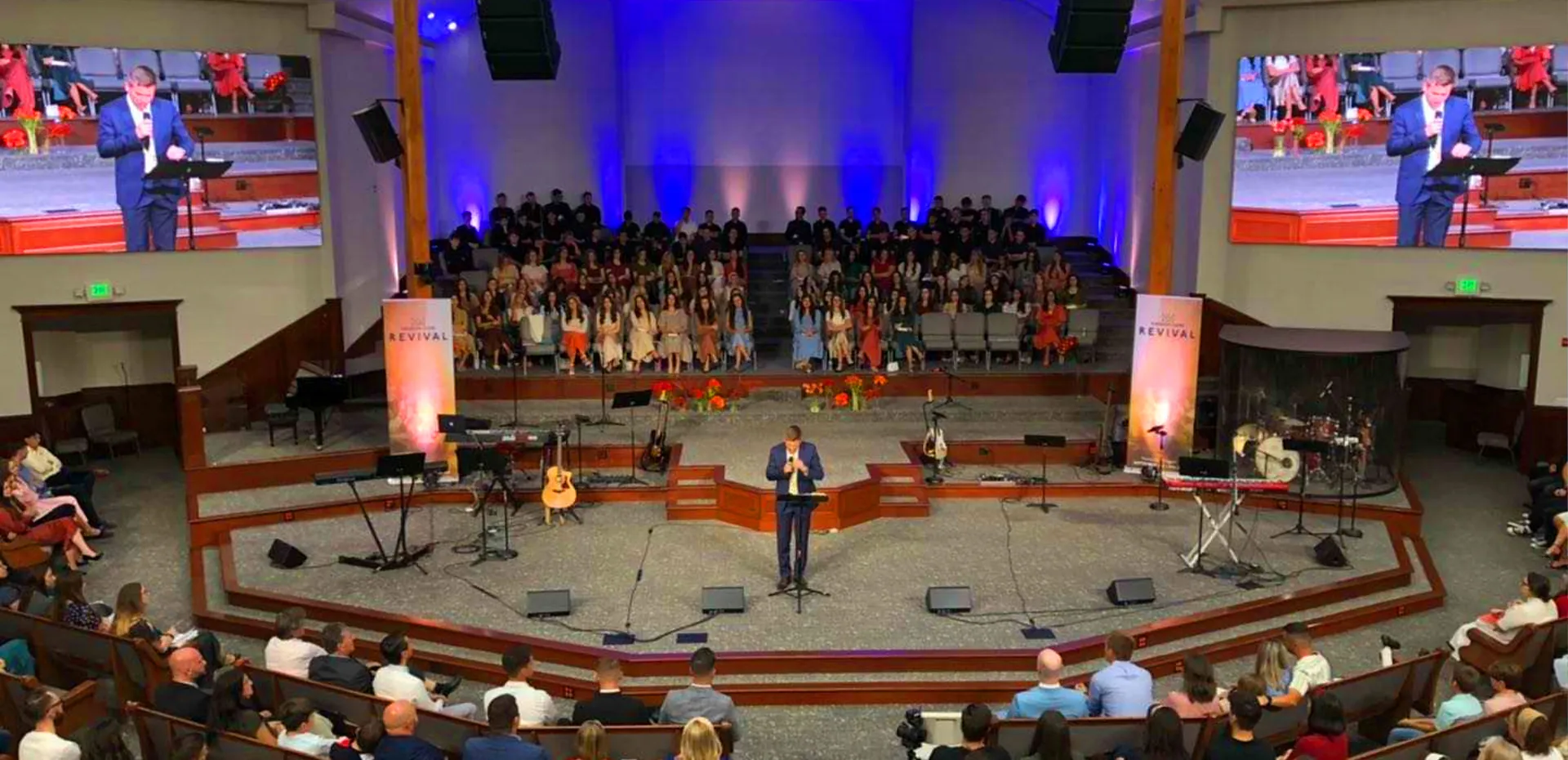
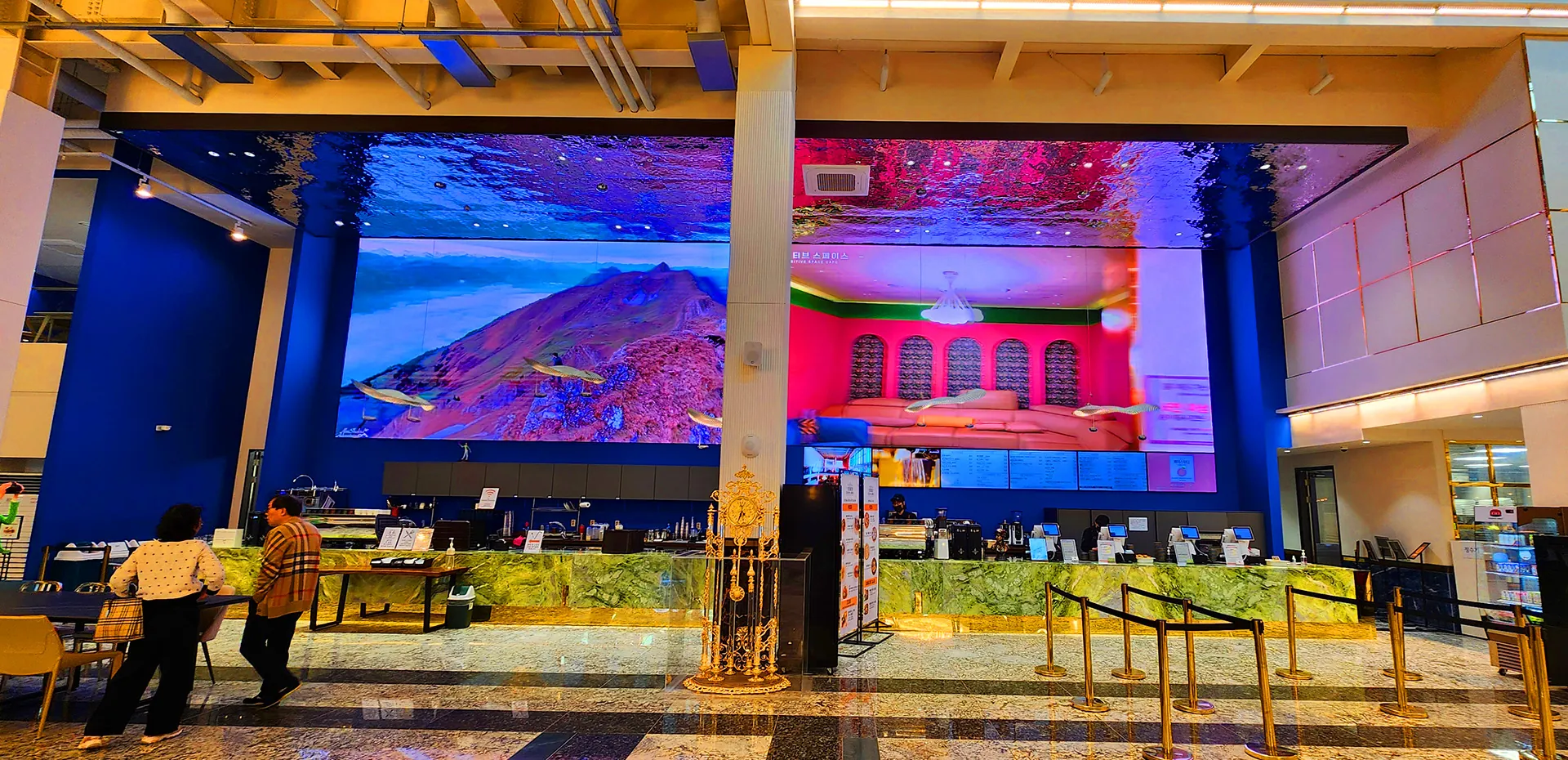
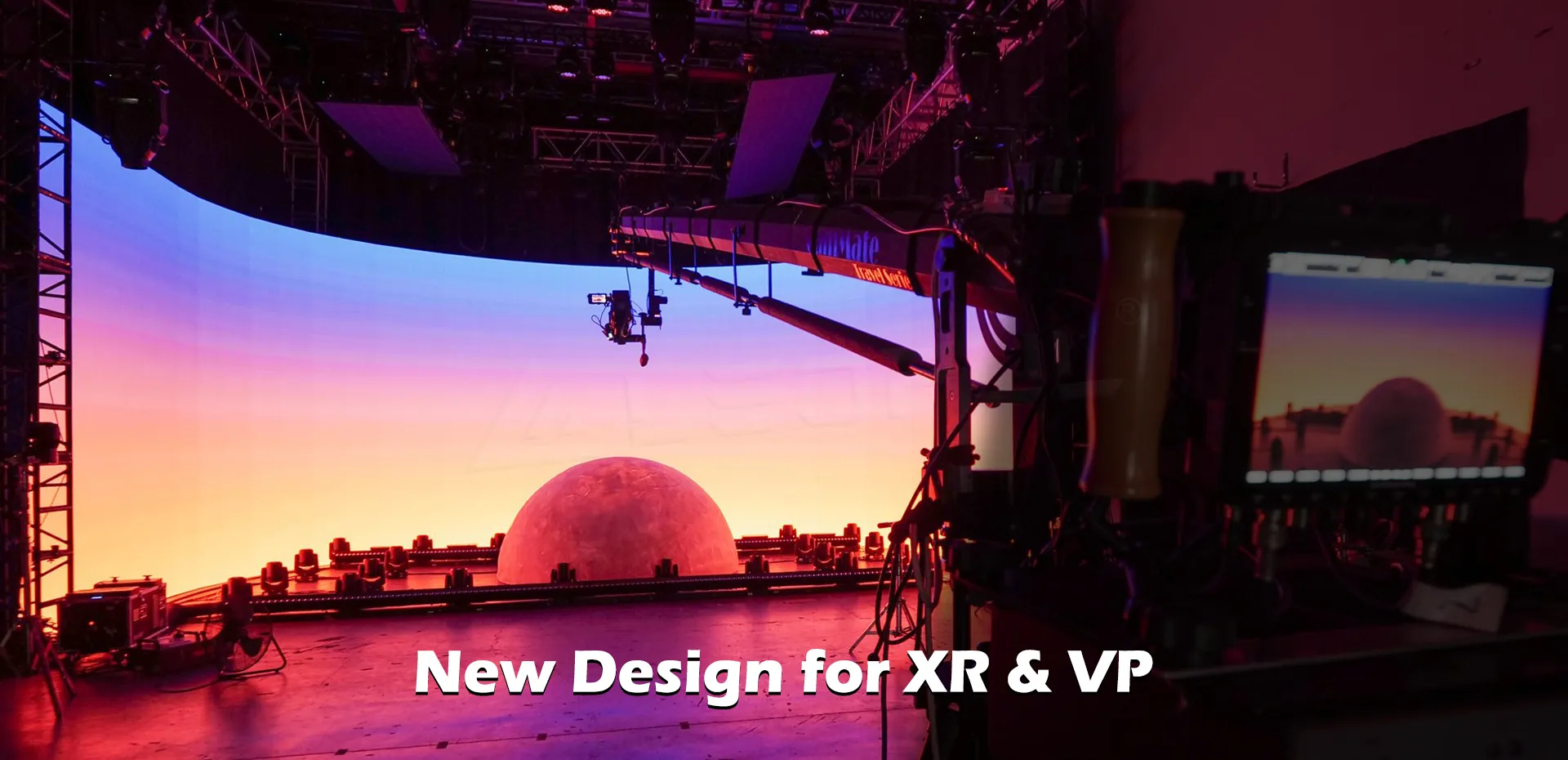
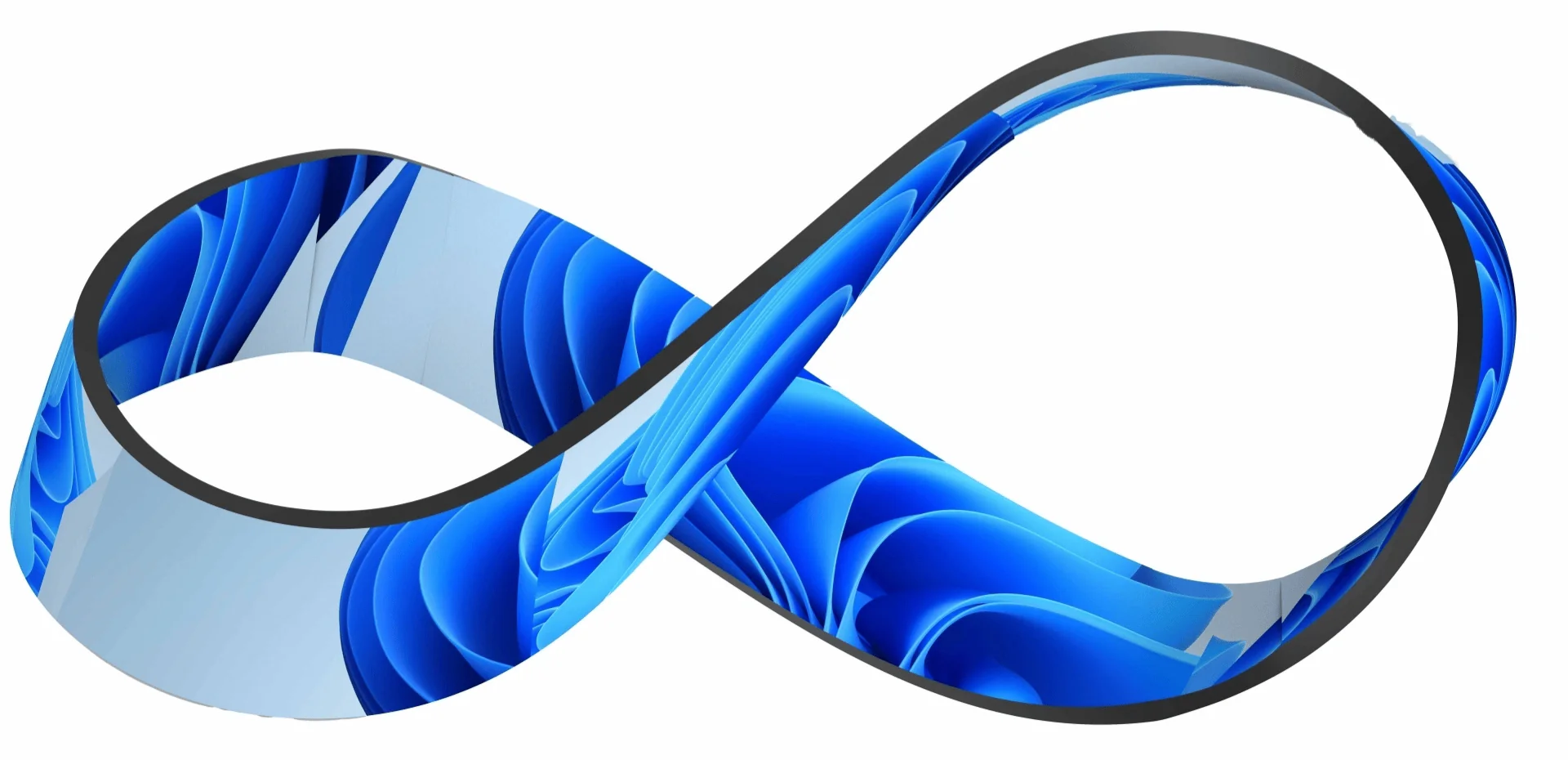
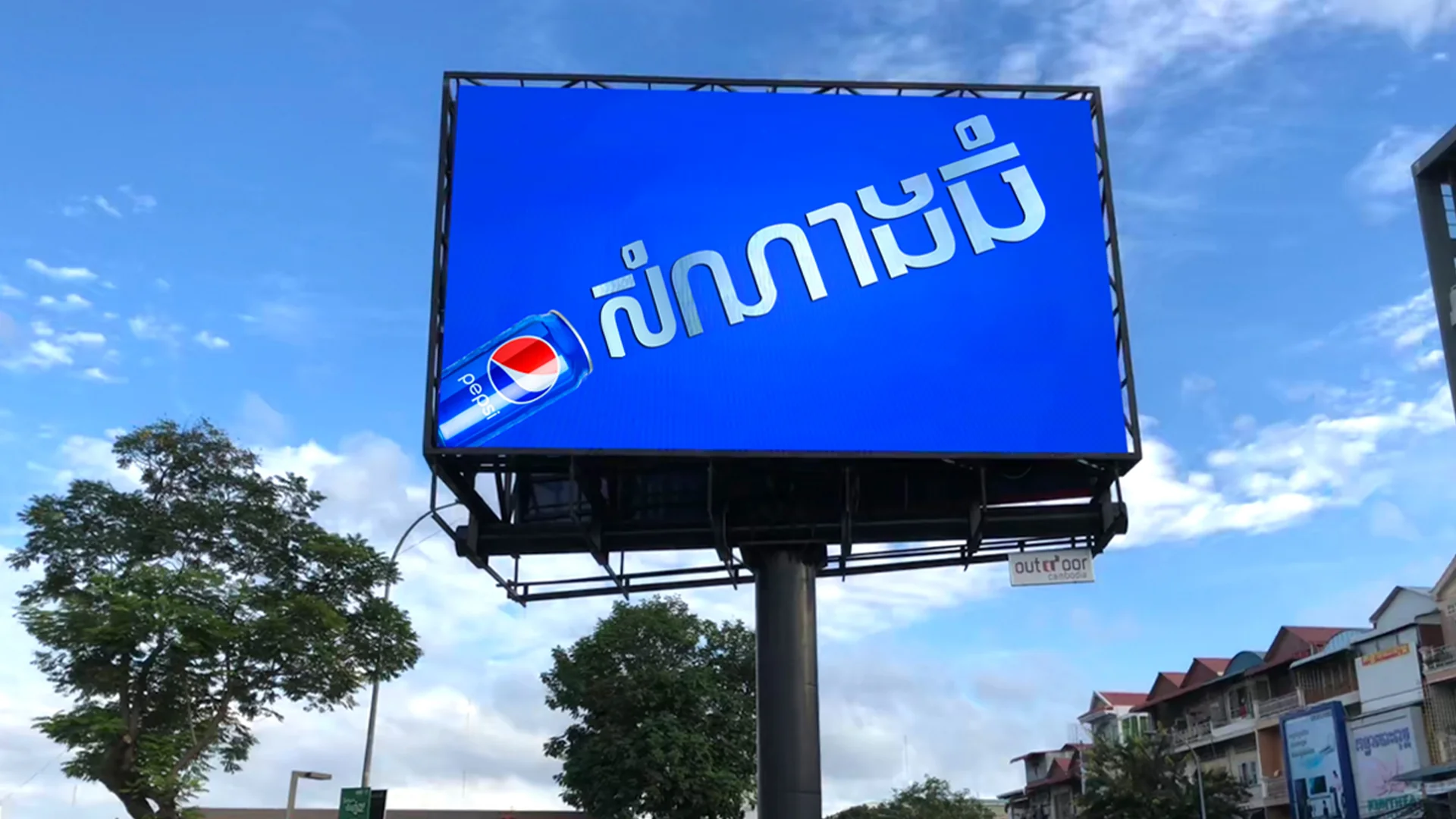






Outdoor advertising has moved beyond flat images and conventional video, with depth perception becoming an increasingly visible part of large-format digital communication. The difference between stereoscopic content viewed with glasses and glasses-free visual effects is especially important in public spaces, where audiences may encounter a screen for only a few seconds. At LEDFUL, we examine these differences from the perspective of content, hardware, viewing environment, and project planning so an outdoor 3D LED display can be evaluated according to how people actually experience it.

Understanding The Two 3D Approaches
Traditional 3D typically creates depth by delivering separate visual information to the viewer’s left and right eyes. In cinema environments, this effect is commonly supported by specialized glasses or projection equipment that controls which image reaches each eye. The viewer sits within a relatively controlled environment, making the viewing conditions easier to manage.
Naked-eye 3D takes another route. Instead of requiring wearable equipment, visual content and screen geometry work together to create an optical illusion of depth. Carefully designed perspective, object scaling, motion, and image placement can make elements appear to extend beyond or recede behind the screen surface.
Neither approach should be understood simply as a resolution upgrade. Traditional stereoscopic presentation depends heavily on viewing equipment and controlled conditions, while an outdoor 3D LED display must account for pedestrians, vehicles, changing distances, daylight, and multiple viewing positions.
How Naked-Eye 3D Creates Depth
Perspective is central to the illusion. Content creators may exaggerate the size of foreground objects, manipulate vanishing points, or position imagery around the physical boundaries of the screen. These techniques encourage the brain to interpret a two-dimensional image as a three-dimensional scene.
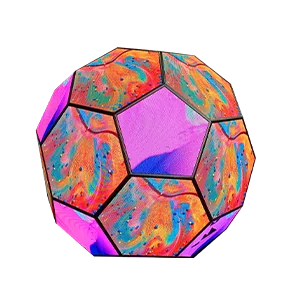
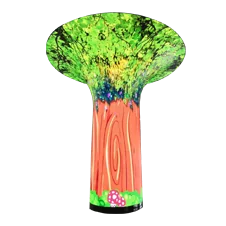
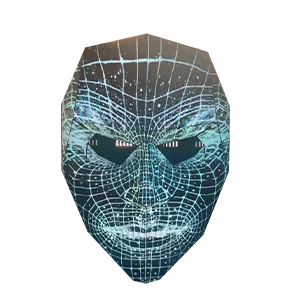
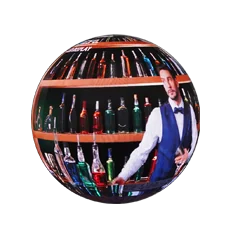
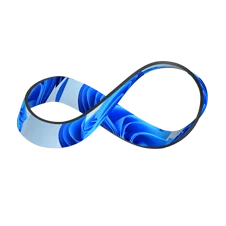
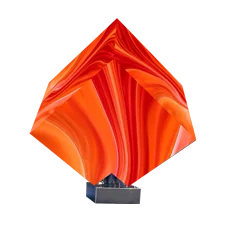
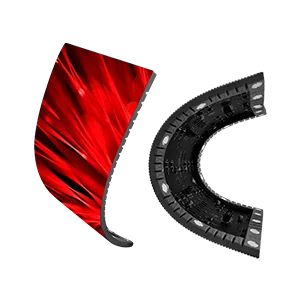
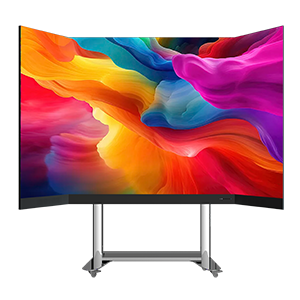
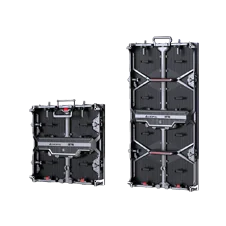
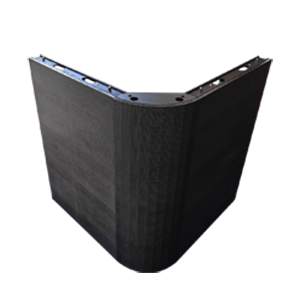
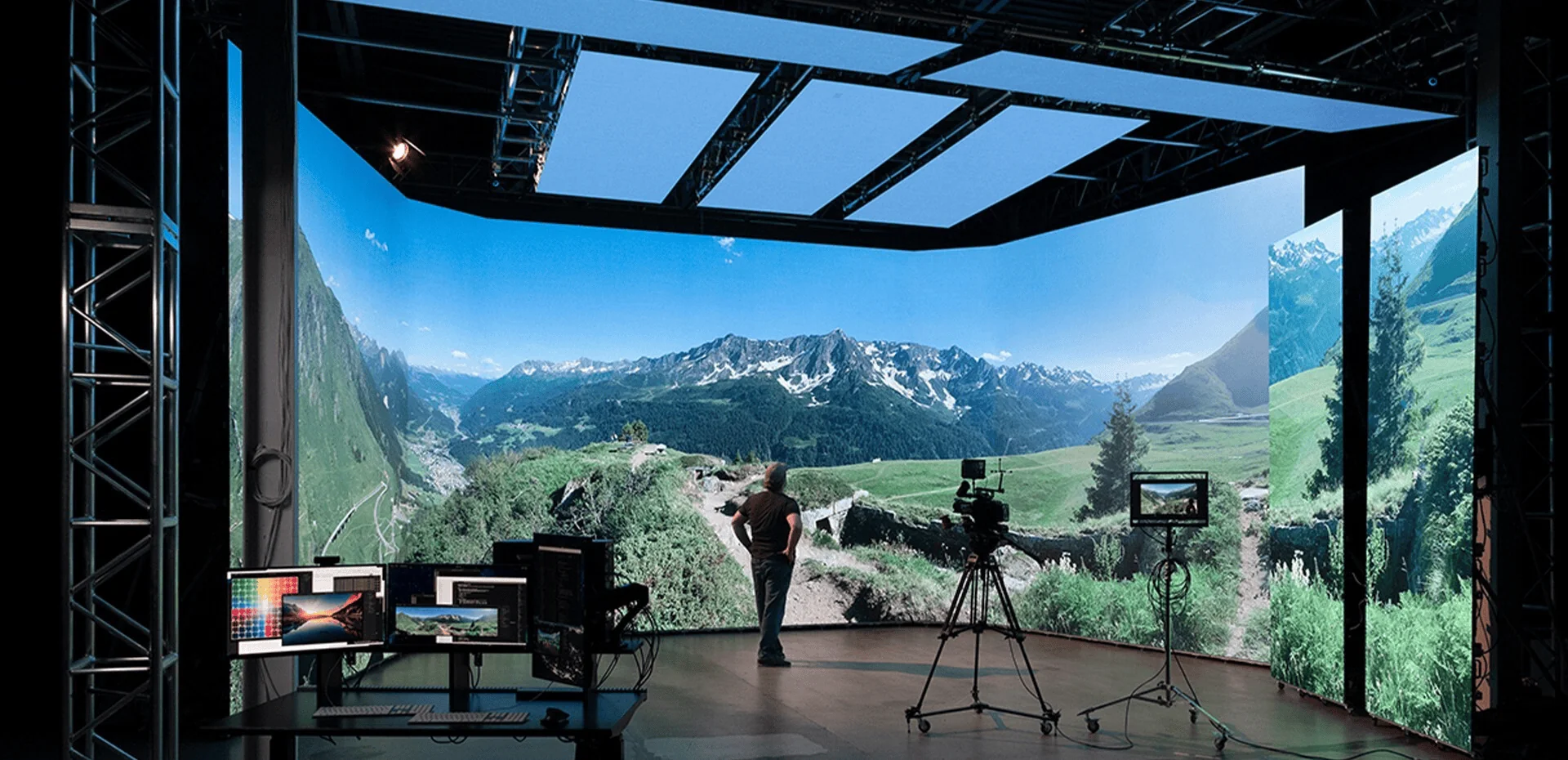
Screen geometry can strengthen the effect. Corner installations, curved surfaces, or two intersecting planes can provide visual references that make objects appear to pass beyond the apparent display boundary. The physical arrangement does not create depth by itself; instead, it gives content designers additional spatial cues to work with.
Content production consequently requires more preparation than simply converting ordinary advertising footage into 3D. Camera perspective, object movement, shadow placement, depth layers, and transition timing all influence the final illusion. A well-planned LED display solution should account for these creative requirements before production begins.
Comparing Outdoor Viewing Conditions
Outdoor audiences rarely remain stationary. Pedestrians may approach from different directions, drivers may see a display briefly from a moving vehicle, and nearby buildings can obstruct certain sightlines. Such variables make viewing-angle analysis particularly important for public 3D advertising.
Brightness presents another major difference between indoor and outdoor applications. Sunlight can reduce perceived contrast, while nighttime viewing changes the relationship between screen luminance and the surrounding environment. Content designers may need different brightness and color strategies across the operating schedule.
Traditional 3D systems can benefit from controlled audience positioning, whereas outdoor installations need to accommodate a broader range of real-world conditions. For this reason, an outdoor 3D LED display should be evaluated through representative viewing positions rather than from one idealized point directly in front of the screen.
Technical Factors Behind The Visual Effect
Pixel pitch influences how finely visual details can be reproduced, particularly for large objects, text, textures, and high-contrast edges. Smaller pixel spacing can support greater image detail at relatively close viewing distances, although the practical requirement depends on screen dimensions and audience position.
Refresh rate also matters for dynamic scenes. Fast-moving objects, camera-based content, and rapid transitions can reveal motion artifacts if the display configuration is not appropriate. Content playback, processing equipment, signal transmission, and display hardware need to operate as one coordinated system.
Color reproduction and grayscale performance contribute to depth perception as well. Smooth tonal transitions help distinguish foreground and background elements, while inconsistent color across screen sections can disrupt visual continuity. A practical LED display solution should consider these parameters alongside brightness, resolution, and content requirements rather than treating each specification separately.
Planning 3D Advertising Projects
Successful outdoor 3D campaigns begin with the physical location. Project teams should document screen dimensions, surrounding architecture, audience routes, approximate viewing distances, ambient lighting, and potential obstructions. These details provide the foundation for deciding how much depth can be visually communicated.
Content testing should follow the site assessment. Designers can preview scenes from several representative positions and examine whether important visual elements remain coherent outside the intended perspective. Testing is particularly valuable for campaigns containing text, product demonstrations, or objects that appear to move toward the audience.
We at LEDFUL consider the display environment and creative concept together during project discussions. Instead of treating 3D as an isolated visual feature, we look at how screen geometry, technical specifications, content production, and audience movement interact. That broader perspective helps teams develop an outdoor 3D LED display concept that fits both the advertising objective and the physical setting. For better visual planning, read our guide to brightness vs contrast ratio.
Conclusion
Depth effects become meaningful in outdoor advertising only when the illusion survives real-world viewing conditions. Naked-eye 3D relies on perspective, geometry, motion, and carefully produced content, while traditional 3D generally depends on a more controlled viewing setup. Understanding that distinction helps advertisers, content teams, and system integrators assess the technology through practical criteria rather than visual novelty alone.
Our team at LEDFUL approaches each project by connecting creative intent with measurable site conditions and display requirements. A thoughtful LED display solution can bring together content design, pixel structure, brightness, processing, viewing geometry, and operating conditions without reducing the discussion to one specification. Used with the right planning framework, an outdoor 3D LED display becomes a medium for spatial storytelling that responds to how audiences actually move through public environments.