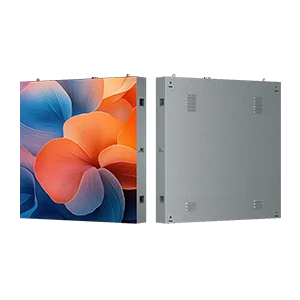
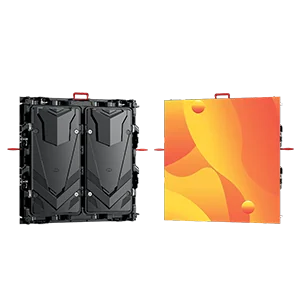
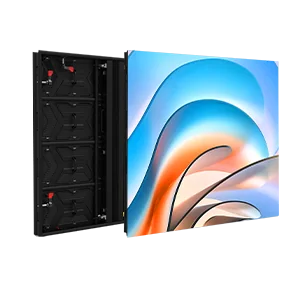
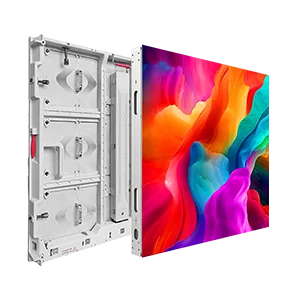

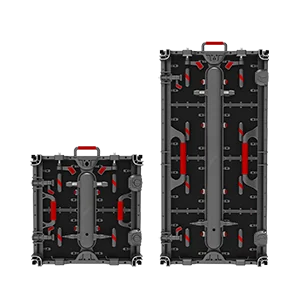
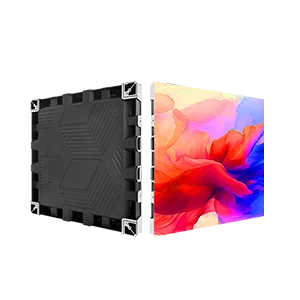
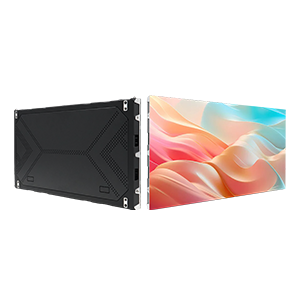













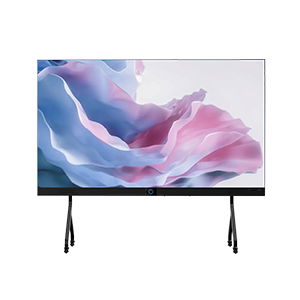

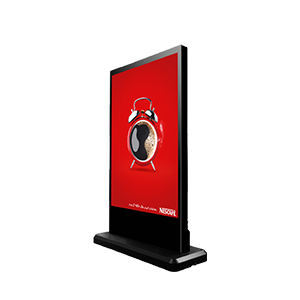

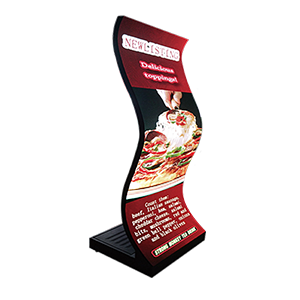
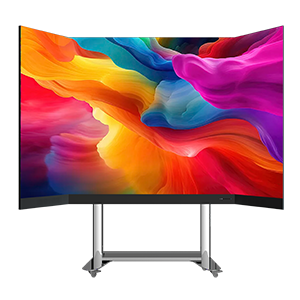
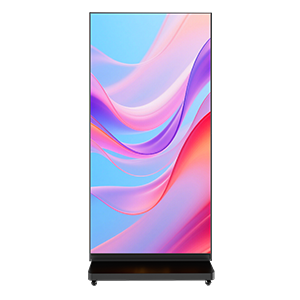
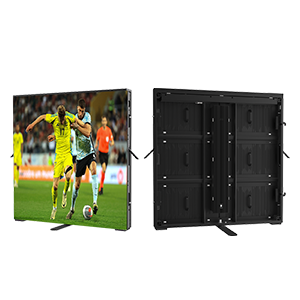
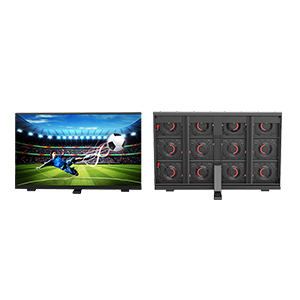
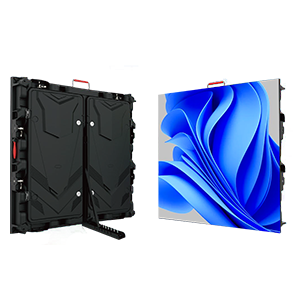
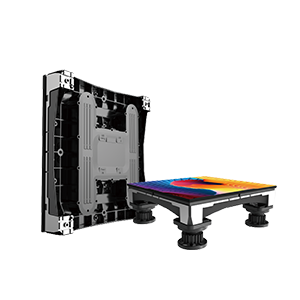
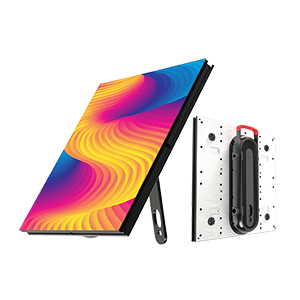
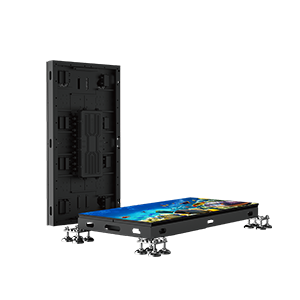
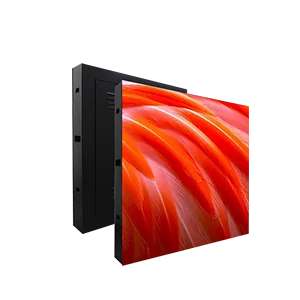
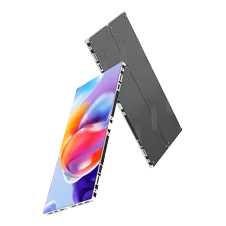
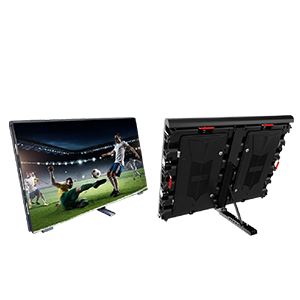
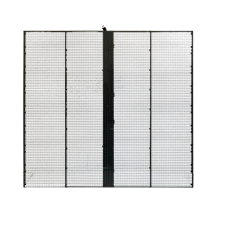
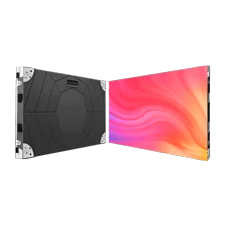
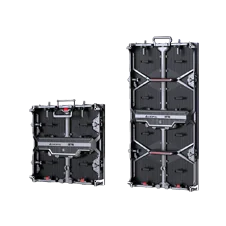
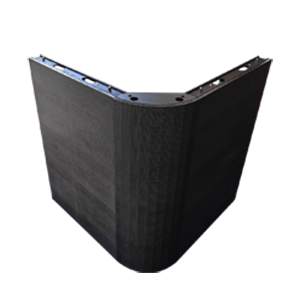
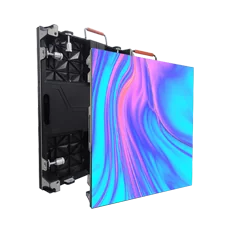






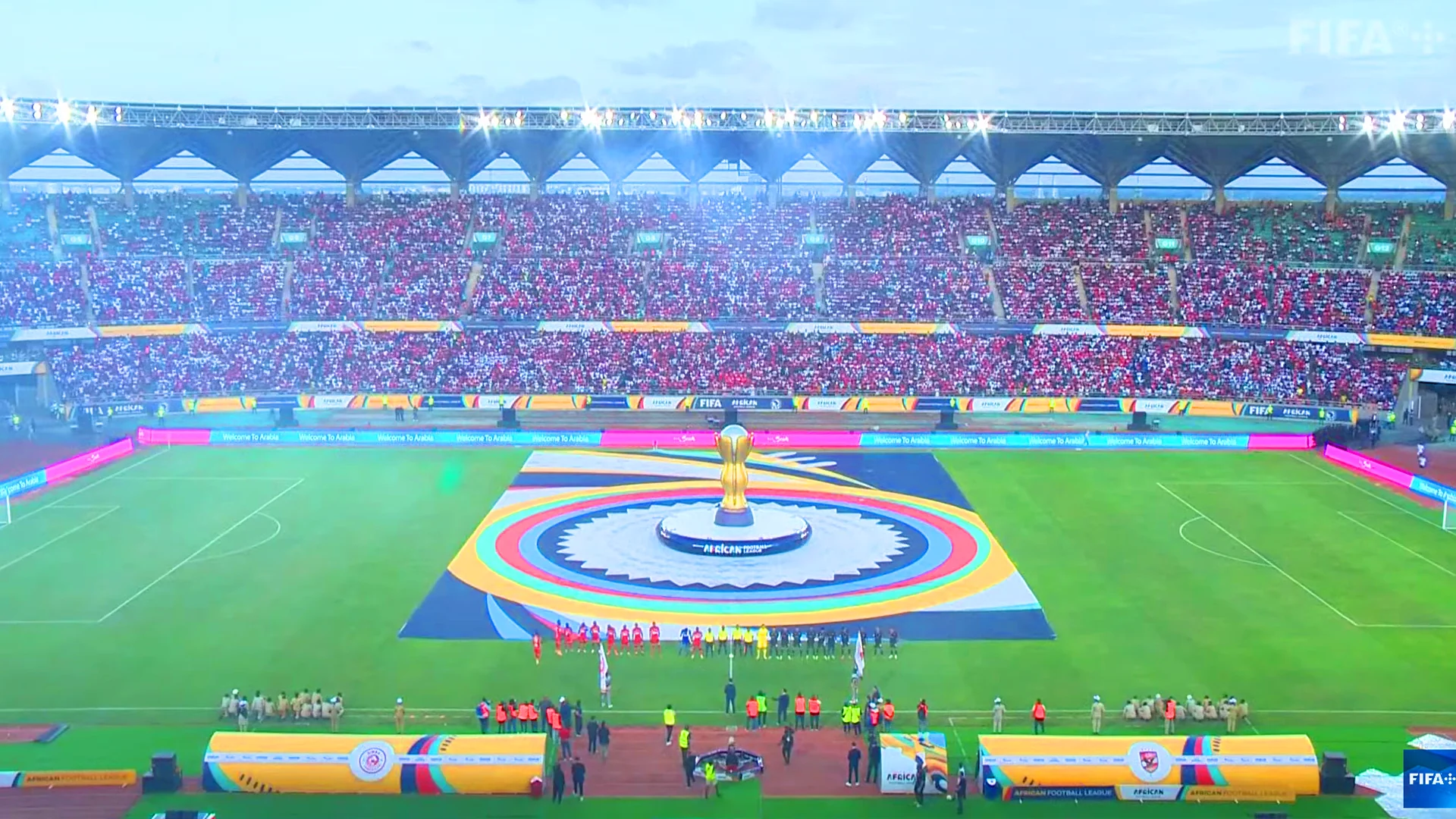


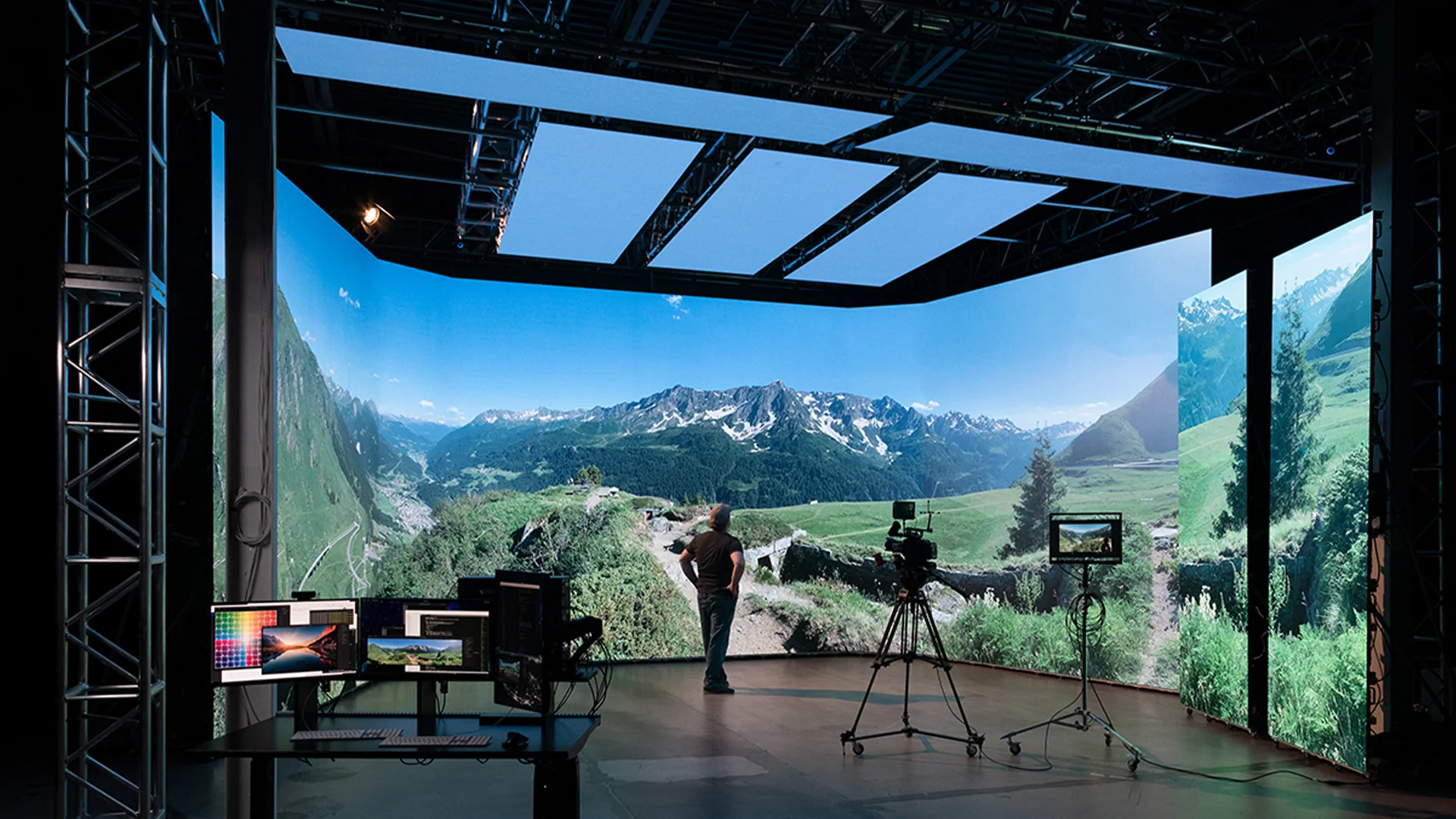
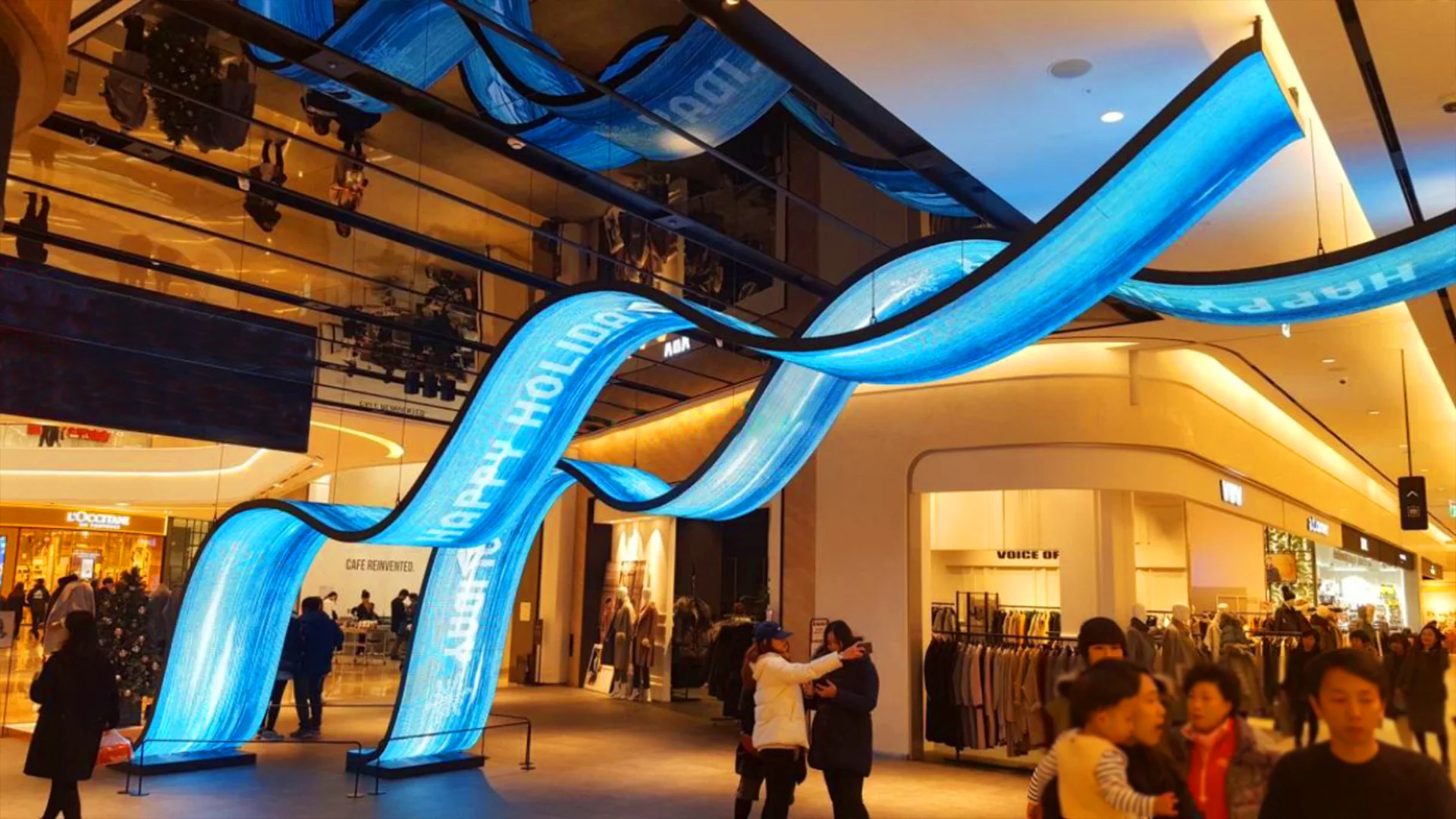







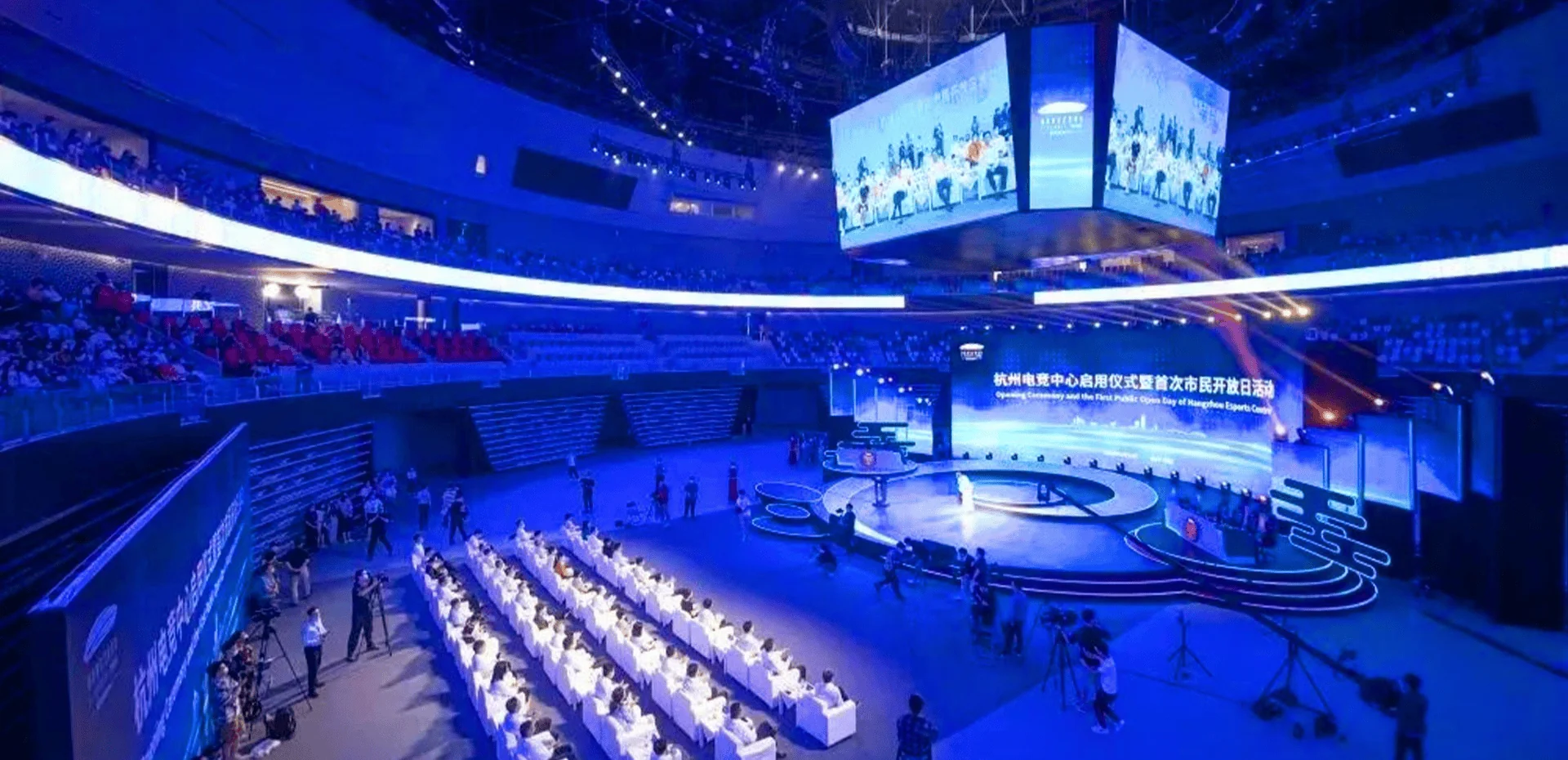

Electricity consumption can become a significant part of the operating budget when digital screens run for long hours across commercial buildings, advertising networks, venues, or public spaces. The power demand of a display depends on far more than its physical size: brightness, content, pixel configuration, operating schedules, thermal conditions, and control settings all influence actual consumption.
As an LED screen display manufacturer, LEDFUL considers energy efficiency alongside image quality, installation conditions, and long-term operating requirements when developing professional display solutions.

Understanding Where LED Display Energy Goes
Brightness has a direct relationship with electrical demand. Outdoor screens exposed to strong sunlight generally require greater luminance during daytime operation, while indoor environments may need substantially less output. Running a screen at maximum brightness throughout the day can consume more electricity than necessary, particularly during periods of low ambient illumination.
Content itself also affects the load placed on a display. Large areas of bright white or highly saturated content require more light output than predominantly dark imagery. Static advertising, muted backgrounds, and scheduled brightness adjustments can reduce average demand without requiring changes to the physical installation.
Operating hours deserve the same attention. A screen located inside a shopping center may not need to remain active after the building closes, while an outdoor advertising installation could follow a different schedule based on traffic patterns. Automated power management and content scheduling can align screen operation with actual audience activity rather than maintaining a fixed output around the clock.
Evaluating Power Efficiency In Display Design
Technical specifications provide a useful starting point for estimating consumption, although maximum and average power figures describe different operating conditions. Maximum power indicates a higher-load scenario, whereas average consumption offers a more practical reference for routine operation. Project teams should examine both values when estimating electrical infrastructure and ongoing energy costs.
Pixel pitch can also influence the electrical characteristics of an installation because different configurations contain different numbers of pixels per square meter. More pixels can support finer image detail, but the appropriate pitch should be determined by viewing distance and application rather than selected solely for maximum resolution.
Using Brightness And Content More Intelligently
Automatic brightness adjustment can make energy management more responsive to the surrounding environment. Sensors or scheduled settings can reduce output during darker periods while maintaining suitable visibility during brighter conditions. The objective is not simply to operate at the lowest possible brightness, but to match luminance with the visual requirements of the location.
Content designers also have an opportunity to influence energy use. Darker backgrounds, restrained use of large white areas, and efficient color composition can reduce the amount of light generated across the active surface. These techniques become particularly relevant for displays that run continuously and change content frequently throughout the day.
Control systems provide another layer of optimization. Different areas of one LED display network may have different operating schedules, so centralized management can allow unused displays or sections to remain inactive. Such control is particularly useful for multi-location deployments where manual power management would require considerable staff time.
Reducing Energy Loss Through Installation Planning
Thermal management has an indirect relationship with operating efficiency. LED components and power electronics generate heat during operation, and poor ventilation can raise internal temperatures. Appropriate cabinet design, airflow, and installation clearance help equipment operate within its intended environmental conditions while reducing unnecessary thermal stress.
Power distribution should also be planned around the actual load. Cable length, voltage drop, distribution architecture, and circuit capacity can affect how electricity reaches different parts of a display installation. Professional electrical design helps project teams avoid sizing infrastructure from assumptions that do not reflect the final configuration.
Outdoor environments introduce additional variables. Direct sunlight affects required brightness, while seasonal temperature changes influence operating conditions. Weather protection and appropriate enclosure design matter because energy efficiency is meaningful only when the display can operate consistently within its intended environment. Learn more about energy-efficient LED displays.
Building A Practical Energy Management Strategy
Energy efficiency should be evaluated across the entire operating cycle rather than through one specification. Procurement teams can compare average power consumption, expected operating hours, brightness requirements, control capabilities, maintenance conditions, and the projected service environment. This broader view gives a more realistic picture of operating expenditure than looking only at purchase price.
Measurement after installation can reveal whether assumptions match real usage. Power meters, operating logs, brightness schedules, and content records can help facility teams identify periods of unusually high consumption. Data collected over several weeks can also reveal seasonal differences or operational habits that are difficult to identify during commissioning.
Long-term planning benefits from the same discipline. Firmware and control-system capabilities may change, content requirements can evolve, and operating schedules may become more sophisticated as organizations expand their digital signage networks. Selecting equipment and infrastructure that can accommodate these changes can make energy management easier over the useful life of the installation.
Conclusion
Lower operating costs rarely come from one isolated adjustment. Brightness control, content design, power architecture, thermal conditions, scheduling, and model-specific specifications all contribute to the electrical profile of a professional display.
At LEDFUL, we approach energy-conscious display projects by considering these factors together, helping customers evaluate practical operating requirements alongside visual performance and installation needs. A carefully planned system can use its available power more purposefully while continuing to support the communication goals that made the digital screen necessary in the first place.