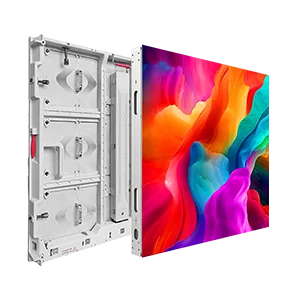
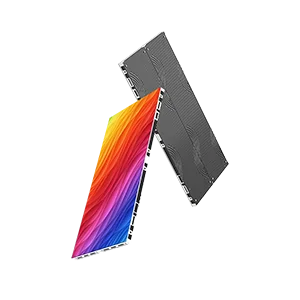
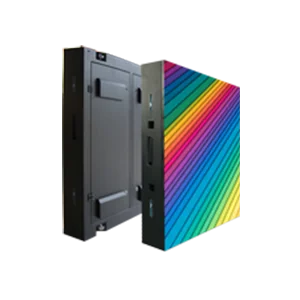
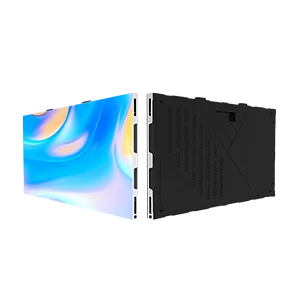
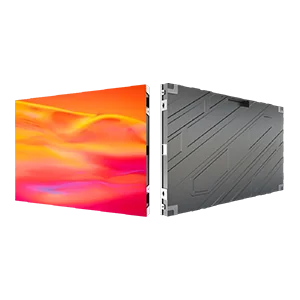
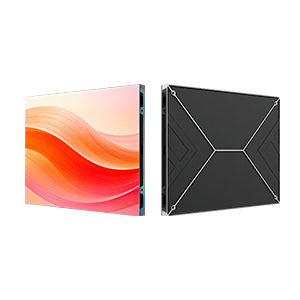
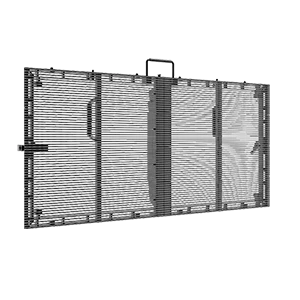
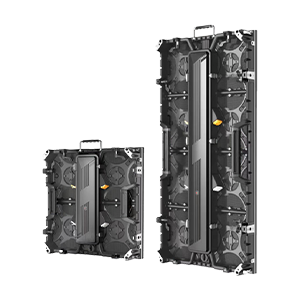
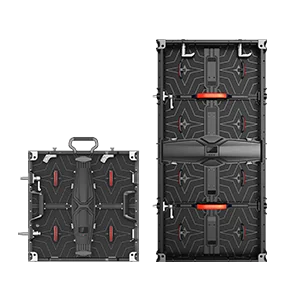
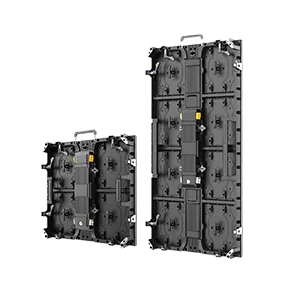
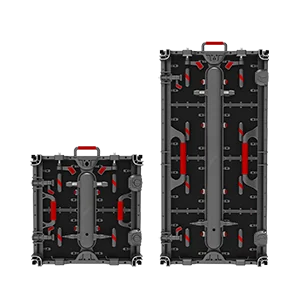
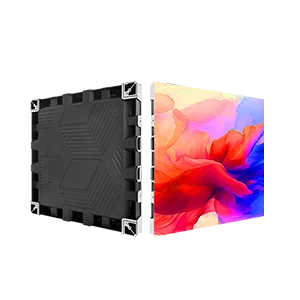
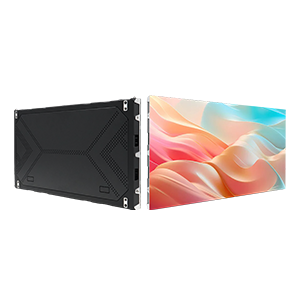
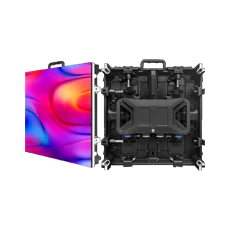
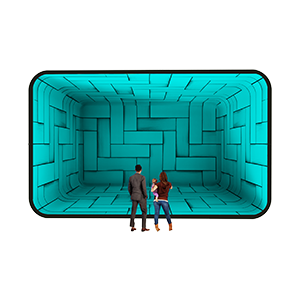

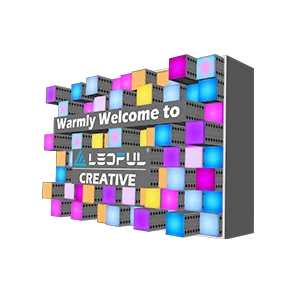












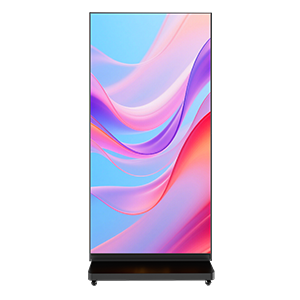
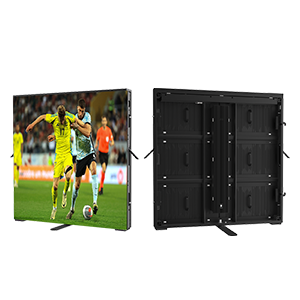
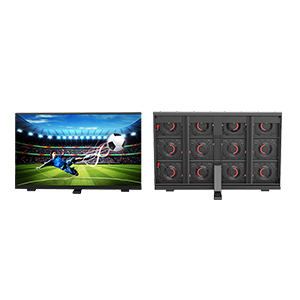
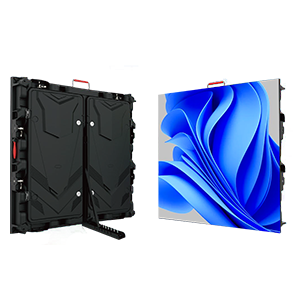
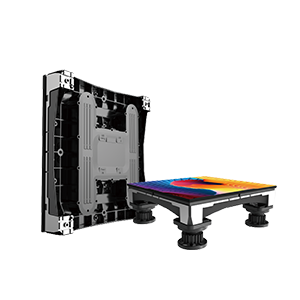
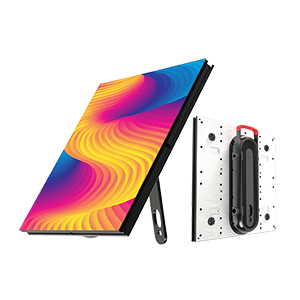
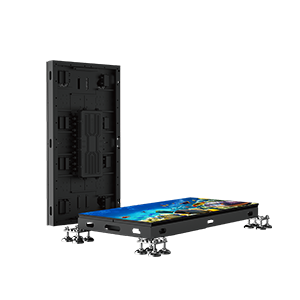
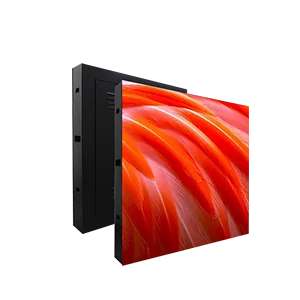
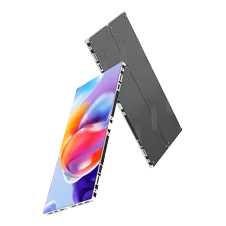
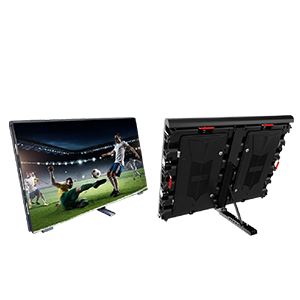
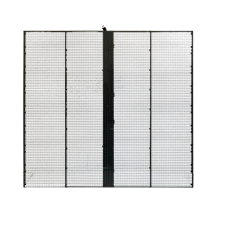
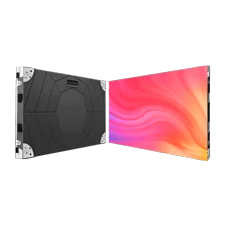

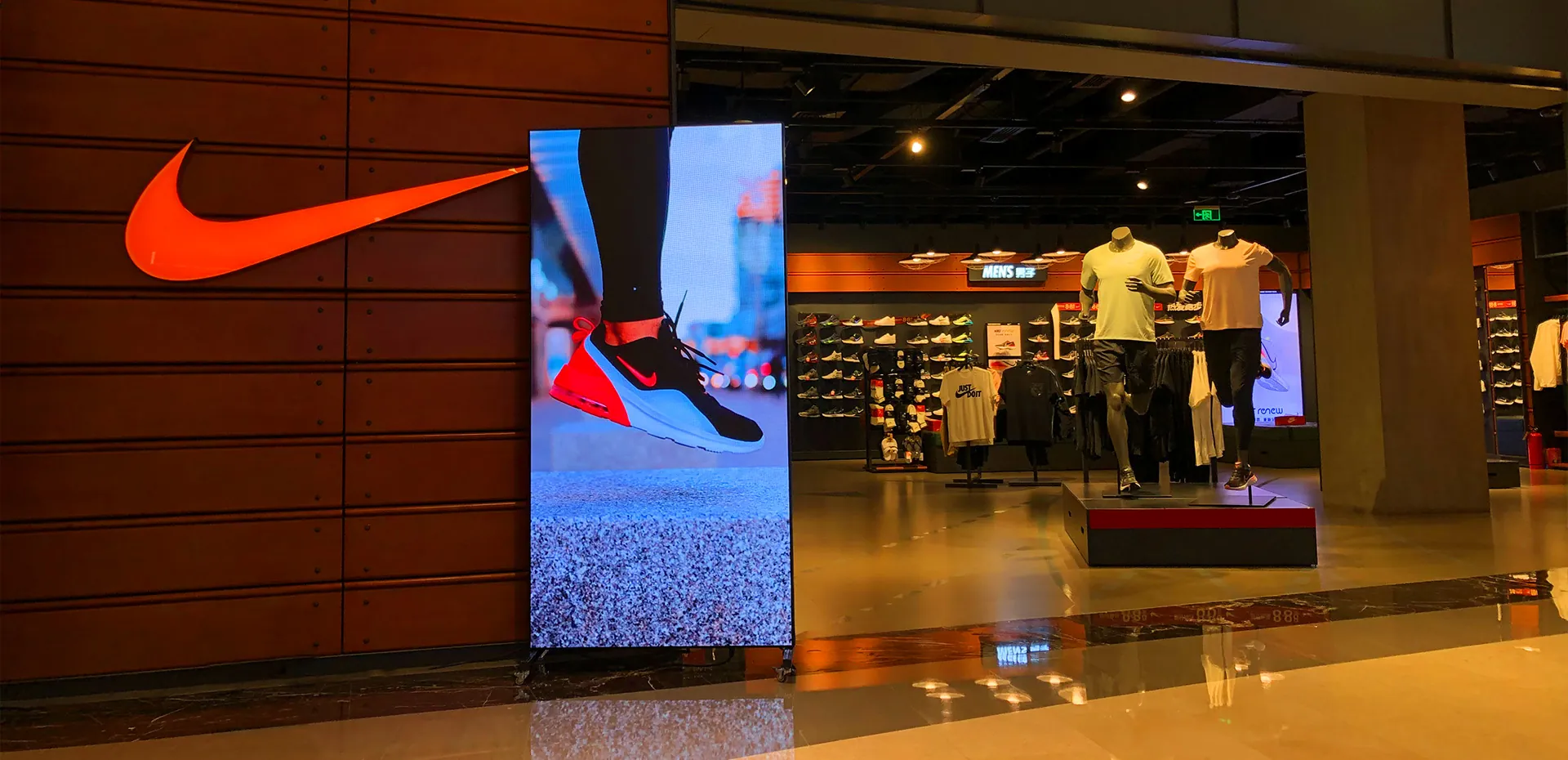
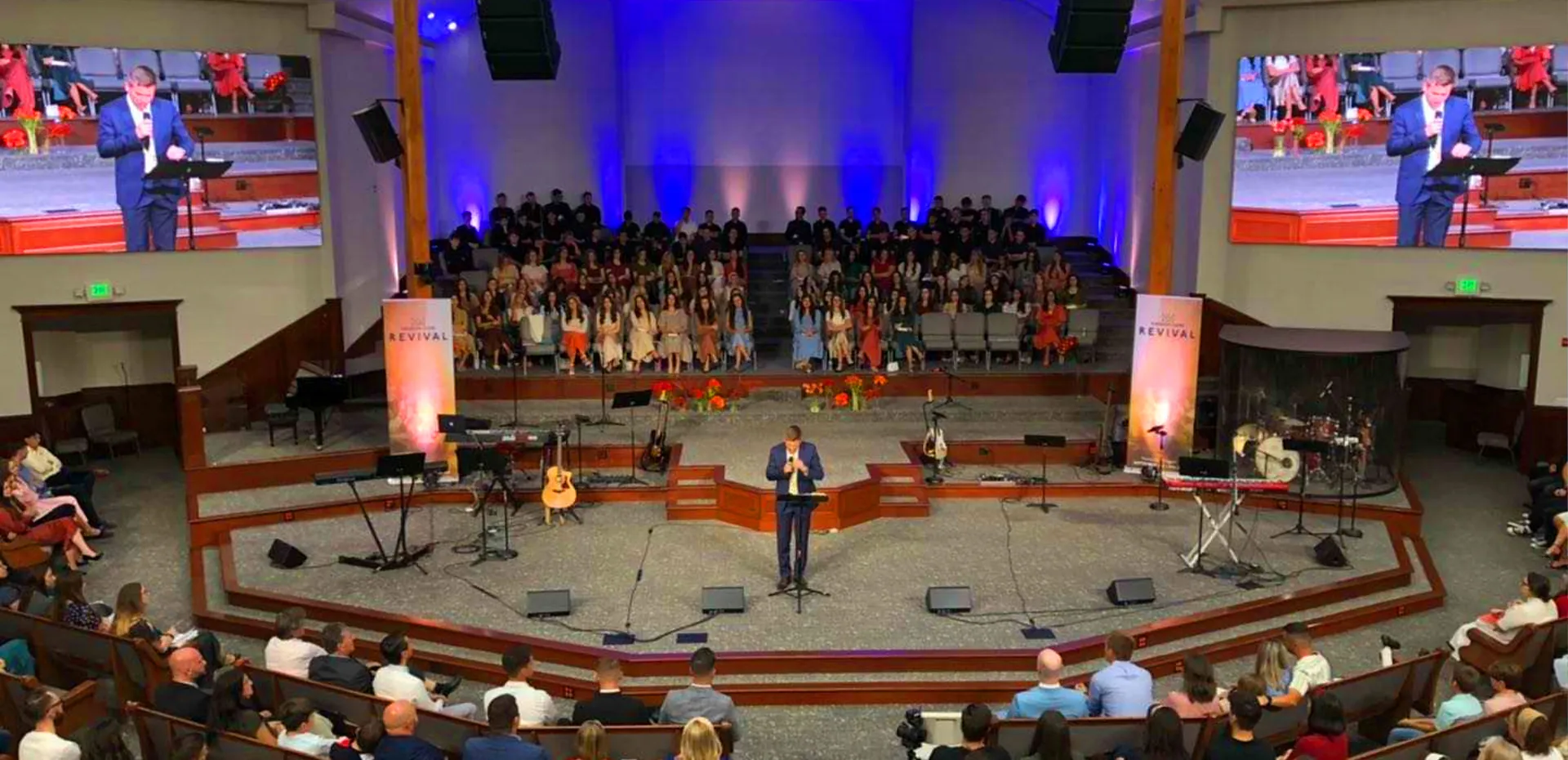
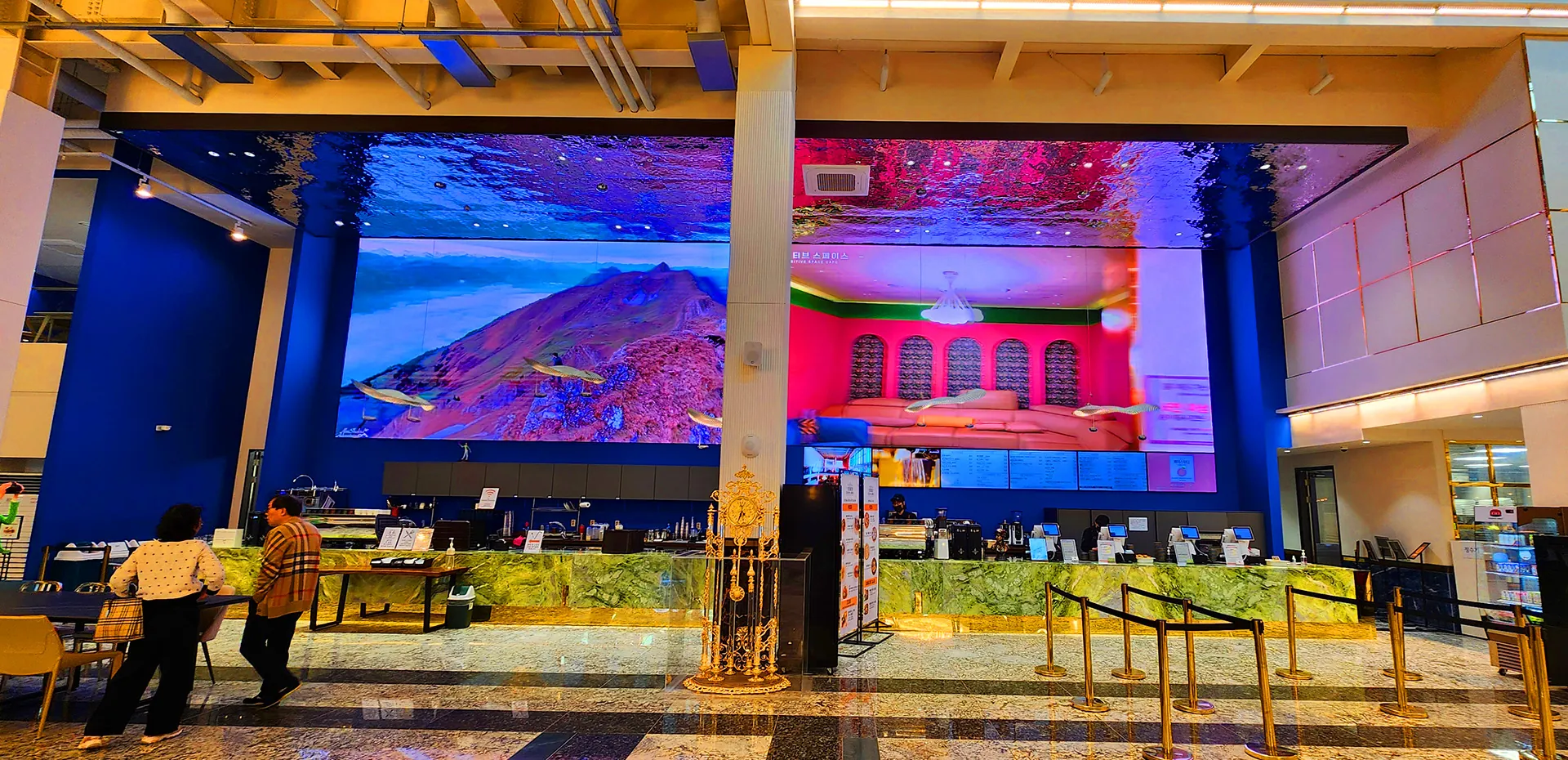







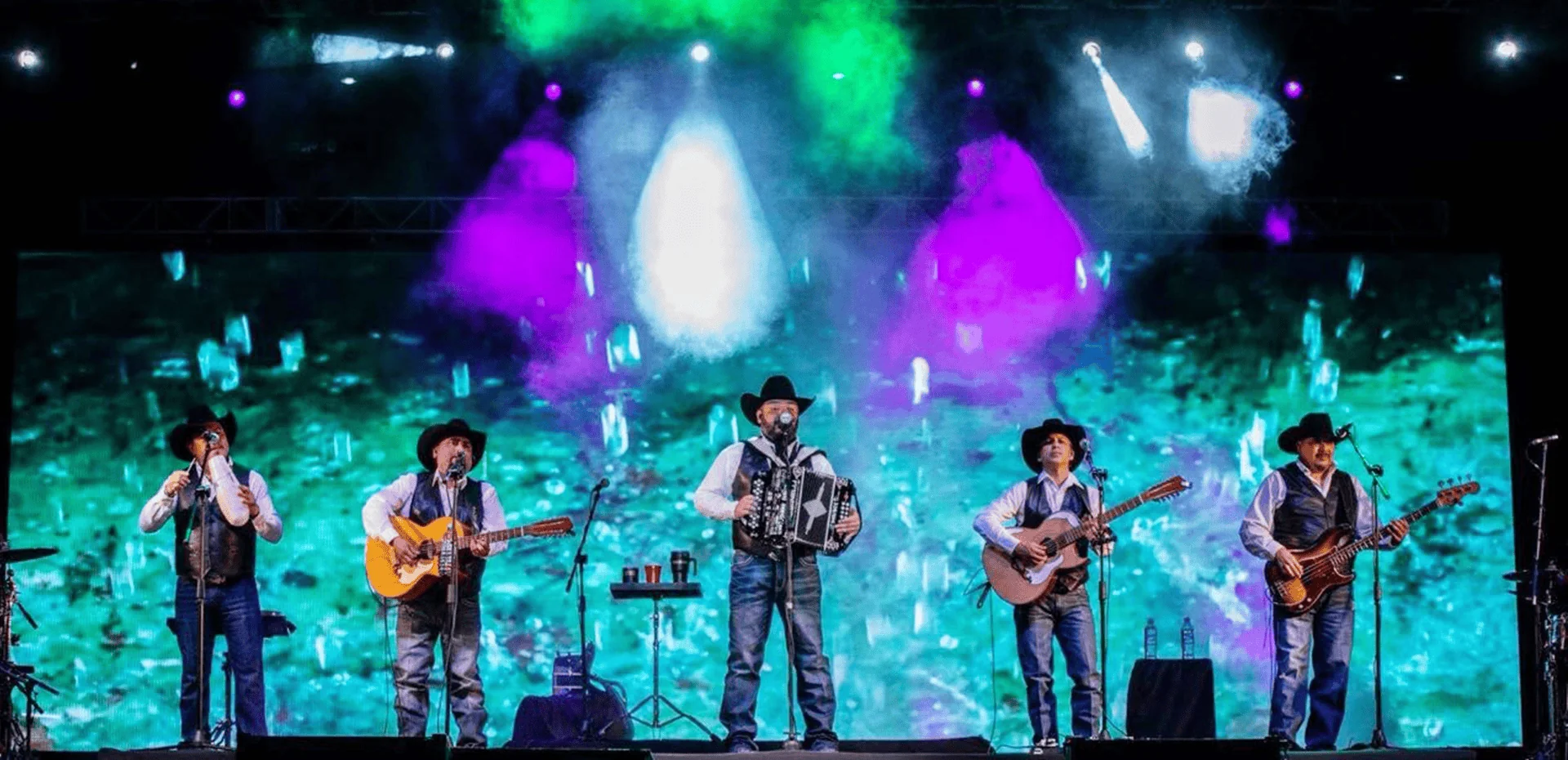
Public infrastructure is becoming increasingly connected, responsive, and information-driven. From transport hubs and public squares to sports facilities and commercial districts, a well-planned LED display can help cities communicate timely information while supporting navigation, public awareness, cultural programming, and digital services. At LEDFUL, we see this transformation as more than adding screens to urban spaces; meaningful integration depends on how technology fits the surrounding infrastructure and the people who use it.

Digital Communication Within Connected Urban Spaces
Smart city infrastructure relies on the movement of information between public systems and the communities they serve. Digital screens can provide a visible communication layer for transit updates, emergency notices, event schedules, public campaigns, and location-specific information. Unlike static signage, connected display networks can update content remotely and respond to changing operational needs.
Placement has a major influence on usefulness. Information displayed at a railway station entrance serves a different purpose from content positioned along a pedestrian street or outside a civic building. Viewing distance, pedestrian flow, ambient light, surrounding architecture, and dwell time all affect how content should be designed and presented. A message that works on a roadside installation may be difficult to read in a crowded transit environment.
Content management also becomes more complex as cities connect multiple locations. Operators may need to coordinate information across different districts while allowing individual sites to display local updates. A centralized platform can simplify scheduling and monitoring, although public communication systems still need clear operating procedures to avoid outdated, conflicting, or poorly timed messages.
Planning A Large LED Display For Public Infrastructure
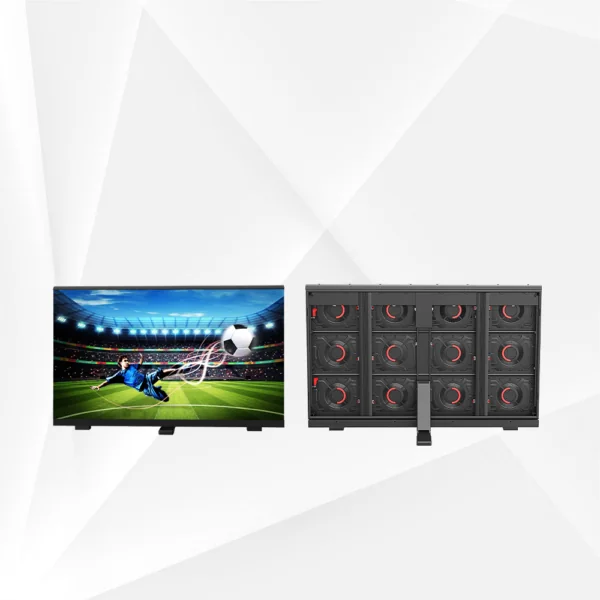
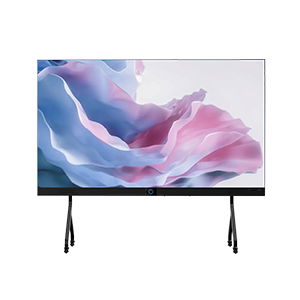
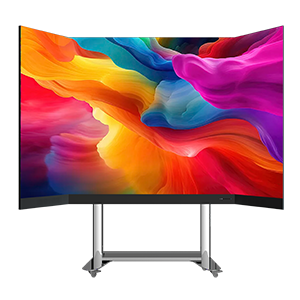
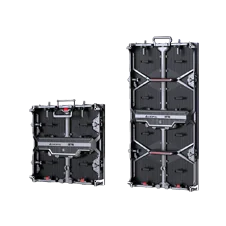
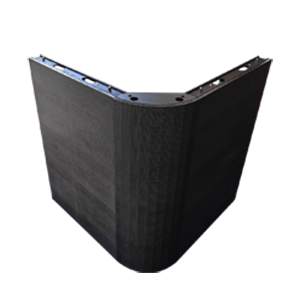
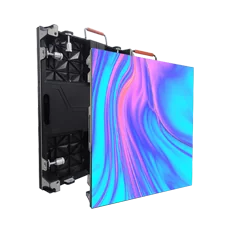
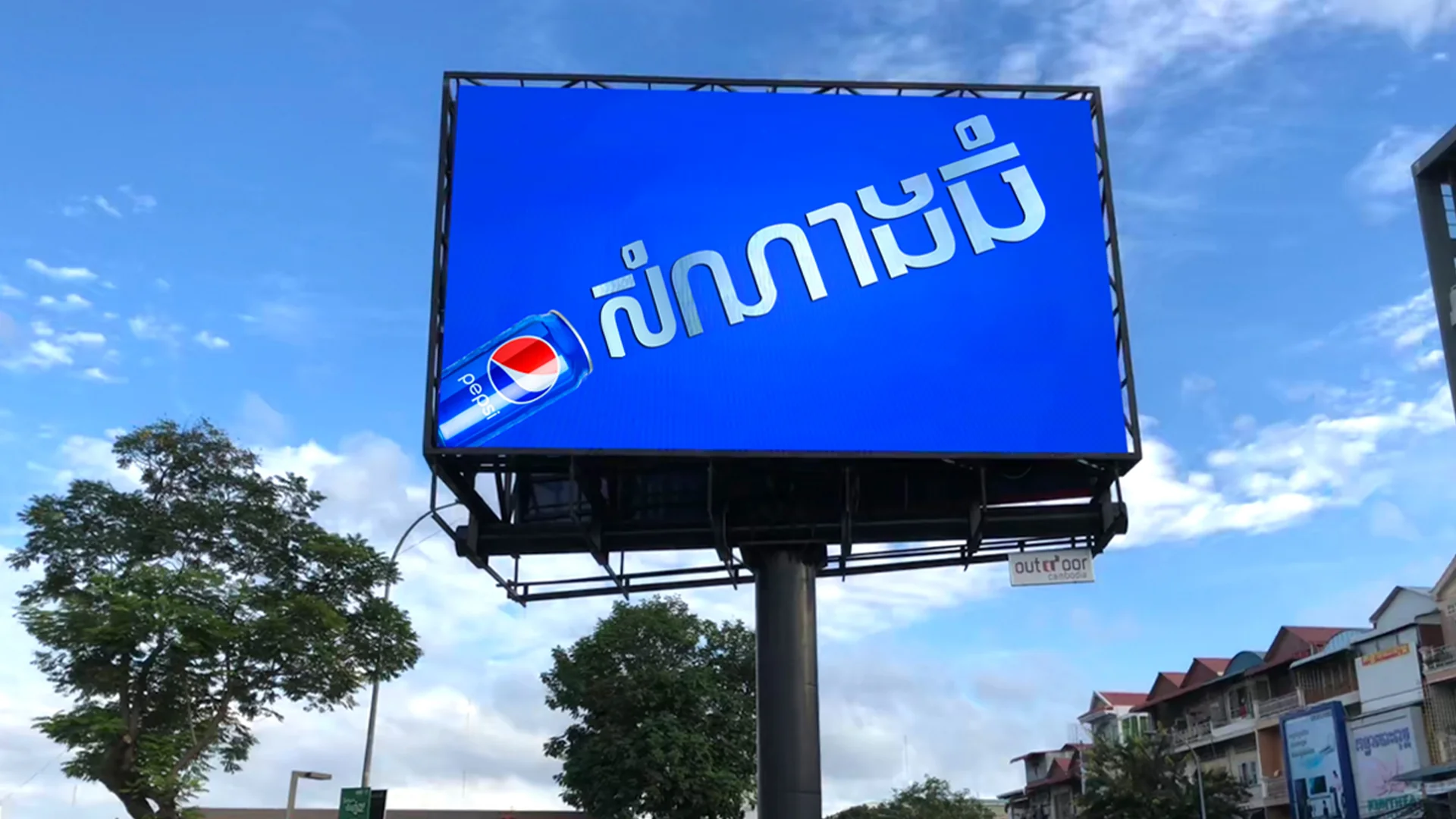
Scale changes the engineering considerations behind a public screen. Screen dimensions influence structural design, cabinet layout, power distribution, heat management, service access, and the viewing experience. A large LED display positioned in an open public area may be visible from several directions and distances, requiring planners to consider how image detail and text readability change as viewers move through the space.
Brightness should reflect the actual installation environment rather than a preference for the highest available output. Outdoor locations exposed to direct sunlight often require different performance characteristics from covered transportation areas or shaded urban plazas. Local regulations may also affect operating brightness, particularly near residential buildings or roadways where excessive illumination can create unwanted visual impact. For related technical information, see our guide to cd/m² vs nits.
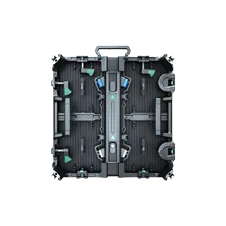
Durability is another practical concern. Outdoor public infrastructure can expose equipment to rain, dust, temperature changes, and long operating hours. Cabinet construction, ingress protection, electrical design, and maintenance access should be evaluated as part of the installation plan. These factors influence not only day-to-day performance but also how efficiently technicians can inspect and service the system.
Integrating Screens With Urban Data And Services
Connected infrastructure can give public displays access to changing information from approved data sources. Transport systems may provide arrival updates, municipal departments can publish service notices, and event organizers may schedule content for specific locations. The value of integration depends on the relevance and reliability of the information being displayed.
Data connections should also be designed with operational boundaries in mind. Public-facing systems may involve multiple departments, contractors, and technology providers, so access permissions and content approval processes need clear definition. Separating display management from unrelated city systems can reduce unnecessary complexity while supporting more focused operational control.
Visual design remains important even when information is technically available. Dense paragraphs and rapidly changing content can overwhelm people who are walking through a busy environment. Short messages, readable typography, suitable contrast, and enough display time can make public information easier to absorb. The purpose of an LED display is not simply to show more data, but to present useful information in a form people can understand quickly.
Learning From Large-Scale Public Display Applications
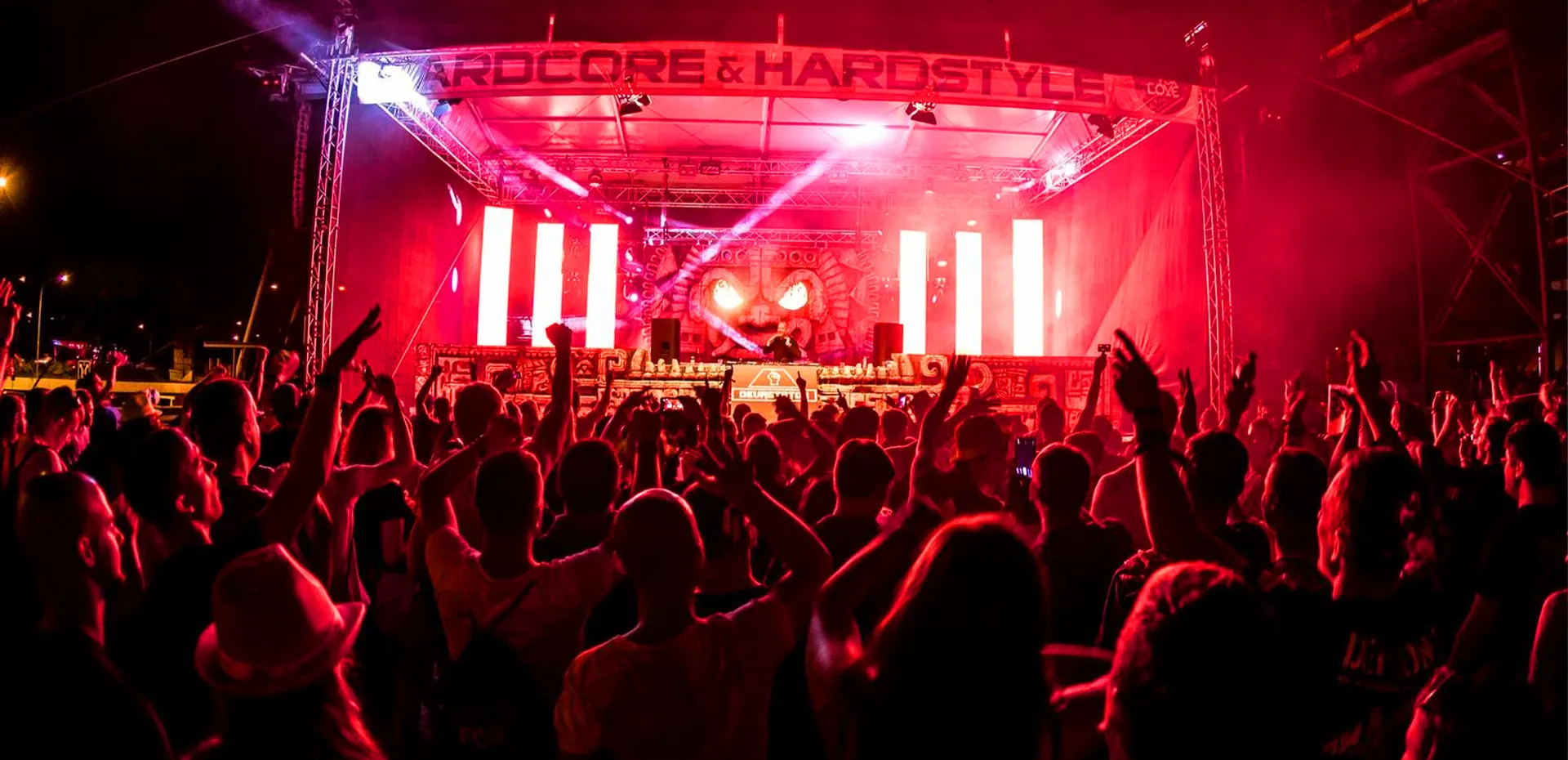
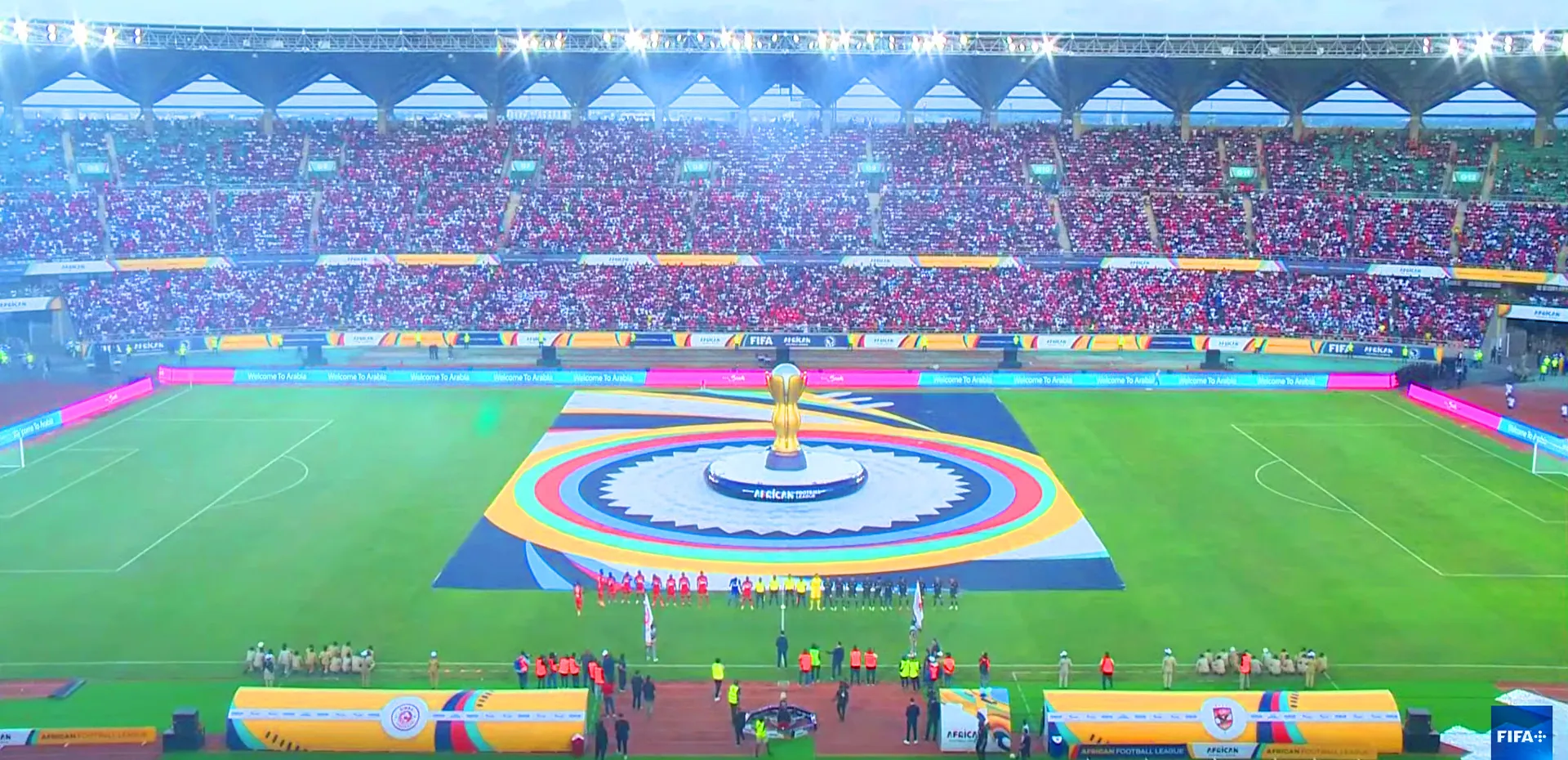
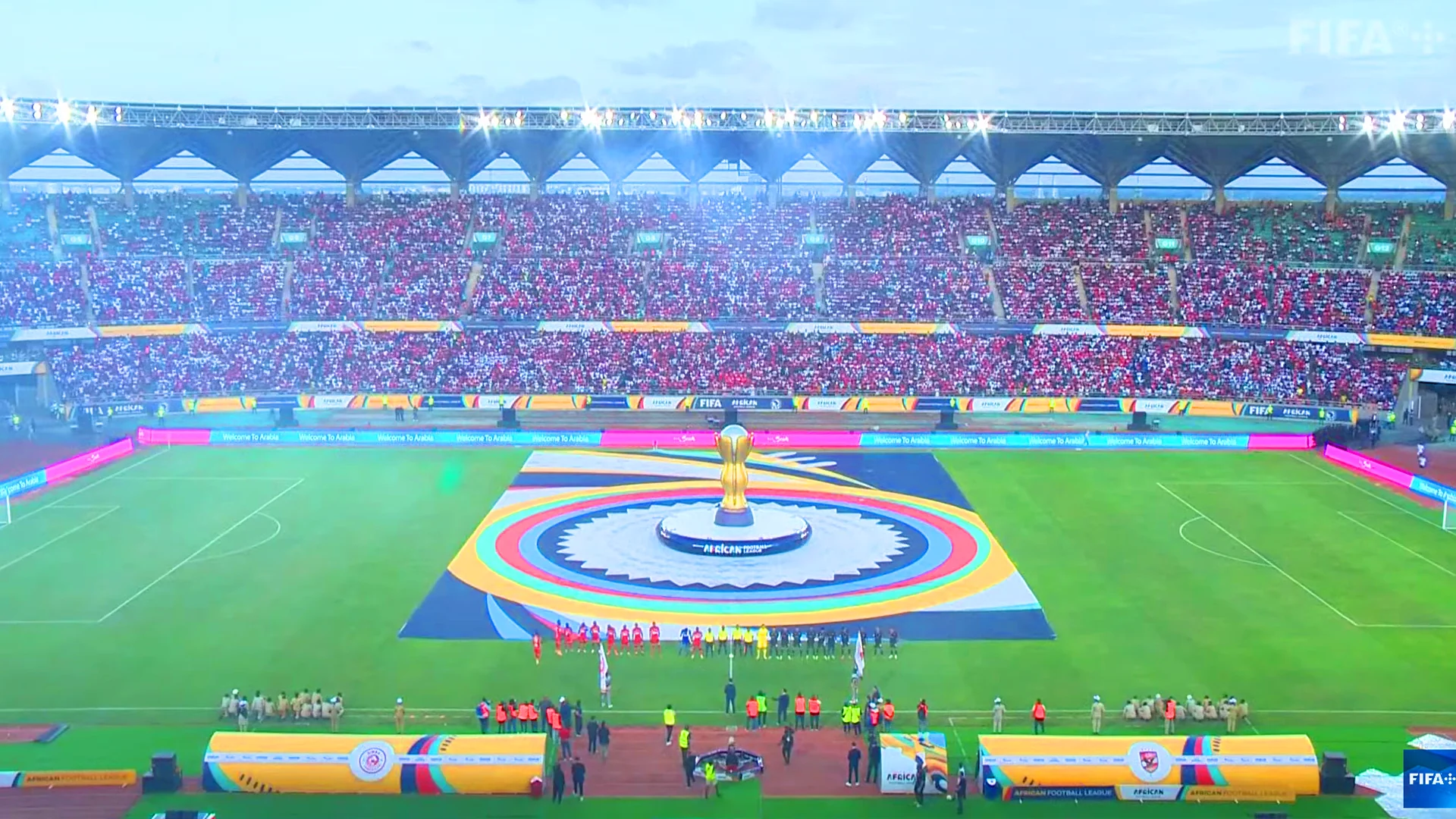
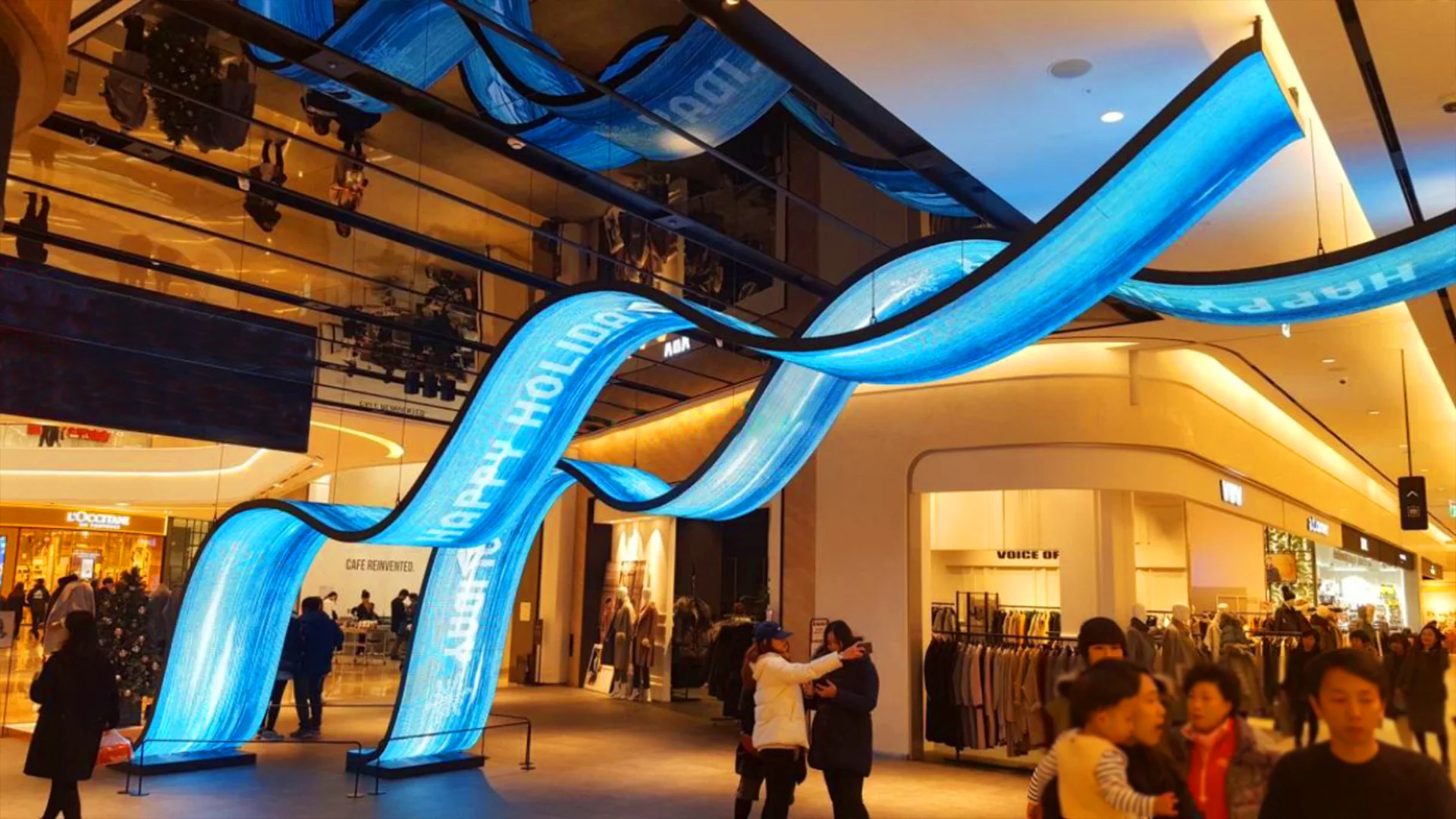
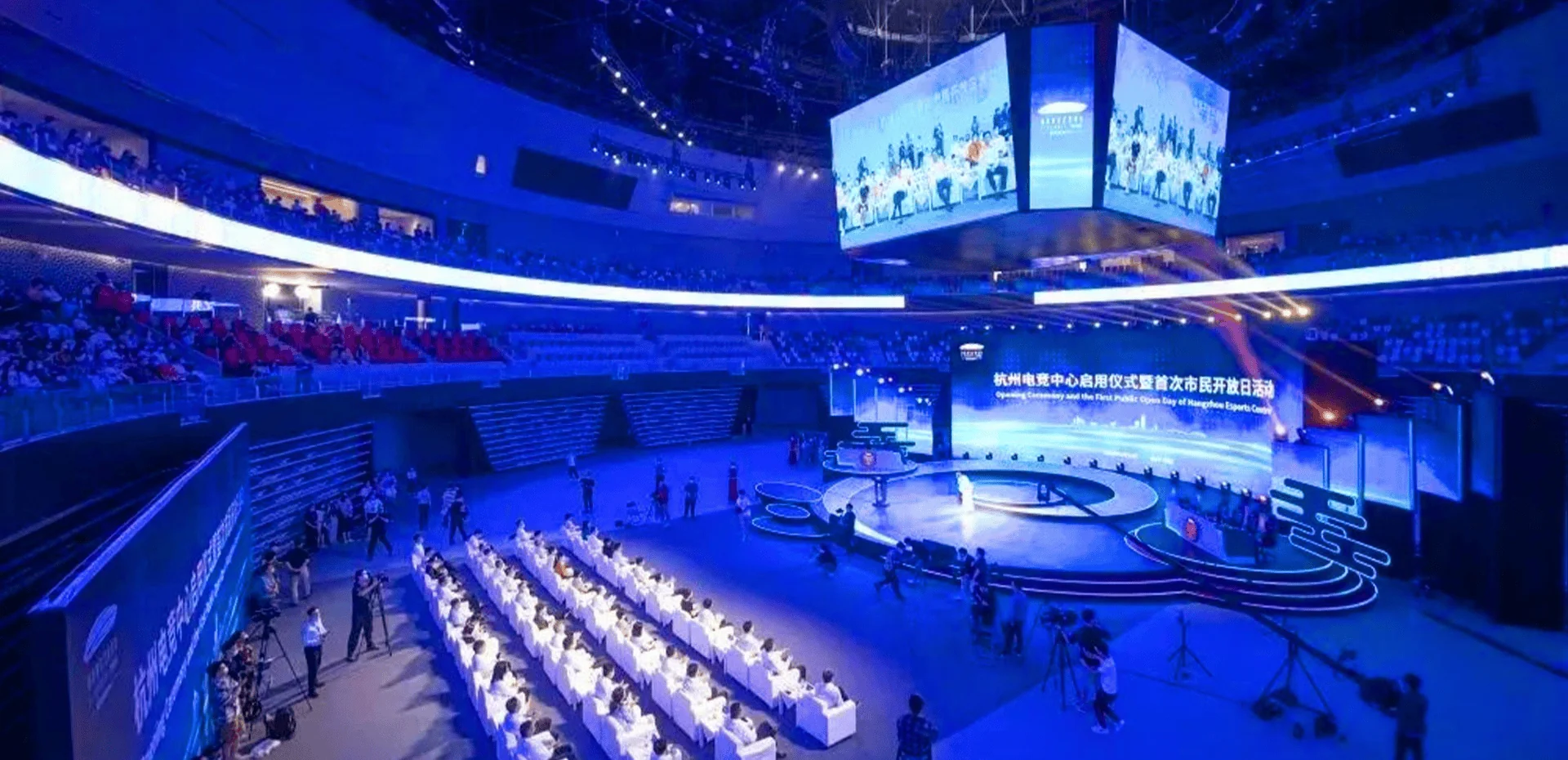
Major venues demonstrate how screen systems can become part of the visitor experience rather than functioning as isolated equipment. Sports facilities, event spaces, commercial complexes, and large gathering venues often combine real-time information with entertainment, branding, and wayfinding. Public infrastructure projects can draw useful lessons from these environments, particularly in content coordination and system maintenance.
One relevant consideration is redundancy. Large installations may contain numerous cabinets and interconnected control components, so system planning can account for how individual failures affect the overall image. Service procedures, spare components, and accessible maintenance areas can help operators respond more efficiently when technical issues occur.
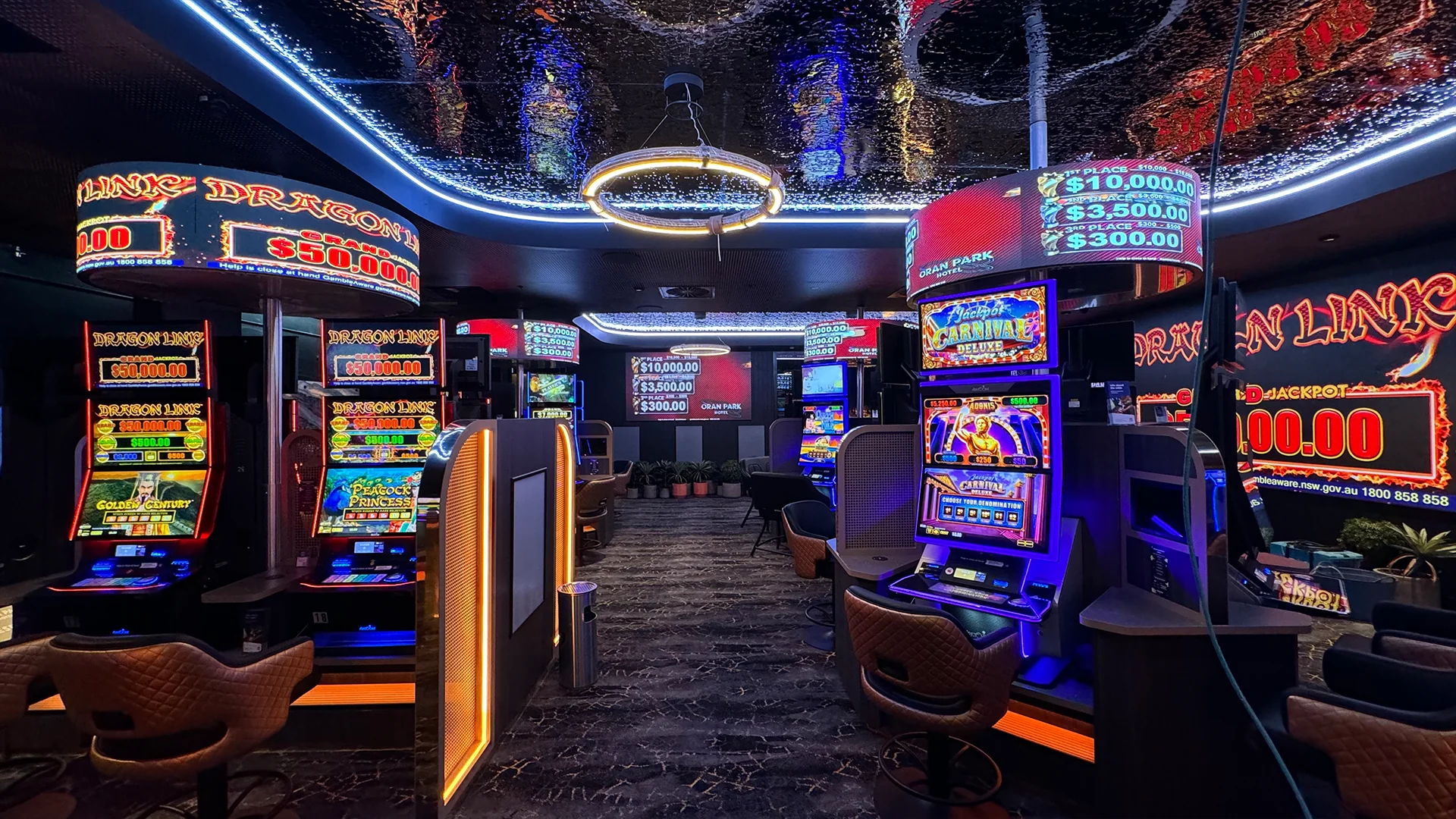
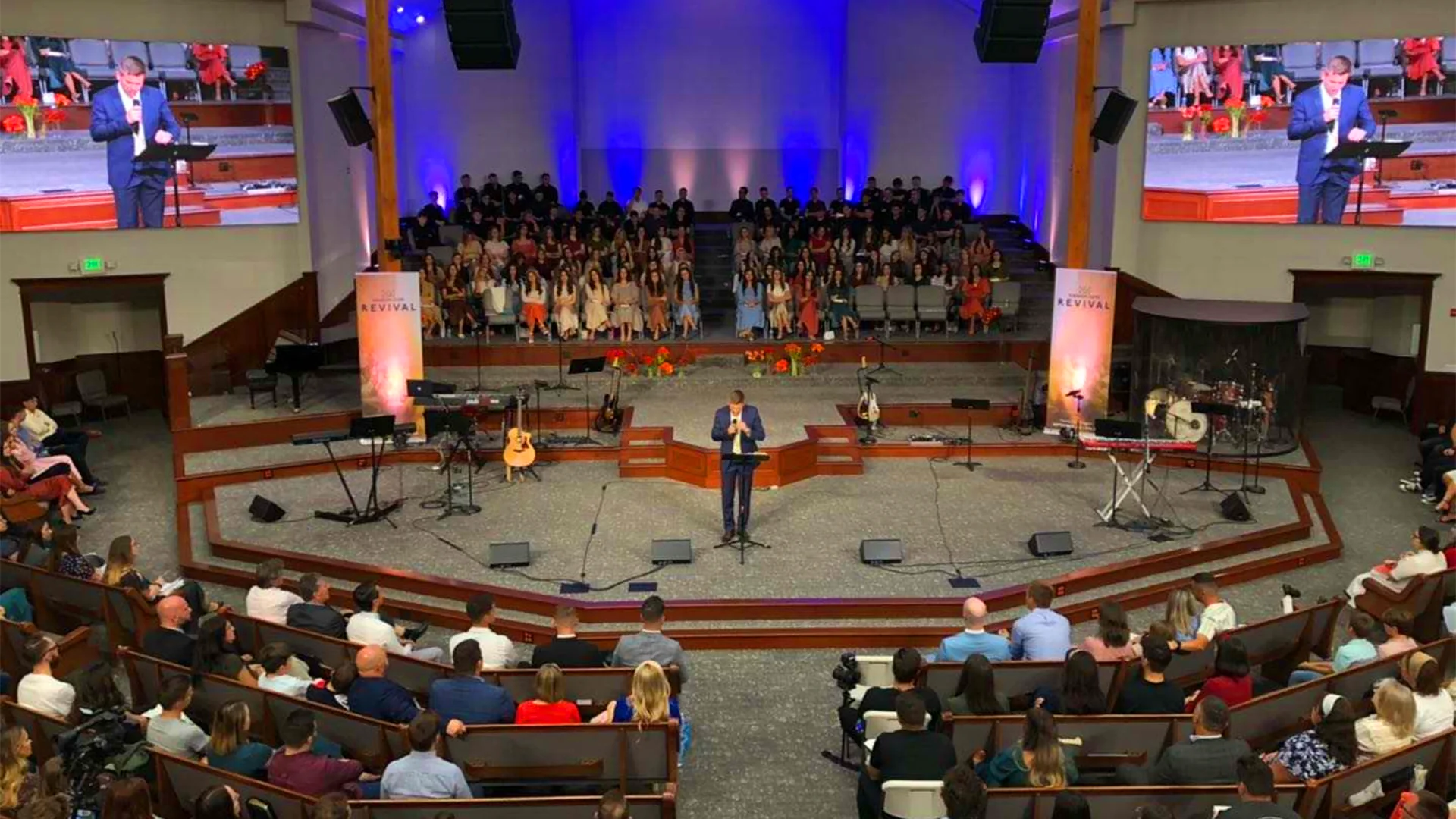
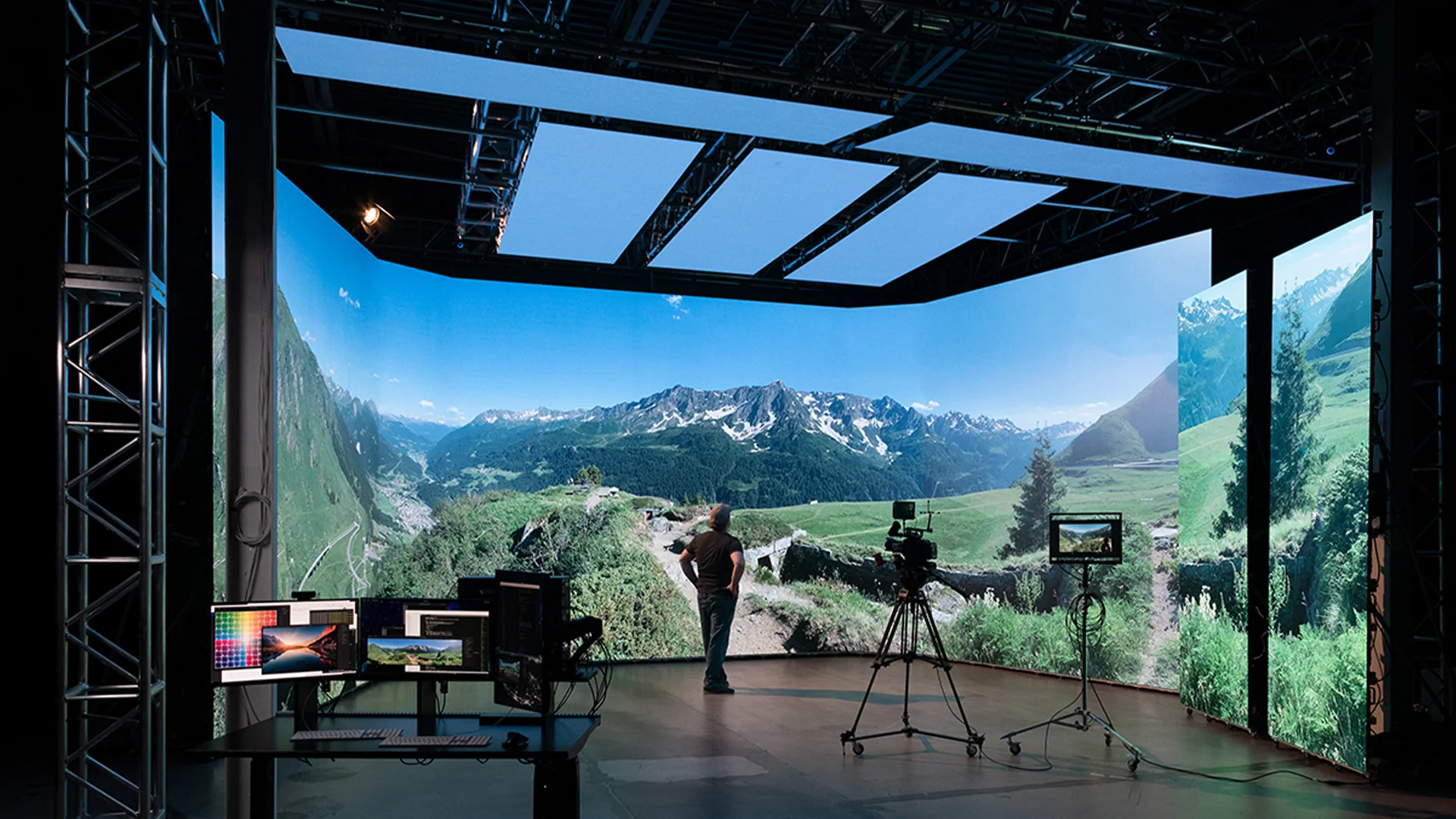
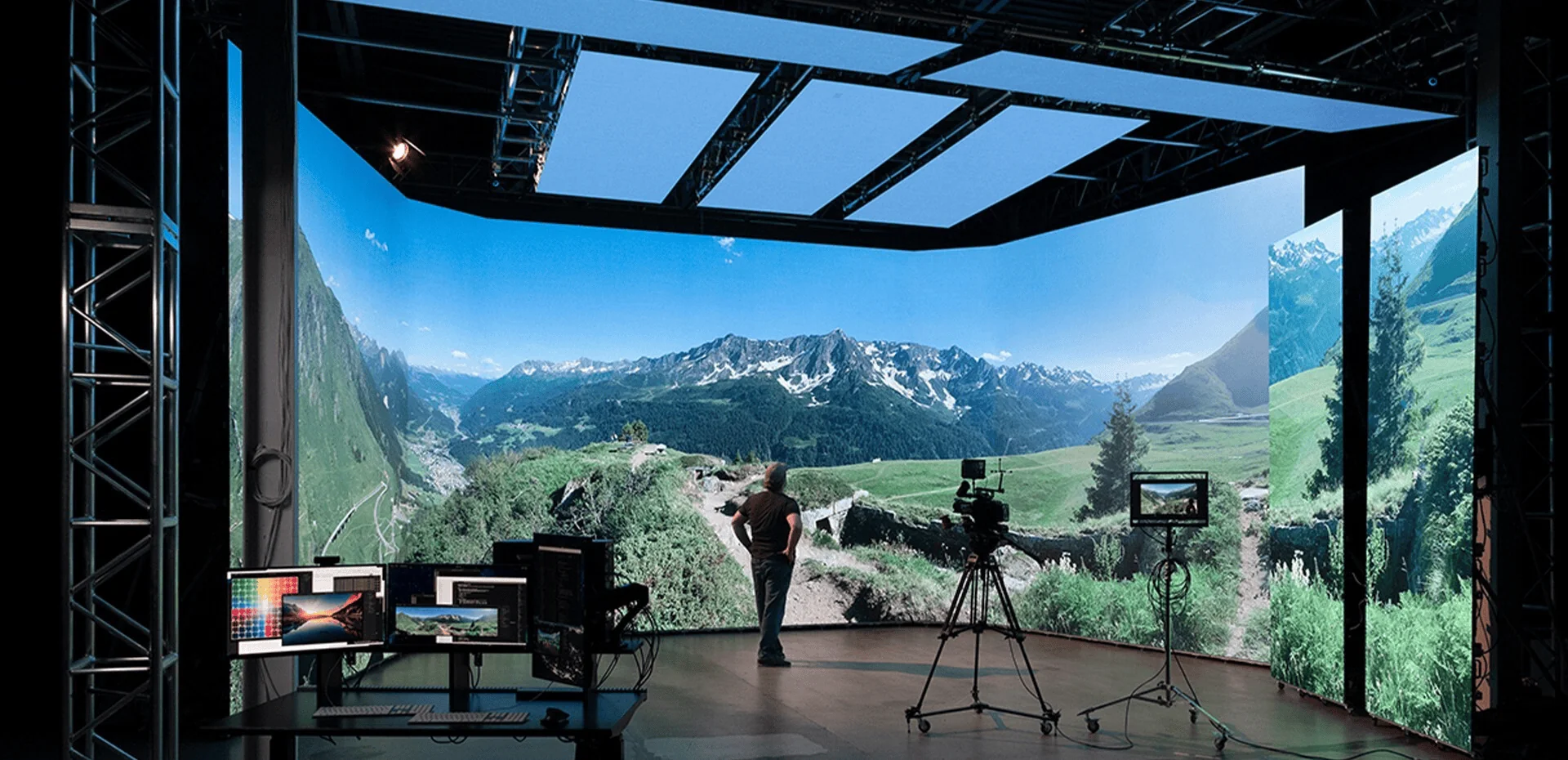
LEDFUL has participated in more than 11,000 projects across 116 countries, according to our company information, with applications covering events, commercial spaces, sports, churches, studios, and creative installations. Our project experience has included large-scale display environments, which provides practical insight into the different technical and operational demands that can arise across public-facing locations.
Conclusion
Cities are adding digital tools to public environments because communication needs continue to change alongside transportation, events, commerce, and community services. The most useful screen installations begin with the needs of the location, then connect display technology with appropriate content, engineering, maintenance, and operational planning. At LEDFUL, we believe public-facing digital infrastructure works best when technical capability supports a clear purpose, allowing information to remain visible, adaptable, and relevant as urban spaces evolve.