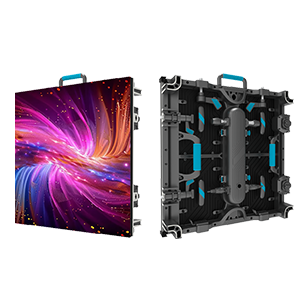
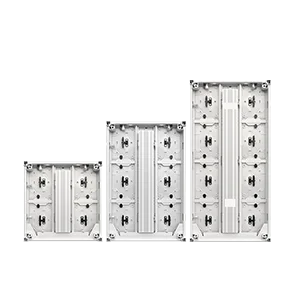
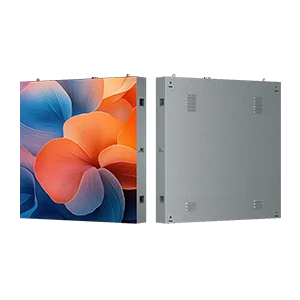
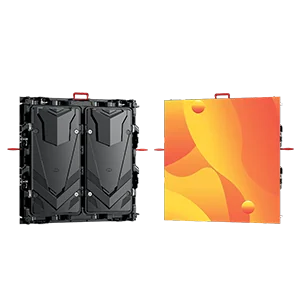
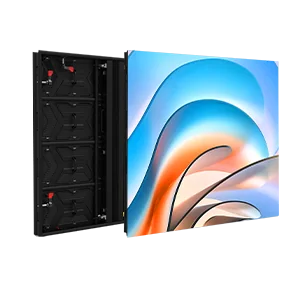
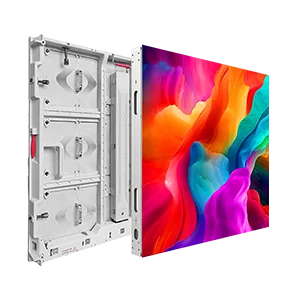
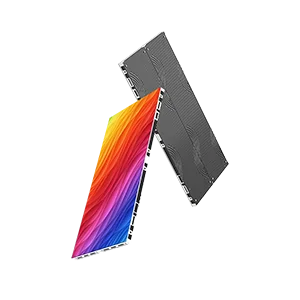
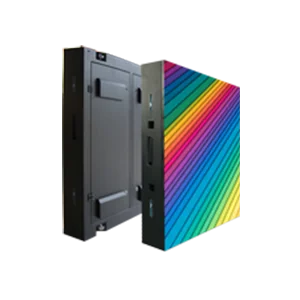
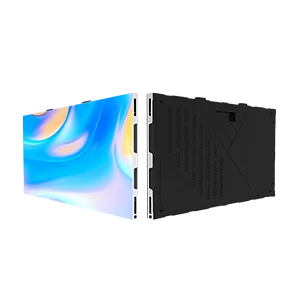
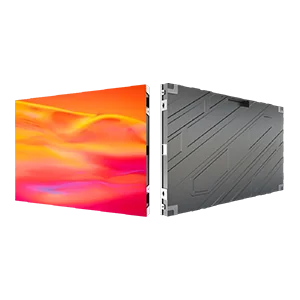
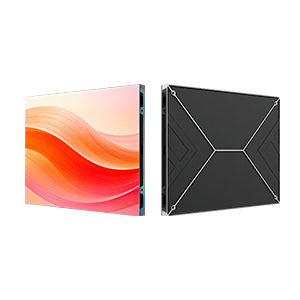
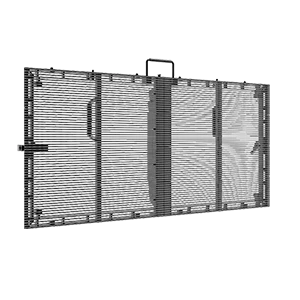
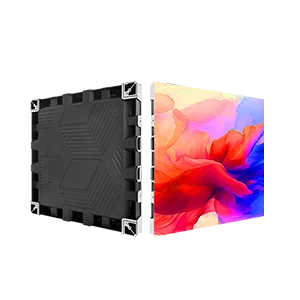
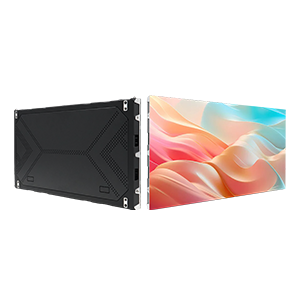
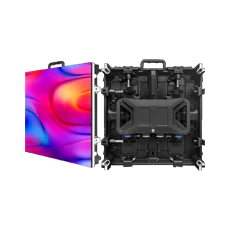
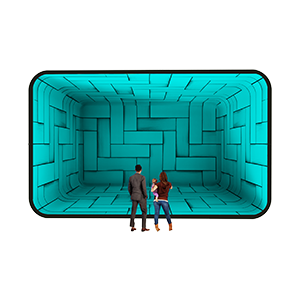
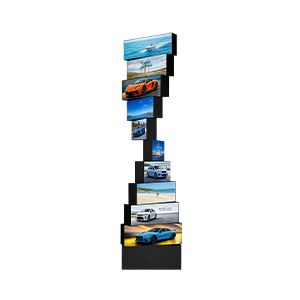
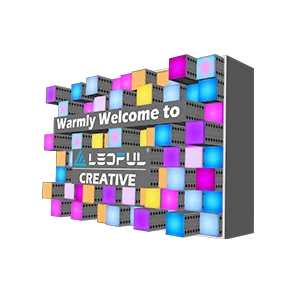
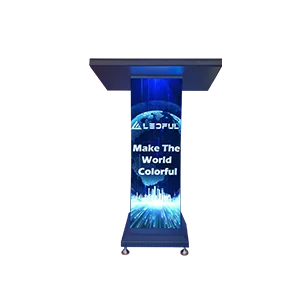
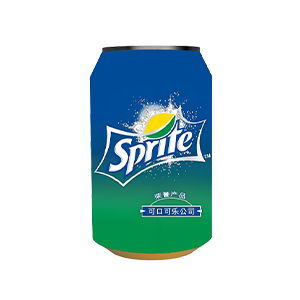
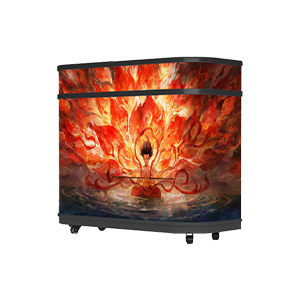
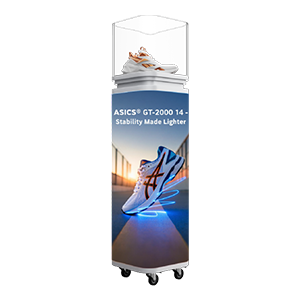
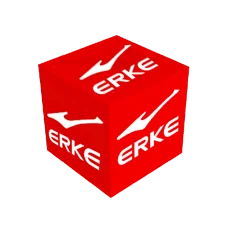
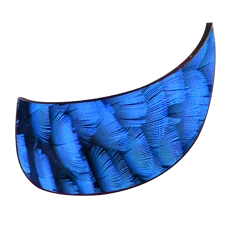
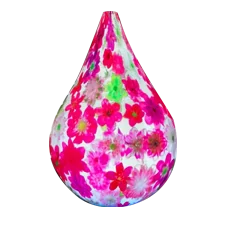
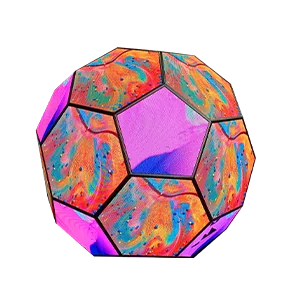
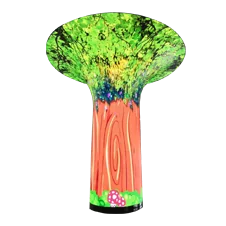
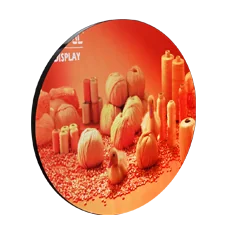
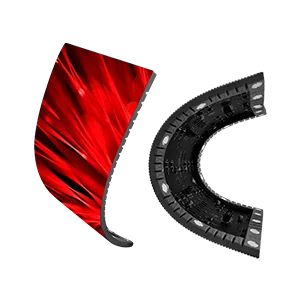
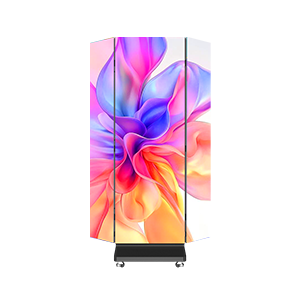
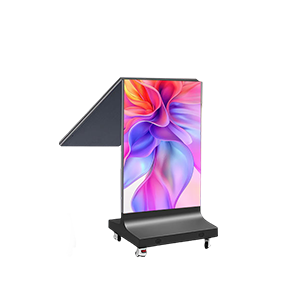
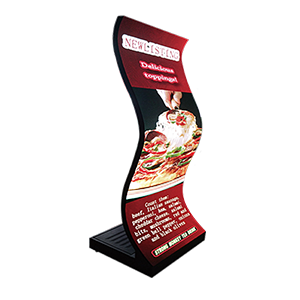
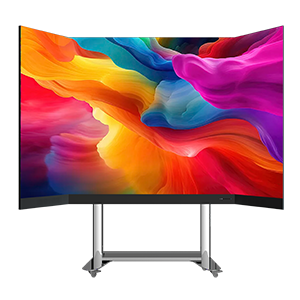
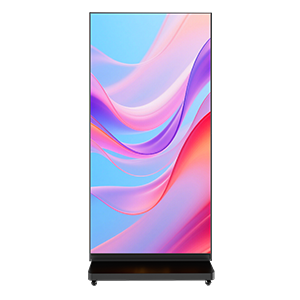
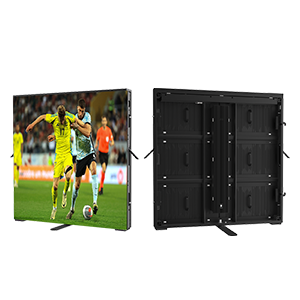
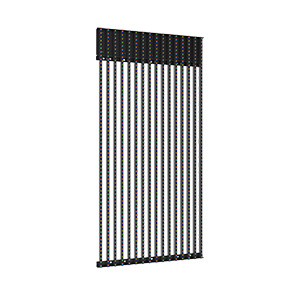
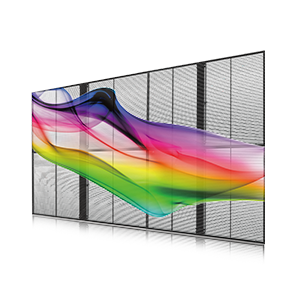
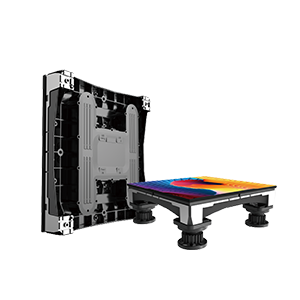
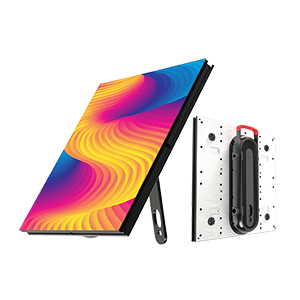
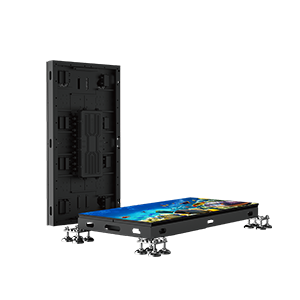
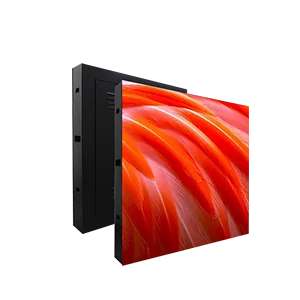
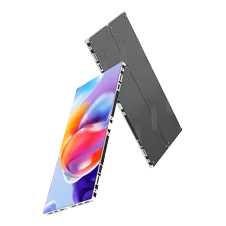
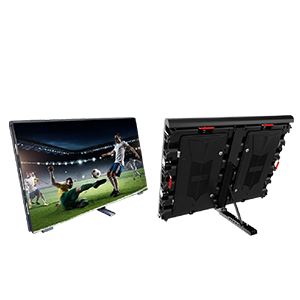
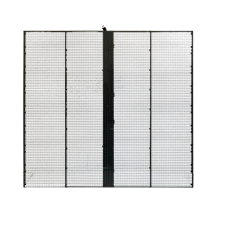
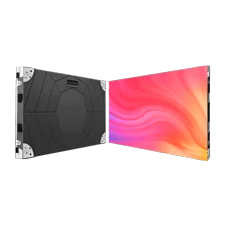
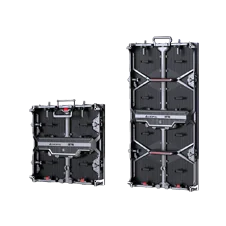
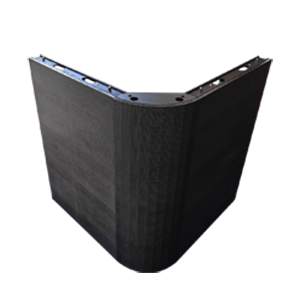
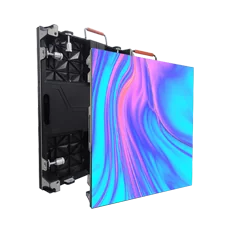
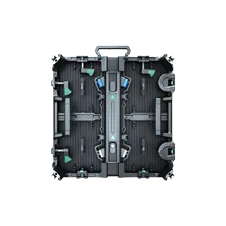
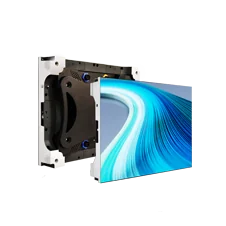
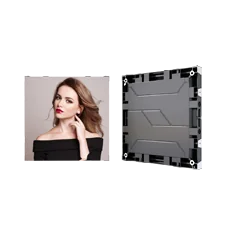
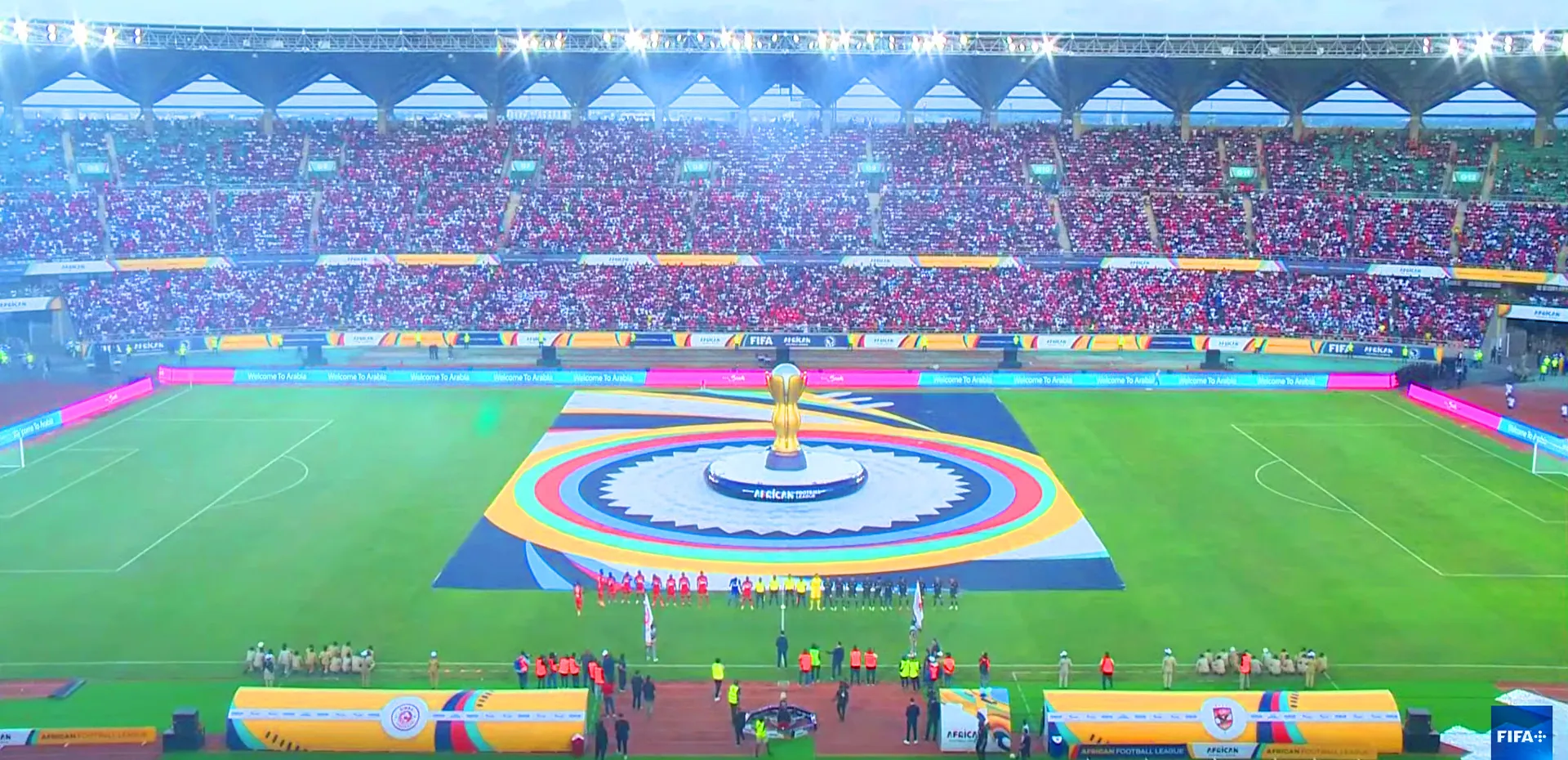
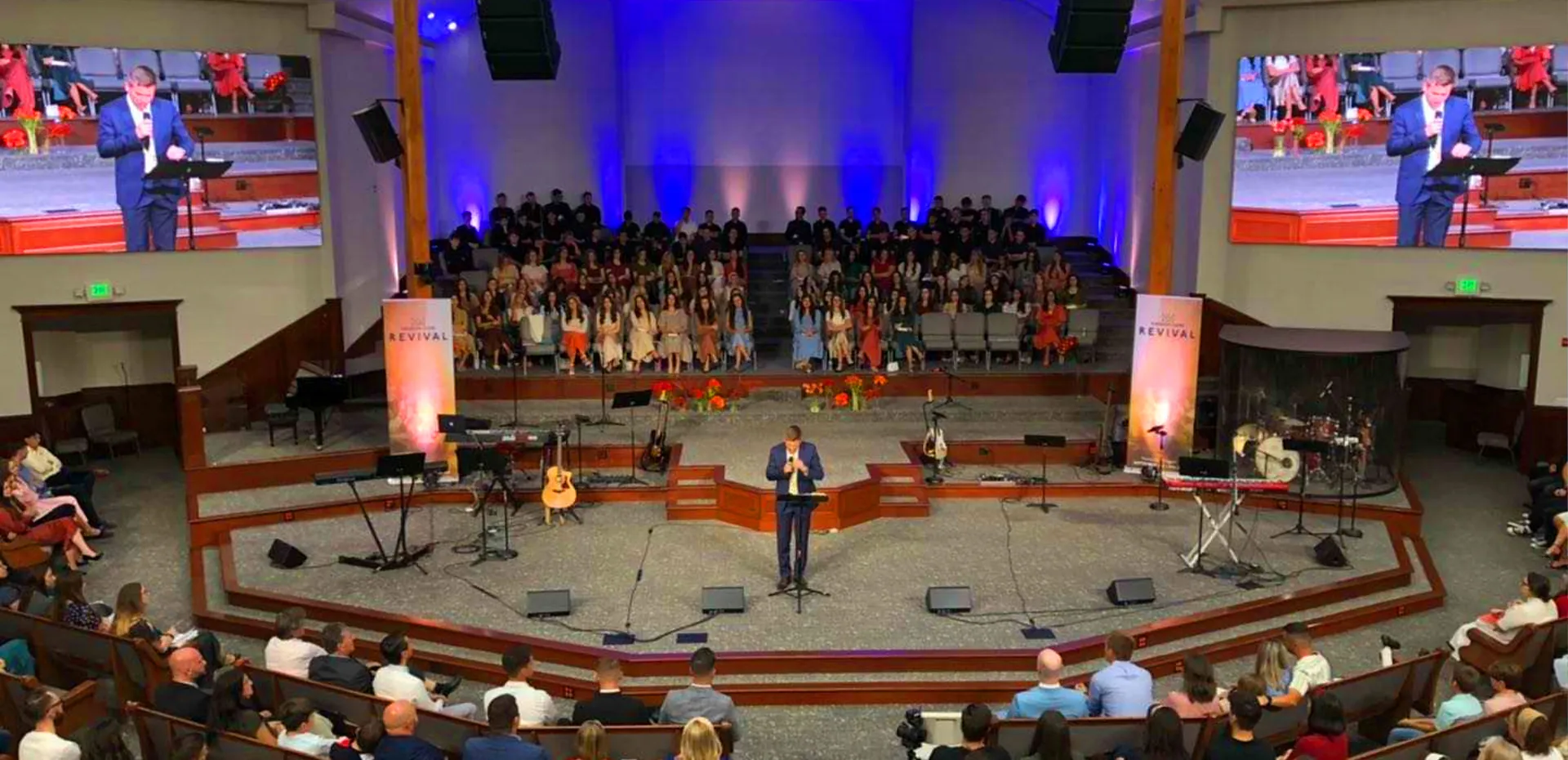
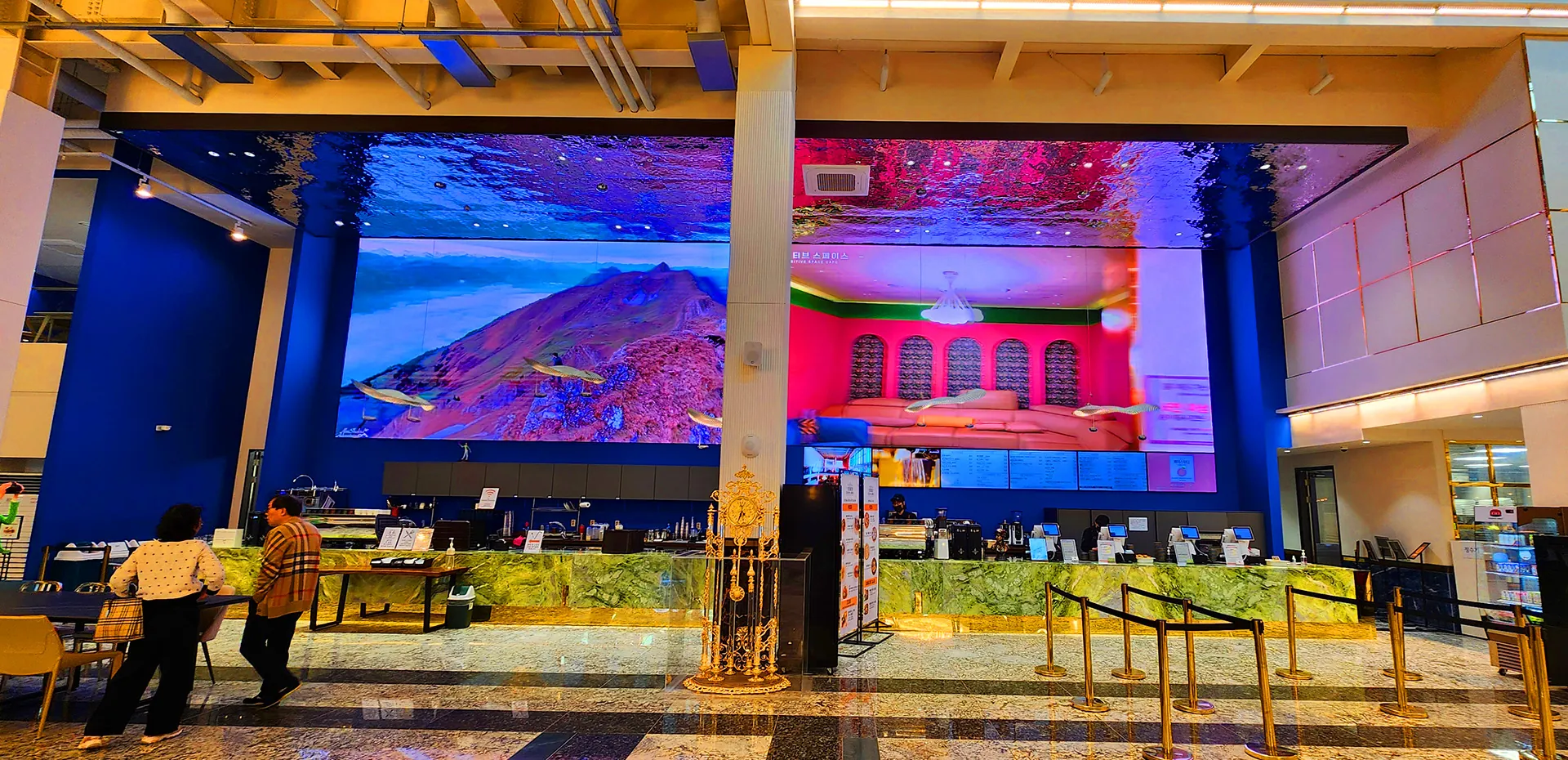
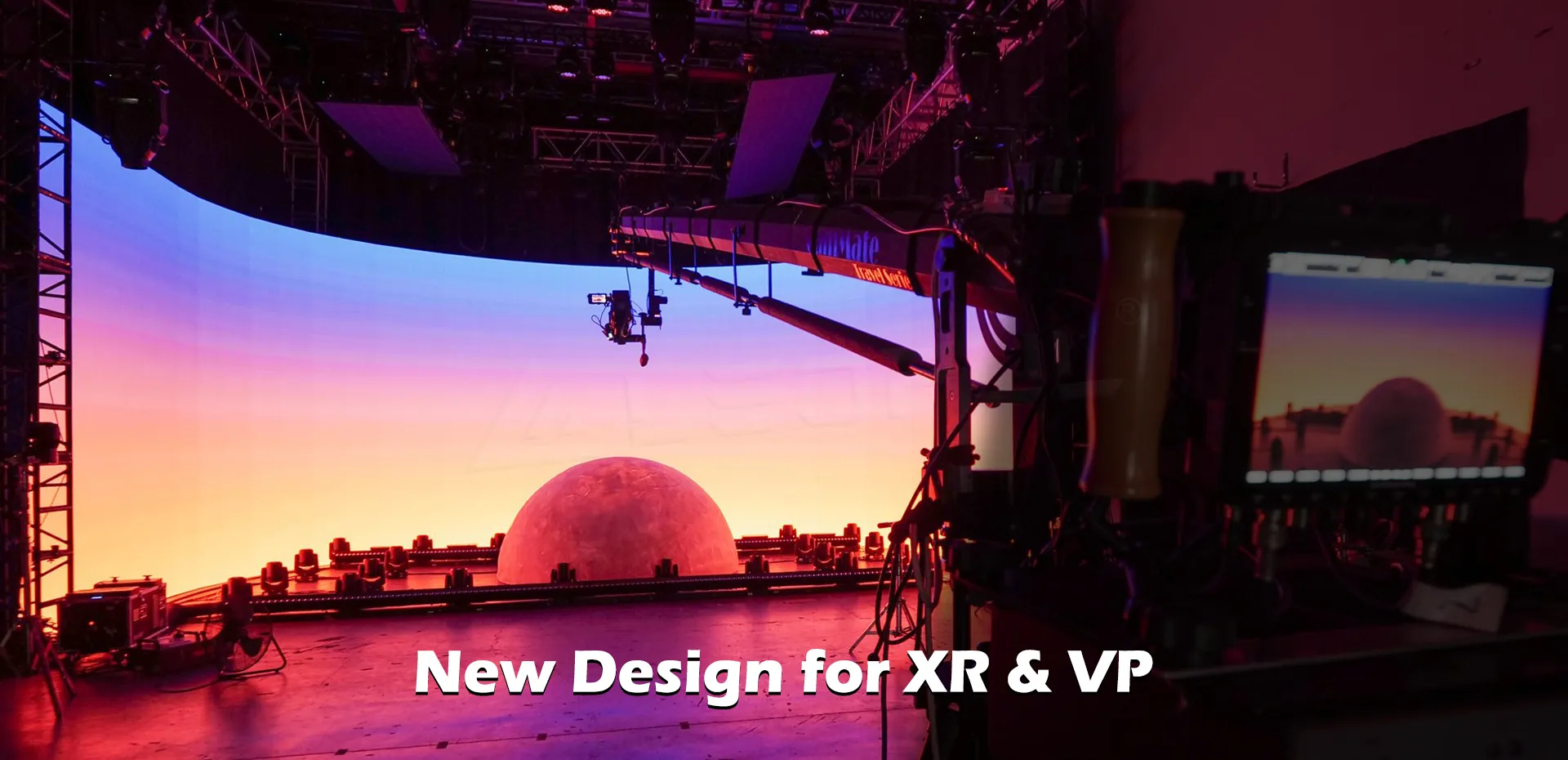





A flexible LED display is an LED screen built to bend, curve, or adapt to different shapes without damaging the display structure. Unlike traditional flat LED panels, it can follow columns, arcs, waves, and irregular surfaces. This matters because modern visual communication is no longer limited to flat walls. Brands, venues, and public spaces need displays that fit architecture, attract attention, and create memorable visual experiences.
What Is a Flexible LED Display? How Does It Work?
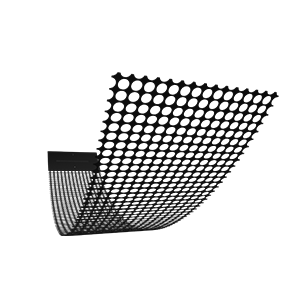
A flexible LED display works like a standard LED screen in terms of image output. It uses many small LED pixels to display text, images, video, and motion graphics. The key difference is the structure behind the display.
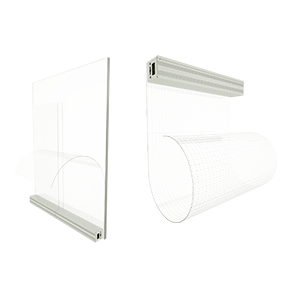
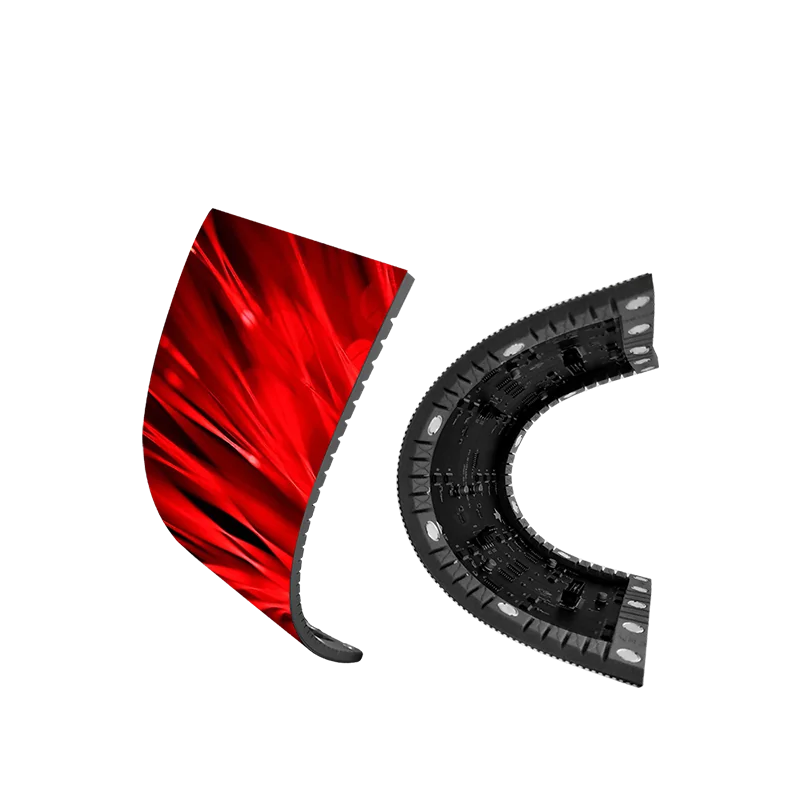
Instead of using a rigid cabinet or hard PCB as the main base, flexible LED screens use softer module materials and a flexible circuit design. This allows the screen to curve inward, curve outward, or wrap around shaped structures while still keeping the LED pixels aligned for stable image output.
A typical flexible LED module includes:
- Flexible circuit board: This supports signal transmission while allowing the module to bend.
- LED lamp beads or chips: These create the visible image through red, green, and blue light.
- Soft module base: Materials such as silicone rubber help the module stay flexible and lightweight.
- Driver ICs and control system: These control brightness, color, grayscale, and video playback.
- Magnetic installation structure: Many flexible LED modules use magnets, making installation and maintenance easier on custom metal frames.
The flexibility comes from material and structural design. It does not mean the screen must sacrifice performance. A well-designed flexible LED display can still provide clear images, smooth playback, and reliable operation when used in the right indoor or outdoor environment.
One example is the LEDFUL FLEX Series. It offers indoor pixel pitch options from P1.25 to P4 and outdoor options such as P3 and P4. The series uses a silicone rubber soft bracket, supports customized frames, and allows modules to attach through magnets. Outdoor FLEX models also include an IP65 waterproof design and safety features for more demanding installations.
Key Features of Flexible LED Displays
1 Bendable Design
The most important feature of a flexible LED display is its bendable design. This allows the screen to move beyond the standard flat rectangle and become part of the physical space.
Flexible LED screens can be used to create many shapes, including:
- Cylindrical screens: Ideal for wrapping around columns in shopping malls, airports, hotels, and transport hubs.
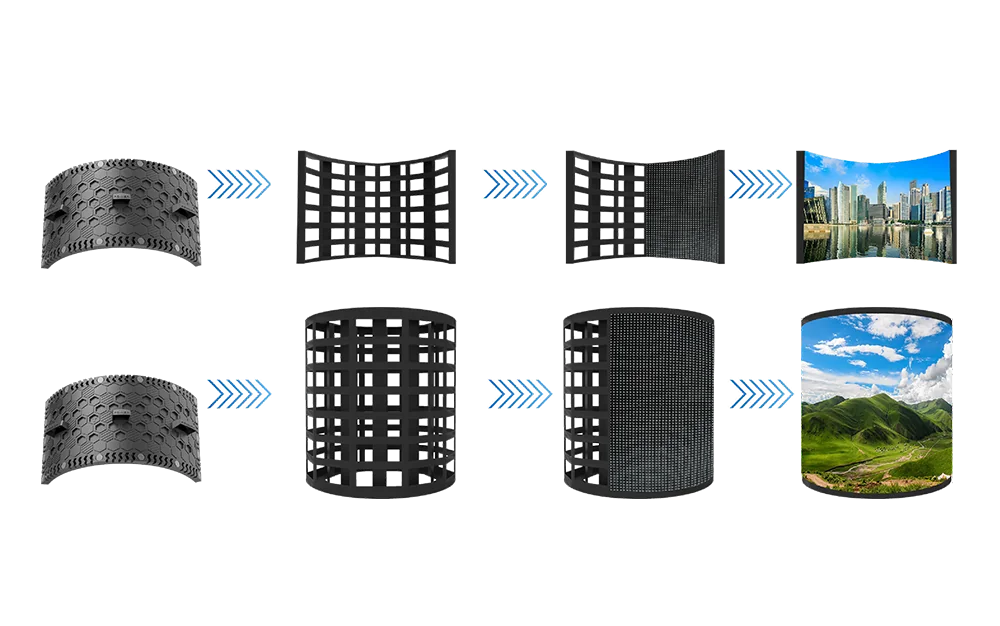
- Curved or arc screens: Suitable for concave and convex walls, studios, showrooms, and immersive stages.
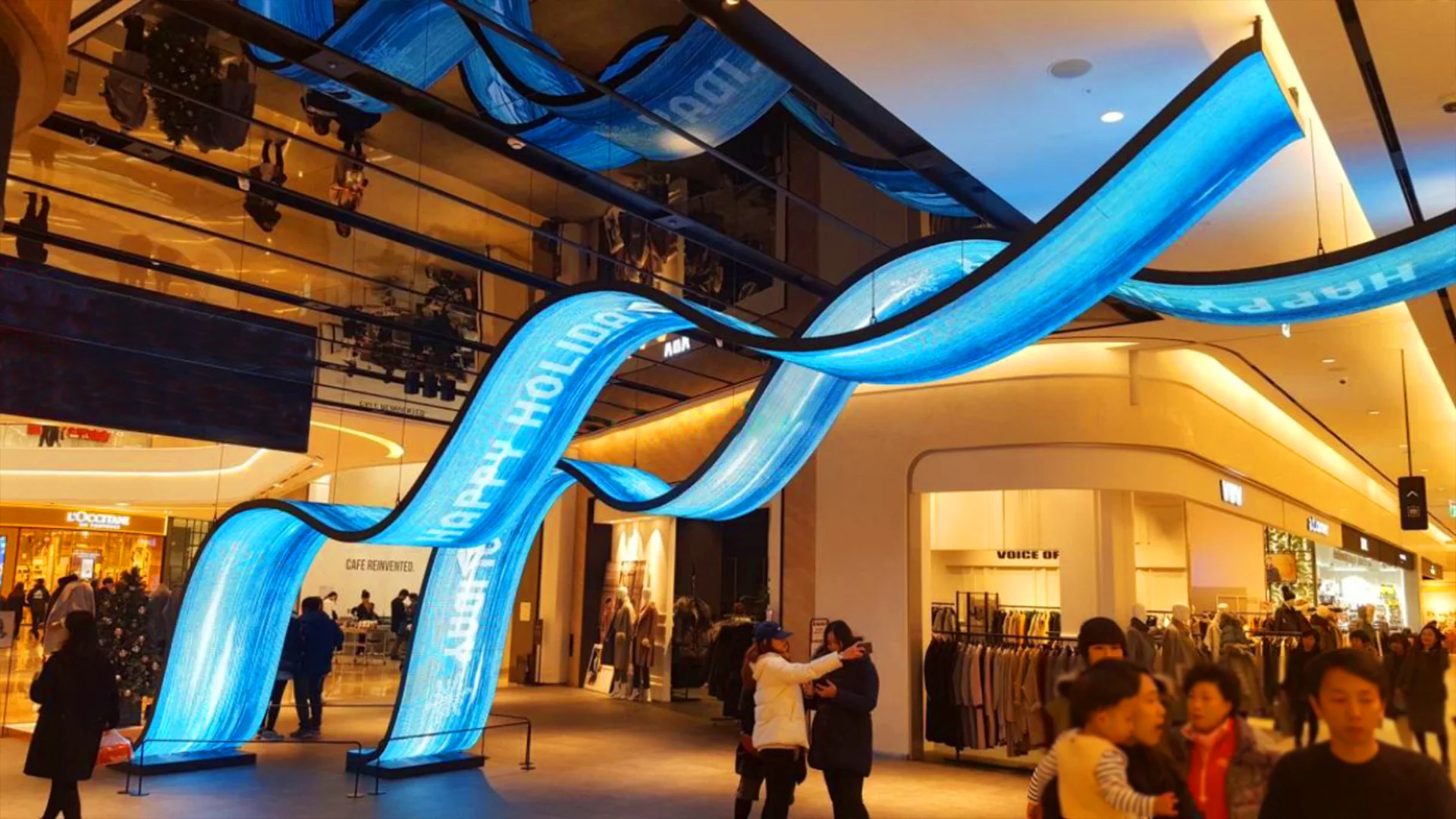
- Wave-shaped screens: Useful for retail feature walls, stage backdrops, and artistic ceiling installations.
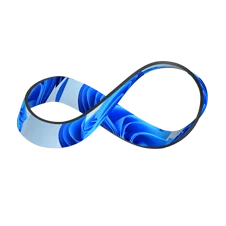
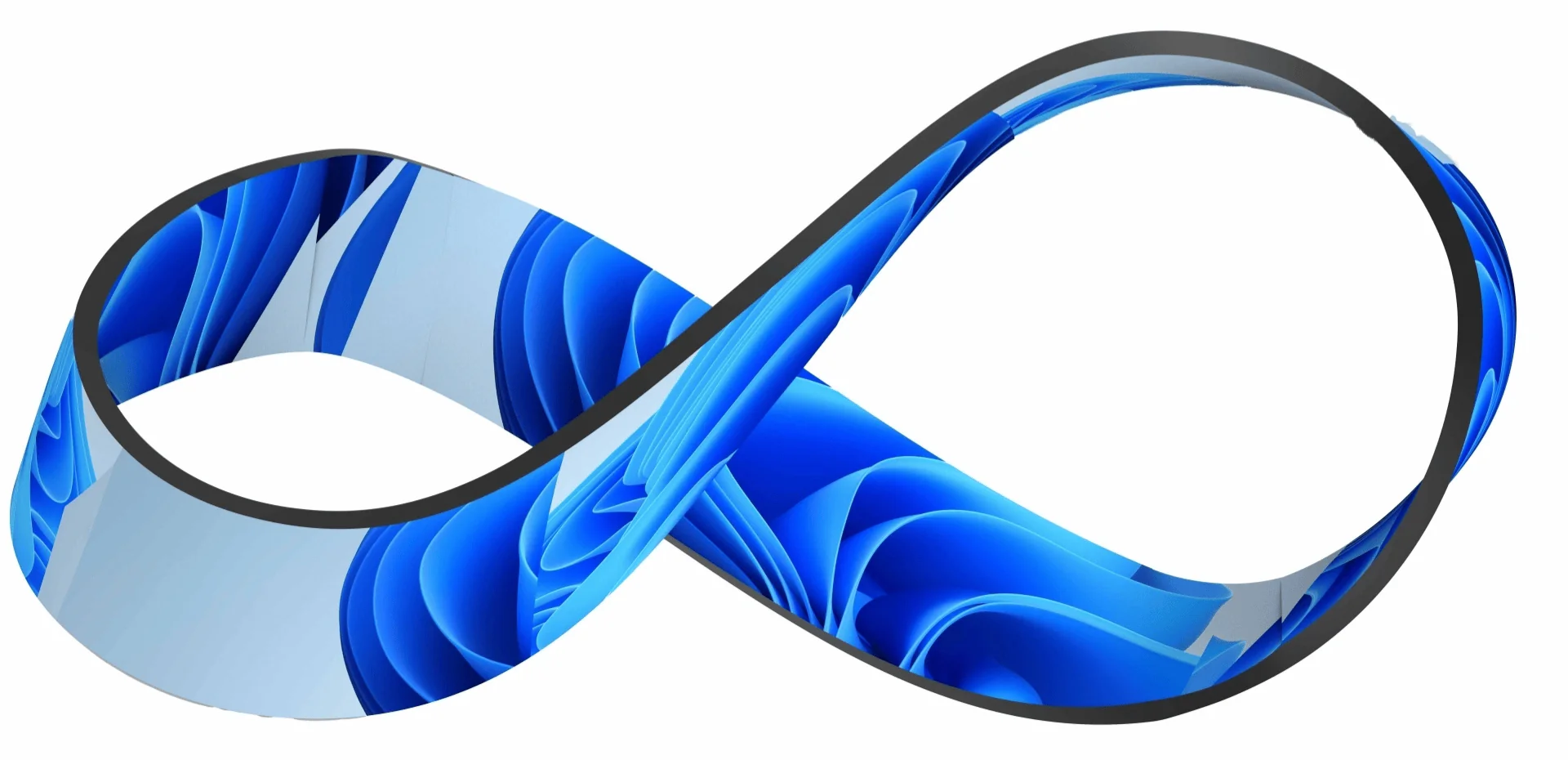
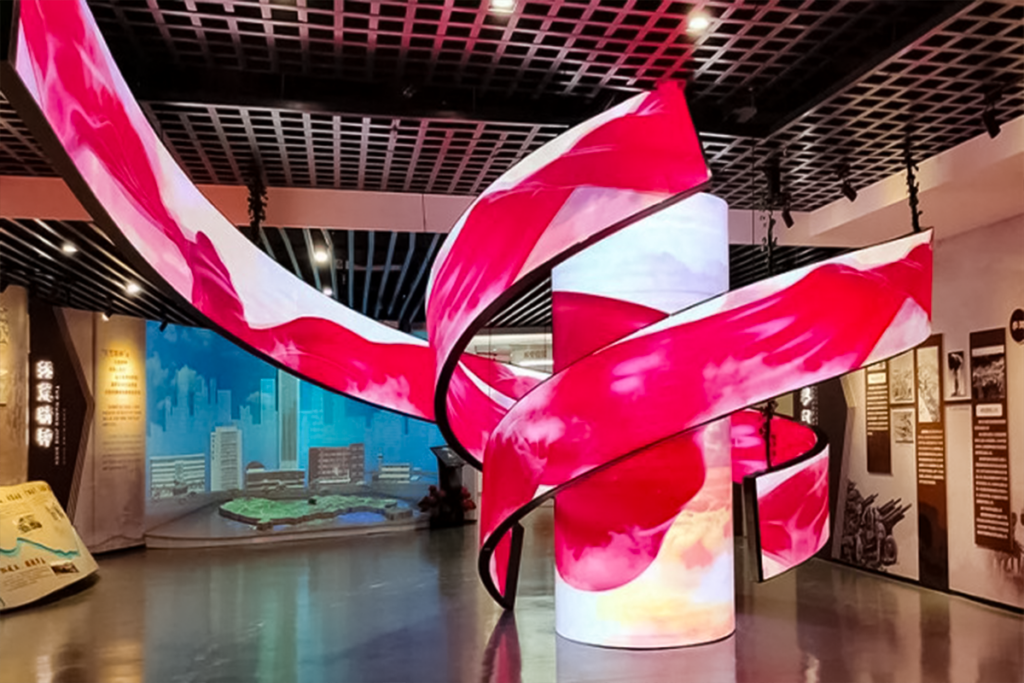
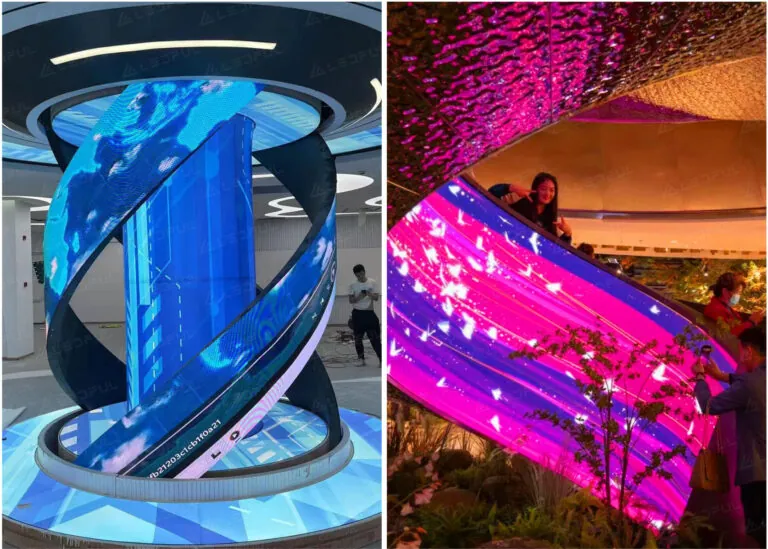
- Ribbon or ring displays: Often used in atriums, event venues, luxury malls, and brand experience spaces.
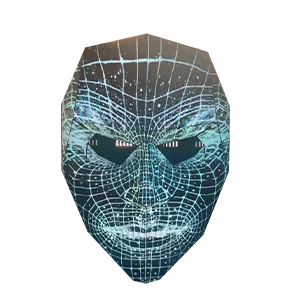
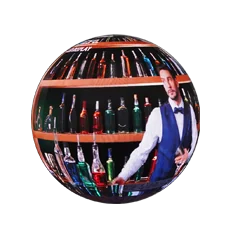
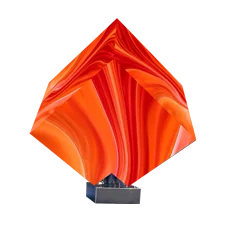
- Custom geometric shapes: Displays can be engineered around creative structures such as cubes, spheres, water drops, arches, and other landmark forms.
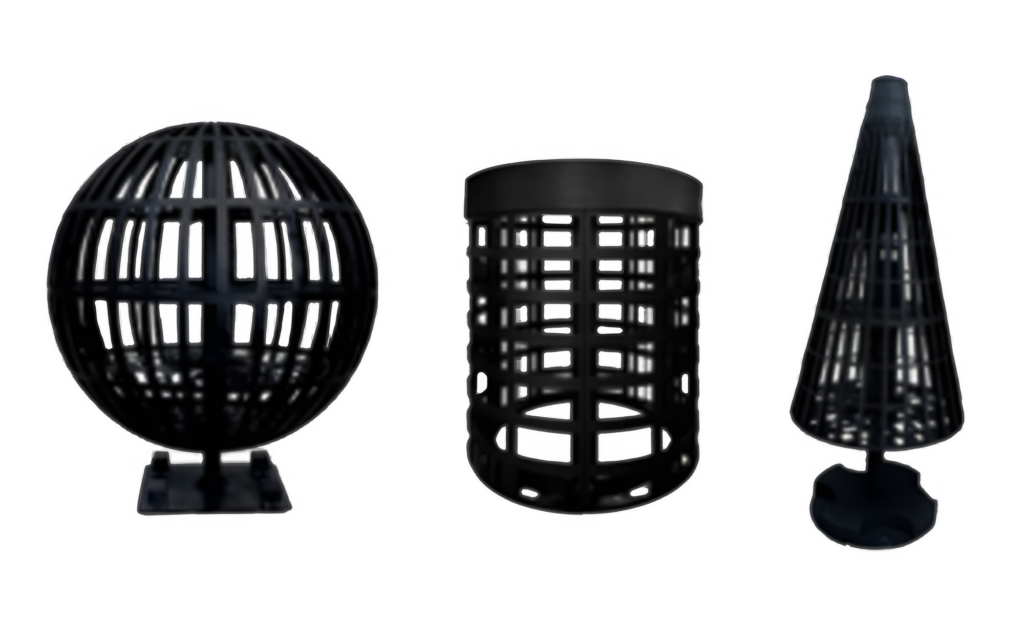
This bendable design gives architects, designers, contractors, and brand owners more freedom during planning. The screen can follow the building instead of forcing the building to fit the screen.
2 Lightweight and Thin
Flexible LED screens are usually thinner and lighter than traditional rigid LED cabinets. This is important for projects where space, load-bearing capacity, or installation speed matters.
A lightweight screen can reduce pressure on the supporting structure. It can also help simplify transport, lifting, and on-site handling. For contractors and project managers, this can make the installation process easier to plan.
Thin modules are also useful in commercial interiors. For example, a retail store may not want a bulky display frame that takes up valuable floor space. A flexible LED display can fit more closely to columns, curved walls, or shaped fixtures, creating a cleaner visual result.
3 Flexible Installation Options
Flexible installation is another practical advantage. Many flexible LED screens use magnetic modules, which can attach to custom steel or metal structures. This makes it easier to build creative shapes while still keeping the modules serviceable.
For many projects, front maintenance is especially valuable. If one module needs to be checked or replaced, technicians can access it from the front instead of dismantling the whole structure. This is helpful for shopping malls, studios, churches, exhibition halls, and entertainment venues where downtime should be kept low.
Depending on the project, flexible LED displays may also be installed with custom frames, cabinets, safety ropes, reinforced magnets, or outdoor waterproof structures.
Main Benefits of Flexible LED Displays
1. Creative Freedom
The biggest benefit of a flexible LED display is creative freedom. A flat screen can show good content, but it still behaves like a flat screen. A flexible display can become part of the design itself.
This helps brands create stronger storytelling. For example, a shopping mall can turn a central column into a 360-degree advertising screen. A stage designer can create a curved backdrop that surrounds performers. A showroom can build a digital product environment that feels more immersive than a normal wall display.
For advertisers, designers, and event organizers, this means the screen is not just a media surface. It becomes a visual structure.
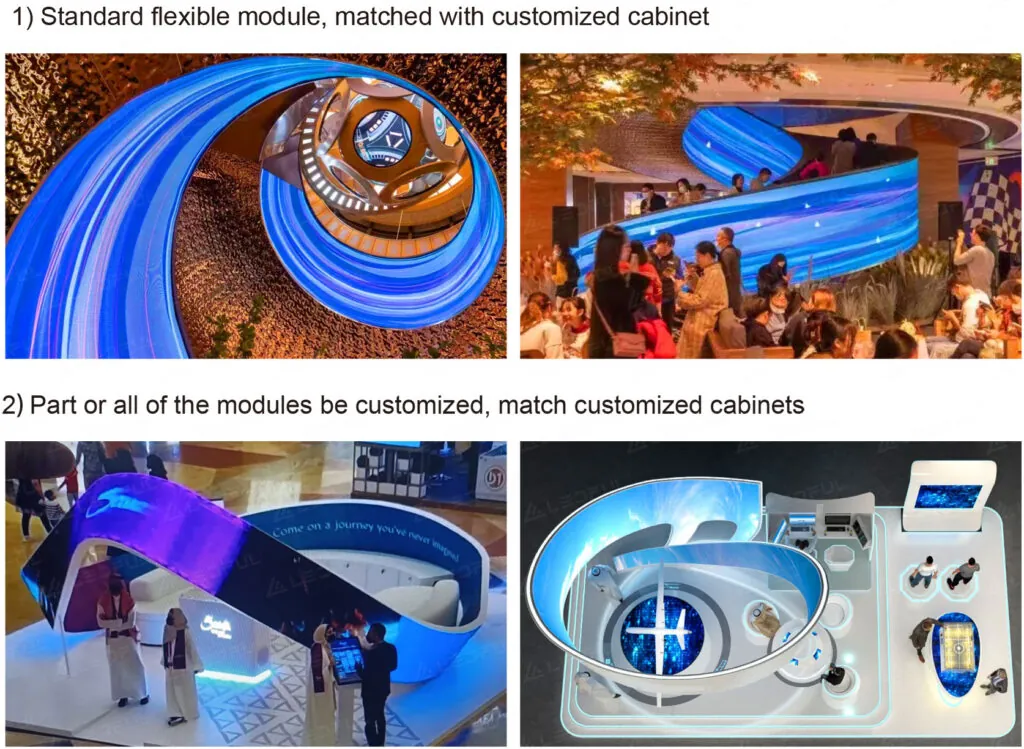
Picture shown: LEDFUL ribbon-Shaped Series
2. Space Adaptability
Flexible LED screens are useful when the installation space is not simple. Many buildings include columns, corners, curved walls, atriums, balconies, and irregular surfaces. Traditional screens may look forced in these spaces. Flexible displays can adapt more naturally.
This is especially valuable in:
- shopping malls with large columns or atriums;
- retail stores with limited wall space;
- exhibition booths that need custom shapes;
- studios that need smooth curved backgrounds;
- entertainment venues that require high-impact visual decoration.
For contractors and engineers, space adaptability can also reduce design conflict. Instead of building a heavy structure only to support a flat display, the screen can be designed around the existing architecture.
3. Stronger Audience Attention
Flexible LED displays attract attention because they look different. A curved, circular, wave-shaped, or suspended display naturally stands out in a busy environment.
This matters in commercial and public spaces where audiences are surrounded by visual information. A standard flat screen may be easy to ignore. A shaped digital installation is more likely to make people stop, look, record, and remember the brand.
For shopping malls, showrooms, exhibitions, and live events, this stronger attention can support brand awareness, visitor engagement, and content visibility.
Common Applications of Flexible LED Displays
1. Commercial Shopping Malls and Atriums
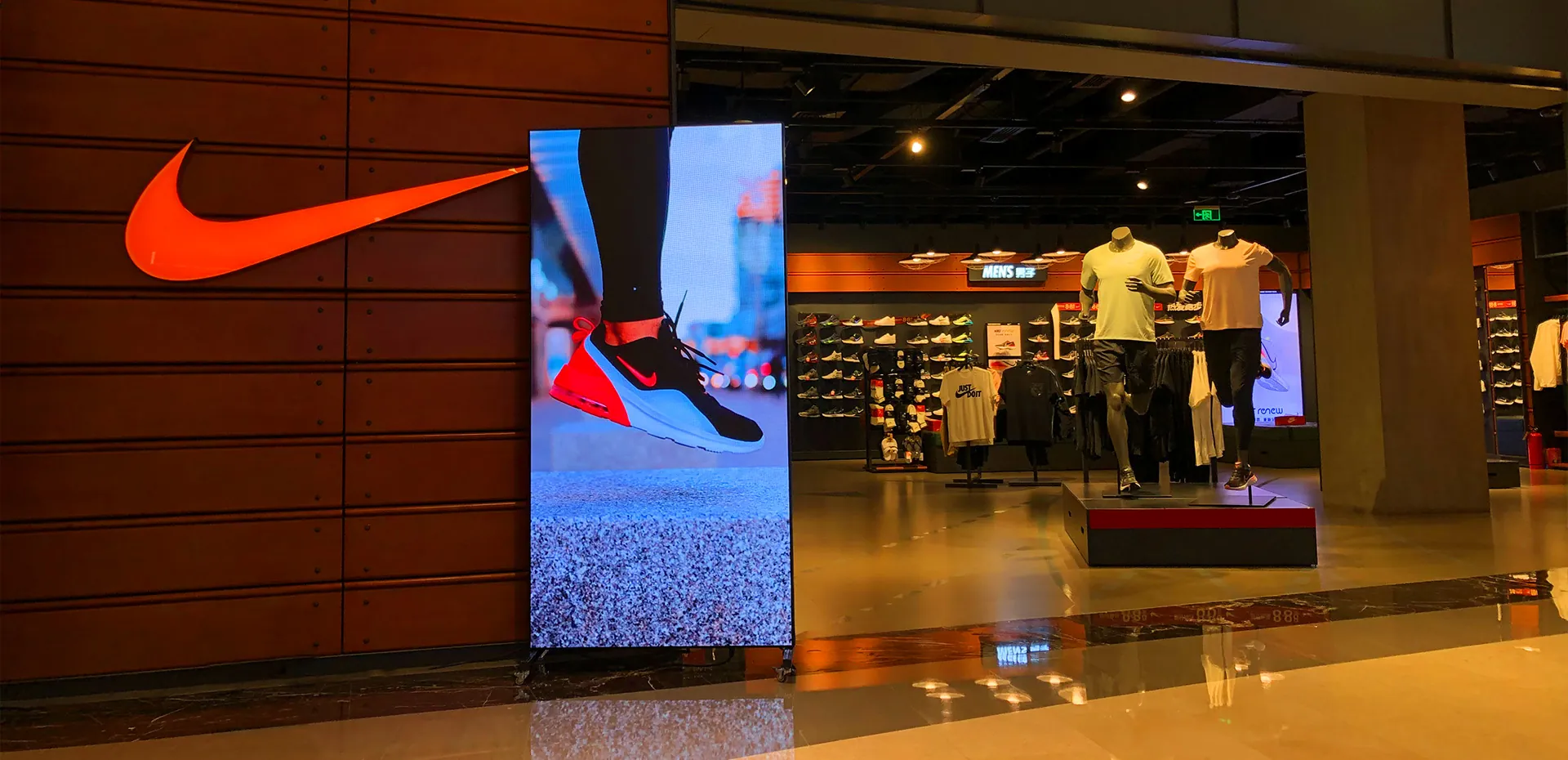
Shopping malls often use flexible LED screens to turn architectural structures into digital landmarks. A column can become a cylindrical advertising screen. A large atrium can use a ring-shaped or ribbon-shaped display as a central visual feature.
These displays can show brand campaigns, seasonal promotions, wayfinding content, event announcements, or immersive digital art. Because the screen can follow the building structure, it looks more integrated than a traditional flat billboard.
2. Stage Backdrops and Live Events
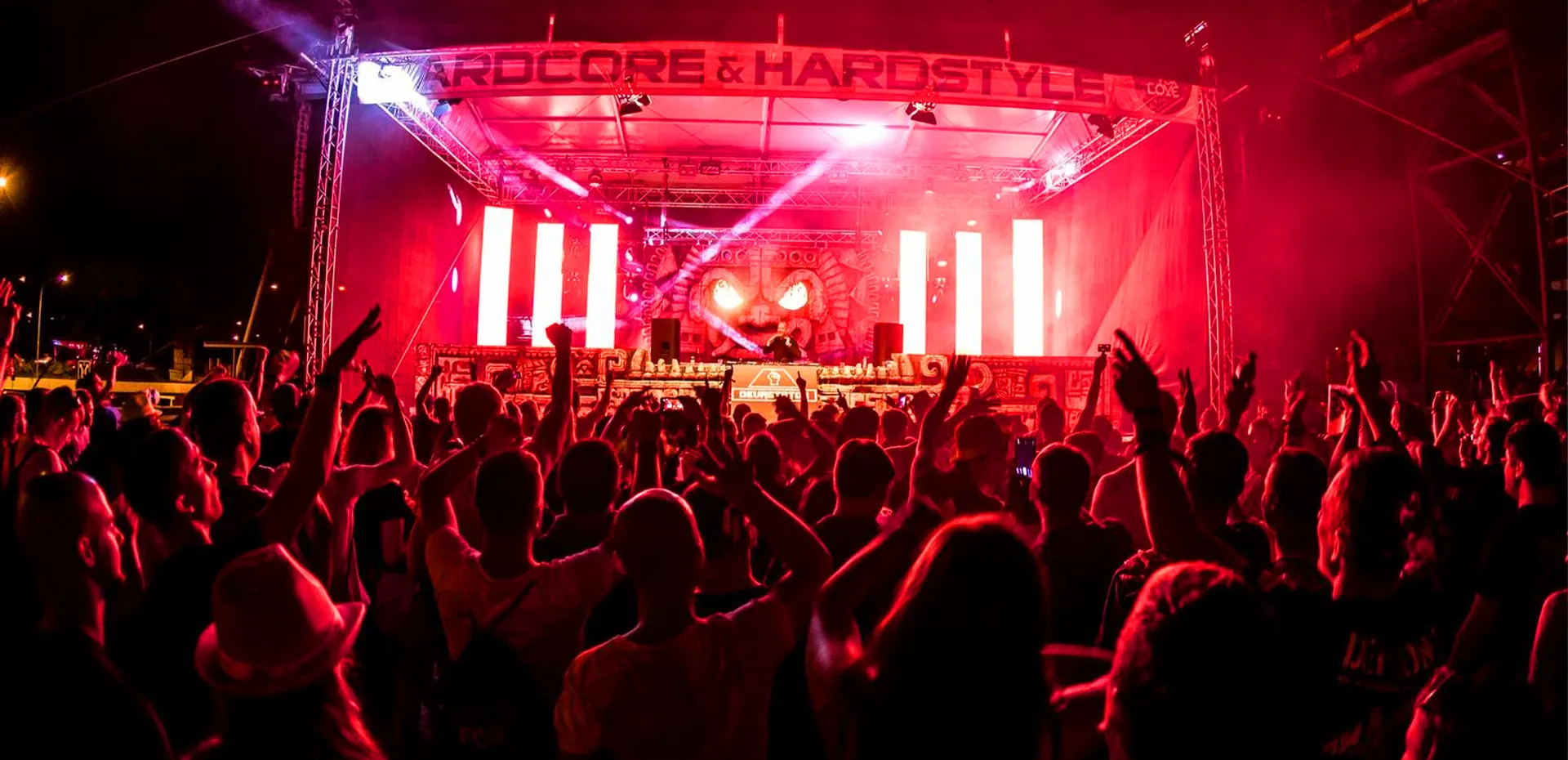
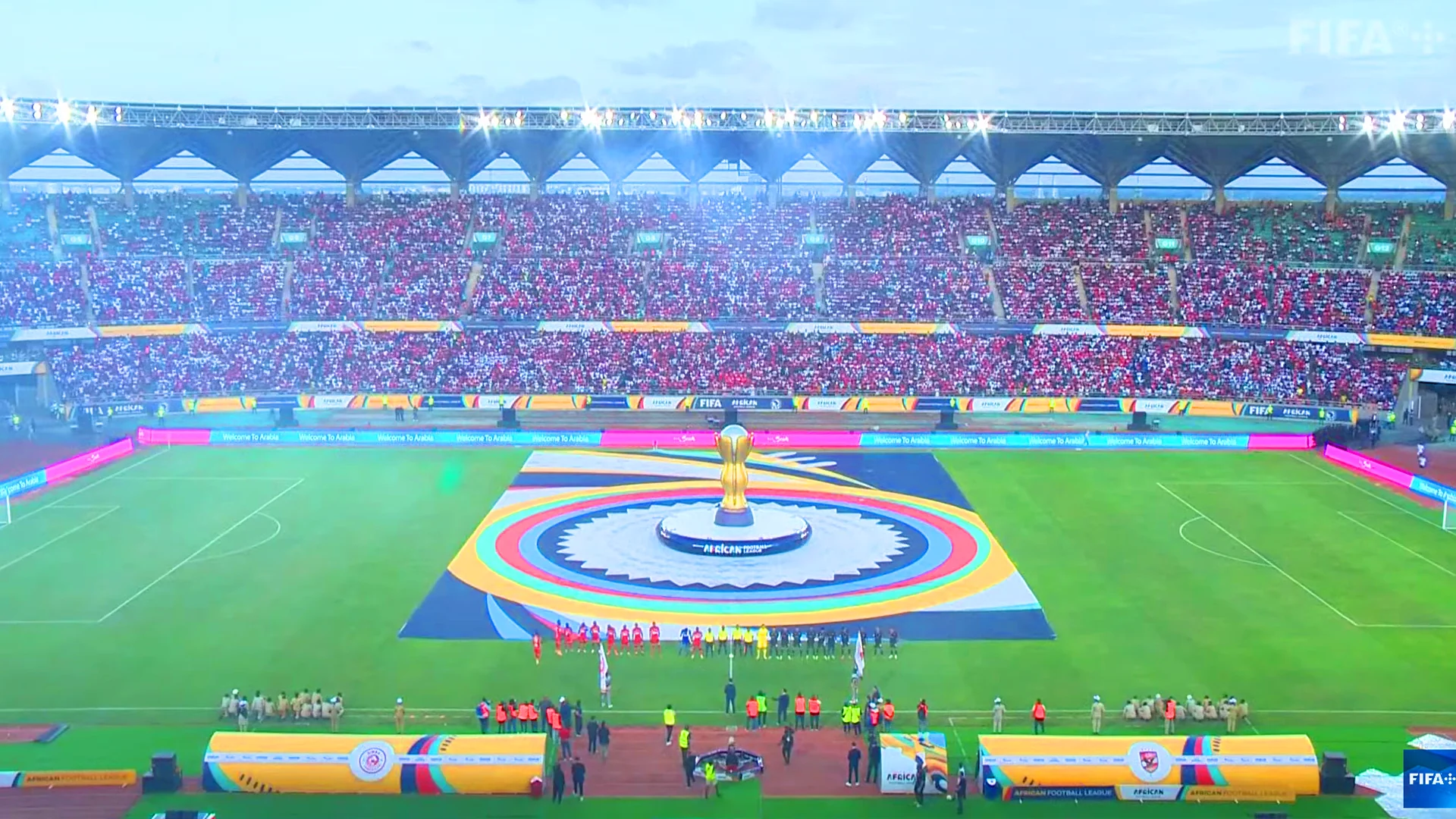
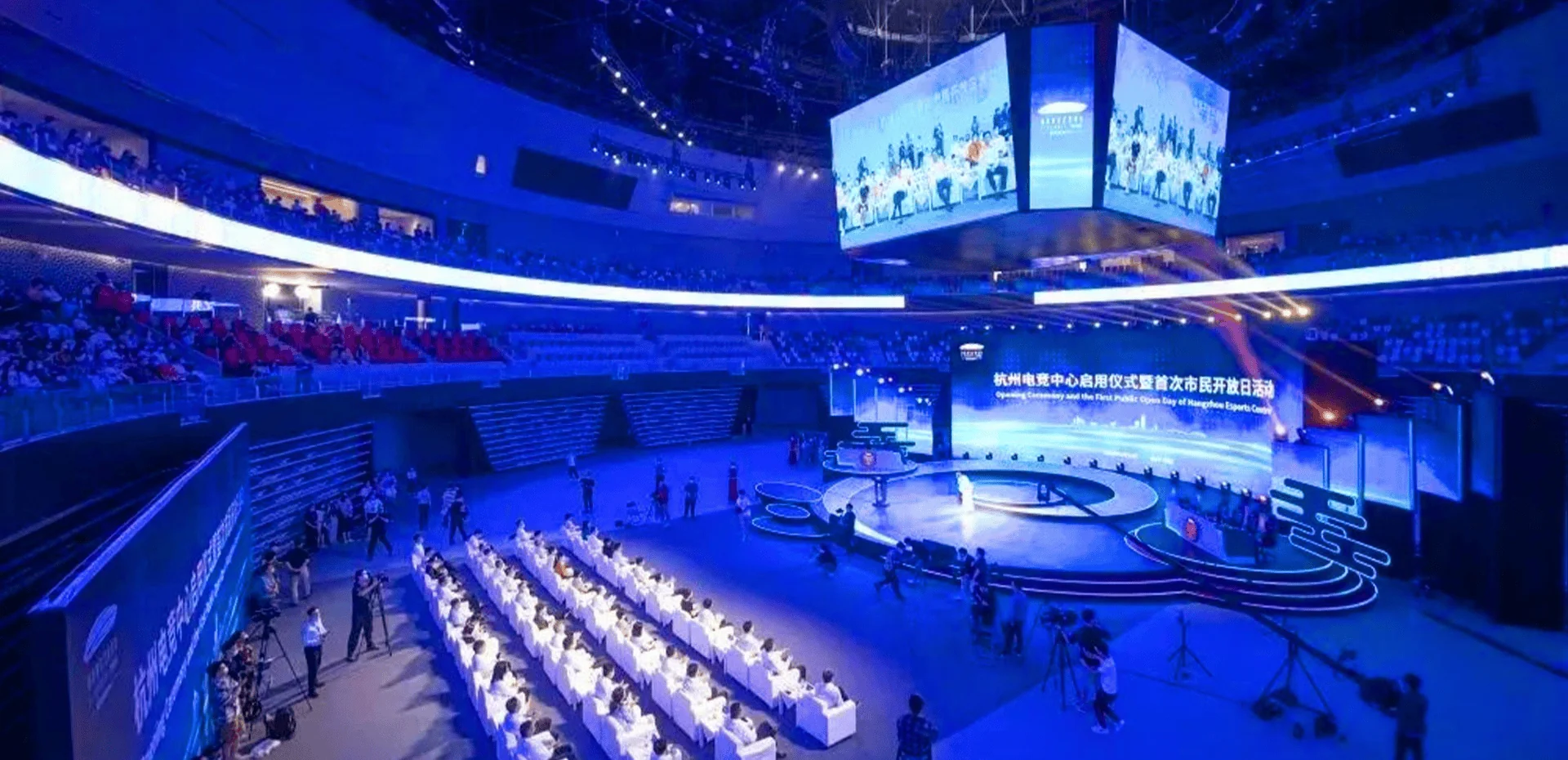
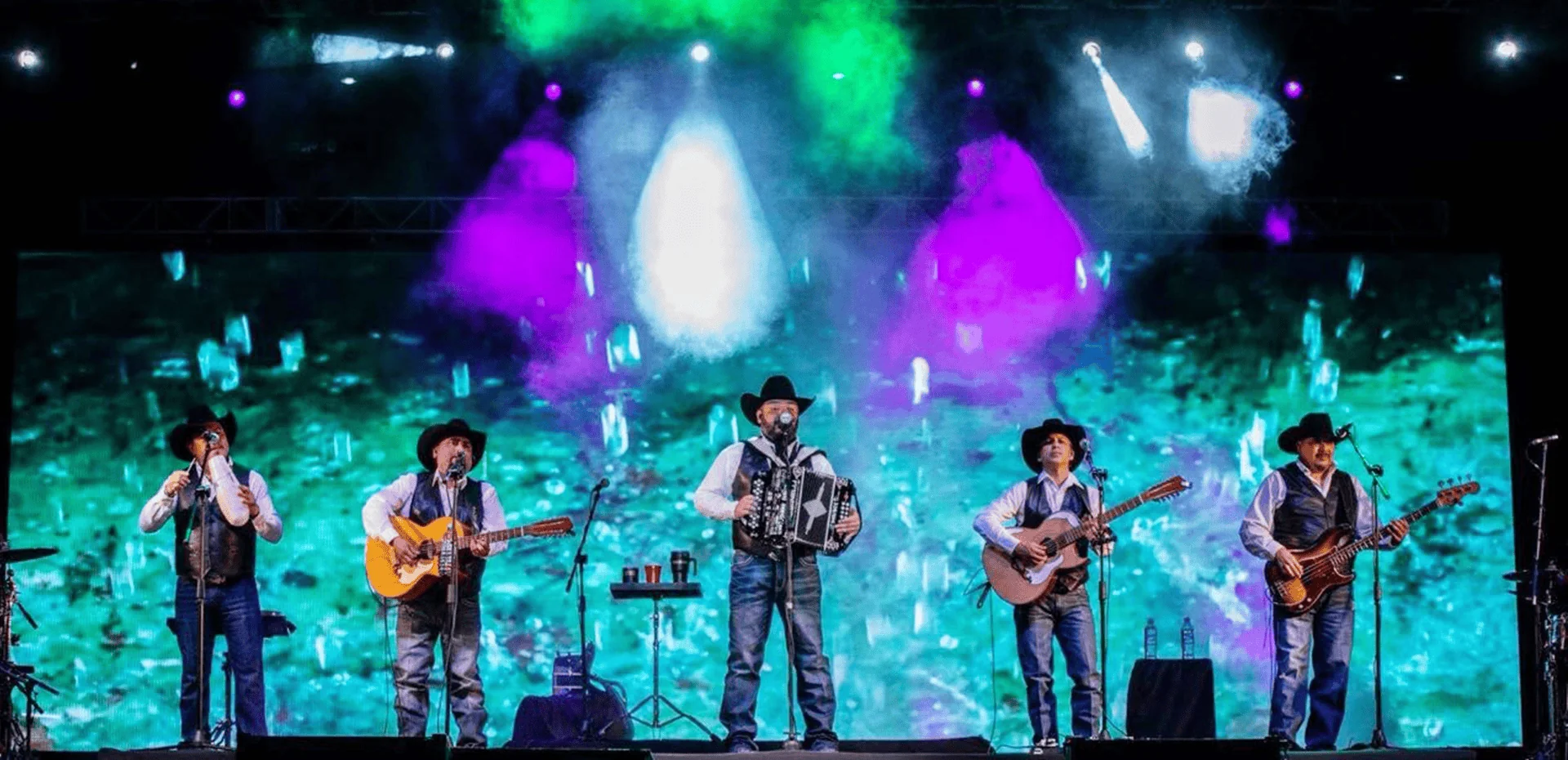
Flexible LED displays are widely used in stage design because they support curves, waves, arches, and custom scenic shapes. They can help create depth behind performers and make the stage feel more dynamic.
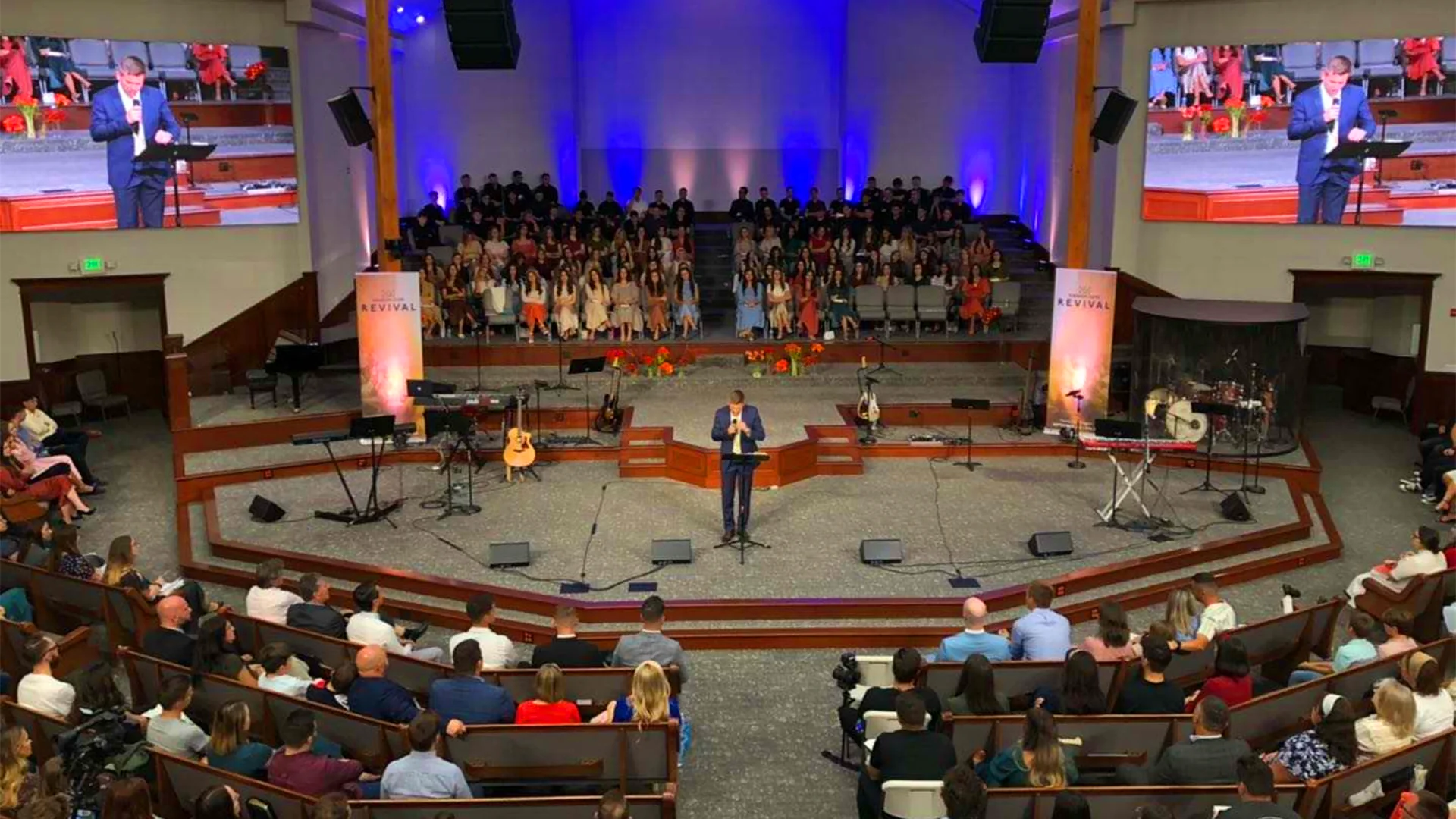
For concerts, product launches, worship events, festivals, and corporate shows, flexible LED screens can deliver video content while also shaping the physical stage environment. Their lightweight and modular design can also support rental and short-term event needs.
3. Exhibition Halls and Showrooms
Exhibition halls and showrooms need displays that quickly explain products, attract visitors, and create a premium experience. Flexible LED screens can help booths stand out by forming curved walls, product zones, tunnel effects, or multi-surface storytelling areas.
Automotive showrooms, technology exhibitions, cultural venues, and corporate experience centers can all use flexible LED displays to turn product information into a more immersive visual journey.
4. Studio and Broadcasting Sets
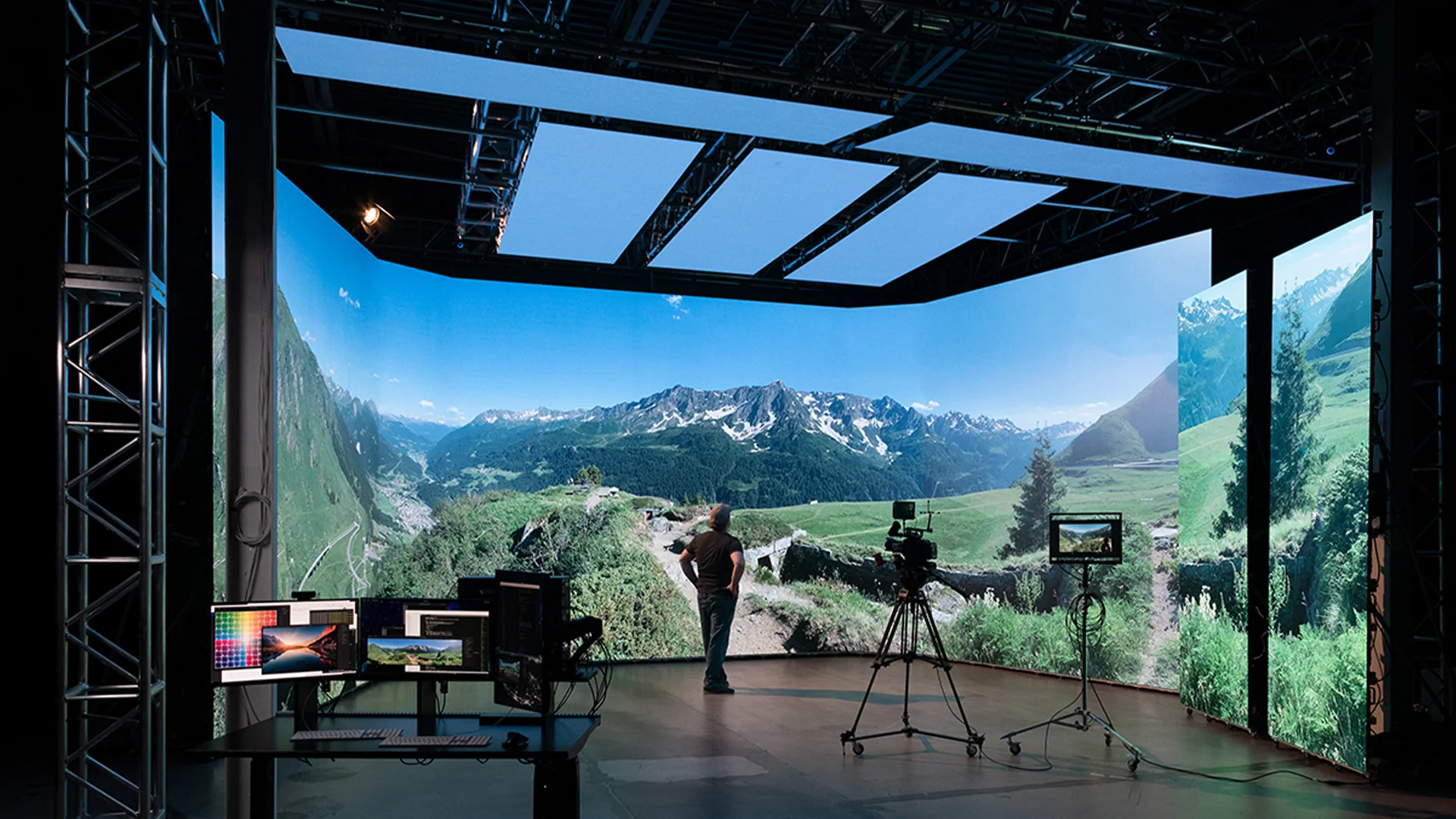
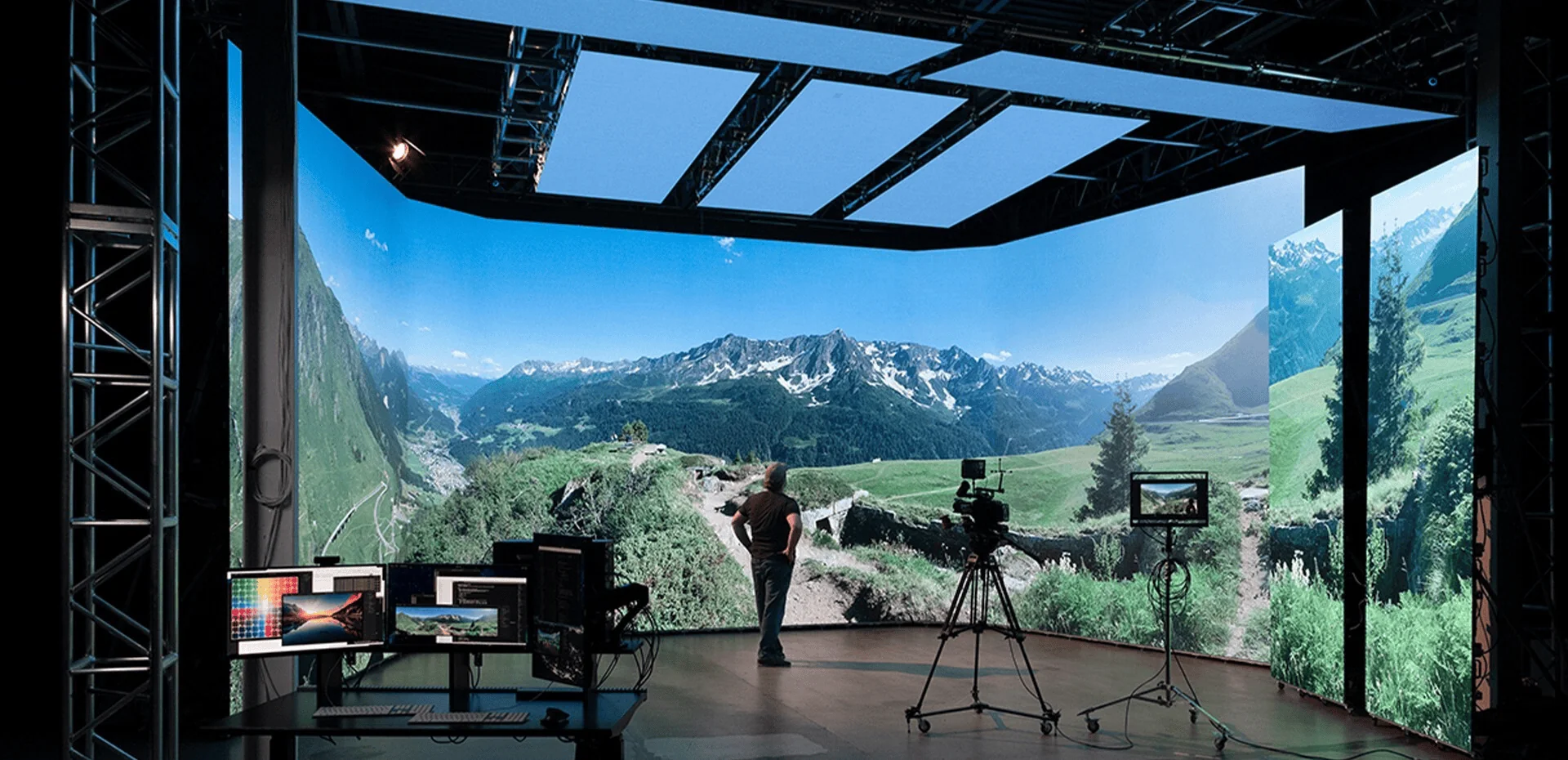
Studios often require clean, camera-friendly backgrounds. Curved LED displays can create smooth visual depth for news programs, interviews, virtual production, and branded broadcast sets.
Flexible LED screens are especially useful when a studio wants to avoid hard angles or visible breaks in the background. A curved screen can help the set look more natural on camera while giving producers more control over digital content.
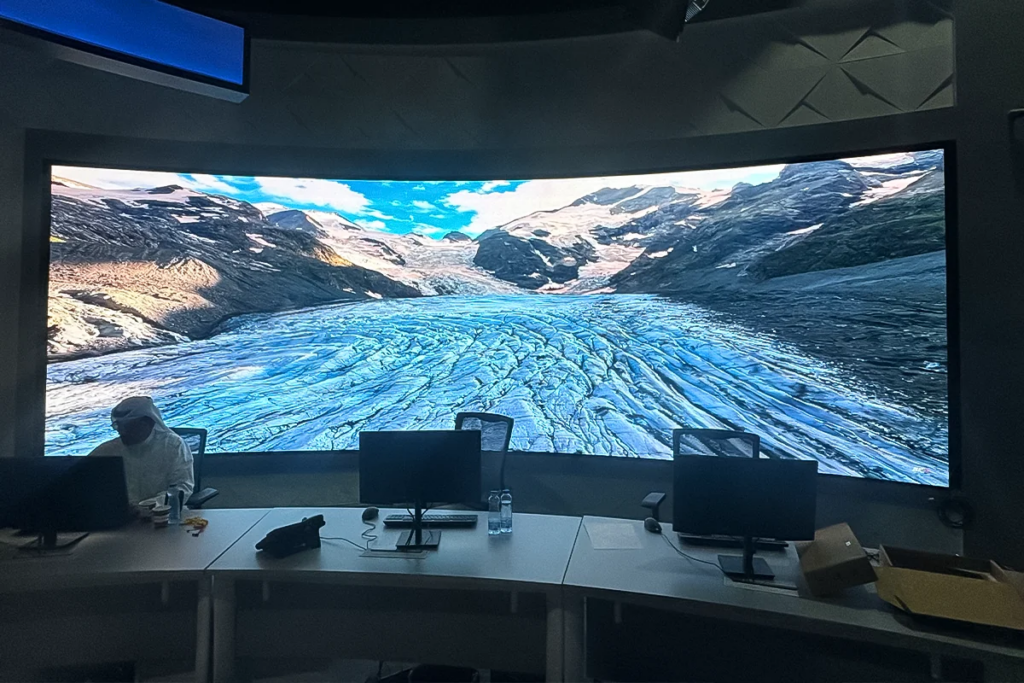
Picture shown: Kuwait National Television curved LED studio display
5. Entertainment Venues
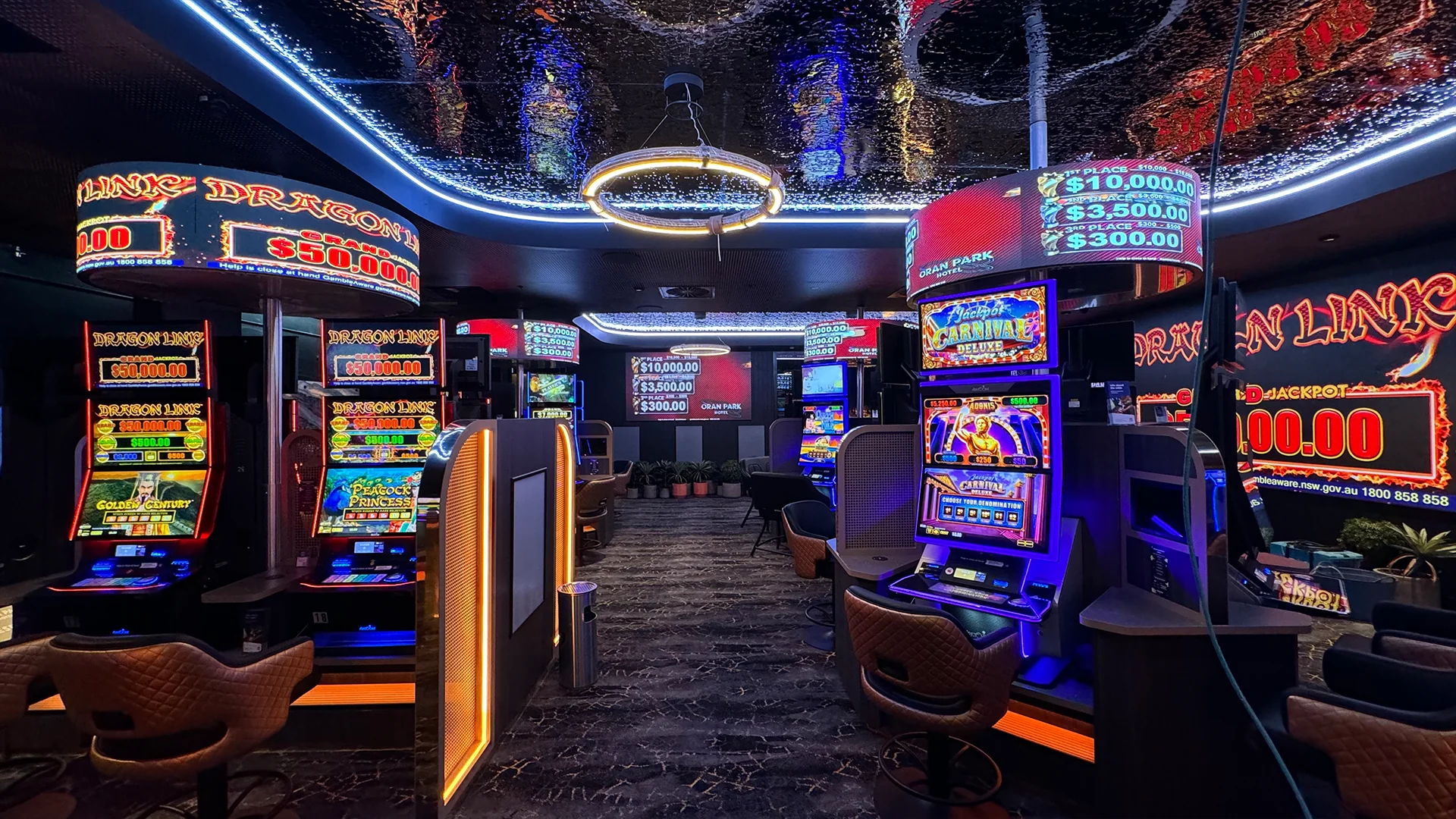
Entertainment venues use flexible LED screens to create atmosphere. Nightclubs, casinos, theme parks, bars, resorts, and immersive art spaces may use them on ceilings, columns, tunnels, stages, or decorative walls. In these spaces, the screen is not only for information. It helps shape mood, rhythm, and movement. With the right content, flexible LED screens can make the whole venue feel more alive.
LEDFUL Flexible LED Display Manufacturing and Global Project Experience
Choosing a flexible LED display is not only about the screen shape. For real projects, buyers also need reliable product quality, customized structure design, installation support, and long-term service.
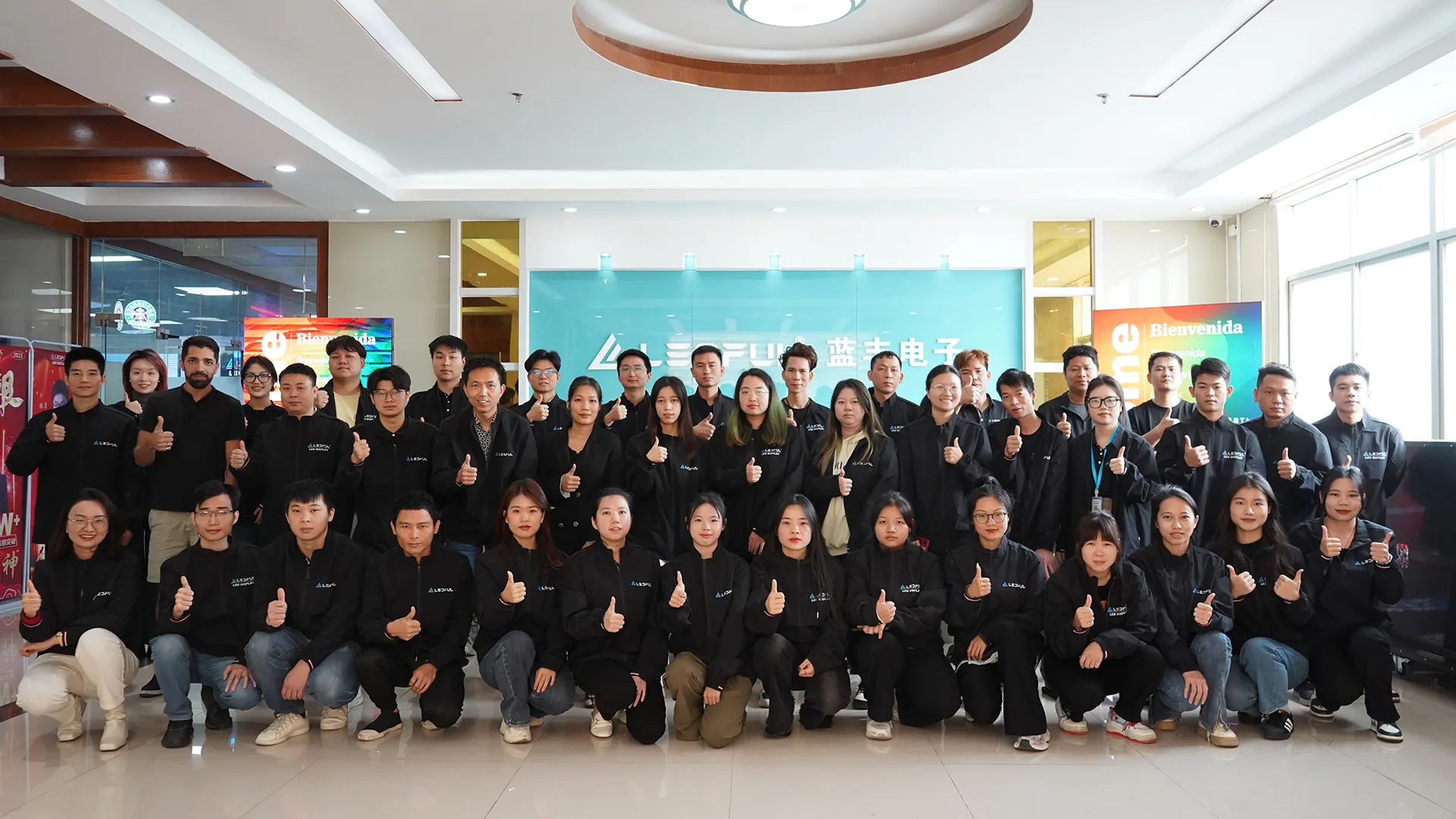
At LEDFUL, we provide creative LED display solutions for commercial, retail, studio, event, sports, worship, and public-space applications. Our creative LED display portfolio includes flexible LED displays, spherical LED displays, cube LED displays, circular LED displays, ribbon-shaped displays, LED floor screens, and other customized LED structures.
Beyond product supply, LEDFUL also supports customers with project design, CAD drawings, installation guidance, screen configuration, and after-sales service. This is especially important for flexible LED screens, because creative display projects often involve special structures, accurate module alignment, content mapping, and on-site coordination.
With more than 11,000 LED display projects delivered across over 116 countries and regions, LEDFUL has accumulated rich experience in global creative display applications. Our project cases include flexible LED displays, column LED screens, cube LED displays, interactive LED floors, and other customized visual solutions for commercial, cultural, entertainment, and public environments.
For contractors, distributors, designers, event organizers, and end users, this experience helps reduce project uncertainty. From early design discussion to installation and long-term operation, LEDFUL works to provide flexible LED display solutions that are practical, creative, and reliable.
Conclusion
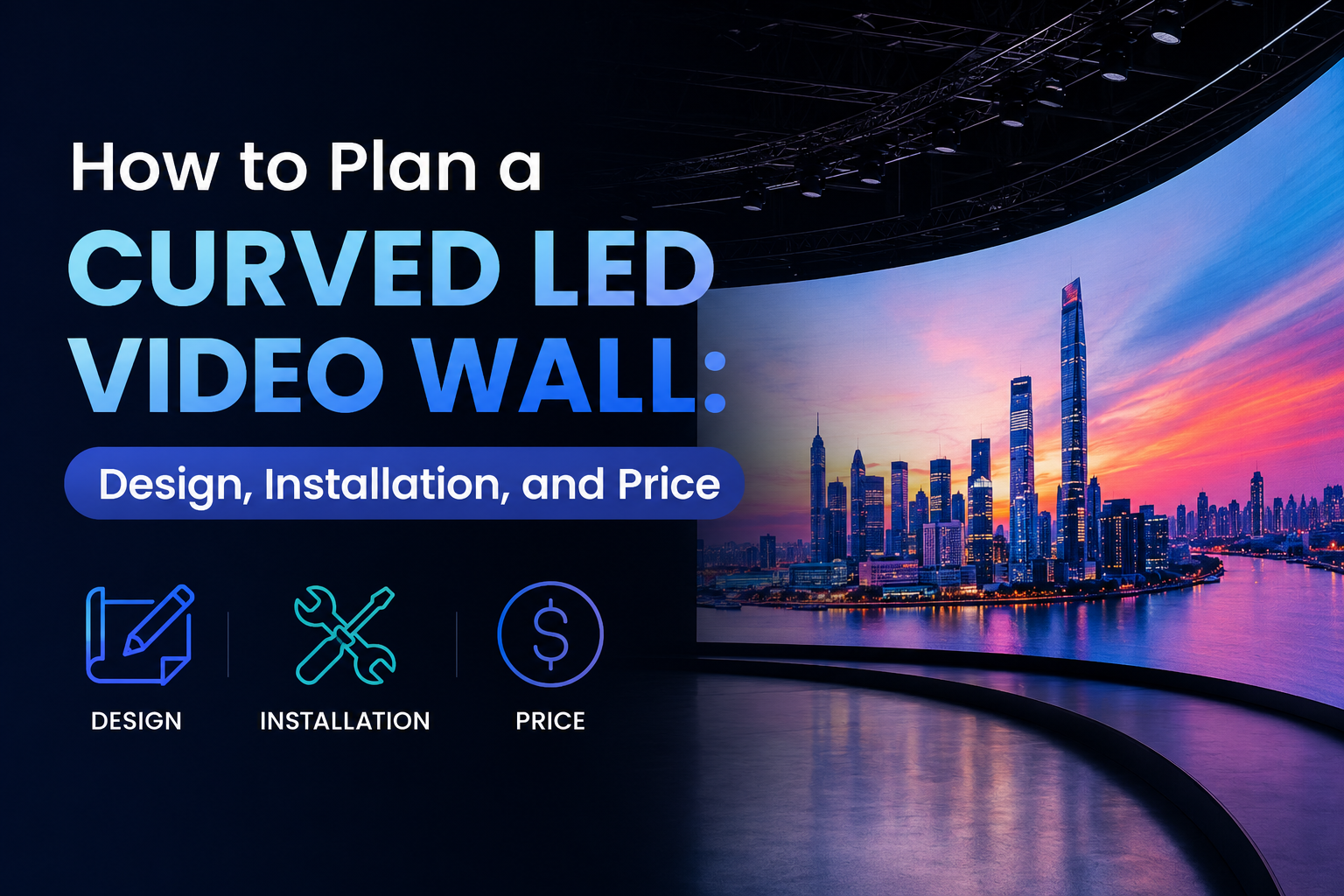
A flexible LED display is a practical solution for spaces where a flat screen is not enough. It can bend, curve, wrap, and adapt to creative structures while still delivering dynamic digital content.
Its main value is clear: more design freedom, better space adaptability, and stronger audience attention. That is why flexible LED screens are used in malls, stages, exhibitions, studios, entertainment venues, and many other modern visual environments.
For buyers looking for experienced flexible LED display manufacturers, LEDFUL offers product options, custom engineering, and global project experience that can support both creative design and practical installation needs.
For more information, contact our professional team here!