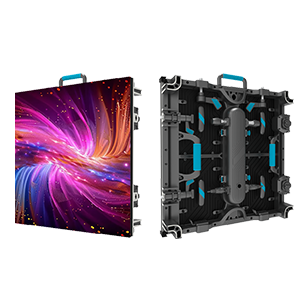
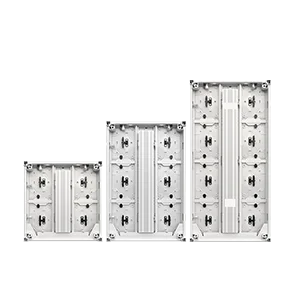
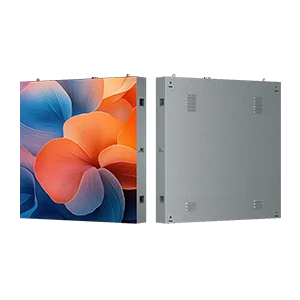
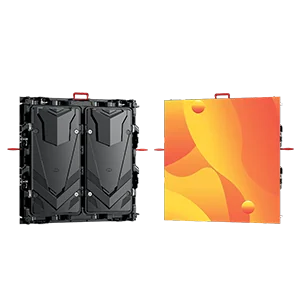
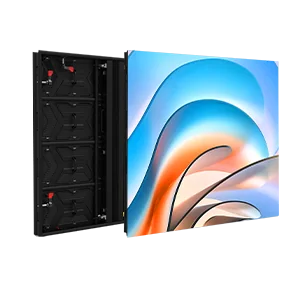
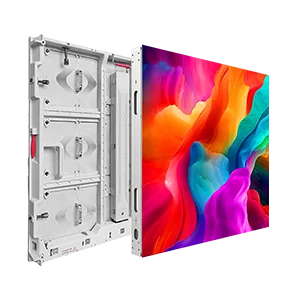
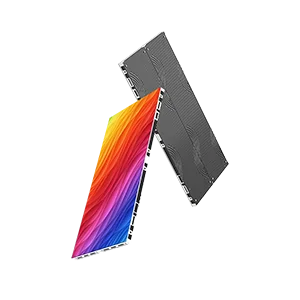
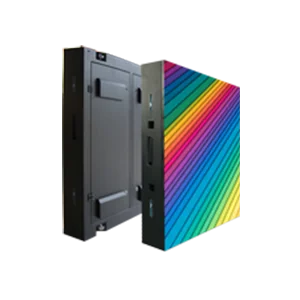
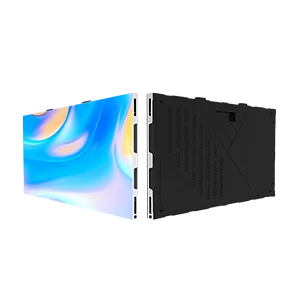
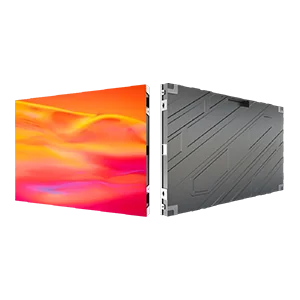
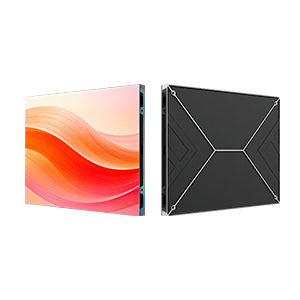
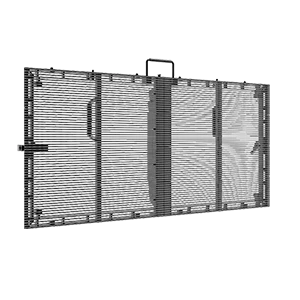
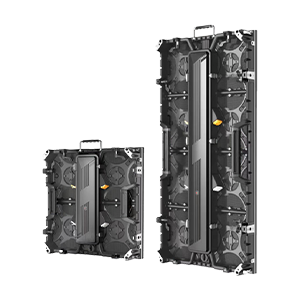
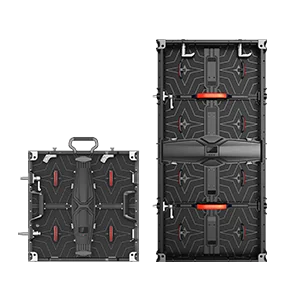
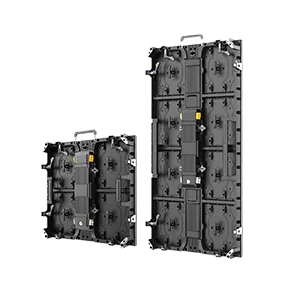
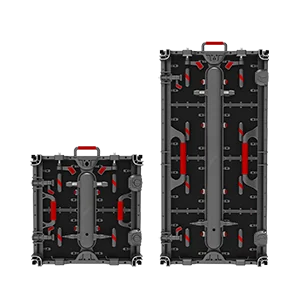
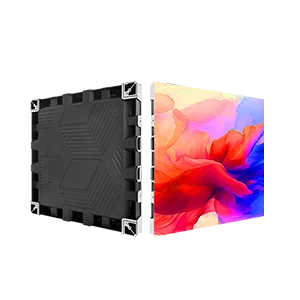
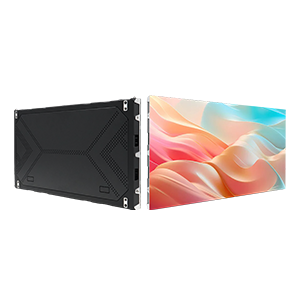
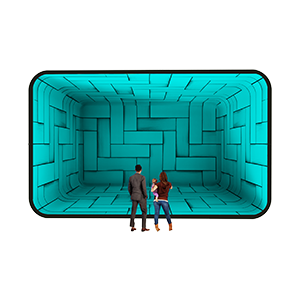

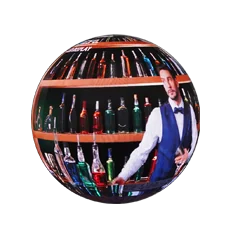
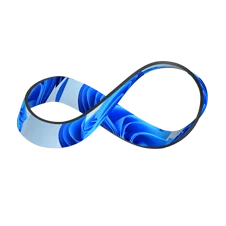
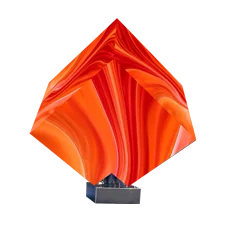
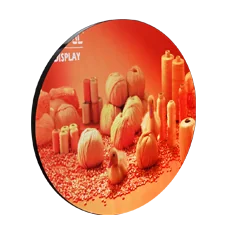
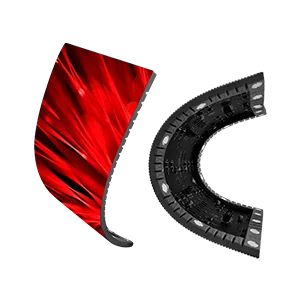
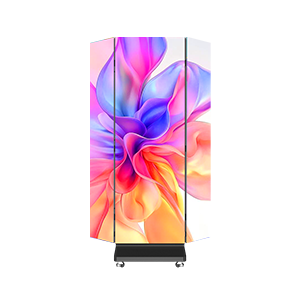
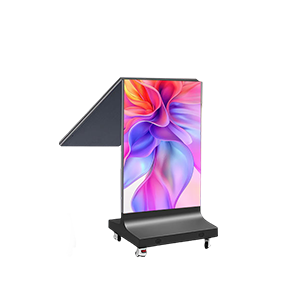
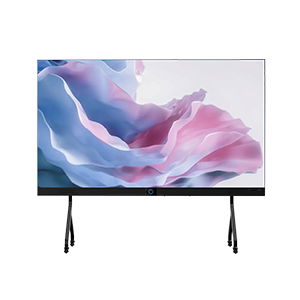
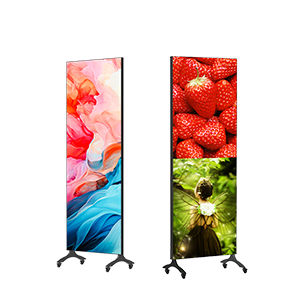
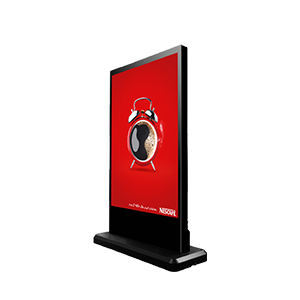
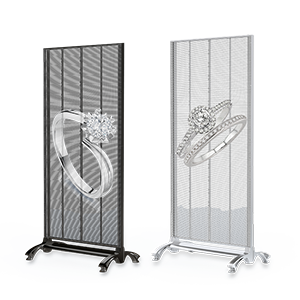
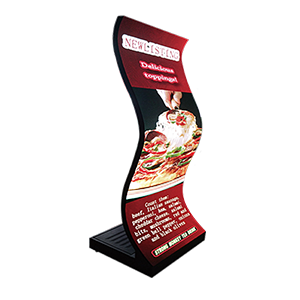
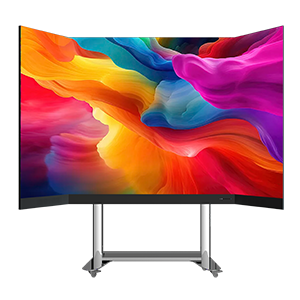
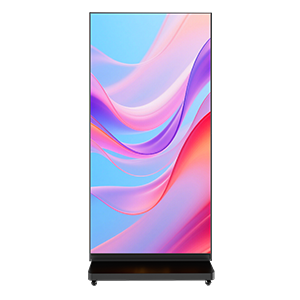
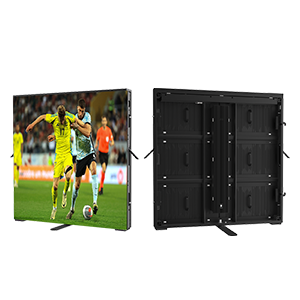
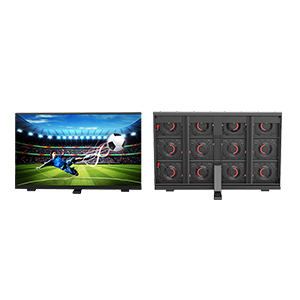
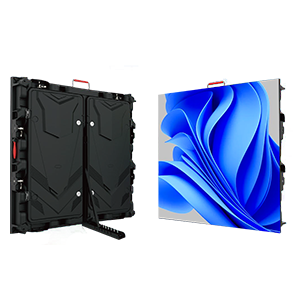
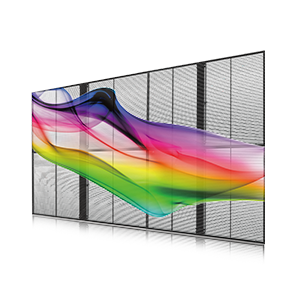
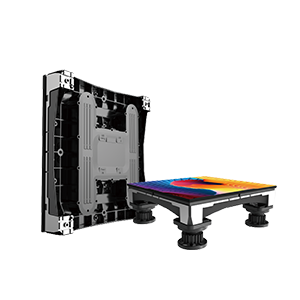
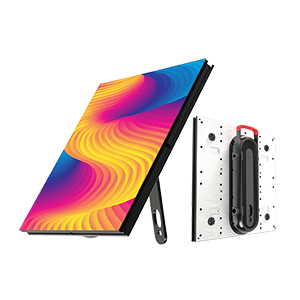
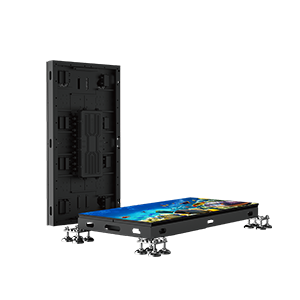
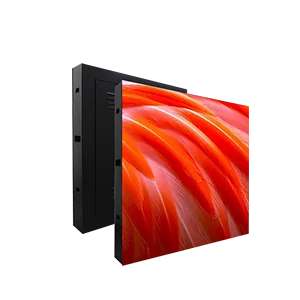
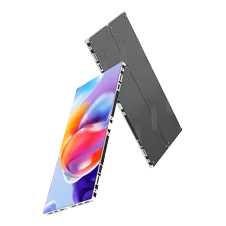
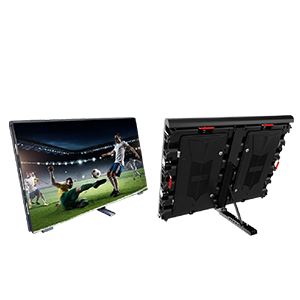
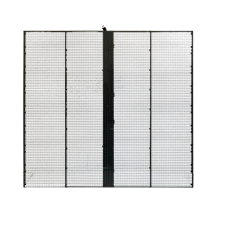
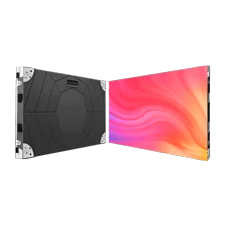
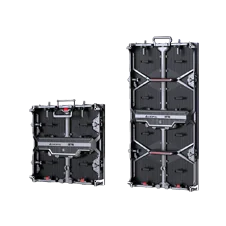
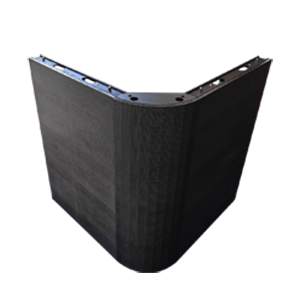
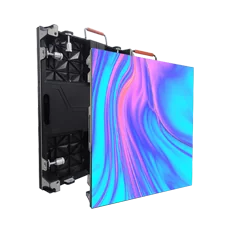
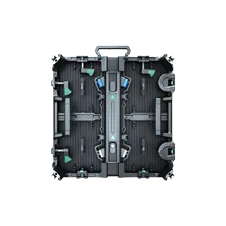
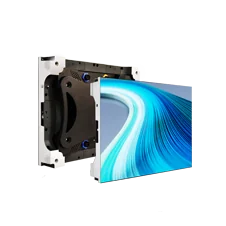
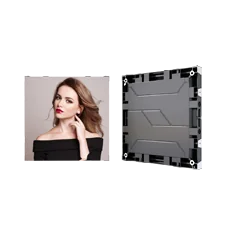
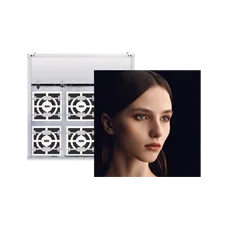
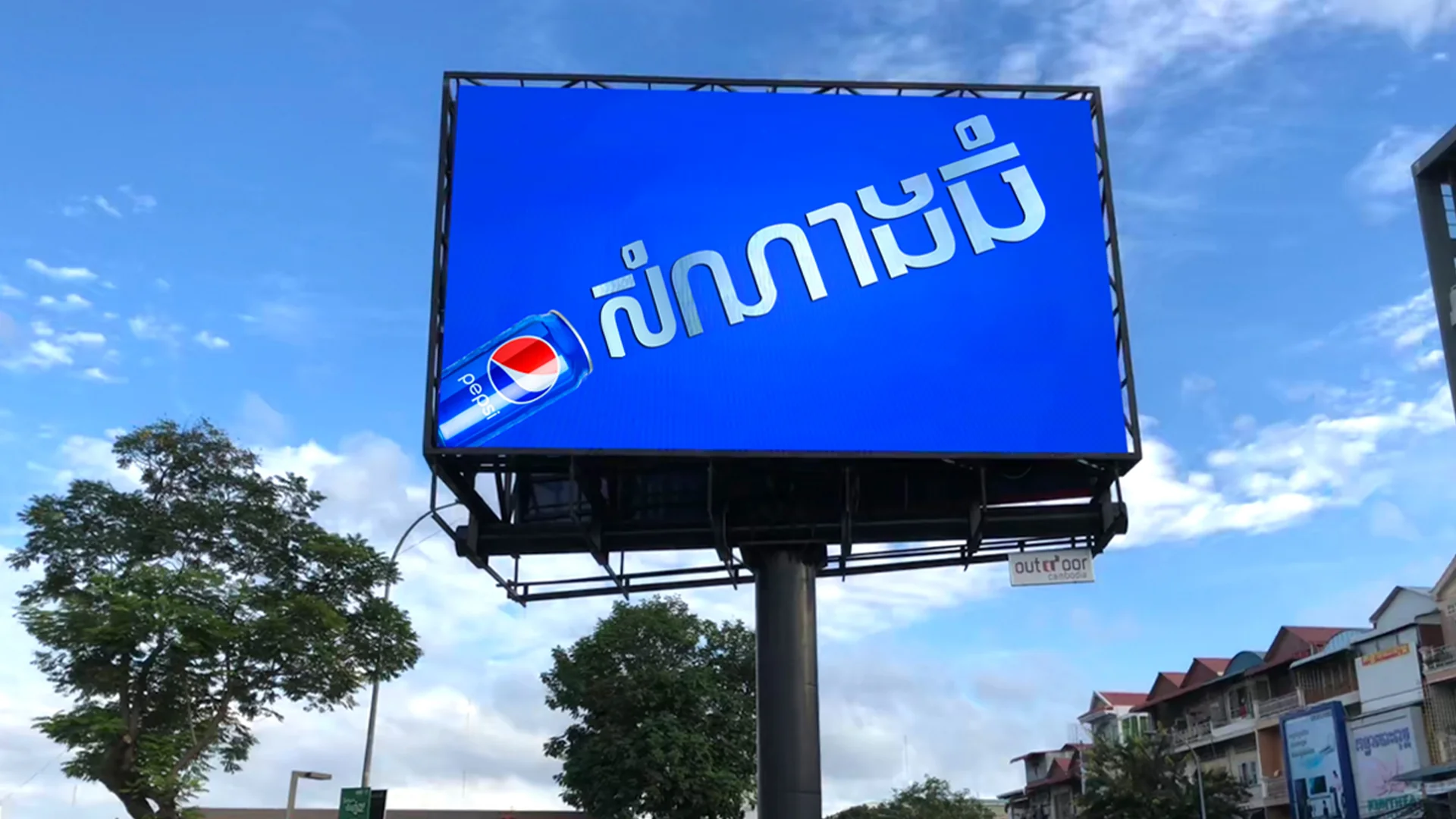
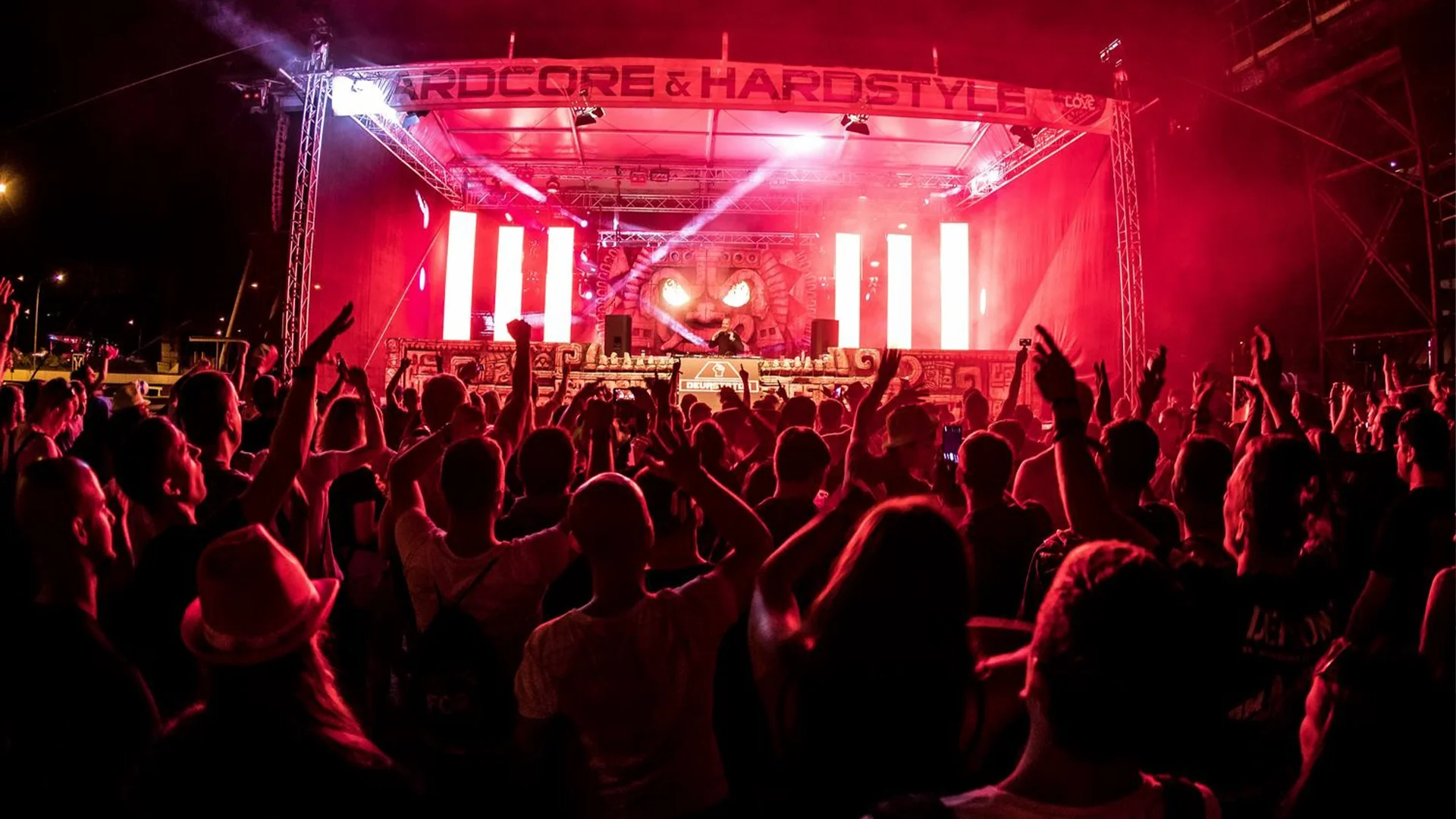
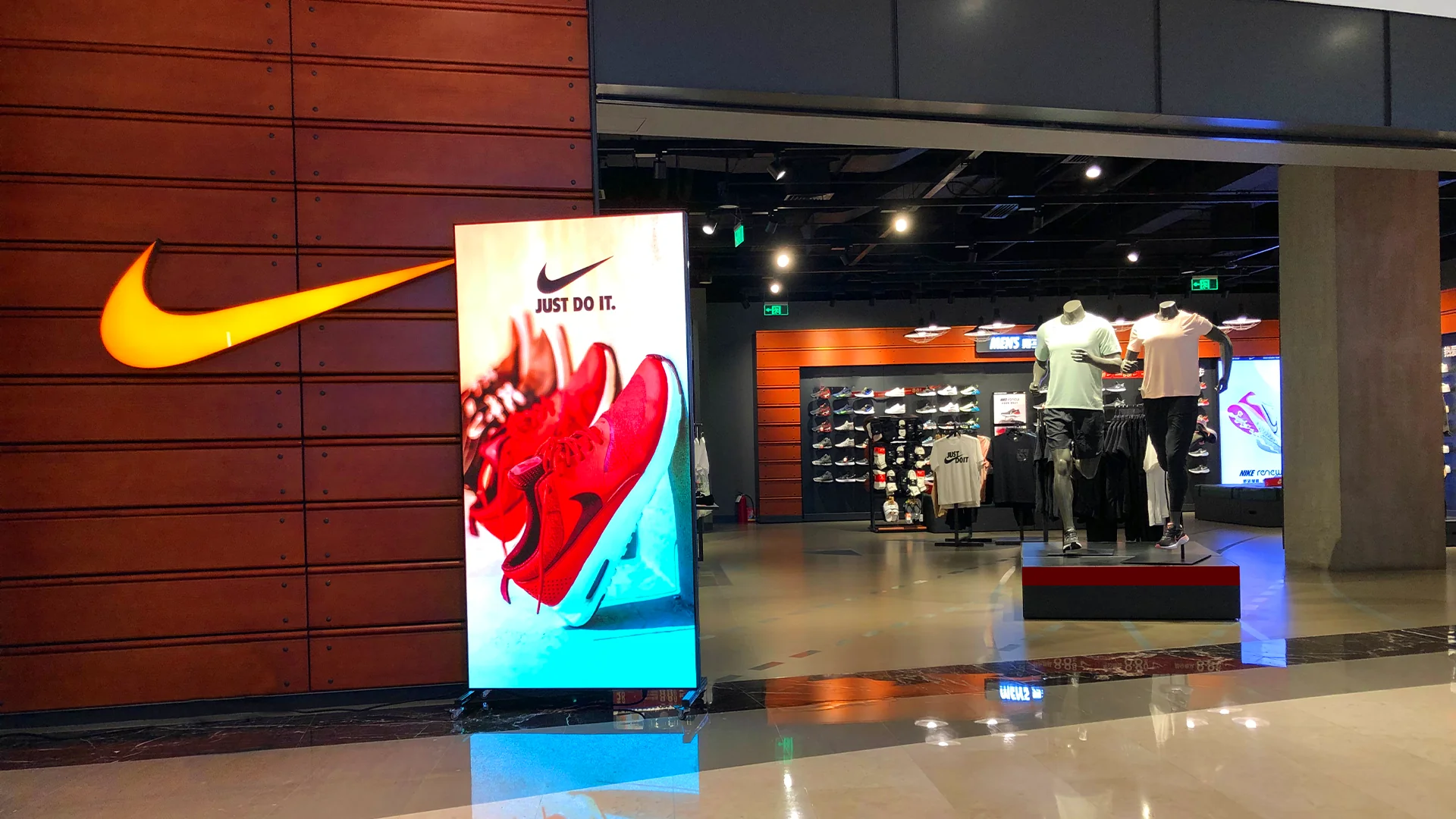
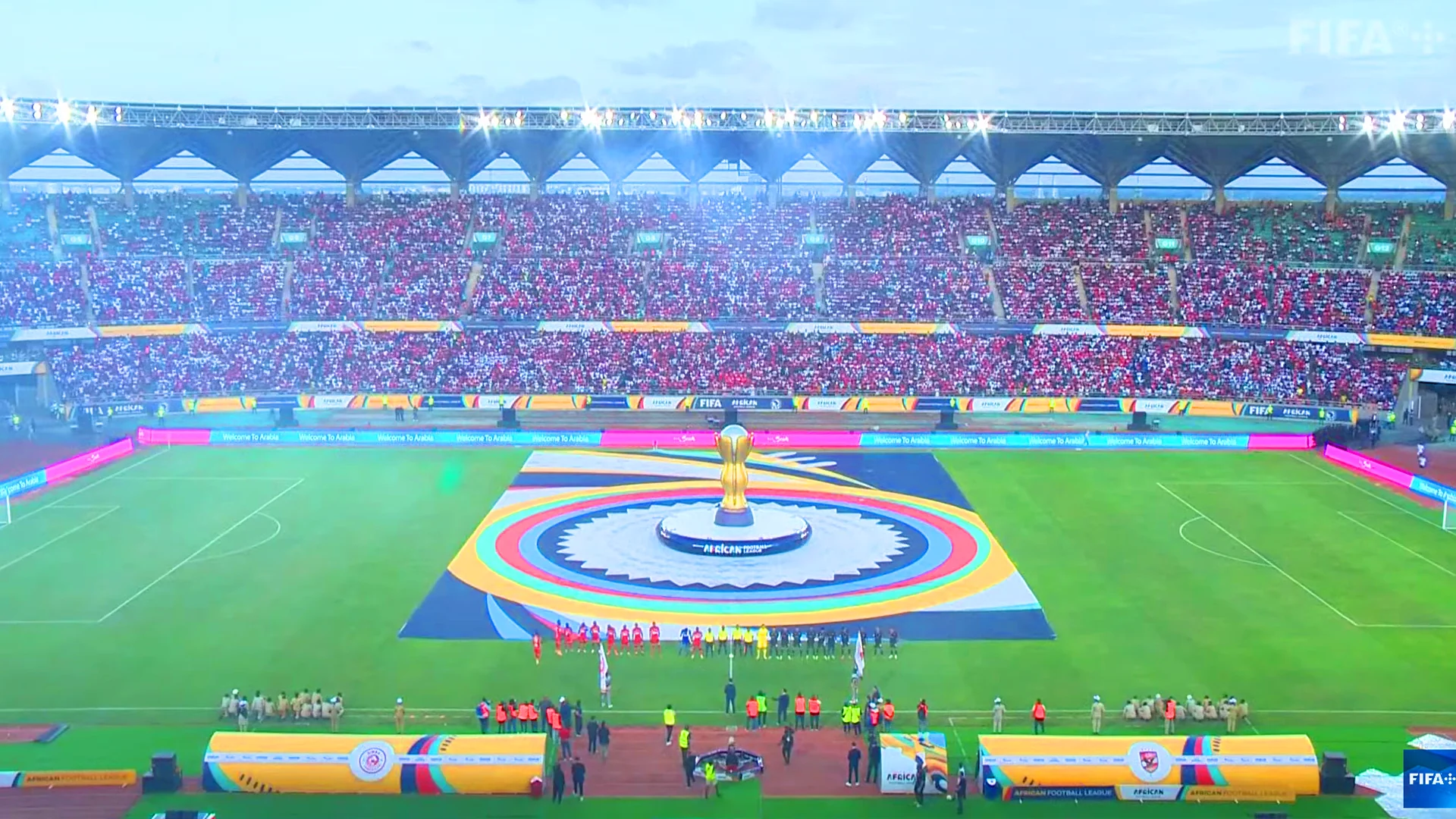



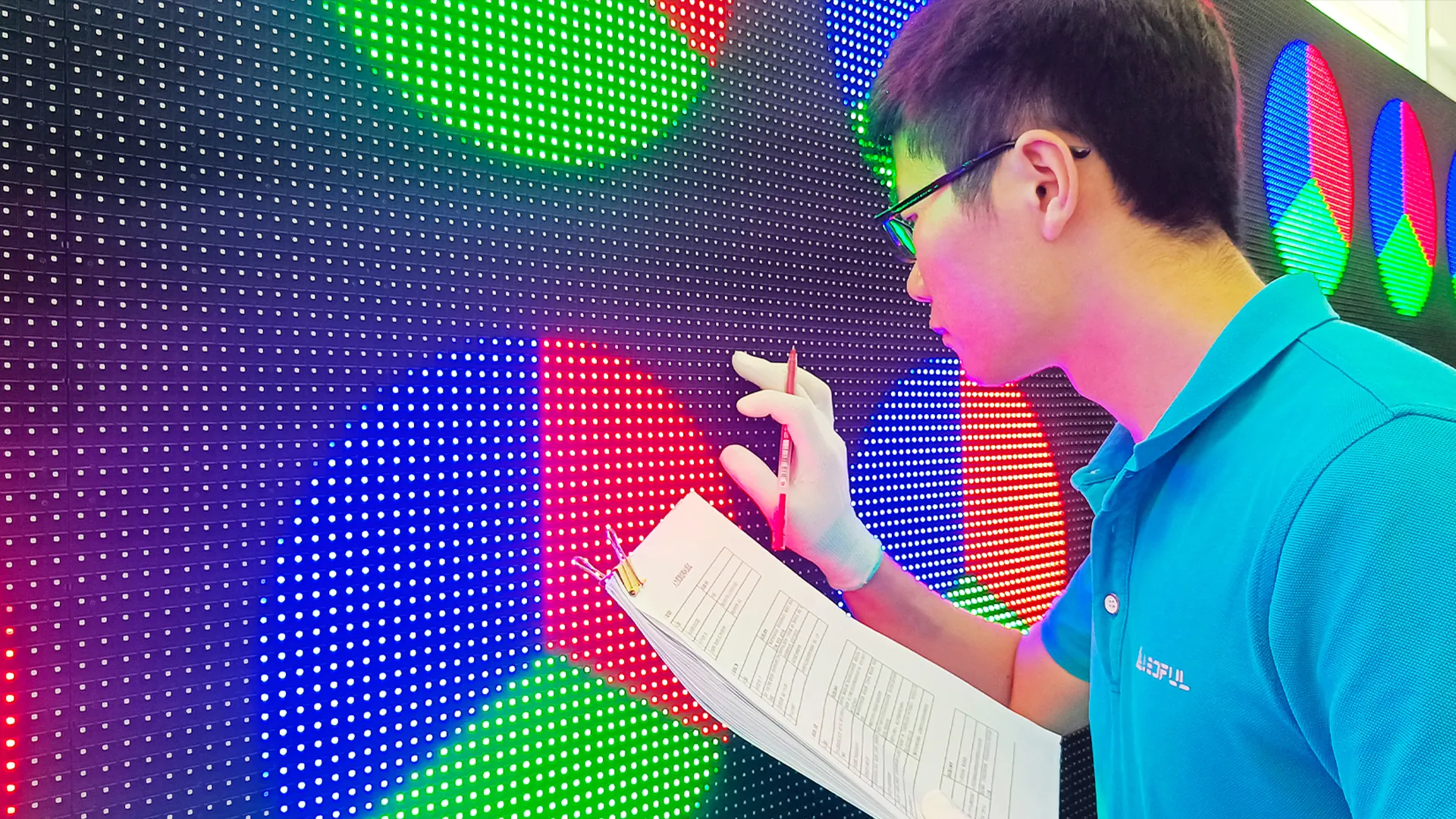


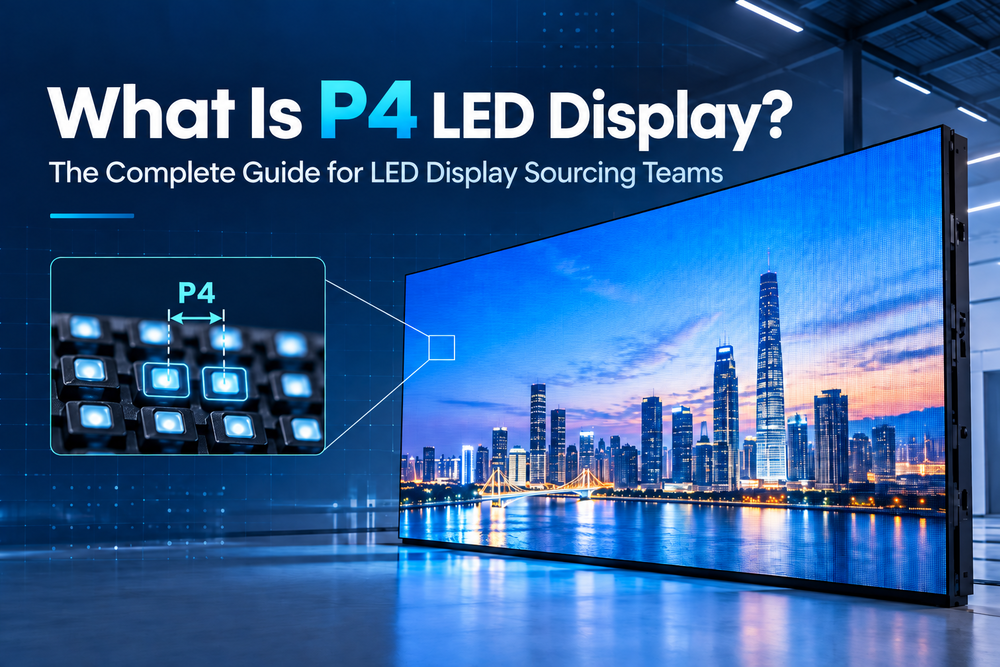
A P4 LED display is an LED screen with a 4 mm pixel pitch, meaning the distance between the centers of two adjacent pixels is 4 mm.
For display sourcing teams, P4 remains a practical option for offering a great balance of:
- Image Quality: Delivers crisp, high-definition visuals without pixelation at standard viewing distances.
- Viewing Distance: Ideal for audiences located roughly 4 to 15 meters away.
- Screen Size Flexibility: Scales beautifully for medium to large video walls.
- Project Cost: Offers exceptional ROI compared to more expensive ultra-fine pitch screens (like P1.2 or P1.5).
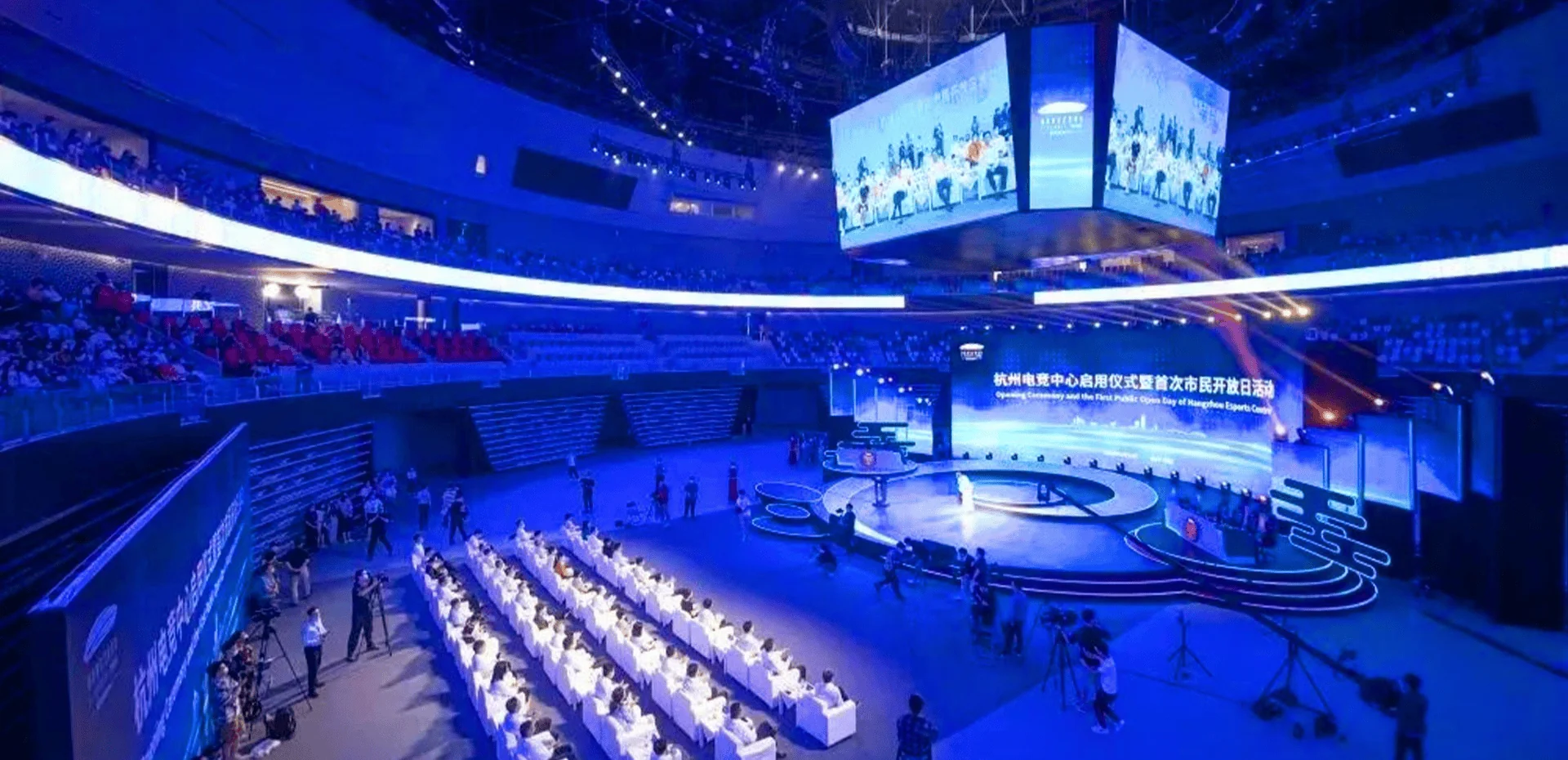
The above features make P4 LED displays widely applicable to commercial advertising, event venues, public information systems, and other medium-to-large display installations.
However, choosing the right P4 LED screen involves more than the pixel pitch spec. This guide explains its technical specifications, suitable applications, and essential purchasing considerations.
What Is a P4 LED Display?
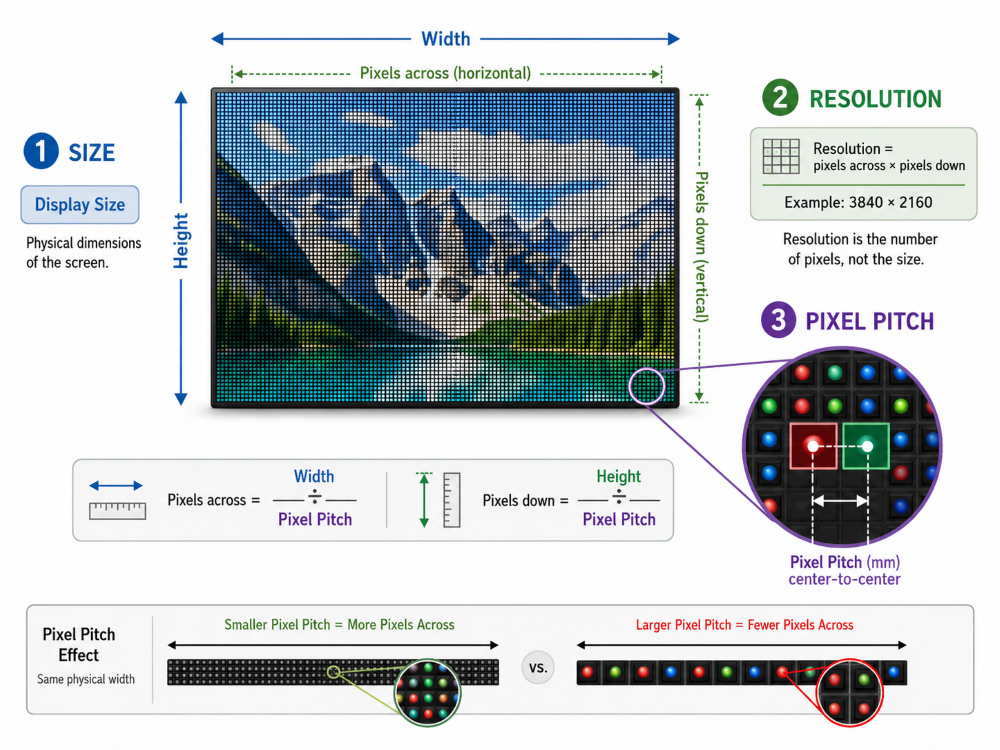
The “P” in P4 stands for pixel pitch, while “4” represents the 4 mm spacing between adjacent pixels. Pixel pitch is one of the key specifications used to determine a display’s pixel density, image detail, and suitable viewing distance.
Compared with other common pixel pitches:
- P2: Higher pixel density for closer viewing.
- P4: Moderate pixel density for medium-distance applications.
- P6: Lower pixel density for larger displays viewed from greater distances.
For sourcing and procurement teams, the goal is not necessarily to choose the smallest pixel pitch. Instead, the right P4 LED display should match the application’s viewing distance, image requirements, screen size, and budget.
- Viewing Distance: As a general industry guideline, 1 mm of pixel pitch corresponds to approximately 1 meter of minimum viewing distance. This places P4 at around 4 meters (13 feet) as a general reference point. The actual viewing experience can vary depending on content, screen size, and installation environment.
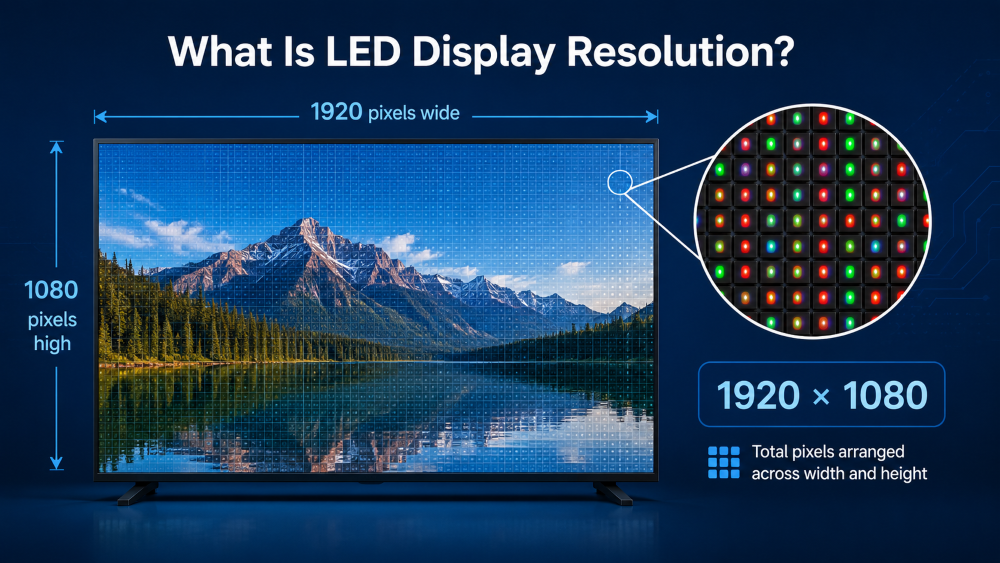
- Image Detail: A smaller pixel pitch increases the number of pixels within a given area and can produce finer details. However, pixel pitch alone does not determine whether a display delivers HD or 4K resolution. Physical screen dimensions and total pixel count also need to be considered.
- Cost: Finer-pitch displays generally use more LEDs per square meter and require tighter manufacturing tolerances, which can increase their cost. P4 LED displays may therefore be appropriate when a project requires detailed visuals but does not justify the higher cost of a finer-pitch display.
Typical Specifications of P4 LED Displays
Before requesting quotations, sourcing teams should understand the typical technical specifications of P4 LED screens. The following table provides general purchasing references. Some actual specifications vary by manufacturer, model, and intended application.
When Should You Choose a P4 LED Display?
A P4 LED display is particularly suitable when viewers are several meters away and the project requires a balance between visual performance and investment.
Suitable Applications for P4 LED Displays
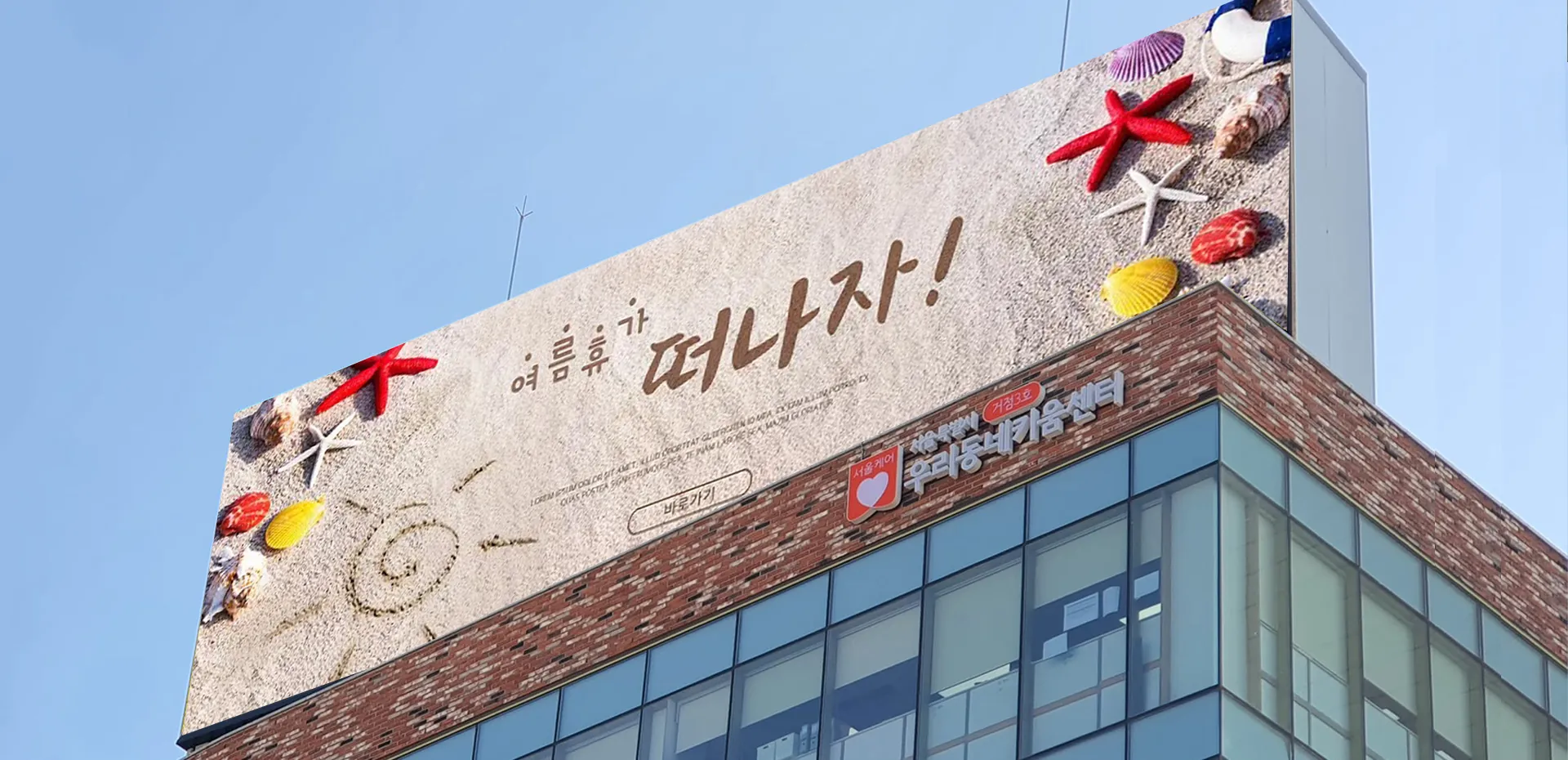
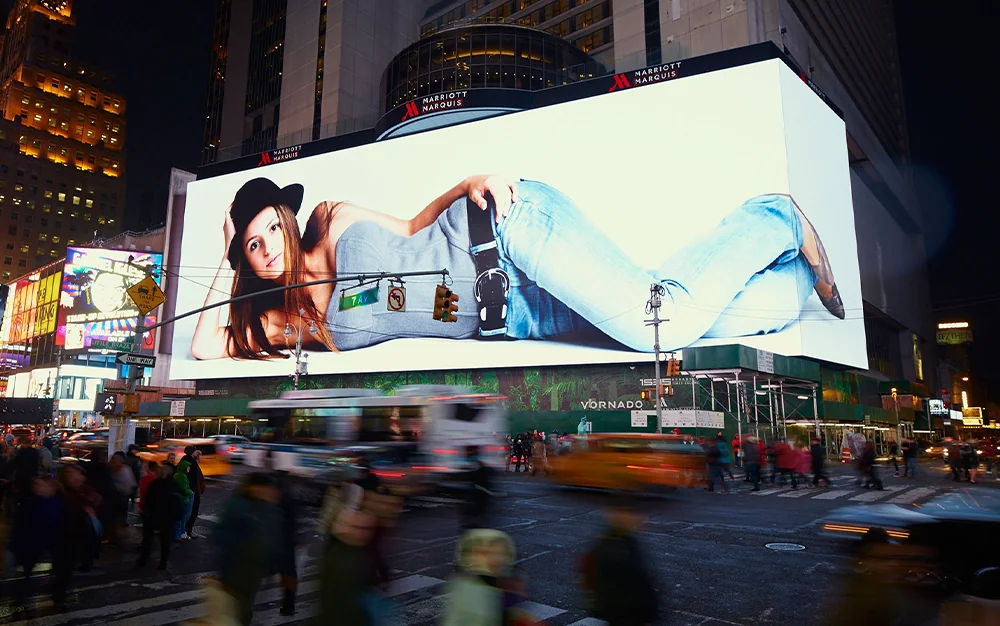
- Outdoor advertising: Digital billboards, commercial façades, shopping centers, and public advertising displays.
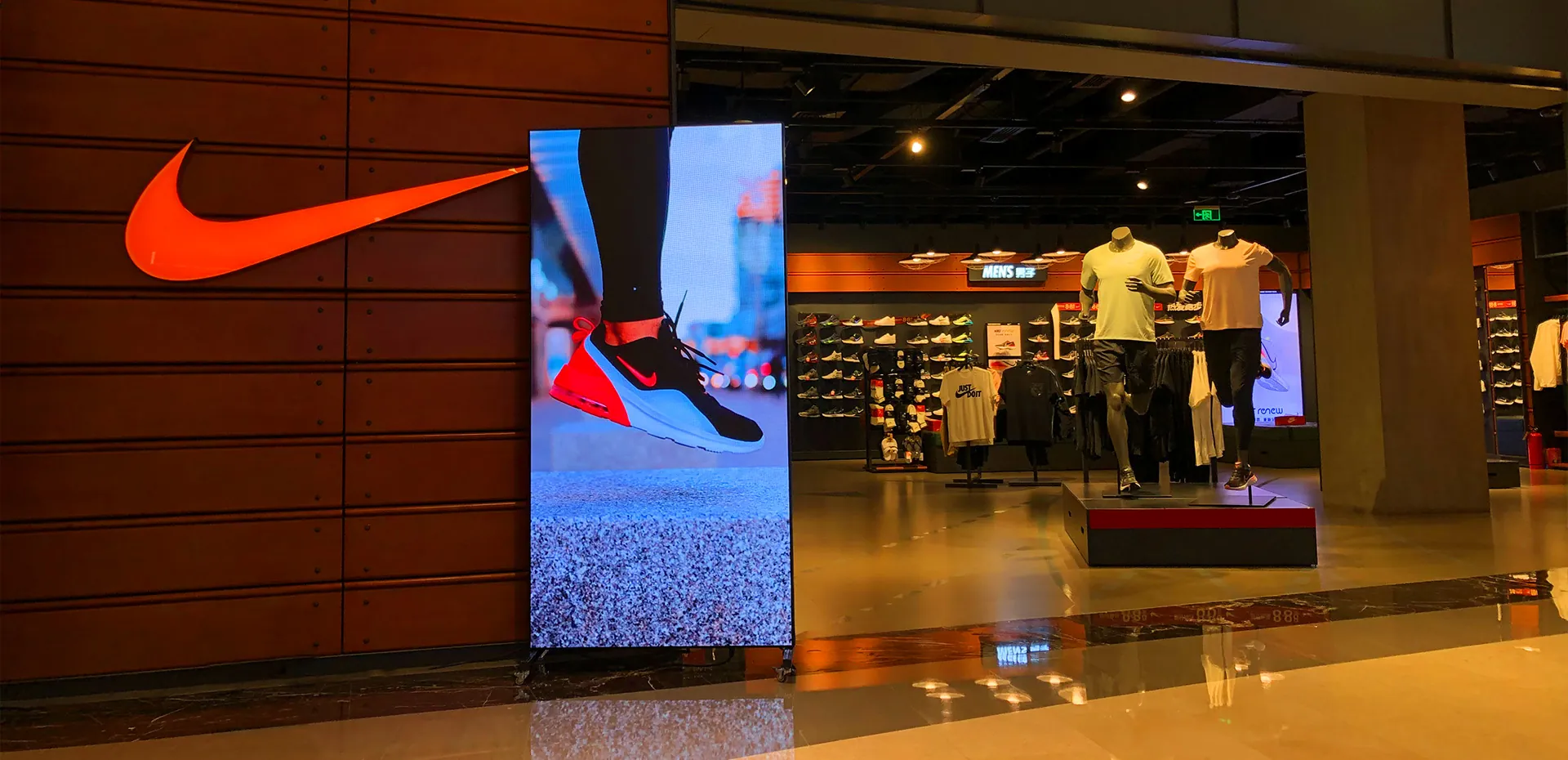
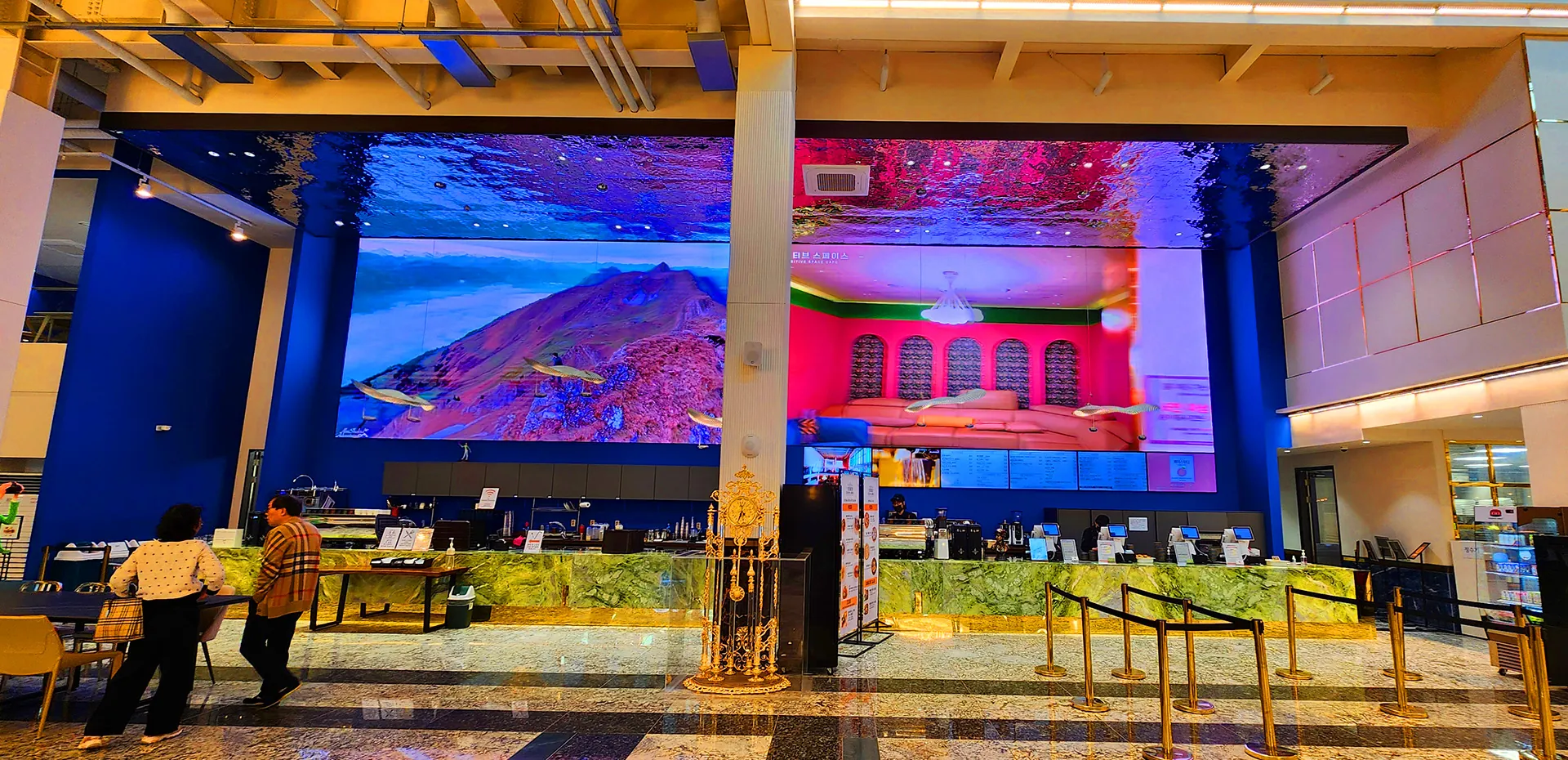
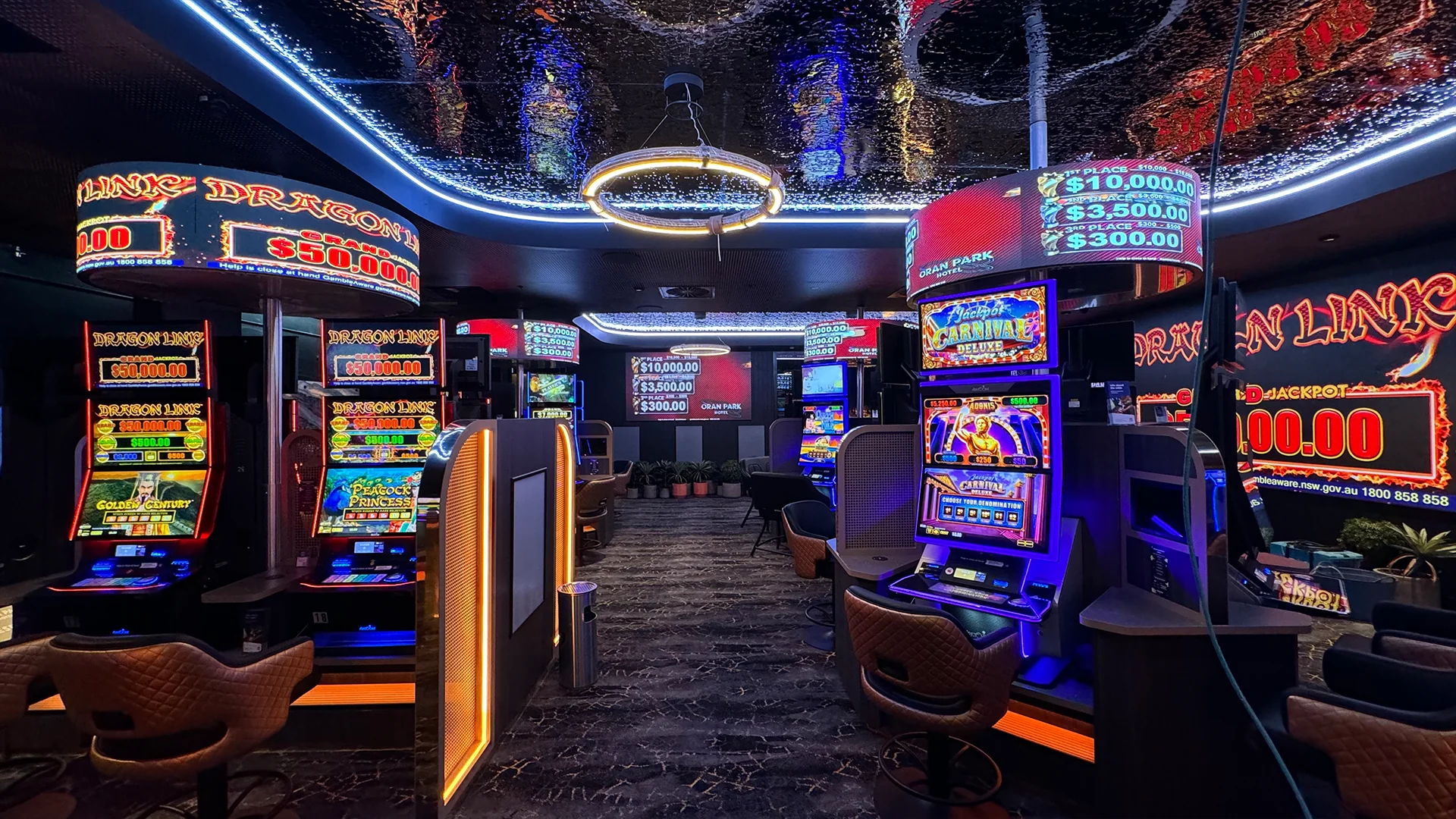
- Retail and commercial spaces: Brand displays, store promotions, showroom video walls, and immersive customer experiences.
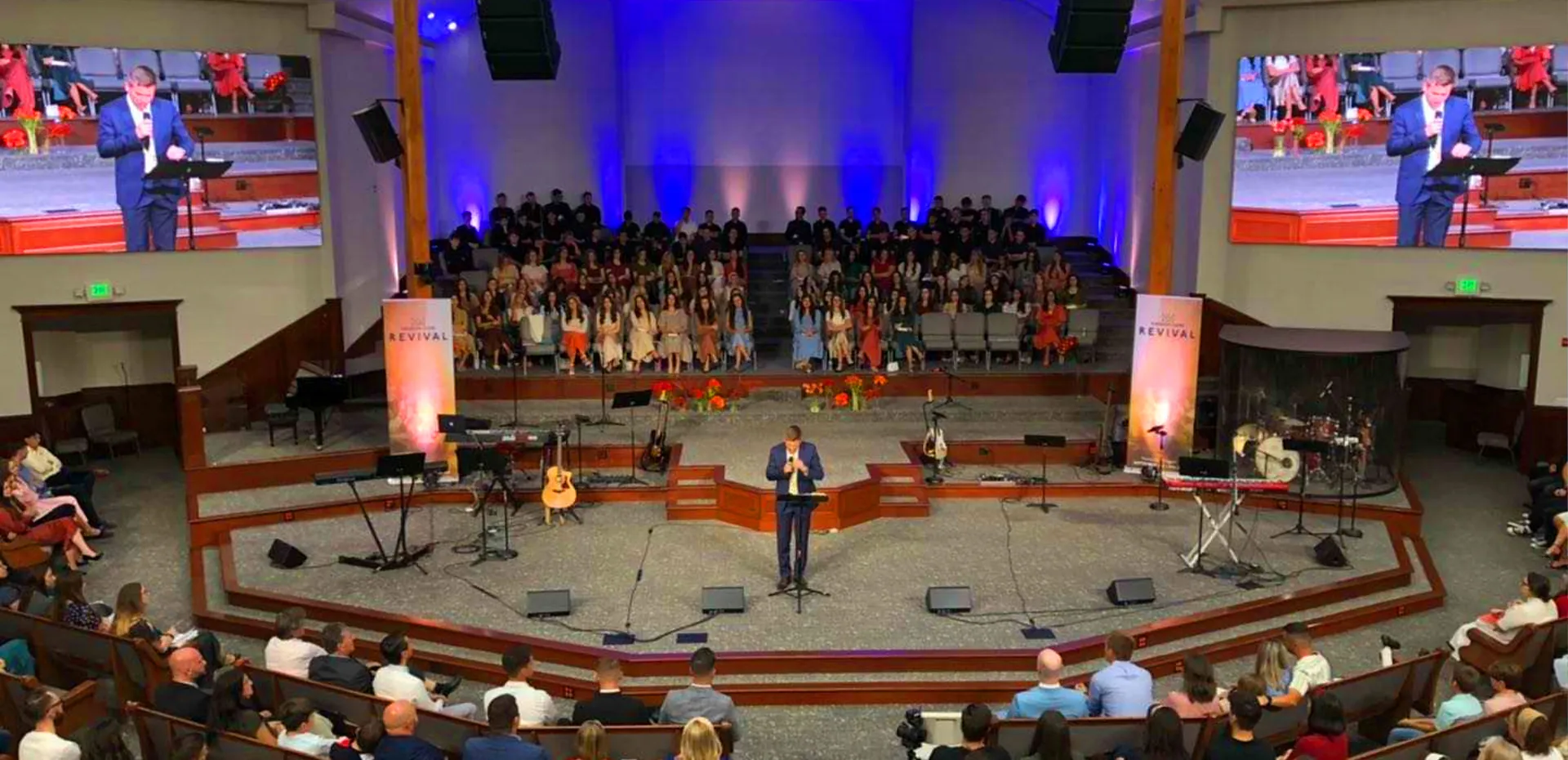
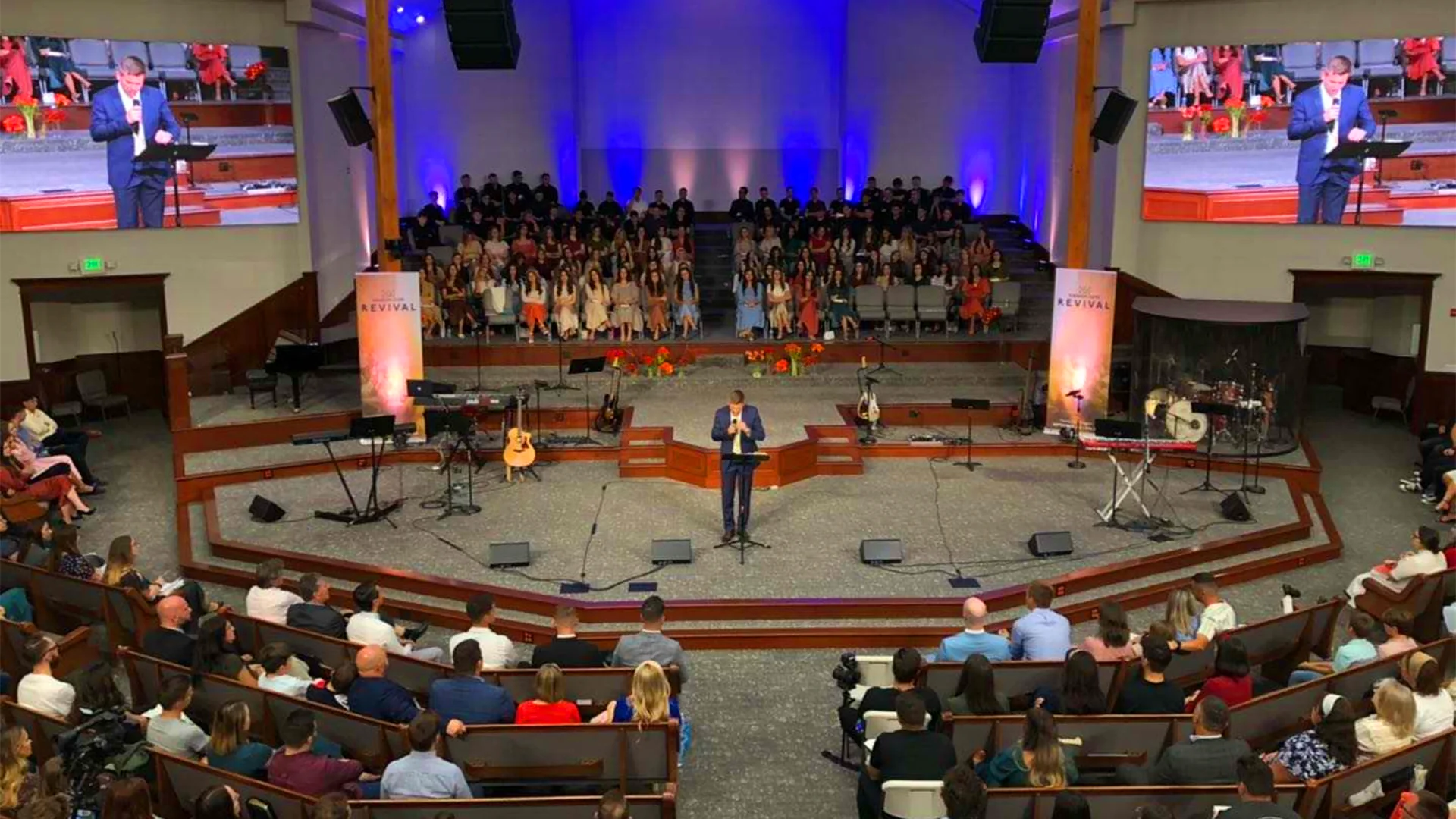
- Churches and cultural venues: Worship lyrics, live camera feeds, sermons, stage backgrounds, and cultural presentations.
- Corporate and education projects: Training rooms, auditoriums, conference venues, campus information screens, and events.
- Government and public-service projects: Smart-city displays, public-information systems, command announcements, community centers, and public welfare campaigns.
- Transportation and infrastructure: Station information boards, airport displays, terminal advertising, and traffic-related visual communication.
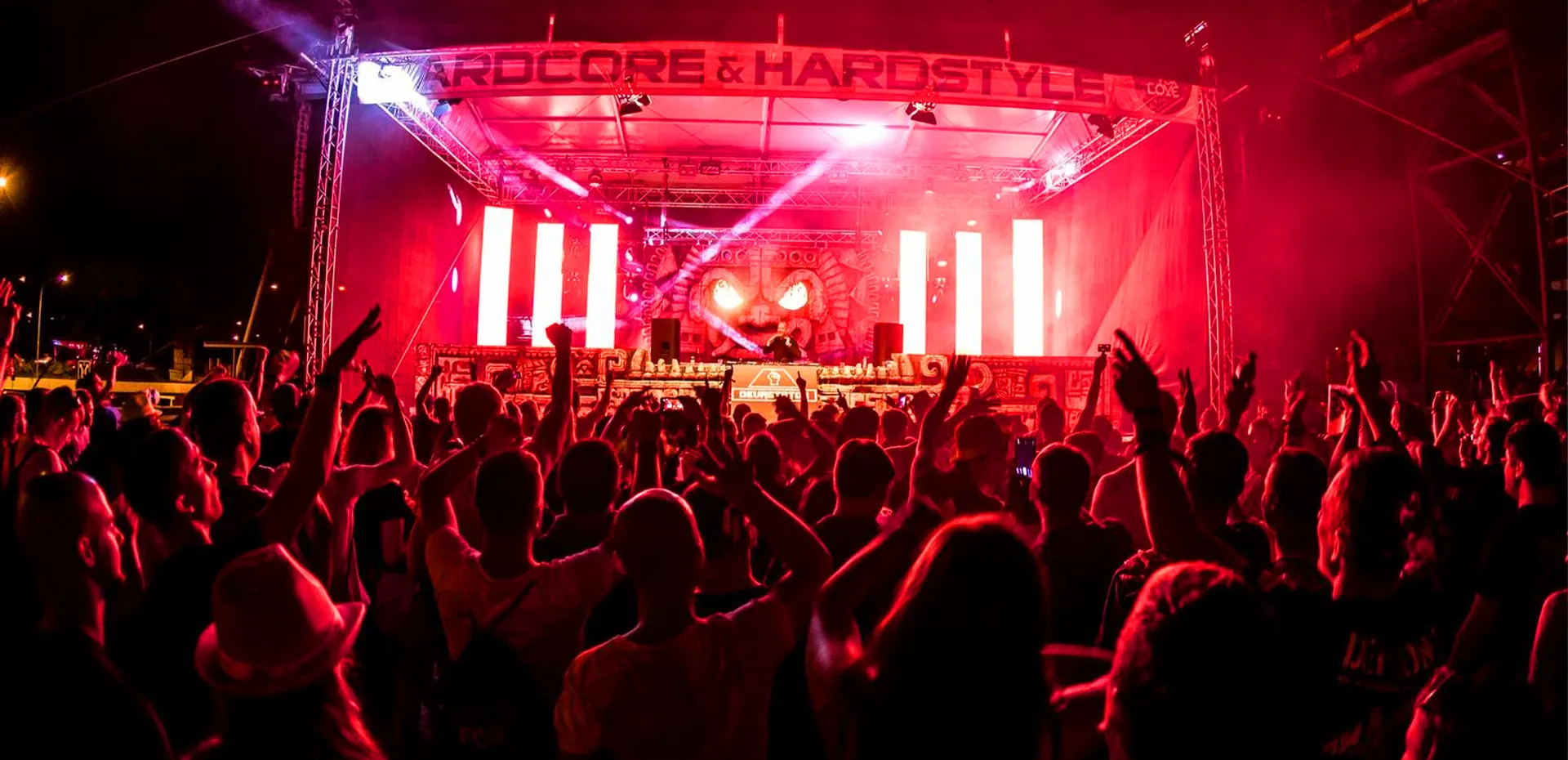
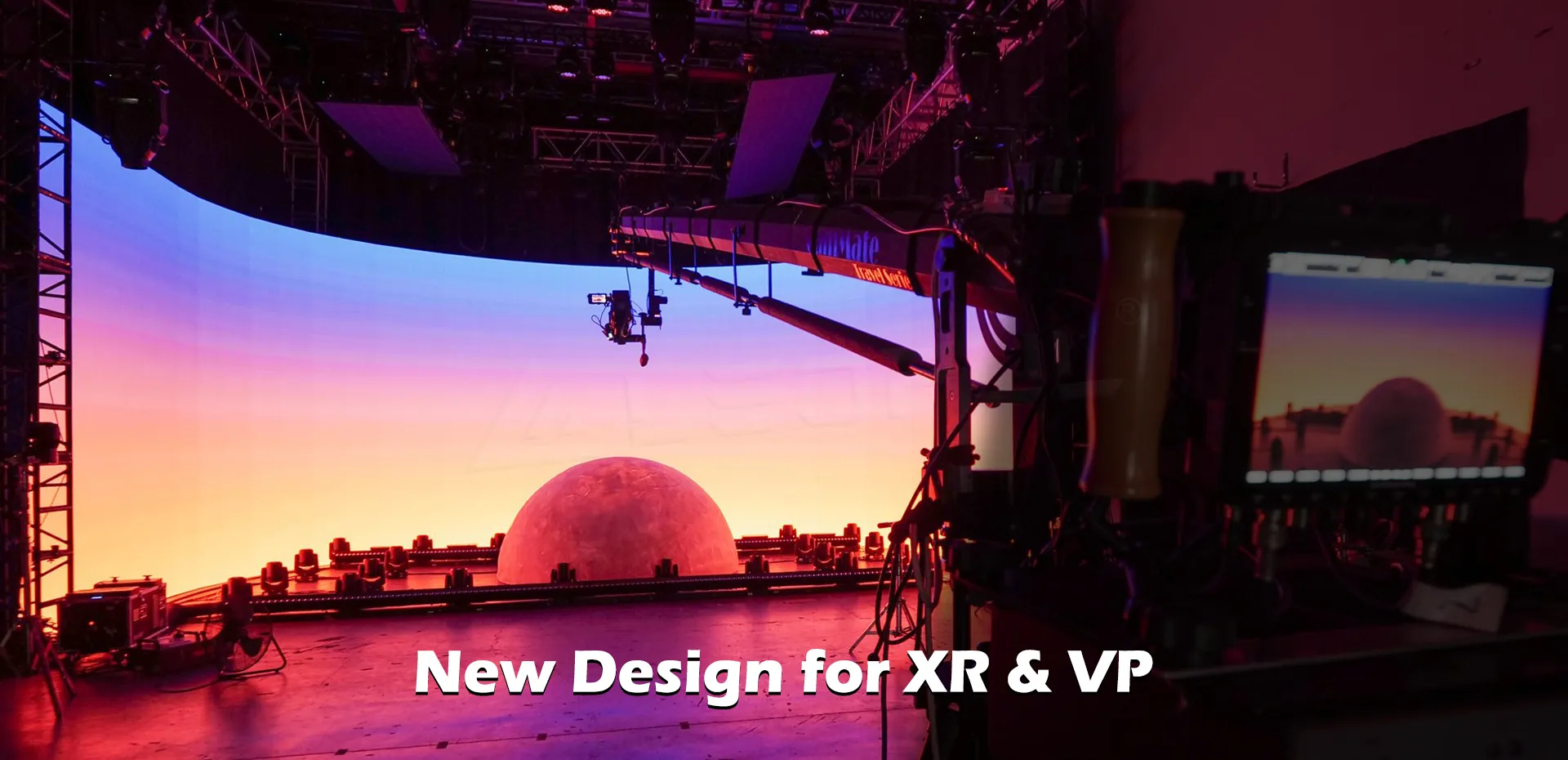
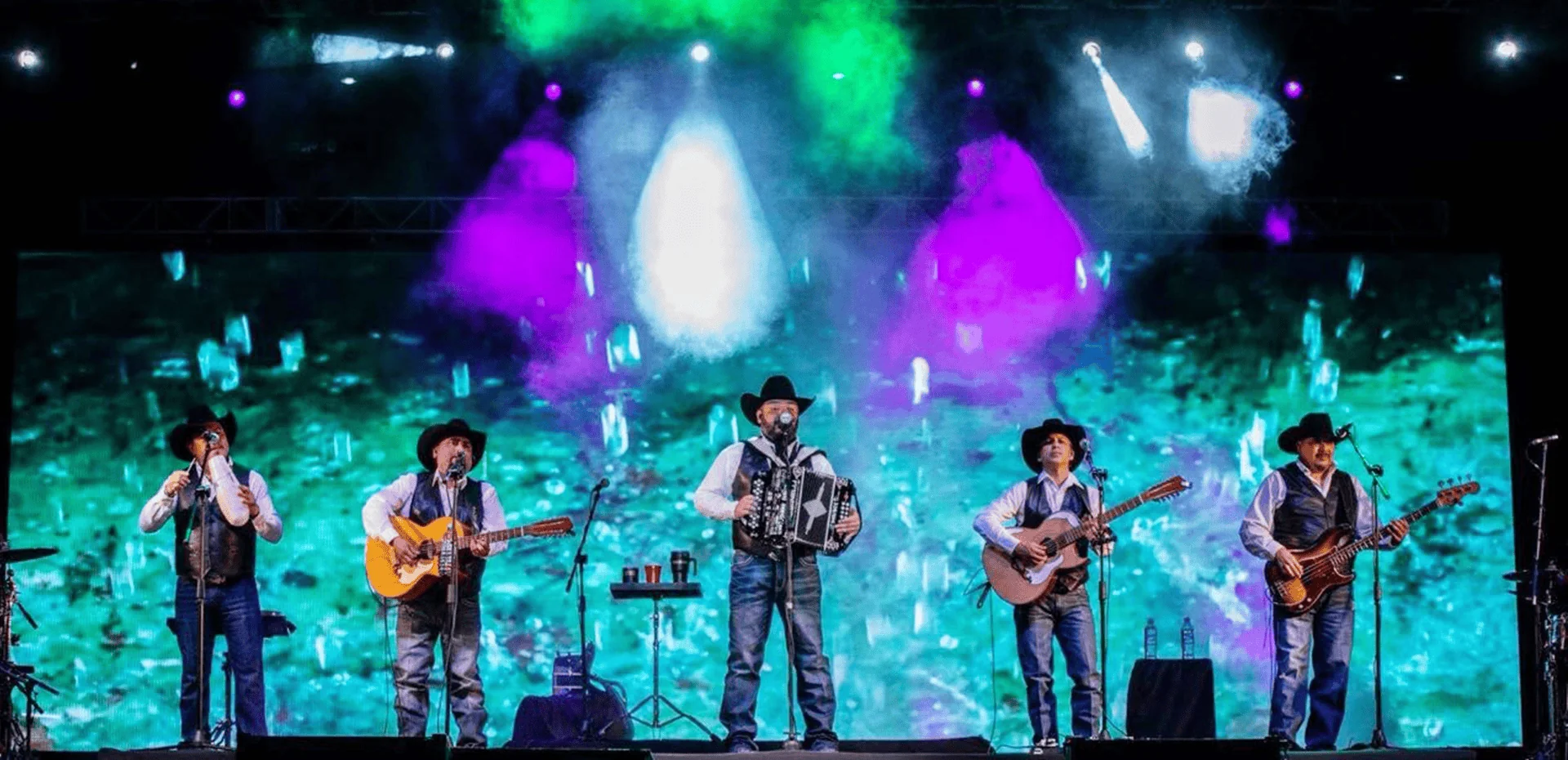
- Rental and event projects: Concerts, exhibitions, product launches, sports events, corporate meetings, and temporary stage LED walls.
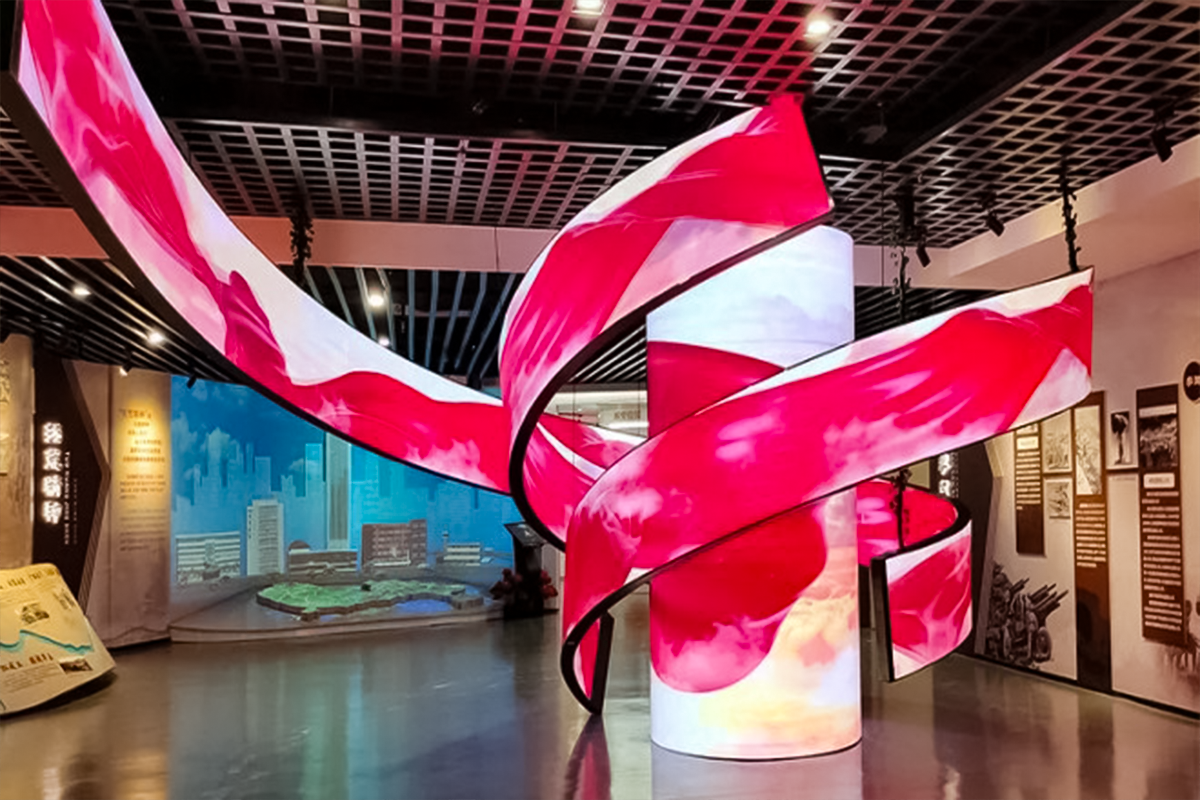
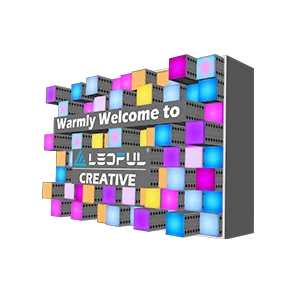
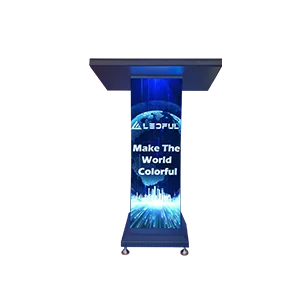
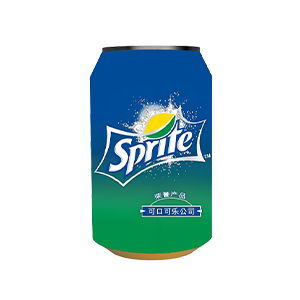
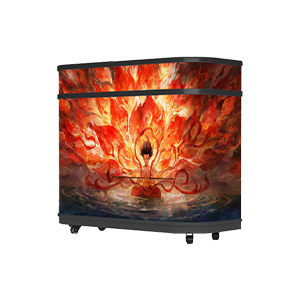
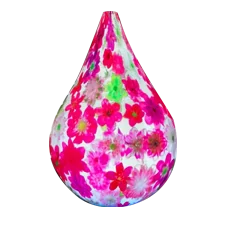
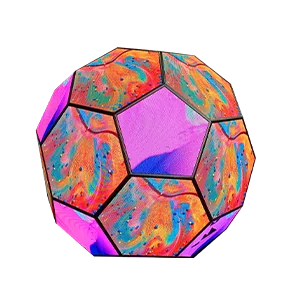
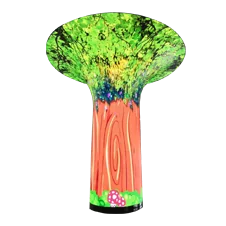
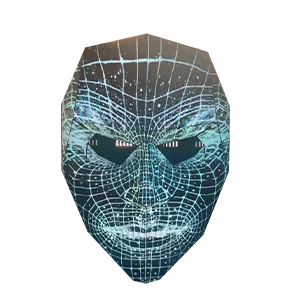
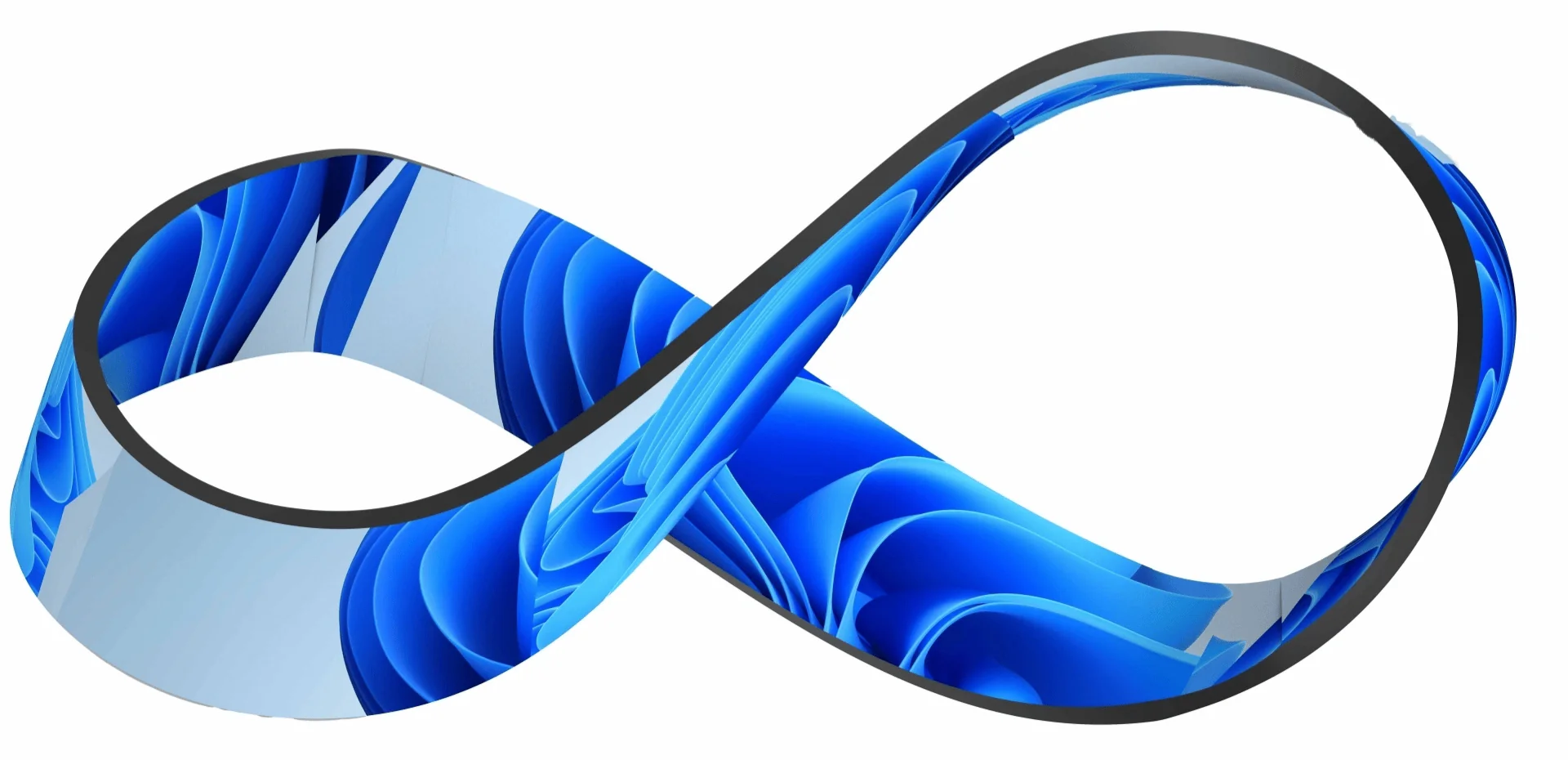
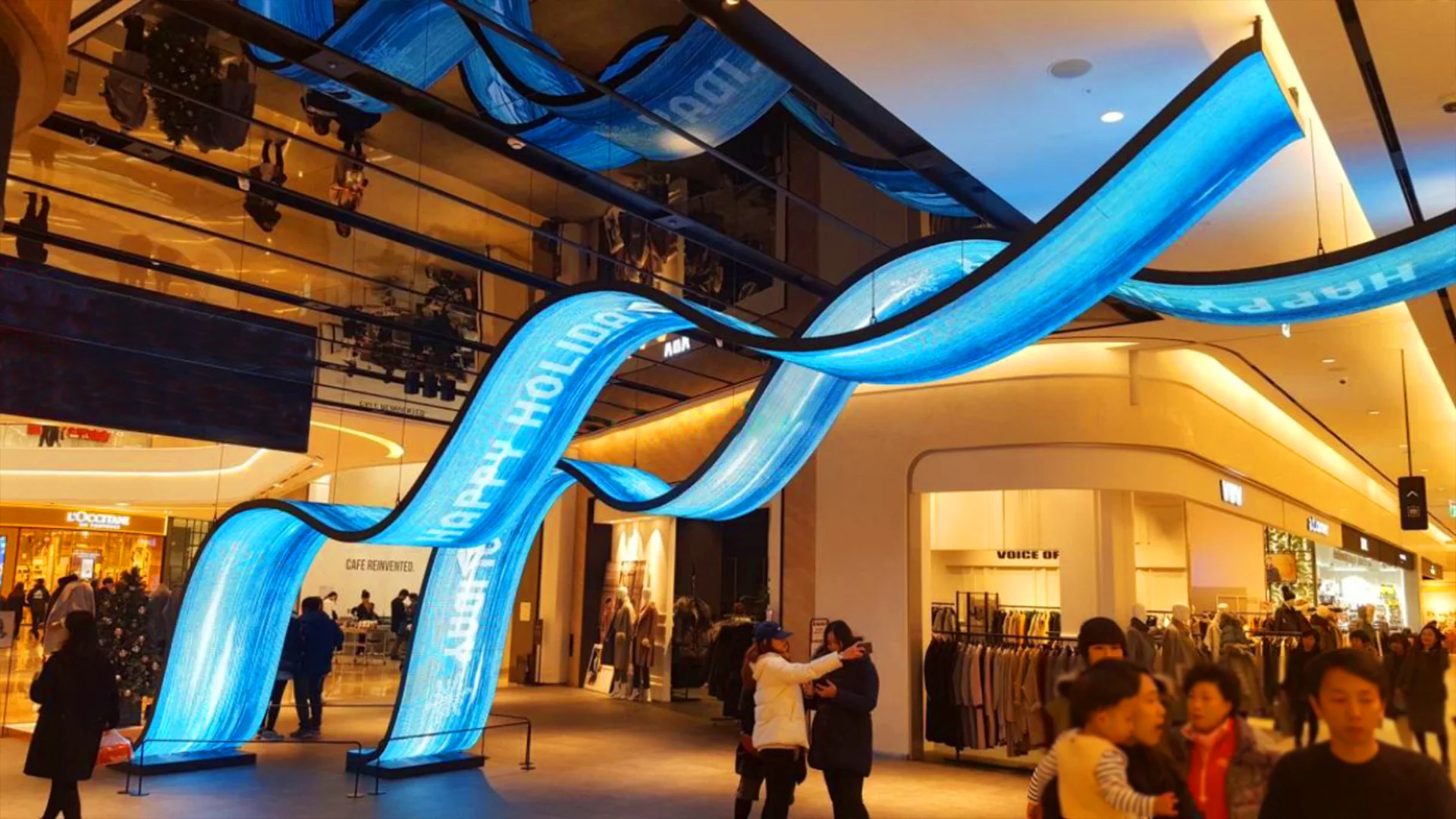
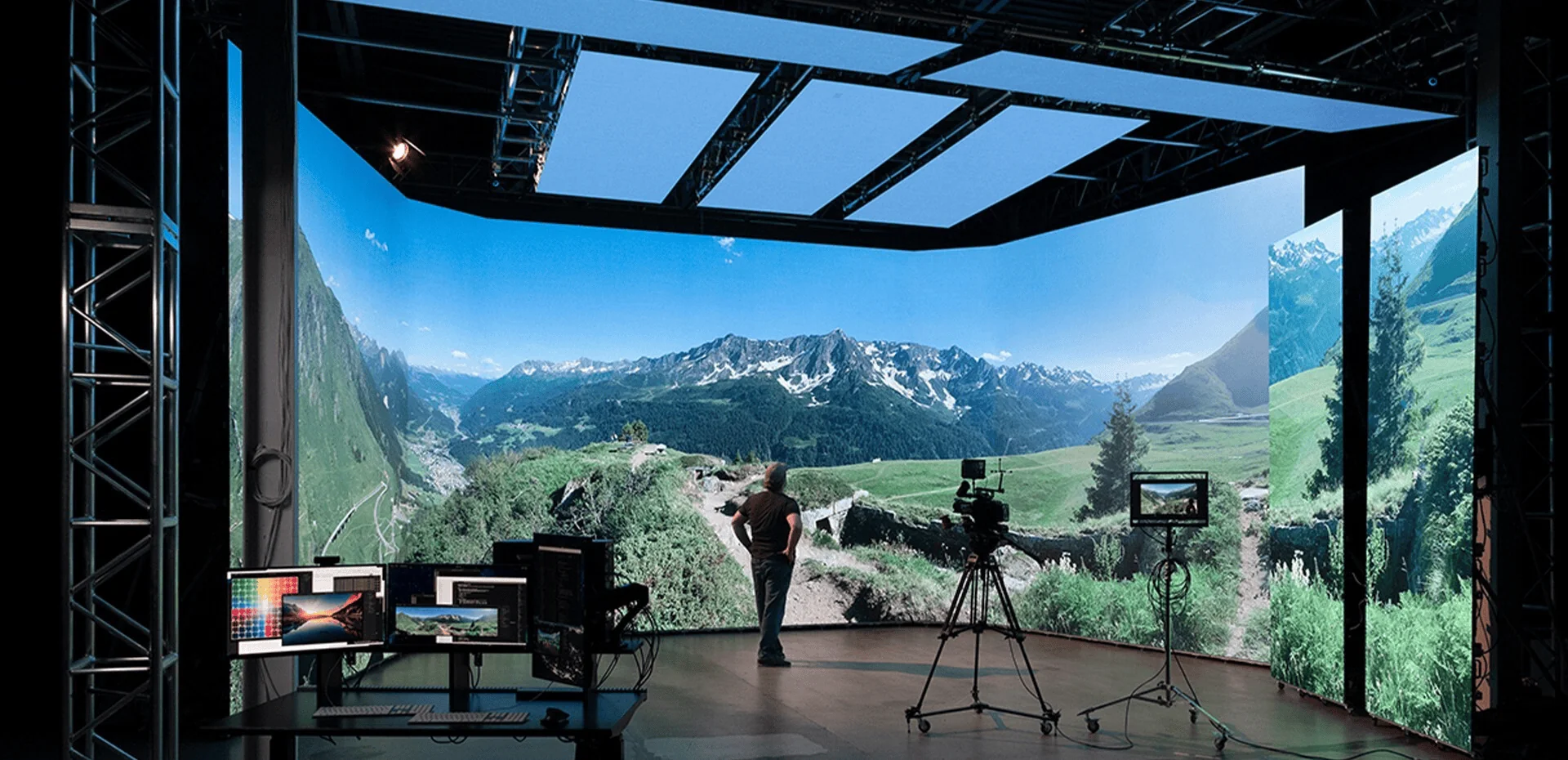
- Creative LED installations: Curved displays, columns, transparent building media, museum installations, and immersive spaces.
When Is P4 Not the Best Option?
- Choose a smaller pixel pitch—such as P1.2, P1.5, P1.8, P2.5, or P3—when viewers will stand closer than about 4 meters for extended periods.
- Choose a smaller pitch when the screen must show highly detailed content, including spreadsheets, CAD drawings, small text, dashboards, financial data, or high-resolution images.
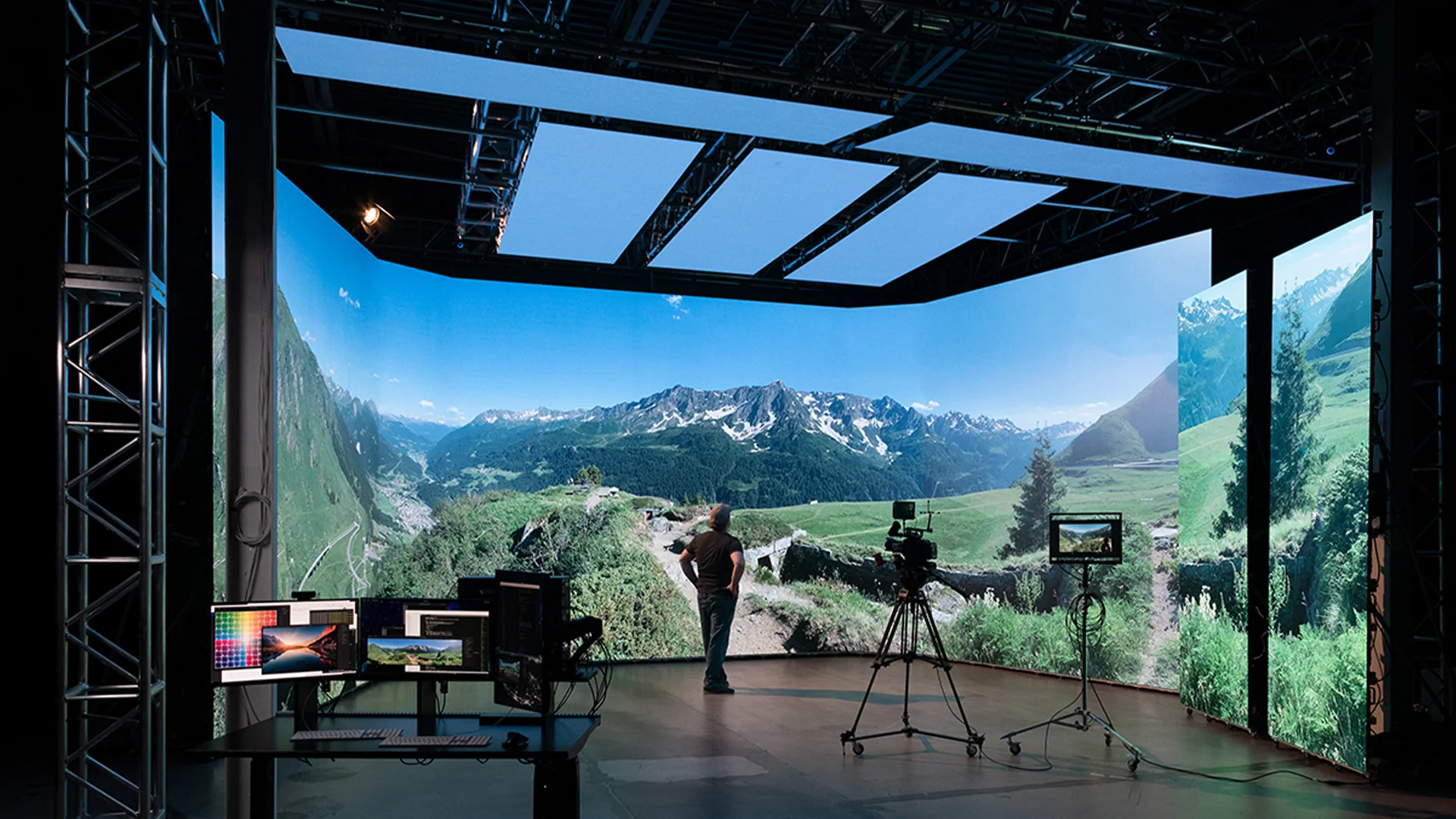
- Smaller-pitch LED displays are also more suitable for boardrooms, control rooms, broadcast studios, premium retail spaces, command centers, and indoor corporate environments where image detail is a priority.
- Choose a larger pixel pitch—such as P5, P6, P8, or P10—when the display is installed high above the audience or mainly viewed from long distances.
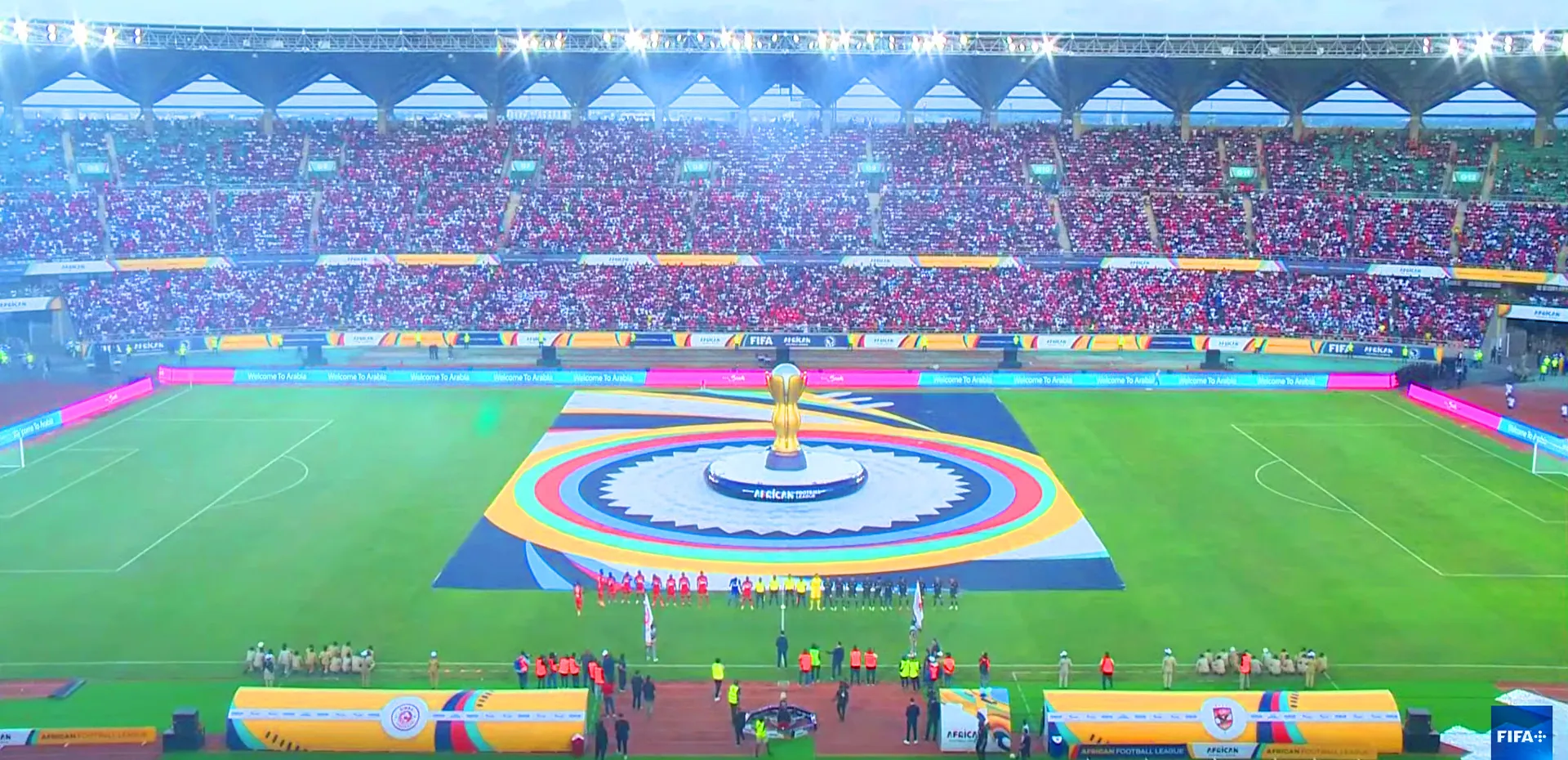
- Larger-pitch LED screens are often more cost-effective for roadside billboards, large building façades, stadium displays, outdoor advertising, transportation hubs, and other large-format projects where close viewing is not required.
- If budget is limited, choosing a larger P5, P6, or P8 LED display may allow the project to install a bigger screen with stronger visual impact while maintaining an appropriate image quality at the intended viewing distance.
Key Factors to Evaluate Before Buying a P4 LED Display
1. Viewing Distance and Screen Size
Start by identifying the nearest viewer, farthest viewer, screen height, screen width, and installation position.
A P4 LED display may look clear at 6 meters but appear less detailed if viewers stand 1 or 2 meters away. Conversely, selecting an unnecessarily fine pitch for a high-mounted outdoor billboard can increase cost without delivering a meaningful visual benefit.
Ask suppliers to provide:
- Total screen dimensions
- Total resolution in pixels
- Cabinet quantity and layout
- Suggested viewing-distance range
- Content-resolution recommendations
- 2D or 3D installation drawings
2. LED Lamp and Driver IC Quality
The LED lamp package and driver IC have a major impact on image quality, color uniformity, brightness stability, contrast, refresh rate, and long-term reliability.
When comparing quotations, confirm:
- LED lamp brand and package type
- Driver IC model and refresh-rate capability
- Power-supply brand
- Receiving-card and control-system brand
- Brightness uniformity and color calibration process
- Dead-pixel acceptance standard
- LED module replacement availability
- Spare-part package included with the order
A low initial price may conceal lower-grade components, inconsistent batches, limited after-sales support, or higher maintenance costs later.
3. Brightness and Energy Consumption
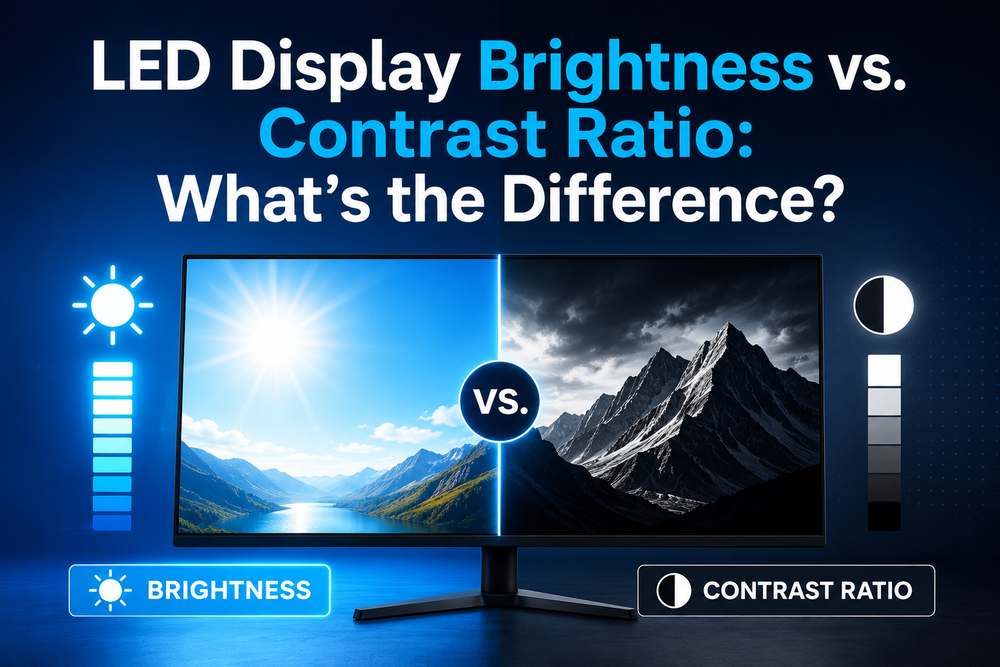
Brightness should match the installation environment. Excessive brightness indoors can cause visual discomfort and unnecessary power use. Insufficient brightness outdoors can make content difficult to read in direct sunlight. Indoor P4 LED displays commonly operate at up to about 1,000 nits, while outdoor systems may require 4,500 nits or more depending on local light conditions.
Ask for both maximum and average power consumption per square meter. This information affects:
- Electrical design
- Cable sizing
- Circuit-breaker planning
- Air-conditioning or ventilation needs
- Operating cost
- Backup-power requirements
- Sustainability and energy-saving targets
For projects with long operating hours, common-cathode technology, smart brightness adjustment, and scheduled power management can support lower energy consumption.
4. Cabinet Design and Maintenance
Cabinet design affects installation speed, screen flatness, appearance, weight, and future servicing.
For fixed installations, buyers should evaluate whether front maintenance, rear maintenance, or both are needed. Front service is especially valuable for wall-mounted LED displays where there is limited space behind the screen.
Key questions include:
- Is the cabinet made from die-cast aluminum, aluminum profile, or steel?
- What are the cabinet size, thickness, and weight?
- Does the project need front or rear maintenance?
- Are modules, power supplies, and receiving cards quickly replaceable?
- How precise are the cabinet-locking and alignment systems?
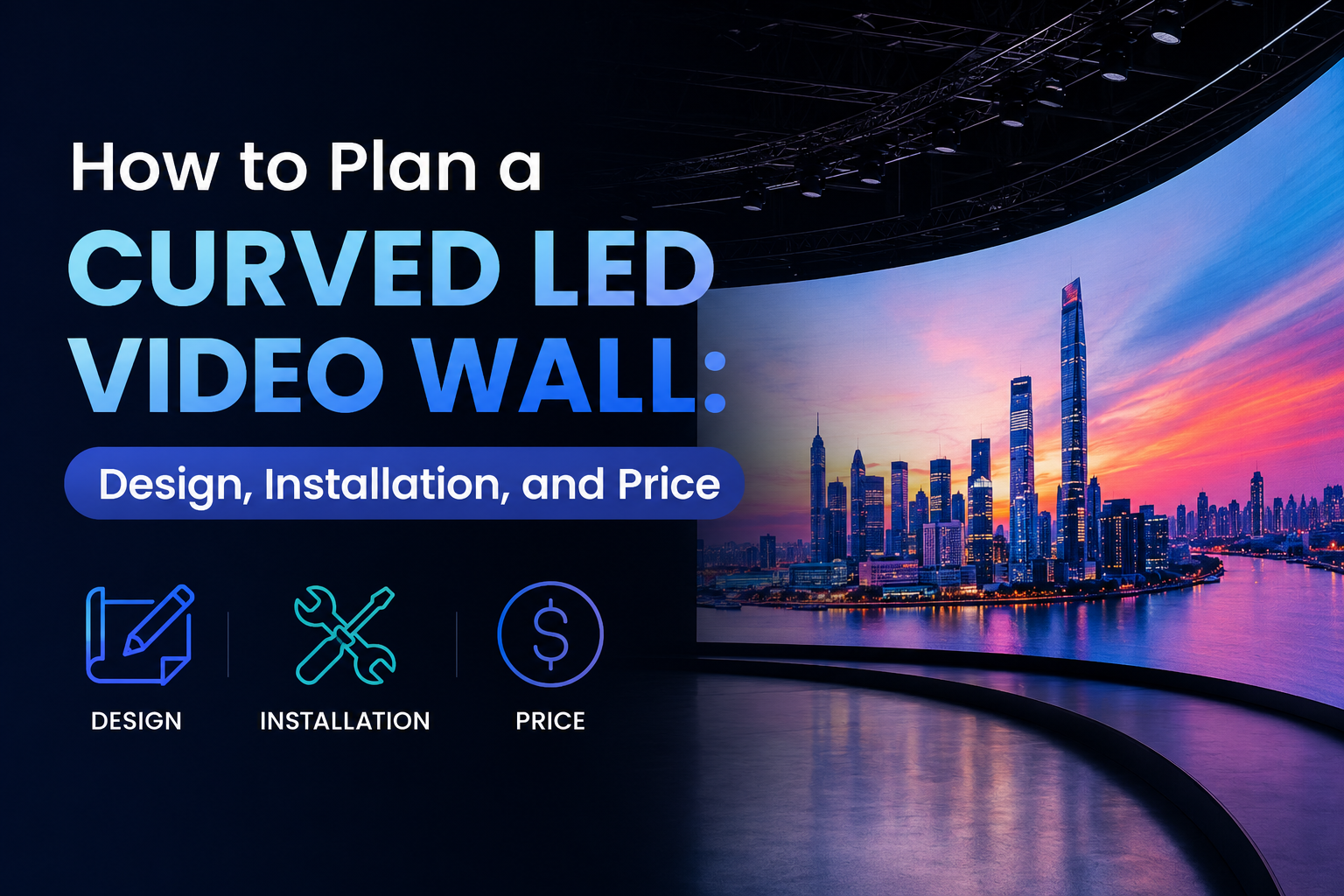
- Does the system support curved, corner, or creative installation?
For rental projects, lightweight cabinets, fast locks, anti-collision protection, and easy handling are particularly important.
5. Certifications and Compliance
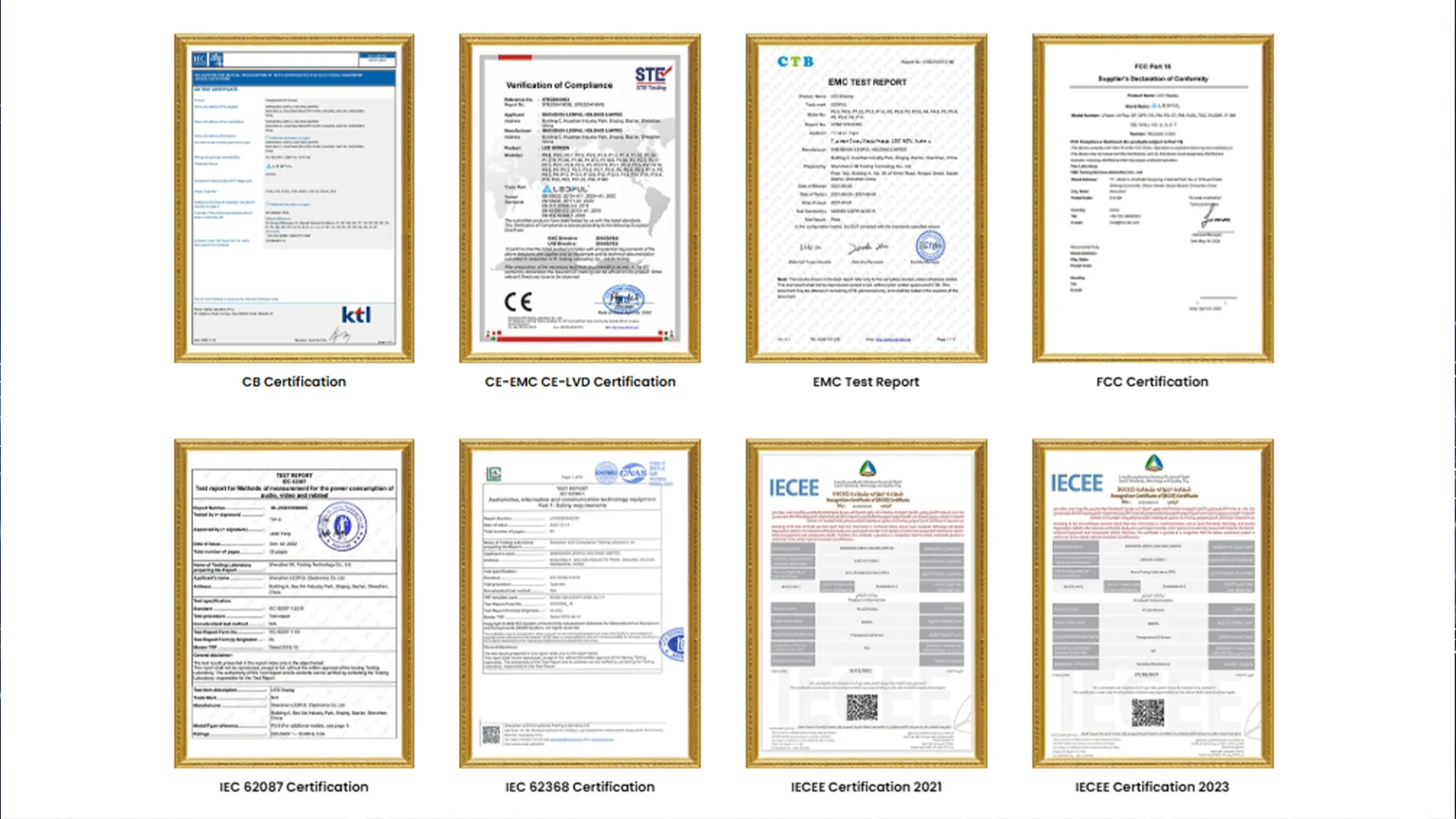
LED display compliance requirements differ by country, project type, electrical standard, and buyer category. Government agencies, public institutions, transportation facilities, financial organizations, and large contractors often have stricter documentation requirements.
Before placing an order, verify:
- Required certifications for the destination market
- CE, FCC, RoHS, or other applicable documentation
- Electrical and fire-safety requirements
- IP rating for outdoor or humid environments
- Structural and wind-load requirements for outdoor projects
- Packaging and shipping documentation
- Warranty terms and technical-support scope
Certification documents should match the quoted product configuration whenever possible. Do not assume that a certificate for one LED display model automatically applies to another model.
LEDFUL Offers Reliable, Energy-Efficient P4 LED Displays for Different Applications
Different projects demand different display structures, brightness levels, and installation methods. At LEDFUL, we offer P4 LED display solutions for outdoor advertising, indoor commercial installations, transparent displays, rental events, and customized creative projects.
The following five product series address different sourcing requirements.
1. Outdoor P4 LED Display – FS PRO 500×250 Series
Model: FS3.9-Pro | Pixel Pitch: 3.91 mm
Our FS PRO 500×250 Series is designed for outdoor advertising and large-format commercial installations. The FS3.9-Pro features:
- Brightness of at least 5,500 nits.
- IP66 protection against dust and water ingress.
- Refresh rate of at least 3,840 Hz.
- Front and rear maintenance access.
- An energy-saving common-cathode design.
Its aluminum construction and flexible cabinet configurations make it suitable for building-mounted advertising, outdoor digital signage, and creative commercial displays.
2. Indoor P4 LED Display – WALL PRO Series
Model: WALL3.9-PRO | Pixel Pitch: 3.91 mm
Our WALL PRO Series provides a space-saving solution for indoor commercial applications. Key features include:

- Brightness of up to 1,000 nits.
- Refresh rate of at least 3,840 Hz.
- Slim, die-cast aluminum cabinets.
- Full front maintenance access.
- Multiple cabinet sizes for flexible installation.
This P4 indoor LED display is particularly suitable for shopping malls, corporate facilities, auditoriums, and commercial environments where installation space is limited.
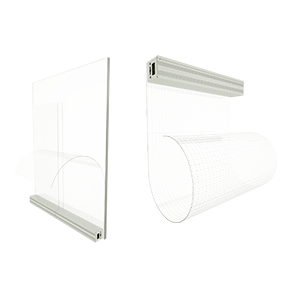
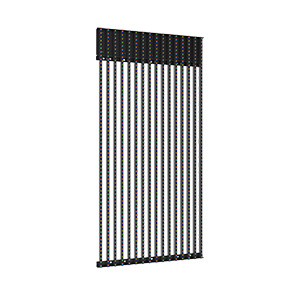
3. Transparent P4 LED Display – HIS Series
Model: HIS3.91 | Pixel Pitch: 3.91 mm
Our HIS Series combines digital advertising with transparent display technology. Its principal features include:

- Transparency exceeding 90%.
- Brightness options reaching 4,500 nits.
- Approximately 2 mm panel thickness.
- Lightweight construction of approximately 3 kg/m².
- Refresh rate of at least 3,840 Hz.
The HIS3.91 is suitable for glass storefronts, automotive showrooms, retail advertising, and architectural installations. It allows businesses to present digital content while preserving visibility through the display.
4. Rental P4 LED Display – S&K Series
Model: SI/KI3.9 | Pixel Pitch: 3.91 mm
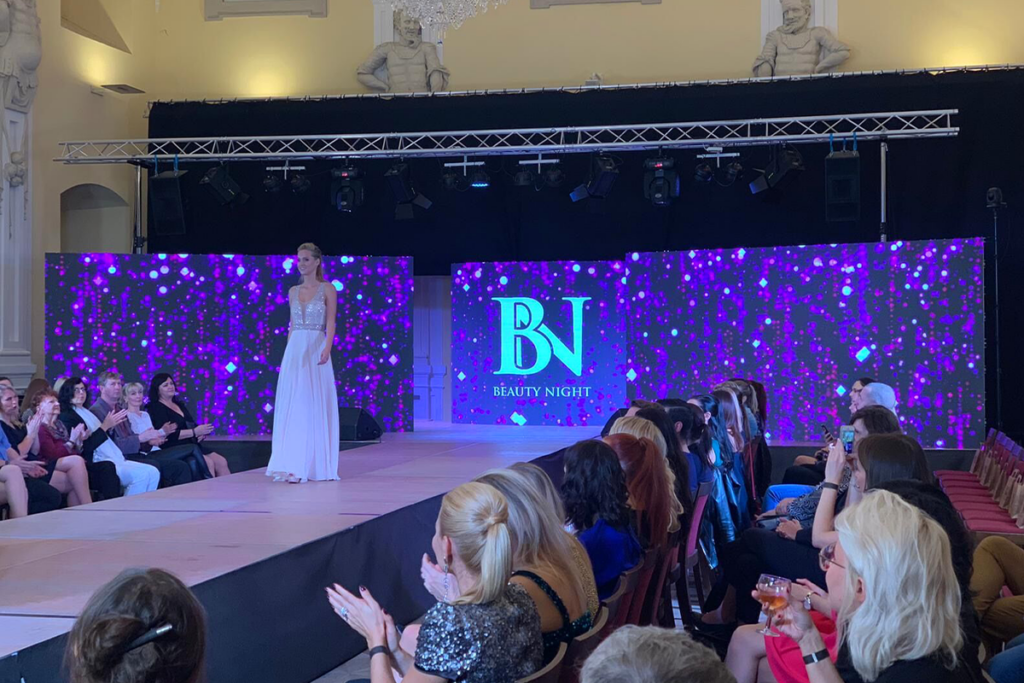
Our S&K Series is developed for professional event rental and temporary display installations. The SI/KI3.9 offers:
- Refresh rate of at least 3,840 Hz.
- Die-cast aluminum cabinets.
- Front and rear maintenance.
- 500 × 500 mm and 500 × 1,000 mm cabinet options.
The series is suitable for exhibition contractors, event organizers, rental companies, and stage production teams.
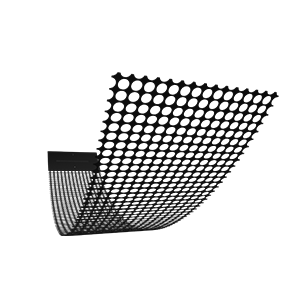
5. Flexible P4 LED Display – FLEX Series
Model: FLEX4 | Pixel Pitch: 4.0 mm
Our FLEX Series is designed for projects requiring curved or unconventional display structures.
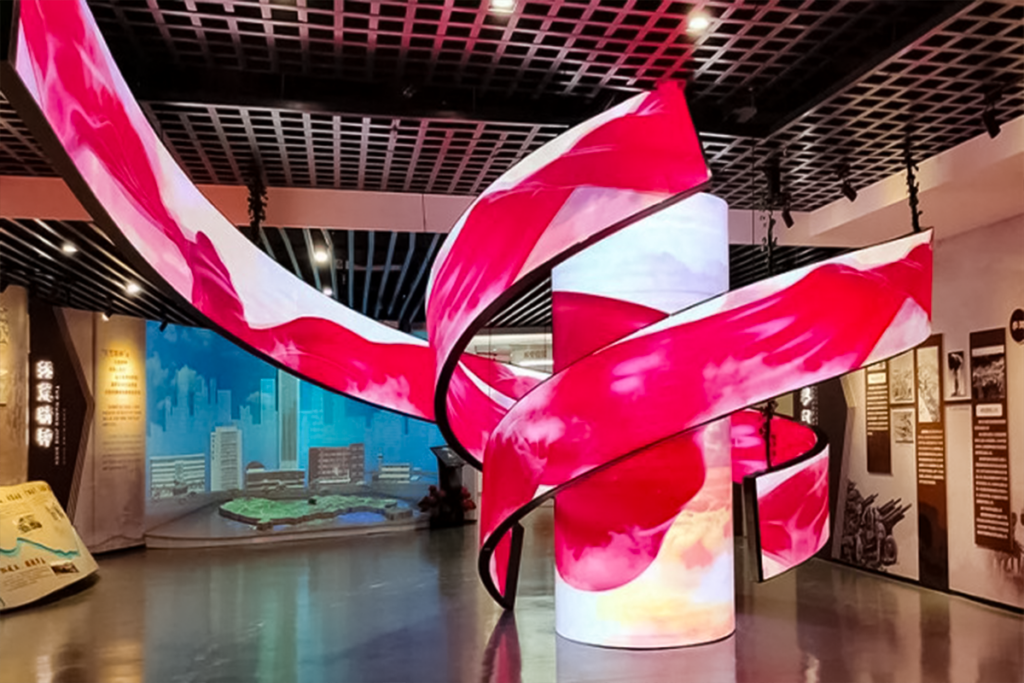
The indoor FLEX4 uses flexible modules with magnetic mounting capabilities. It supports customized installation structures and has a specified refresh rate of at least 1,920 Hz. For outdoor creative installations, the corresponding FLEX4-OUTDOOR version offers higher brightness and IP65 protection.
These solutions are suitable for curved advertising walls, cylindrical displays, architectural features, and immersive commercial environments.
Conclusion
Choosing the right P4 LED display requires careful consideration of viewing distance, resolution, brightness, component quality, installation conditions, and total project cost. A P4 LED screen can provide an effective balance of image quality and affordability for commercial advertising, event venues, public information systems, and many other medium-distance applications.
LEDFUL offers multiple P4 display solutions designed for different installation environments and project requirements. Whether you need a P4 outdoor LED display, an indoor installation, or a customized creative solution, contact LEDFUL to discuss your project specifications and request a tailored quotation!