







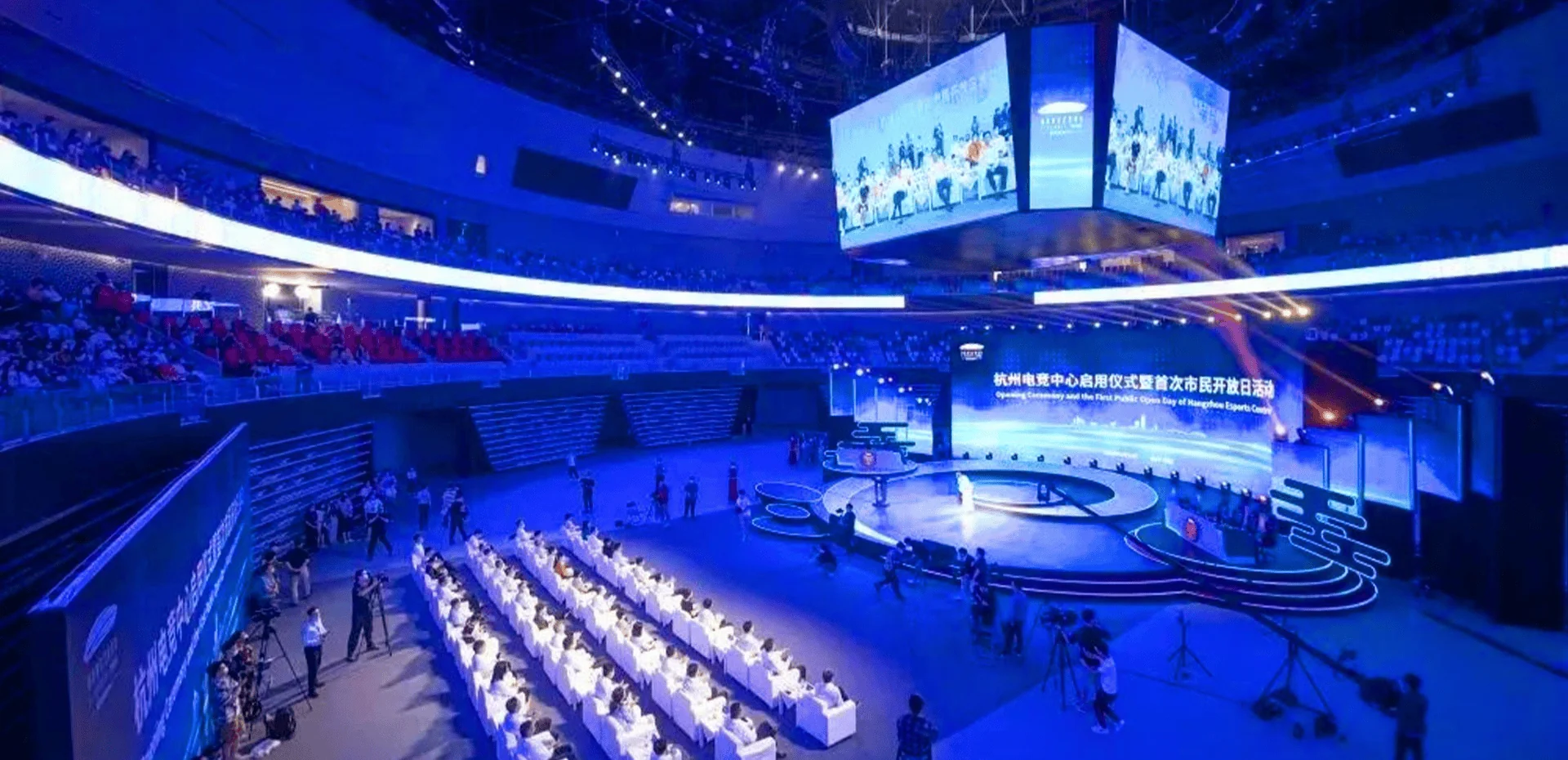
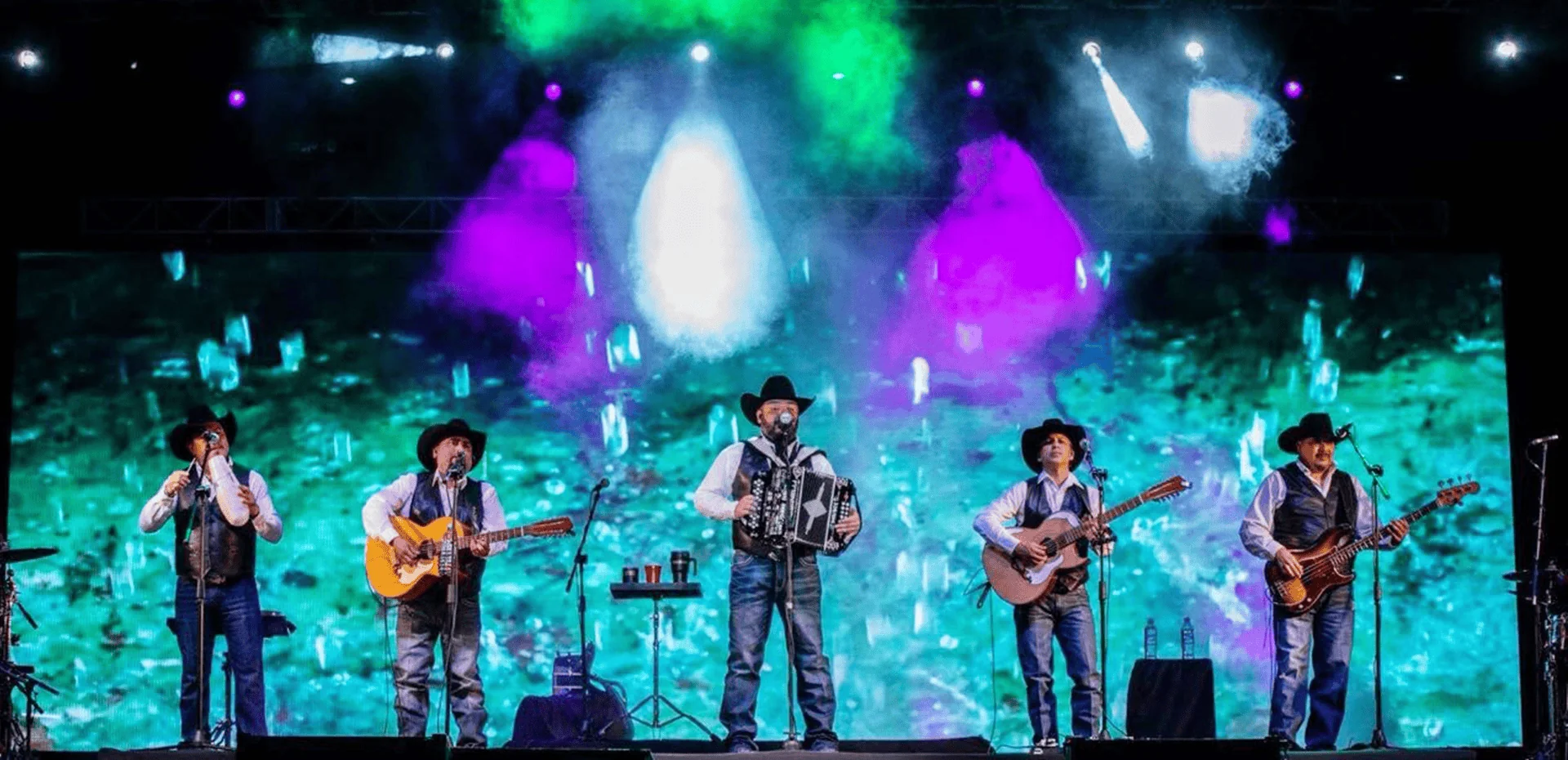
Film production has moved beyond physical sets and green-screen workflows as studios increasingly combine real-time graphics with physical environments. We at LEDFUL see virtual production as a technical ecosystem in which camera tracking, rendering, lighting, content, and display performance must work together. For cinematographers, producers, and studio integrators, understanding how these elements interact can make the difference between an immersive scene and visual artifacts that become distracting during filming.

How LED Virtual Production Works
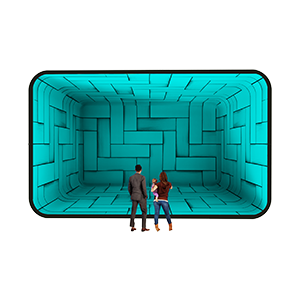
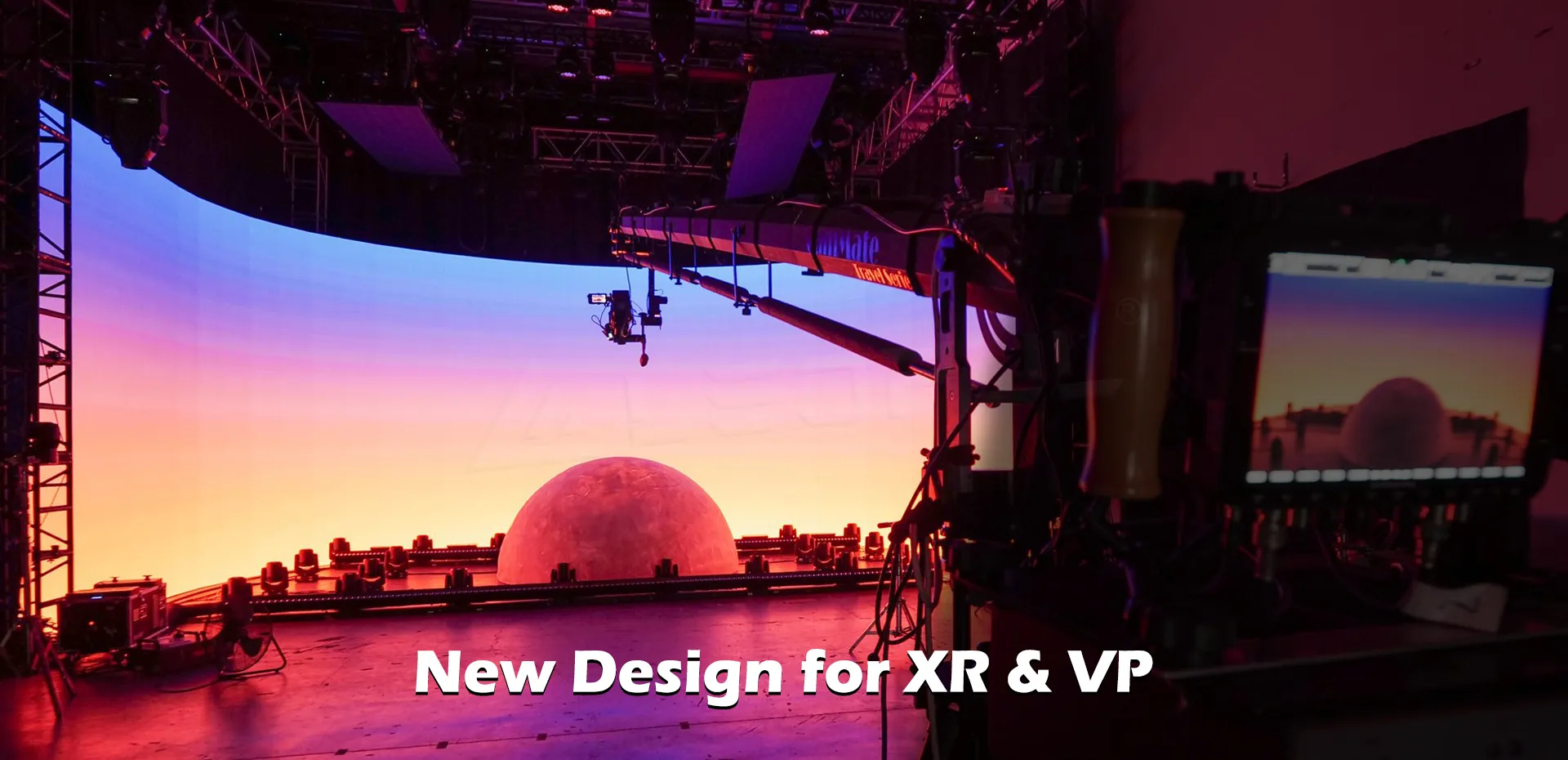
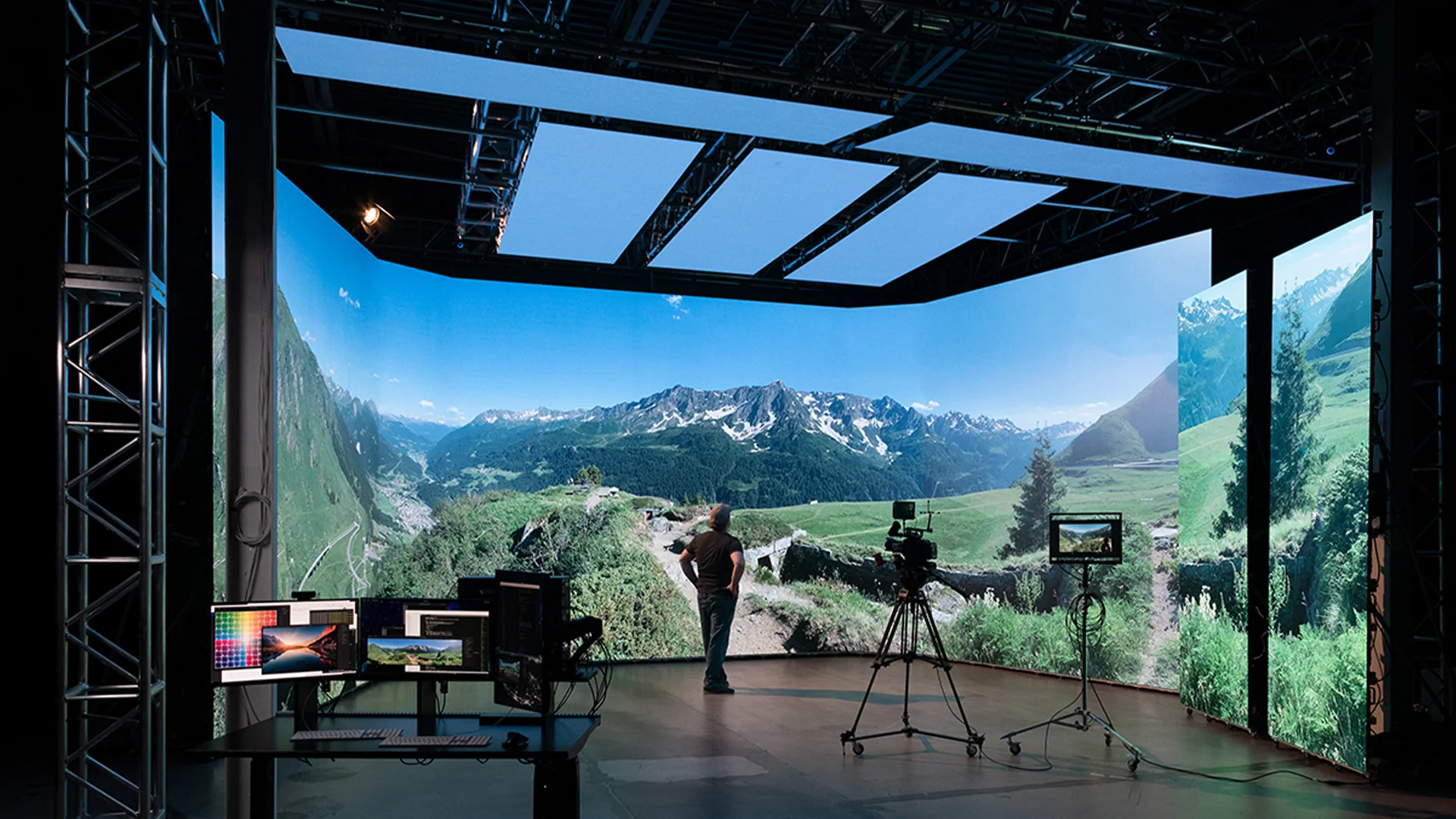
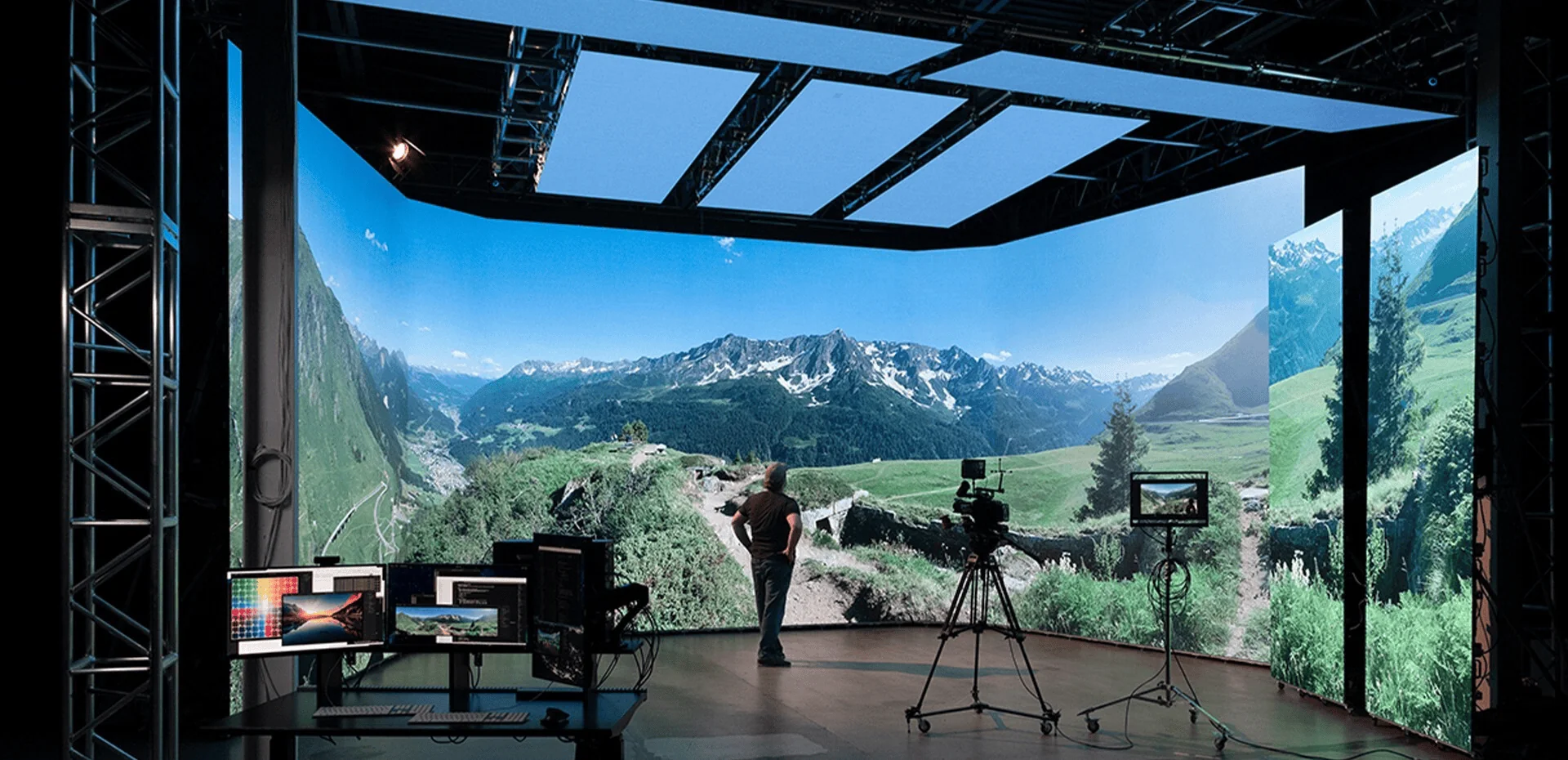
Virtual production places digitally generated environments directly behind performers rather than relying entirely on chroma-key compositing during post-production. The camera captures actors, props, lighting, and the digital environment simultaneously, allowing filmmakers to see a much closer representation of the final scene during shooting. This approach can also give directors and cinematographers more immediate control over composition and lighting.
Real-time rendering sits at the center of the workflow. A rendering engine generates the virtual environment while tracking systems provide information about the camera’s position and orientation. The rendered perspective can then change according to camera movement, creating the visual impression that the physical camera is moving through a much larger digital space.
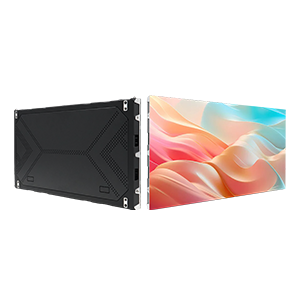
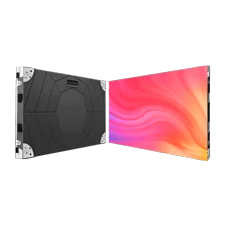
Display technology becomes part of the filmmaking equipment rather than simply serving as background signage. An LED display must reproduce detailed imagery while working within the timing requirements of cameras, tracking systems, and rendering hardware. Color consistency, refresh behavior, brightness, pixel pitch, and viewing angle can all influence what appears in the recorded footage.
Pixel Pitch, Refresh Rate, And Camera Performance
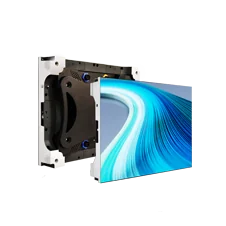
Pixel pitch determines the spacing between neighboring pixels. Smaller spacing creates greater pixel density across the same physical area, which can be useful when cameras operate relatively close to the display surface. The appropriate specification depends on lens selection, camera distance, virtual set dimensions, and the level of detail visible in the shot.
Refresh performance deserves particular attention in filmed environments. Camera shutter speed and display refresh behavior can interact, producing scan lines, flicker, or banding that may not be obvious to people watching the screen directly. Testing the display with the cameras and lenses intended for production is much more informative than relying exclusively on specifications.
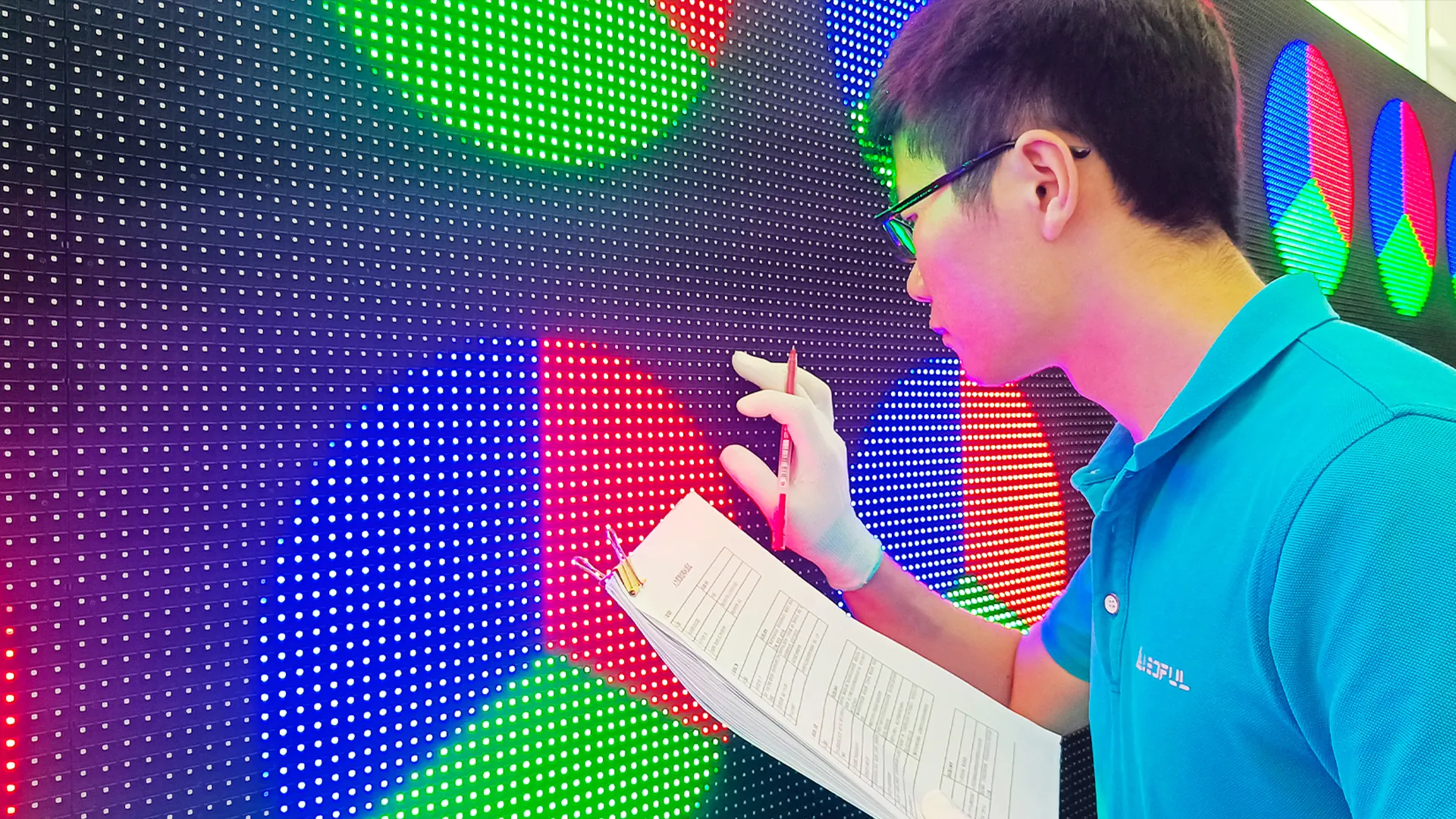
Color reproduction introduces another layer of complexity. Virtual environments often contain subtle gradients, shadows, and changes in illumination that become visible across a large curved wall. Calibration procedures can help maintain consistent brightness and color across cabinets, while camera tests reveal whether the rendered environment behaves as expected under actual exposure settings.
Choosing Hardware For Virtual Production
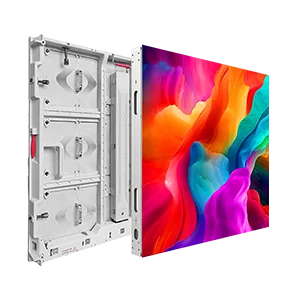
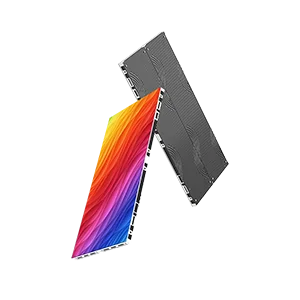
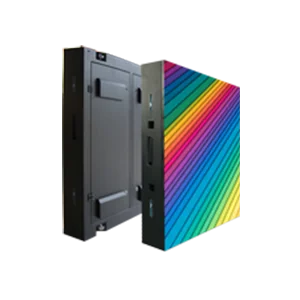
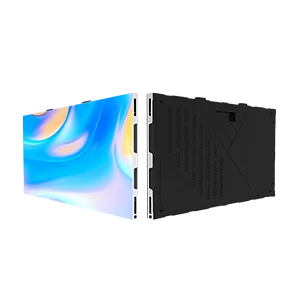
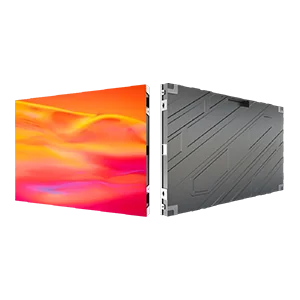
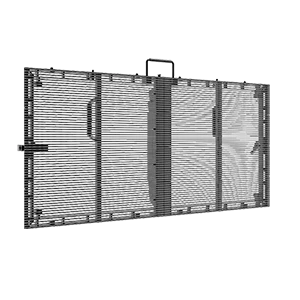
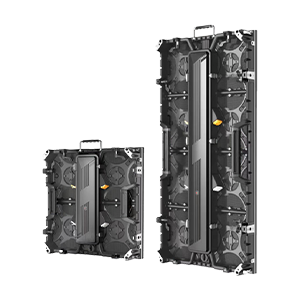
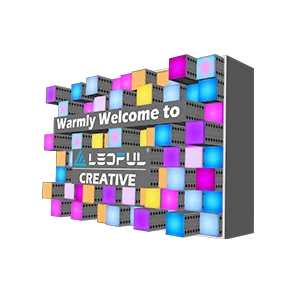
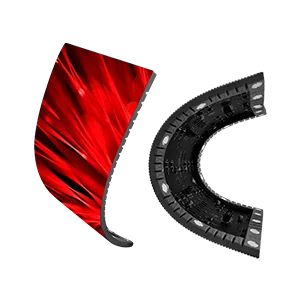
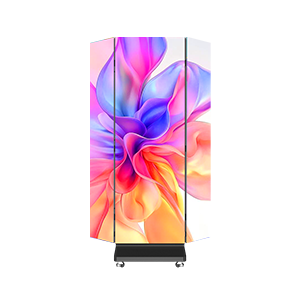
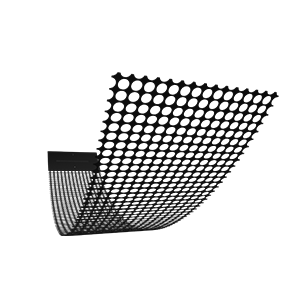
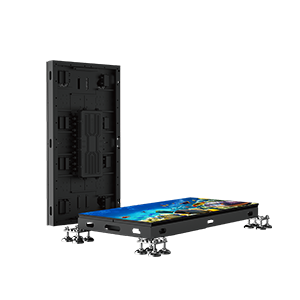
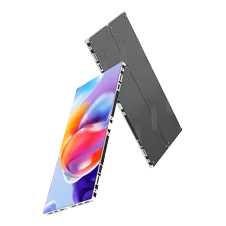
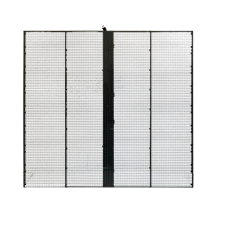
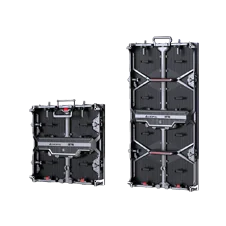
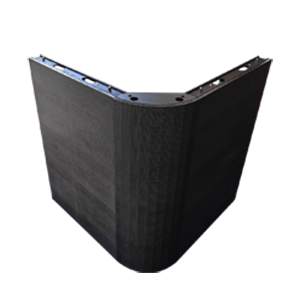
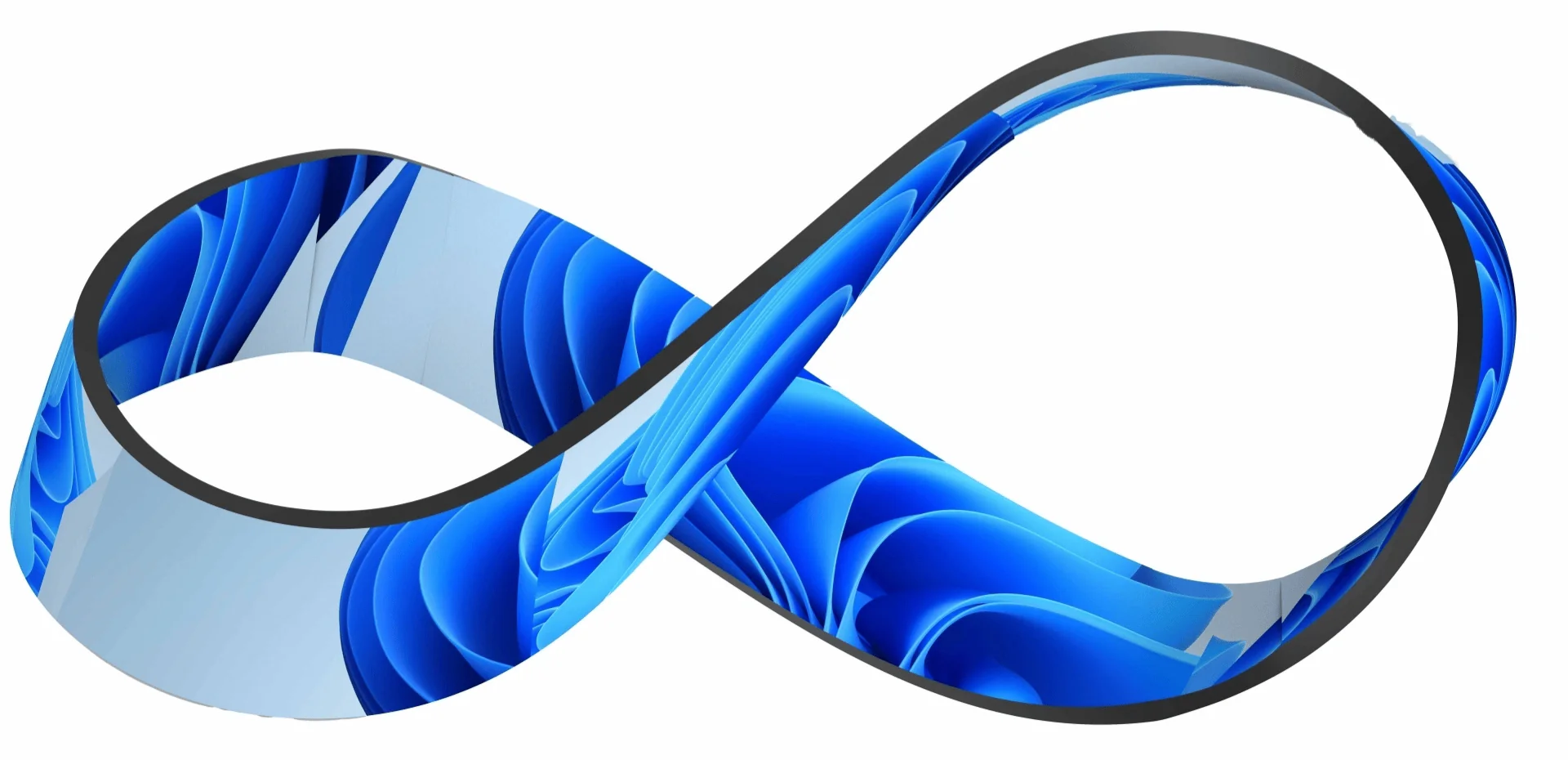
Studio installations have different physical requirements from temporary event systems. Permanent volumes may prioritize structural integration, service access, thermal management, and long-term calibration, while touring or frequently reconfigured environments may place greater emphasis on cabinet handling and installation speed. A custom LED display can also be configured around unusual studio dimensions, curved surfaces, or specific production requirements.
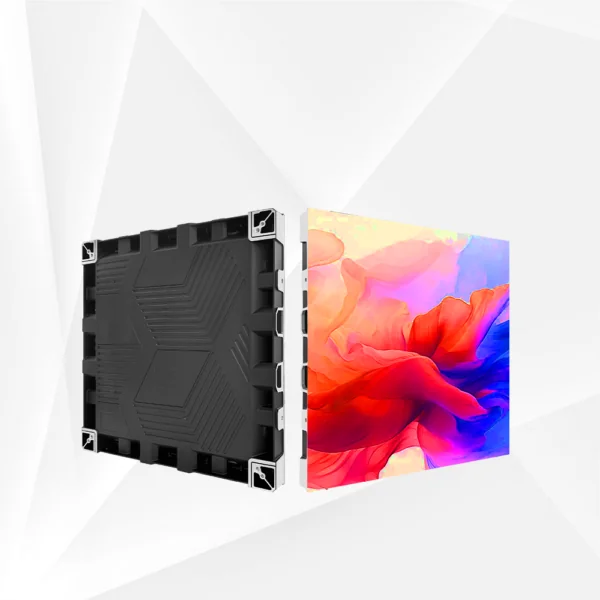
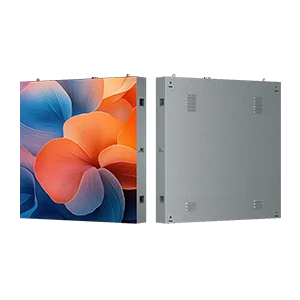
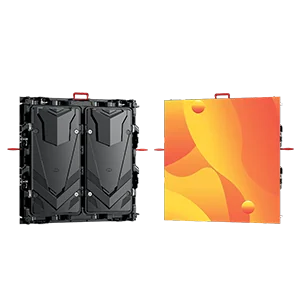
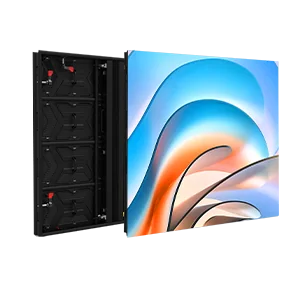
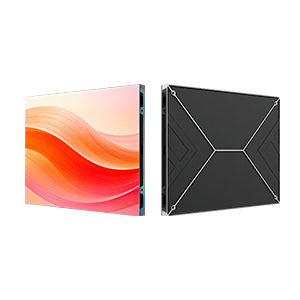
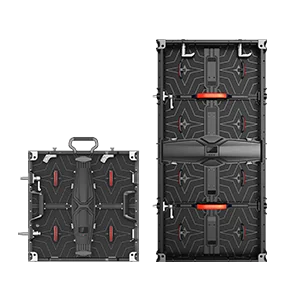
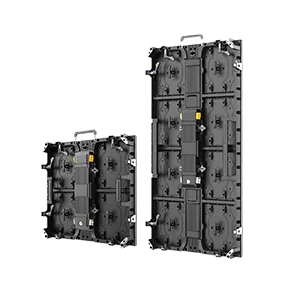
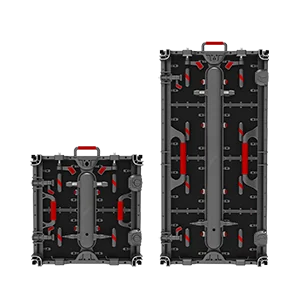
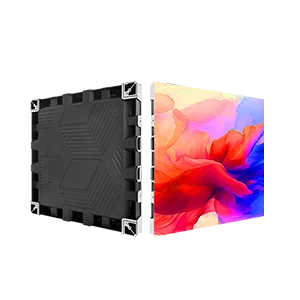
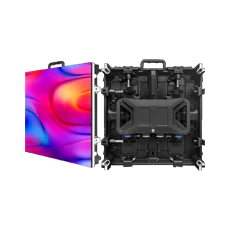
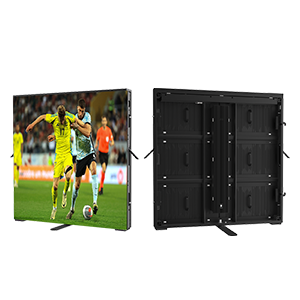
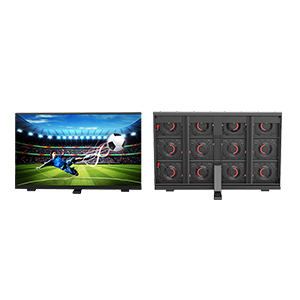
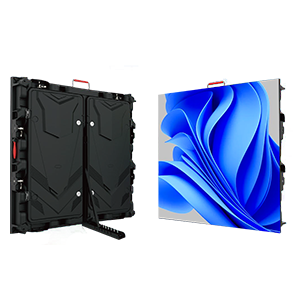
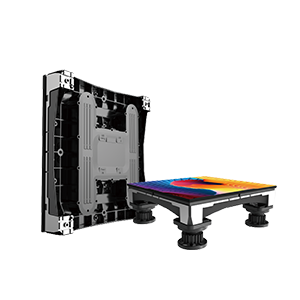
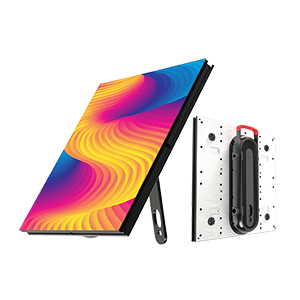
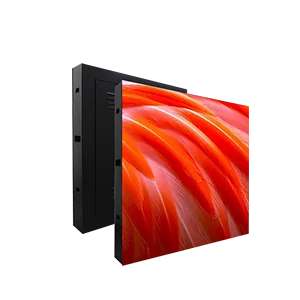
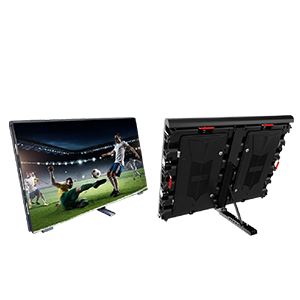
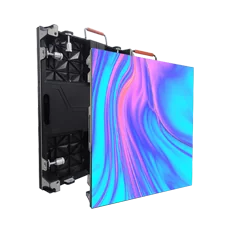
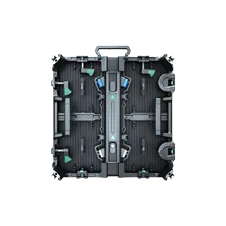
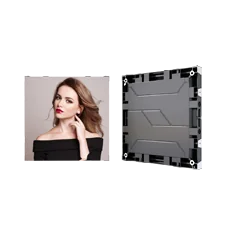
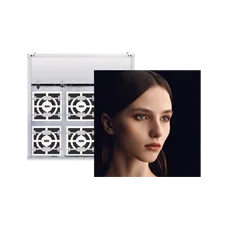
LEDFUL’s XR Series LED Screen is designed for extended-reality applications and uses a 500 × 500 mm die-casting aluminum cabinet. Its stated specifications include a 7680 Hz refresh rate and brightness above 5000 nits, while the cable-free design and integrated power supply box are intended to simplify installation and maintenance. These characteristics are relevant to production environments where camera performance, high-brightness imaging, and practical service access need to coexist.
Brightness should still be matched to the production environment rather than simply set as high as possible. Excessive output can affect exposure and may create an unnatural relationship between the virtual background and physical lighting. Conversely, insufficient brightness can reduce the visual contribution of the displayed environment, particularly when the studio uses strong foreground illumination.
Building The Virtual Production Workflow
Content preparation begins long before cameras enter the studio. Virtual environments need suitable resolution, perspective behavior, lighting information, and asset optimization so that the rendering system can respond smoothly during production. Poorly optimized scenes can introduce latency or reduce frame rates even if the physical display itself performs properly.
Camera tracking needs equally careful calibration. The rendering system must understand camera position, orientation, lens characteristics, and other relevant parameters so that perspective changes remain synchronized with physical movement. Small discrepancies can become noticeable around foreground objects, especially during lateral camera movement or close shots.
Physical lighting should complement the virtual environment rather than operate independently. The display itself can provide ambient illumination, while additional fixtures may reproduce highlights, shadows, or directional light suggested by the scene. Successful workflows often depend on balancing these sources so that performers look naturally integrated into the digital surroundings.
Conclusion
Virtual production brings the physical and digital sides of filmmaking into the same visual space, but its effectiveness depends on synchronization across several technologies. Pixel density, refresh behavior, camera configuration, rendering performance, tracking accuracy, color calibration, and lighting each contribute something different to the final image.
At LEDFUL, we work with these considerations as part of a connected workflow, helping production teams assess display technology according to the cameras, environments, and creative demands involved. With thoughtful testing and system coordination, an LED display can become a functional part of the filmmaking process rather than merely a surface behind the performers.