




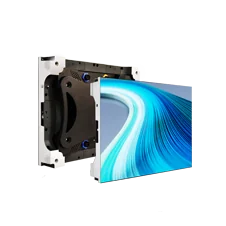
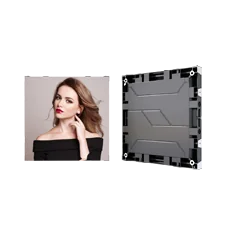
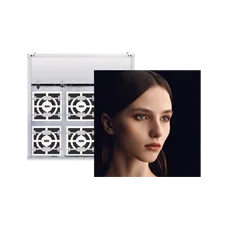






























Introduction
Two LED displays can look almost identical when they are newly installed, yet perform very differently after years of operation.
One may maintain relatively stable brightness and color consistency, while another may gradually develop brightness differences, color shifts, dead pixels or increasing maintenance requirements.
So what causes the difference?
LED lamp quality is an important factor—but it is not the only factor that determines LED display lifespan.
The long-term performance of an LED display is influenced by the complete system, including LED lamps, driver ICs, PCB boards, power supplies, thermal management, soldering, calibration, manufacturing processes, operating conditions and quality control.
For buyers, this means that simply asking a supplier whether they use “high-quality LED lamps” is not enough.
A better approach is to understand:
– How LED lamp quality affects display performance
– Why brightness gradually decreases
– What causes dead pixels
– What L70 actually means
– Which factors influence LED display lifespan
– How LED lamp quality can be evaluated before purchase
– How manufacturers test and control long-term display quality
This guide explains the relationship between LED lamp quality and LED display lifespan and provides a practical framework for evaluating an LED display supplier. https://www.ledful.com/services
What Is an LED Lamp Bead?
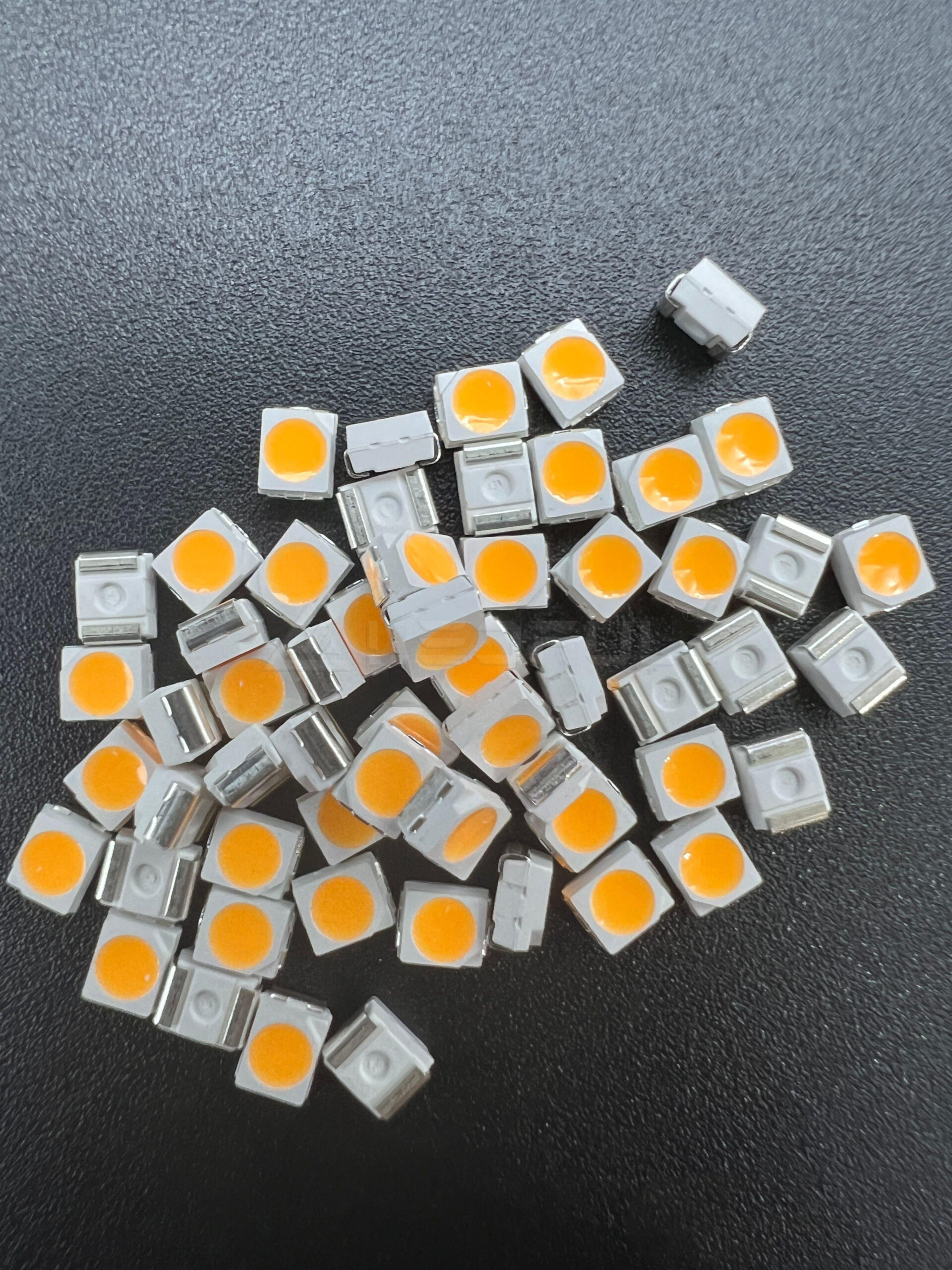
An LED lamp bead, also called an LED package, is the light-emitting component used to create each pixel of an LED display.
A simplified LED display structure can be understood as:
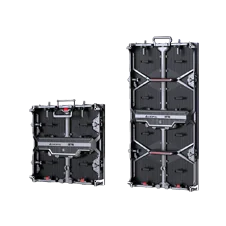
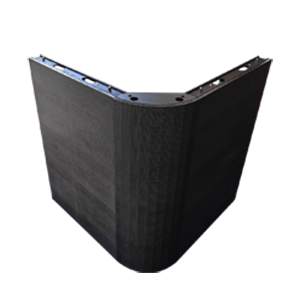
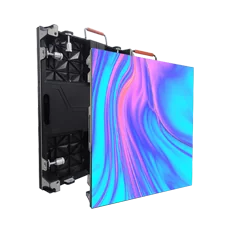
LED Chip → LED Package → LED Module → LED Cabinet → Complete LED Display
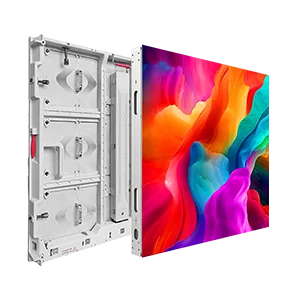
The LED package contains the components required to produce light, while the module integrates many LED packages with the PCB and electronic components.
The quality and consistency of these components directly influence the visual performance of the finished display.
However, an LED display is a complete electronic system. Therefore, an LED lamp should not be evaluated independently from the rest of the display.
For example, an LED package may be high quality, but poor thermal management, unstable power, excessive operating current or manufacturing defects can still affect the final display.
This is why professional LED display quality control needs to cover the entire production chain rather than only the LED lamp itself.
Why Does LED Lamp Quality Matter?
LED lamp quality can influence several important characteristics of an LED display.
Brightness Uniformity
LED displays are made from thousands or millions of individual pixels.
If the brightness characteristics of individual LED lamps are inconsistent, the display may show visible differences between pixels or modules.
Brightness binning helps manufacturers group LEDs with similar output characteristics, which can improve overall display uniformity.
For large LED walls, brightness consistency becomes particularly important because even small differences can become visible across a large surface.
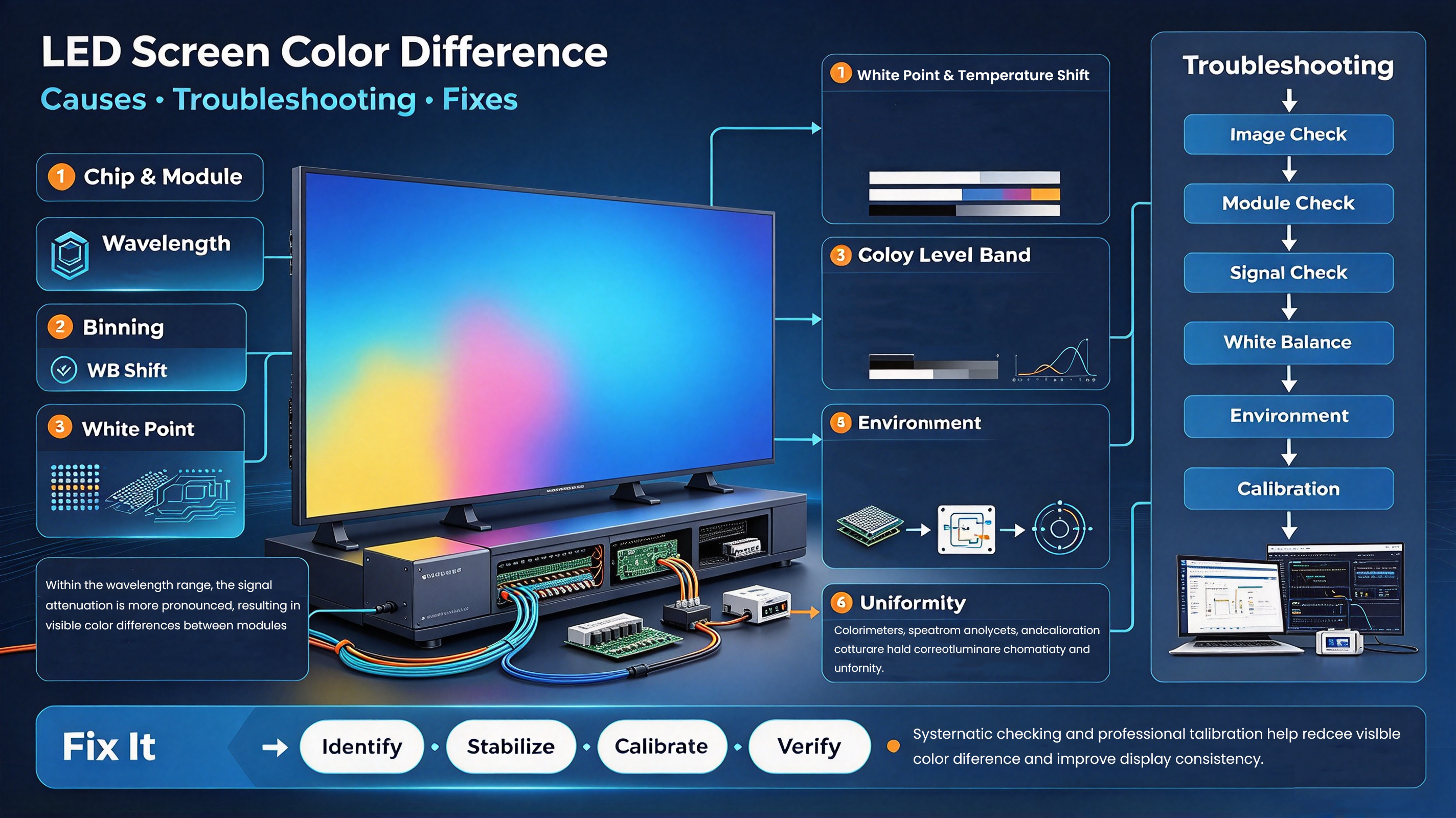
Color Consistency
LED display image quality depends not only on brightness but also on color consistency.
LED lamps with different wavelength characteristics can produce slightly different colors.
If LED packages are not properly controlled and calibrated, a display may show:
– Uneven color
– Different white balance
– Visible color patches
– Module-to-module differences
– Color shifts over time
Color consistency is especially important for applications such as:
– Broadcast
– Virtual production
– Corporate presentation
– Retail
– Fine-pitch LED video walls
– Premium commercial installations
LED manufacturers therefore need to control wavelength and brightness characteristics during production and calibration.
Light Decay
LEDs generally do not behave like traditional lamps that simply stop working at a specific moment.
Instead, LED light output can gradually decrease over time.
This process is commonly described as lumen depreciation or brightness decay.
As an LED display operates for thousands of hours, the light output of its LED packages can gradually change.
The result may eventually become visible as:
– Lower overall brightness
– Reduced visual impact
– Brightness differences between modules
– Color balance changes
Therefore, LED display lifespan should not be evaluated only by asking whether the screen still turns on. https://www.ledful.com/services#why-choose
Failure Rate
LED lamp quality can also influence the probability of component failure.
However, it is important not to assume that every dead pixel is caused by a failed LED lamp.
A dead pixel can also be associated with:
– Solder joints
– PCB traces
– Driver ICs
– HUB boards
– Signal connections
– Power supplies
– Environmental damage
This distinction is important when evaluating an LED display supplier because a reliable manufacturer needs to control the complete module and cabinet assembly process.
Long-Term Stability
The biggest difference between a new display and a display after years of operation is often long-term stability.
A display may perform correctly during a short factory test but still develop problems later if the manufacturing process does not adequately control:
– Component consistency
– Thermal conditions
– Driving current
– Soldering quality
– Power stability
– Calibration
– Environmental protection
This is why aging tests and quality-control procedures are important parts of LED display manufacturing.
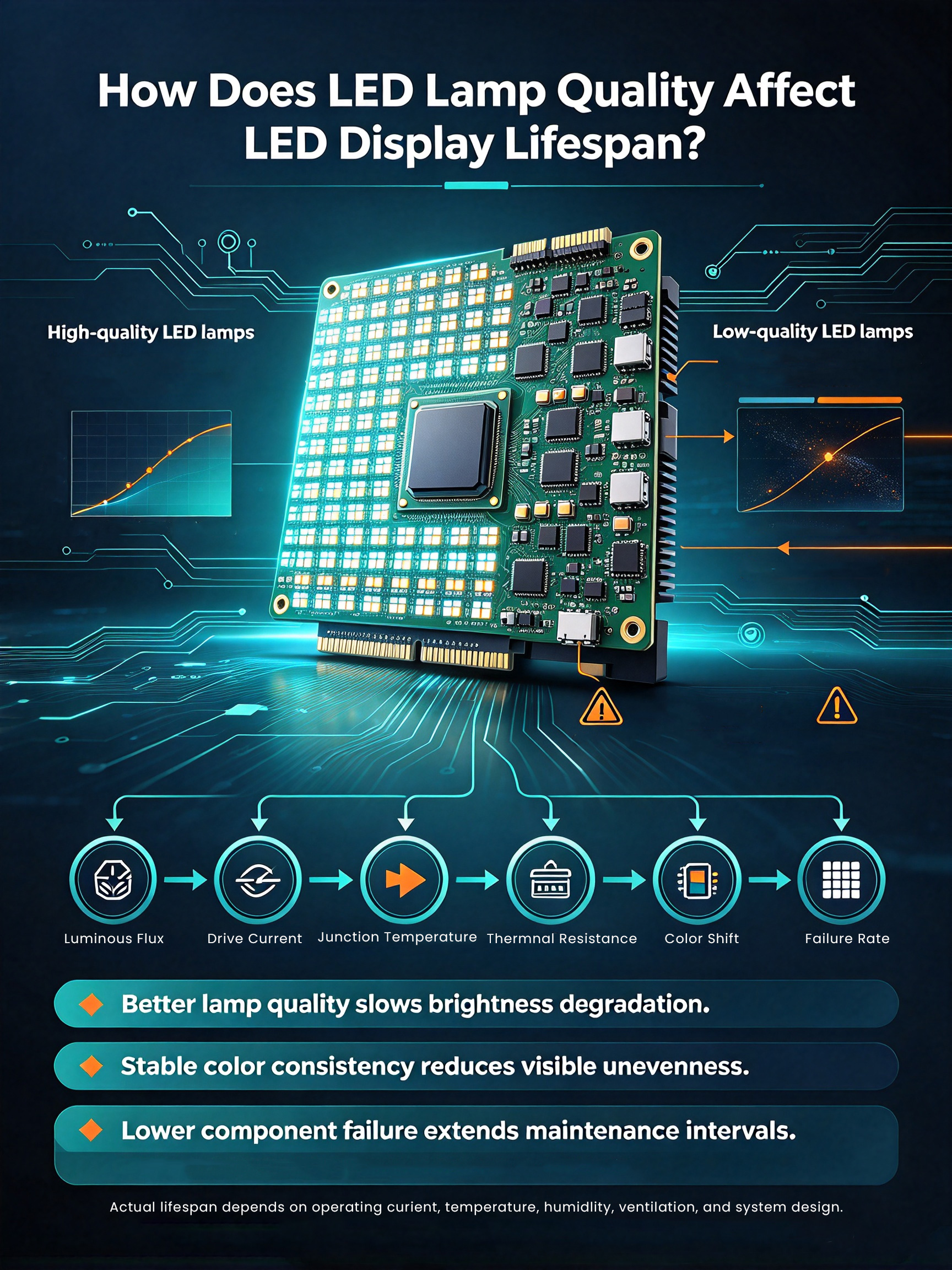
How Does LED Lamp Quality Affect LED Display Lifespan?
A useful way to understand LED display lifespan is to look at the display as a lifecycle:
New Display
↓
Normal Operation
↓
Brightness Degradation
↓
Color Consistency Changes
↓
Pixel or Component Failures
↓
Maintenance / Module Replacement
LED lamp quality affects this lifecycle, but it does not control the entire lifecycle by itself.
For example, excessive temperature can accelerate degradation, while unstable power or poor soldering can create failures unrelated to the LED package itself.
Operating conditions also matter. Temperature, current, humidity and other environmental factors can influence LED performance over time.
Therefore, a more accurate way to describe LED display lifespan is:
LED display lifespan is a system-level result influenced by component quality, manufacturing quality and operating conditions.
What Makes a High-Quality LED Lamp?
When evaluating LED lamp quality, buyers should look beyond the simple statement “high-quality LED.”
Several technical characteristics should be considered.
LED Chip Quality
The LED chip is the light-emitting semiconductor component inside the package.
Chip characteristics can influence:
– Brightness
– Electrical performance
– Thermal behavior
– Stability
– Long-term degradation
The exact chip selection should be evaluated according to the application rather than simply choosing the most expensive component.
Wavelength Consistency
Wavelength consistency is important for maintaining consistent color reproduction.
If individual LEDs have significant wavelength differences, calibration becomes more difficult and color uniformity can be affected.
For RGB LED displays, consistency between red, green and blue components is particularly important.
Brightness Binning
Binning is the process of grouping LEDs according to measured characteristics.
Brightness binning can help manufacturers control differences in light output between individual LED packages.
Together with calibration, proper bin management can contribute to better brightness uniformity across the display.
Encapsulation Quality
The LED package needs to protect its internal components while maintaining optical performance.
The encapsulation material and manufacturing process can influence:
– Environmental resistance
– Mechanical stability
– Optical consistency
– Long-term reliability
For outdoor LED displays, environmental exposure makes package and protection considerations particularly important.
Thermal Performance
Heat is an important factor in LED performance.
Higher operating temperatures can reduce LED module lifetime and increase failure risks.
Therefore, LED lamp quality should always be evaluated together with the thermal design of the complete display.
Manufacturing Consistency
Even good components can produce inconsistent results if manufacturing processes are poorly controlled.
Important manufacturing factors include:
– SMT placement
– Soldering
– Module assembly
– Electrical testing
– Aging
– Calibration
– Final inspection
For this reason, supplier evaluation should focus not only on component brands but also on the manufacturer’s production and testing capability.
LED Lamp Quality vs Display Performance
| LED Lamp Quality Factor | Possible Impact on LED Display |
| LED chip quality | Brightness, stability and electrical performance |
| Wavelength consistency | Color consistency |
| Brightness binning | Pixel and module uniformity |
| Encapsulation quality | Environmental and mechanical protection |
| Thermal performance | Long-term stability and degradation |
| Manufacturing consistency | Failure-rate control |
| Calibration | Brightness and color uniformity |
No single factor determines the final display quality.
Instead, these factors work together with the module, cabinet, power and control system.
What Is LED Display Brightness Decay?
Brightness decay refers to the gradual reduction in light output during LED operation.
This is one reason why LED lifespan should not be interpreted simply as “how many hours the screen can remain switched on.” https://www.ledful.com/products
What Does L70 Mean?
L70 is commonly used to describe the point at which an LED light source reaches approximately 70% of its initial light output under defined test and projection conditions.
However:
L70 is not the same as the exact service life of a complete LED display.
This is one of the most important points for LED display buyers to understand.
An LED display contains many other components:
– LED packages
– Driver ICs
– PCB boards
– Power supplies
– Receiving cards
– HUB boards
– Signal cables
– Cabinets
– Cooling and thermal structures
These components can have different failure mechanisms and service requirements.
Therefore, if a supplier simply states:
“LED lifespan: 100,000 hours”
buyers should ask what exactly that number represents.
Is it:
– LED package lifetime?
– L70?
– A laboratory projection?
– A complete display system?
– Under what temperature?
– At what current?
– Under what operating conditions?
Without this information, the number is difficult to compare meaningfully.
Why Do Some LED Displays Develop Dead Pixels?
Dead pixels are one of the most visible problems an LED display can develop.
However, the LED lamp is only one possible cause.
Possible causes include:
LED Package Failure
The LED package itself may fail because of component degradation or damage.
Soldering Problems
Poor solder joints or soldering defects can interrupt the electrical connection.
PCB Problems
A damaged PCB pad or trace can prevent the LED from receiving the correct electrical signal.
Driver IC Problems
The driver IC controls LED output. A failure in the driver circuit can affect individual pixels, rows or areas.
Power Problems
Unstable or abnormal power conditions can also affect display operation.
Environmental Factors
Moisture, excessive heat, vibration or mechanical damage can contribute to failures.
Therefore:
A dead pixel does not automatically mean the LED lamp quality is poor.
The failure pattern should be diagnosed before determining the root cause.
This is another reason why supplier quality should be evaluated through the complete manufacturing and testing process.
What Else Matters Besides LED Lamps?
A reliable LED display is a system.
Driver IC
The driver IC controls how LED pixels are driven and can affect refresh performance, grayscale and electrical stability.
PCB
PCB quality and circuit design affect signal transmission, electrical stability and component connection.
Power Supply
Stable power is essential for reliable operation. Power-related issues can cause abnormal display behavior and premature component stress.
Thermal Management
Heat management is particularly important for high-brightness and high-duty-cycle applications.
Calibration
Calibration helps maintain brightness and color consistency across modules and cabinets.
Manufacturing Process
SMT, soldering, assembly, inspection and testing all influence final reliability.
Operating Environment
Temperature, humidity, operating hours, brightness settings and installation conditions can affect long-term performance.
Therefore, the correct formula is not:
LED Lamp Quality = Display Lifespan
A more accurate model is:
LED Lamp Quality + Component Quality + Manufacturing + Thermal Management + Calibration + Operating Conditions = Long-Term Display Performance
How to Check LED Lamp Quality Before Buying
For B2B buyers, asking the right questions can be more useful than simply comparing supplier brochures.
1. Ask About the LED Component
Request information about:
– LED package
– Chip source
– Package type
– Relevant technical specifications
2. Ask About Brightness and Wavelength Binning
Find out how the manufacturer controls brightness and wavelength consistency.
3. Ask About Aging Tests
Ask:
– Is an aging test performed?
– How long is the aging period?
– Are complete modules or cabinets tested?
– Are failures recorded and re-tested?
Aging tests are intended to expose potential problems that may not appear during a short functional test, including unstable electronic components, soldering defects and power-related issues.
4. Ask About Dead-Pixel Testing
Ask whether the manufacturer checks:
– Full-screen operation
– Individual pixels
– RGB channels
– Brightness uniformity
– Color consistency
5. Ask About Calibration
A professional supplier should be able to explain how brightness and color consistency are controlled.
6. Ask About Module Batch Management
For large projects, replacement modules should ideally maintain good visual consistency with the original installation.
Batch management can therefore become important during long-term maintenance.
7. Ask About Warranty
Review:
– Warranty period
– What is covered
– Spare parts
– Replacement policy
– Technical support
8. Ask for Project References
Real project references can provide additional information about how a product performs beyond the factory specification.
LED Display Quality Evaluation Checklist
| What to Check | Why It Matters |
| LED chip / package | Component consistency |
| Wavelength tolerance | Color consistency |
| Brightness binning | Display uniformity |
| Encapsulation | Protection and stability |
| Aging test | Early failure detection |
| Dead-pixel testing | Reliability verification |
| Calibration | Brightness and color consistency |
| Thermal management | Long-term stability |
| Power system | Electrical reliability |
| Warranty | Long-term support |
| Spare modules | Maintenance |
| Project references | Real-world verification |
For procurement teams, this checklist can be used when comparing multiple LED display suppliers.
How LEDFUL Controls LED Display Quality
LEDFUL approaches LED display quality as a complete manufacturing process rather than evaluating only the LED lamp.
Quality control covers multiple stages from production to final inspection.
72-Hour Aging Test
LEDFUL uses a 72-hour aging test to help identify potential problems before shipment.
Continuous operation can help expose unstable components, electrical issues and other problems that may not appear during a short functional test.
16 SOPs
LEDFUL production follows 16 standard operating procedures across the manufacturing process.
Standardized procedures help reduce process variation between different production stages.
23 QA Checks
LEDFUL applies 23 quality assurance checks to monitor product quality.
These checks cover different aspects of LED display manufacturing rather than focusing on a single component.
1,500 Test Items
LEDFUL’s quality-control process includes approximately 1,500 test items, providing multiple checkpoints throughout production and inspection.
The goal is not simply to make an LED display work when it leaves the factory.
The goal is to control:
Component → Module → Cabinet → Display → Testing → Delivery
This system-level approach is particularly important for B2B projects where display reliability, maintenance and long-term consistency can affect the total cost of ownership.
FAQ: LED Lamp Quality and Display Lifespan
- How long does an LED display last?
The usable life of an LED display depends on LED components, electronics, thermal management, operating conditions, maintenance and other factors. A published LED lifetime figure should be interpreted according to its measurement method and operating conditions rather than treated as an exact lifespan for the complete display.
- Does LED lamp quality affect display lifespan?
Yes. LED lamp quality can affect brightness stability, color consistency, light degradation and failure performance. However, complete LED display lifespan also depends on other components and operating conditions.
- What affects LED display lifespan?
Important factors include LED package quality, driver ICs, PCB, power supply, thermal management, operating temperature, humidity, operating hours, brightness settings, manufacturing quality and maintenance.
- What causes LED display dead pixels?
Possible causes include LED package failure, soldering problems, PCB damage, driver IC issues, power problems, signal connections and environmental damage.
- What is LED brightness decay?
LED brightness decay is the gradual reduction in light output over time. It is commonly evaluated through lumen-maintenance measurements such as L70.
- What does L70 mean for LED displays?
L70 generally indicates the point at which an LED light source reaches approximately 70% of its initial light output under defined conditions. It should not automatically be interpreted as the exact lifetime of the complete LED display.
- Why does LED display color consistency change over time?
Color consistency can change because of differences in LED characteristics, brightness degradation, temperature, calibration, component aging and other system-level factors.
- How can I check LED lamp quality before buying?
Ask about the LED package, chip source, wavelength and brightness binning, aging tests, calibration, dead-pixel testing, quality-control procedures, warranty and project references.
- Are LED lamps the only factor affecting LED display lifespan?
No. LED lamps are only one part of the system. Driver ICs, PCB, power supplies, thermal management, manufacturing quality, calibration and operating conditions can also affect long-term performance.
- How does LEDFUL test LED display quality?
LEDFUL applies multiple quality-control procedures, including standardized production procedures, QA checks, aging testing and extensive testing throughout the manufacturing process. The objective is to evaluate the complete LED display system rather than a single component.
Planning an LED Display Project?
Before choosing an LED display supplier, don’t compare quotations based only on:
Price + Pixel Pitch + Brightness
For a long-term B2B project, also ask about:
– LED lamp quality
– Brightness and wavelength consistency
– Aging testing
– Dead-pixel testing
– Calibration
– Thermal management
– Quality-control procedures
– Warranty
– Spare parts
– Technical support
– Previous project experience
The right LED display is not simply the one with the highest specification.
It is a display system whose components, manufacturing process, testing standards and operating conditions match the project requirements.
If you are evaluating LED display suppliers or planning a new LED display project, send LEDFUL your project requirements and quality criteria.
LEDFUL can help you evaluate the appropriate display configuration, quality-control requirements and long-term reliability considerations before purchase.