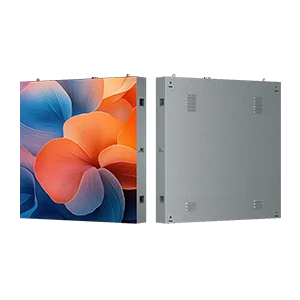
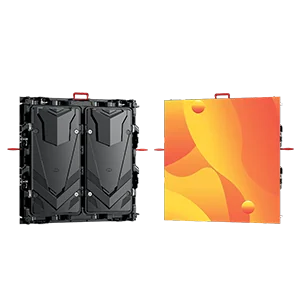
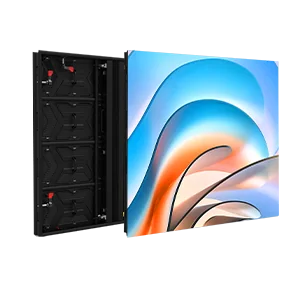
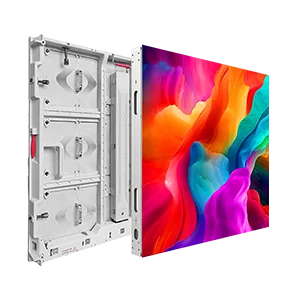
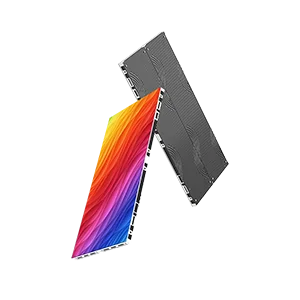
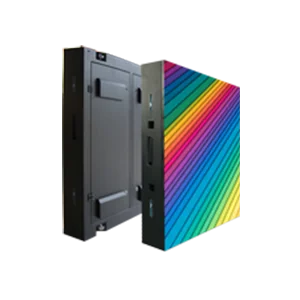
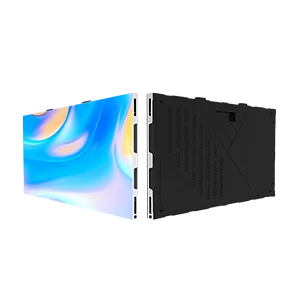
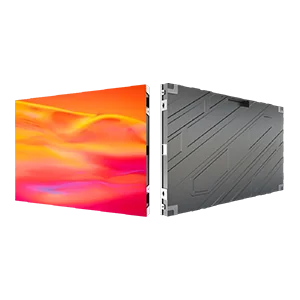
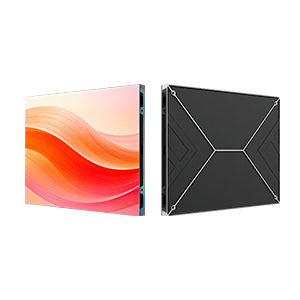
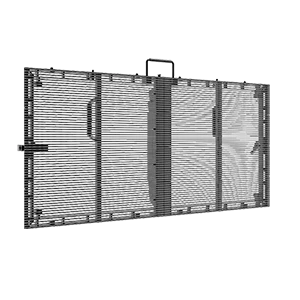
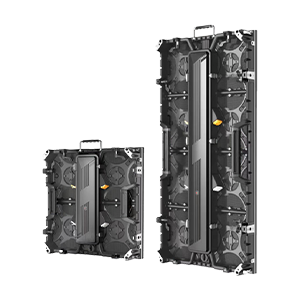
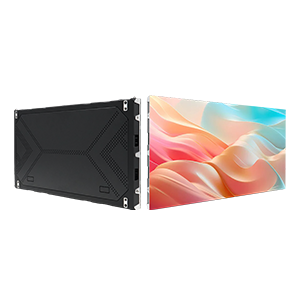
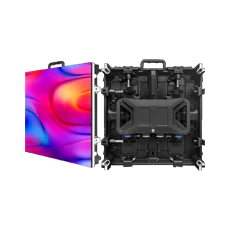
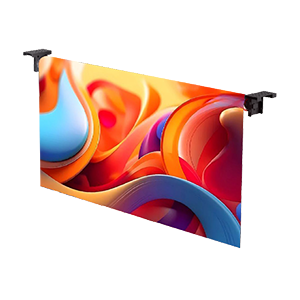
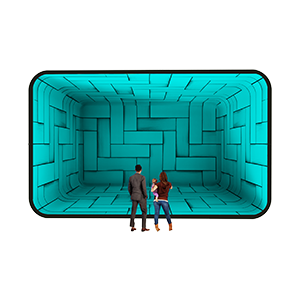

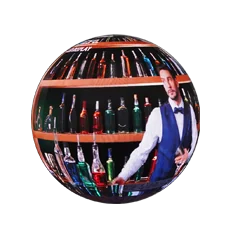

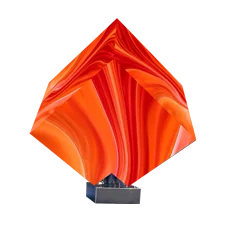
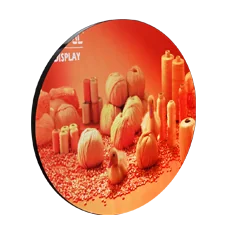
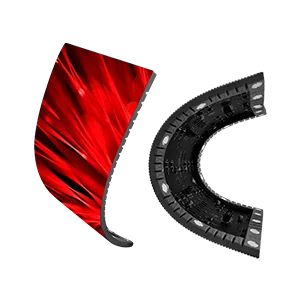
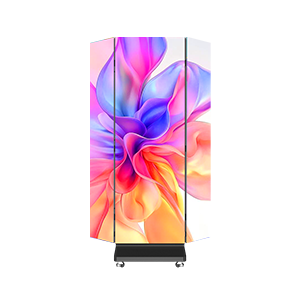
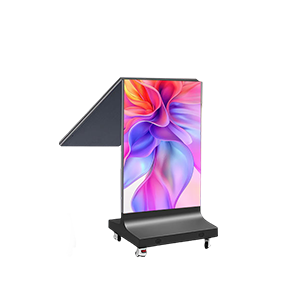
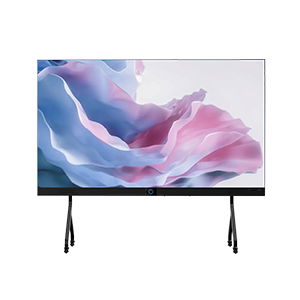
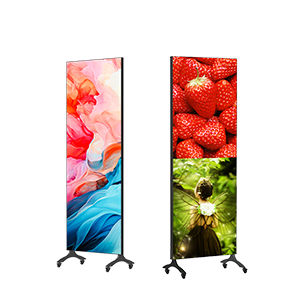
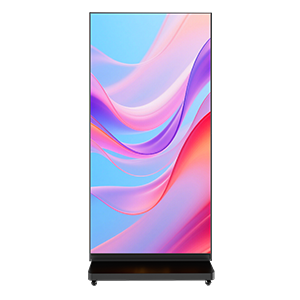
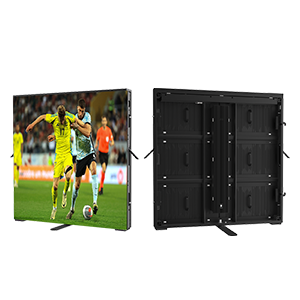
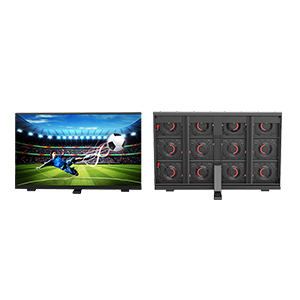
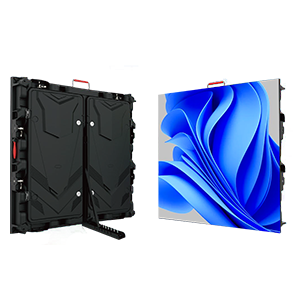
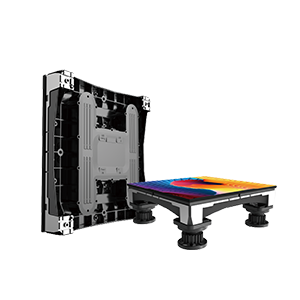
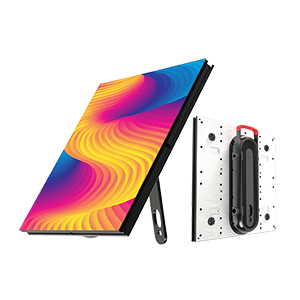
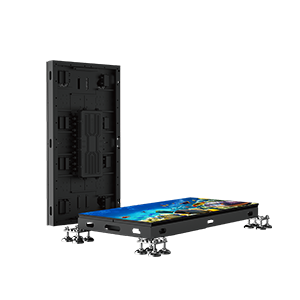
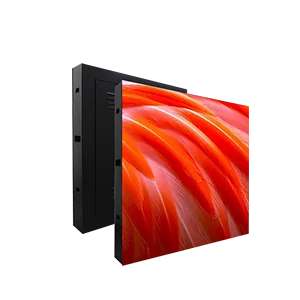
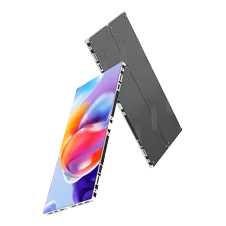
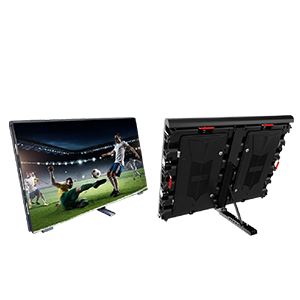
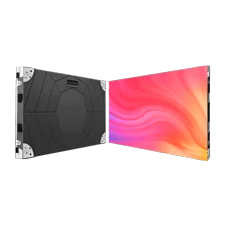
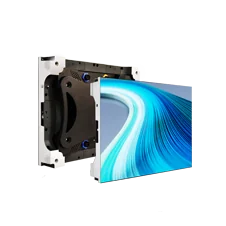
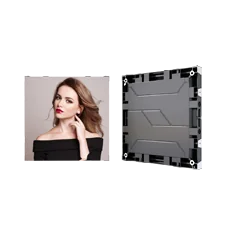
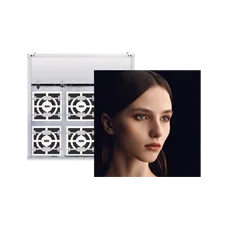
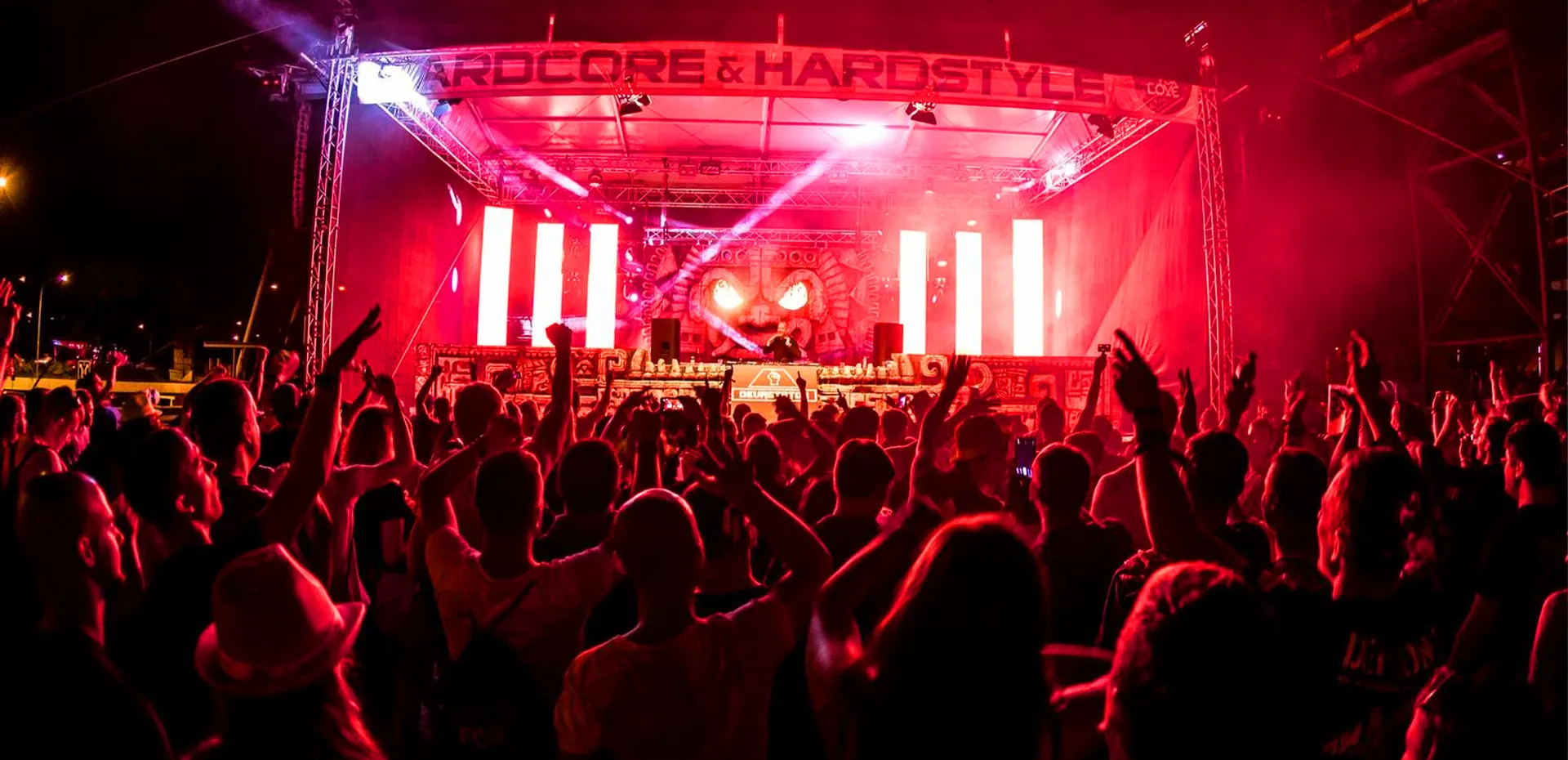







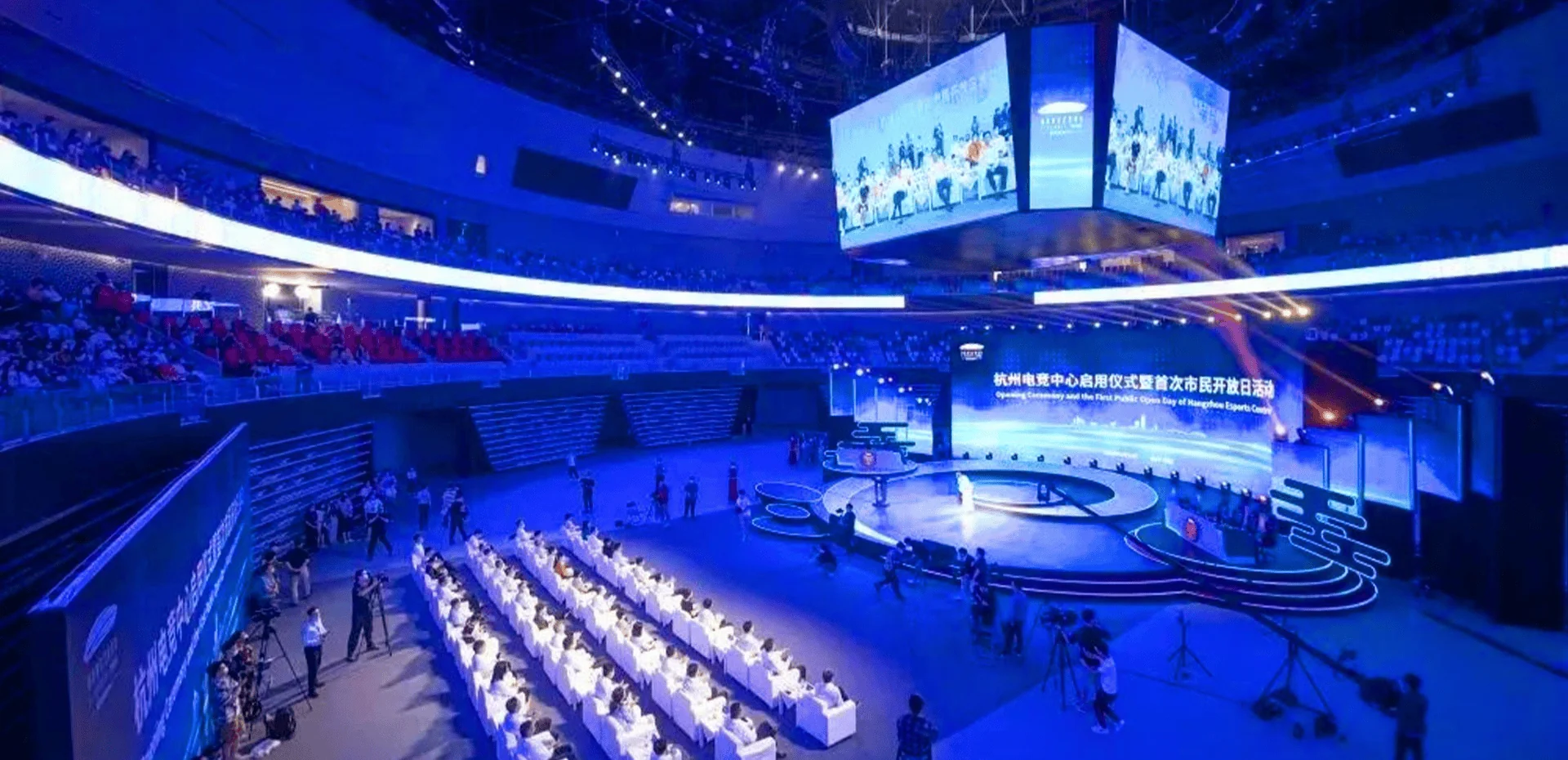
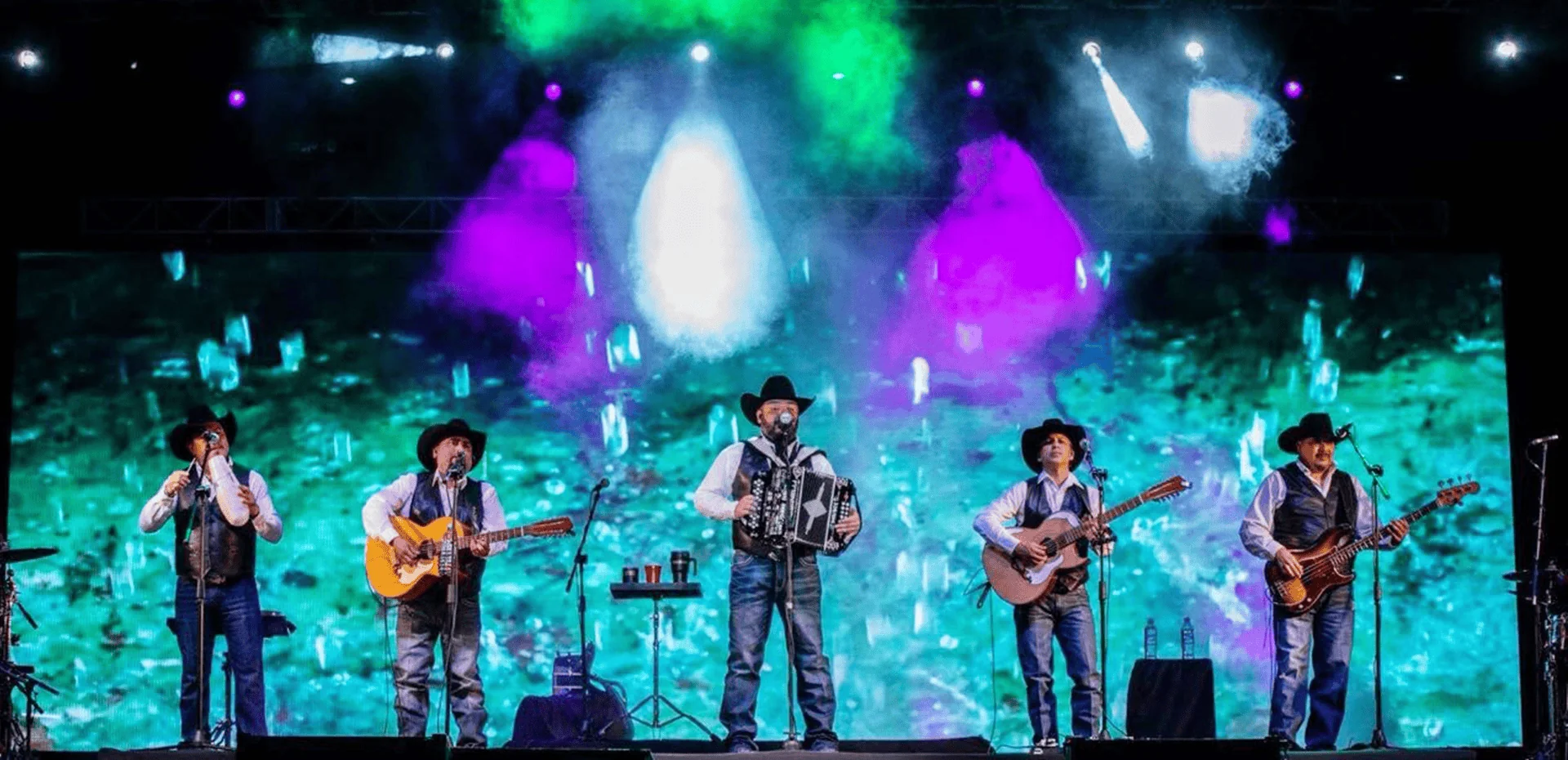
As daylight readability, contrast performance and lifetime cost climb to the top of advertisers’ agendas, 10,000-nit SMD-based outdoor LED screens are redefining what a digital billboard can deliver.
In today’s fiercely competitive outdoor advertising and digital signage landscape, visibility is everything. A screen that washes out at noon is a screen that has already lost the impression it was paid to create. As a leading LED display manufacturer, we understand that when your display competes directly with sunlight, subpar brightness simply will not cut it. That is precisely why we are proud to present our outdoor 10,000-nit high-brightness LED display solutions, engineered to deliver uncompromised visual performance in the most demanding environments on earth.
This is not a marginal upgrade. It is a repositioning of the entire outdoor category around a single, measurable standard: what the viewer actually sees, at the distance and in the light conditions that matter.
Brightness Is the First Filter Every Outdoor Screen Must Pass
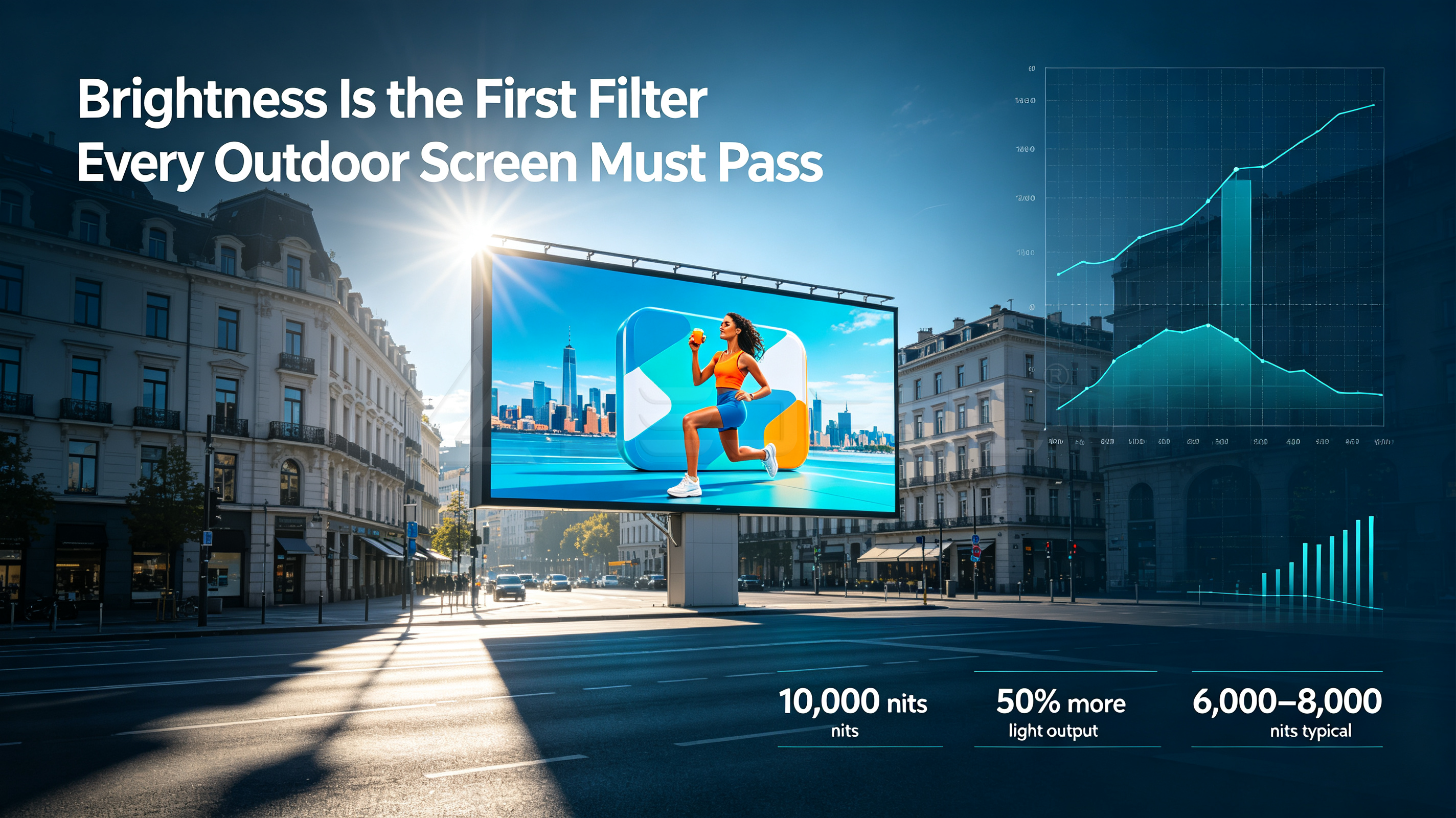
Brightness is the number one performance factor for outdoor displays, and it is measured in nits, or candelas per square meter (cd/m²). The higher the value, the stronger the visibility. Everything else in an outdoor specification, from pixel pitch to cabinet design, ultimately serves this one number.
Standard outdoor screens typically average between 6,000 and 8,000 nits. That range is adequate at dusk, at night, and under overcast skies. It becomes visibly compromised in the middle of a summer afternoon, when ambient illumination on a building facade can exceed the peak output of the panel itself. At that moment, contrast collapses, colors desaturate, and the advertisement degrades into a pale rectangle that passers-by read as background noise.
Our 10,000-nit displays produce approximately 50 percent more light output than the conventional outdoor benchmark. That margin is the difference between a screen that is technically on and a screen that is genuinely seen.
The Commercial Cost of a Washed-Out Screen
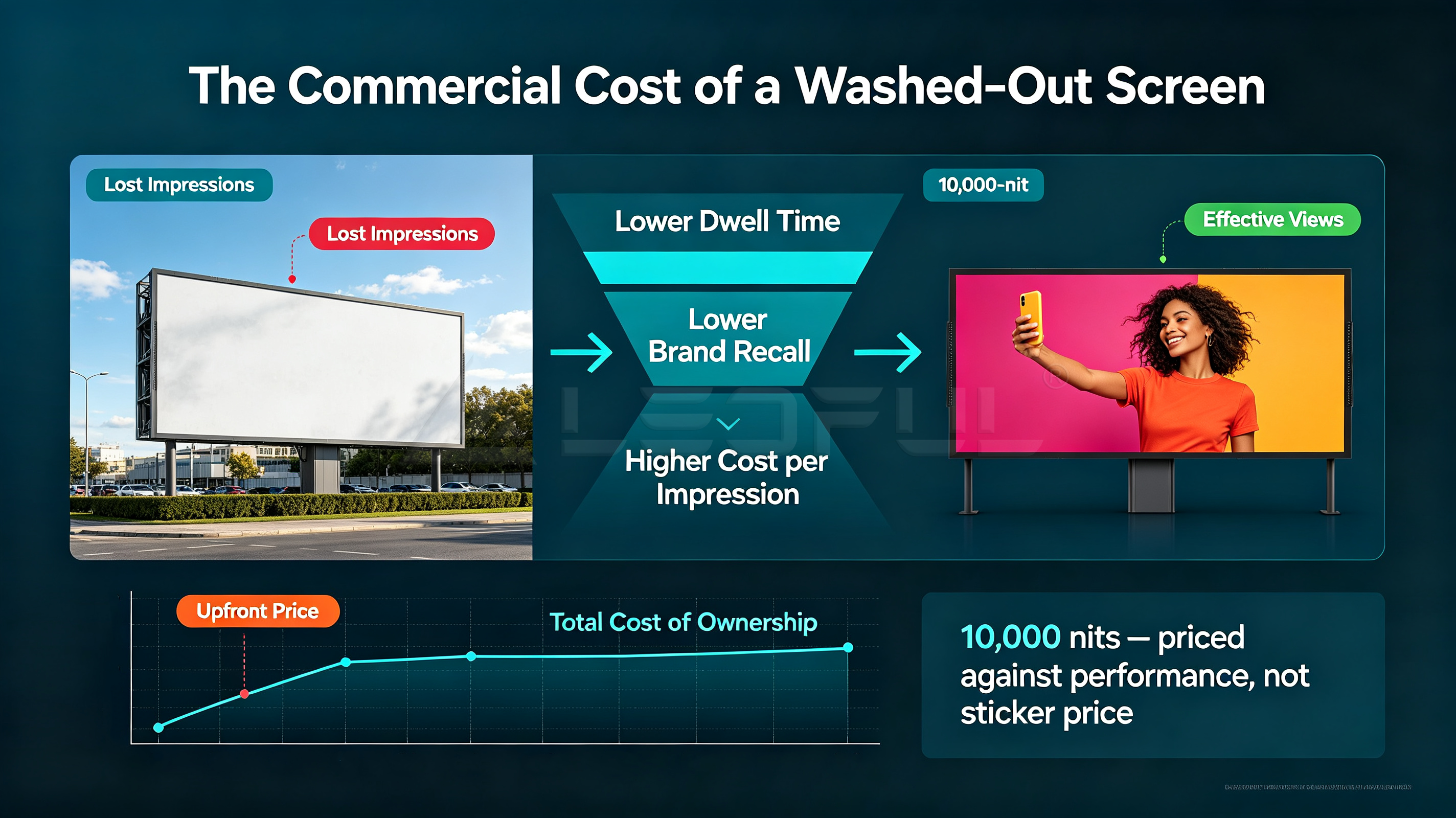
It is tempting to treat brightness as a technical checkbox rather than a commercial variable. The economics say otherwise. Outdoor inventory is sold on impressions, and impressions are a function of legibility. When a panel loses contrast in daylight, three things happen at once: dwell time drops because readers cannot resolve the message quickly, brand recall declines because color and logo fidelity degrade, and the operator’s cost per impression rises because the same rent now buys fewer effective views.
For a large-format billboard in a high-traffic corridor, even a modest reduction in recognition distance translates into a measurable share of the audience lost before the message is read. Multiply that across a multi-year contract and the cheapest panel on the tender is frequently the most expensive asset on the balance sheet. The 10,000-nit platform is priced against that arithmetic, not against the sticker price of a lower-brightness alternative.
The 10,000-Nit Advantage: How the Extra Light Is Actually Achieved
Reaching 10,000 nits is not a matter of driving the same hardware harder. Pushing current beyond design limits shortens LED life, shifts color and accelerates the very degradation that outdoor installations can least afford. The gain has to come from the light source itself.
Our solution is built around exclusive custom SMD lamp beads that deliver exceptional brightness while maintaining excellent color mixing. The result is a display that is bright without being harsh, saturated without being artificial, and legible without being washed out.
- Peak output of 10,000 nits for reliable readability under direct sunlight, not merely in shade or at twilight.
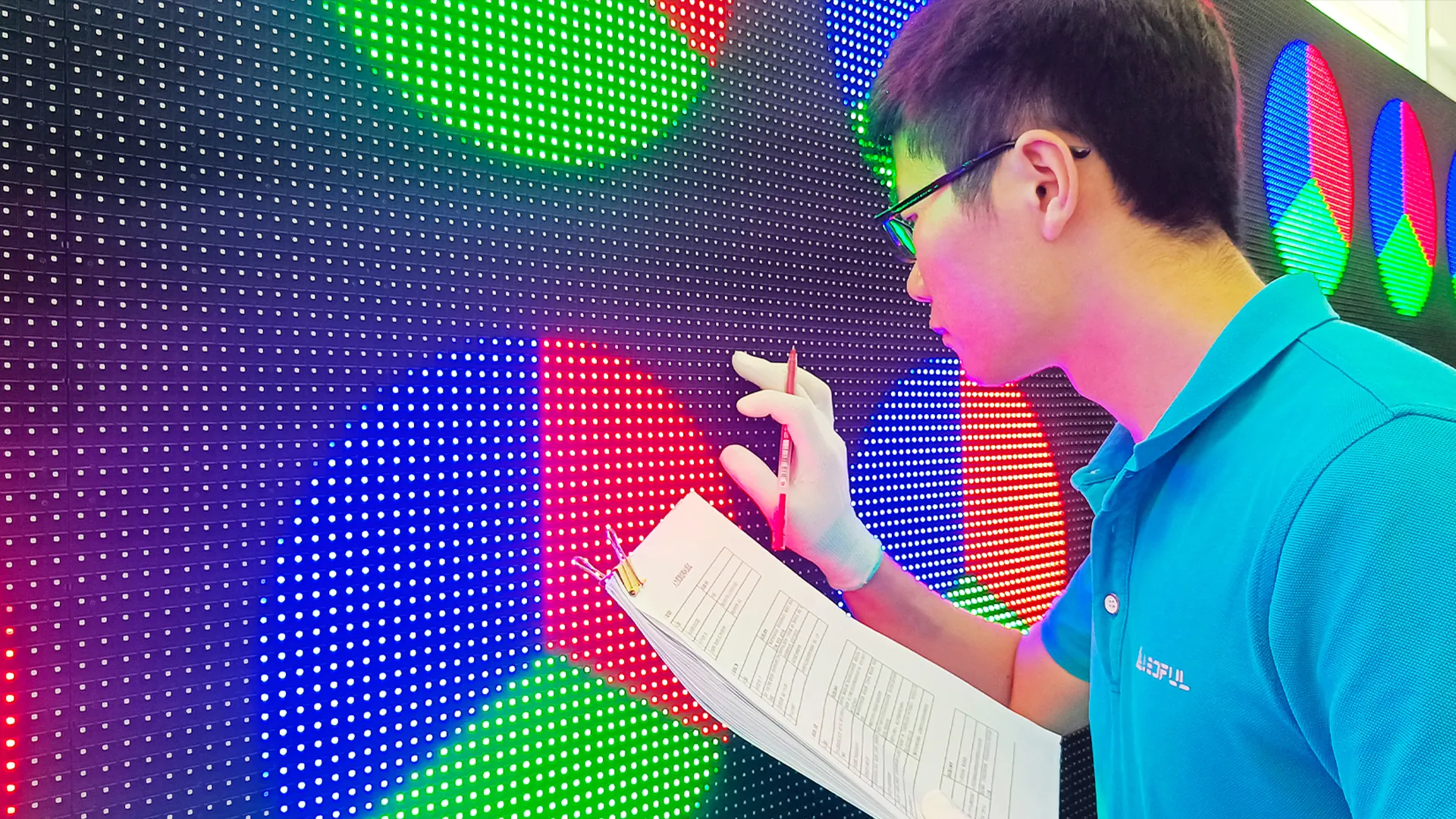
- Custom SMD lamp beads selected and binned for brightness consistency across the entire panel, eliminating the patchwork appearance that plagues mixed-bin assemblies.
- Superior color mixing that keeps white balanced and skin tones natural even at maximum output, so brand colors survive the daylight test.
- Retained brightness headroom through the middle of the product’s service life, because the panel is not being overdriven from day one.
The practical outcome is crystal-clear imagery that captures attention from hundreds of meters away. For large billboards, building facades and high-traffic advertising locations, that distance is exactly where the commercial value is decided.
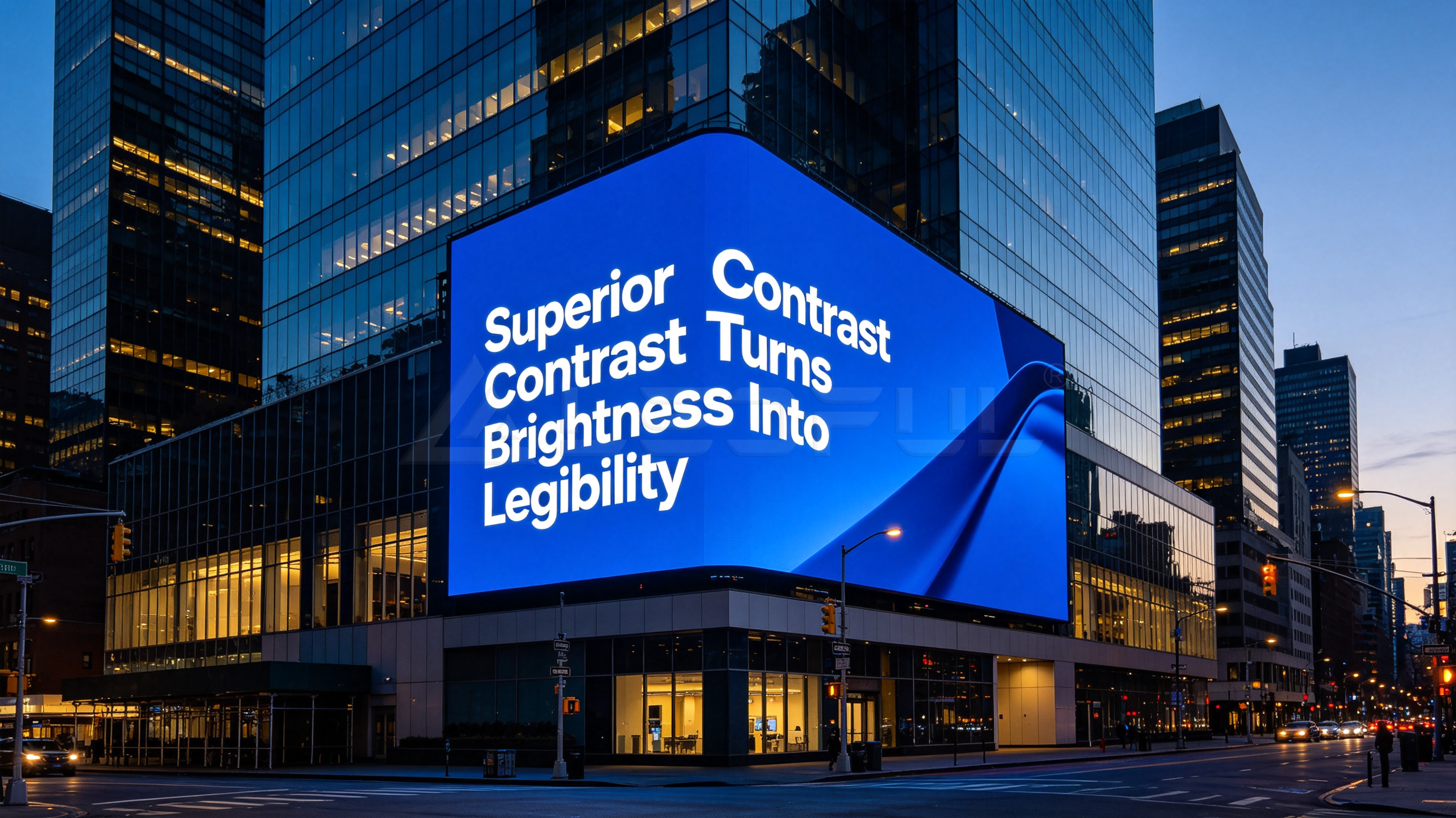
Superior Contrast Turns Brightness Into Legibility
Brightness alone does not tell the full story. A panel can be extremely bright and still look flat if it cannot render deep blacks, because perceived depth comes from the ratio between the brightest and darkest elements on screen, not from luminance in isolation.
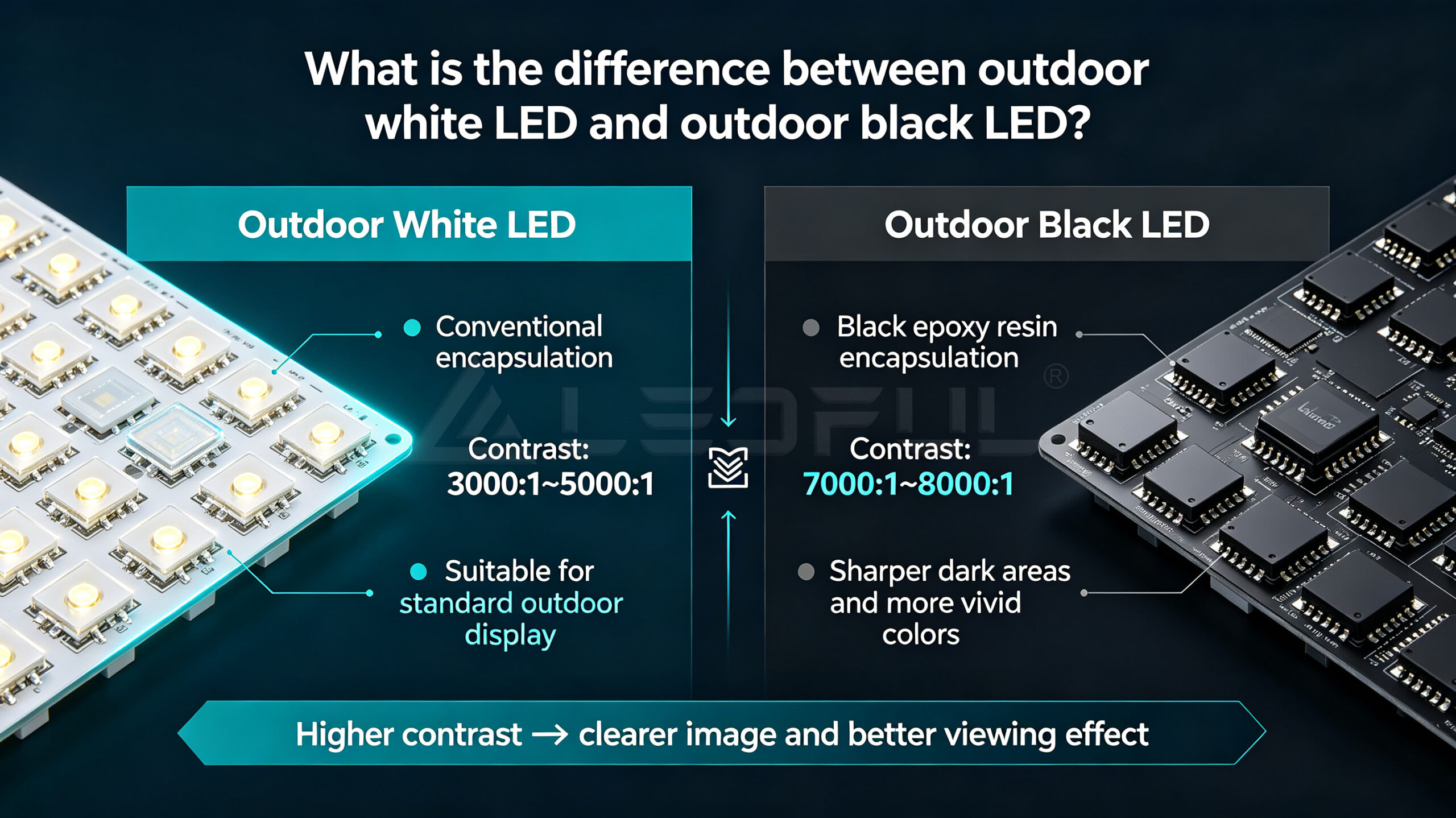
Our displays feature ultra-high contrast ratios of up to 30,000:1, producing deeper blacks, richer colors and visibly reduced light reflection. In an outdoor environment, where stray light from the sky, surrounding buildings and road surfaces constantly lands on the panel face, that contrast reserve is what keeps typography crisp and imagery dimensional.
Wide viewing angles, enabled by SMD technology and significantly wider than traditional DIP packages, complete the picture. Audiences are not polite: they approach a street-level screen from oblique angles, from across a junction, from a moving vehicle. SMD-based modules hold their color and brightness across that arc, so the content stays sharp, detailed and impactful whether it is viewed up close or from a distance.
Engineered to Withstand the Elements
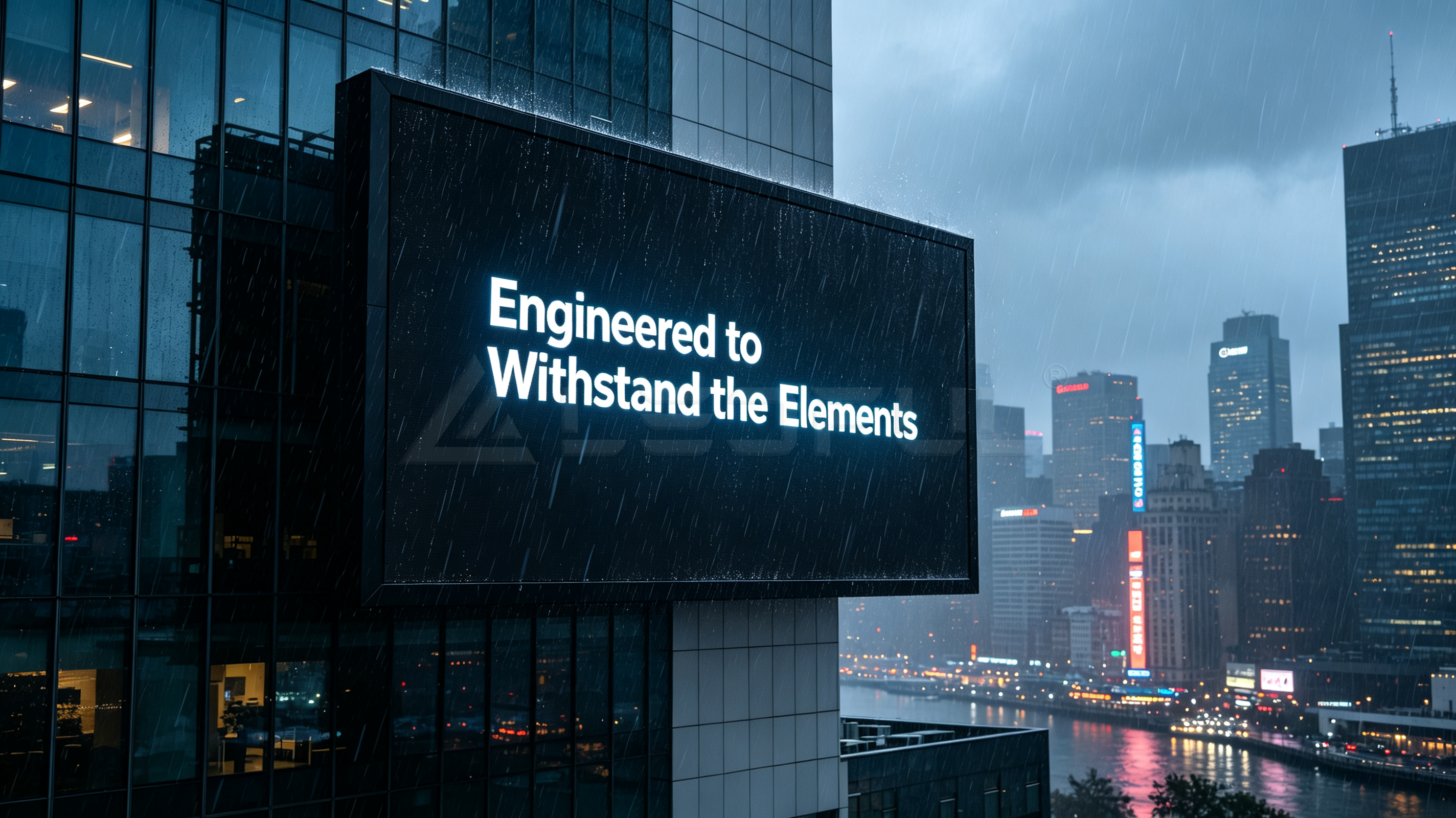
Outdoor displays face harsh realities that indoor installations never encounter: direct sunlight, temperature swings, humidity, rain, dust and urban pollution. A specification sheet that looks impressive in a showroom means nothing without the mechanical and environmental engineering to survive a decade on a pole.
Our 10,000-nit outdoor LED screens are engineered for all-weather stability with IP65 and IP66 protection ratings. The fully enclosed design combines double-sided gluing with a hollow shell construction that prevents water accumulation and withstands storm conditions. Water is the single most common cause of outdoor display failure, and it rarely enters through the front face; it enters through seams, joints and condensation paths that accumulate over seasons. Our cabinet architecture is designed against those paths rather than around them.
The displays also operate reliably across extreme temperatures, delivering consistent performance year-round, from scorching summer heat to freezing winter conditions. That consistency matters commercially: an installation in a coastal city with high humidity and salt air, and one in an inland region with sub-zero winters, should not require two different product lines to achieve the same dependable uptime.
Energy Efficiency Without Compromise
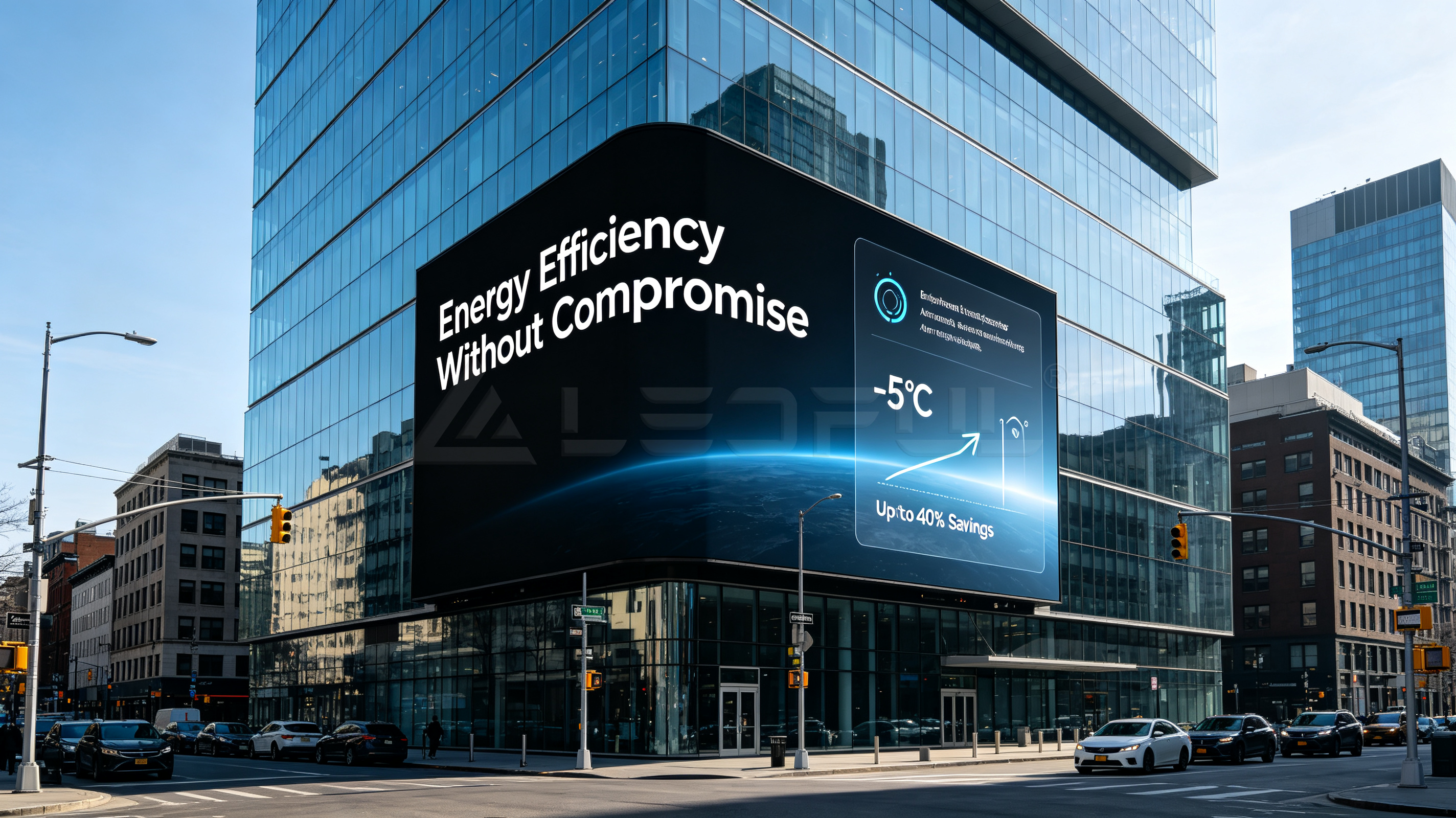
High brightness does not have to mean high energy costs, and increasingly, it cannot. Operating expenditure now sits alongside capital expenditure in every serious tender, and electricity is the largest recurring line item in the lifetime cost of a large-format outdoor screen.
Our displays incorporate smart brightness adjustment technology that automatically matches screen brightness to ambient light conditions. At noon the panel runs at full output; at dusk and overnight it steps down to the level the human eye actually needs, preserving visual quality while significantly reducing power consumption during low-light periods. Over a year of operation, the majority of hours are low-light hours, which is where the savings accumulate.
Advanced thermal management keeps surface temperatures at least 5°C lower than conventional modules. Lower operating temperatures extend LED and driver longevity, reduce cooling requirements, and stabilize color over time. Some configurations achieve energy savings of up to 40 percent through common cathode technology, which shares a common cathode rail to cut drive losses, balancing high-impact performance with operational cost efficiency.
- Smart ambient-light dimming for automatic, hour-by-hour power reduction.
- Surface temperatures at least 5°C lower than conventional modules, protecting both lifetime and color stability.
- Up to 40 percent energy savings in common cathode configurations.
- Reduced cooling load, which simplifies enclosure design and lowers maintenance exposure.
Versatile Applications, Maximum ROI
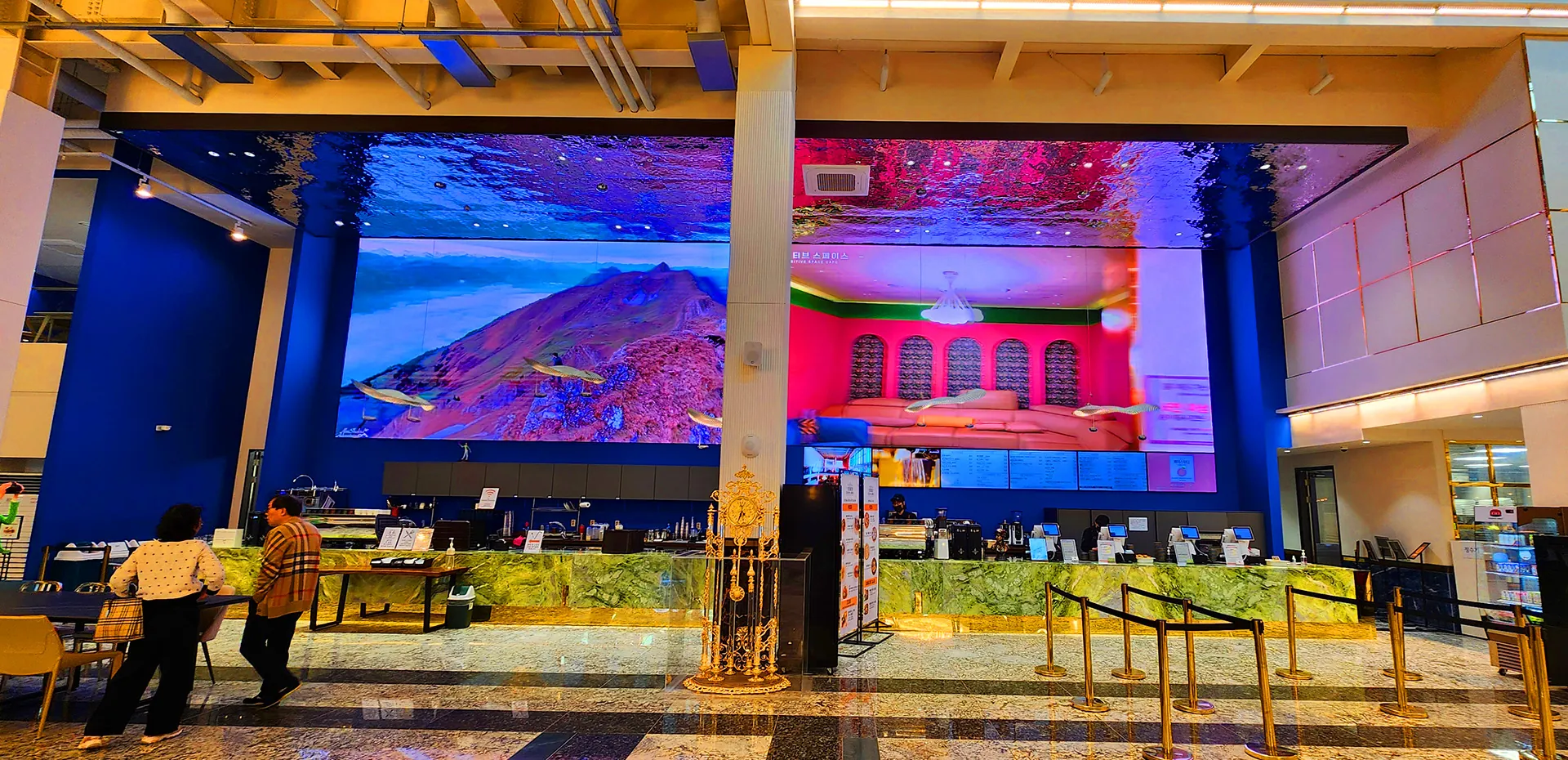
From urban billboards and stadium screens to transportation hubs and retail facades, our 10,000-nit outdoor LED displays deliver exceptional value across diverse applications. Each of these environments imposes a different constraint, and the same core platform answers all of them.
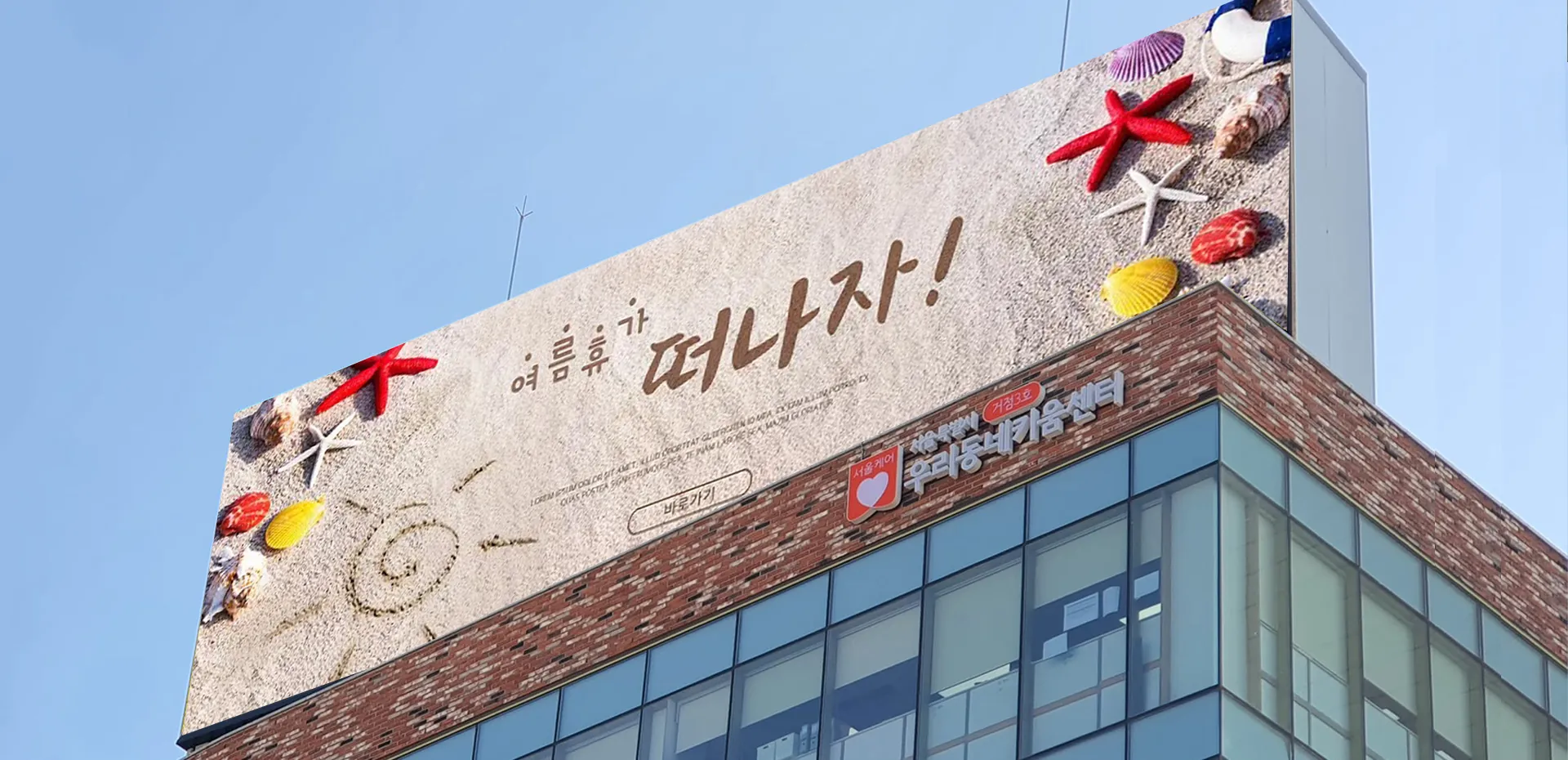
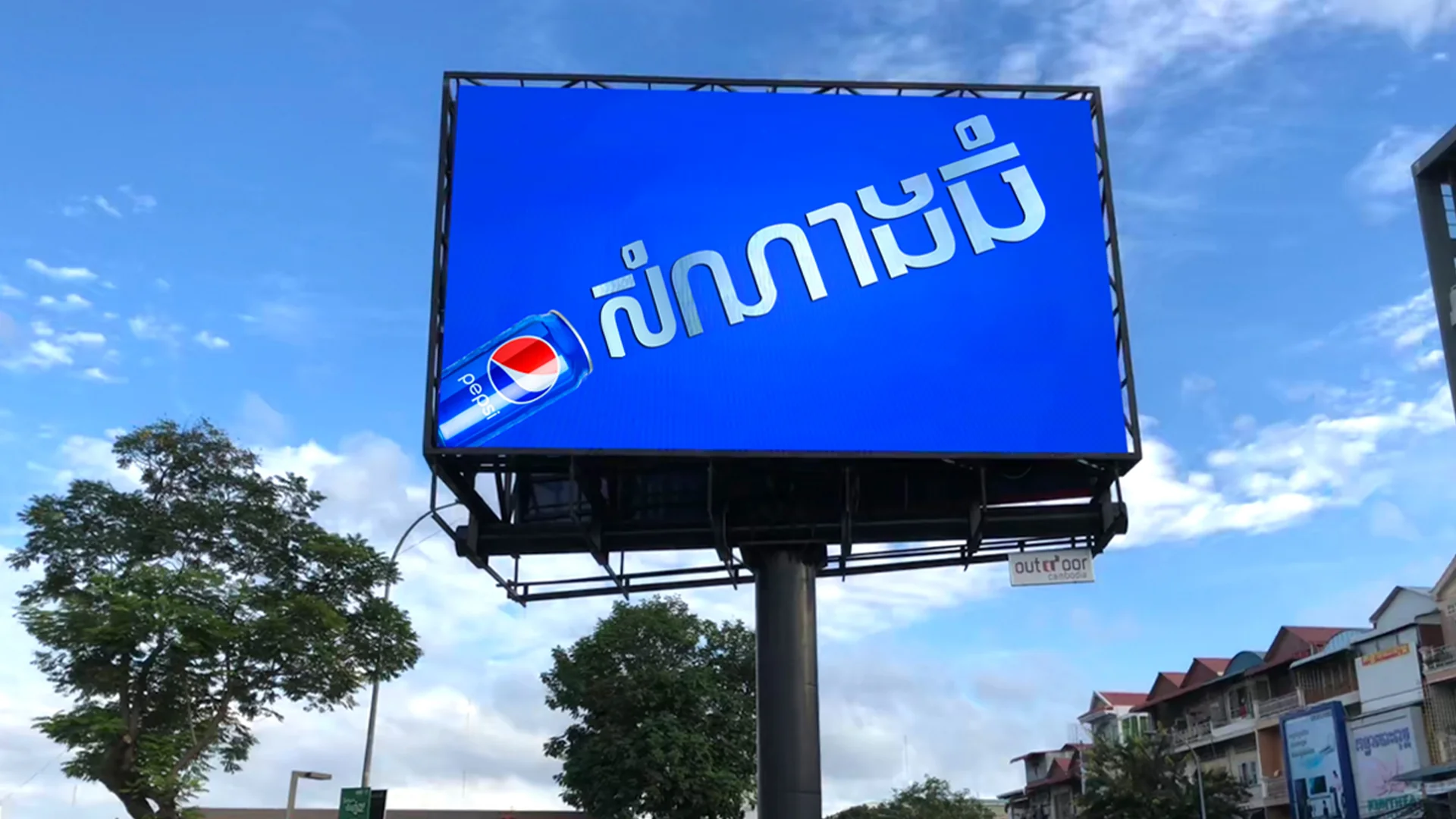
- Urban billboards: maximum reach per square meter, where daylight legibility directly determines impression value.
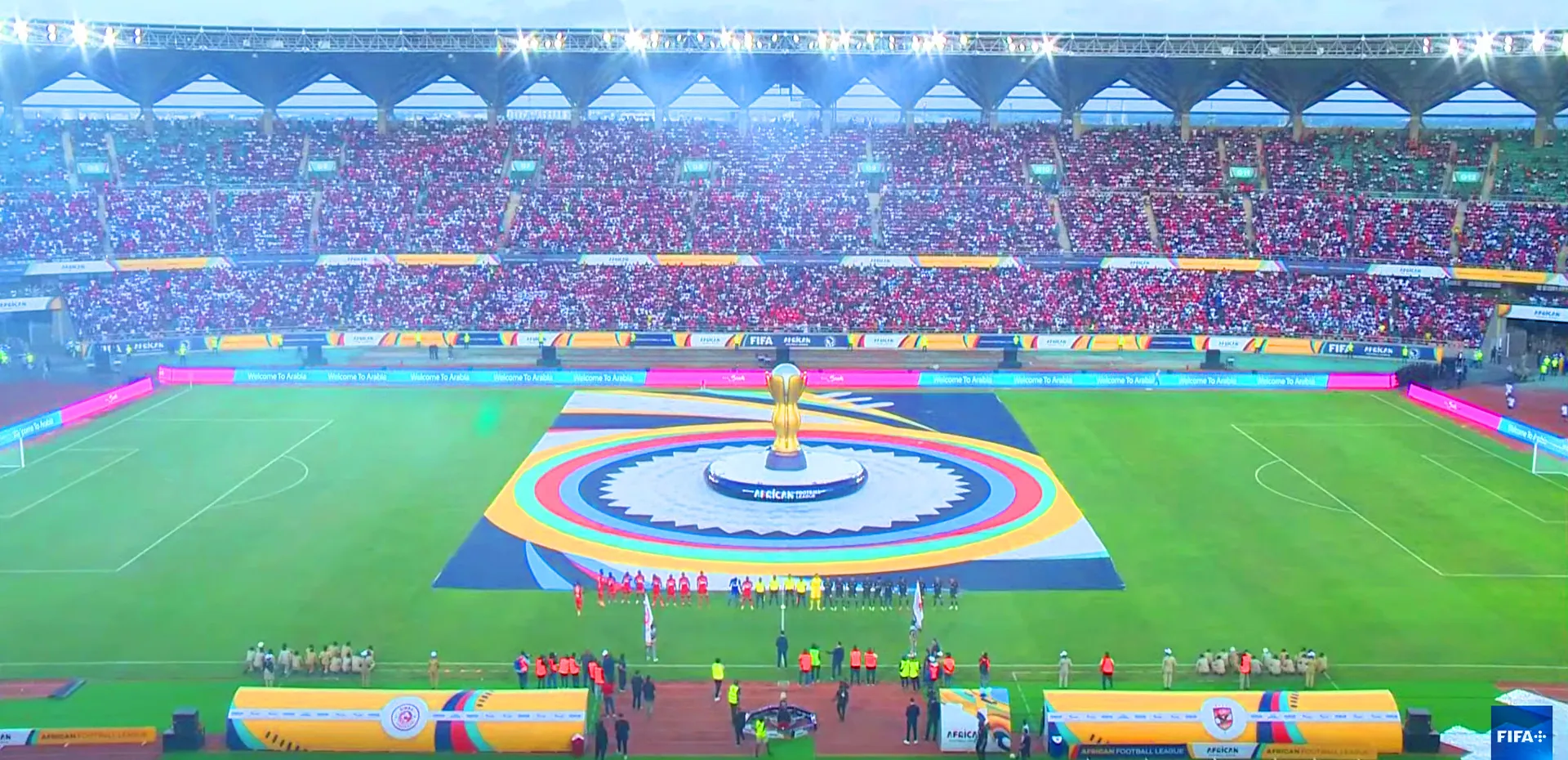
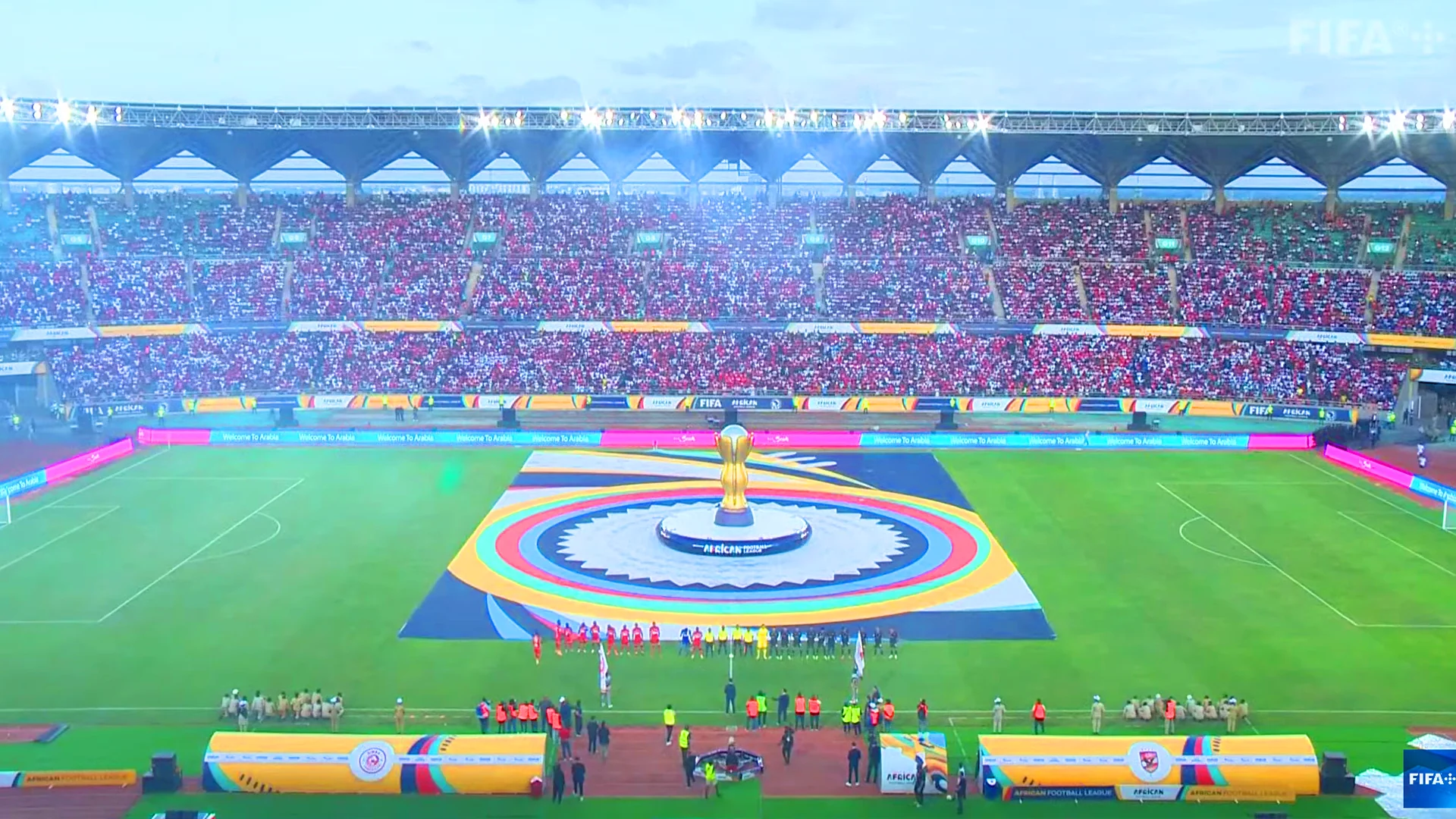
- Stadium and arena screens: long viewing distances combined with floodlighting, where brightness headroom prevents washout during play.
- Transportation hubs: high ambient light, mixed viewing angles and continuous duty cycles, where reliability is the whole business case.
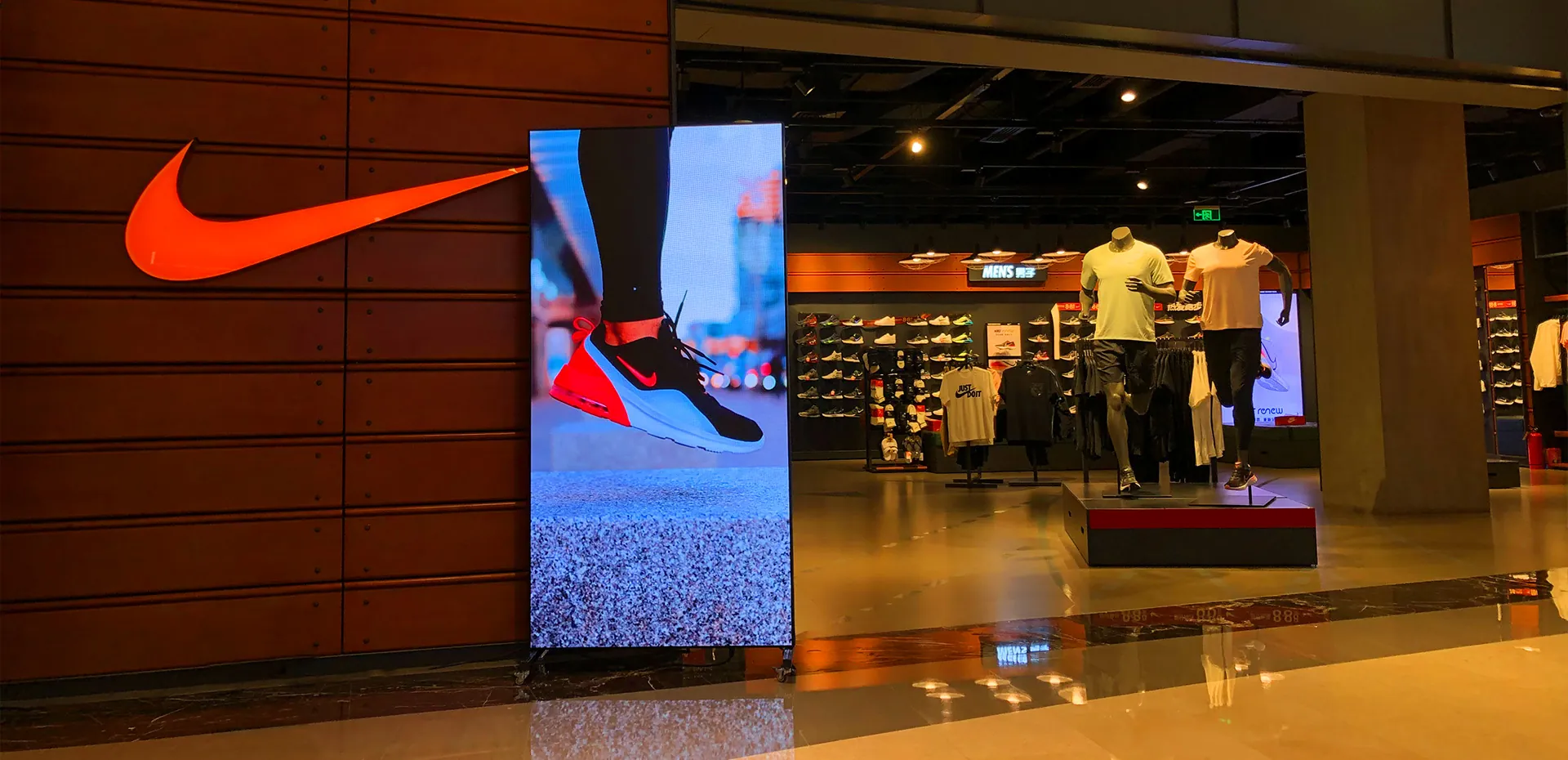
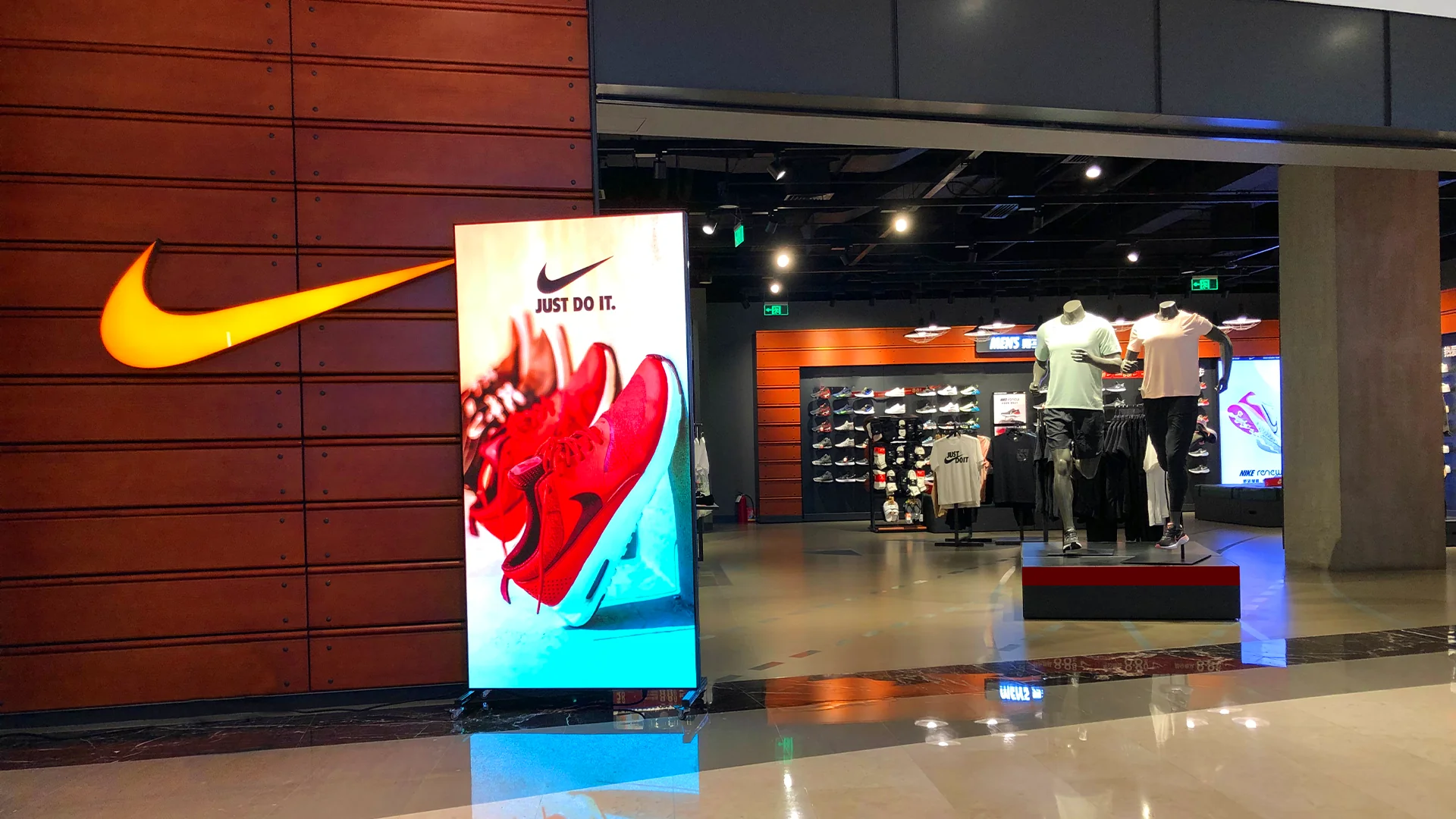
- Retail facades and street-level media: close viewing distance and brand-color fidelity, where contrast and color accuracy carry the message.
The global outdoor LED display market, valued at approximately USD 11.27 billion in 2025, is projected to reach nearly USD 49.28 billion by 2035, growing at a compound annual growth rate of 15.90 percent. That trajectory reflects a structural shift in advertising budgets toward digital out-of-home inventory that can be programmed, measured and re-targeted. As demand for high-impact digital out-of-home advertising continues to surge, investing in premium brightness solutions ensures your displays remain competitive and visible, maximizing advertising ROI through enhanced brand engagement and dynamic content delivery.
The same growth has shifted what buyers expect from a screen. Inventory is now sold with audience measurement attached, creative is rotated by daypart, and campaigns are judged on verified exposure rather than on square meters installed. A display that cannot hold its image through the brightest hours of the schedule undermines that entire measurement chain, because the impressions it records are not the impressions the audience can actually perceive.
Serviceability and the Economics of Uptime
An outdoor screen is a revenue-generating asset, and every hour of downtime is an hour of unbilled inventory. For that reason, the engineering behind our 10,000-nit platform extends beyond the light source to the way the display is maintained in the field.
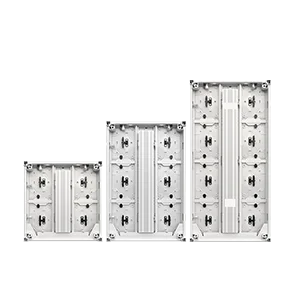
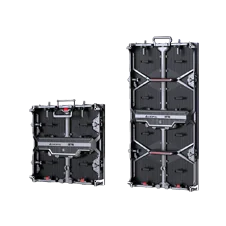
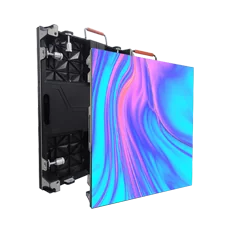
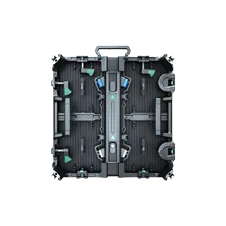
The architecture is built around front and rear service access so that modules, power supplies and receiving cards can be replaced without dismantling the enclosure or disrupting the mounting structure. Because a hollow shell design keeps internal cavities free of standing water, technicians are not working inside a sealed, humid box in the middle of a rain season, which shortens service windows and reduces the risk of secondary damage during repair.
Lower surface temperatures of at least 5°C compared with conventional modules also change the maintenance curve. Heat is the primary accelerator of LED and driver aging, and a cooler-running panel means fewer replacements per decade, more stable color across the field, and a service schedule driven by planning rather than by failure.
- Field-replaceable modules and power supplies to keep interventions short and predictable.
- Dry internal cavities that simplify inspection and protect electronics between service visits.
- Cooler operation that extends component life and preserves color uniformity over years.
- Documented service intervals so operators can budget maintenance rather than absorb emergency costs.
What to Specify Before You Buy
That growth has also produced a crowded field of suppliers quoting similar headline numbers, so diligence matters more than ever. Buyers should test the claim rather than the label.
- Ask for measured nits, not nominal nits, and confirm the figure at the panel face rather than at the power supply.
- Check brightness consistency across the full cabinet, not just the center of a sample module.
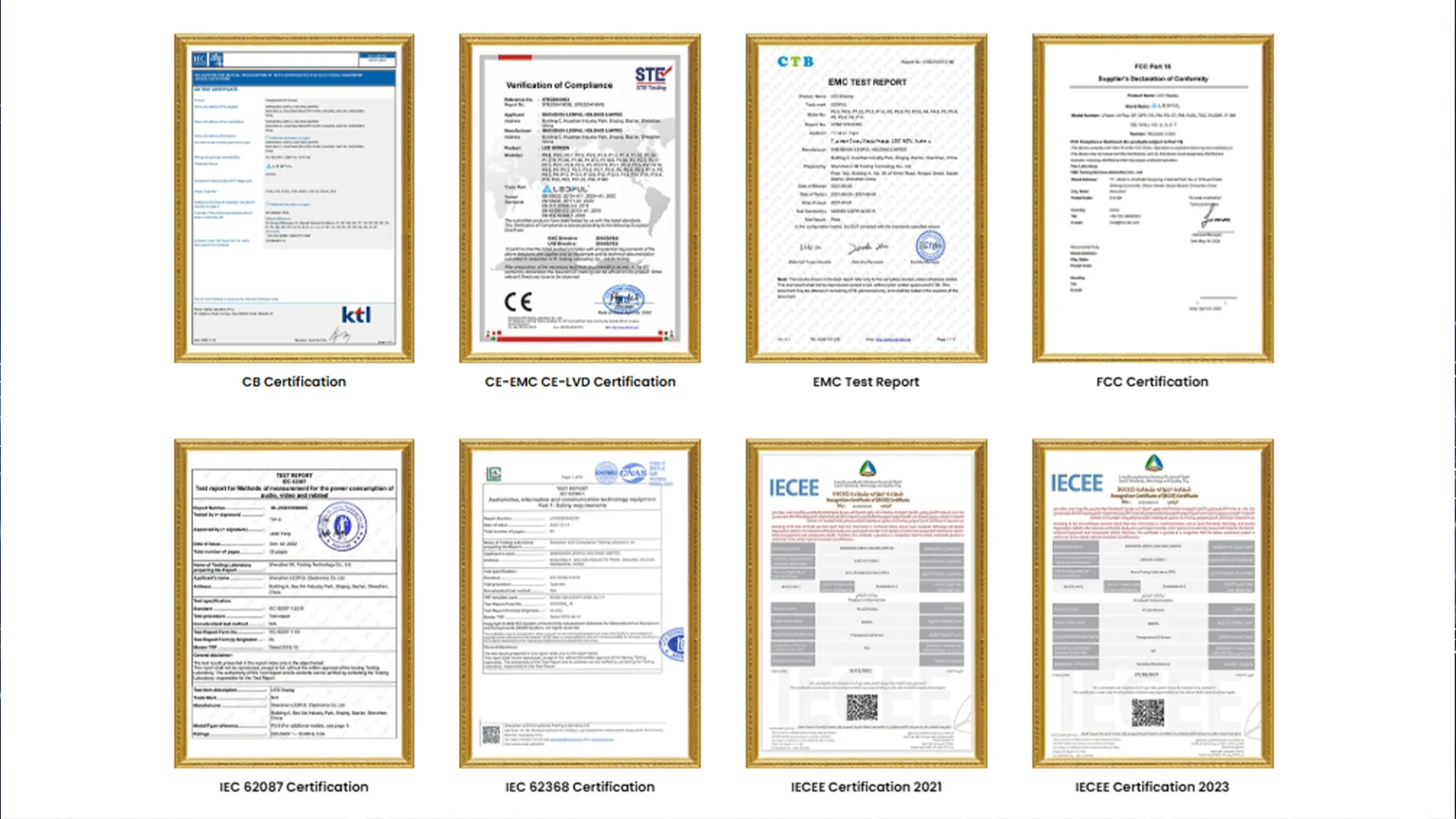
- Verify the ingress rating in writing, with the sealing method described, not merely the IP number quoted.
- Request the dimming behavior, including the minimum operating brightness and the curve used for ambient adjustment.
- Compare lifetime cost, factoring in power consumption, thermal performance and expected service intervals.
Frequently Asked Questions
Q1. What does 10,000 nits mean on an outdoor LED display?
A nit is one candela per square meter (cd/m²), the standard unit of screen luminance. A 10,000-nit display emits 10,000 cd/m² at peak output, which is roughly 50 percent brighter than the 6,000–8,000 nits typical of conventional outdoor panels. In practice, that means the image remains readable under direct sunlight rather than only at dusk or on overcast days.
Q2. Is 10,000 nits too bright for viewers at night?
No, provided the display supports proper dimming. Our screens use smart ambient-light adjustment that automatically scales output from full daytime brightness down to a comfortable low-light level. Without that dimming capability, an over-bright panel causes glare and eye fatigue; with it, 10,000 nits becomes usable headroom rather than constant output.
Q3. How is 10,000-nit brightness achieved without shortening LED life?
The extra output comes from the light source, not from overdriving the panel. Our displays use exclusive custom SMD lamp beads engineered for high brightness with excellent color mixing, so the module reaches 10,000 nits within its design limits. Because the panel is not running beyond rated current, brightness headroom is retained through the middle of the service life.
Q4. What is the difference between SMD and DIP for high-brightness outdoor screens?
DIP packages deliver high single-pixel brightness but narrower viewing angles and coarser resolution. SMD lamp beads provide significantly wider viewing angles and finer pixel pitch while still reaching high brightness, which is why SMD has become the mainstream choice for large-format outdoor advertising. Our 10,000-nit platform is built on SMD technology for that balance of angle, resolution and output.
Q5. Why does contrast matter as much as brightness outdoors?
Perceived depth and legibility depend on the ratio between the brightest and darkest areas on screen. A bright panel with weak black levels looks washed out once stray light from sky, buildings and road surfaces hits the face. Our displays reach contrast ratios of up to 30,000:1, which is what keeps typography crisp and brand colors saturated in daylight.
Q6. What IP rating should an outdoor LED display have?
For permanent outdoor installations we specify IP65/IP66 protection, with a fully enclosed cabinet design using double-sided gluing and a hollow shell structure that prevents water accumulation. The rating alone is not enough; buyers should confirm the sealing method behind it, since most water ingress happens through seams and condensation paths rather than the front face.
Q7. How much energy does a 10,000-nit outdoor display consume?
Consumption depends on screen area, pixel pitch, content and dimming behavior, so a single figure is misleading. What matters is the design: smart brightness adjustment cuts power during low-light hours, surface temperatures run at least 5°C lower than conventional modules, and common cathode configurations can save up to 40 percent energy. Electricity is the largest recurring cost over the screen’s life, so these three factors drive the real difference.
Q8. What is common cathode technology, and why does it reduce power consumption?
Common cathode architecture shares a single cathode rail across the LED drive circuit instead of driving each channel separately, which lowers resistive losses and heat generation. The result is lower power draw at equivalent brightness, cooler operation and longer component life, making it a practical option for large installations where operating cost dominates the budget.
Q9. How long do outdoor LED displays last, and what affects lifespan?
Lifetime is governed mainly by heat, moisture and drive current rather than by brightness alone. Cooler operation, dry internal cavities and field-replaceable modules all extend service life and keep color uniform across the panel. Rather than quoting a single hour figure, we recommend planning against documented service intervals so maintenance is budgeted instead of absorbed as an emergency cost.
Q10. Can 10,000-nit displays be used for stadiums, transport hubs and retail facades?
Yes, the same core platform serves all three, because each constraint it answers, daylight legibility, wide viewing angles and all-weather reliability, applies across those environments. Urban billboards, arena screens, transportation hubs and street-level retail media differ in mounting and control requirements, but the brightness, contrast and thermal design remain the common foundation.
The Bottom Line
Visibility is the product. Everything else, from lamp beads to cabinet sealing to drive electronics, exists to protect that visibility across a decade of sun, rain, heat and cold. Outdoor 10,000-nit LED displays represent the current gold standard for high-impact visual communication because they answer the only question that matters at street level: can the audience see it, clearly, every hour of every day? For advertisers, operators and specifiers planning infrastructure that must remain competitive through 2035, that standard is no longer optional. It is the baseline.